Windmills of Malta
🏛️ Tal-Erwieh Windmill / Ta’ Pampalaw Windmill, Qormi
📍 Location & Names
Located in Qormi (Ħal Qormi), in the traditional district known as Ta’ l-Erwieħ.
Commonly referred to by two names:
Il-Mitħna tal-Erwieħ (“The Windmill of Souls/Spirits”), probably linked with an old local toponym.
Il-Mitħna ta’ Pampalaw, a nickname whose origins are less clear, possibly tied to a family name or local landholder.
Both names refer to the same windmill, confirmed by heritage and planning sources.
🏗️ Construction
Built in the late 17th century, most likely around 1685 during the era of the Knights of St John.
The date is not inscribed on the structure but is inferred from archival references and the broader building programme of windmills in Malta at that time.
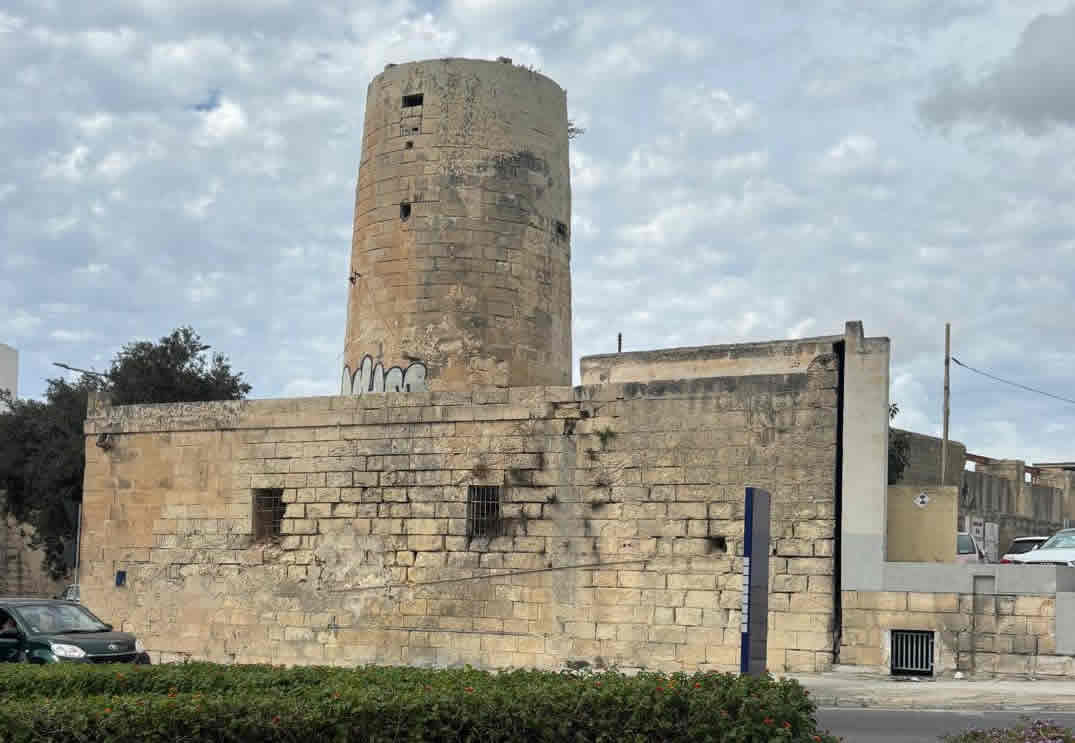
Constructed in the typical Maltese tower-mill style:
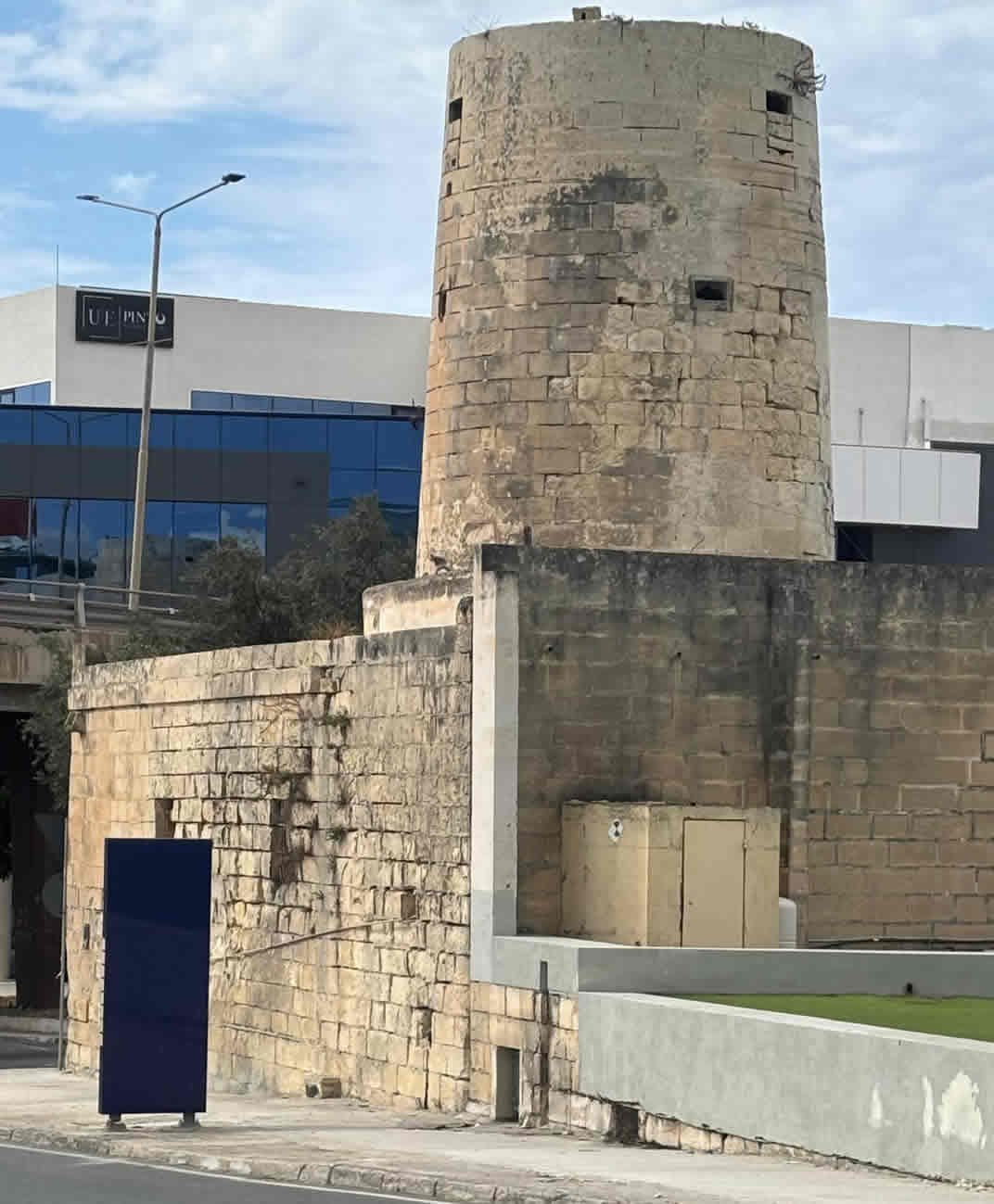
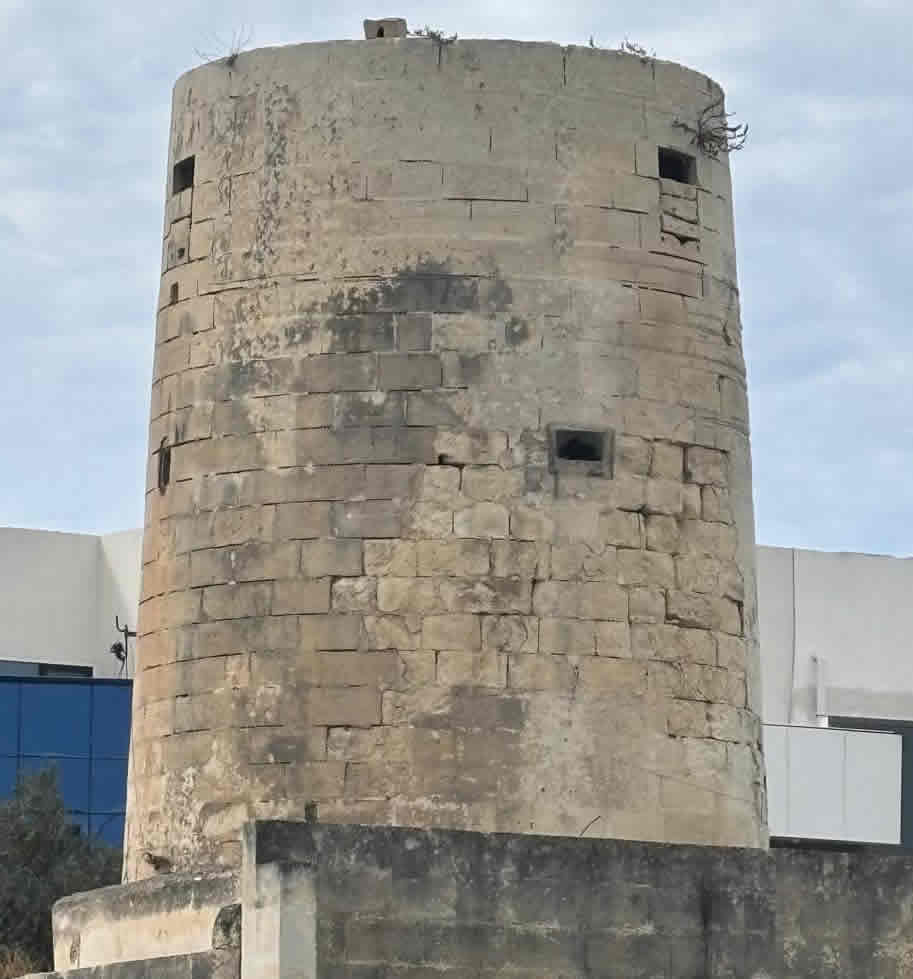
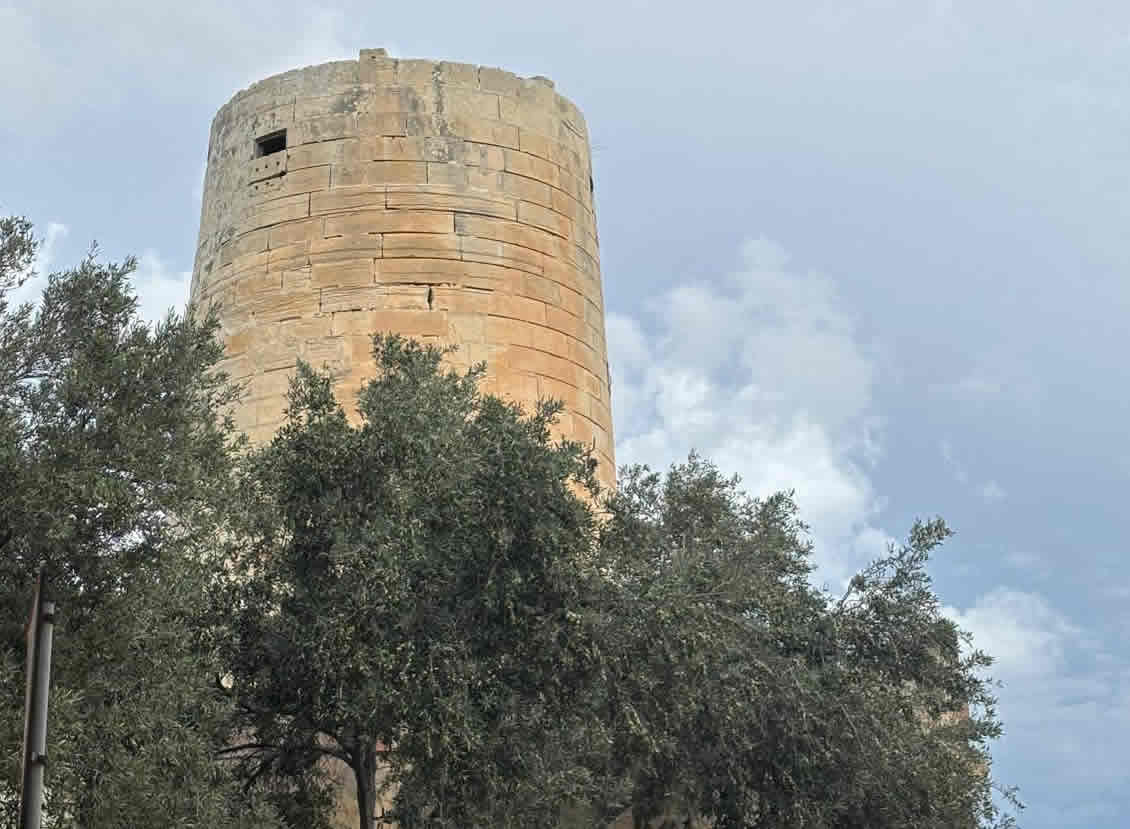
A cylindrical tower in local limestone, which supported a rotating timber cap with sails.
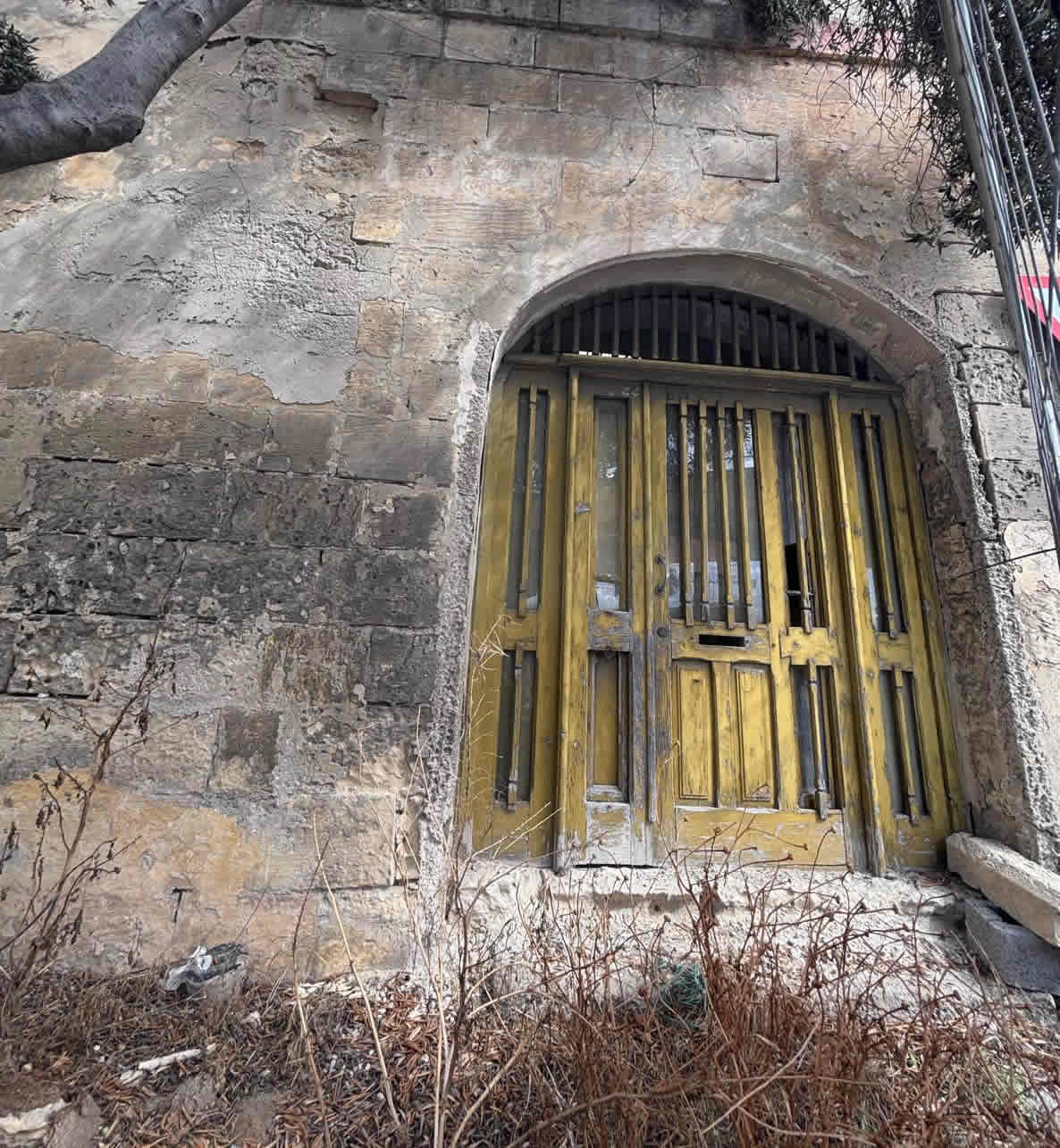
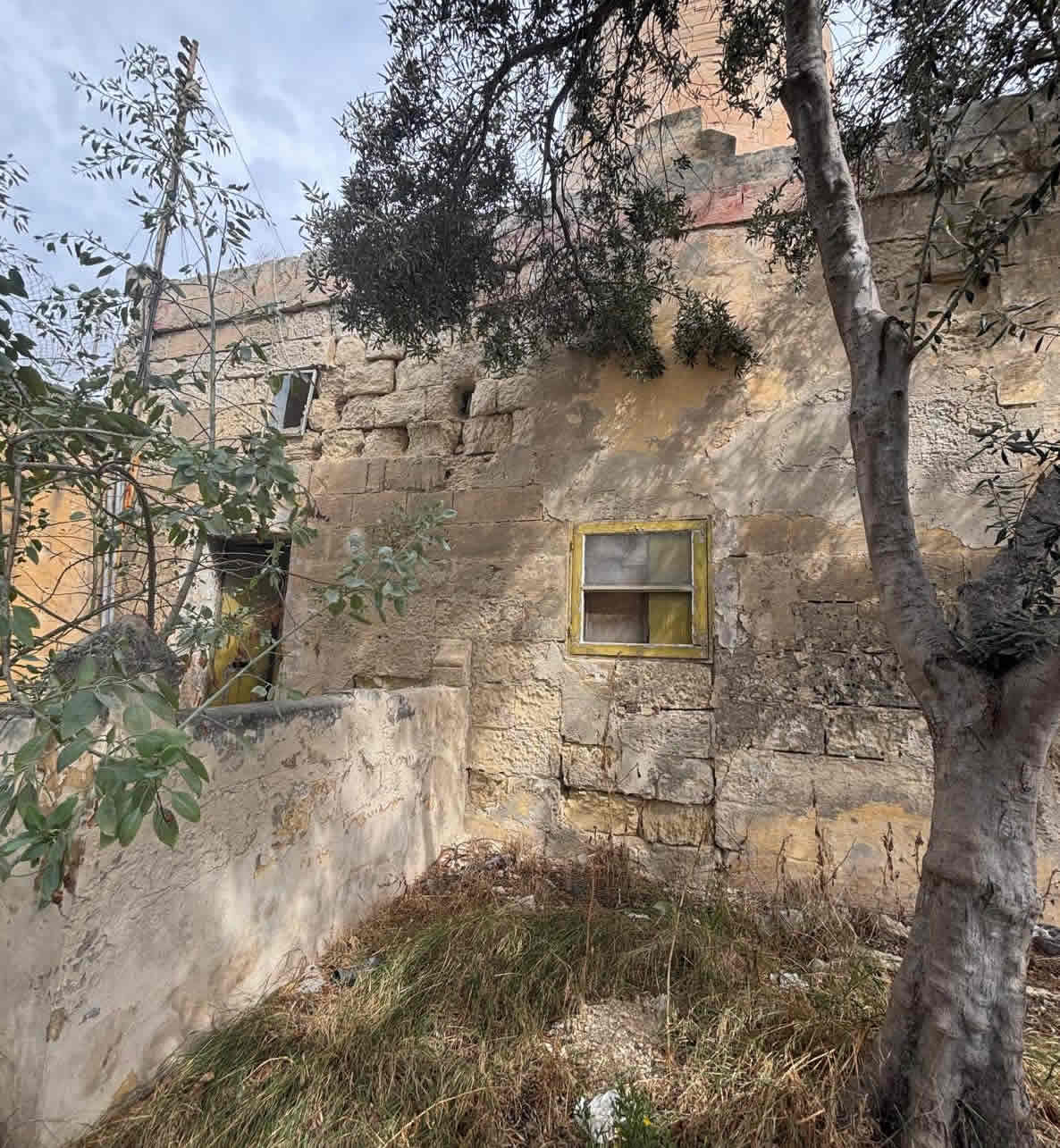
A surrounding rectangular block containing storage rooms, work areas, and quarters for the miller.
Internal mechanism: large millstones driven by the wooden shaft of the sails, designed for grinding grain into flour.
⚙️ Function
Served as a grain mill, processing wheat and barley for flour – essential to Qormi’s identity as Malta’s traditional “bread town.”
Operated by wind power: six large canvas sails captured prevailing winds and turned the central shaft connected to the millstones.
Acted as a community milling point for farmers in Qormi and nearby villages.
⏳ Decline & Later Use
Continued milling into the 19th century, but gradually declined as steam-powered and industrial mills replaced traditional wind power.
By the early 20th century, the sails and wooden machinery were lost.
The mill was adapted for alternative uses, including residential space and workshops (oral history recalls it serving as a blacksmith’s forge, among other roles).
Over the years, like many disused mills, it suffered neglect and partial disrepair.
🏚️ Modern Era
Survives today as a Grade 1 scheduled building, meaning the highest level of heritage protection in Malta.
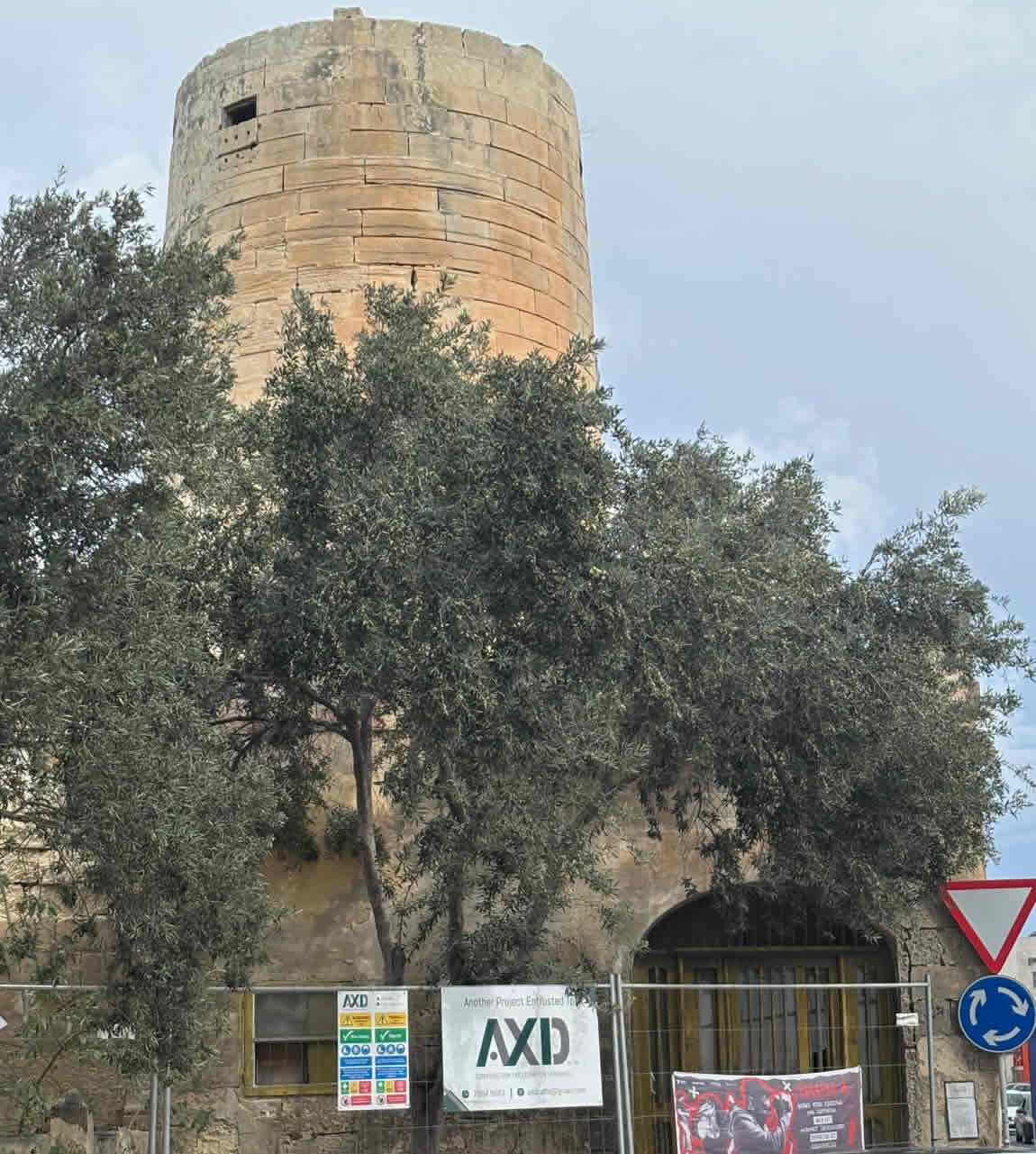
Though its sails and internal mechanism are gone, the tower and base rooms remain standing as a landmark in Qormi.
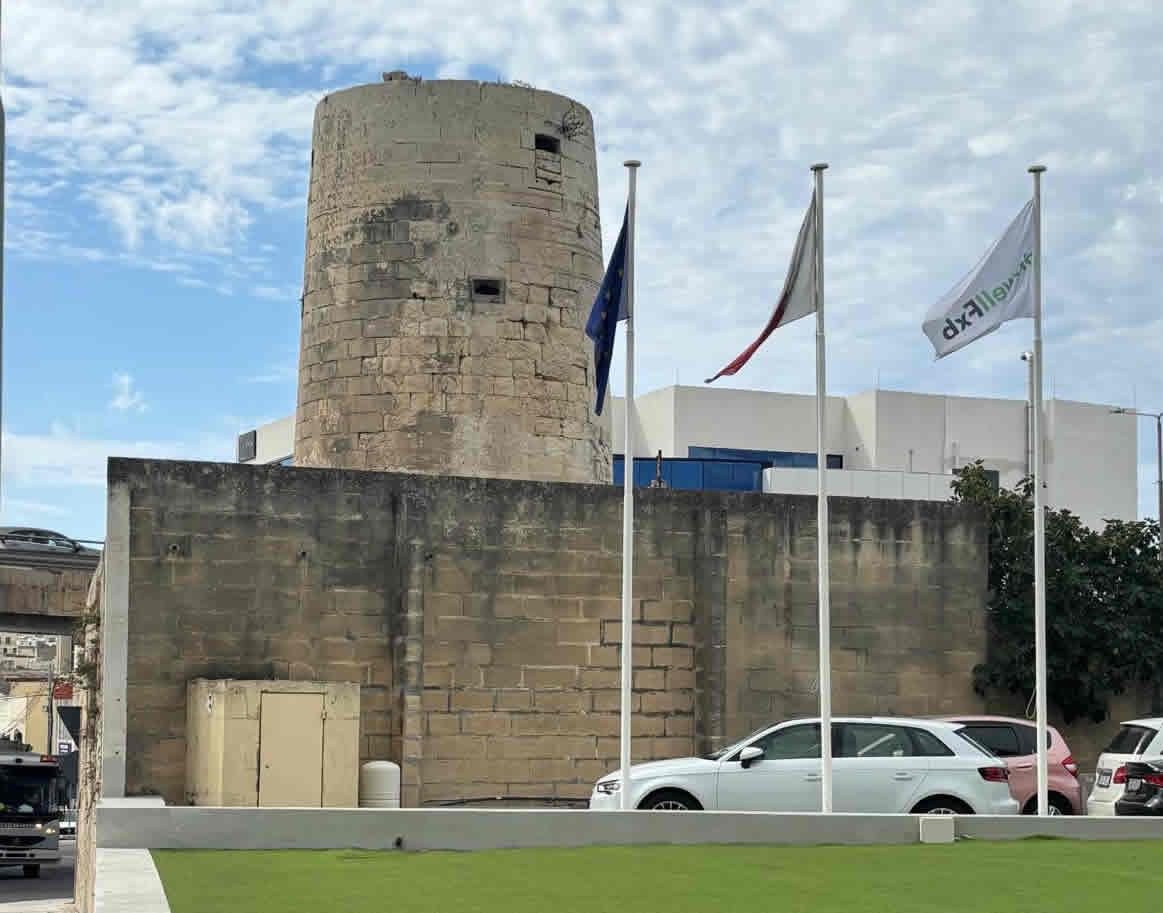
The windmill has been the subject of both restoration efforts and controversy, especially regarding nearby developments that risk dwarfing or isolating the historic site.
In recent years, conservation groups and the Qormi Local Council have pushed for safeguarding its context as part of Qormi’s cultural landscape.
🏚️ 20th Century & Conservation
Fell into disrepair during the early–mid 20th century.
In the 1980s and 1990s, local heritage enthusiasts began advocating for its recognition as part of Qormi’s identity emblematic of Qormi’s role in Malta’s grain and bread economy.
The Superintendence of Cultural Heritage listed it as a protected building, ensuring that its tower and base could not be demolished.
🌍 Significance
One of the few surviving 17th-century Knight-era windmills on Malta.
Symbolic of Qormi’s historic role in bread-making and food supply.
Stands as a reminder of the transition from pre-industrial milling to modern technology, while retaining its role as a cultural landmark.
🌍 Present Day
The Tal-Erwieħ Windmill remains a Grade 1 scheduled heritage building.
While its sails and internal milling machinery are lost, the tower and surrounding block survive.
The site is recognised as an important reminder of Qormi’s agricultural and food-processing past, when the locality was one of Malta’s main bread-making centres (Ħal Qormi was long associated with bakeries and flour-milling).
Today, the windmill stands as a landmark structure, though it still awaits a full restoration project to recover more of its historical fabric.
✅ Summary:
The Tal-Erwieħ / Ta’ Pampalaw Windmill in Qormi, built around 1685, is a Knight-era limestone tower mill that once ground grain for Malta’s staple bread supply. Though it ceased operation long ago and lost its sails, the tower still survives as a protected heritage landmark, remembered under both its names and tied to Qormi’s deep association with flour and baking.