Overview
The Order of St. John - also known as the Knights Hospitaller, the Knights of Rhodes, and later as the Knights of Malta - was a religious, military and hospitaller order that played a decisive role in Mediterranean history. Granted Malta in 1530, the Knights transformed the islands into a heavily fortified maritime base, leaving an architectural and cultural imprint that survives today.
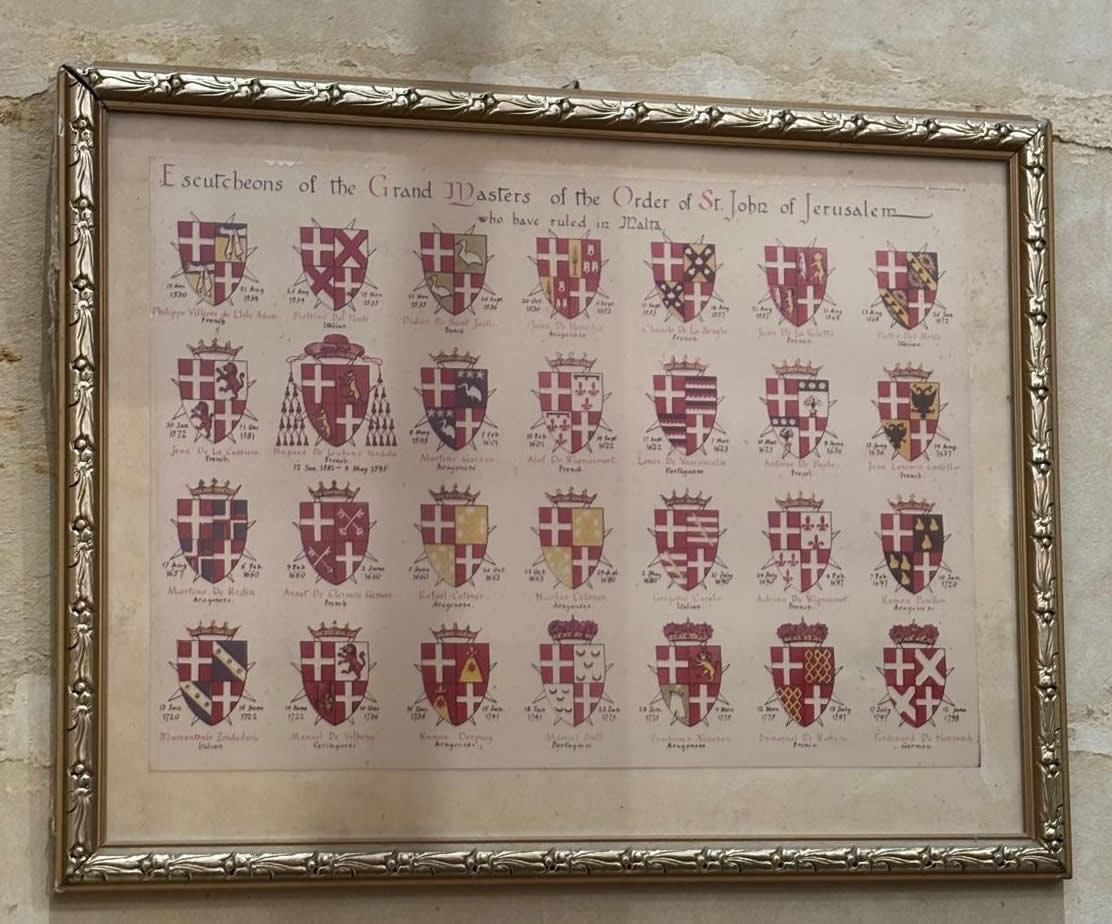
From their origins as a hospital brotherhood in Jerusalem, the Knights evolved into one of the most effective maritime powers of early modern Europe. Malta became the Order's base after Charles V granted them sovereignty in 1530; they repelled Ottoman attack in 1565 - an event that cemented their reputation and led to Malta's Golden Age of fortifications, arts and international diplomacy.
The Great Siege of 1565
"A small island, a vast resolve." - summing up the Knights' defense against the Ottomans.
The Great Siege was a defining moment. A numerically superior Ottoman force besieged the Knights in the harbors and fortifications of Malta. Despite losses and tremendous pressure, the Order - together with Maltese civilians and foreign reinforcements - held out until Ottoman supply problems and the arrival of relief forces forced a retreat. The siege boosted the Order's prestige and led to a wave of building: new bastions, forts and the planned capital, Valletta.
- Knights arrive on Malta - They were granted Malta by Charles V, who was also King of Spain. The formal transfer took place on 26 October 1530, when the Knights took possession of the islands.
- Great Siege - Ottoman attempt to take Malta fails.
- Valletta built - A planned Renaissance city and defensive system.
- Fortifications expanded - Bastions, cavaliers and coastal batteries modernized.
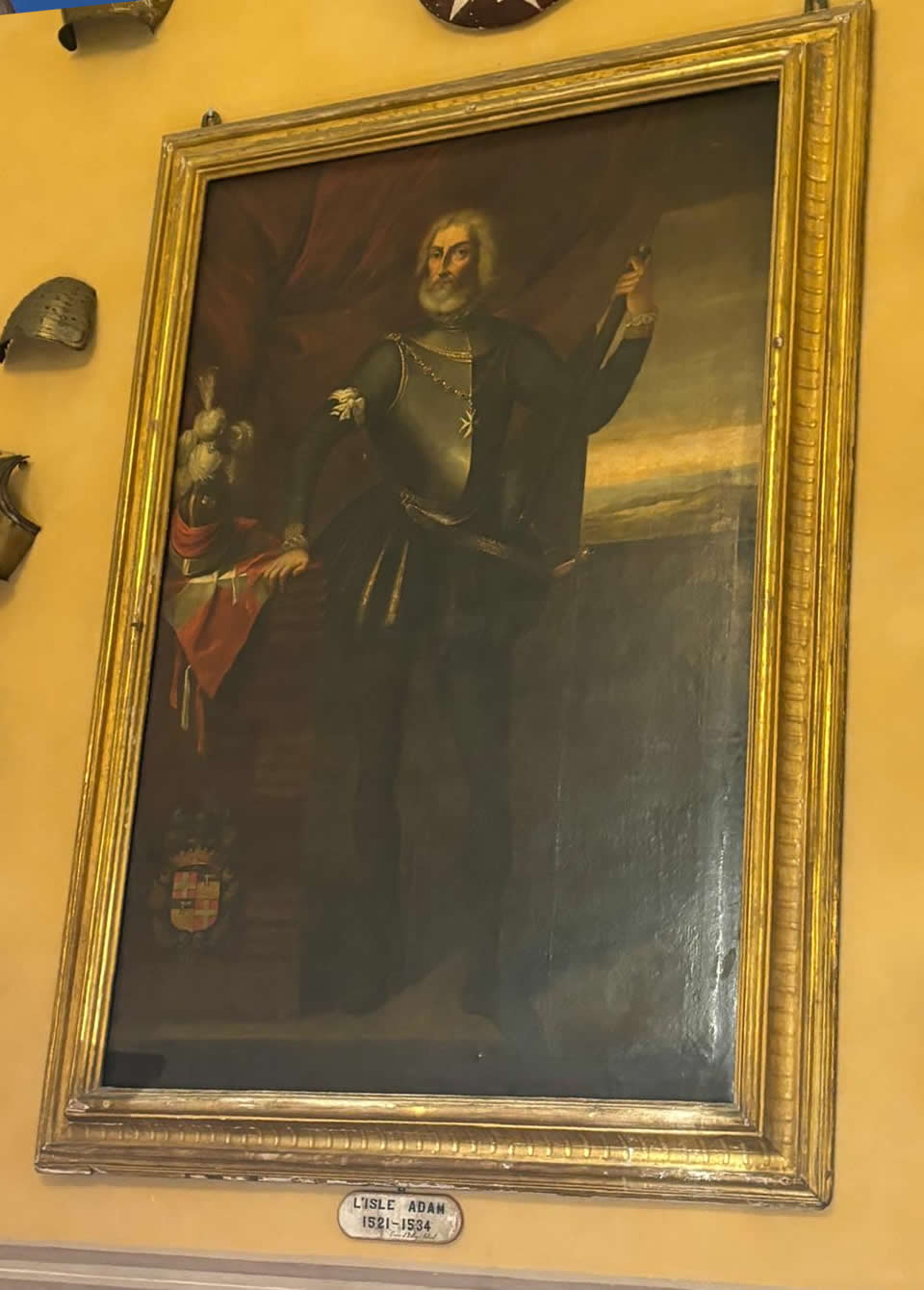
Grand Masters Palace, Valletta
The siege had wide European repercussions: it checked Ottoman ambitions in the central Mediterranean and made Malta a symbol of Christian resistance. The Order's naval activities intensified - privateering, convoy escort and medical services became staples of their activity.
Architecture & Urbanism
The Knights were patrons of monumental architecture. Valletta - often described as "a city built by gentlemen for gentlemen" - introduced a grid plan, grand churches and richly decorated auberges (lodging houses) for each langue (ethnolinguistic division) of the Order.
Fortifications
Military engineering: trace italienne bastions, curtain walls and outworks were constructed across the Grand Harbour and the Cottonera Lines. Fort St. Angelo and Fort Ricasoli are surviving examples of the Order's defensive network.
Cultural buildings
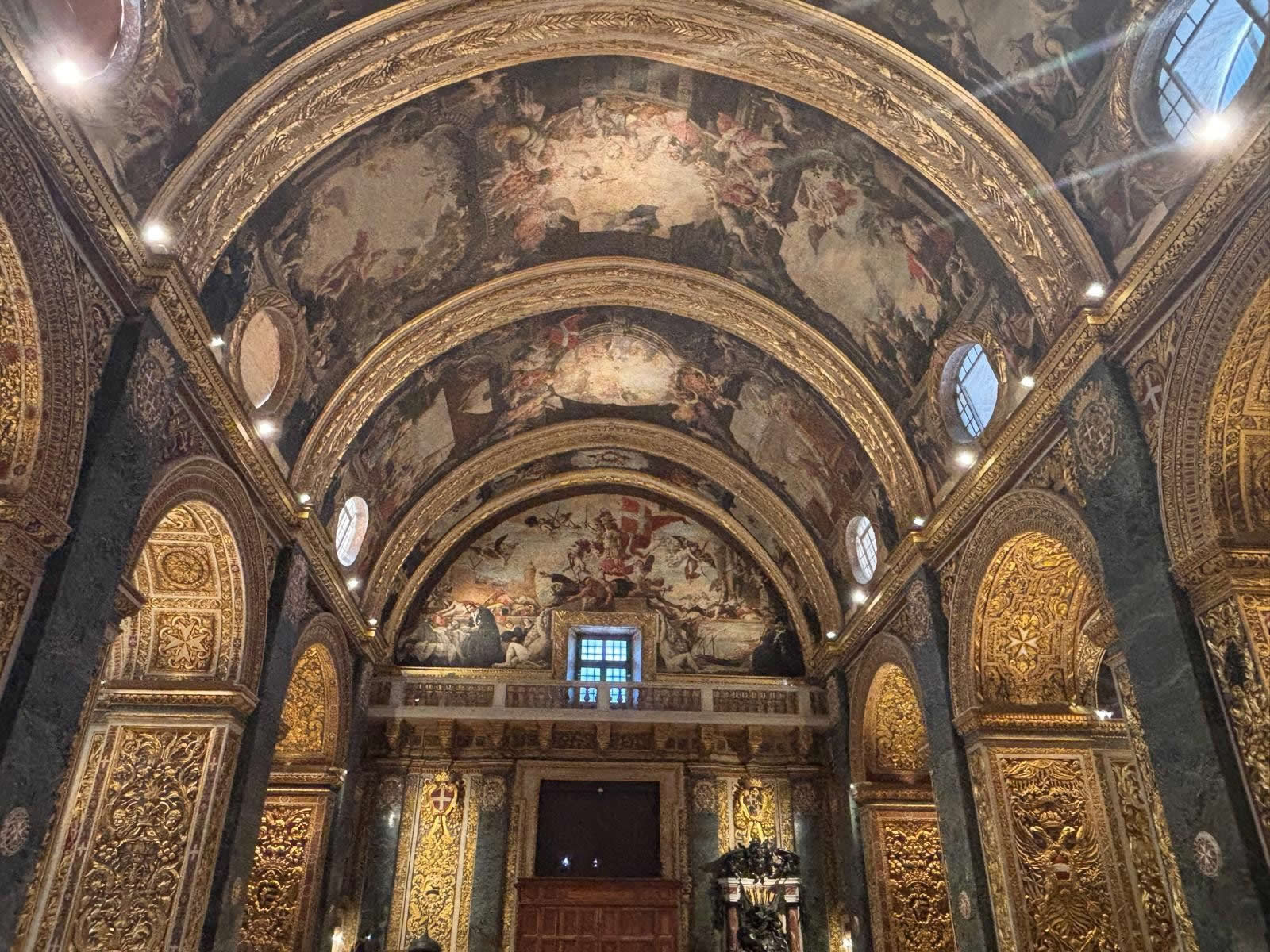
St. John's Co-Cathedral (interior), palaces and auberges showcase Baroque interior work, altarpieces and major works by artists like Caravaggio, commissioned or acquired by the Knights.
Key Figures
Grand Master during the Great Siege; credited with organizing Malta's defense and founding Valletta.
Examples of prominent commanders and diplomats who shaped policy and naval strategy.
Legacy
Malta's Golden Age under the Knights left a layered legacy: world-class fortifications, a concentration of Baroque art and architecture, hospitals and navigational infrastructure. Even after the Order left Malta in 1798 (Napoleon's arrival), their buildings and institutions shaped the island's identity.
Modern Malta preserves and presents the Knights' story through museums, restored forts and the Co-Cathedral, while the Sovereign Military Order of Malta continues as an international humanitarian order.