Malta contains some of the oldest free-standing stone structures in the world. The megalithic temples of Malta were built between 3600 and 2500 BC and are among the most important prehistoric sites in Europe. Oolder than Stonehenge and the Egyptian pyramids.
Interactive map showing the Megalithic Temples of the Maltese IslandsAll 26 Megalithic Temple Sites in Malta
Here's a harmonised list of the 26 megalithic temple sites generally cited for Malta & Gozo (including UNESCO-inscribed complexes and other excavated/destroyed/reburied or very ruinous temple sites).
UNESCO World Heritage Megalithic Temples
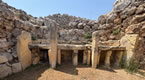 | (Xagħra, Gozo). | The Ġgantija Temples in Xagħra, Gozo, are among the world’s oldest freestanding monuments, showcasing advanced prehistoric architecture and Malta’s remarkable Neolithic cultural heritage. |
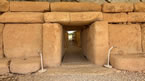 | (Qrendi, Malta). | The Ħaġar Qim Megalithic Temples in Malta are prehistoric masterpieces overlooking the sea, renowned for their massive stone structures, intricate design, and ritual significance. |
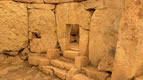 | (Qrendi, Malta). | The Mnajdra Megalithic Temples in Malta are prehistoric structures famed for precise solar alignments, coastal setting, and remarkable preservation, reflecting advanced Neolithic engineering and ritual practices. |
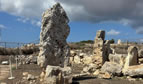 | (Żebbiegħ/Mġarr, Malta). | The Skorba Megalithic Temples in Malta are among the earliest prehistoric sites, offering key archaeological insights into Neolithic life, temple development, and ancient cultural traditions. |
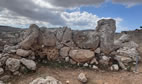 | (Mġarr, Malta). | The Ta’ Ħaġrat Megalithic Temples in Malta are small yet significant prehistoric structures in Mġarr, revealing early temple architecture, ritual activity, and Neolithic community development. |
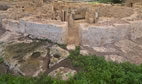 | (Tarxien, Malta). | The Tarxien Megalithic Temples in Malta are richly decorated prehistoric complexes, renowned for intricate stone carvings, spiral motifs, and evidence of ritual practices in advanced Neolithic society. |
Other temple sites on Malta
Five other temple sites on the island of Gozo
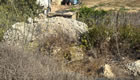 | Għajnsielem | Borġ il-Għarib (Tal-Qiegħan) in Gozo is a lesser-known prehistoric site, offering insight into early temple phases and Malta’s evolving Neolithic landscape. |
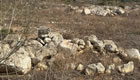 | San Lawrenz | Borġ l-Imramma in Gozo is a little-known prehistoric site, reflecting early human activity and contributing to understanding Malta’s Neolithic temple landscape. |
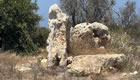 | Xagħra | Santa Verna in Gozo is an important prehistoric temple site, revealing early Neolithic construction phases and contributing to Malta’s ancient religious landscape. |
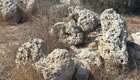 | Għajnsielem | The Ta’ L-Imrejzbiet Temple remnants in Għajnsielem, Gozo reveal prehistoric stone structures, reflecting ancient rituals and Malta’s megalithic heritage. |
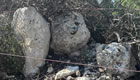 | Xagħra | The Ta' Marżiena Temple in Gozo is a prehistoric megalithic site, highlighting ancient rituals, stone construction, and Maltese archaeological heritage. |
Notes & sources:
UNESCO recognises six complexes as World Heritage
Ġgantija
Ħaġar Qim
Mnajdra
Skorba
Ta’ Ħaġrat
Tarxien.
The other temple sites are widely recorded in archaeological overviews and the “Other sites” section of the Wikipedia article (covering Kordin I–III, Buġibba, Debdieba, Ħal-Ġinwi, Qortin l-Imdawwar, Santa Verna, Ta’ Marżiena, Ta’ Raddiena, Tal-Qadi, Tas-Silġ, Xemxija I & II, Xrobb l-Għaġin, Borġ l-Imramma), with additional mapping references for Borġ il-Għarib and Tal-Qiegħan ; Għajn Żejtuna is listed among megalithic temple remains in a Cambridge University Press appendix. Counts vary slightly by author because some entries are destroyed, reburied, or very ruinous, but the 26 above reflect the most commonly cited temple sites today.
UNESCO World Heritage Centre
Wikipedia
Mapcarta
thetempletrail.com
Cambridge University Press & Assessment