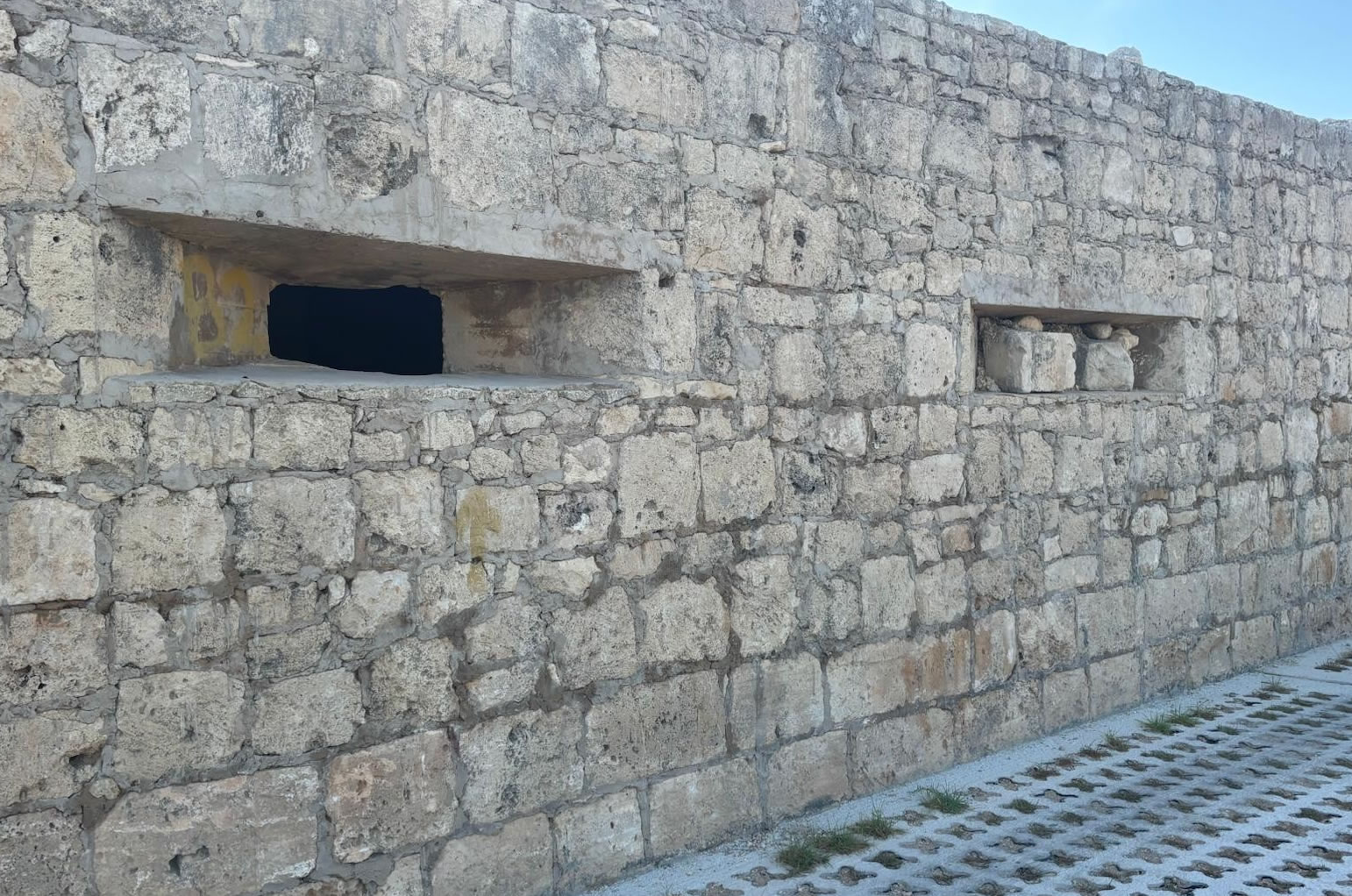
📍 Location
The coordinates of Campbell Fort are:
- 35.963757, 14.390410
history, construction and use summary for Fort Campbell (Il-Fortizza ta’ Campbell / Fort Campbell, Selmun — Mellieħa, Malta). I’ve included a compact timeline, description of design and armament, its wartime role, and post-war fate
Summary
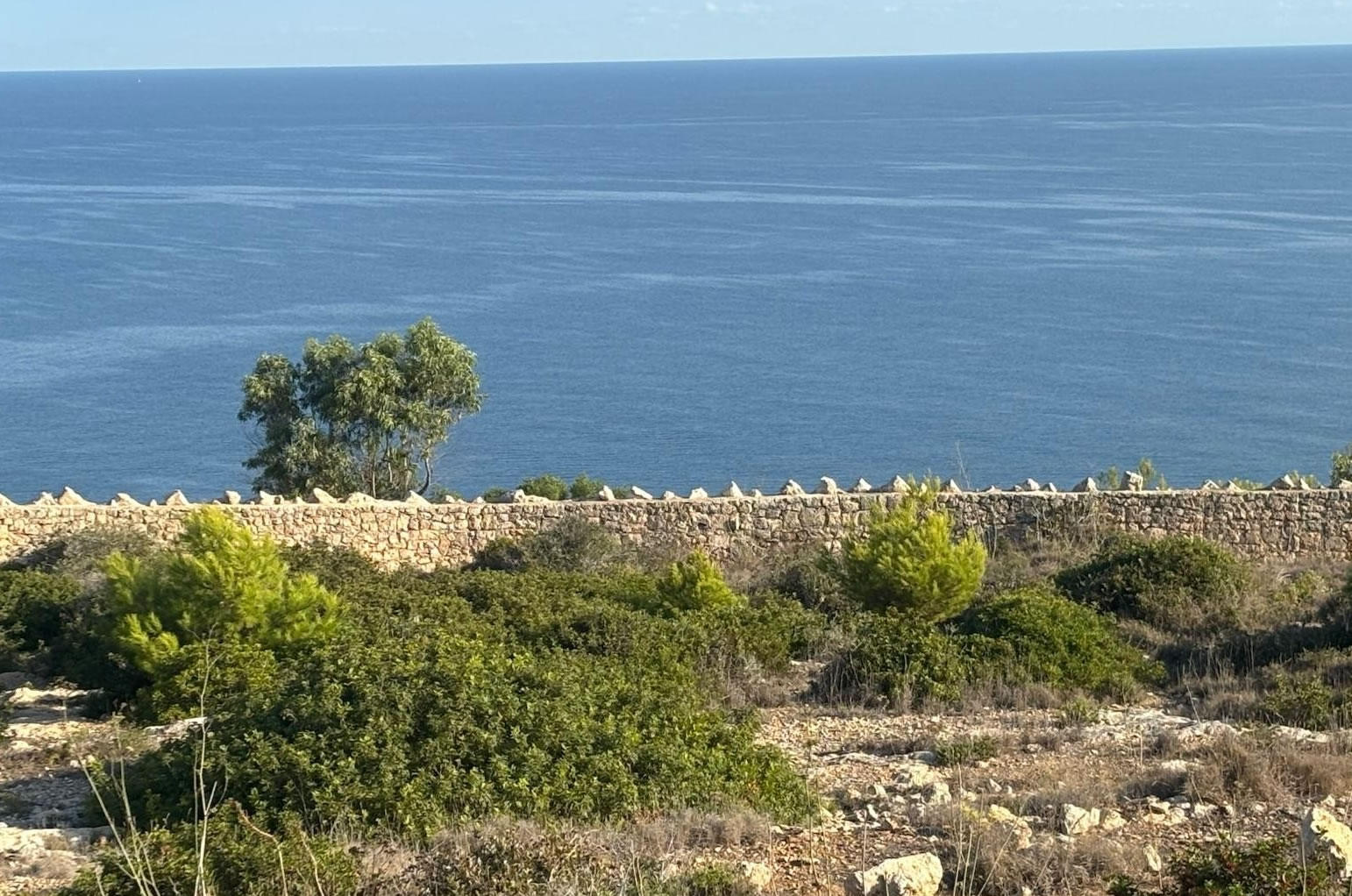
Fort Campbell was the last major British fortification built in Malta (constructed 1937–1938) to guard the approaches to Mellieħa Bay / St Paul’s Islands; it served as a coastal/examination battery and Second World War defensive position, and was later decommissioned and fell into ruin before being scheduled for protection and recent conservation discussion.
Construction — why, when and by whom
When / who: Built by the British colonial authorities in 1937–1938 (works starting late 1937, completed just before WWII). It is commonly described as the last major fort the British constructed in Malta.
Why: Intended to control and deny enemy warships access to the northern approaches and to protect Mellieħa Bay / St Paul’s Islands. It functioned as an examination battery — a fort designed to challenge, identify and if necessary engage ships approaching the coast.
Design & construction details
Type / plan: Fort Campbell is a purpose-built late-interwar coastal fort using reinforced concrete and local limestone. The layout is essentially a compact rectangular/irregular fort with gun emplacements facing seaward, living and service spaces, and defensive positions arranged to cover the approaches. The design reflects late-1930s thinking: lower, chunkier profiles and concrete works to resist modern naval and air attack.
Armament: Contemporary descriptions and site reports record the offensive armament as two 6-inch (BL) coastal guns mounted in open (barbette) emplacements; supplementary light anti-aircraft positions and pillboxes in the Selmun area supported the fort.
Associated defences: Fort Campbell formed part of a broader interwar/WWII defensive system on Selmun and the north coast that included pillboxes, searchlights, anti-aircraft emplacements and radar/observation posts.
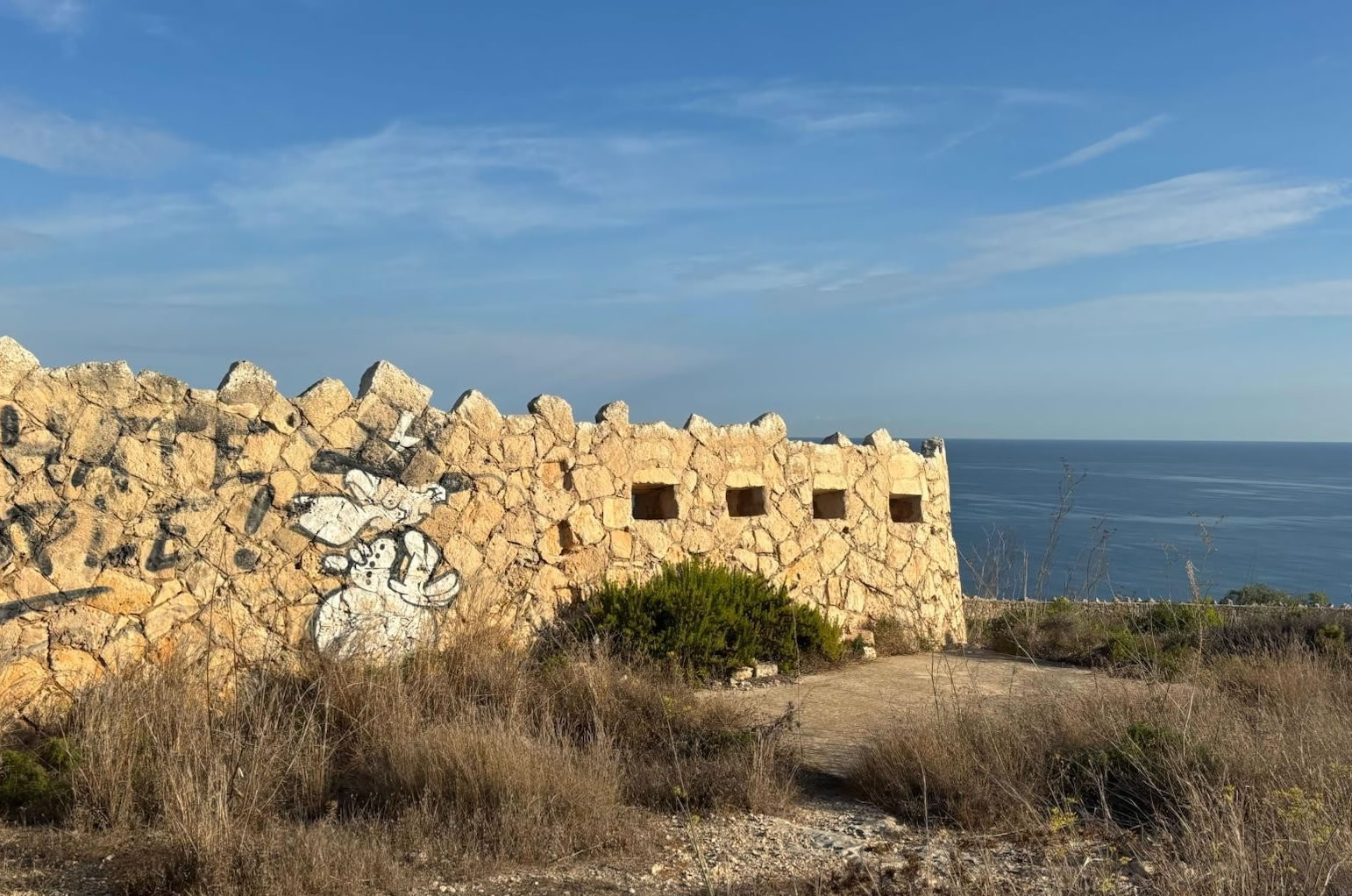
Use during WWII
Operational role: Entering service immediately prior to WWII, the fort played a role in coastal defence and local control of shipping lanes, acting as an examination and deterrent battery. It survived the war structurally (no record of catastrophic wartime destruction of the fort itself), though the general area was active with air raids and naval threat.
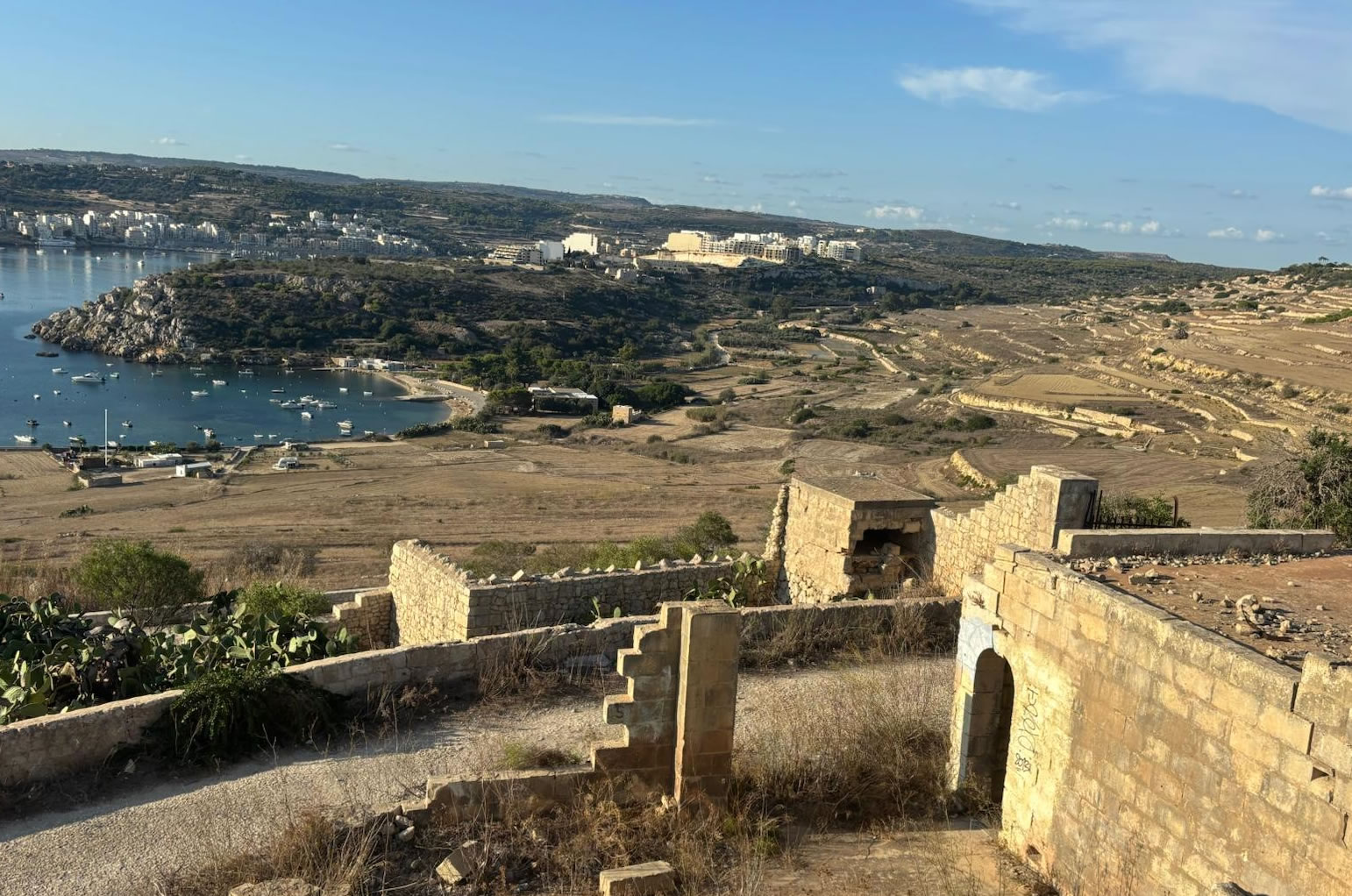
Post-war life, decommissioning and decline
Decommissioning: As with many coastal batteries after WWII, the fort’s guns and primary military function became obsolete; it was decommissioned and disarmed in the post-war decades.
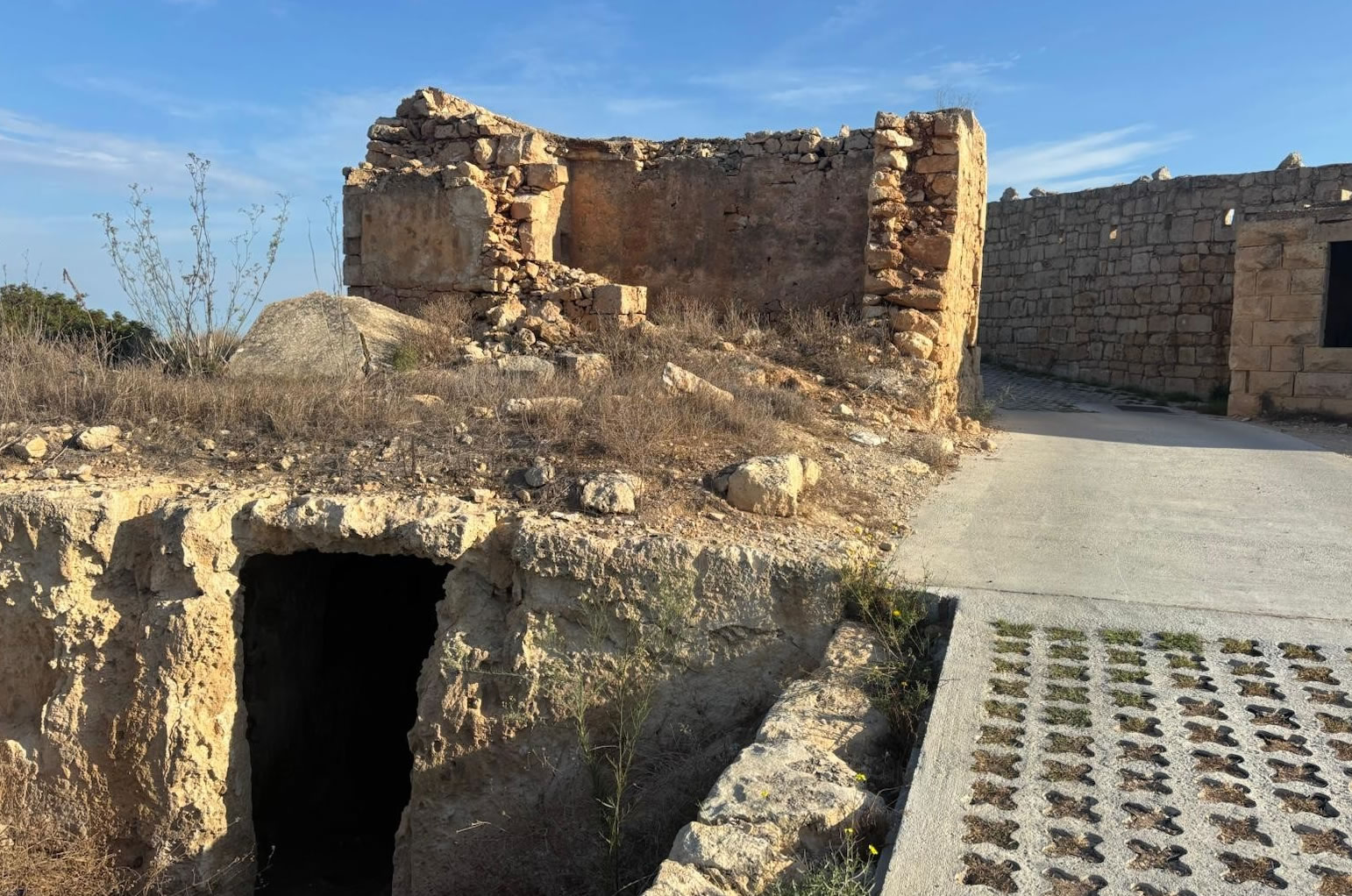
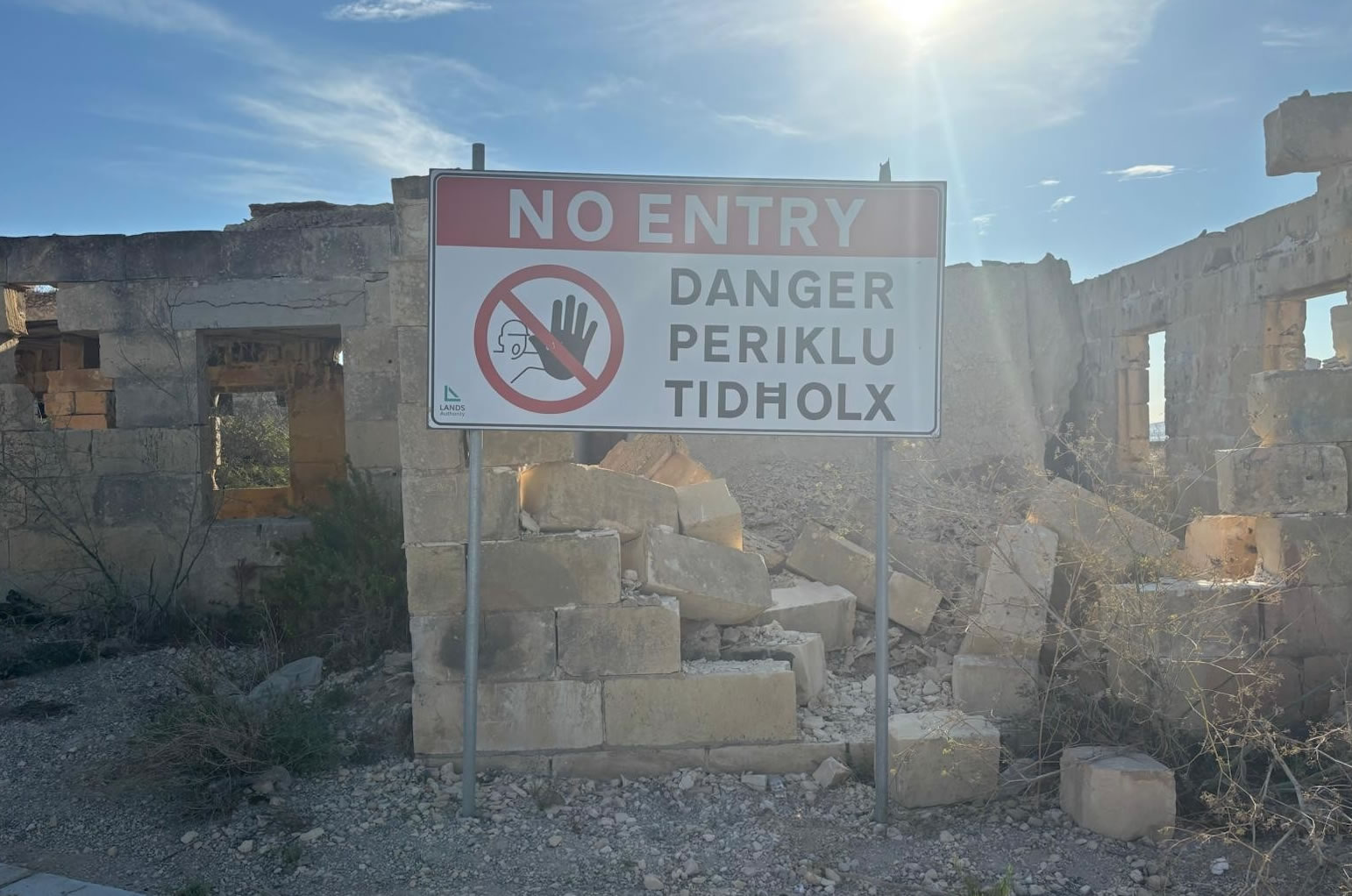
Neglect and vandalism: From the post-war period onwards Fort Campbell was progressively neglected. It became derelict, vandalised and stripped (common problems for redundant military sites in Malta). Urban-exploration accounts, photo documentation and local reports over many years record structural decay, theft of building fabric and graffiti.
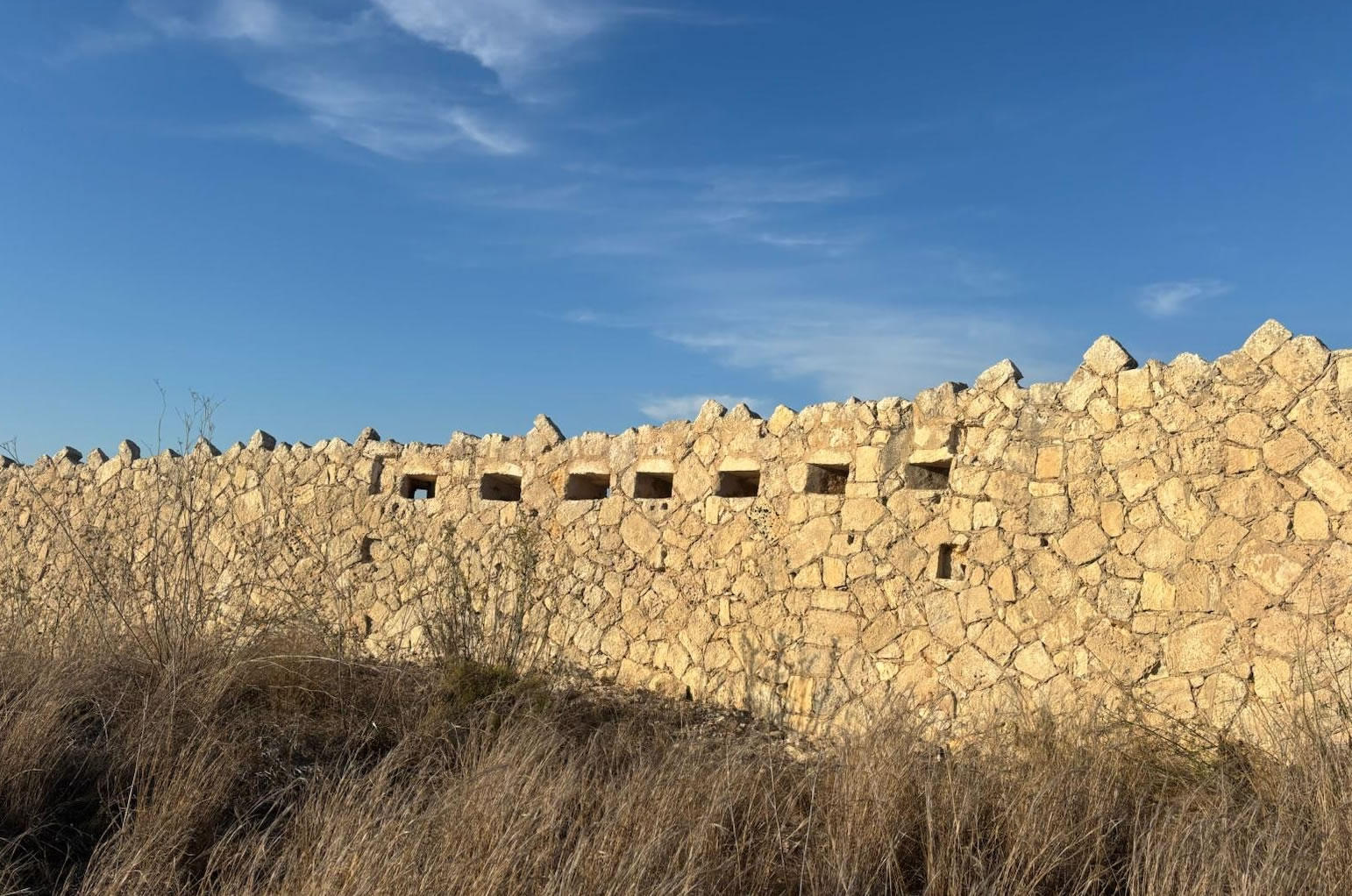
Heritage status, recent attention and future
Scheduling / protection: The site has been officially recognised for its historic value (discussed and documented in academic work and by the Planning Authority / Superintendence). The University of Malta has a documented study (2007) cataloguing and assessing the fort and its significance.
Recent media & proposals: In recent years (2020s) local press and heritage commentators have highlighted Fort Campbell’s poor condition and advocated for restoration or adaptive reuse. Press coverage (Times of Malta and others) from 2024–2025 reports plans and proposals to stabilise and transform the ruins (for example into a family park and managed public space), while also noting the difficulty and cost of such work.
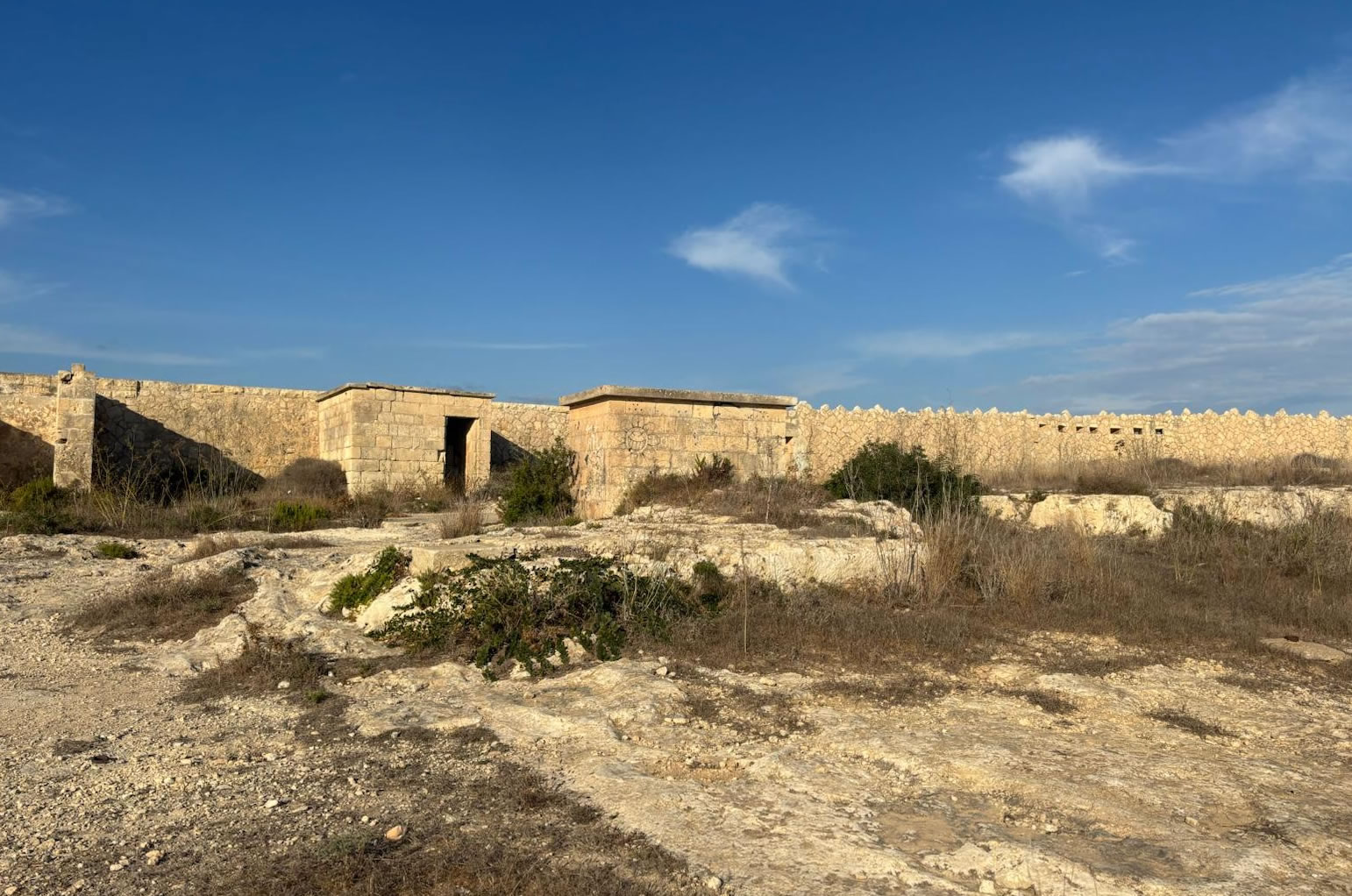
Assessment of significance
Why it matters: Fort Campbell is historically important as the last major British fort in Malta, a physical example of late-interwar defensive thinking (coastal guns integrated with anti-aircraft and observation systems), and as part of the defensive ring protecting Malta’s strategic anchorages. Its survival — albeit in ruined state — offers a rare example of 1930s coastal fortification on the island.
Concise timeline
Late-1937: Construction begins on Fort Campbell (Selmun / Mellieħa).
1938 (completed): Fort finished and commissioned as an examination/coastal battery armed with two 6-inch guns.
1939–1945 (WWII): Active as part of Malta’s WWII defences (coastal and anti-aircraft network).
Post-1945: Demilitarised over subsequent decades; guns removed and fort gradually abandoned.
2000s: Academic documentation (University of Malta thesis, 2007) and urban-explorer interest record its condition.
2020s (2022–2025): Media attention, scheduling and conservation proposals; local plans discussed to stabilise and repurpose the ruin (press coverage 2024–2025).