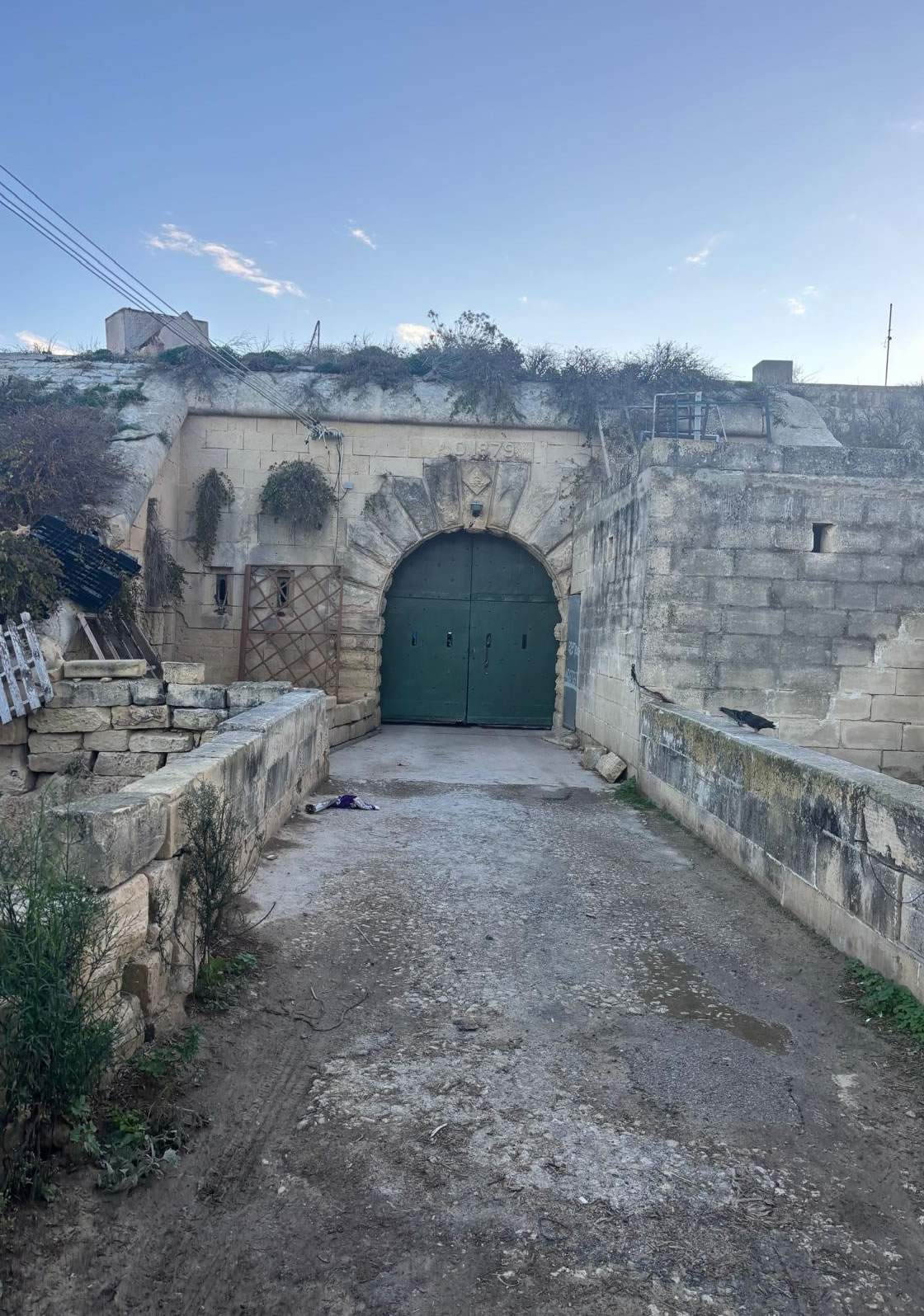
📍 Location
The coordinates of Leonardo Fort are:
- 35.877804, 14.558550
History, construction, and use of Fort Leonardo (also known as Fort San Leonardo), in Żabbar / Żonqor area, Malta.
🔨 Construction — why and how Fort Leonardo was built
When & by whom: Fort Leonardo was constructed by the British between 1872 and 1878.
Strategic context: The fort’s construction was part of a broader programme of British fortifications recommended in the aftermath of changing naval and military technology — specifically in the wake of the 1866 William Jervois Report, which urged improvements to Malta’s coastal and harbour defences.
Name origin: At the project outset the fort was to be called “Fort Tombrell,” but the name was changed to Fort Leonardo when building began.
Design and construction materials
Fort Leonardo is a polygonal fort, not a traditional bastioned fort. Its layout is somewhat complex — within the larger fortification is a smaller inner fort forming one corner, while the rest of the area contains gun emplacements and supporting facilities.
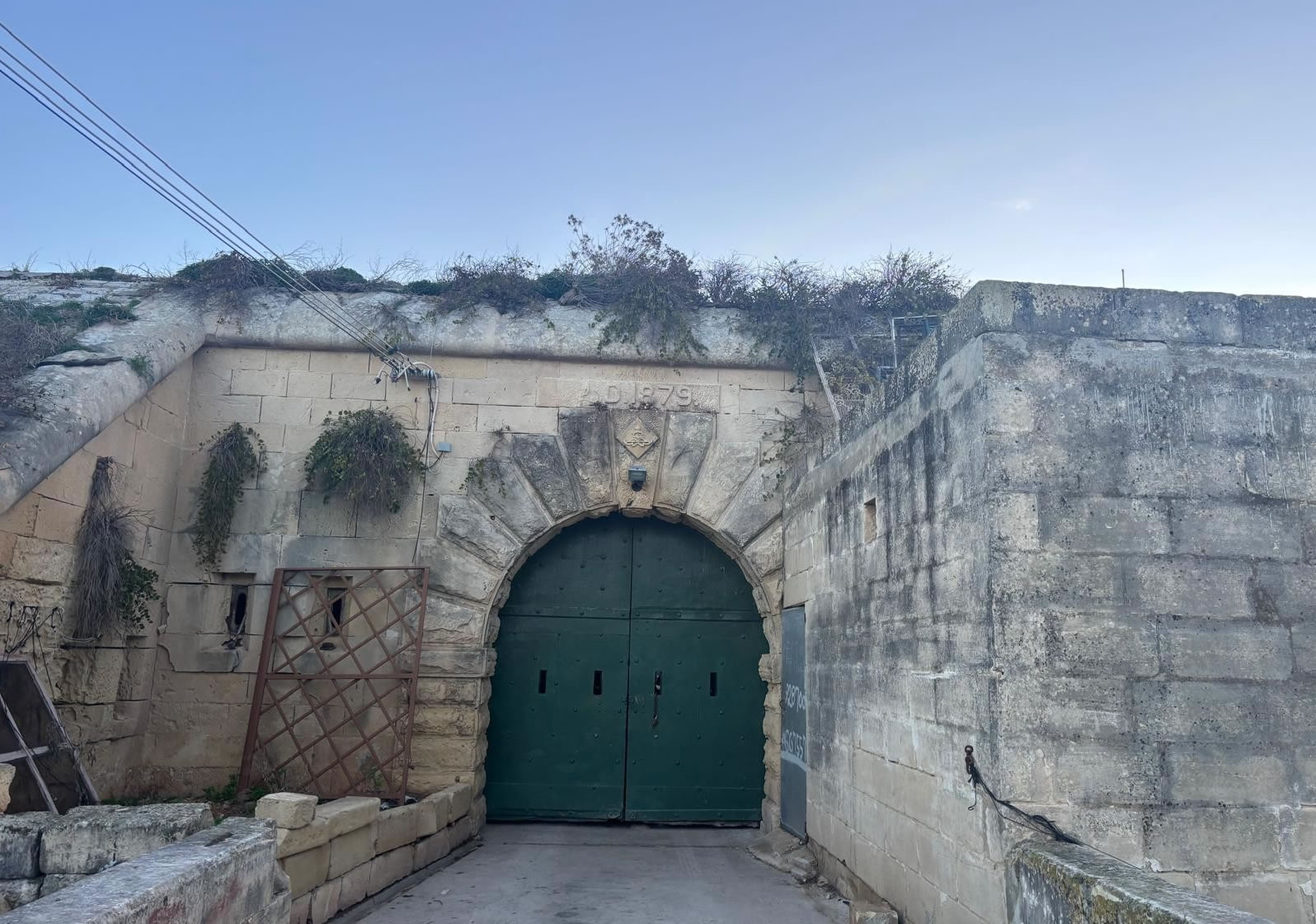
Built with local limestone, as was customary in Maltese fortifications.
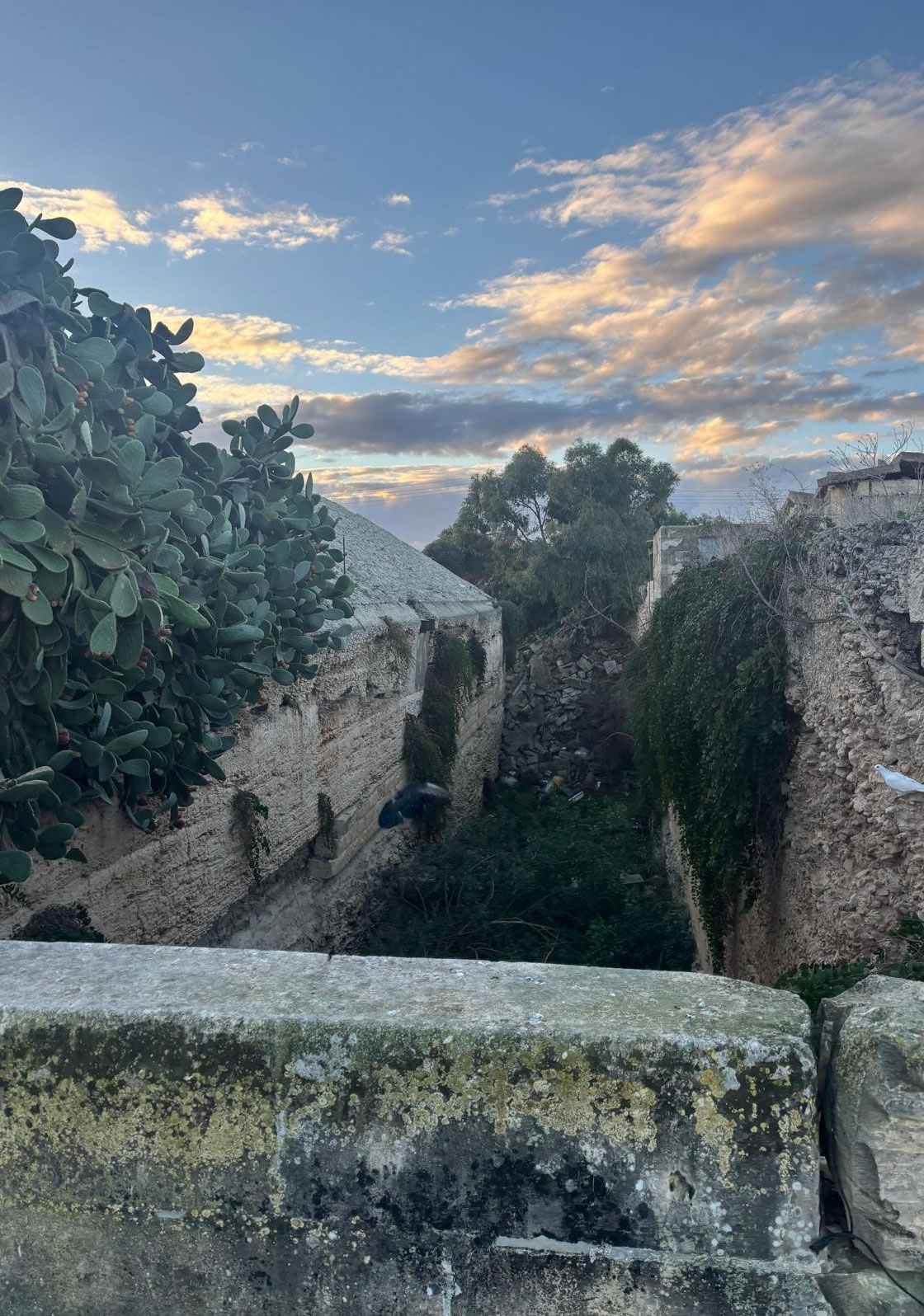
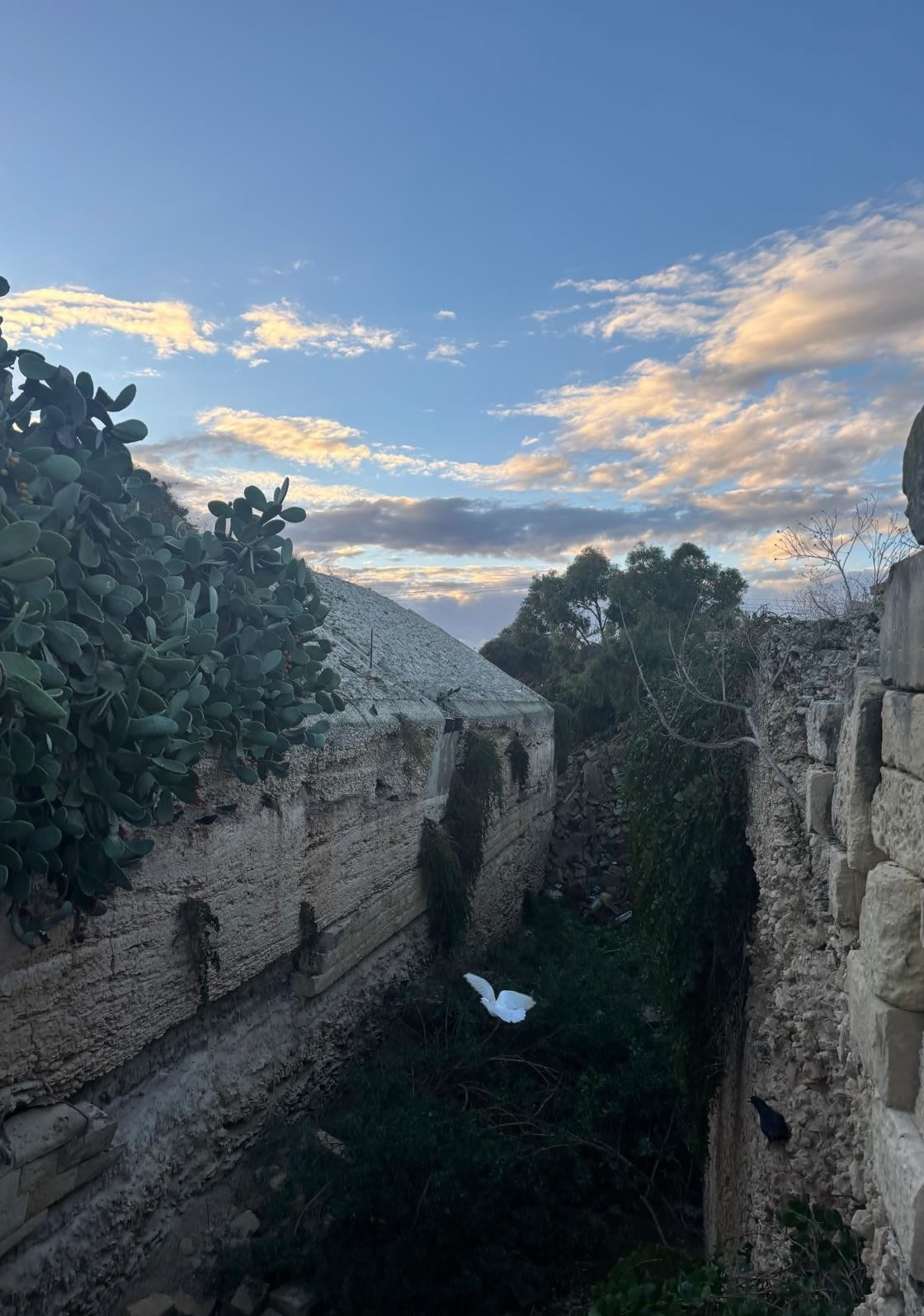
Defensive features typical of late-19th century British forts: seaward ditches, glacis (sloped ramparts), possibly caponiers (flanking structures to cover the ditch), rolling bridges, metal-plated doors for secure entrances.
Internally the fort would have had barracks / quarters for the garrison, magazines for ammunition, gun emplacements, stores and supply rooms — as common in coastal defence forts of that era.
Armament (original and later upgrades): On completion, Fort Leonardo was armed with 11-inch rifled muzzle-loading (RML) guns. Later these were superseded by more modern 9.2-inch breech-loading guns as artillery technology advanced.
Neighbouring works: In 1882, the nearby Żonqor Battery (about 1 km away) was built, and its gun crew and garrison were stationed at Fort Leonardo. This shows how Fort Leonardo acted as a central hub in a network of coastal defences.
🛡 Purpose and Use — Military Role through Time
Initial role (late 19th century)
The primary purpose of Fort Leonardo was coastal defence: guarding the sea approaches to the Grand Harbour area on Malta’s southeastern coast. Its elevated position and firepower made it a deterrent against naval invasion or landing attempts.
The fort formed part of a chain of new British fortifications constructed between ~1872 and the late 1870s to reinforce Malta’s defences in light of evolving naval threats (armoured ships, long-range artillery).
20th century & World War II
Fort Leonardo remained operational through both World Wars. Notably during World War II, it was used in coastal defence — records mention that on 17 May 1942 the fort took part in repelling an attack by at least four Italian E-boats attempting to assault the harbour.
Through the 20th century, it continued to serve as a British (and then, after independence, Maltese) military installation until the 1970s.
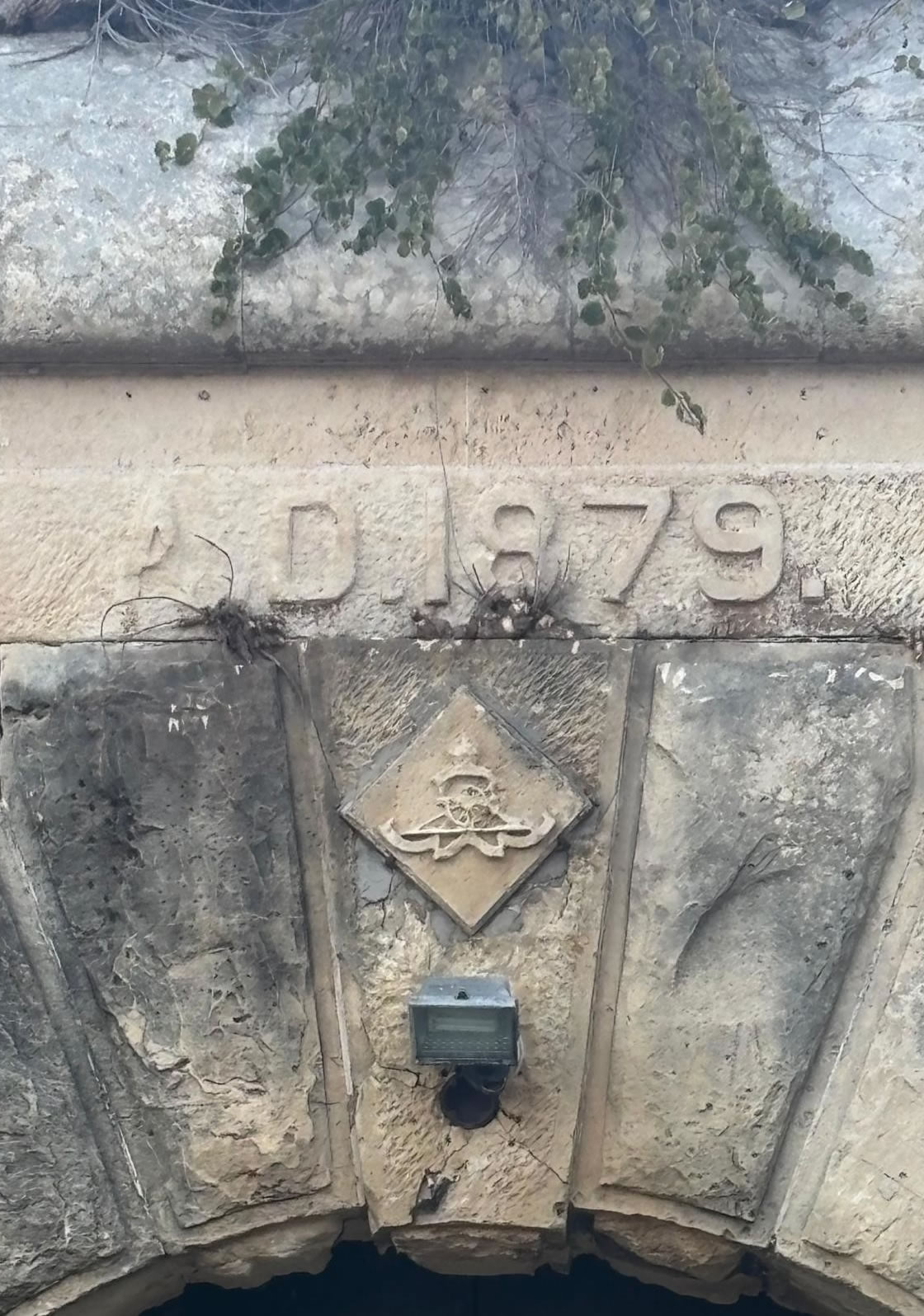
📉 Decline, Reuse & Present-day Status
Decommissioning & civilian use: After being decommissioned, in 1973 the fort was leased to a cattle farmer. For decades it was used as a farm (with livestock inside the former military compound) — a use quite incompatible with heritage preservation.
As a result of such use, modifications and accretions were made — additions for agricultural purposes, infilling of parts of the ditch to allow access, building of a house inside the ditch, etc.
Some original fort-defensive features remained (ditches, seaward walls), though others have deteriorated, been damaged, or overshadowed by modern alterations.
Heritage protection: In July 2023, Fort Leonardo (Fort San Leonardo) was granted Grade 1 status by the local planning authority — the highest level of protective heritage scheduling. This recognizes its national importance as a late-19th century British fortification built with significant architectural and historical value.
Current condition and challenges:
The fort is structurally intact but neglected.
The presence of post-military uses (farm, dwelling inside the ditch, other constructions) has compromised some original aspects.
A 60-metre-high communications tower (for telecommunications company GO) was approved for construction on the glacis of the fort, which detracts from its historical military context.
Proposals have been made over the years for alternative uses — in 2014 there was an idea to convert it into a boutique hotel; in 2015 a proposal considered incorporating Fort Leonardo into the campus of the American University of Malta — on condition of rehabilitation and public access. However, neither plan has been implemented.
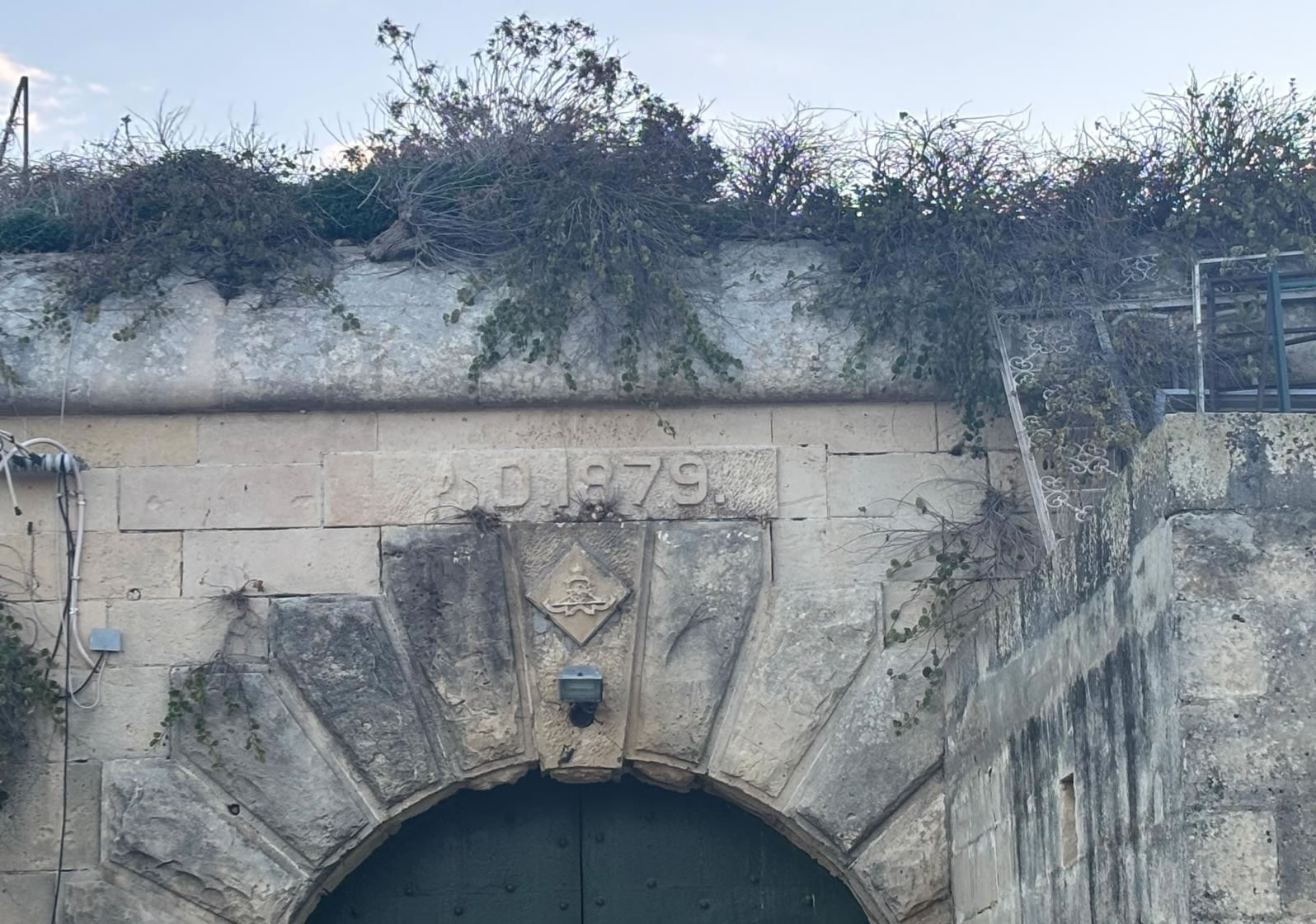
🎯 Significance — Why Fort Leonardo Matters Historically
Representative example of British Victorian coastal defences: Fort Leonardo is considered “one of the finest” among the later 19th-century British forts in Malta. Its polygonal design, structural complexity, and integration of contemporary artillery technology make it a key example of Victorian military architecture.
Strategic importance for Grand Harbour: By virtue of its position east of the Grand Harbour, Fort Leonardo helped complete the defensive ring that protected one of the Mediterranean’s most important naval harbours — especially in an era of shifting naval capabilities and geopolitical threats.
Continuity of Malta’s defensive heritage: Fort Leonardo links the older era of fortifications (knightly and early modern) with the British colonial period, giving scholars and visitors a long-span view of military architecture, strategy and adaptation across centuries.
Potential for heritage reuse and public education: Given its Grade 1 status and relatively intact structure, Fort Leonardo holds strong potential as a heritage site — for public visitation, historical interpretation, or adaptive reuse (cultural centre, museum, educational facility) — which could help preserve and highlight Malta’s colonial and wartime history.
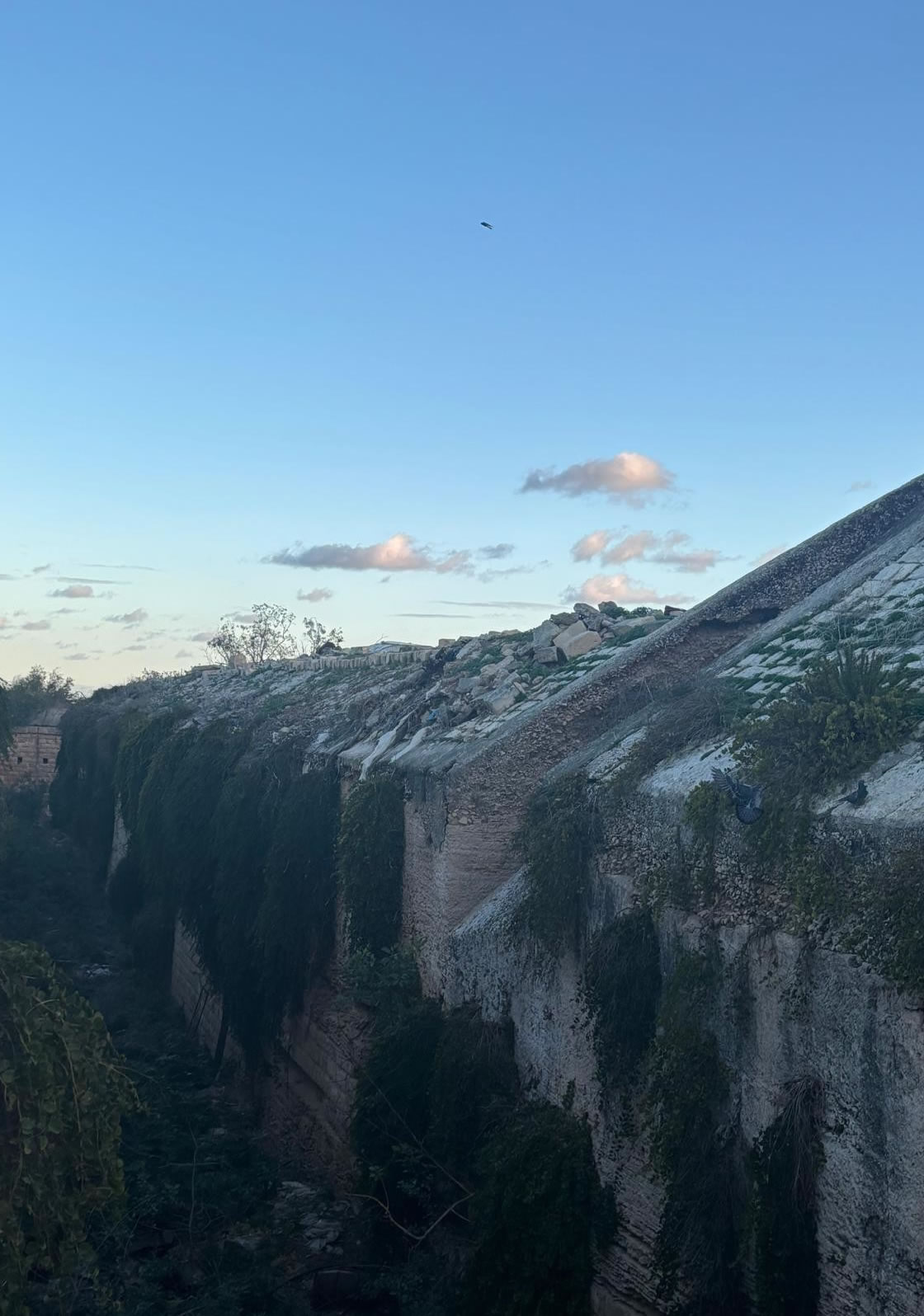
⚠️ Challenges & What Is Lost / At Risk
The conversion to agricultural use (cattle farm), and later additions/dwellings, have damaged or obscured many original features (magazines, barracks, internal layouts, ditches, access).
Modern constructions (telecom tower, irregular buildings) and land-use changes surrounding the fort detract from its historic character and compromise the setting and integrity of the fortification as a whole.
Until restoration and proper heritage-management are undertaken, the subterranean structures (magazines, tunnels, galleries) remain vulnerable — damage, neglect, or improper reuse can lead to irreversible loss.