📍 Location
The coordinates of Fort Madliena , also known as Fort Madliena are:
- 35.930327, 14.462016
History and construction / architecture overview of Fort Madalena (also sometimes spelled “Madliena”) in Malta.
Origins, Location & Strategic Context
Fort Madalena is located in the area known as Madliena (also sometimes spelled “Madalena” / “Madliena”), within the local limits of Swieqi, on the northern-eastern part of Malta.
The name “Madliena/Madalena” derives from a 15th-century chapel dedicated to Mary Magdalene that stood on the site. That chapel was demolished by the British around 1880 to make way for the fort, and a new chapel was built nearby.
Fort Madalena was built by the British as part of a larger defensive scheme known as the Victoria Lines — a defensive line running across the “Great Fault” ridge roughly dividing northern and southern Malta.
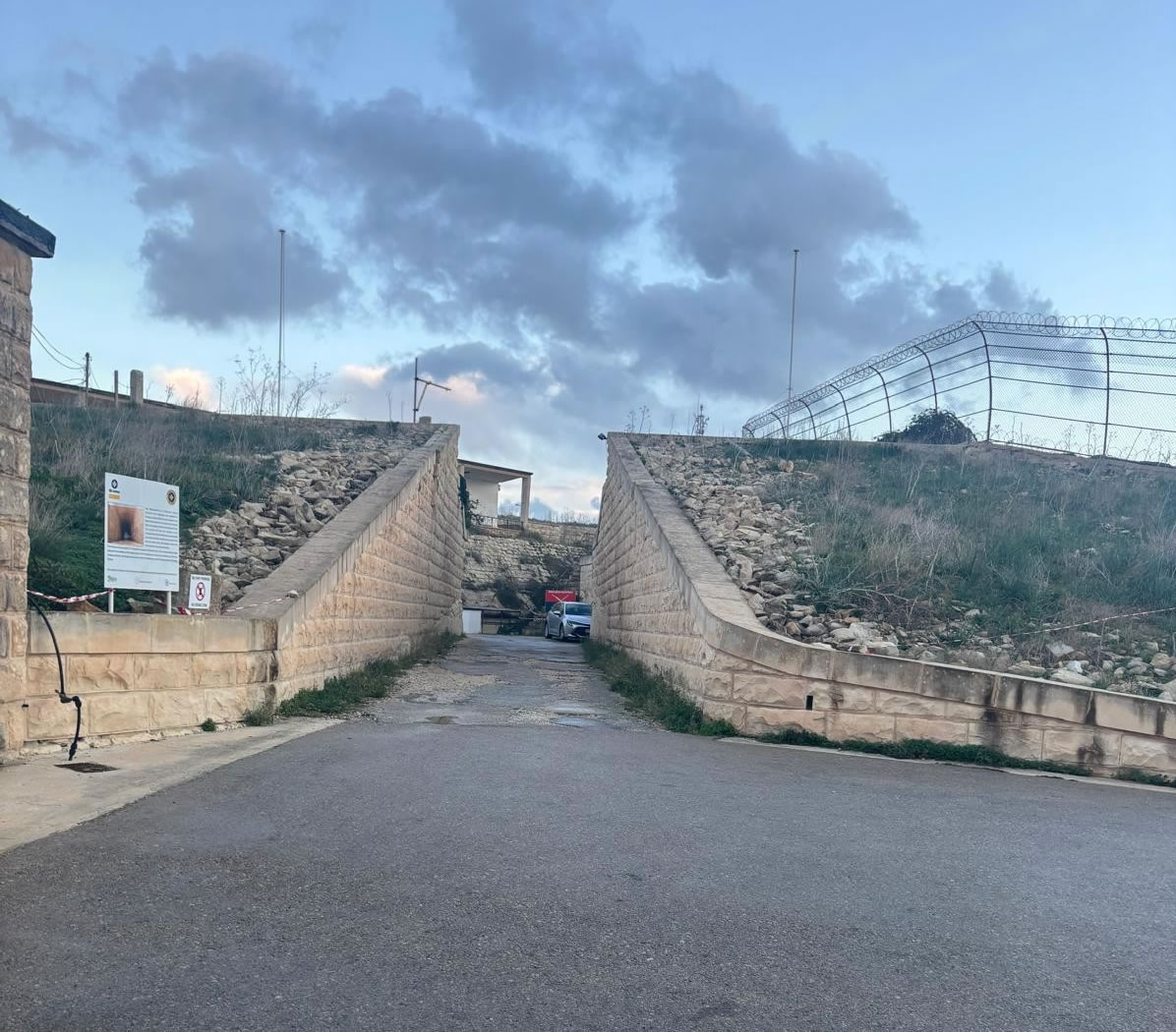
The idea behind the Victoria Lines was to use the natural escarpment of the ridge plus purpose-built forts to block the north of the island and defend against invasion or seaborne threats. Fort Madalena occupies the eastern extremity of that line, giving it both land-defence and coastal-defence roles.
Construction: Dates, Design & Layout
Construction of Fort Madalena began around 1878 and was completed by 1880 (some sources note final completion ~1881).
The initial cost of construction was about £9,400.
The original fort is a pentagonal (polygonal) fort — each of the short sides of the pentagon is roughly 30 metres long.
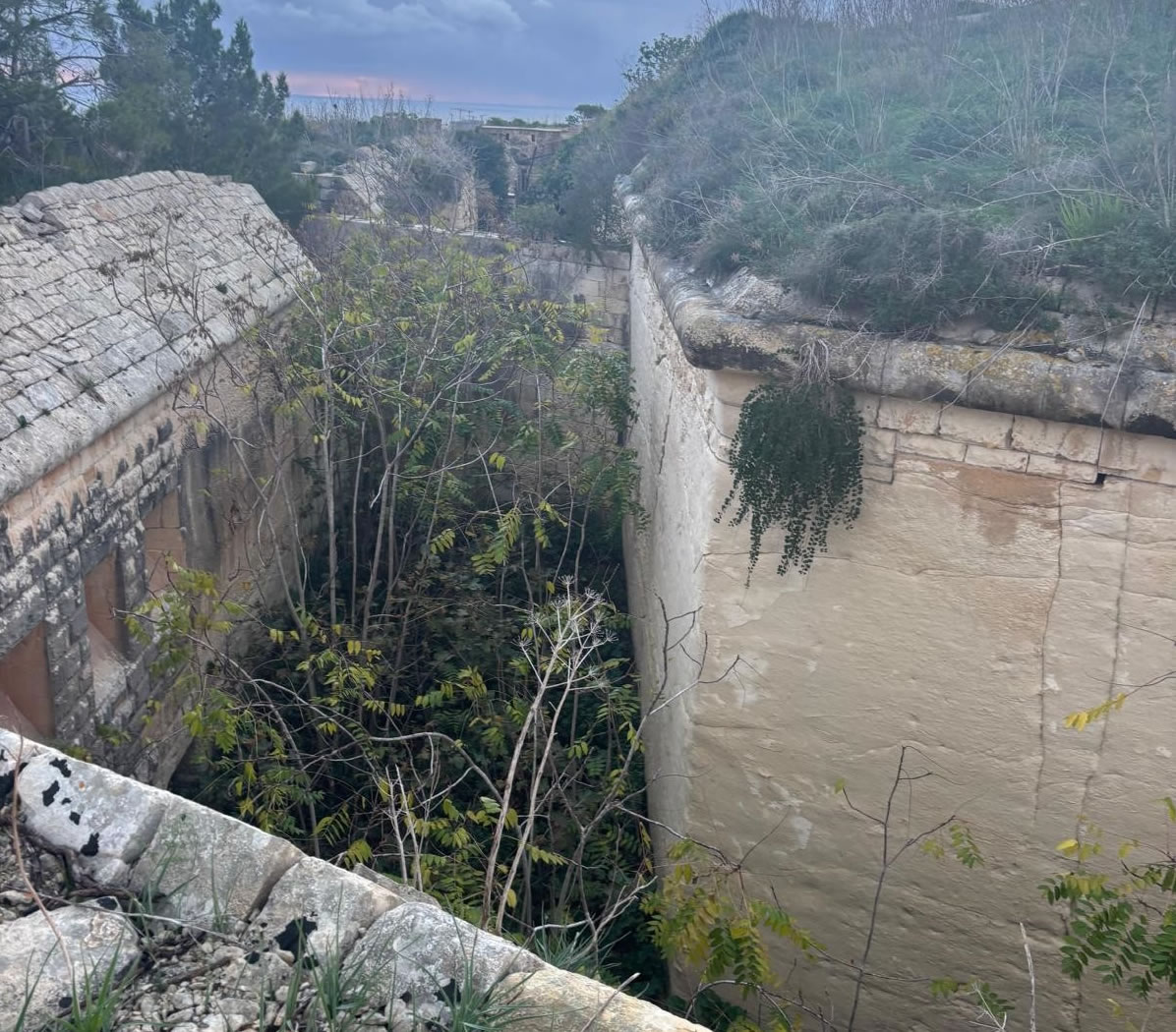
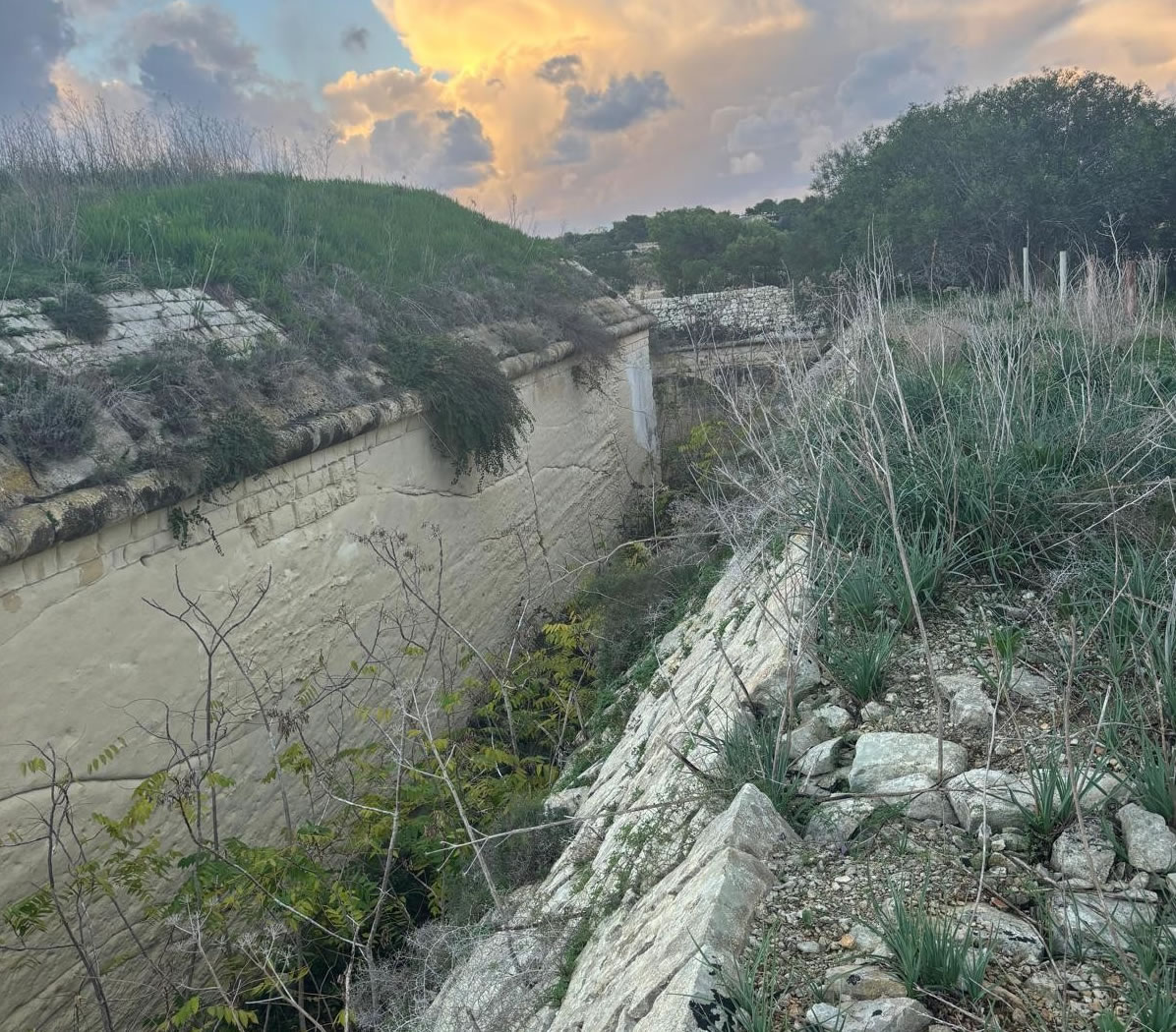
It is surrounded by a ditch (a dry moat) approximately 6 metres deep and 4 metres wide.
Around the central pentagon, the fort featured counterscarp (outer ditch wall) defences: four two-storey counterscarp galleries linked by underground tunnels. These galleries allowed flanking and enfilade fire along the ditch, enhancing defence against infantry assault.
Later — in a second phase — an artillery battery was added on the seaward/coast side of the fort, extending beyond the original pentagon. This was meant to give the fort a coastal-defence role as well as the original inland/landward defence purpose.
According to the description, the entire “site area” (i.e. fort + battery + associated ground) covers roughly 20,000 m² (though older / other sources may give slightly different figures).
Armament & Defensive Role
Upon initial commissioning, Fort Madalena was armed with a mix of guns including smooth-bore / rifled muzzle-loading (RML) guns: 64-pounders and some 40-pounders on field or traversing carriages. Also, at one point three 11-inch RML guns were installed.
Over time, as artillery technology advanced, armament was modernized: by 1892, the fort had been upgraded to mount four 6-inch breech-loading (BL) guns.
For the coastal battery added seaward, by the early 20th century there were two 9.2-inch BL guns — giving Fort Madalena a stronger coastal-defence capability and the capacity to cover maritime approaches.
The mix of inland-facing defences (ditch + counterscarp galleries + polygonal fort) and seaward heavy guns shows the dual purpose: to defend against a land-based advance over the ridge and to repel seaborne threats along the adjacent coast.
Operational History & Later Use
Fort Madalena was completed and became operational around 1880.
However, the larger defensive system (the Victoria Lines) was eventually deemed less useful than initially thought. By 1907, the Lines as a continuous defensive front were largely abandoned as a defensive concept.
Despite that, Fort Madalena — because of its coastal batteries — continued to be used for coastal defence alongside other forts (e.g. at the seaward end) even after the Lines were officially abandoned.
In the 20th century, during and after the decline of heavy coastal artillery use, the fort’s role changed considerably: it was used by the Royal Air Force (RAF) as a communications post, and during World War II as a radar station.
After Malta’s independence and the British withdrawal, control passed to the Armed Forces of Malta (AFM). The fort remains under AFM responsibility.
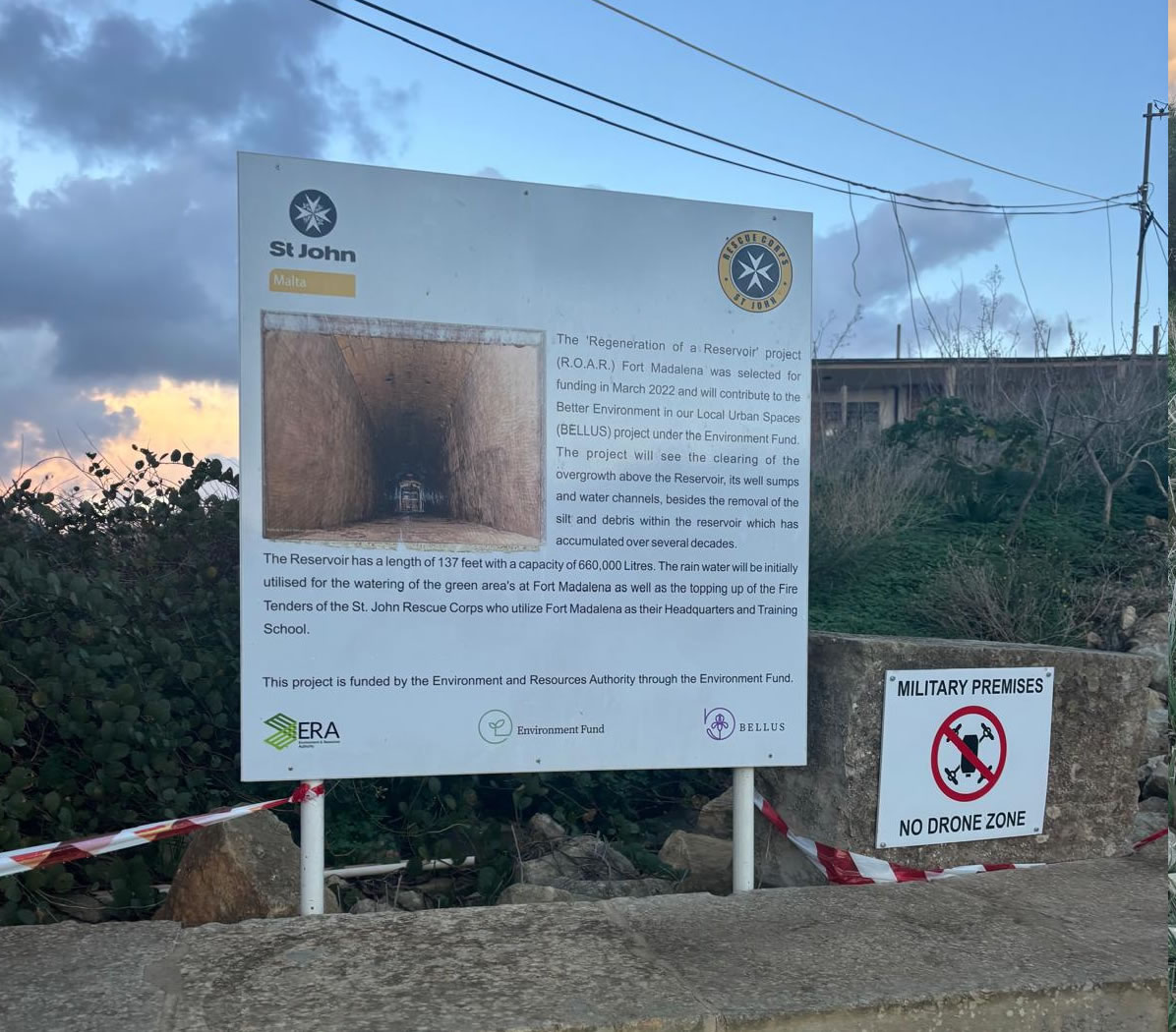
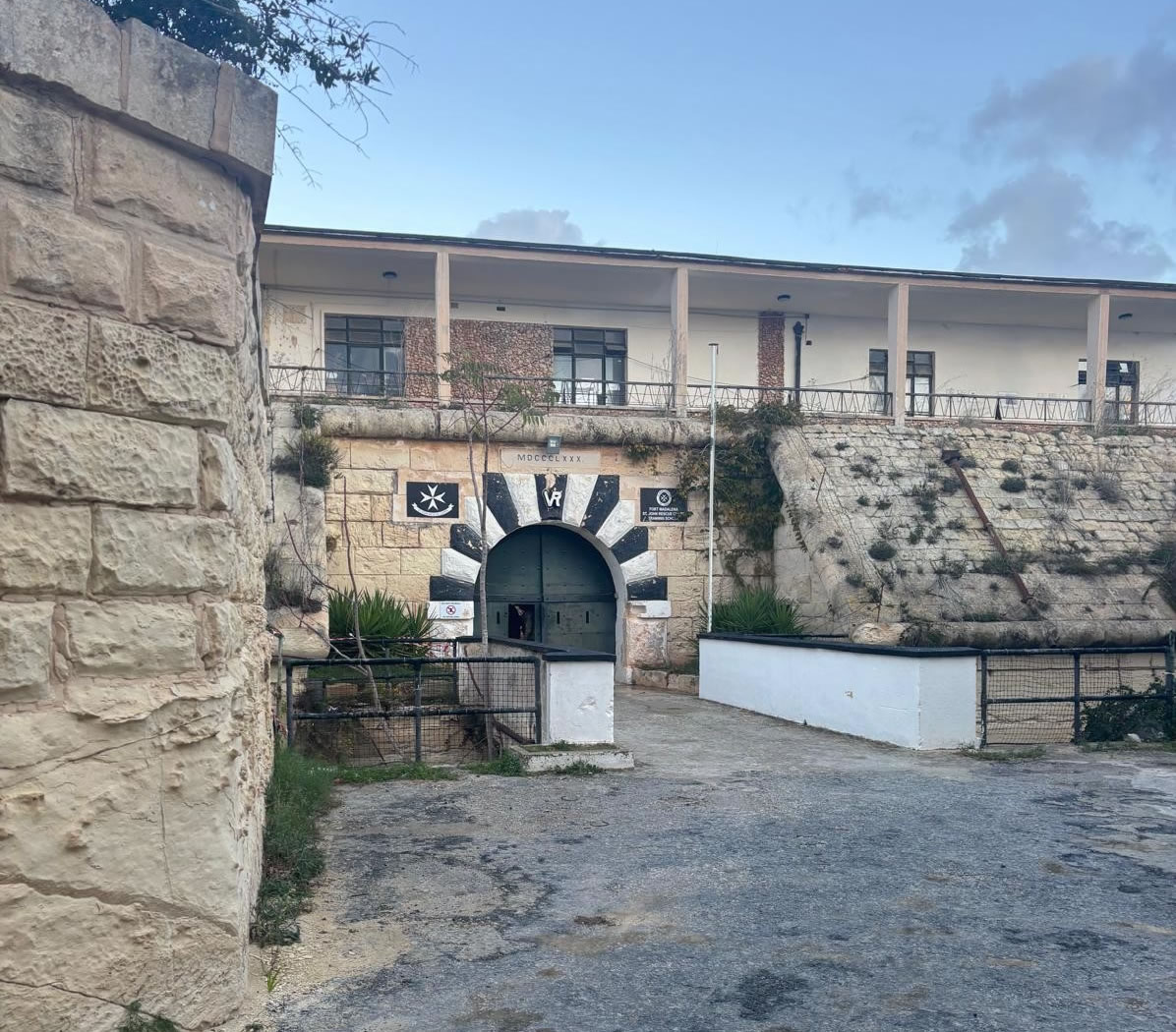
Today, Fort Madalena is used by the volunteer civil-defence organization St John Rescue Corps, serving as their headquarters and training school.
Public access is possible: the fort is open on Saturday afternoons (or by appointment on other days) for visits.
Current Condition, Conservation & Significance
The fort is generally in intact condition, though as with many 19th-century military structures some parts have suffered wear.
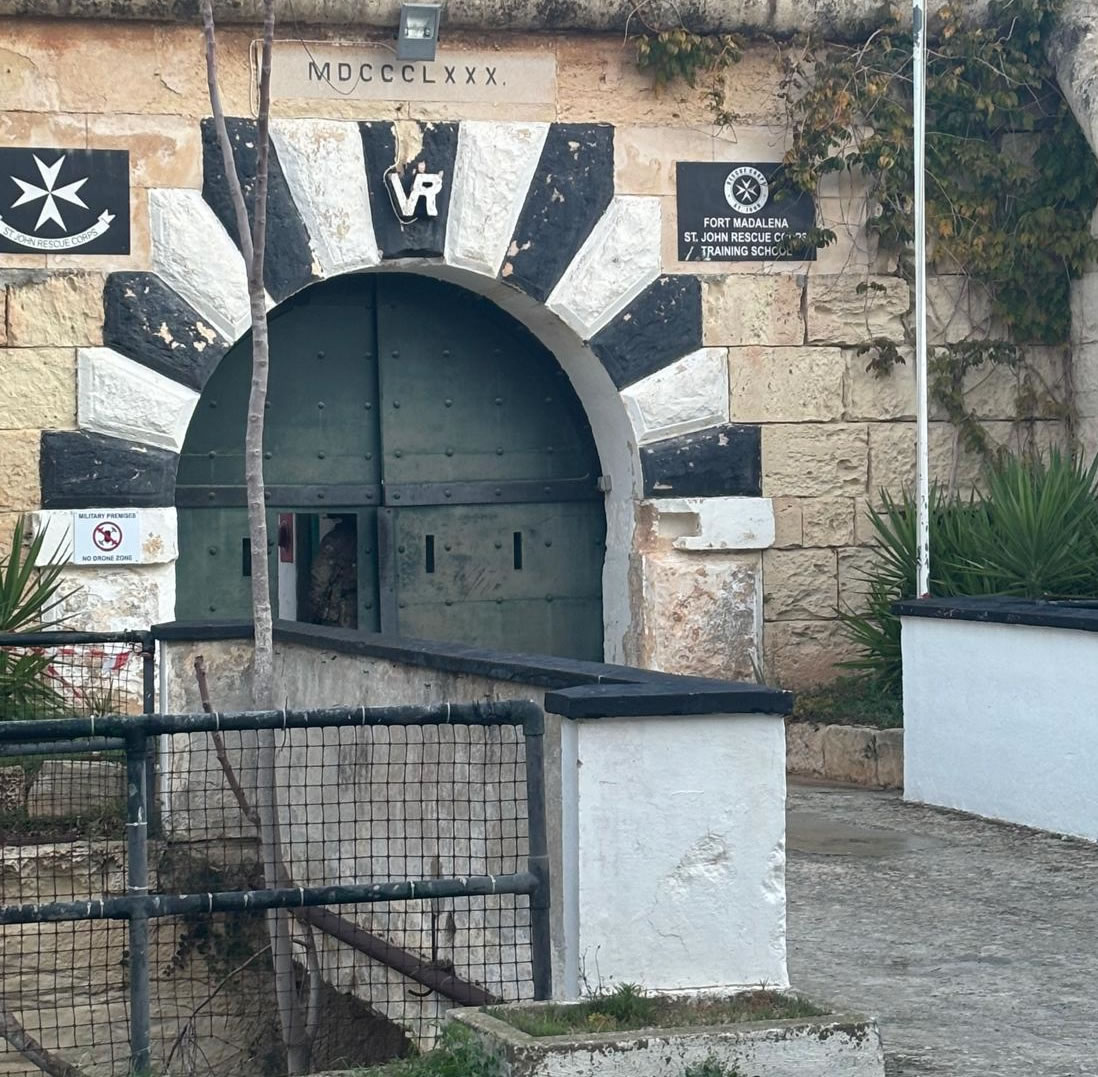
There was a partial collapse of a wall near the entrance in April 2019 (after heavy rains). Restoration works started in June 2019 to rebuild/repoint the entrance gate area using stone matching the original British-era construction and to improve drainage (weeping holes) so as to prevent water damage in future.
The fact that the fort remains in use (by AFM / St John Rescue Corps) has arguably helped preserve it better than many disused forts; at the same time, modern uses require adaptation, which can alter the original layout and features.
As part of the erstwhile Victoria Lines — which have been proposed (or at least considered) for heritage recognition — Fort Madalena represents a tangible example of late 19th-century British coastal and land-defence strategy in Malta.
Significance — Why Fort Madalena Matters
Fort Madalena embodies the shift in military architecture and fortification philosophy in the late-Victorian era: polygonal forts with dry moats and counterscarp galleries, combined with heavy coastal artillery — more suited to rifled guns and modern naval threats than the older bastioned forts.
Its dual role (landward defence via the Victoria Lines ridge, plus seaward defence via heavy guns) reflects the strategic concerns of the British Empire for Malta — guarding both against invasion across land and naval incursions.
Its continued use through two World Wars (radar, communications) and survival into the present day highlight adaptation of military heritage to changing defence needs.
As a relatively well-preserved fort accessible to the public, and used by a civil-defence & rescue organisation, it serves as a bridge between Malta’s military past and its present-day civil uses — making it historically, socially and culturally valuable.