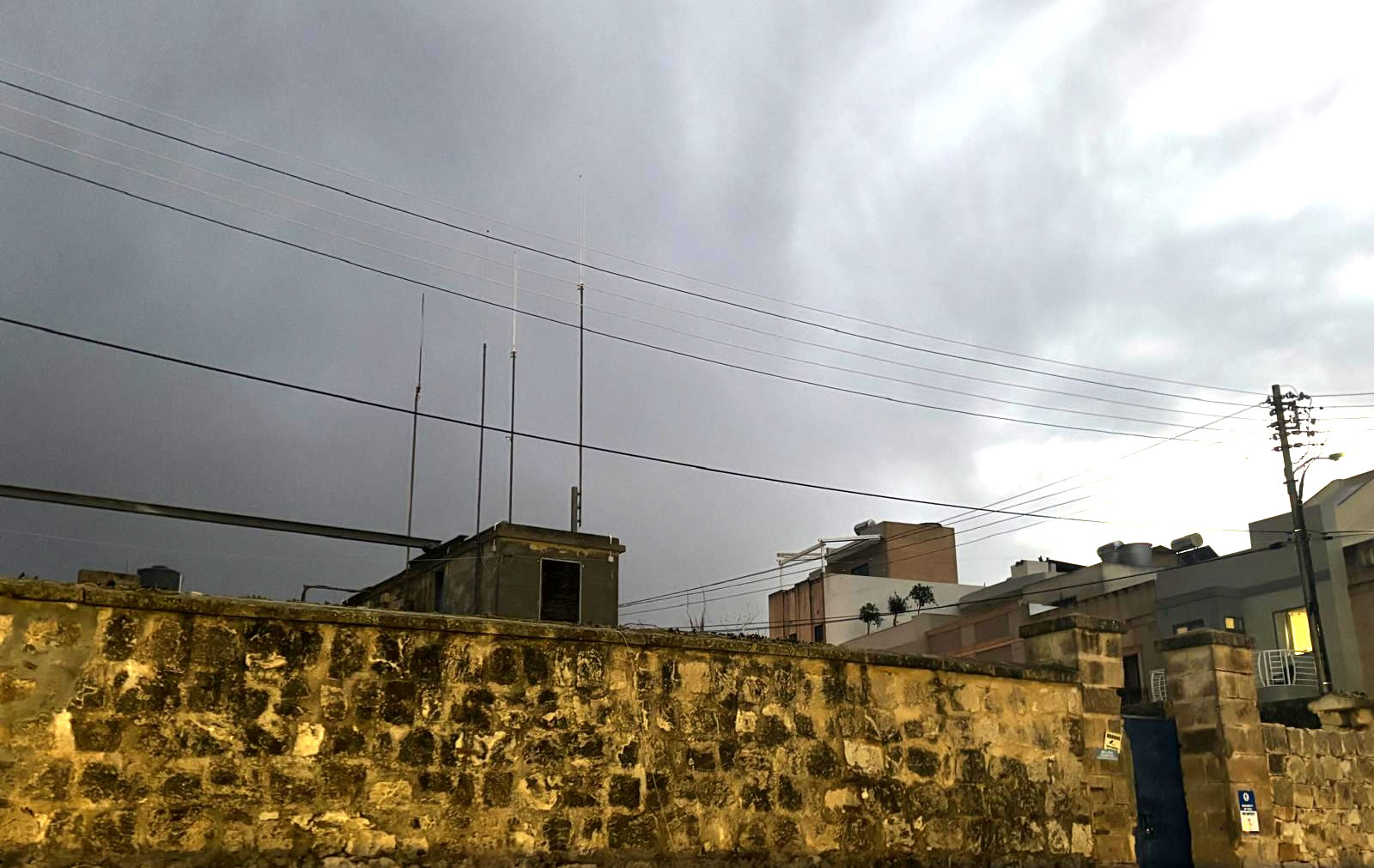
📍 Location
The coordinates of Fort Mellieħa :
- 35.955679, 14.365323
Here is a detailed summary of what is known about Fort Mellieħa (sometimes “Mellieha Fort” / “Mellieħa Civil Defence Depot”) in Malta — its history, construction, and what remains of it today.
Origins, Strategic Purpose & Context
Fort Mellieħa was built in the 1940s by the British Empire, during the era of World War II.
Its main purpose was as a civil-defence depot and observation post — rather than a major heavy-artillery coastal fort.
The fort occupies a site on Mellieħa Hill. At the time, the British and Maltese authorities were strengthening the island’s defences — especially around vulnerable coastal zones such as Mellieħa — using a combination of pillboxes, trenches, observation posts, and small forts.
A broader set of defensive works around Mellieħa included trenches (the “Mellieħa Ridge Defence”), machine-gun emplacements, pillboxes, and other small concrete / reinforced-concrete structures — a reflection of the shift in military architecture to address threats from air attack and amphibious invasion.
Among these, Fort Mellieħa is described as the most substantial of the “light-fortified enclosures” in the locality of Mellieħa.
Thus, Fort Mellieħa is not a 17th- or 18th-century bastioned fort, but a 20th-century, comparatively modest fortification — designed for observation, civil defence, and perhaps local infantry / machine-gun defence — corresponding to the changing nature of warfare (air raids, fast landings, civil defence needs) in WWII.
Construction, Design & Layout
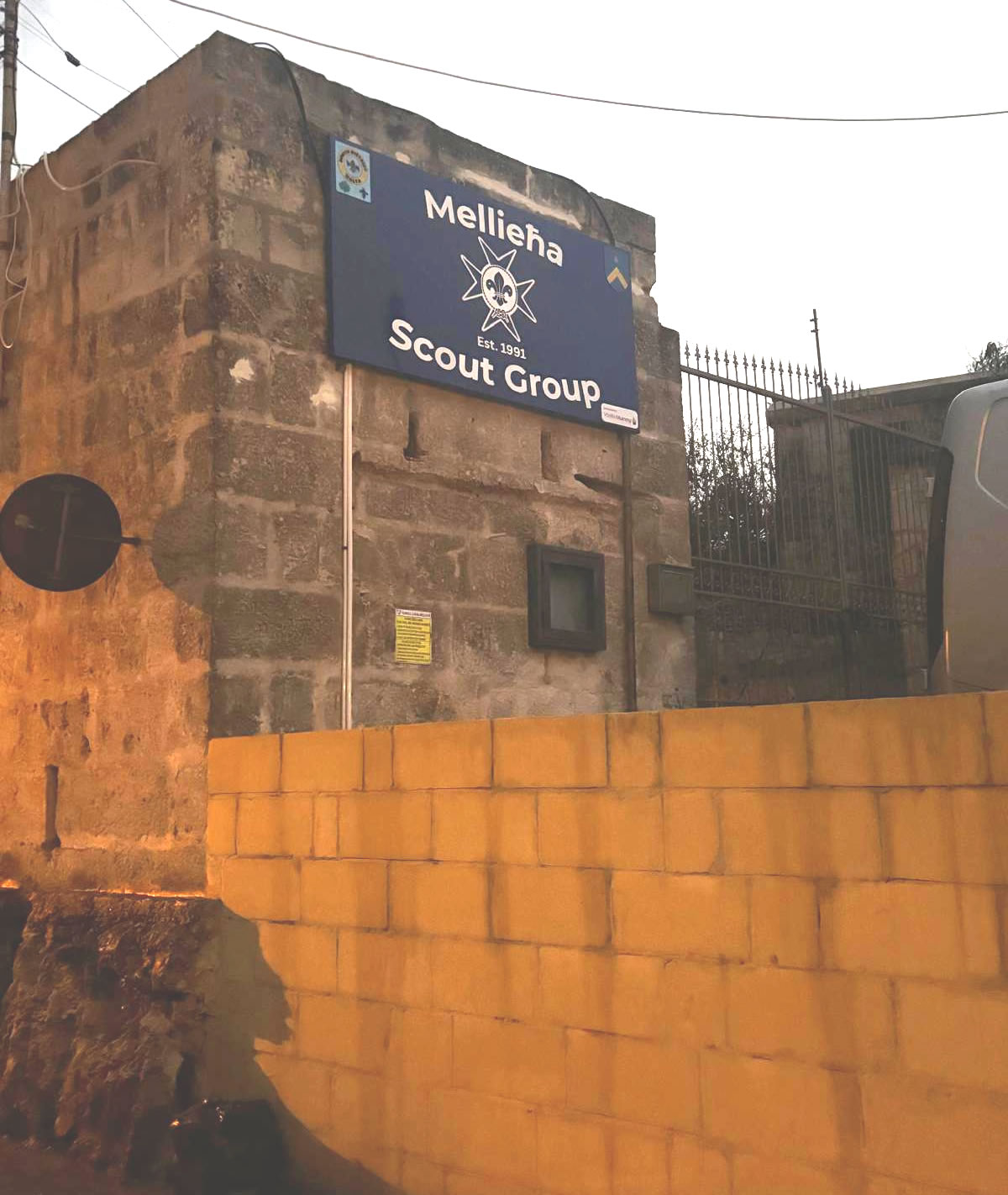
Because Fort Mellieħa was built during WWII and intended for civil-defence / observation rather than classical siege-style warfare, its structural and architectural profile differs significantly from Malta’s older forts. Based on specialized sources, here is what is known about its layout and construction.Type of fortification: A lightly fortified enclosure — sometimes described as a “civil-defence depot” rather than a heavy fort.
Perimeter & defences: The perimeter was defended by a perimeter wall, and a handful of machine-gun posts — “low covered positions placed on the roofs of buildings” or at strategic points.
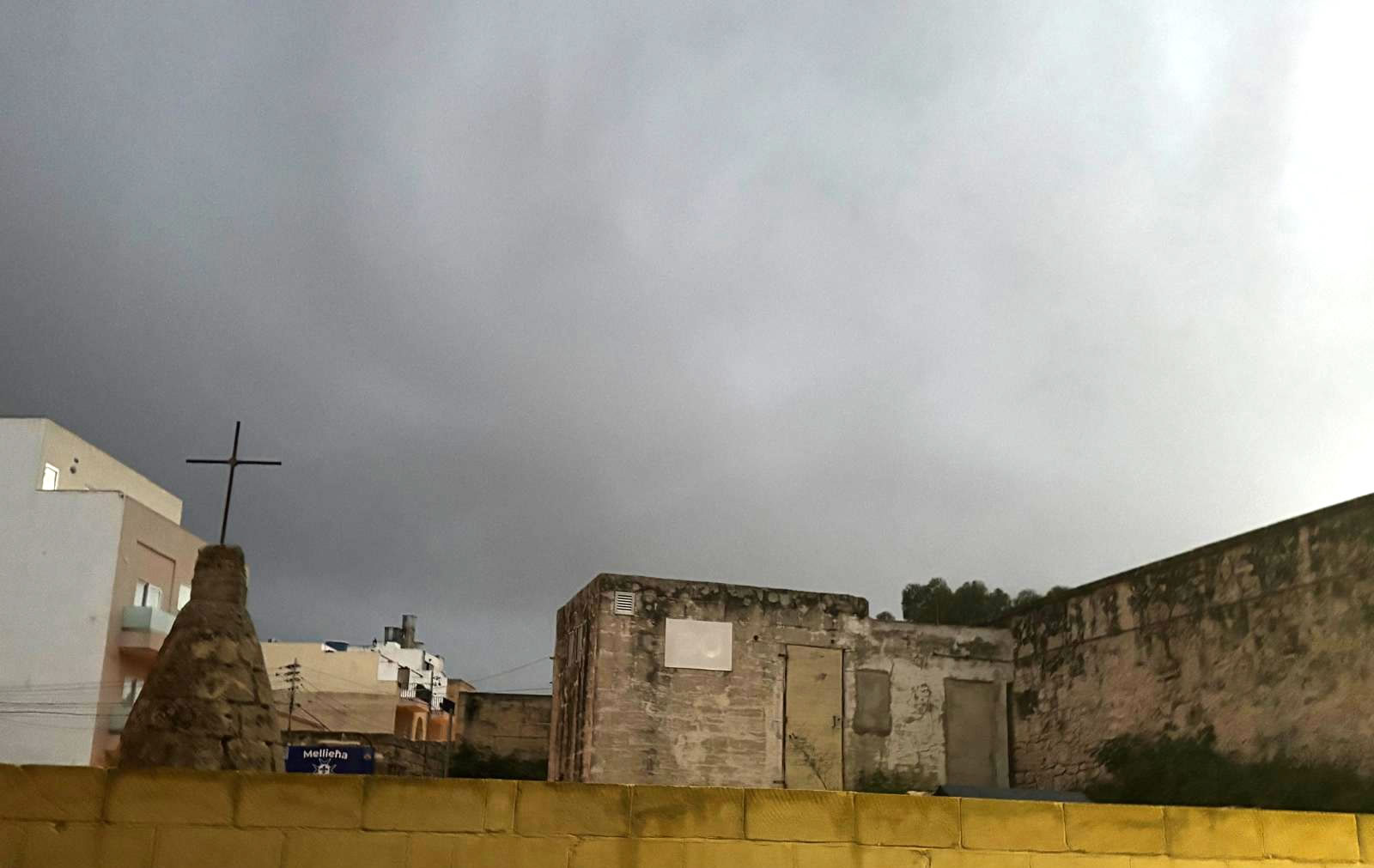
Observation post: A prominent feature of the compound is a towering observation post, which would have served to observe surrounding territory / coast — consistent with its role in civil defence and early warning.
Internal buildings & shelters: Inside the compound were various buildings likely used as storage, accommodation, and shelters. Especially under threat of air raids, underground or semi-underground shelters were common.
Construction materials & techniques: While detailed construction-spec documents for Fort Mellieħa are scarce in the public domain, the broader set of wartime defences around Mellieħa (trenches, pillboxes, bunkers) used reinforced concrete and steel, marking a shift from the traditional stone-on-stone fortifications of earlier centuries.
Camouflage / layout logic: In line with British WW2 defensive thinking, many wartime Maltese fortifications — including those around Mellieħa — attempted to integrate into the landscape, avoid concentration of visible structures, and use low-profile or dispersed positions to reduce visibility from air. Fort Mellieħa likely adhered to this logic, though being a walled compound its visibility would have been more than a pillbox or trench.
Because of the limited scale and purpose (civil defence, observation), Fort Mellieħa never had the heavy artillery batteries, bastions, or thick ramparts characteristic of earlier forts.
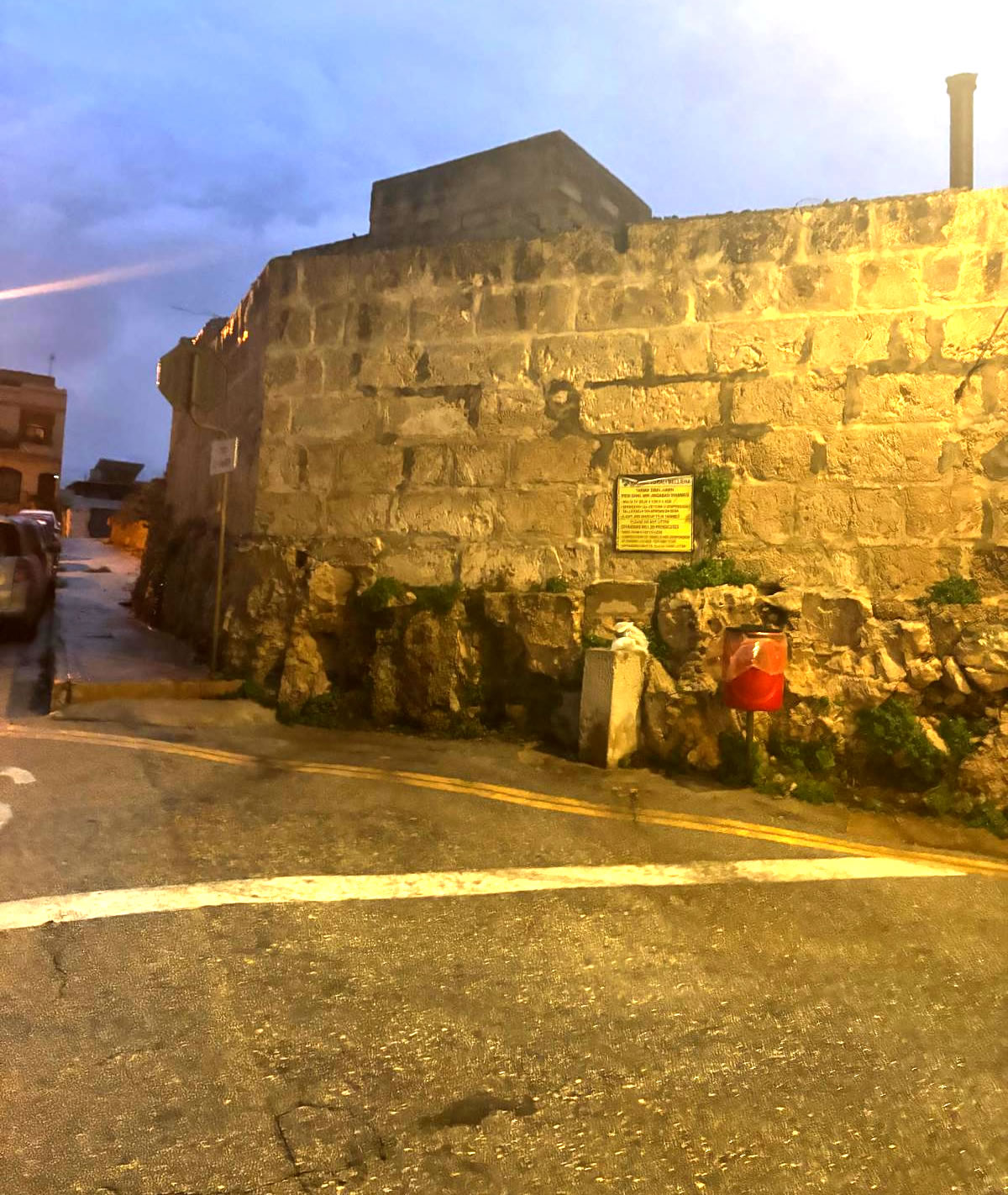
Operational History & Post-War Use
Here’s a brief account of how Fort Mellieħa — and the wider defensive network in Mellieħa — was used over time, and what happened after the war.
During WWII, Fort Mellieħa formed part of the broader defensive network in northern Malta — along with trenches, machine-gun posts, pillboxes — to defend against possible Axis invasion or air raids.
After the war, many of the small defensive works (trenches, pillboxes) around Mellieħa became obsolete. With changing military doctrine and the reduction of perceived invasion threats, these defences lost strategic relevance.
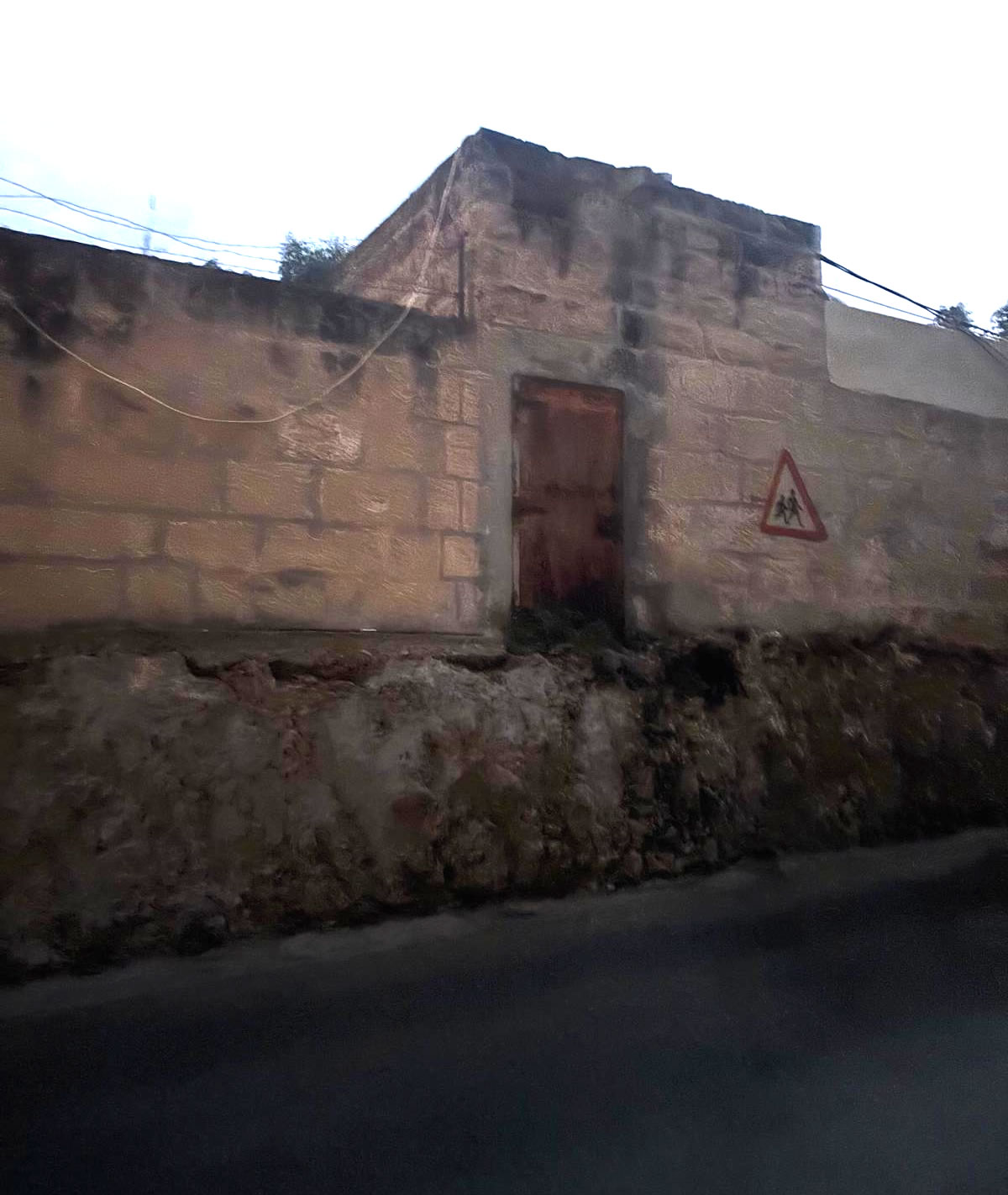
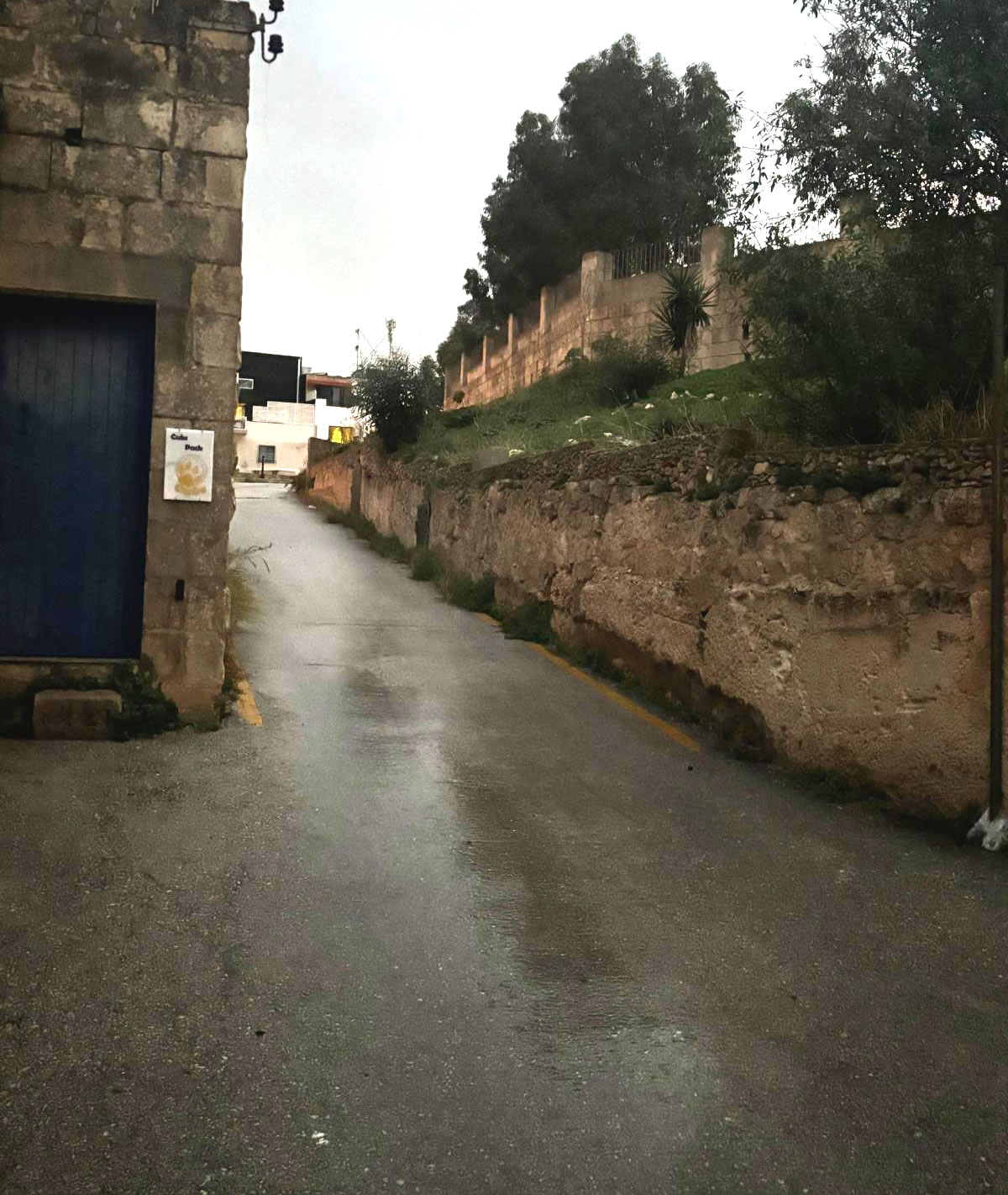
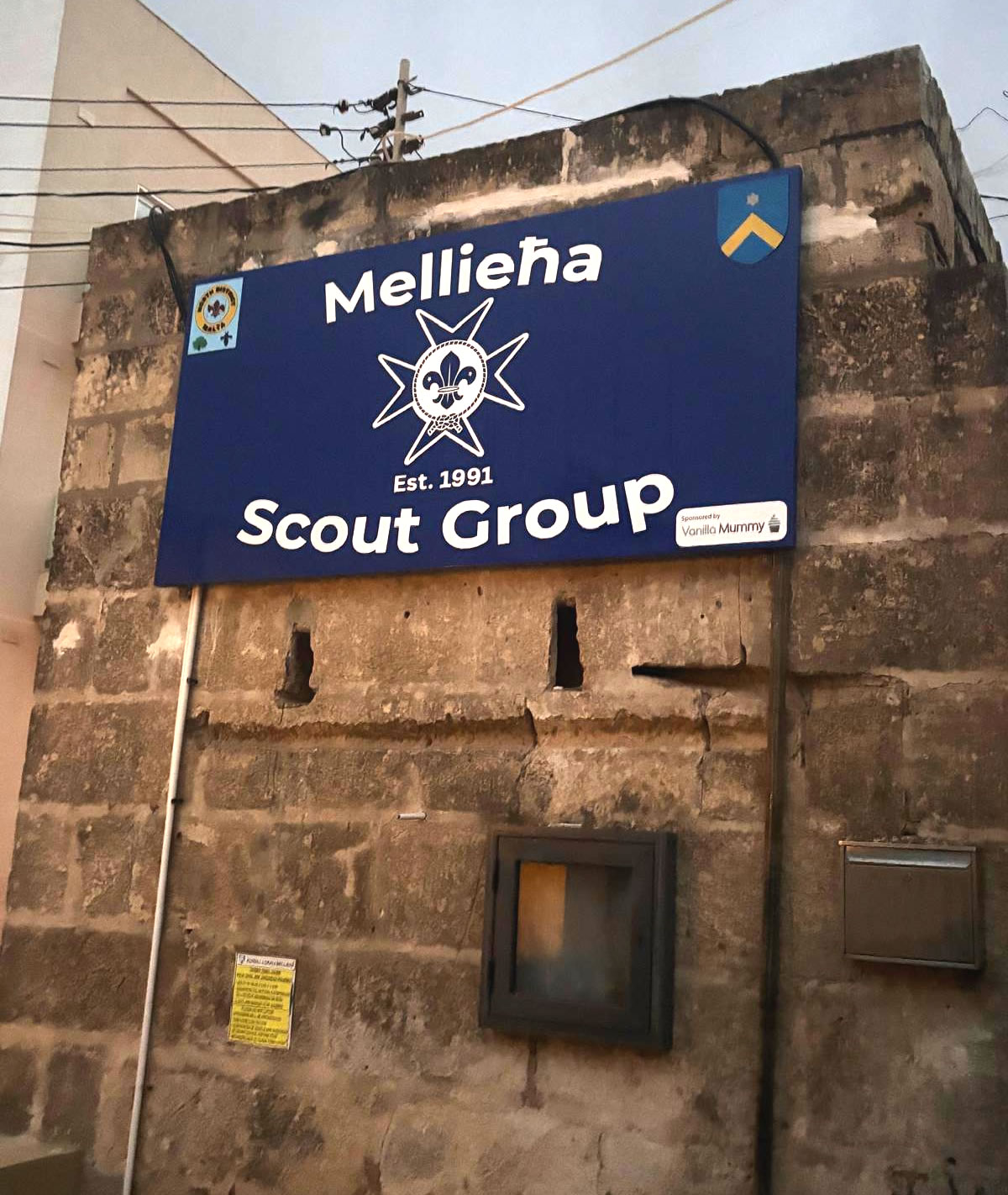
Fort Mellieħa itself survived, and was later repurposed. On 28 December 1991, the Lands Department leased the fort to the Mellieħa Scout Group.
The Scouts restored the building. Today Fort Mellieħa serves as the Scout headquarters, and — according to heritage-fortification surveys — is described as “intact.”
The compound includes kitchens, dormitories, a campsite, and underground shelters — indicating adaptive reuse not only of the above-ground buildings but also of the defensive shelters / shelters originally meant for civil defence.
Thus, Fort Mellieħa remains one of the relatively few surviving British-era WW2-period fortifications in northern Malta to have been preserved and reused — not as a museum or heavy fort, but as a community facility.
Significance & What Makes Fort Mellieħa Distinct
Why Fort Mellieħa matters — especially in the historical and architectural context of Malta’s defences — and what distinguishes it from older forts or other wartime structures:It reflects 20th-century defensive thinking: rather than heavy bastions and thick walls, the fort is modest, lightly fortified, and designed for observation, civil-defence, and infantry / small-arms defence. This illustrates how warfare and defence priorities had changed by WWII.
It is representative of the transition in Maltese fortifications: by WWII, the British in Malta relied less on 18th/19th-century-style forts, and more on trenches, pillboxes, observation posts, shelters, and smaller enclosures. Fort Mellieħa stands as one of the more substantial examples of this approach in the Mellieħa area.
Its survival and adaptive reuse make it valuable. Many wartime pillboxes, trenches, and light shelters have been lost, destroyed, or built over. The fact that Fort Mellieħa remains intact and in active use (by scouts) helps preserve a tangible piece of Malta’s WWII-era civil-defence heritage.
Its relatively unobtrusive design — perimeter wall, modest buildings, low-profile defences — gives insight into how defenses were integrated into civilian landscapes, anticipating post-war changes, urban expansion, and eventual peacetime use.
Limitations of Available Documentation & Gaps in Public Knowledge
I should note a few important caveats:
Unlike older forts, there is relatively little detailed public documentation about Fort Mellieħa — no widely published architectural plans, no official “thick-walls vs bastions” style records, and few detailed contemporary photos (compared with 19th-century forts).
Most of what is known comes from broader surveys of Maltese WWII defences, secondary sources, and local heritage-group reports.
Because the fort was always lightly fortified, its defensive capacity was limited — its role was more about observation, civil defence, and small-arms / machine-gun defence rather than heavy artillery. Thus, if one expects a “classic fort,” Fort Mellieħa will seem minimal by comparison — but that was by design.
Changes over time — adaptive reuse by the Scouts, surrounding residential development — mean that the original wartime context (trenches in the area, other pillboxes, strategic coastal lines) has in many cases been lost or obscured.
Summary
Fort Mellieħa is best understood as a modest but historically meaningful WWII-era civil-defence compound and observation post, built by the British on Mellieħa Hill to help defend northern Malta against invasion or air raids. It lacks the heavy ramparts, bastions, and artillery of older forts; instead its strength was in camouflage, observation, machine-gun posts, shelters, and decentralized buildings — typical of the shift to modern, more mobile defensive strategies in the 20th century.
Thanks to the efforts of the local community (especially the Mellieħa Scout Group), Fort Mellieħa has survived, been restored, and repurposed — making it one of the few surviving British-era wartime fortifications in northern Malta that remains in use today.