📍 Location
The coordinates of Fort Verdala are:
- 35.881209, 14.525106
Fort Verdala — full history & construction details
Quick summary
Built by the British Royal Engineers 1852–1856 as a fortified barracks within the older Santa Margherita Lines.
Incorporates parts of 17th-century bastions (St. Margherita and St. Helen).
Used as a prisoner-of-war camp in both World Wars, later commissioned as HMS Euroclydon, and remained in British military use until 1977.
Built of Maltese limestone; today it’s intact and used for offices, schools and community purposes and is listed in the national inventory.
Origins and site
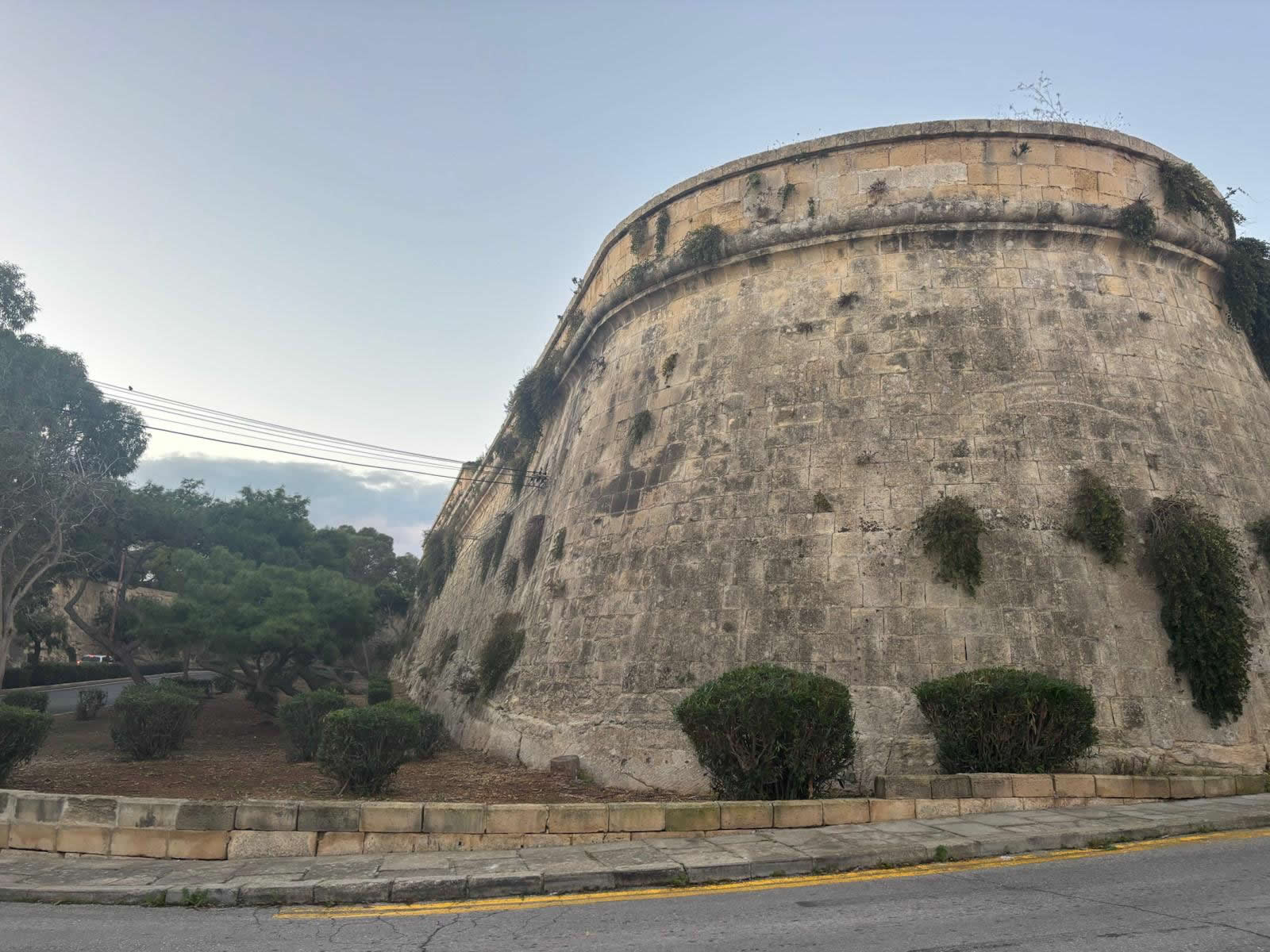
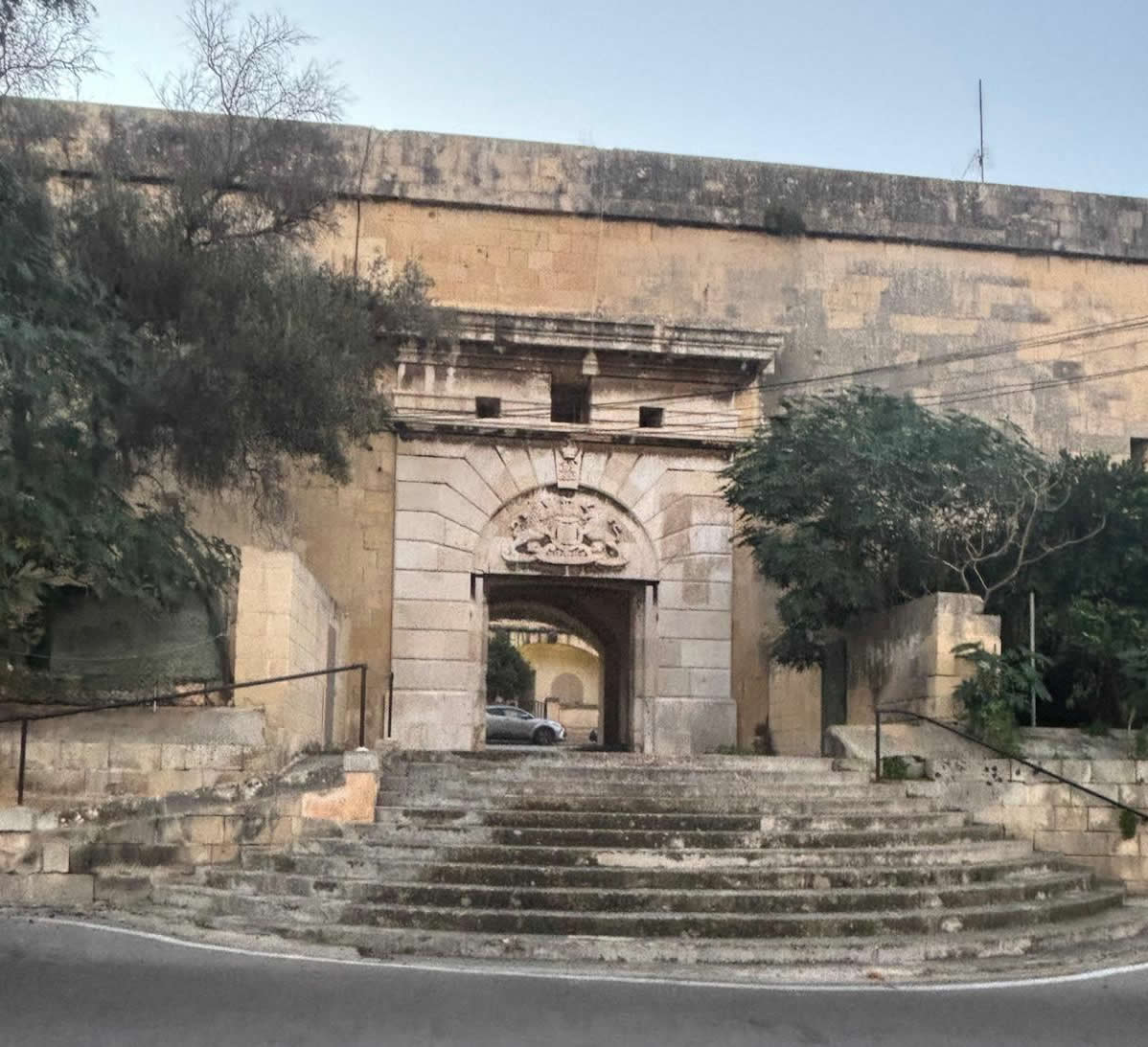
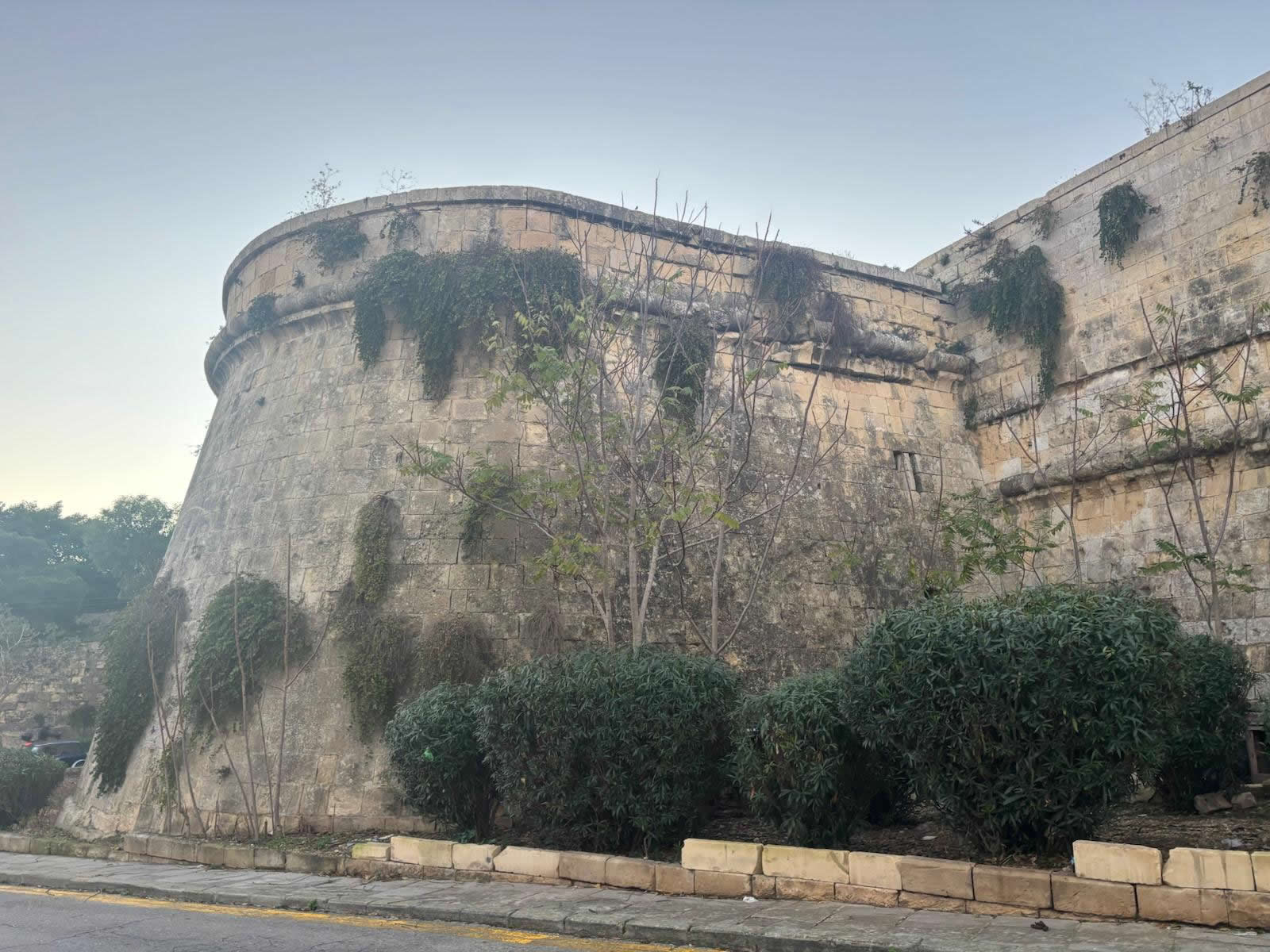
Fort Verdala (also called Verdala Barracks) sits in Cospicua / Bormla and was constructed by the British within the pre-existing Santa Margherita Lines — a 17th-century line of bastions and curtains built by the Knights of St John to defend Cottonera. The British adaptation reused those older bastions (notably St. Margherita and St. Helen) and grafted a mid-19th century fortified barracks onto them.
The nearby Verdala Gate and the curtain walls take their name from the earlier Grand Master Hugues Loubenx de Verdale (17th century), and some of the older Knights-era fabric remains visible where the British works meet the older walls.
Why it was built (strategic context)
By the 1850s the British were strengthening Malta’s dockyard and harbour defences to protect the Royal Navy’s important Mediterranean base. Rather than only building stand-alone forts, they converted and reinforced parts of the existing Cottonera lines to provide modern barracks that could also serve defensive roles — Verdala is an example of that approach: accommodation integrated into fortifications so garrison troops could be housed within the defended perimeter.
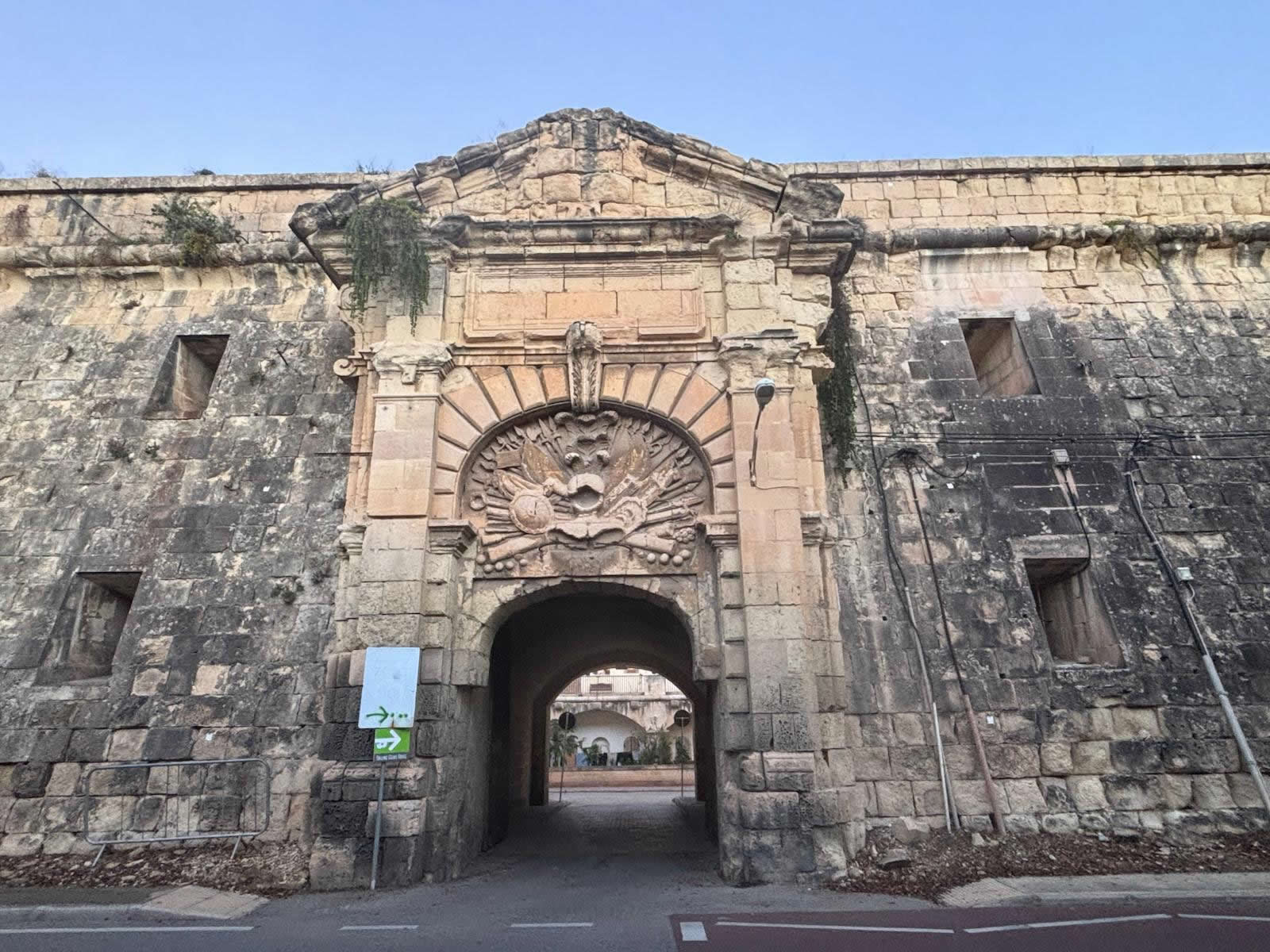
Construction details & architecture
Dates & builders: Constructed 1852–1856 by the British (Royal Engineers).
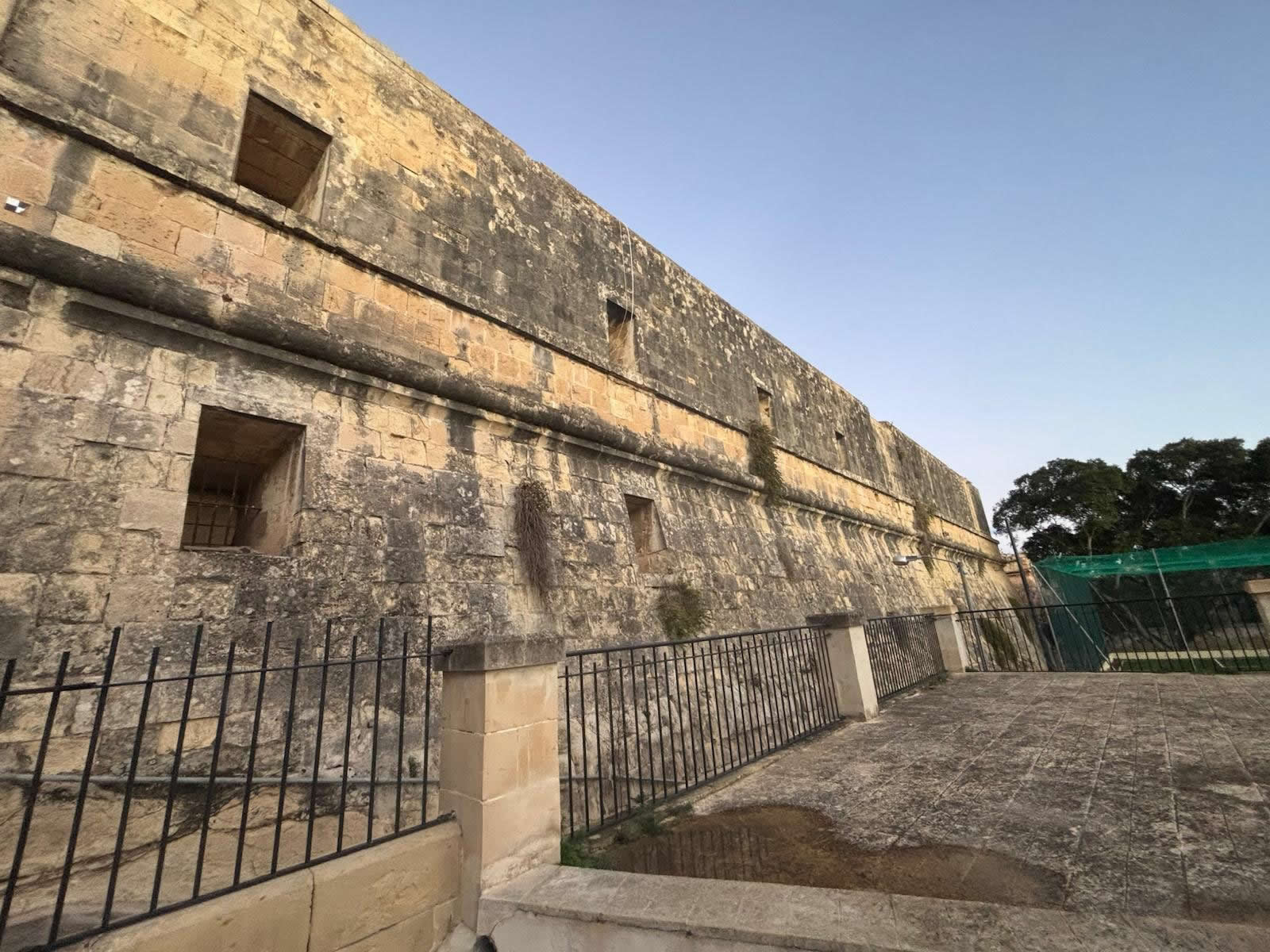
Type: Fortified barracks — essentially a large barrack block built into and across parts of the Santa Margherita bastions, with defensive walls, parade ground and internal spaces for troops and support services.
Materials: Local Maltese limestone throughout (typical for the islands).
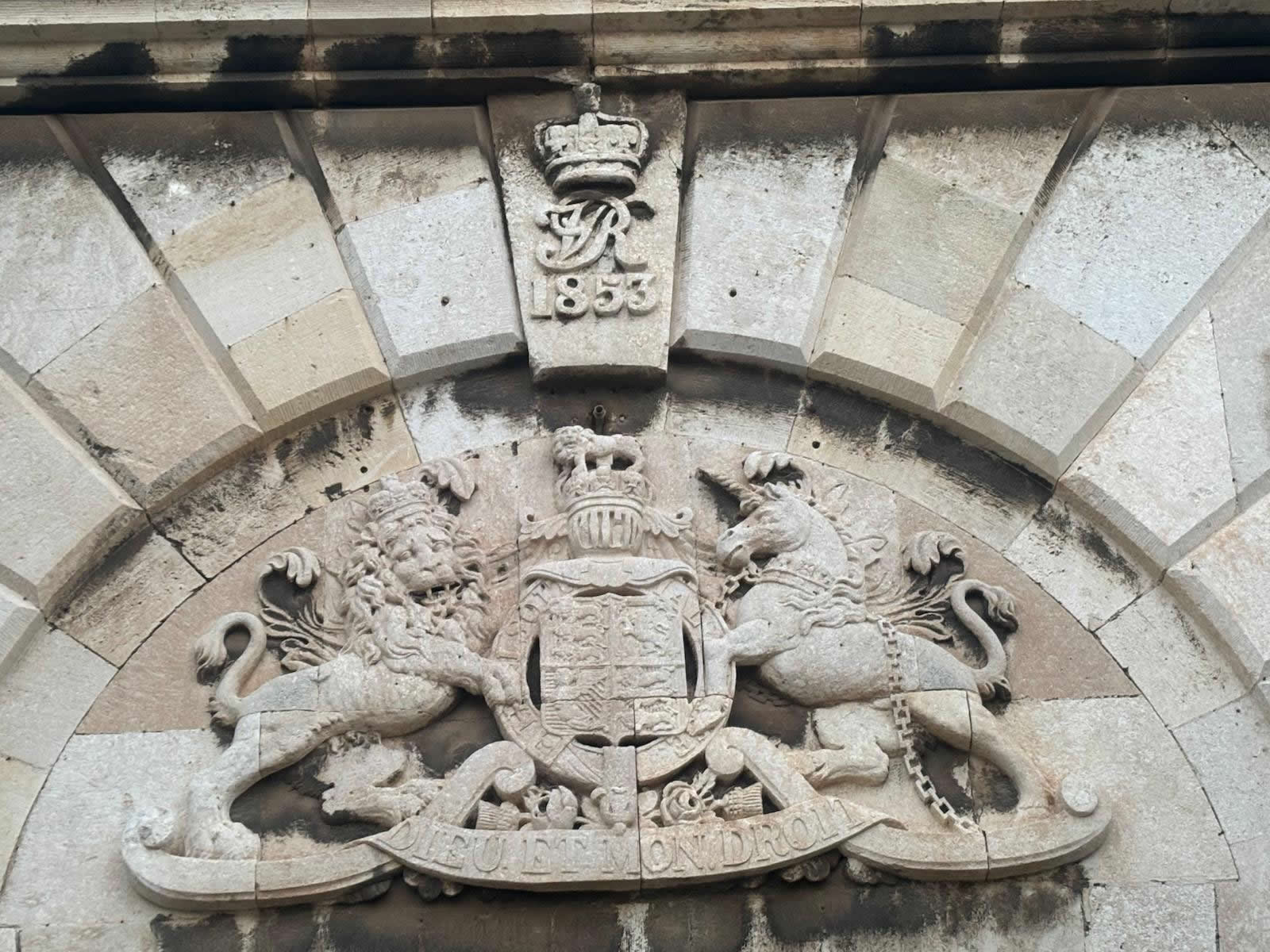
Notable features: A formal military gateway (British-era), long arched façades and internal parade areas; the structure wraps the older bastion flanks so it reads both as barracks and as an element of the fortification line. Historic photos show the site later used for internment (POW) with camp facilities in the parade area.
(There are contemporary accounts and photos of the entrance/gate bearing British royal insignia and the 19th-century date—these are visible in heritage photo collections and local history pages.)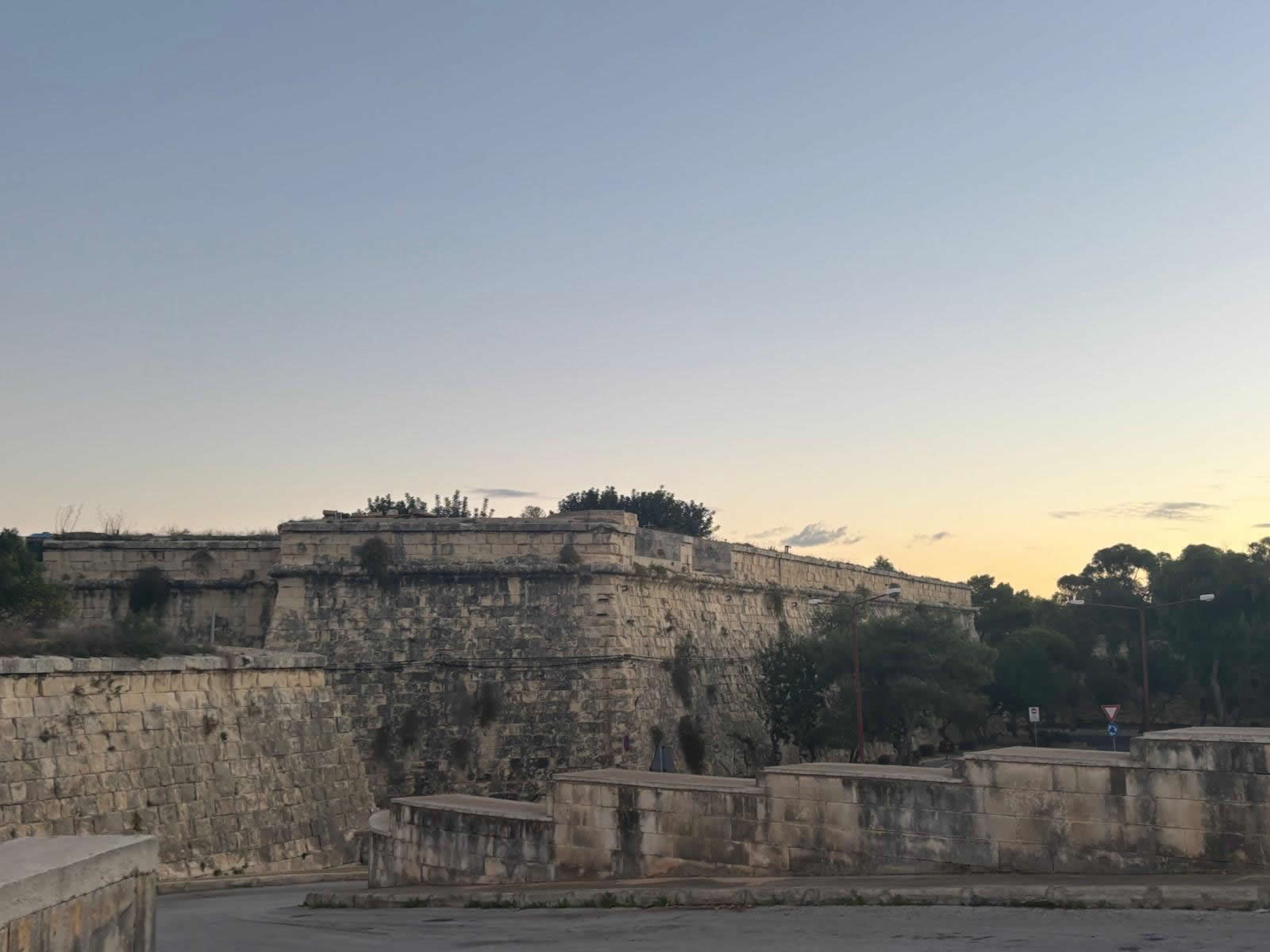
Use over time
1856–early 20th century: Garrison barracks for British troops stationed in the Cottonera area.
World War I & II: Converted at times into a prisoner-of-war camp (records and photographs show German and other internees held there during WWI; WWII use is also recorded).
Inter-war and post-war: Continued British military use; at some point the site acquired the naval shore name HMS Euroclydon (a common practice for shore establishments).
1977 onward: British forces left Malta; Verdala ceased to be an active British garrison in 1977. The building is recorded in the National Inventory of Cultural Property.
The fort was decommissioned and handed to the Government of Malta in 1977. It was then used by the Verdala International School, which moved to Fort Pembroke, St. Andrew's in 1987. The fort then became a state school, first as Verdala Boys’ Secondary school, and later the co-educational St Margaret College Secondary School, Verdala. The site also includes government housing units.
Condition, heritage status & threats
Most sources list Fort Verdala as intact although parts have been adapted internally. It’s recognized in local heritage inventories and appears in several Cottonera heritage trails and local history projects. Like many British-era barracks in Malta, its future depends on conservation policy and local planning — past proposals elsewhere in Malta have sparked debate about demolition versus adaptive reuse, so Verdala’s heritage listing is significant.