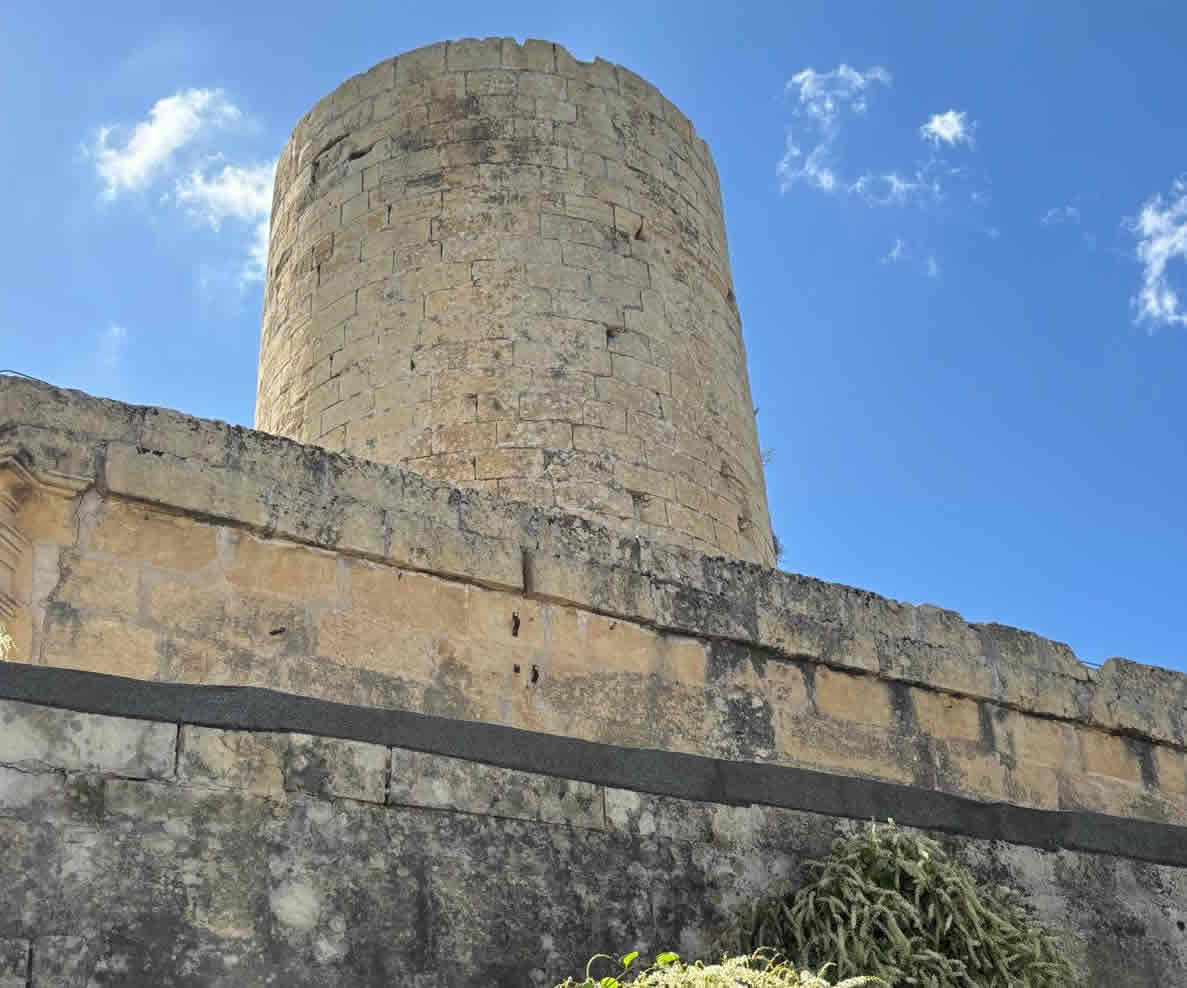
Il-Mitħna l-Ġdida (the l-Gdida)
Here’s a history of Il-Mitħna l-Ġdida (the “l-Gdida” / “the New Windmill”) in Mosta, Malta.📍 Location & Names
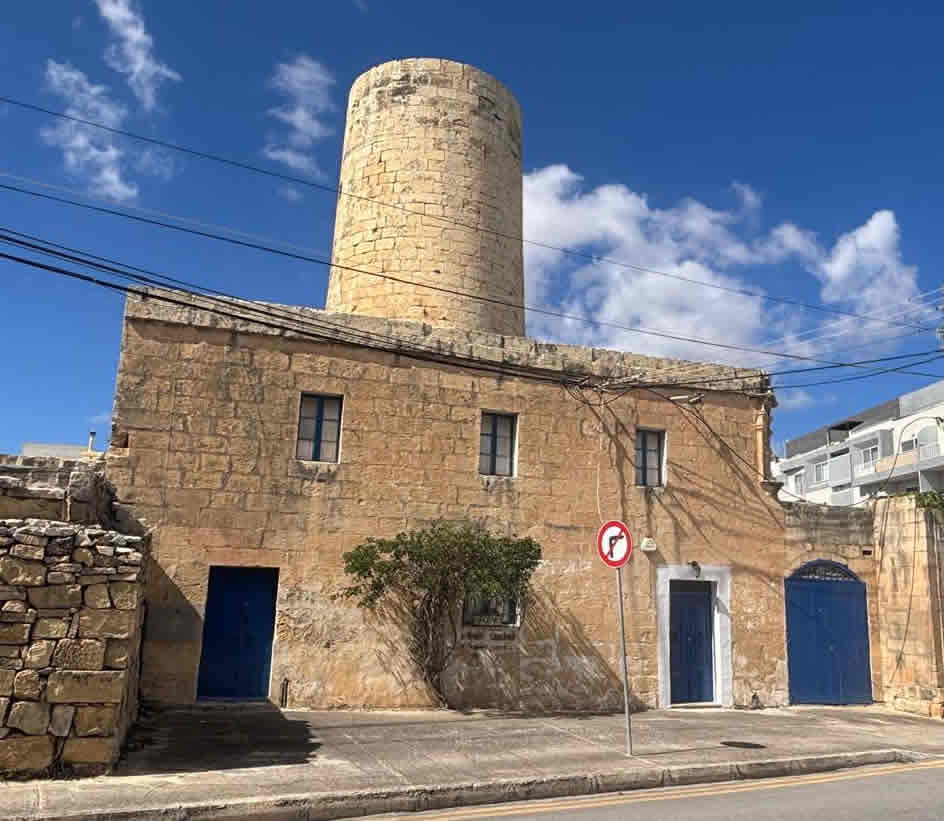
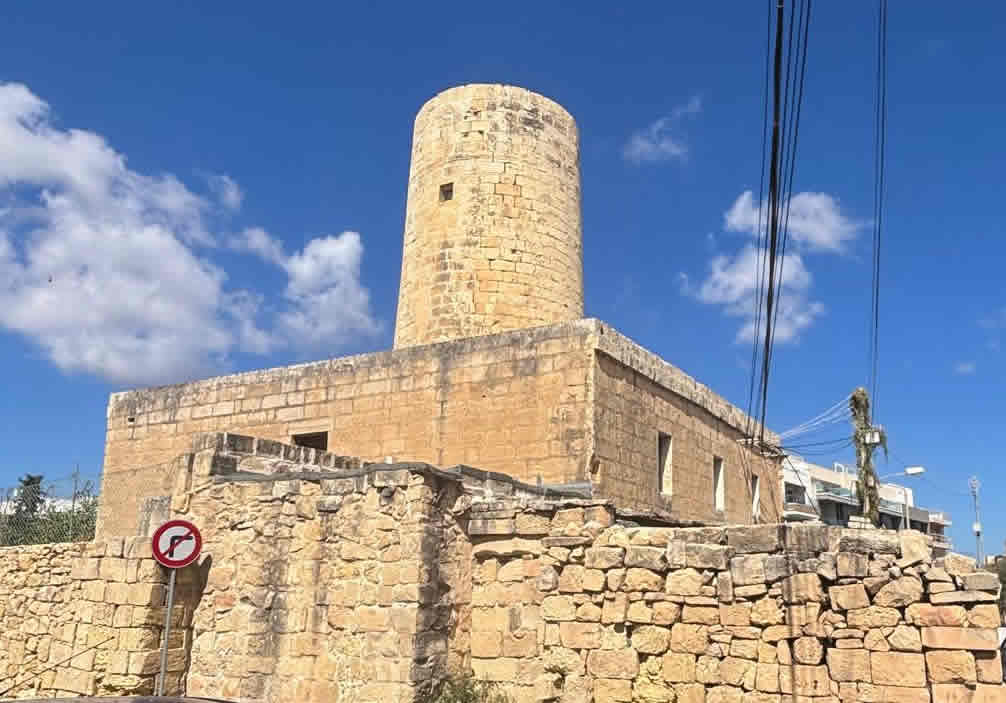
The windmill is known in Maltese as Il-Mitħna l-Ġdida (The New Mill). It sits on Triq il-Mitħna, Mosta, near San Silvestru Chapel.
It is called “new” in contrast with Il-Mitħna l-Qadima (the Old Windmill) which is adjacent on the same street.
It has also been used as a dwelling in recent decades.
Origins and dates
The mill is a tower/mound-type windmill built during the British period — sources commonly date its construction to around the start of the 1800s (c.1800).
(Note: different records occasionally give slightly different dates/notes — older windmills in Malta and their replacements can create some confusion in local records; I list the main variants below under “Discrepancies & notes”.)
What it was for
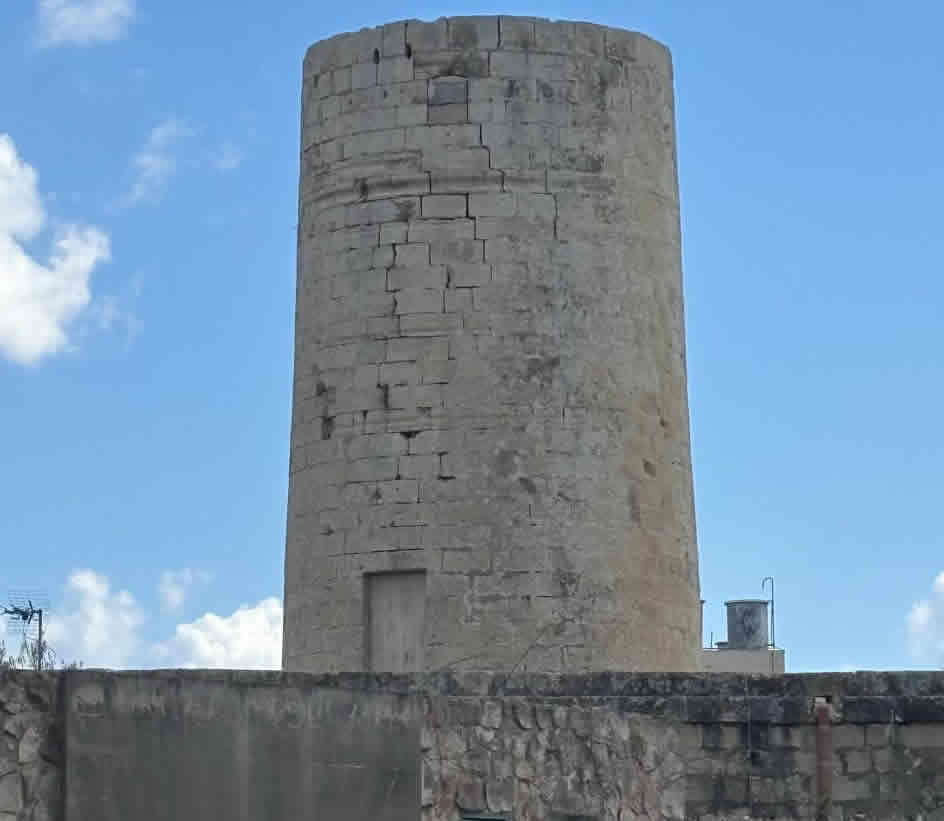
It was built and used as a grain mill (to grind wheat/barley into flour), serving the agricultural community around Mosta. That function is why the road is named Triq il-Mitħna (Mill Street).
🏗️ Construction & Architecture
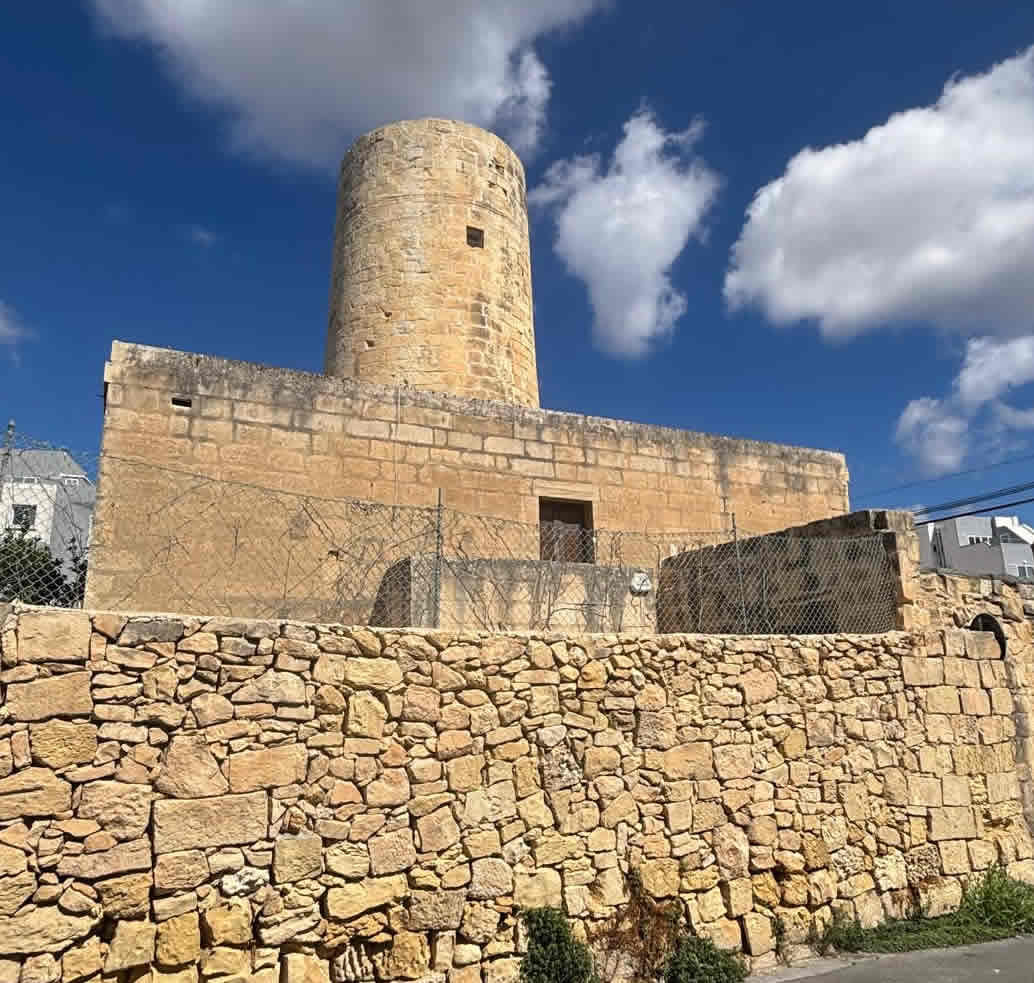
It was built in 1858 during the British period in Malta.
The land on which it was built was purchased from a family surnamed Ganado.
It was rented almost immediately after construction: in 1859 the owner (Mr. Antonio Grech) leased it out.
Design & structure:
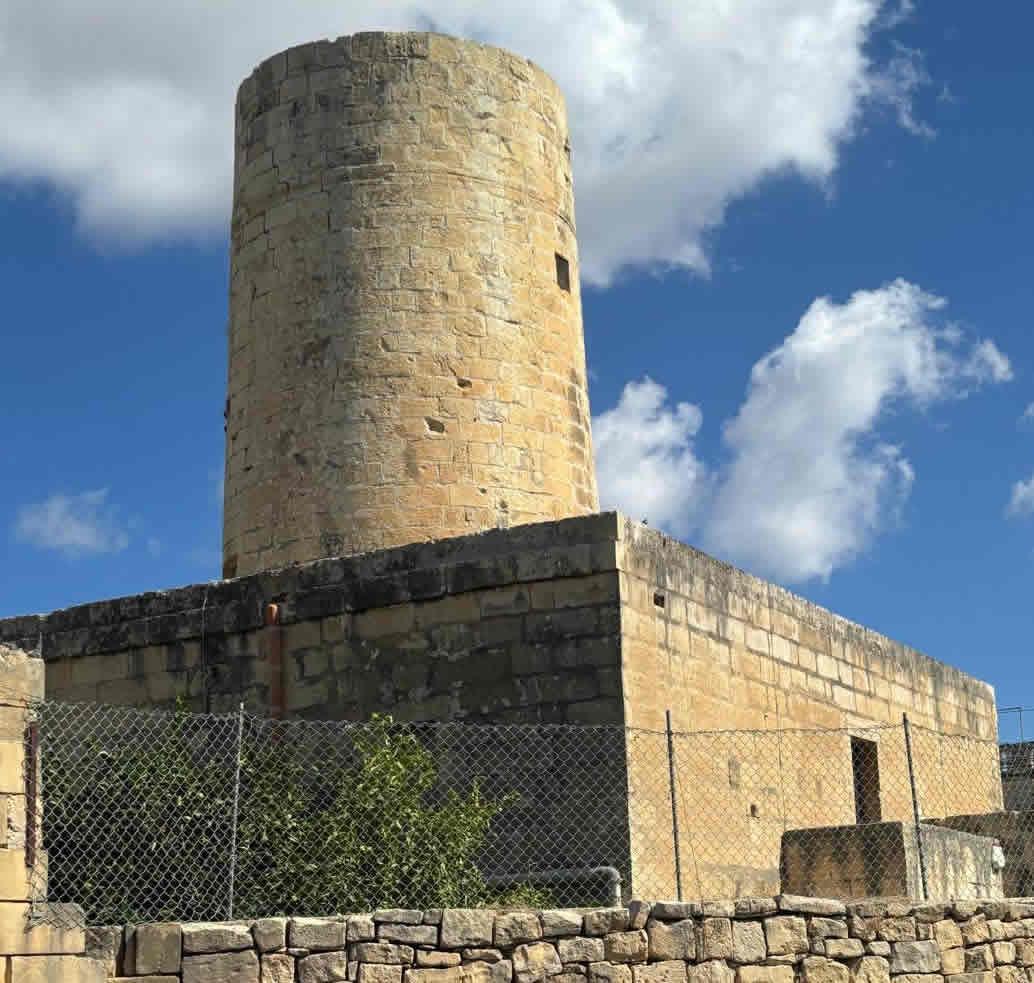
Typical Maltese tower windmill style: a stone cylindrical (or nearly so) tower used for mounting sails and housing the internal milling mechanism. Though the detailed internal mechanism isn’t well documented in the public sources.
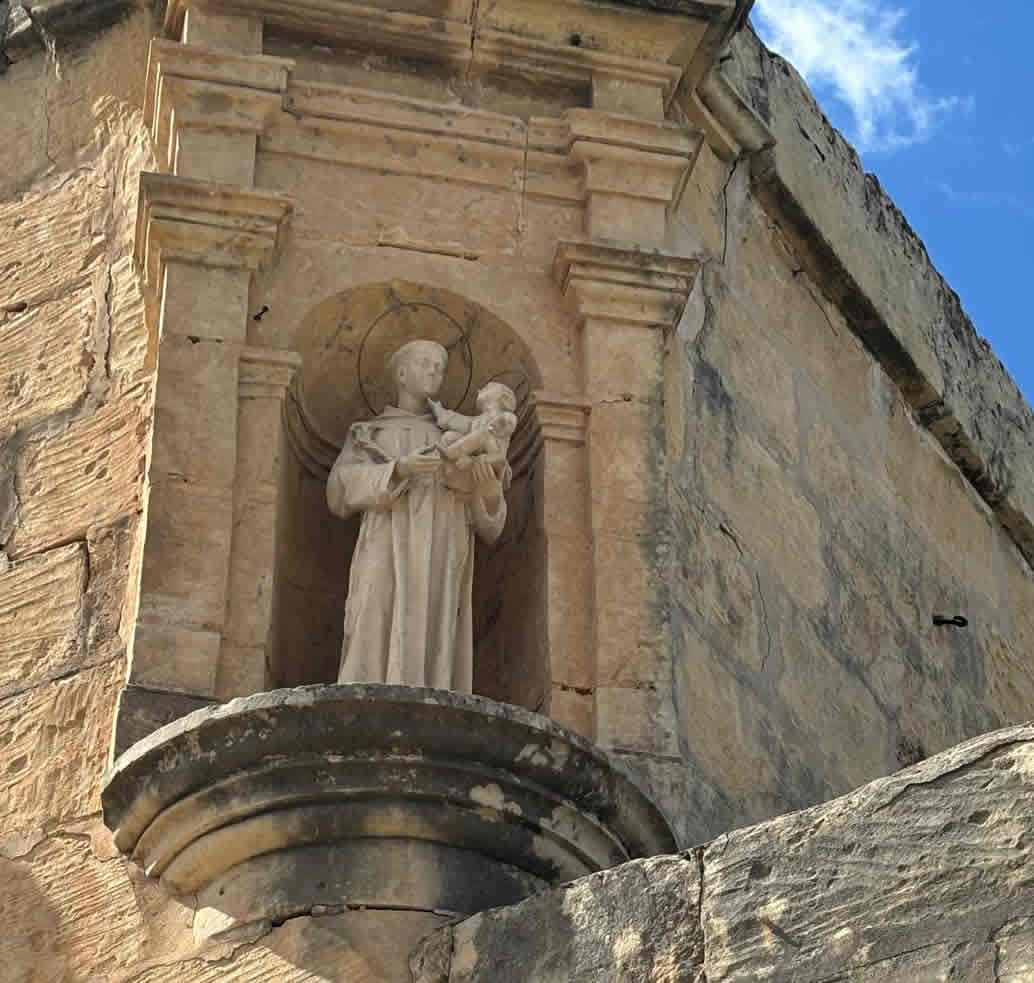
It had sails (vanes / “antenni”) which would have been mounted on the cap or roof of the tower, to catch the wind and drive the internal grinding stones.
⏳ Operational History & Decline
The windmill was operational roughly until about 1915. After that period its use declined.
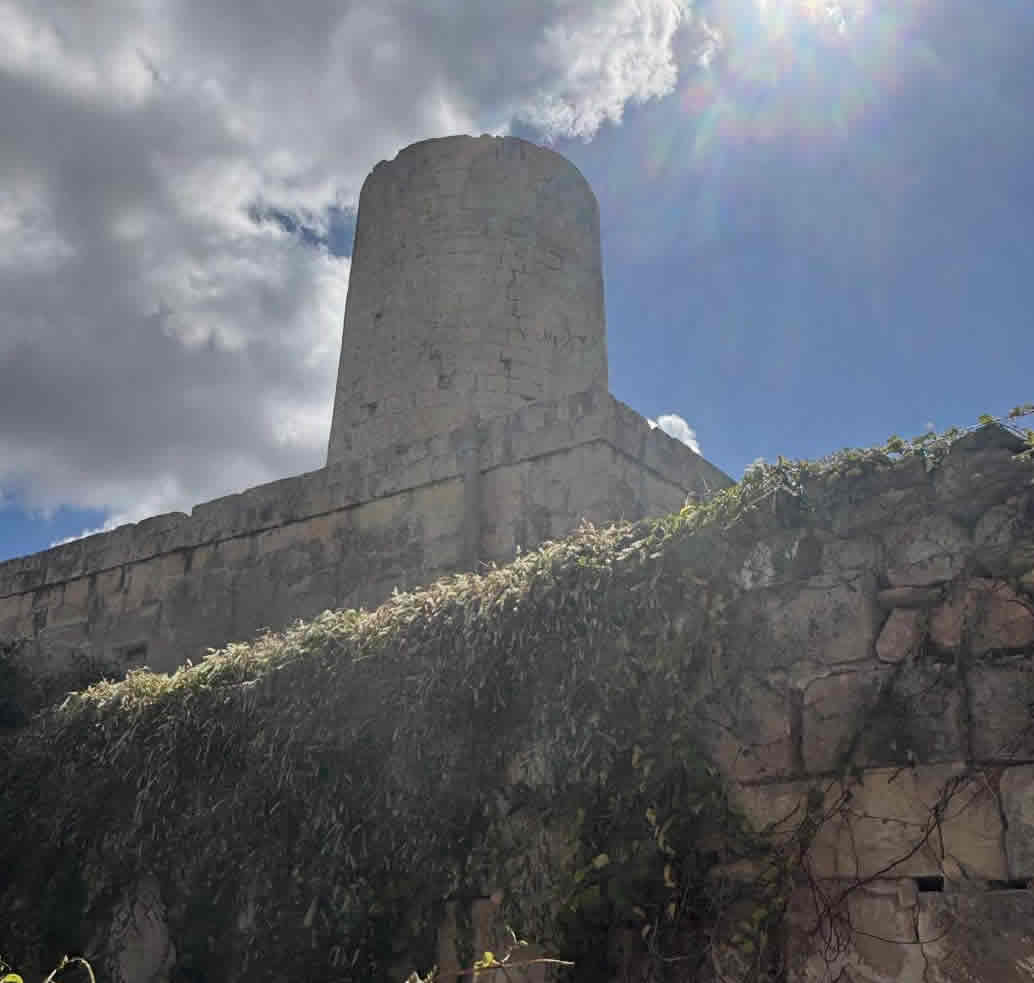
At some point, the sails were removed. It no longer functioned as a mill by the mid-20th century.
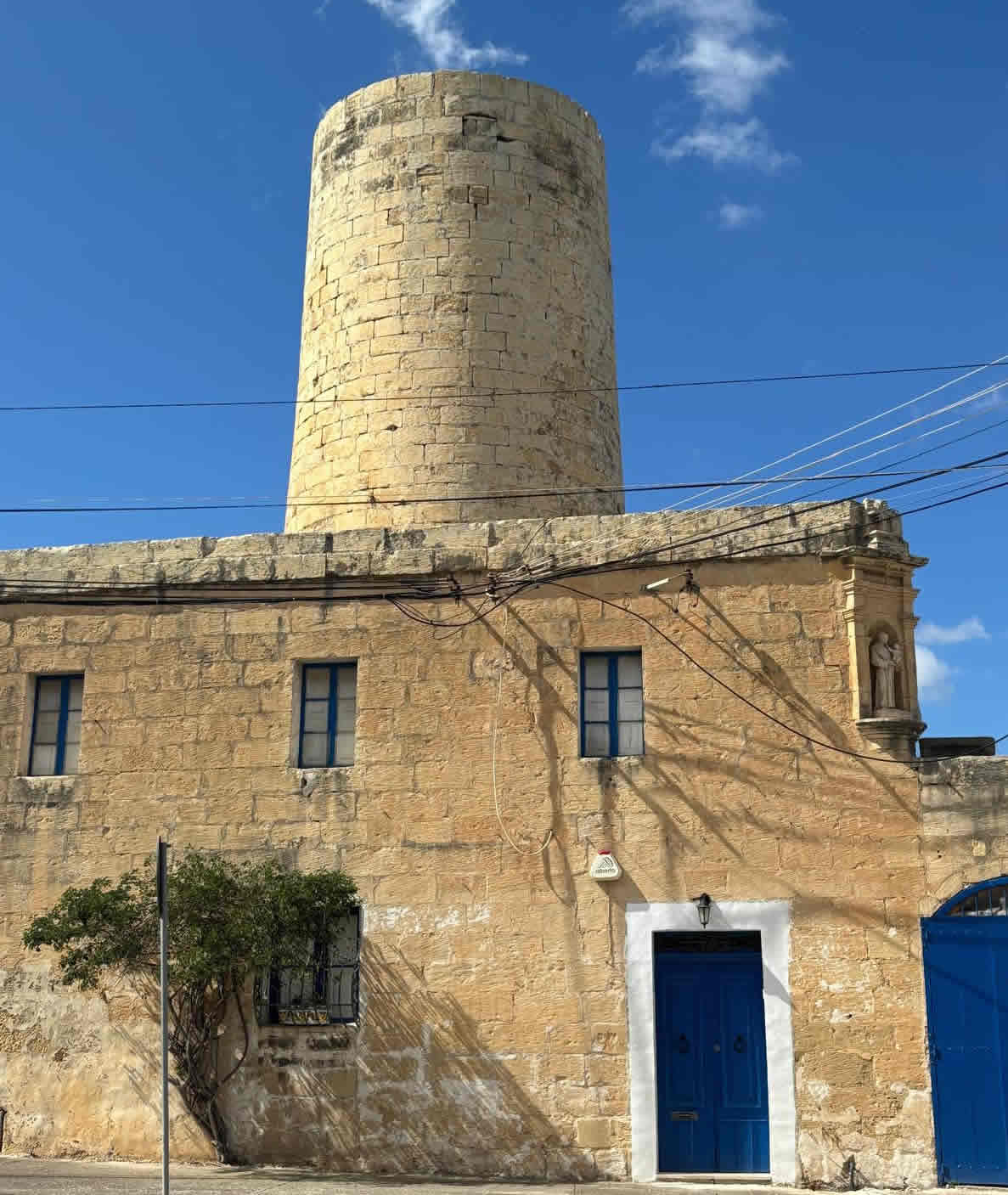
Today, the building is repurposed / converted into a dwelling (a house).
Discrepancies & the record
Construction date: commonly quoted “around 1800”; some local databases and photo-commentary give slightly different construction or replacement dates for mills in the area.
End of use: one local photographic/history post mentions the mill “remained in use as a grain mill until 1915”; a broader compiled list of Maltese windmills records it as “remained in use until 1979” and then converted to a residence. Because local mills were often repaired, reused or partially operational for decades, both statements can reflect different interpretations of “in use” (full commercial operation vs. occasional/partial use).
🔖 Heritage / Protection
The windmill is scheduled as Grade 1 historic property, meaning it receives the highest level of heritage protection under Maltese law.
It features a corner niche of St. Anthony of Padua, which is a decorative or devotional architectural element.
Suggested quick timeline (compiled)
Pre-1800s: Mosta area had several earlier mills (the island’s mills date back centuries).
c. 1800: Il-Mitħna l-Ġdida constructed (British period / early 19th century).
19th–20th centuries: Worked as a grain mill for the local community.
20th century: Fell out of full commercial use; sails removed at some point and structure later converted/adapted (sources differ on exact end date: c.1915 vs. 1979).