Overview
Għar il-Kbir is a complex of interconnected natural caves enlarged and adapted for human habitation, located on the outskirts of the Buskett woodlands. It represents one of the most significant examples of cave-based domestic occupation in Malta.
Location Map Coordinates 35.8513566, 14.3960256
The site was inhabited intermittently from medieval times and remained in use well into the early modern period, including during the rule of the Order of Saint John (1530–1798).
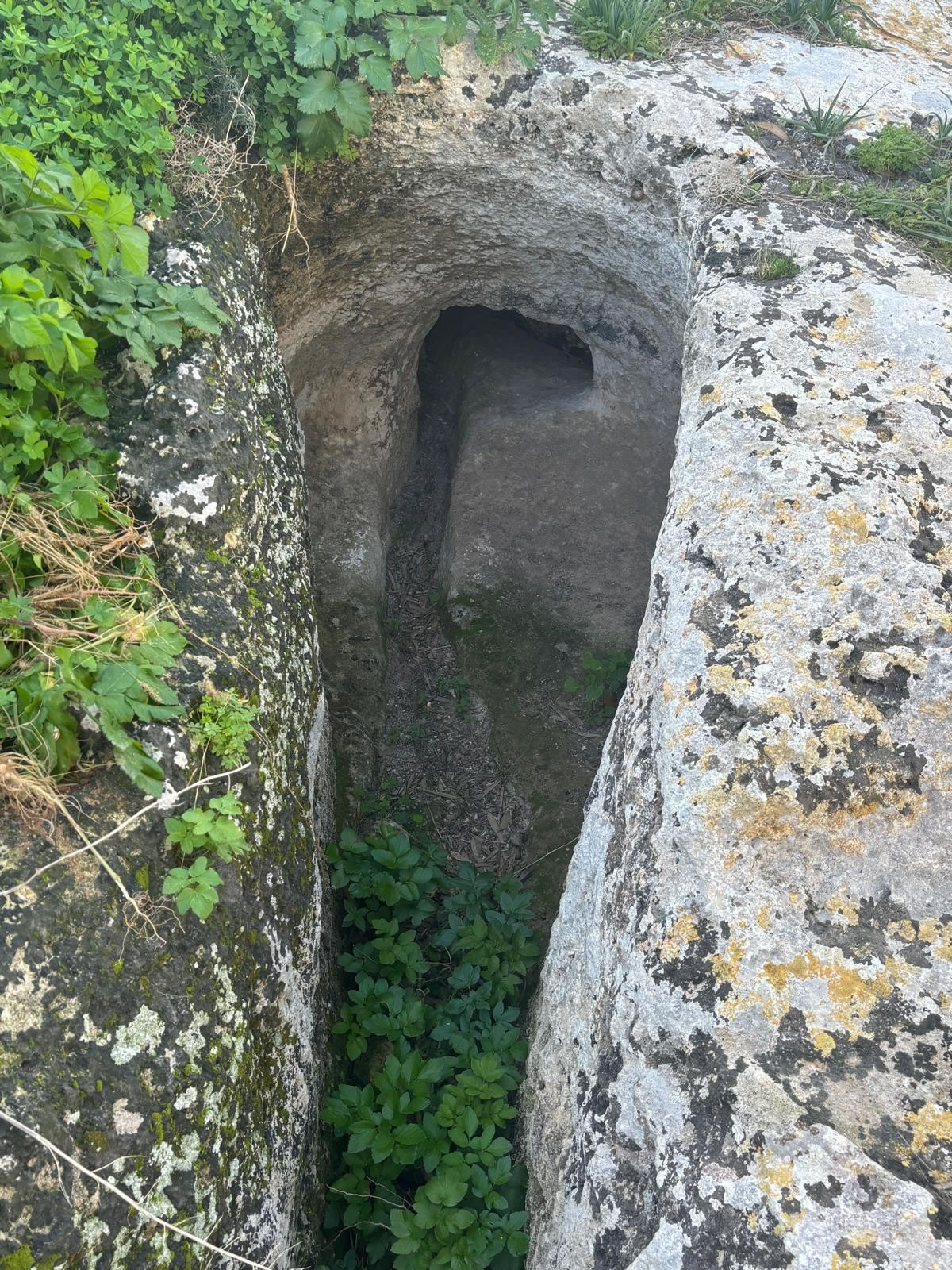
Origins and physical layout
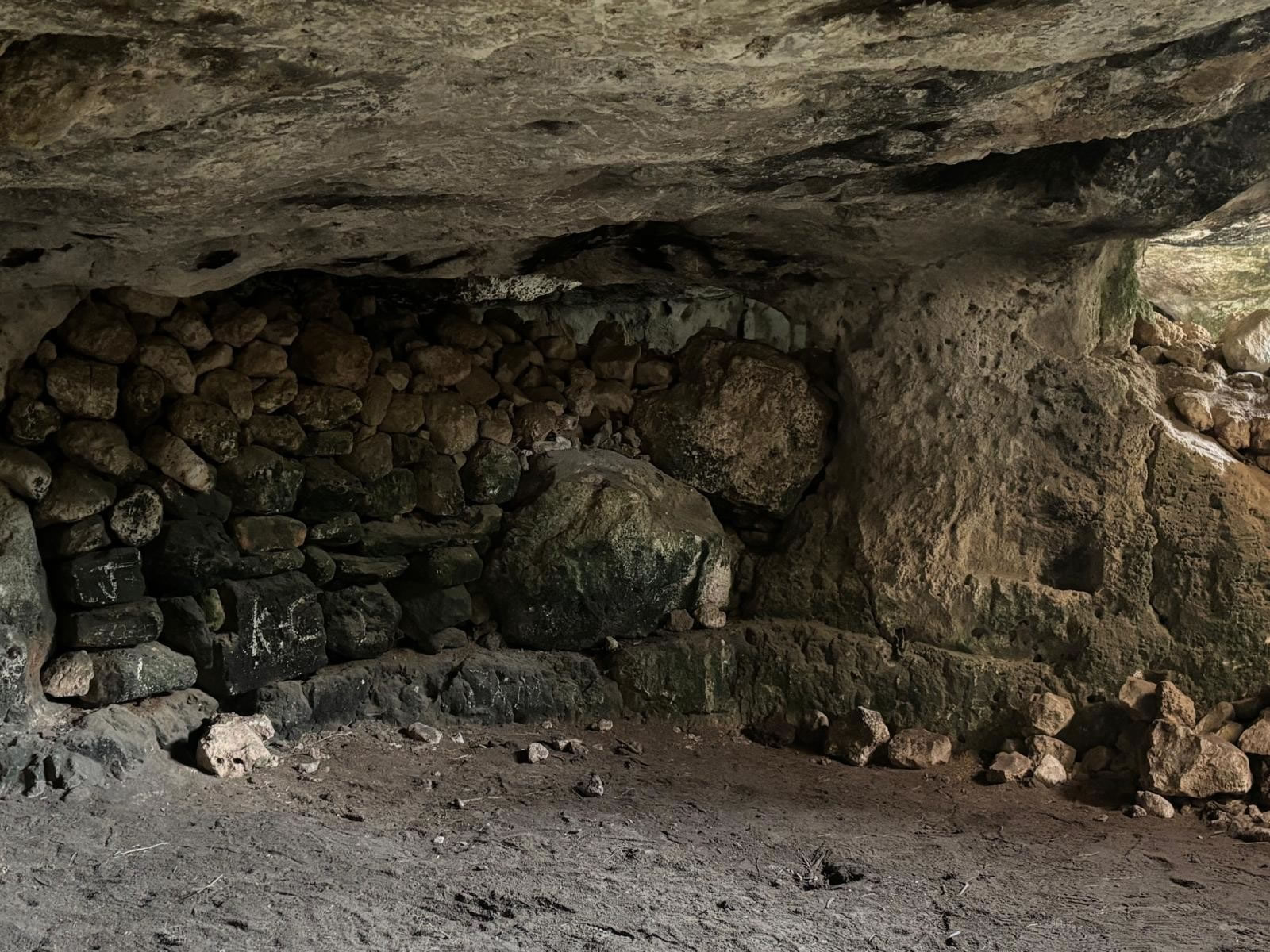
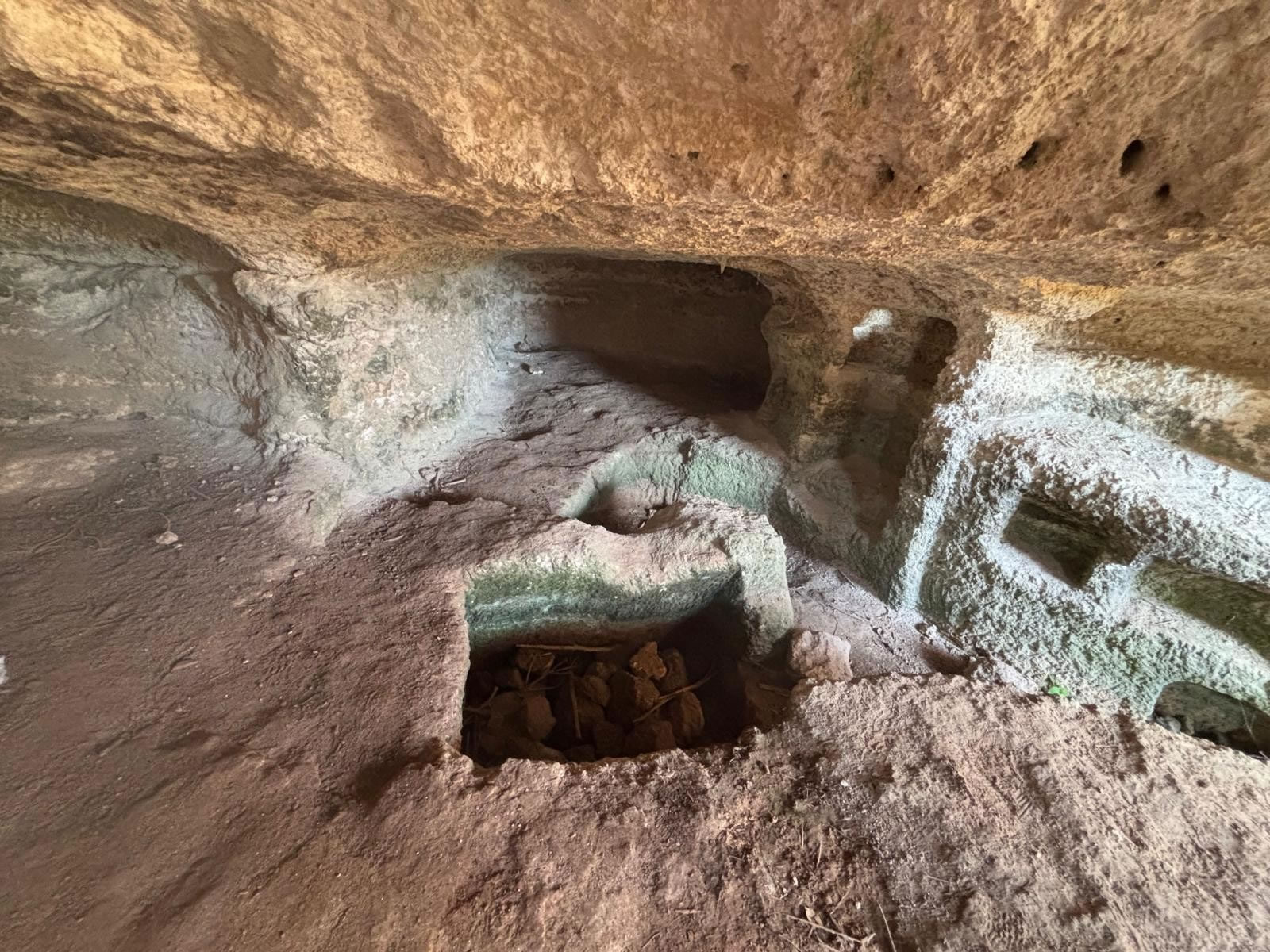
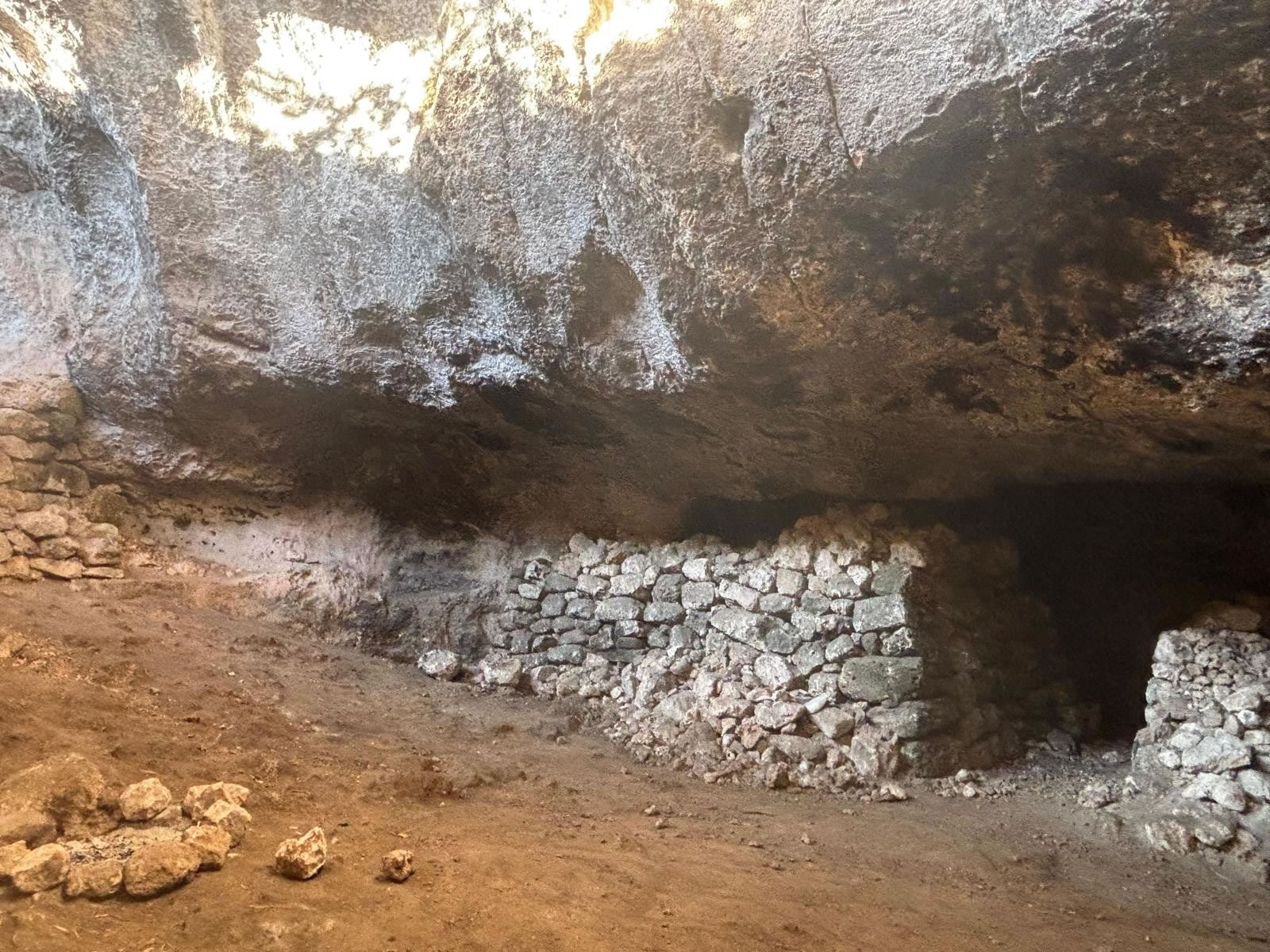
The caves were originally natural formations within the limestone escarpment. Over time, occupants expanded entrances, levelled floors, carved internal divisions, and added exterior stone walls to create functional living spaces.
The complex includes multiple chambers arranged along a rock face, suggesting occupation by several family units rather than a single household.
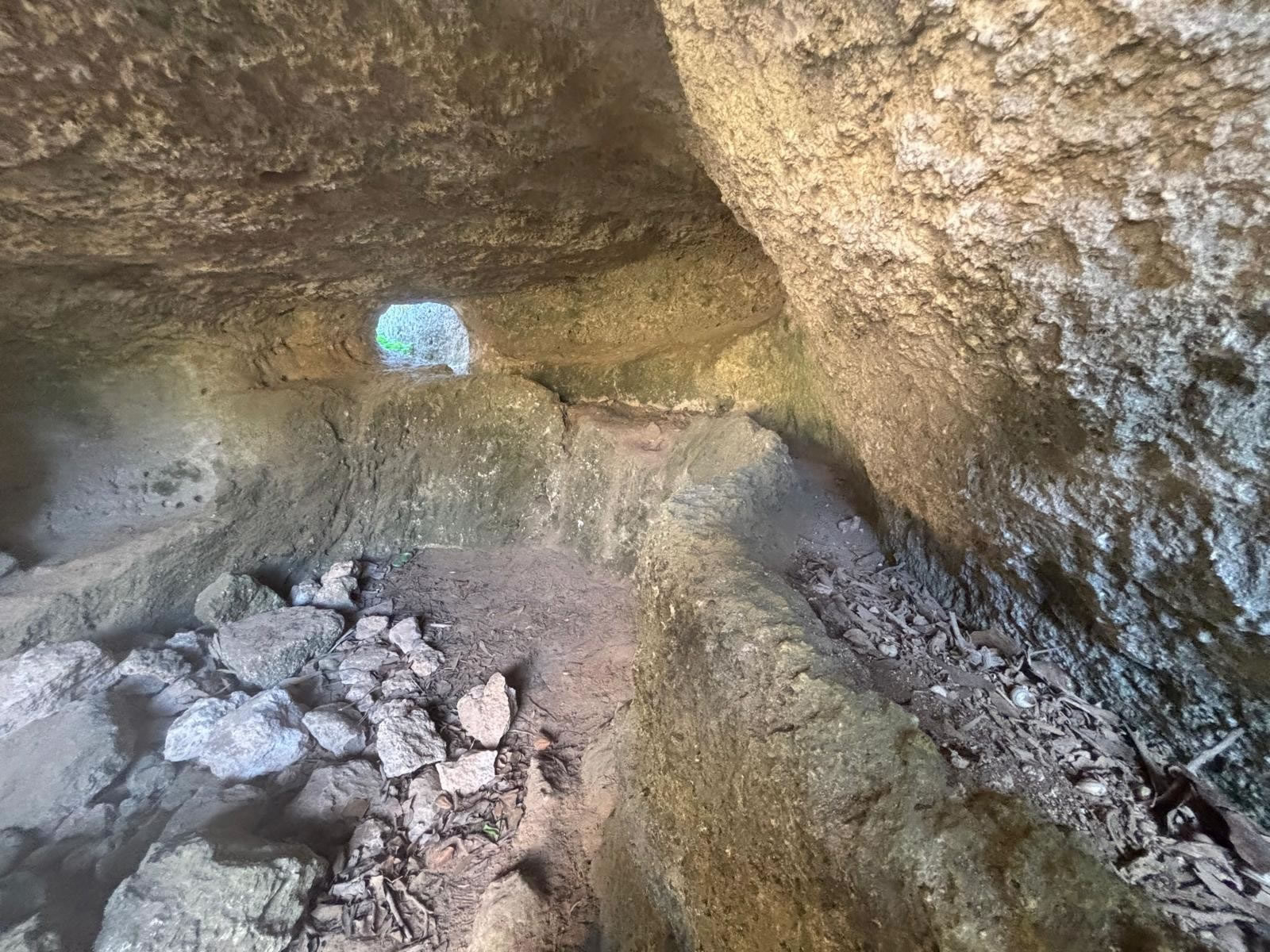
Inhabitants during the time of the Knights of St John
During the Hospitaller period, Għar il-Kbir was inhabited by individuals and families drawn from the lower socio-economic margins of Maltese society. These cave dwellers were not part of the urban population centred on fortified towns, but instead lived semi-rurally on the fringes of cultivated land.
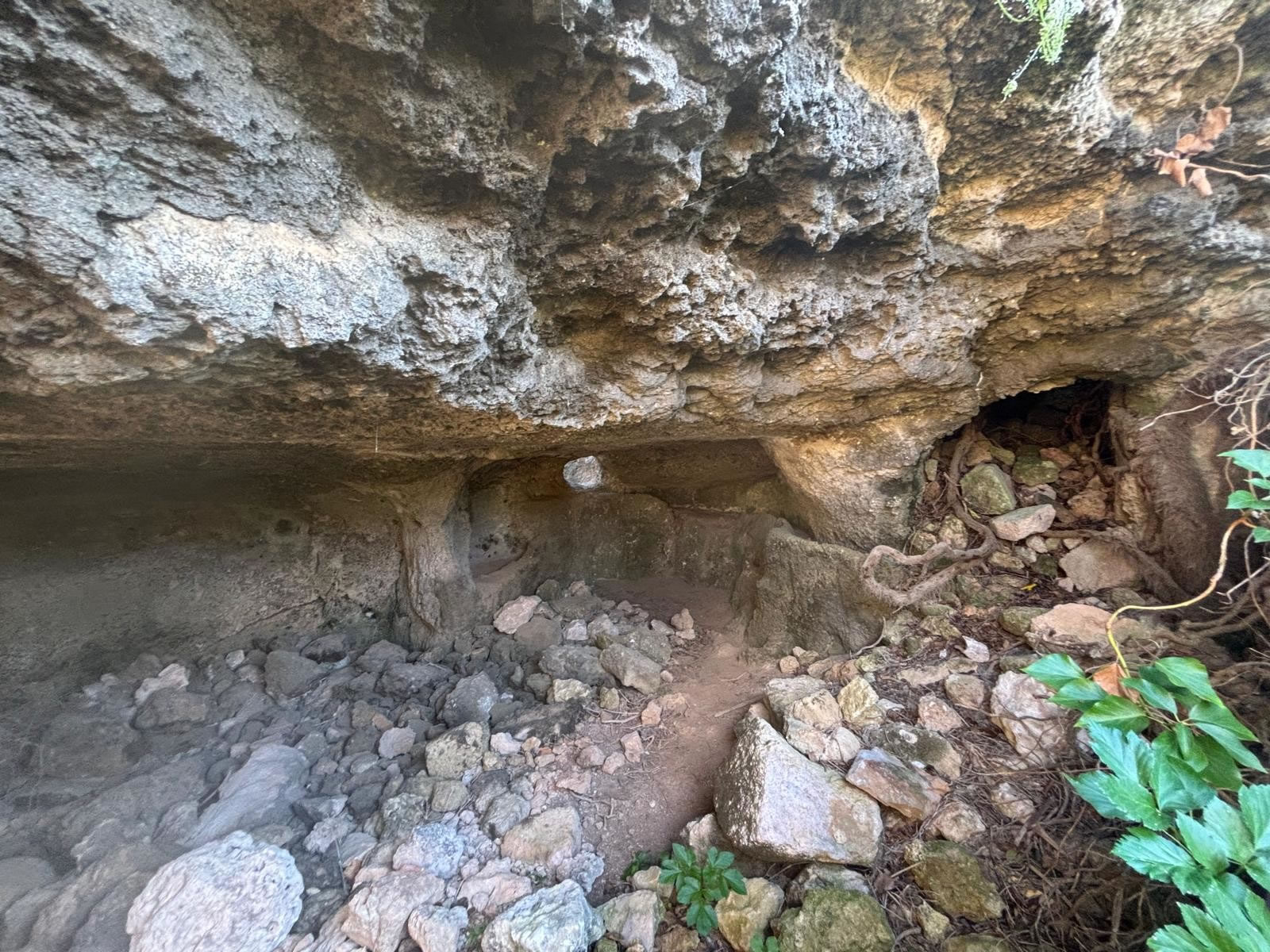
Who lived in the caves?
Historical sources and comparative studies indicate that the inhabitants likely included landless labourers, shepherds, charcoal burners, and individuals dependent on seasonal or informal work. Some may have been displaced peasants or families unable to afford conventional housing.
The Knights’ administration tolerated such cave dwellings as long as occupants paid dues, caused no disorder, and remained outside fortified settlements. Cave habitation, while socially marginal, was not illegal.
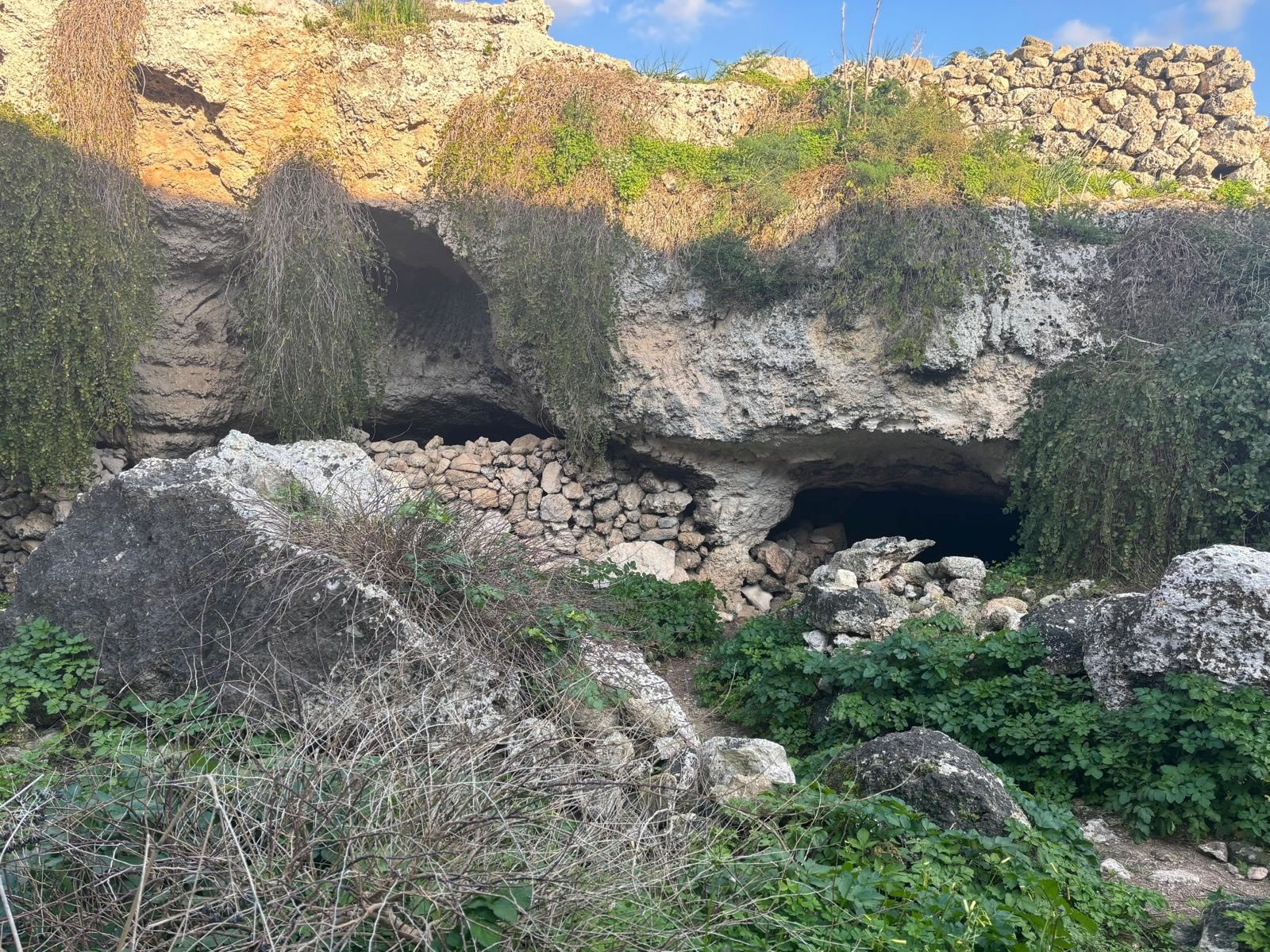
Daily life and subsistence
Life at Għar il-Kbir was austere. Families relied on small-scale agriculture, animal husbandry, and access to nearby woodland resources from Buskett, including firewood and grazing. The caves provided stable temperatures, protection from the elements, and concealment.
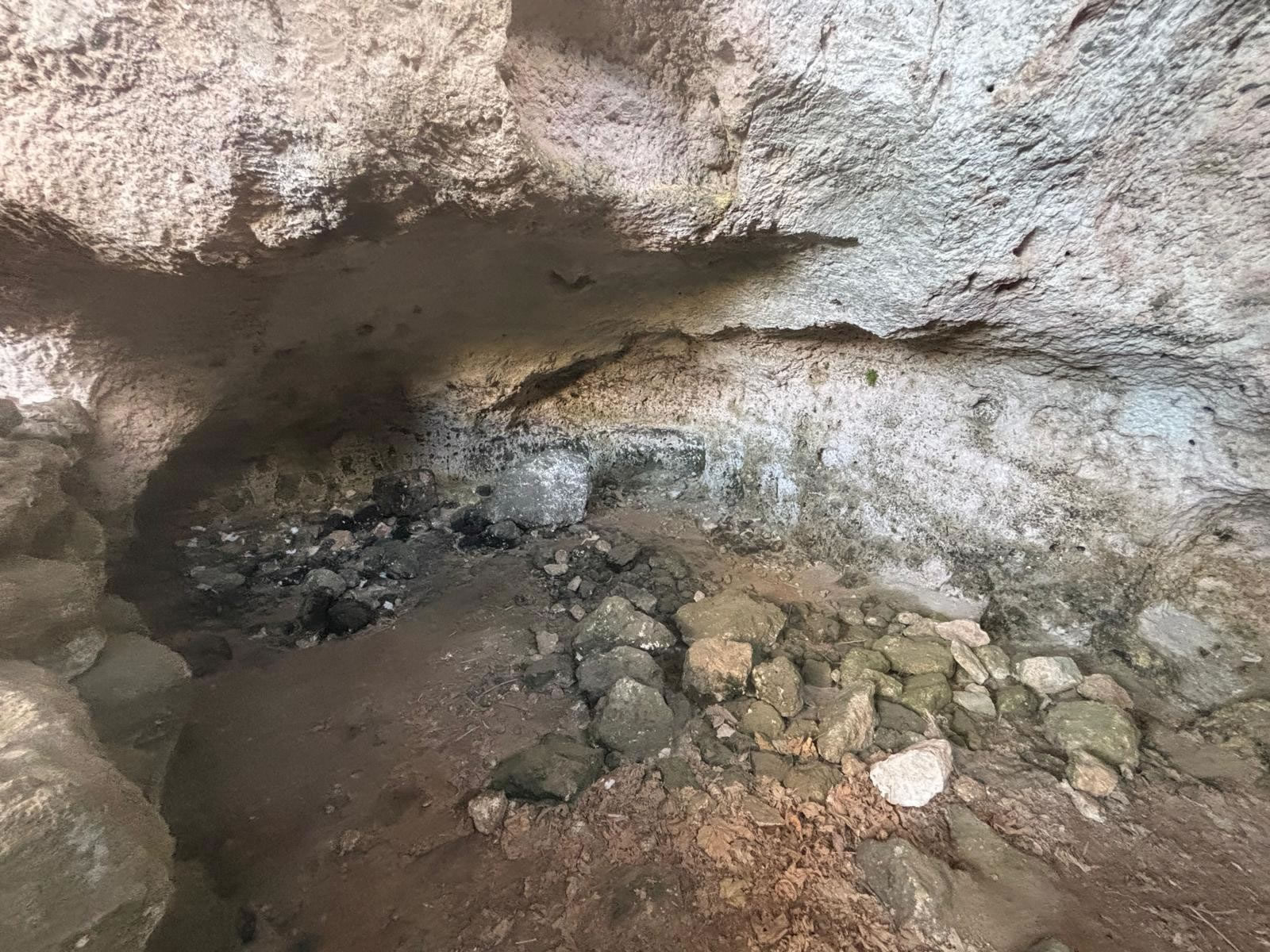
Interiors show evidence of adaptation for domestic use: hearth areas, storage niches, and carved partitions point to long-term occupation rather than temporary refuge.
Relationship with the Knights’ authorities
The Knights of St John largely focused their regulatory efforts on fortified cities, harbours, and military infrastructure. Rural cave settlements such as Għar il-Kbir existed beyond the primary concerns of the Order, unless public health, security, or taxation issues arose.
Decline and abandonment
By the late 18th and 19th centuries, changing social policies, improved housing standards, and increased regulation gradually led to the abandonment of cave dwellings. Għar il-Kbir eventually fell out of use, surviving today as an archaeological and cultural site.
History & local significance
Għar il-Kbir is often discussed in connection with Malta’s landscape of rock-cut sites and the nearby cart ruts found in the area. A common local tradition holds that families once lived here into the 19th century (frequently cited as up to 1835).
Whether you come for archaeology, hiking, or a quieter alternative to more crowded viewpoints, the site delivers a strong sense of place—especially with the Buskett woodland and Dingli cliff scenery nearby.
Visiting and heritage value
Today, Għar il-Kbir is valued as an important cultural landscape rather than a conventional monument. Visitors are encouraged to treat the site with care, respecting both its archaeological fragility and its role as a testament to everyday survival in Malta’s past.
Cave layout: what you’ll see on site
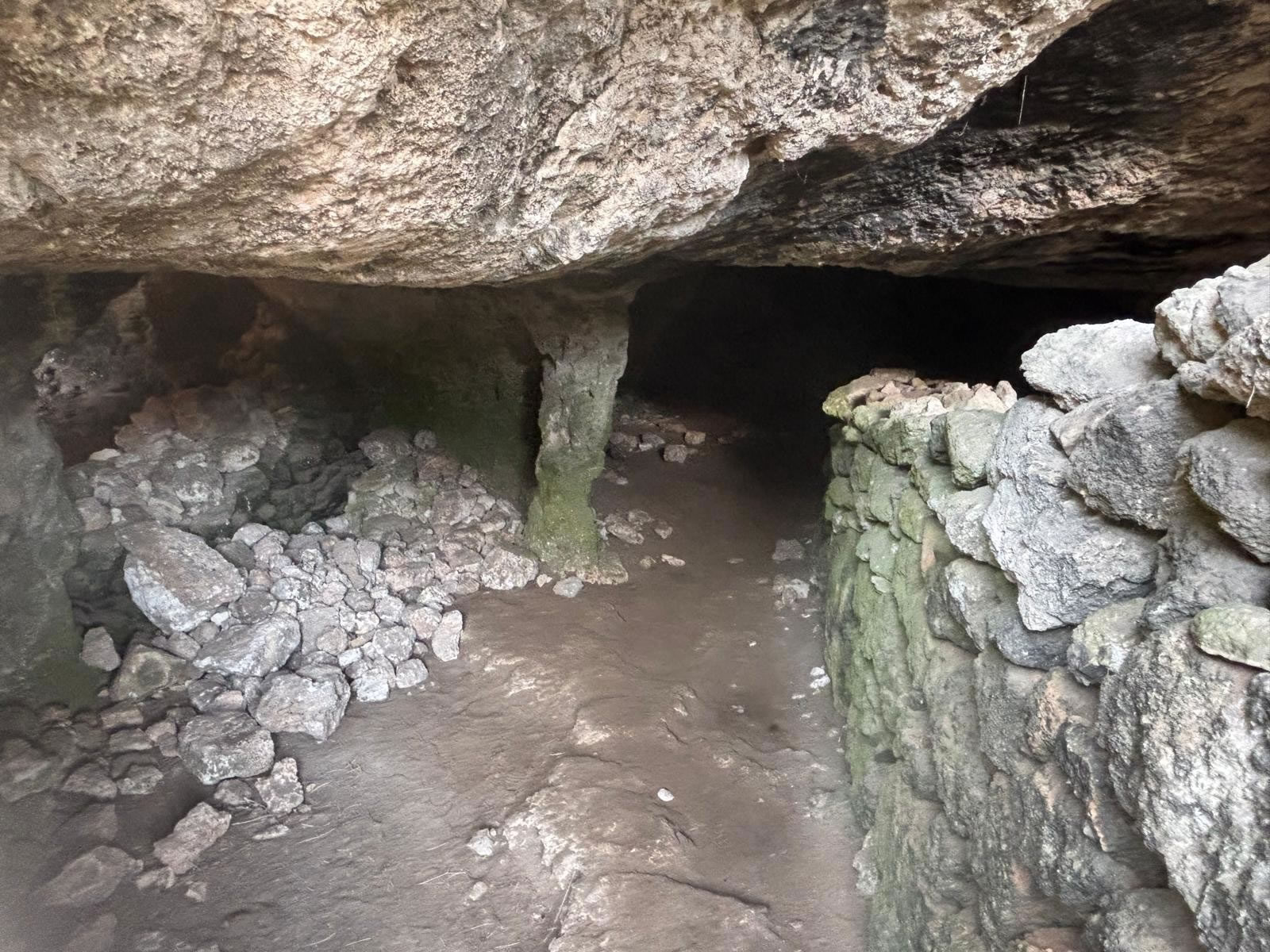
- Eight caves linked together into a single complex.
- Two levels connected by internal passages and openings.
- Rock-cut features and modified entrances that hint at long-term human use.
- Nearby points of interest including cart ruts and rural paths.
How to visit responsibly
Getting there
- Best base: Buskett / Siġġiewi / Dingli area.
- On foot: Ideal as part of a countryside walk; wear shoes with grip.
- By car/taxi: Reach the general area, then expect a short walk.
Safety & respect
- Bring a torch if you plan to look into darker sections (light is mostly natural).
- Do not climb unstable rock or enter tight passages if you’re unsure.
- Leave no trace—this is a fragile heritage landscape.
Frequently asked questions
Where exactly is Għar il-Kbir?
It’s between Buskett Gardens and Dingli Cliffs, in Siġġiewi.
How big is the complex?
The site comprises eight caves spread over two levels, interconnected internally.
Is it free to visit?
It’s generally visited as an outdoor site with free access (no ticketed entrance reported for the cave complex itself).
Related searches
Għar il-Kbir caves Malta • Misraħ Għar il-Kbir • Buskett caves • Dingli Cliffs caves • Siġġiewi hiking • Clapham Junction cart ruts • rock-cut caves Malta • Malta heritage walks