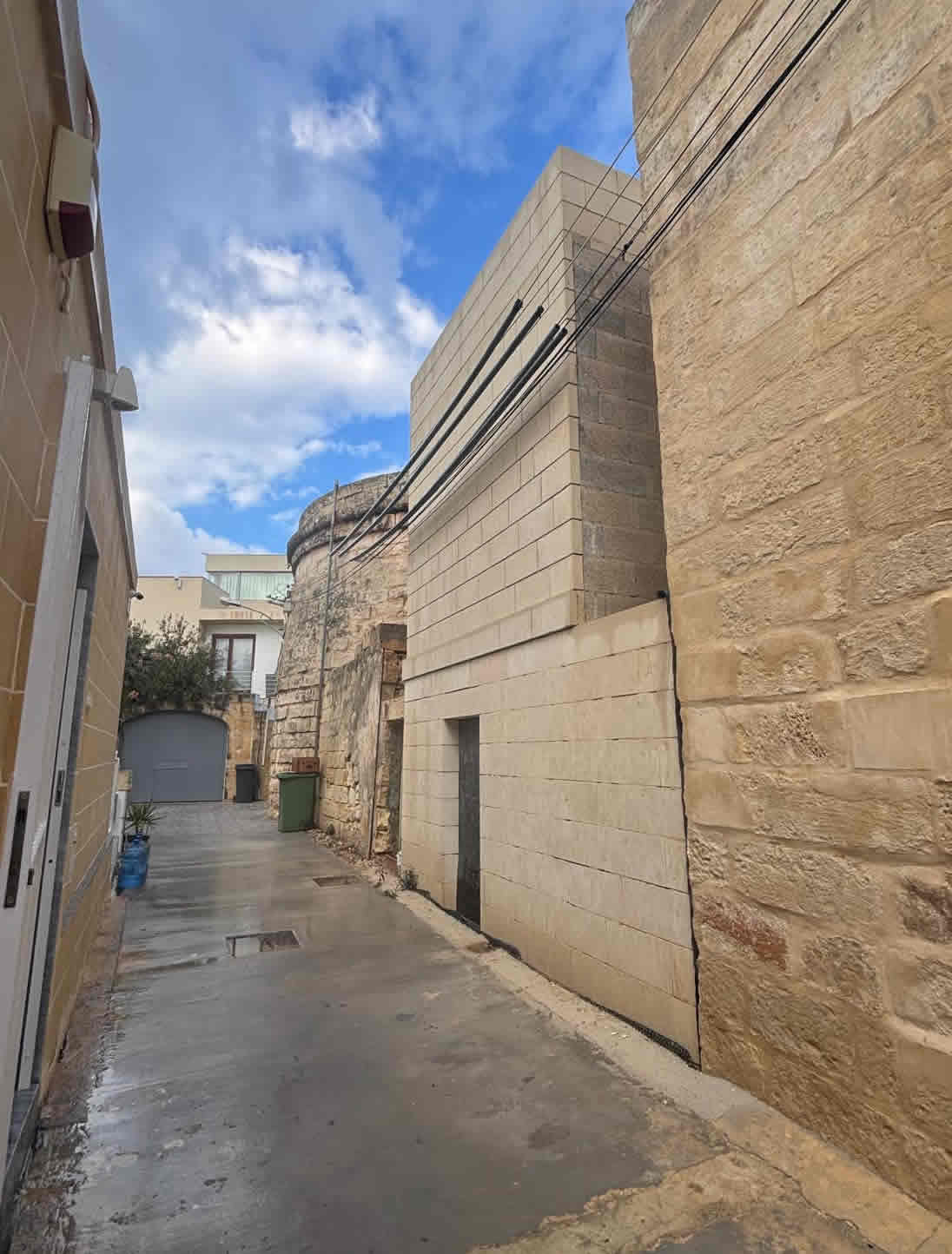
Hal Għargħur windmill
📍 Location
Coordinates 35.925371, 14.452051
Short summary
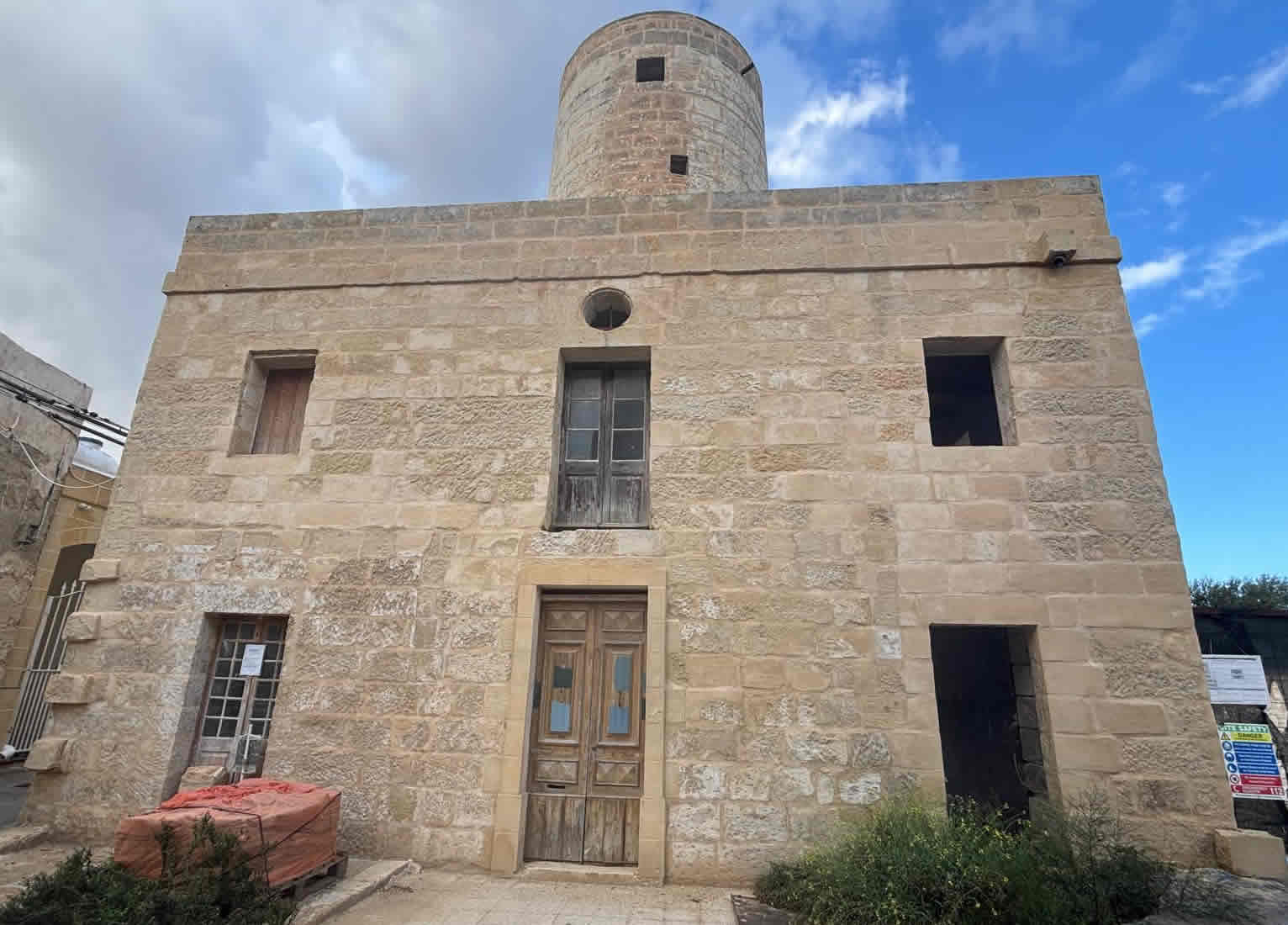
A tower-type grain windmill built during the British period (commonly dated in published lists to c.1838) that ground wheat for local bread; it remained in operation into the late 19th / early 20th century, had its sails removed and has since been converted into a private residence.
History & chronology
Construction date / period: most specialist windmill compilations and local pages give a British-period date (c.1838) for the Għargħur mill. Some hobbyist/unsourced notes online suggest other 17th/18th-century dates, but the better-documented references used by catalogues list 1838.
Working life: the mill is recorded as having remained in use until about 1910 (commercial/regular milling); after that the sails were removed and the mill ceased grinding commercially — again this is the common statement in compiled lists.
Later adaptation: the tower + base were converted to residential use and a later extension was built onto the base; local council history notes the mill can be seen in the village streetscape today as an adapted building.
Construction & technical description
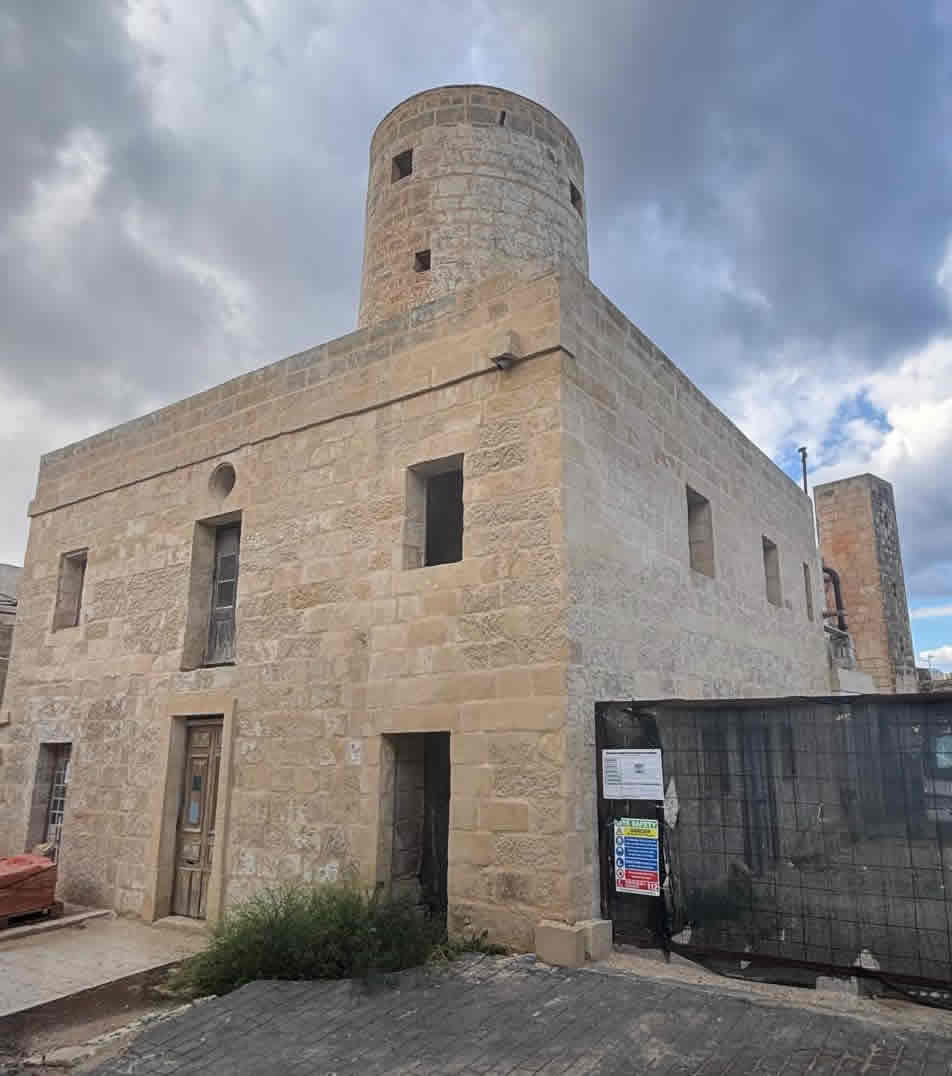
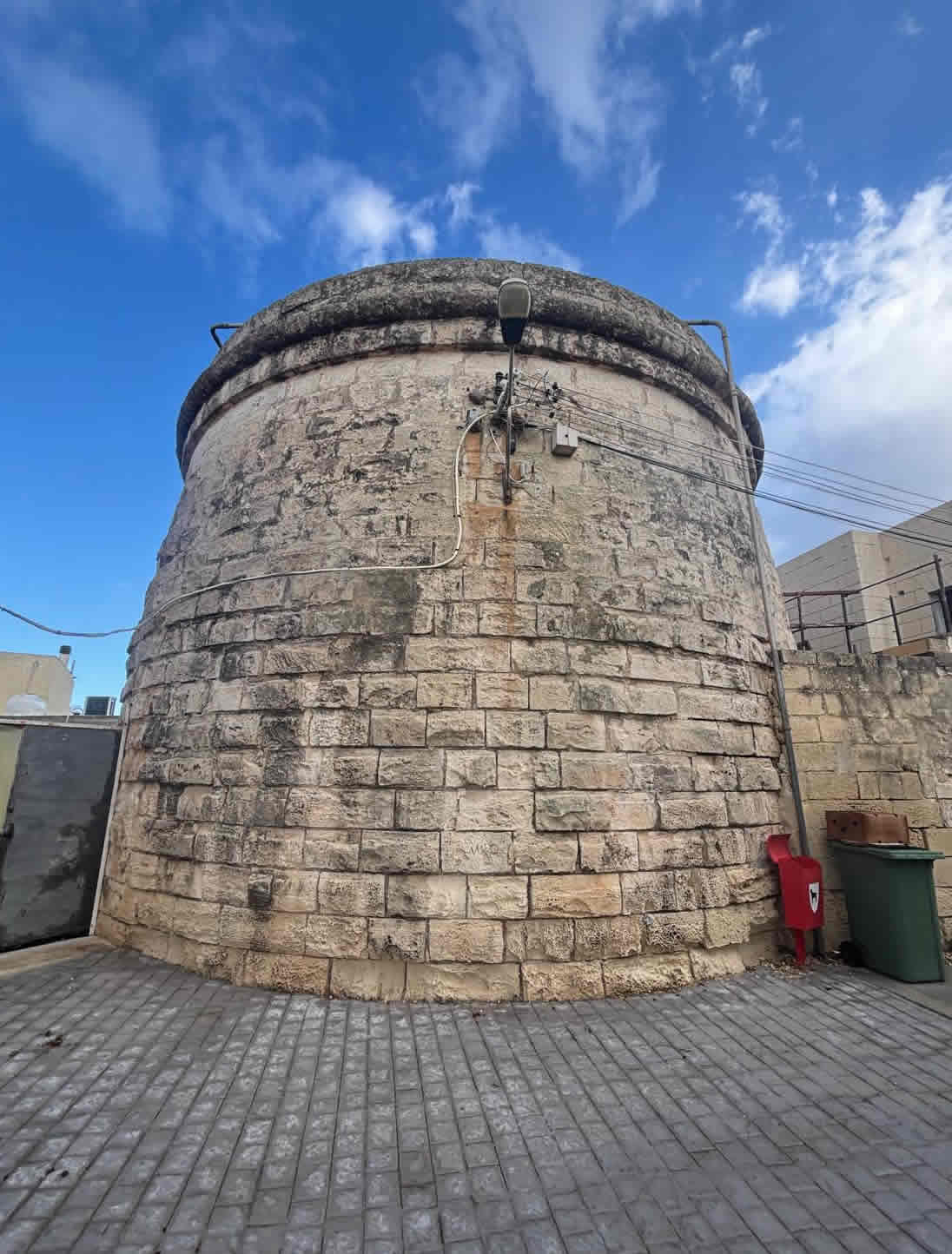
Type / plan: classic Maltese tower (round) windmill — cylindrical limestone tower rising from a rectangular base of ancillary rooms (store/working rooms and typically miller accommodation). This is the standard form seen across Maltese villages and is how the Għargħur example is described by windmill inventories.
Materials & original mechanics: built in local limestone with lime mortar; originally fitted with a timber windshaft and wooden sails (4–6 arms), internal wooden gearing, an upright shaft and millstones (runner & bedstone). Published notes say the original milling machinery is no longer present in working form.
Social role & why it mattered
The mill ground local wheat for bread, servicing the small rural community around Għargħur — a central village function before industrial/steam milling and improved transport made small windmills uneconomic. This local role is cited explicitly in specialist mill registers and village history pages.
Current condition & access
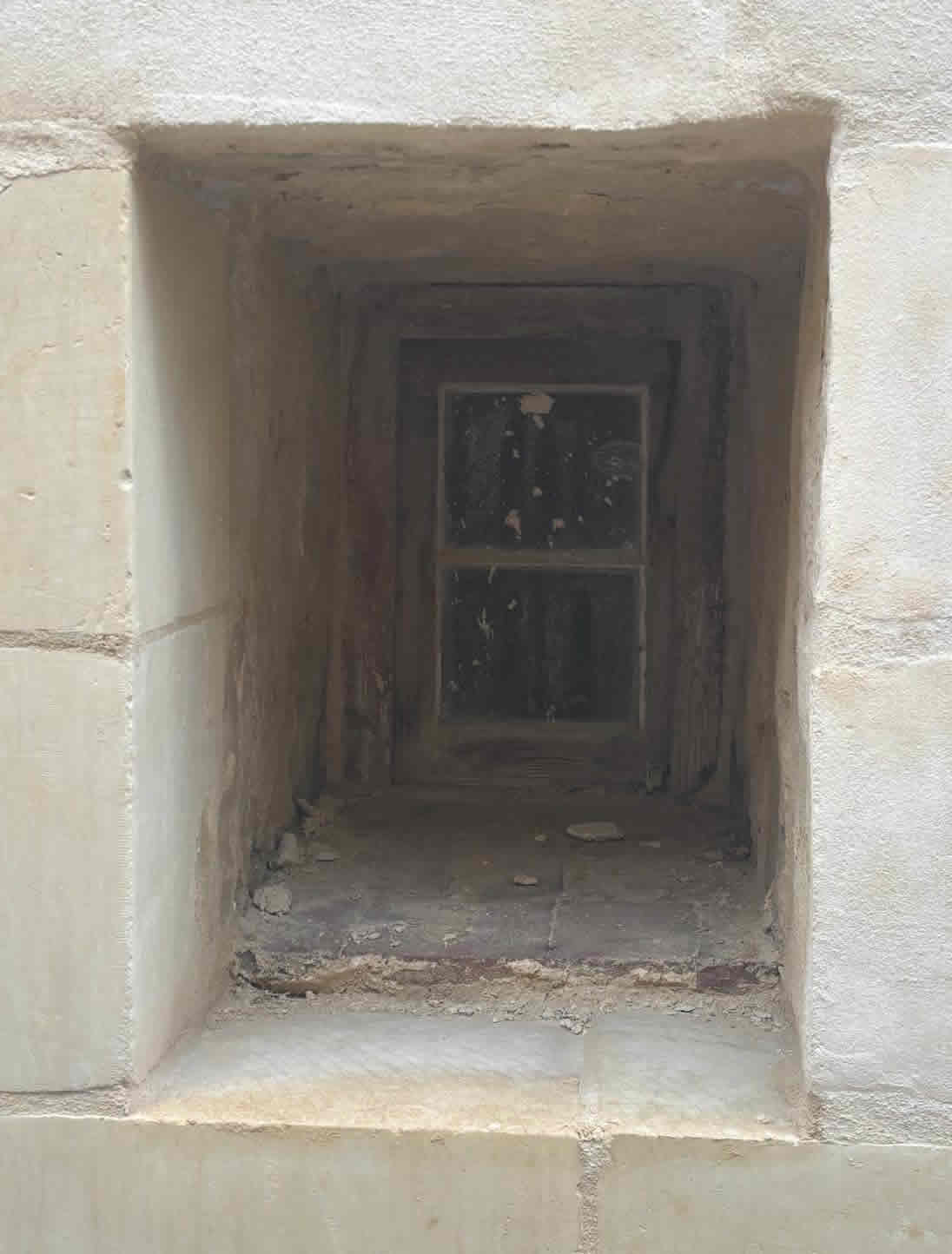
Condition / use today: the mill structure survives but has been adapted into a private residence with an extension to the base; the sails are gone and the internal machinery does not operate. It is visible from public approach routes but not an open museum.
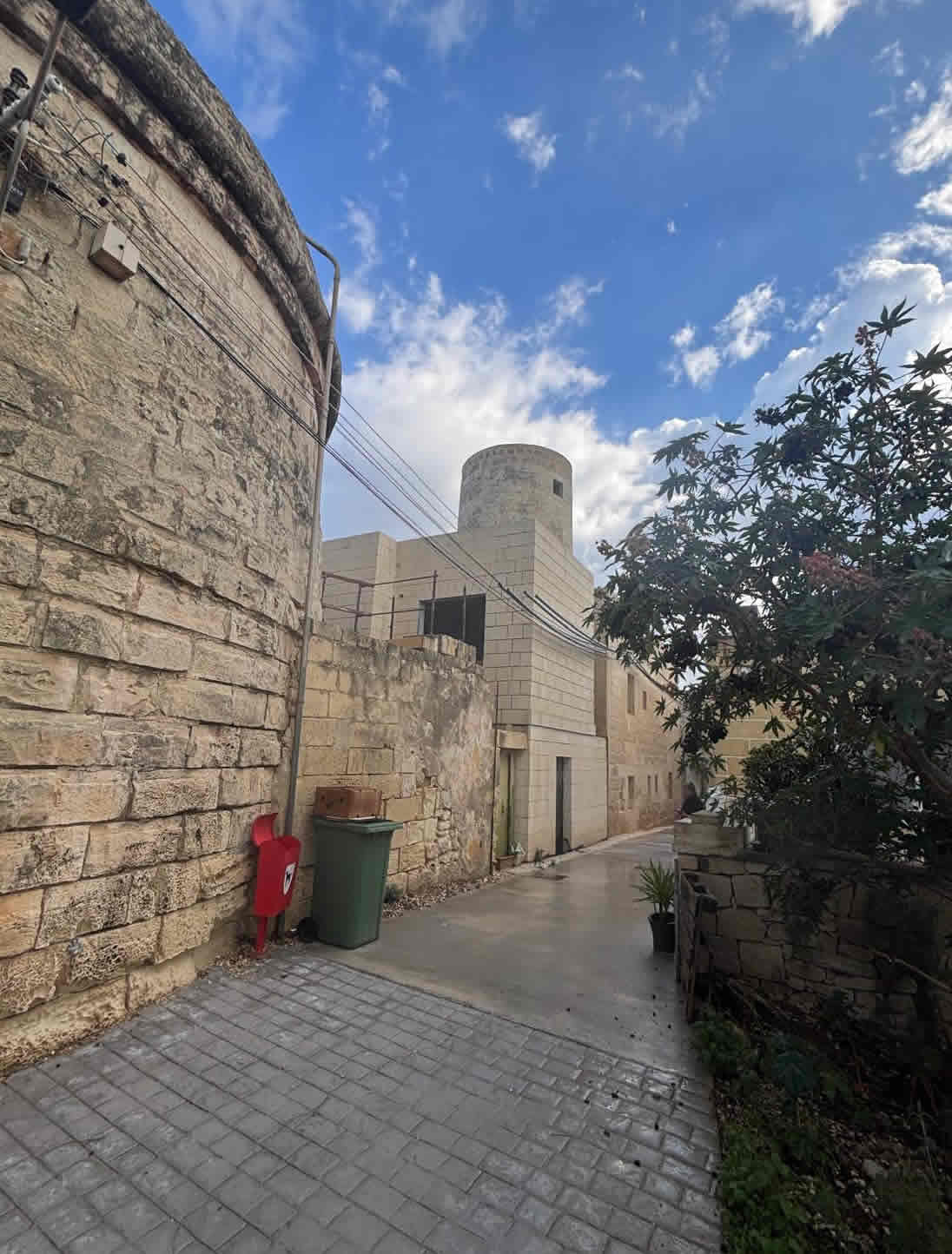
stone water reservoir (tank) behind Il-Mitħna ta’ Ħal Għargħur
Behind many traditional Maltese windmills — including the Hal Għargħur example — you commonly find a stone-built cistern / water reservoir used to collect and store rainwater for domestic use, livestock, and occasional milling-related needs (cleaning, dough mixing, animals). In Maltese it’s often called a ġiebja (surface tank) or cisterna (underground tank) depending on form.
Why the mill needed one
Rural mills served households and farmsteads. A dependable water supply was essential for: the miller’s domestic needs, bakery operations (if a bakery was attached), watering animals (mules, donkeys), cleaning the millstones and tools, and firefighting in case of accidents.
Rainwater harvesting was the most practical local supply in limestone Malta, so cisterns were paired with roofs and paved catchments draining into the tank.