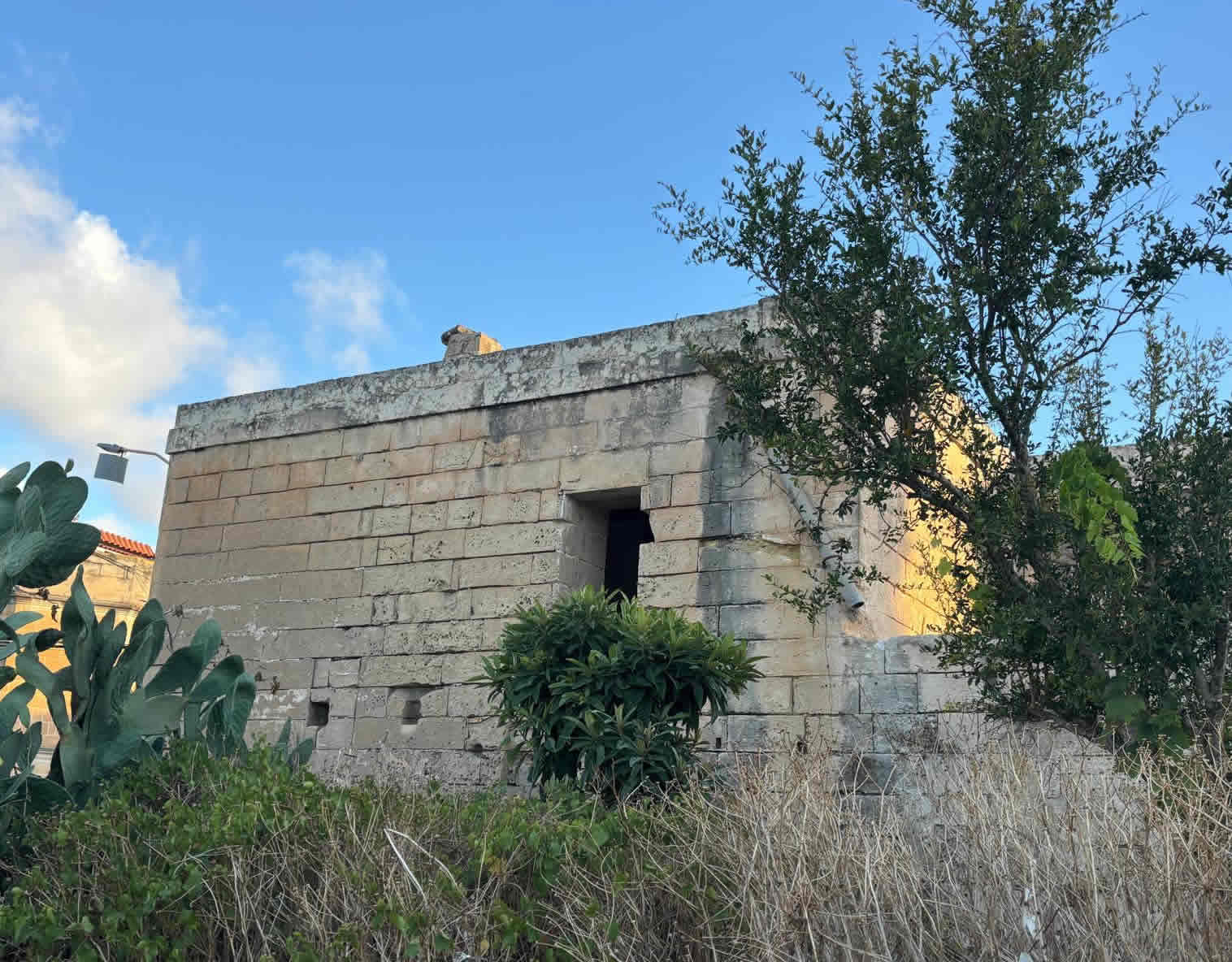
It is referred to in Maltese as Il-Mitħna tal-Imrieħel (or Mrieħel/Mriehel Windmill)
It is one of several historic windmills in Birkirkara, Malta:
📍 Location
35.892968, 14.461760📜 History
Date of Construction: Built in 1685 during the magistracy of Grand Master Gregorio Carafa (1680–1690).
Purpose: Like other early windmills in Malta, its role was to grind wheat and barley into flour for bread, the staple food of the Maltese. The Knights of St John actively promoted windmill building to reduce dependence on imported flour.
Strategic Location: Situated in Imrieħel (Birkirkara/Santa Venera border), an exposed plateau ideal for catching the strong northwesterly winds. Its position also served the growing inland population of Birkirkara and the farming communities nearby.
Later Use:
By the 18th century, newer windmills (such as those built under Grand Master Vilhena in 1724–25) supplemented its work.
In the 19th century, like most Maltese windmills, it fell out of use as steam mills became dominant.
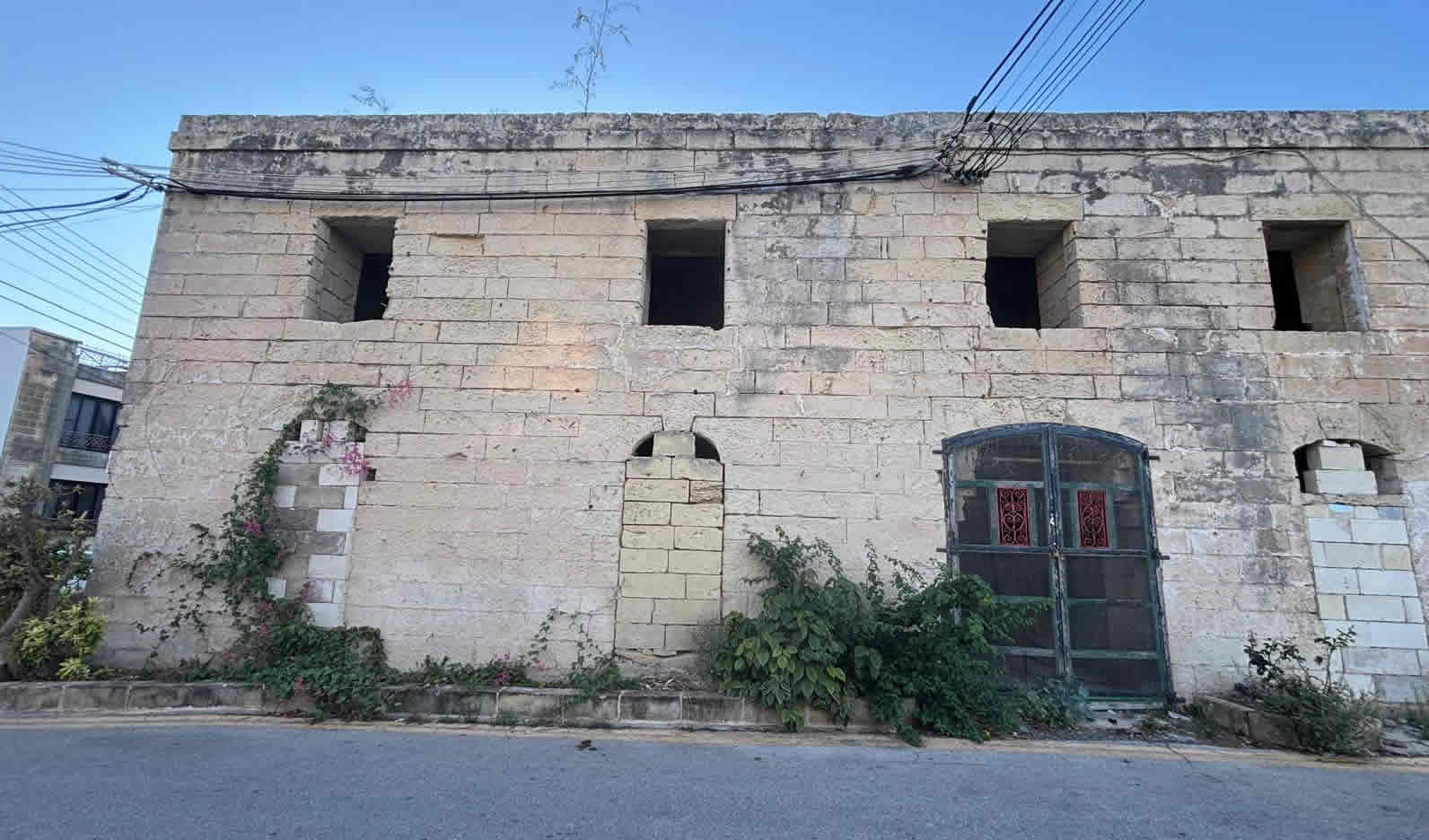
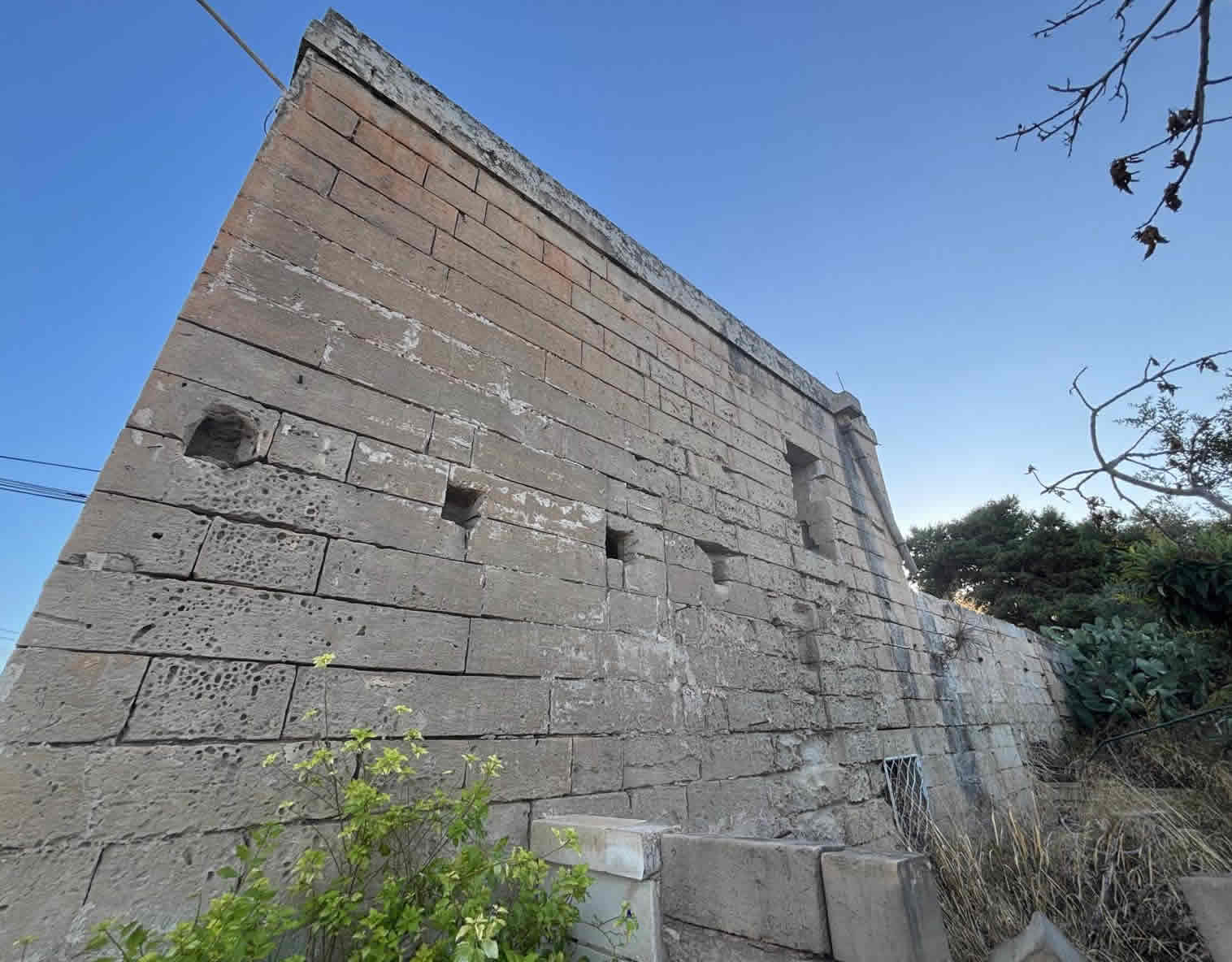
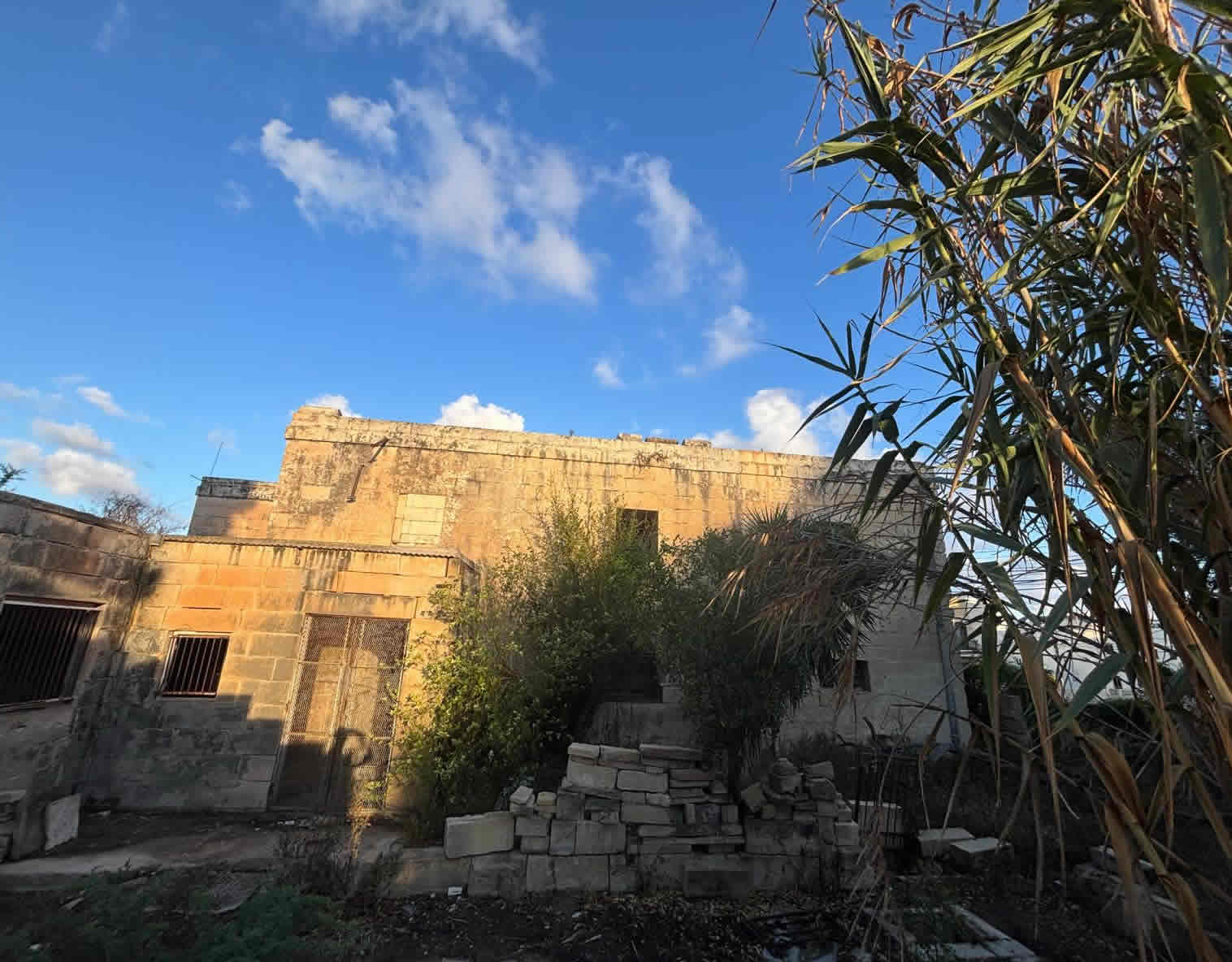
In the 20th century, the Imrieħel Windmill was used for residential purposes, preserving its structure.
Today:** The building still survives (though modified), and it is scheduled as a Grade 1 national monument for its rarity as one of Malta’s earliest windmills.
🏗️ Construction & Features
Design:
Built in the traditional cylindrical form typical of Maltese windmills.
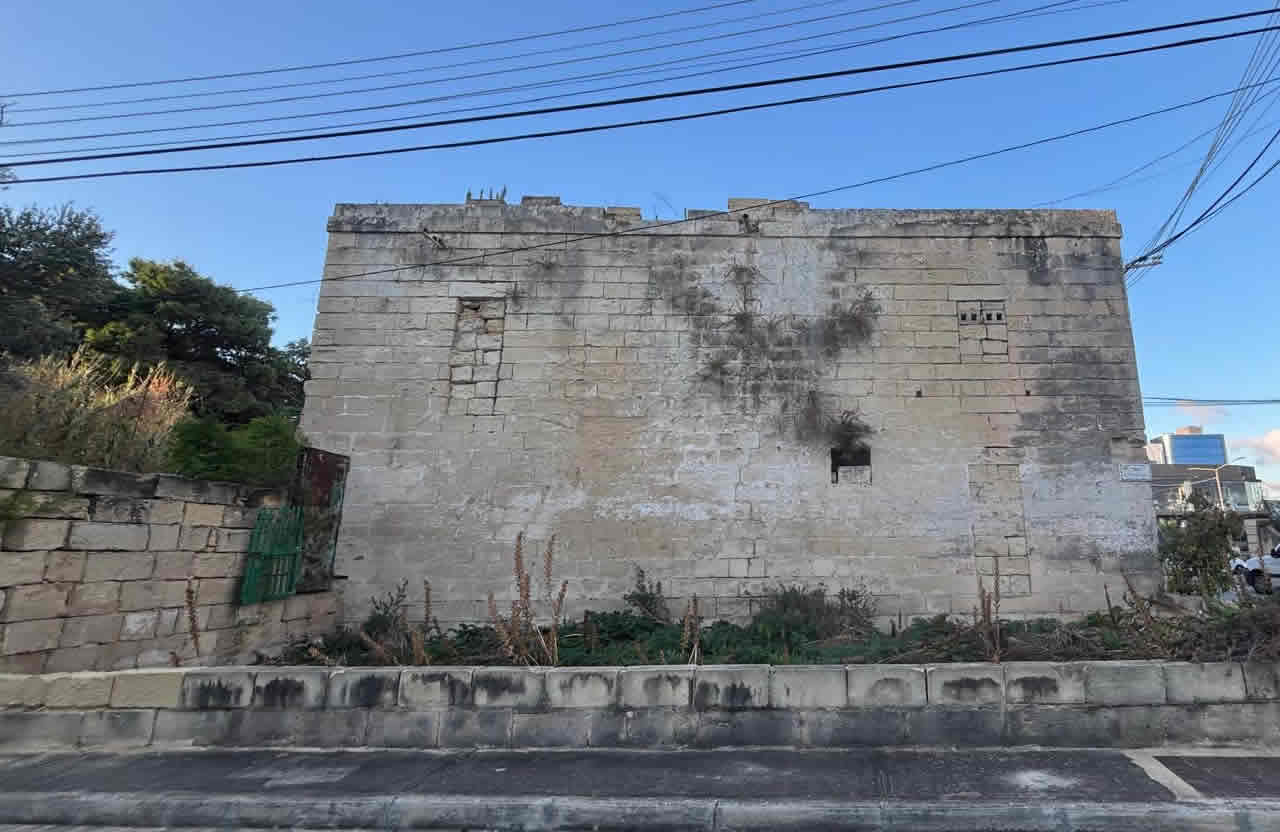
Constructed of local globigerina limestone.
ower about 3 storeys high, capped with a conical stone roof.
Sails: Originally fitted with six large wooden sails mounted on a rotating cap. The sails are no longer extant.
Interior Layout:
Ground floor: storage and living space for the miller.
Upper floors: housed the milling machinery — a vertical shaft carried wind power down from the sails to the millstones, usually two heavy circular stones for grinding.
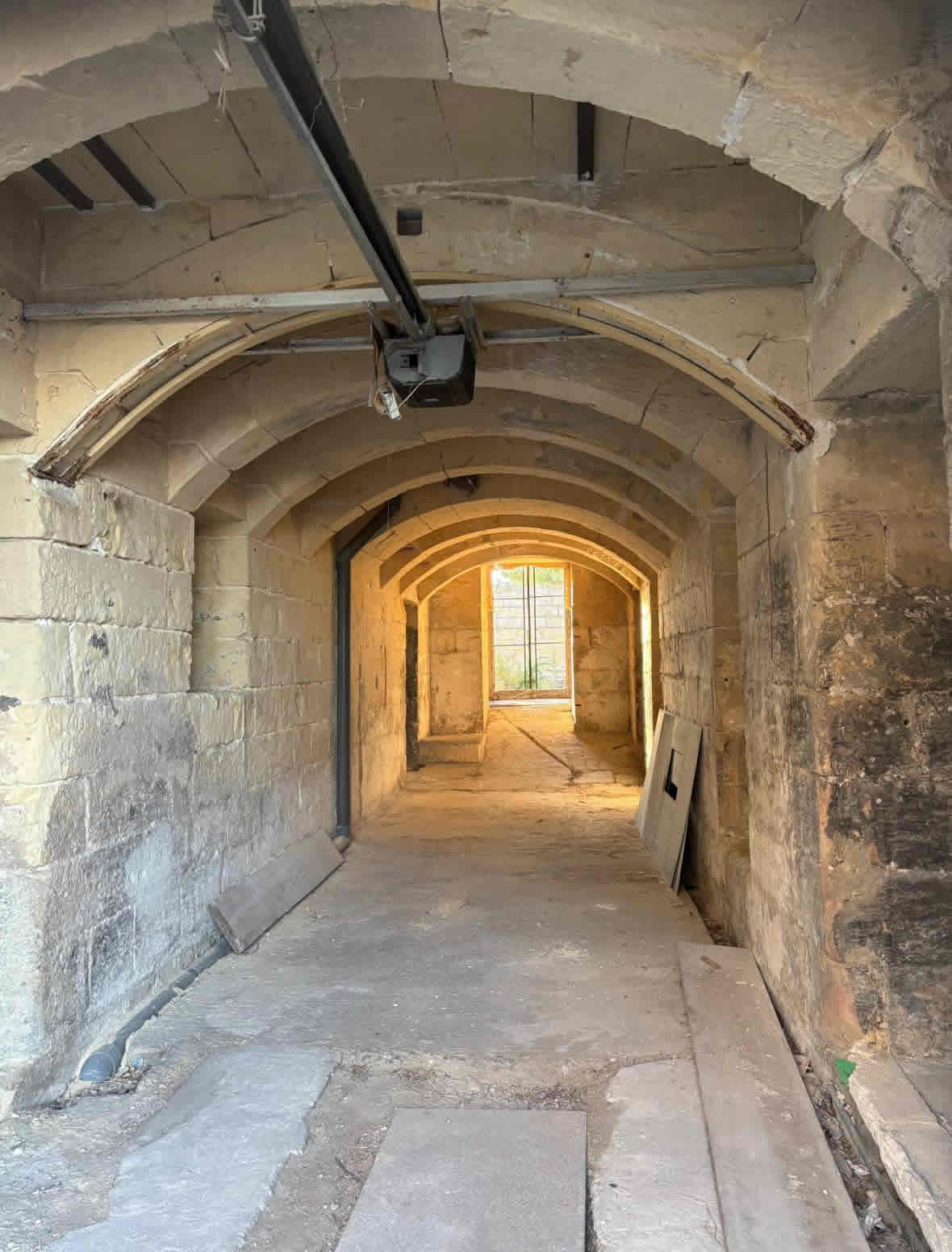
Ancillary Buildings:** As with many early windmills, a small cluster of rooms and a yard surrounded the base, used for grain storage and animals.
What Remains & Current Status
The base/tower of the windmill still exists.
The machinery (sails etc.) has been removed, and much of its working apparatus is no longer present.
After it ceased use, it was converted into a residence.
🏛️ Significance
Early Example: The Imrieħel Windmill is among the earliest surviving windmills in Malta, predating the systematic building of mills under Vilhena in the 1720s.
Community Role: It highlights the efforts of the Knights to ensure local food security in the late 17th century, especially as Malta was vulnerable to food shortages.
Heritage Value: Though not fully restored, it remains a landmark of the Imrieħel district and a rare architectural survivor from the Carafa era of the Order.
✅ In summary:
The Imrieħel Windmill, built in 1685 under Grand Master Carafa, is one of Malta’s oldest windmills. A cylindrical stone tower with six wooden sails, it ground grain for the inland population until the 19th century. Later converted to domestic use, it remains standing today as a protected heritage monument, a tangible link to Malta’s early efforts at self-sufficiency.