Apiaries of Xemxija - Malta
A detailed, visitor-friendly guide .
Structure Apiary Design
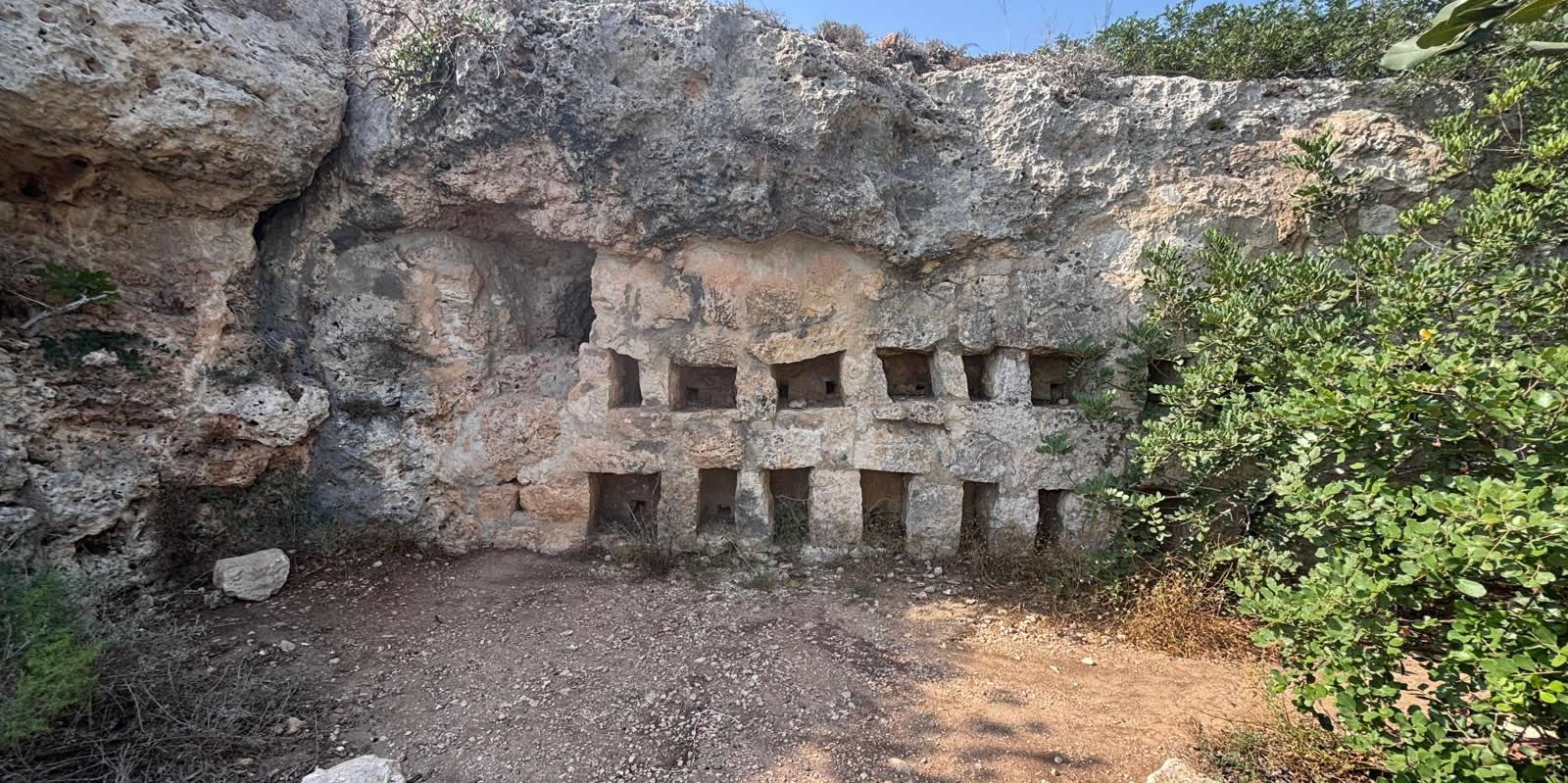
The apiarys features a stone façade perforated with a grid of holes, each originally housing a cylindrical ceramic (terracotta) beehive laid on its side. These were oriented so bees could enter through a small opening facing outward, while honey could be accessed from the internal passage.
Architecturally, this is one of the most complex and elaborate apiaries known in Malta—built with limestone arches and finely fitted blocks, implying skilled construction.
The Two Apiaries of Xemxija
1. First Apiary
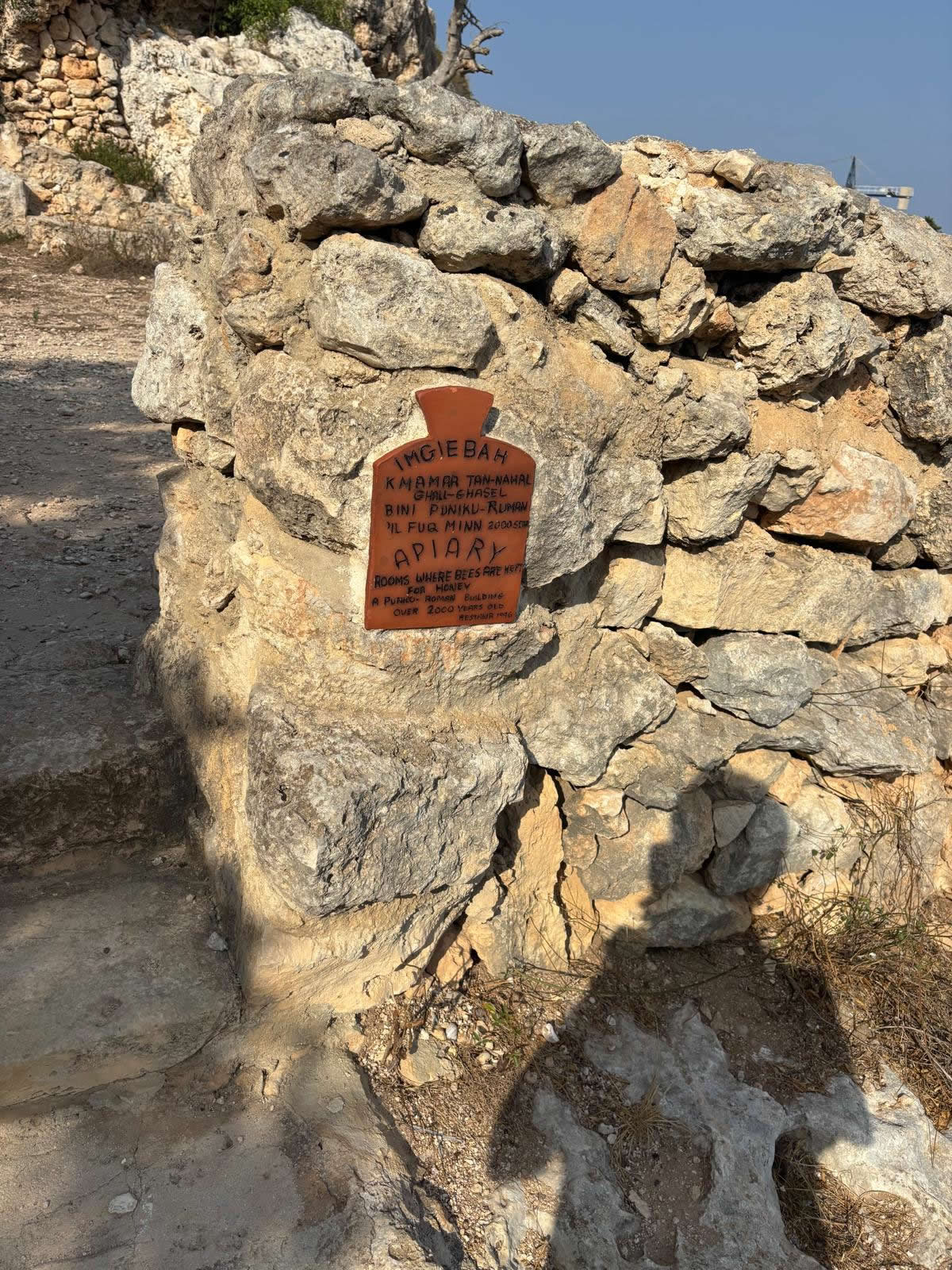
Characteristics
Located near the trailhead of the Xemxija Heritage Trail.
Faces the south to maximize sun exposure for hive warmth.
Contains arched niches with two stone shelves each, originally housing terracotta hives.
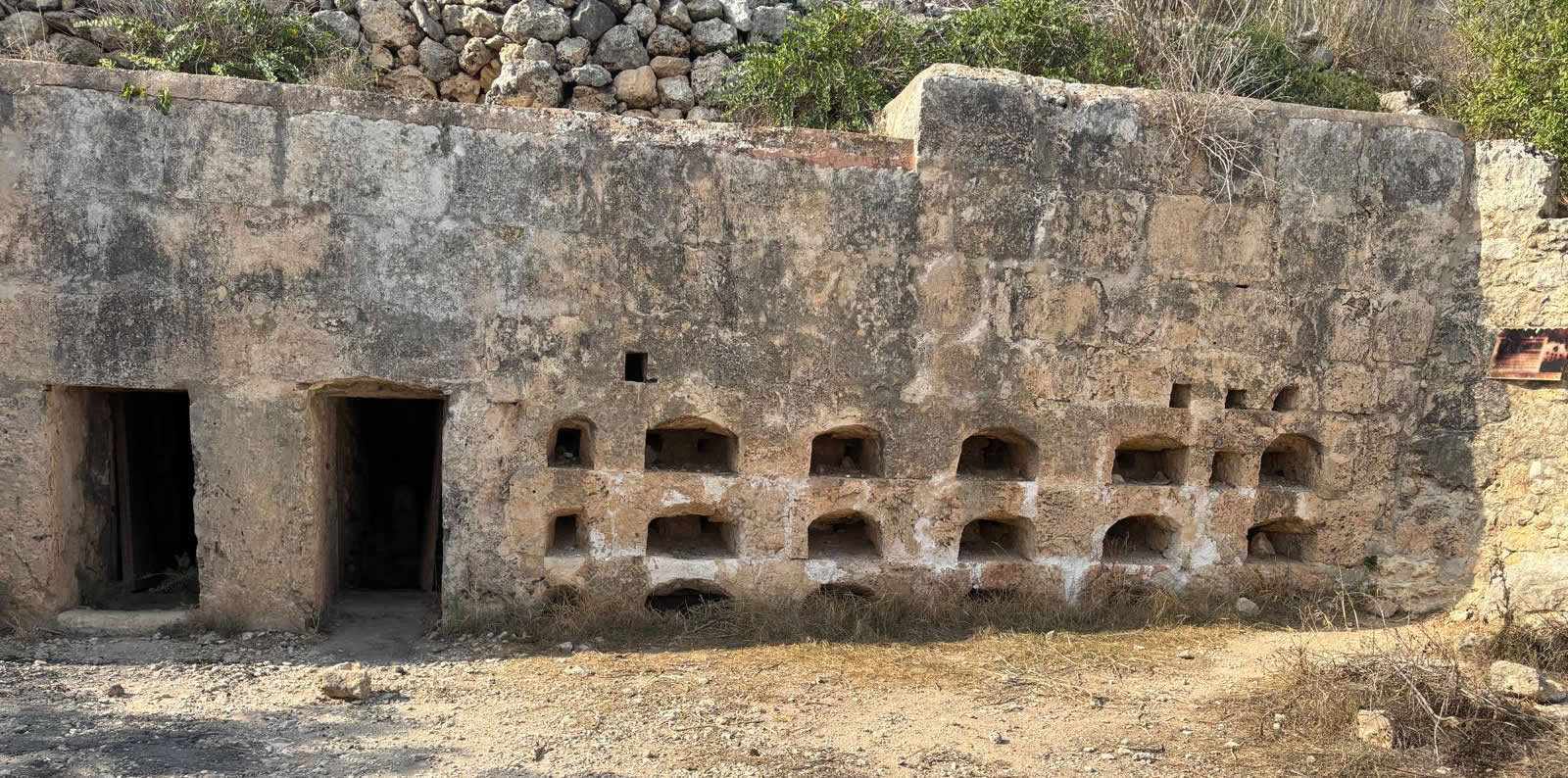
Historical period
Dates to the Punic–Roman era (2,000+ years ago).
Served as active apiaries for honey production, likely used to supply elite banquets.
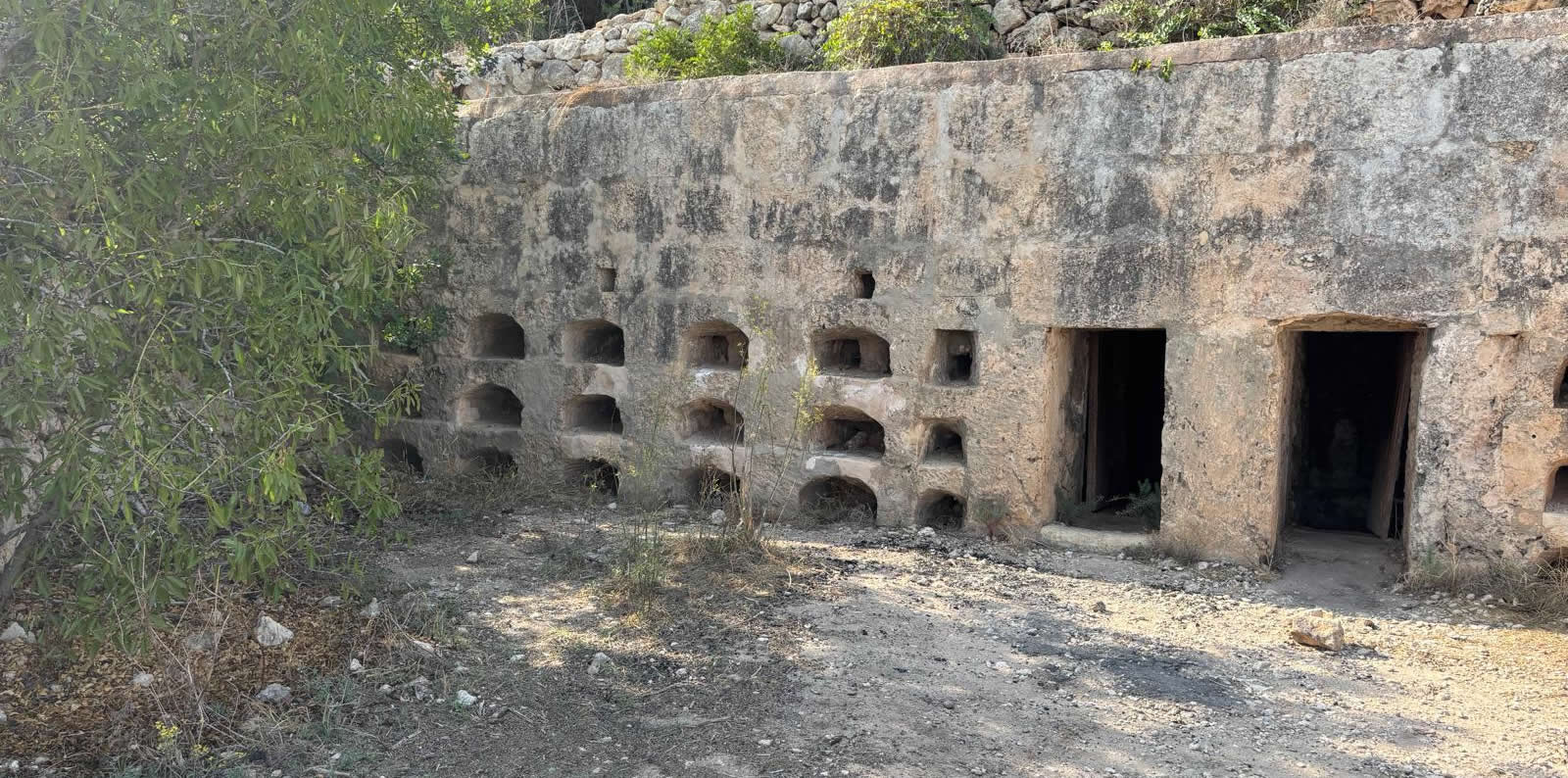
Current status
Coordinates 35.948465, 14.380612
Restored around 1996 and now protected as part of the trail.
2. Second Apiary
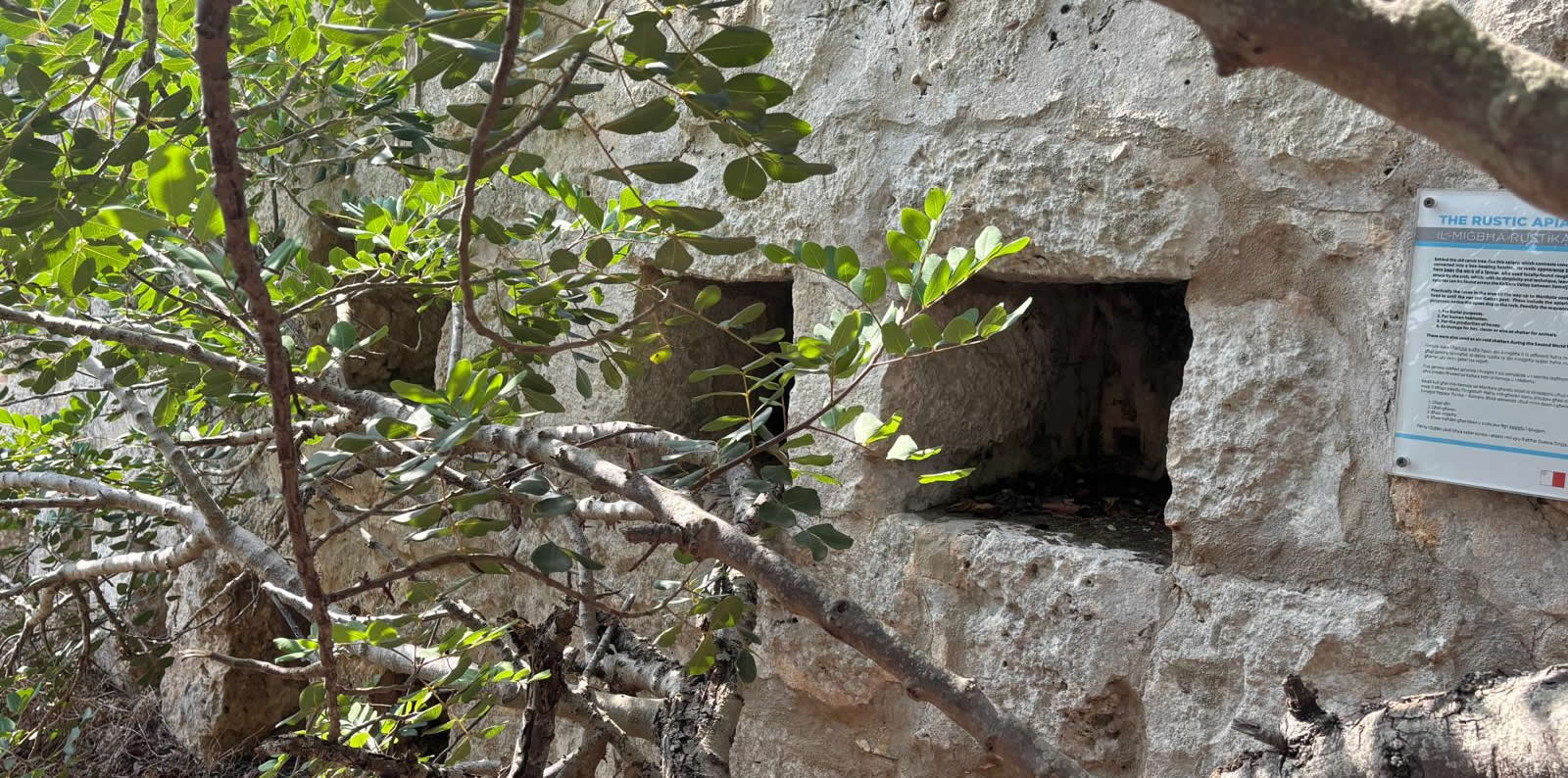
Location
Further up the hill along the trail.
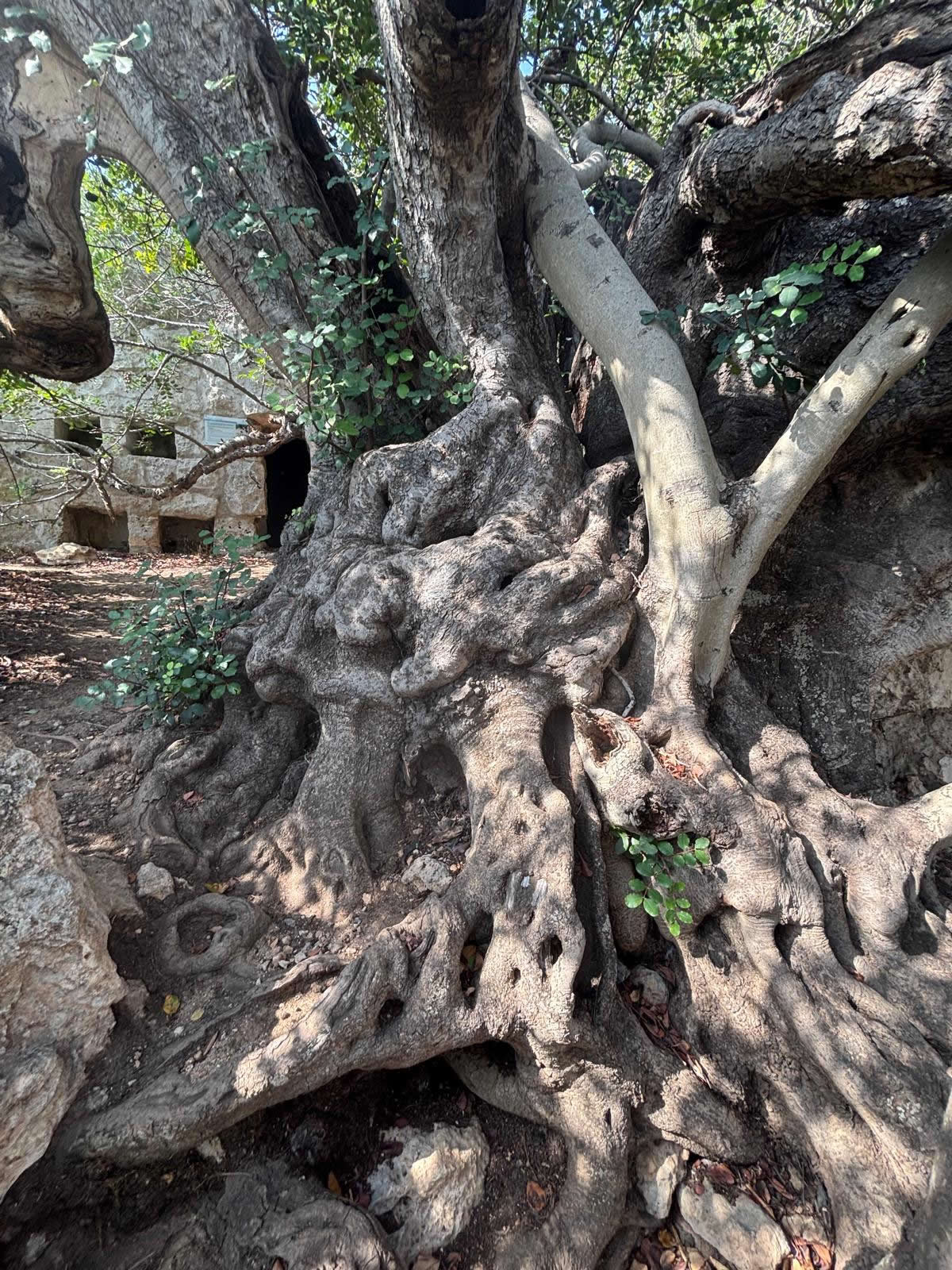
Next to the 1000 year old Carob Tree.
Coordinates 35.948532, 14.380355
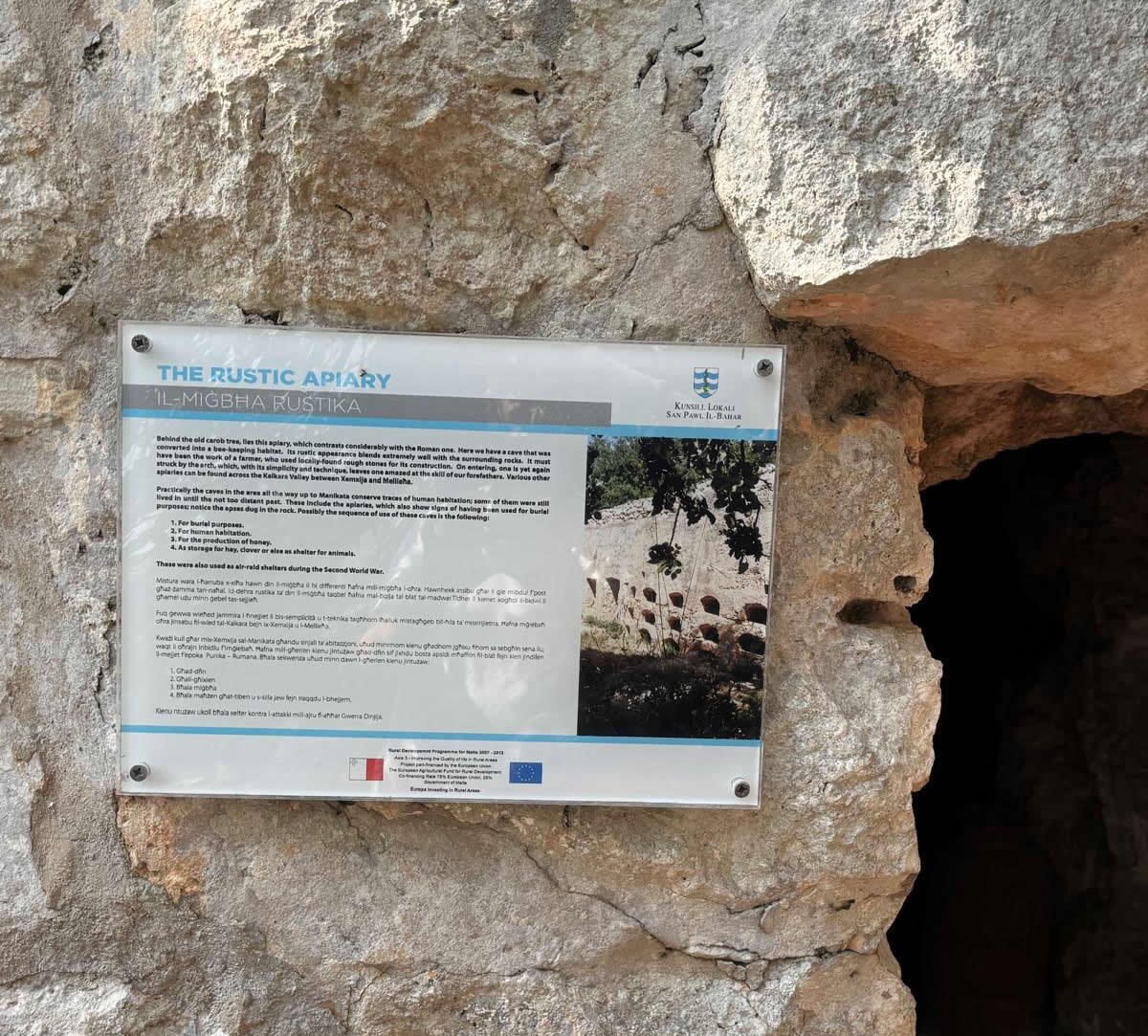
Description
Similar carved structure with niches and internal seating for hives.
The exact number of niches may vary and the stone has weathered more.
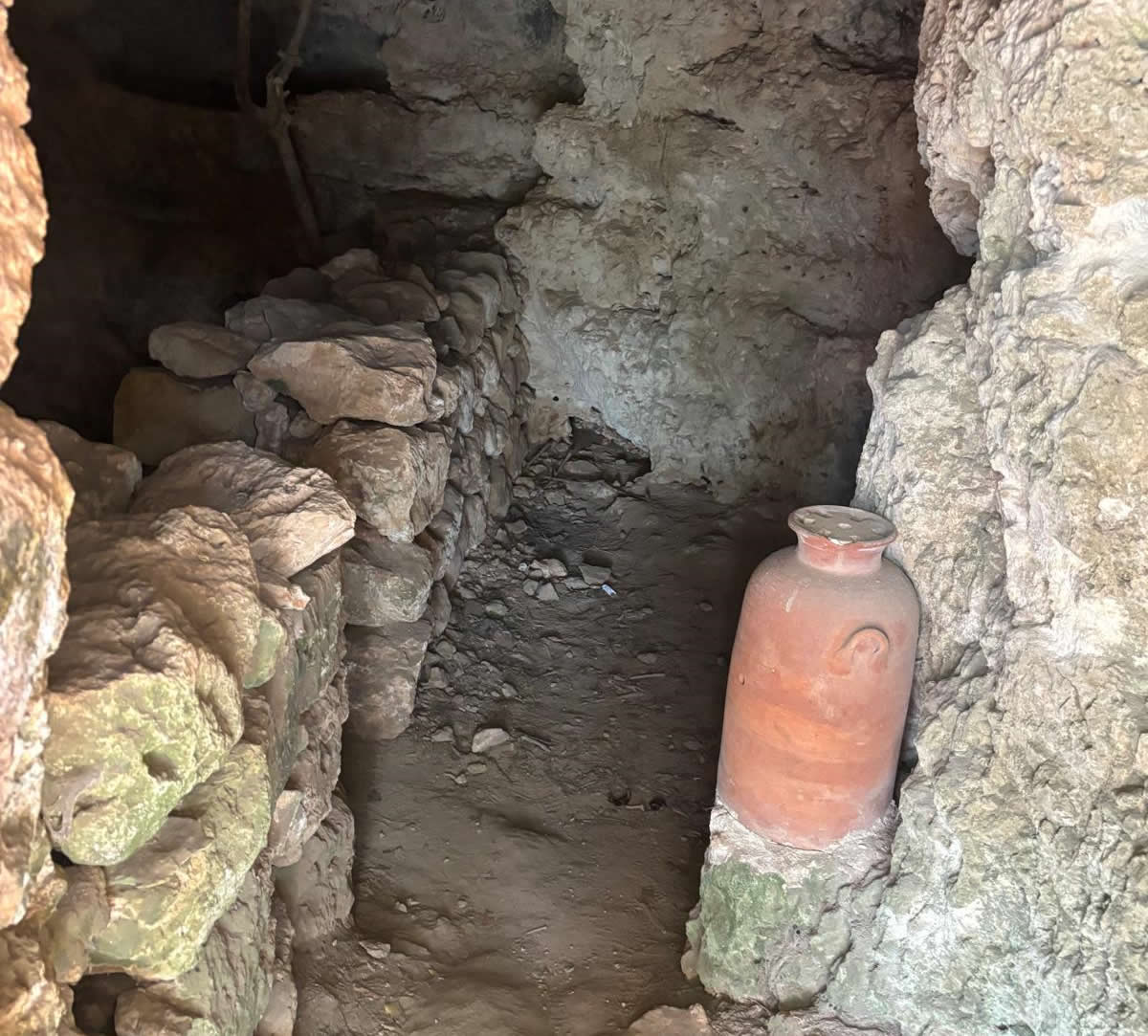
Historical context
Also from the Punic–Roman period, serving the same purpose as its counterpart.
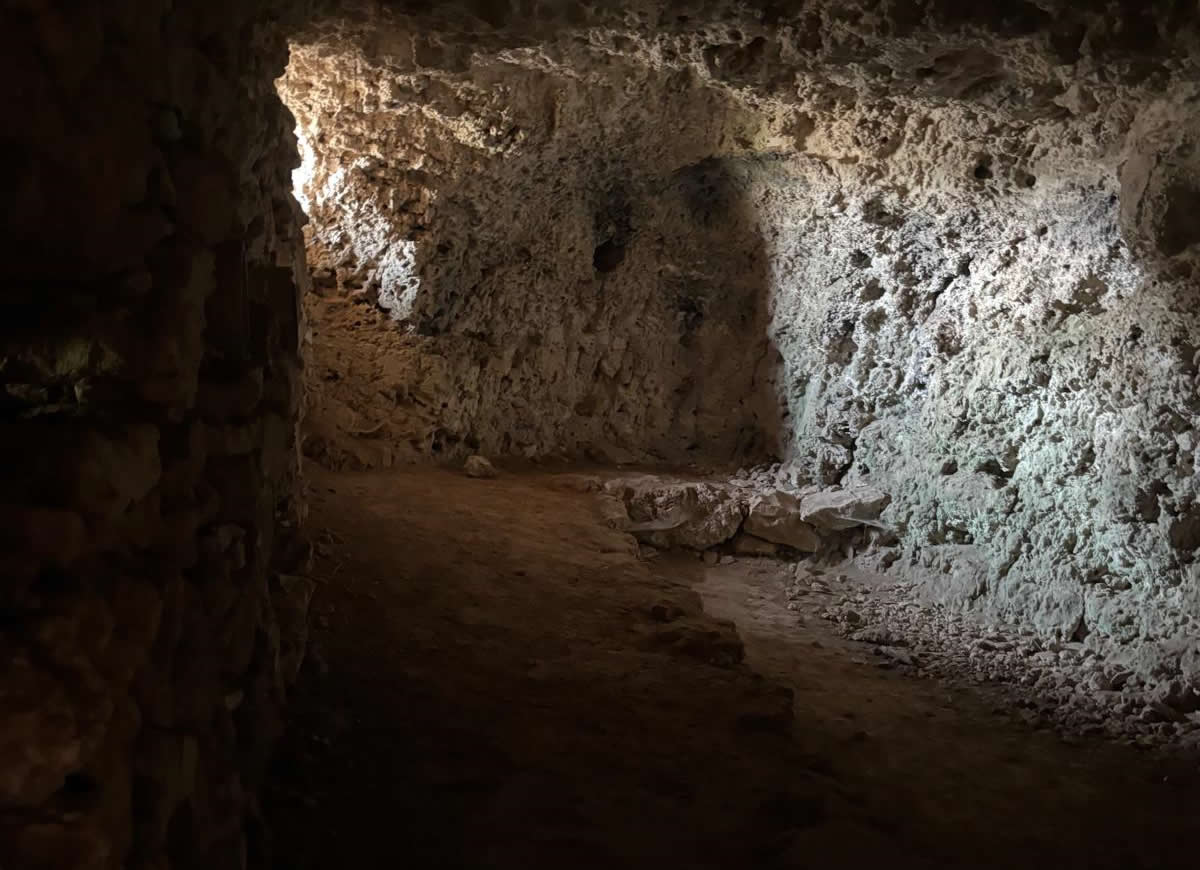
Preservation
The site has been subject to voluntary restoration efforts by local heritage groups.
Summary Status Table
| Apiary | Location on Trail | Features | Historical Period | Condition |
| 1 | Lower, near trailhead | South-facing, arched niches with shelves | Punic–Roman, ancient | Restored, accessible |
| 2 | Higher uphill | Similar carved niches, more weathered | Same period | Restored by volunteers |
Significance & Visitor Notes
The Xemxija apiaries (imgiebah) reflect an advanced understanding of beekeeping and architecture from the ancient Mediterranean world.
Parts of the trail are uneven and difficult to navigate in summer heat. Google Maps or a trail app is recommended for navigation.
The apiaries are gaining international attention. For instance, the President of the Italian Federation of Beekeepers visited and has promoted them globally.