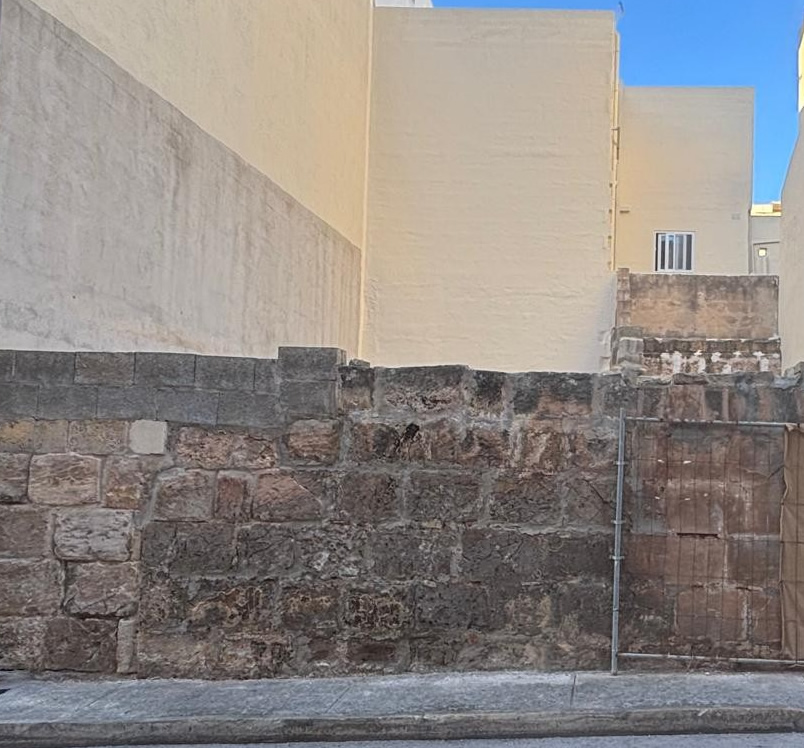
Here’s a summary of the construction and history of L-Qadima Windmill in Mellieha, Malta:
📍 Location
35.954272, 14.363849L-Qadima Windmill — Mellieħa
Type: tower (round) windmill (typical Maltese form).
Working life: in use until about 1920 (became redundant in the early 20th century).
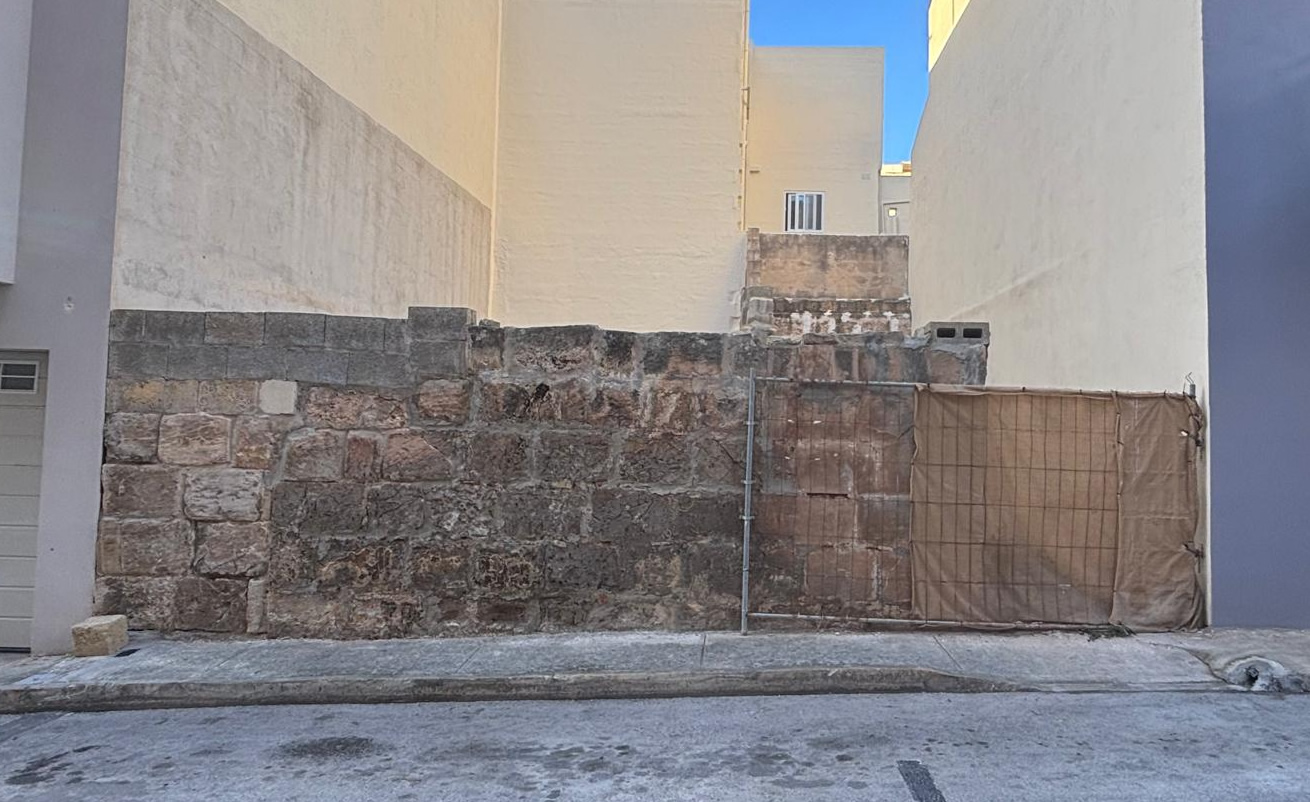
Fate: tower was demolished and the base converted to a house; only part of the front wall remains.
Context: L-Qadima was one of three traditional windmills in Mellieħa (the others recorded locally as “windmill near Salib tal-Pellegrini” — now the Mithna/Il-Mitħna restaurant — and Il-Ġdida, which has been demolished).
Construction & architectural features
Form & materials: As with most Maltese tower mills, L-Qadima would have been a cylindrical globigerina-limestone tower rising from a low rectangular base that housed storage and the miller’s rooms. The working top had a rotating timber cap and timber stocks / canvas sails, driving a horizontal shaft and millstones. (Specific machinery records for L-Qadima are not published; this description follows standard Maltese mill technology and the typology recorded by local surveys).
Relative age: Windmills in the Maltese islands were largely built in the 17th–18th centuries by foundations of the Knights (Cottoner / Manoel) and local landholders; L-Qadima is roughly ~200 years old (circa late 18th / early 19th century) as assessed in 2005 — but documentary confirmation (notary deeds) would be needed for a precise build year.
Use & economic role
Primary function: Grinding cereal (wheat, barley, corn) for Mellieħa parish and surrounding agricultural holdings — the standard role for rural windmills in Malta.
Local importance: As one of several local mills, L-Qadima reduced transport needs for grain processing and formed part of the village’s pre-industrial food infrastructure. Mill rents and tenancy were often economically important locally (common in other Maltese mills).
Decline, demolition & present state
Decline: L-Qadima ceased working around 1920 — consistent with the period when many Maltese windmills became uneconomical because of steam and mechanised milling.
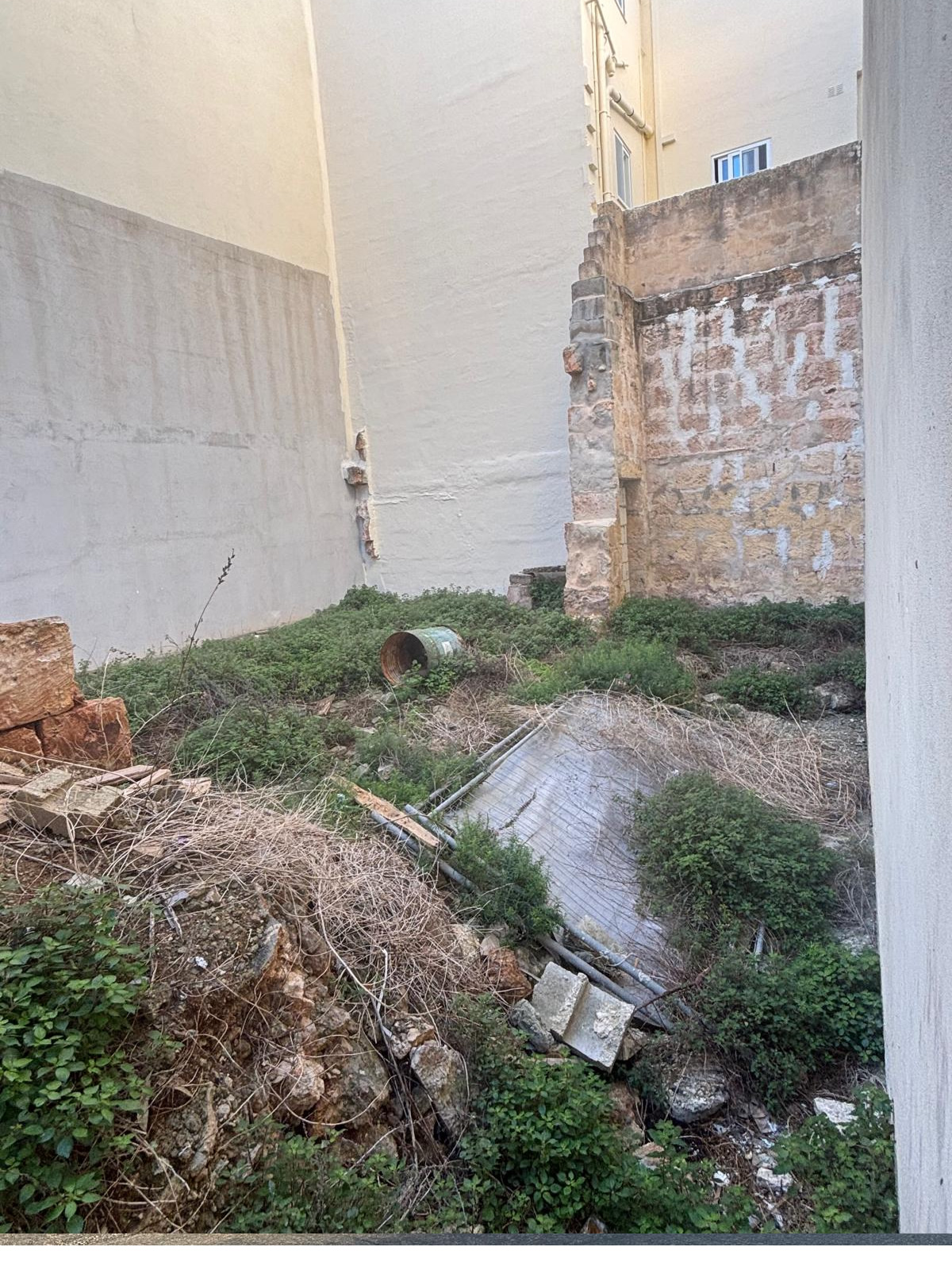
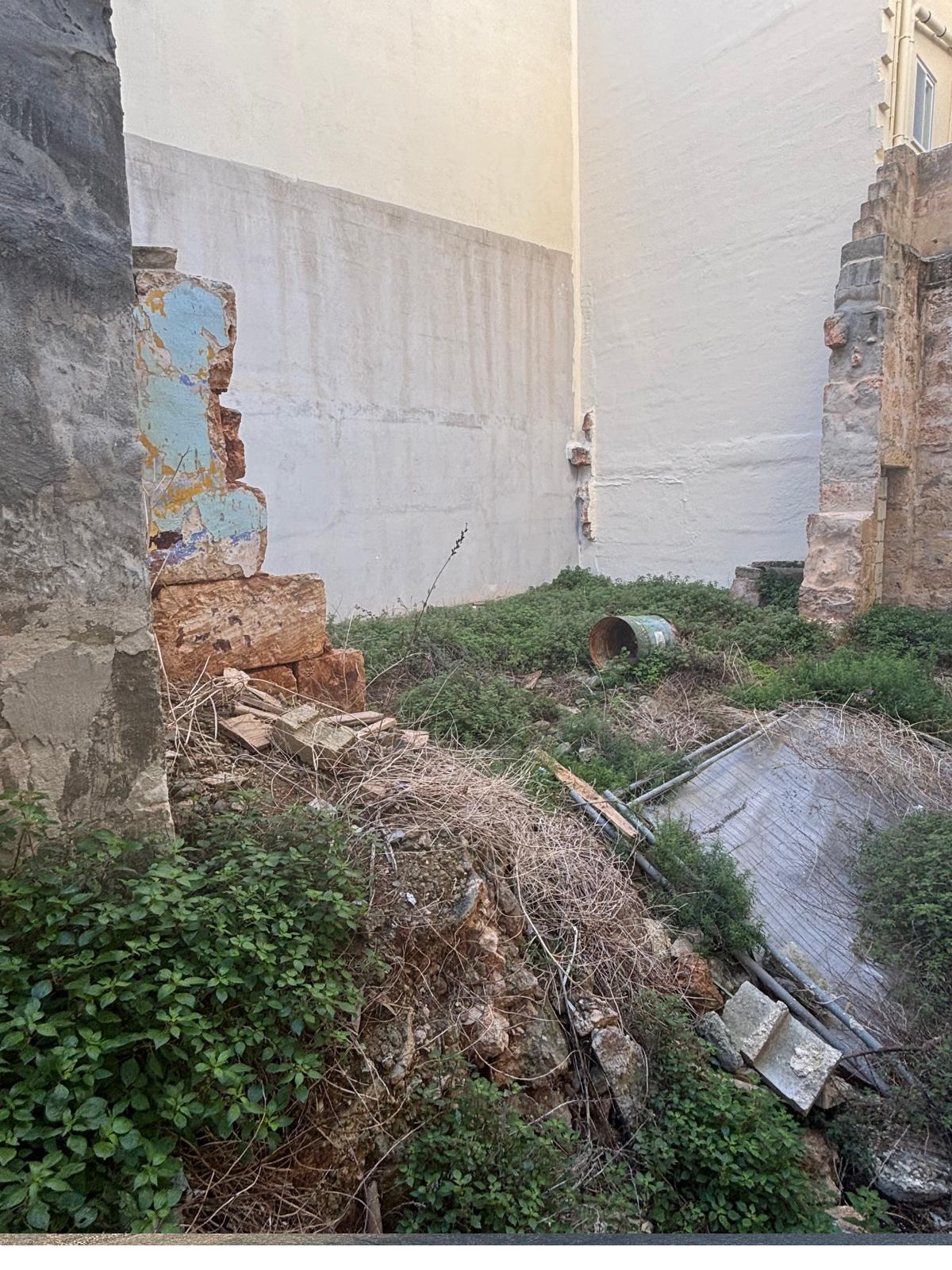
Demolition & conversion: The tower was demolished (date not precisely recorded in published online sources) and the base is no longer there only part of the front wall remains; today there is no standing tower like the intact restaurant windmill (Mithna) elsewhere in Mellieħa.
Survival: Any surviving fabric is heavily altered and incorporated into later residential structures; public access is therefore limited and the historic mill is best investigated through maps, notarial records and early photographs.