⚔️ The Pembroke Batteryi n Pembroke
📍 Location
Situated in Pembroke. Google Map Link
The coordinates of Pembroke Battery are: 35.927290, 14.483984
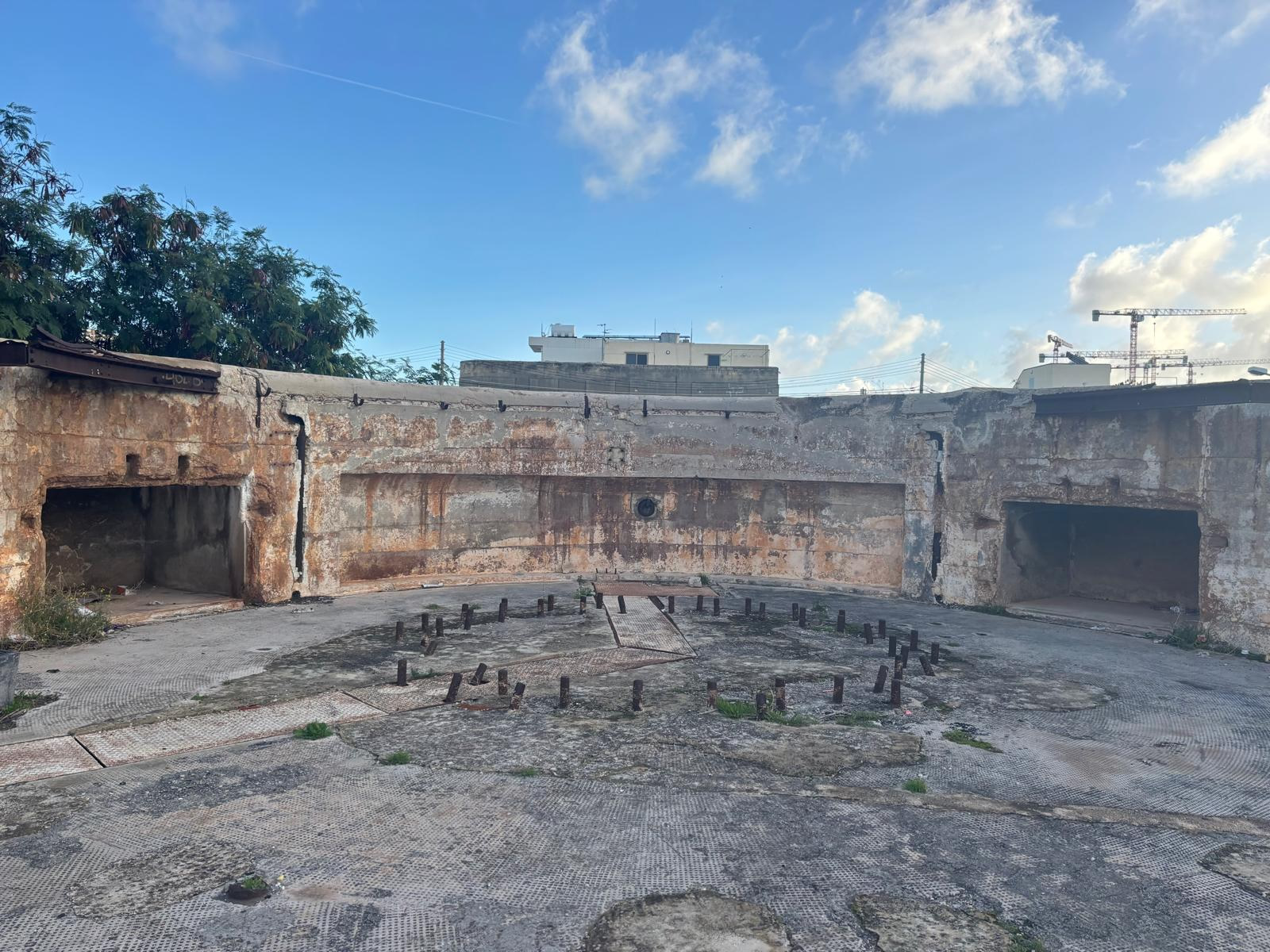
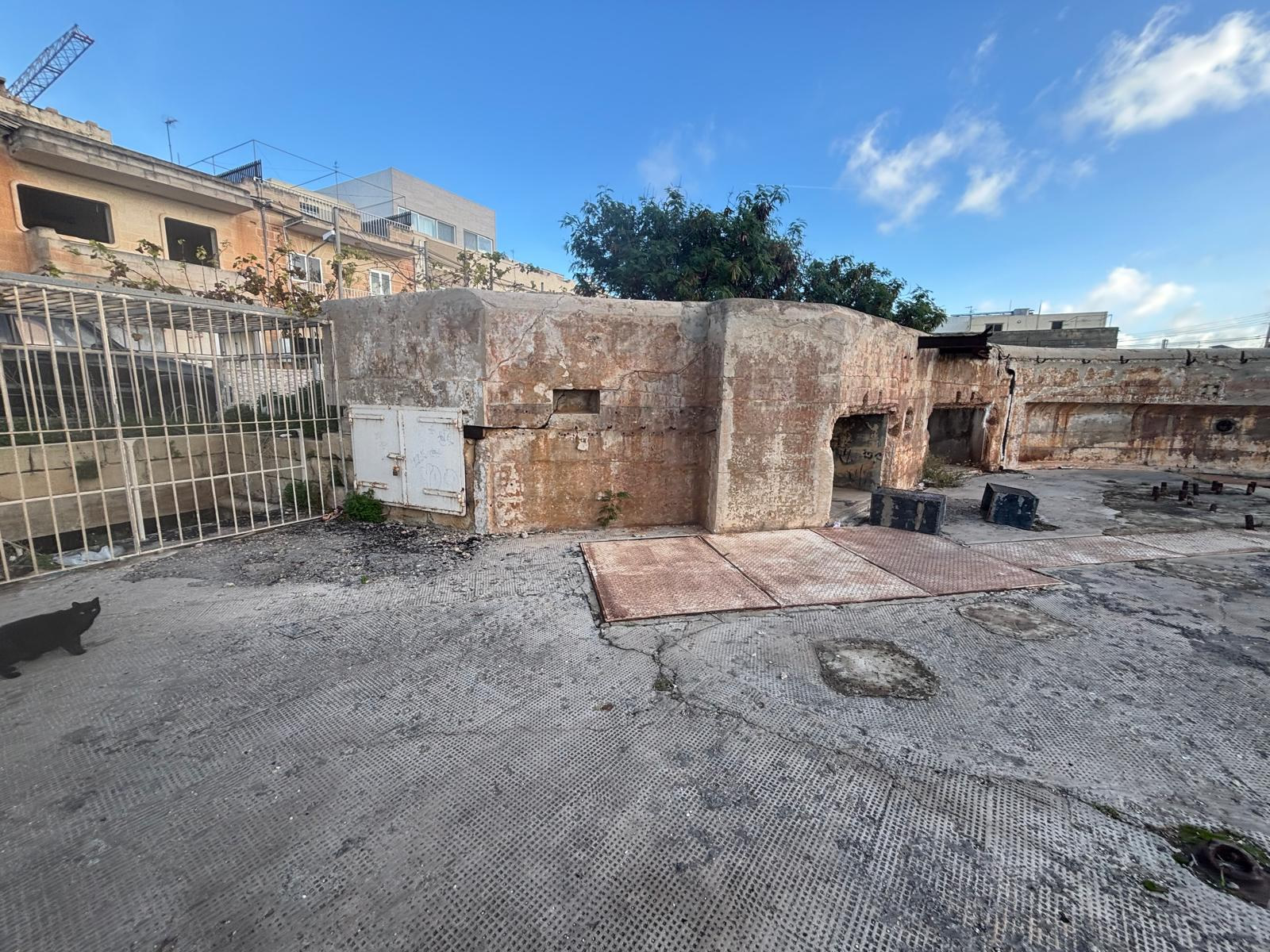
Pembroke Battery, also known historically as One Gun Battery, is a late 19th-century British coastal defence installation located in the Pembroke area of Malta. Constructed between 1897 and 1899, it was designed to house powerful coastal artillery protecting the approaches to St. George’s Bay and the vital military installations in the Grand Harbour region. Today, Pembroke Battery survives only partially, with sections heavily damaged, buried or demolished, and the remaining visible structures in a poor and deteriorating condition.
Historical Background
By the late 19th century the British Empire recognised the strategic necessity of reinforcing Malta's coastal artillery network. Changes in naval technology – including faster, steel-hulled warships – required new forts capable of mounting heavier breech-loading (BL) guns with longer ranges. Pembroke, positioned between existing Victorian forts, was selected as an ideal site for a compact coastal battery.
Construction of Pembroke Battery (1897–1899)
Construction of the battery began in 1897 and was completed by 1899, one of the last purpose-built coastal batteries erected by the British in Malta. The battery was excavated partly below ground level for protection, with thick masonry and earthworks concealing most of the installation from direct fire and naval observation.
Design and Architectural Features
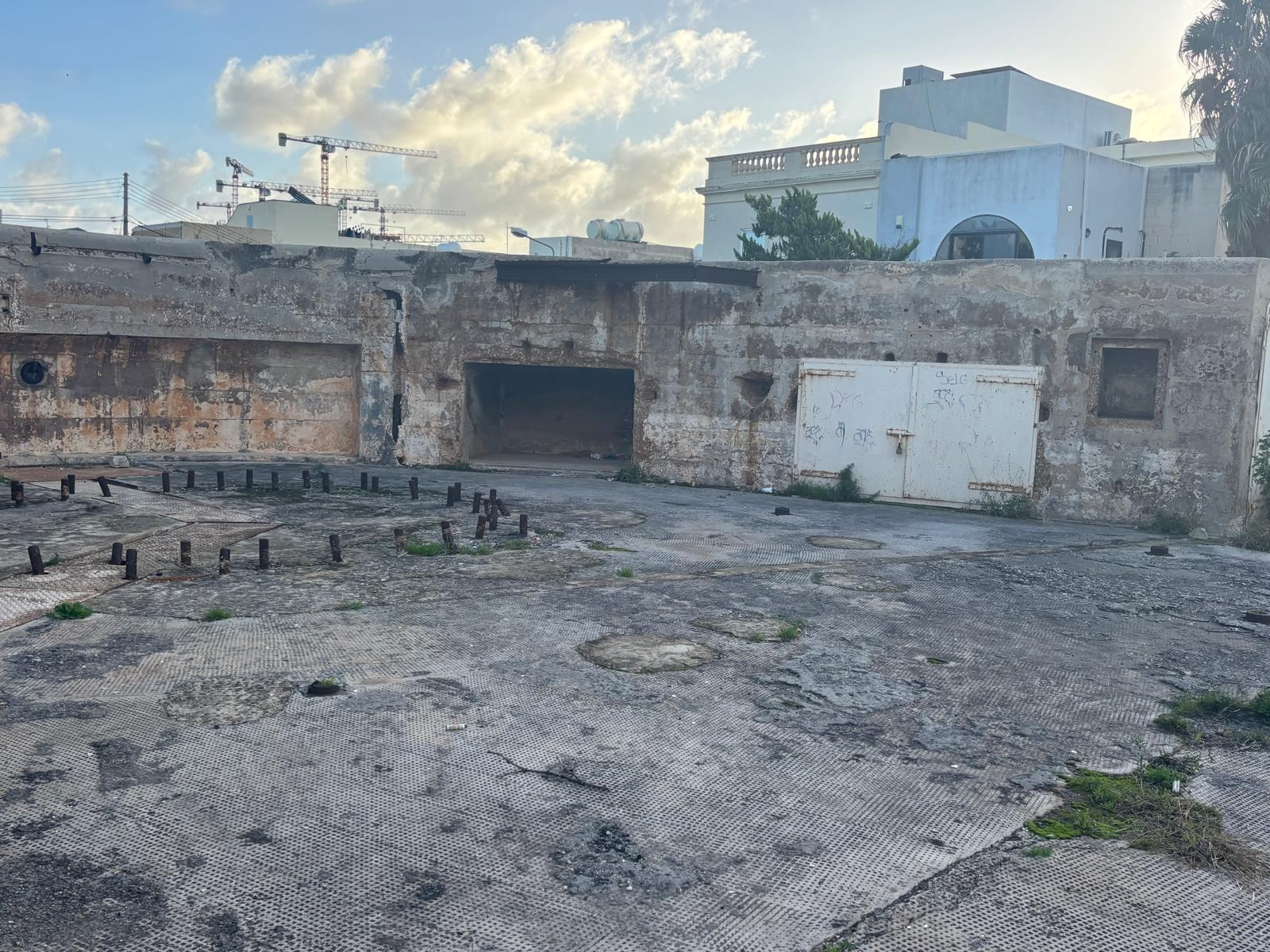
- Gun Emplacement – Pembroke Battery was designed to mount a single heavy 9.2-inch breech-loading (BL) coastal defence gun, one of the standard British coastal artillery pieces of the period. Its arc covered the approaches to St. George’s Bay and the deeper shipping channels beyond.
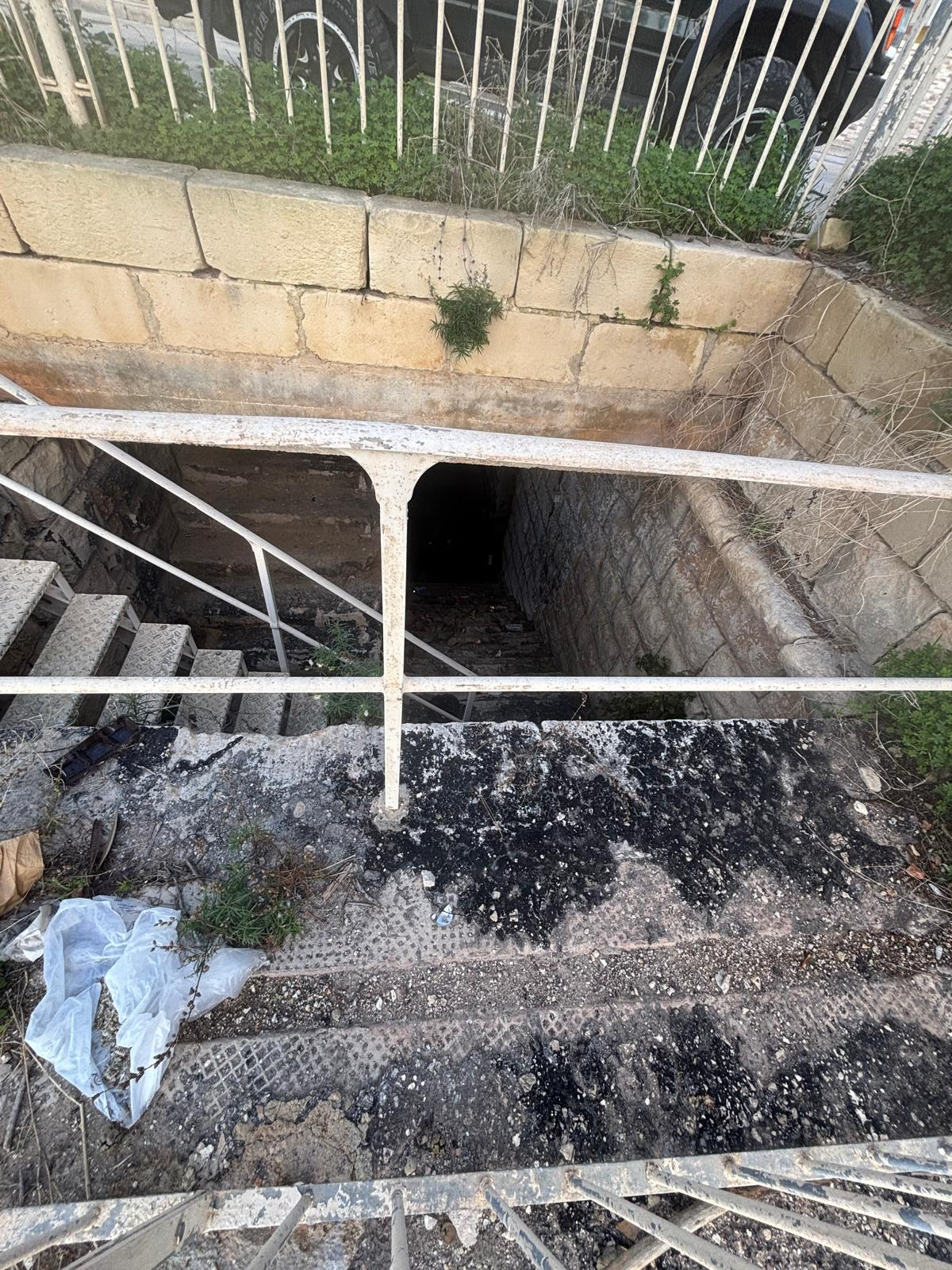
- Underground Magazines – Ammunition was stored in a network of subterranean magazines and passageways, protected by thick concrete and earth layers to reduce the risk of explosion.
- Shell Hoists & Loading Chambers – A system of covered recesses allowed shells and powder to be transported safely to the gun position.
- Protective Ditches & Earthworks – The battery was enclosed within cut rock and earthen ramps, providing blast protection and reducing visibility.
- Lookout & Defence Posts – Small infantry posts provided local defence against ground assault.
Operational History
Pembroke Battery entered service at the turn of the 20th century but saw relatively little active use. Its strategic value diminished as naval technology advanced, especially with the development of long-range naval artillery and later, aircraft-based threats. By the 1930s, the battery's original purpose was largely obsolete.
World War II and Later Use
During the Second World War, Pembroke Battery did not play a major active role as its 9.2-inch gun had already been removed in earlier years. However, the site still formed part of the wider defensive landscape, occasionally used for storage, observation and troop movement.
After the war, the site was gradually abandoned, and portions were demolished as Pembroke evolved into a residential and educational zone.
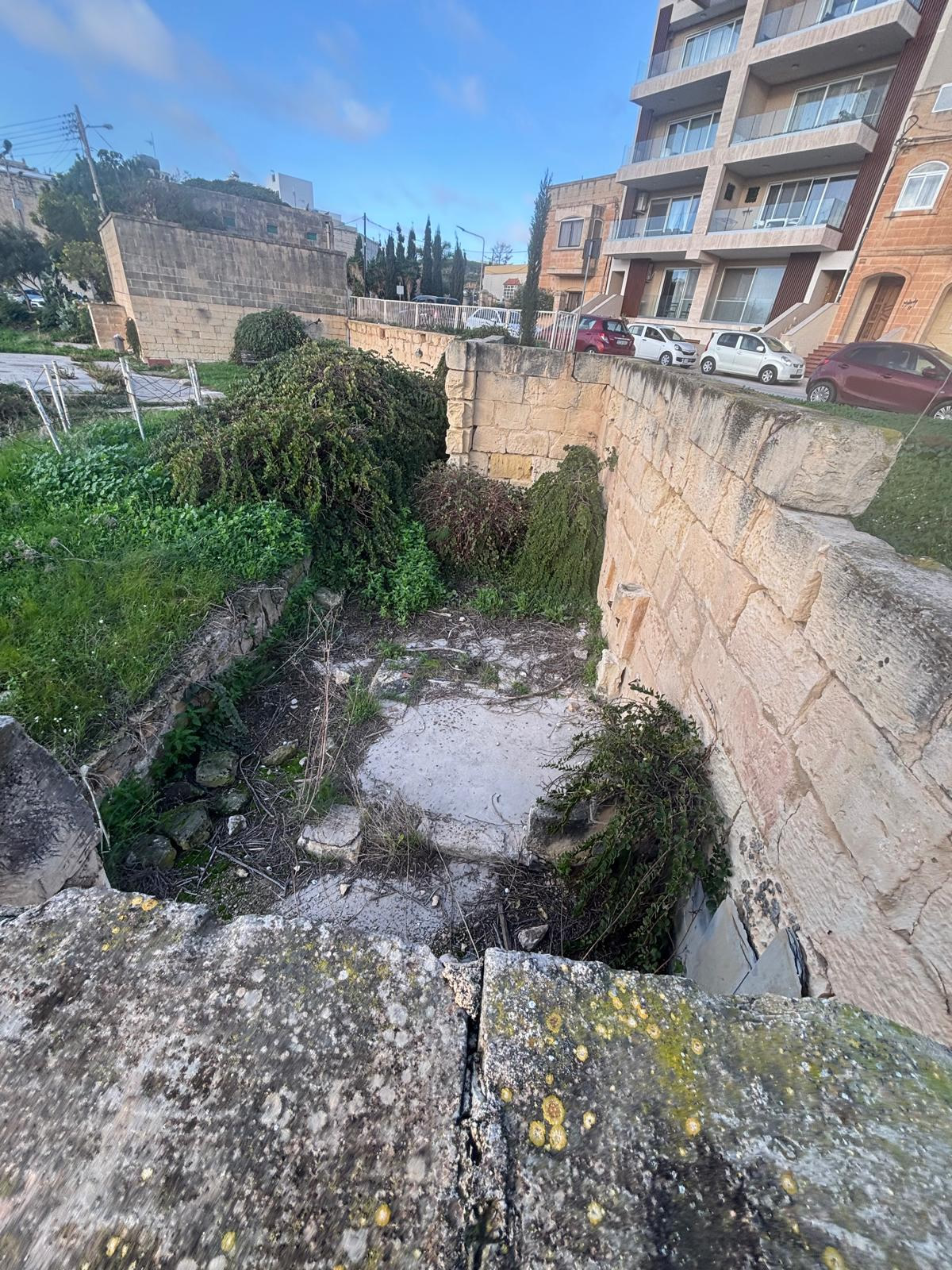
Decline, Damage & Partial Demolition
Much of Pembroke Battery was destroyed during the 20th century as the area was redeveloped. The gun emplacement and many of the associated underground structures were filled in, damaged or completely removed. Some of the surviving sections remain accessible but are in poor, heavily weathered condition.
Current Condition
Today, Pembroke Battery is considered a neglected and partially lost heritage site. The remains include:
- Fragments of the gun mounting platform
- Collapsed or buried underground magazines
- Sections of stone retaining walls
- Scattered debris from demolished military structures
Vegetation has reclaimed parts of the site, and with no complete restoration carried out, the battery continues to degrade. Its historical value is recognised, but preservation efforts have been limited.
Strategic Purpose of the Battery
Pembroke Battery formed part of a chain of late Victorian and early Edwardian fortifications that included:
- Fort Pembroke
- St George’s Barracks
- Madliena Battery
Together, these installations were intended to create overlapping artillery fields of fire protecting the northern approaches to the island. Pembroke Battery specifically targeted long-range naval threats approaching the bays and open sea around St. George’s and Pembroke.

Heritage Significance
Despite its poor condition, Pembroke Battery remains an important example of late 19th-century British defensive engineering in Malta. It reflects:
- The transition from masonry fortifications to concrete and earth-covered gun platforms
- The evolution from muzzle-loading to heavy breech-loading artillery
- Malta’s role as a central component of British imperial naval strategy
Visiting Pembroke Battery Today
Pembroke Battery is not a formal visitor attraction but can still be viewed from publicly accessible areas in Pembroke. Caution is advised due to uneven ground, deteriorated structures and lack of safety barriers.
Frequently Asked Questions
When was Pembroke Battery built?
It was built between 1897 and 1899 by the British military.
What type of gun did the battery mount?
The site housed a single 9.2-inch breech-loading coastal defence gun.
Why is Pembroke Battery in poor condition today?
The battery was abandoned after its military usefulness declined, and significant parts were demolished or filled in during redevelopment of the Pembroke area.
Is Pembroke Battery protected?
Some parts of the site are recognised as historical remains, but no major restoration has been carried out, and much of it remains in a deteriorated state.