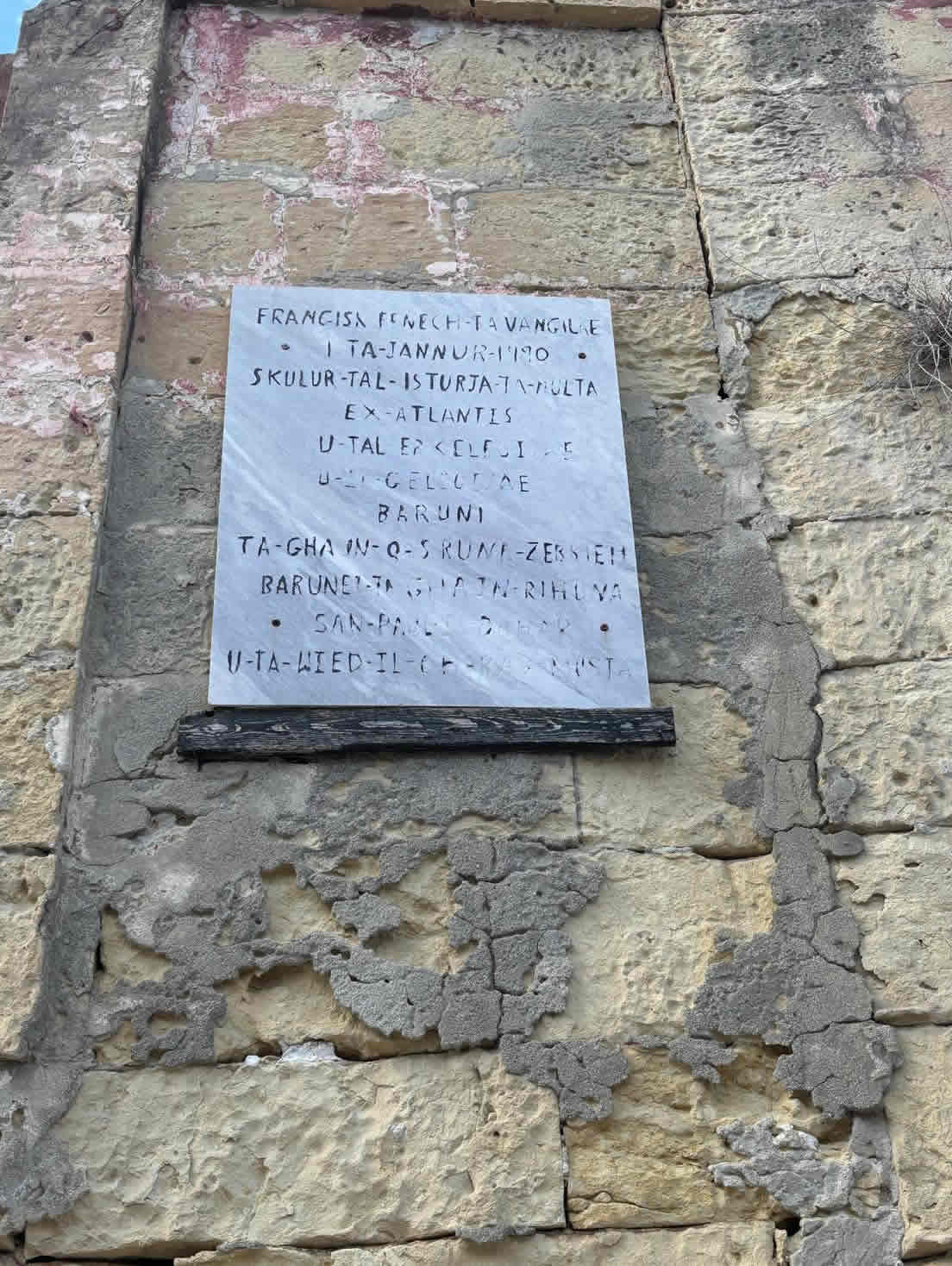
History and construction details of Il-Mitħna l-Qadima (L-Qadima Windmill) in Mosta, Malta.
📍 Location & Names
Common names: Il-Mitħna l-Qadima, L-Qadima Windmill, sometimes referred to locally by its devotional name Jesus of Nazareth windmil. It stands on Triq il-Mitħna l-Qadima / Old Mill Street in Mosta
Summary timeline
Original medieval / early modern origins: Mosta had several mills from earlier centuries; the “old” mill occupies a site long associated with milling.
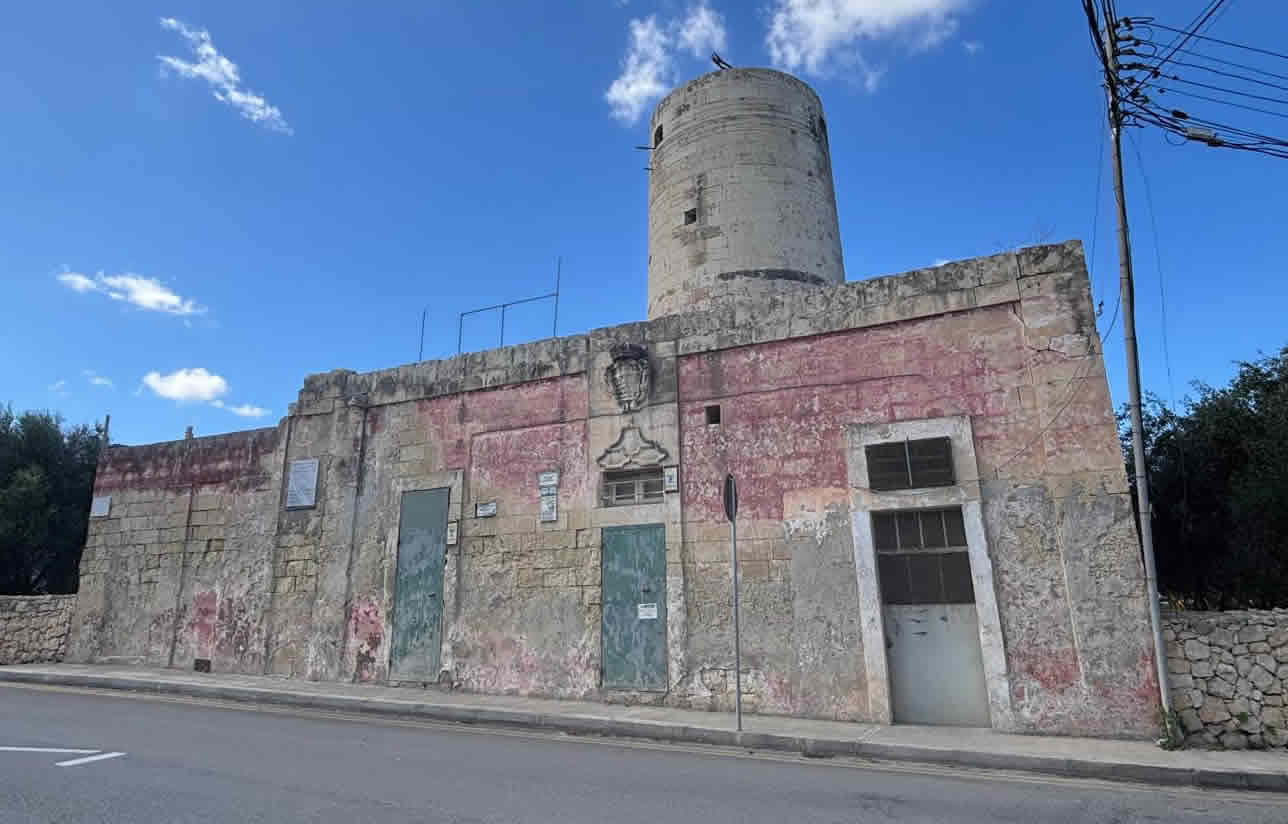
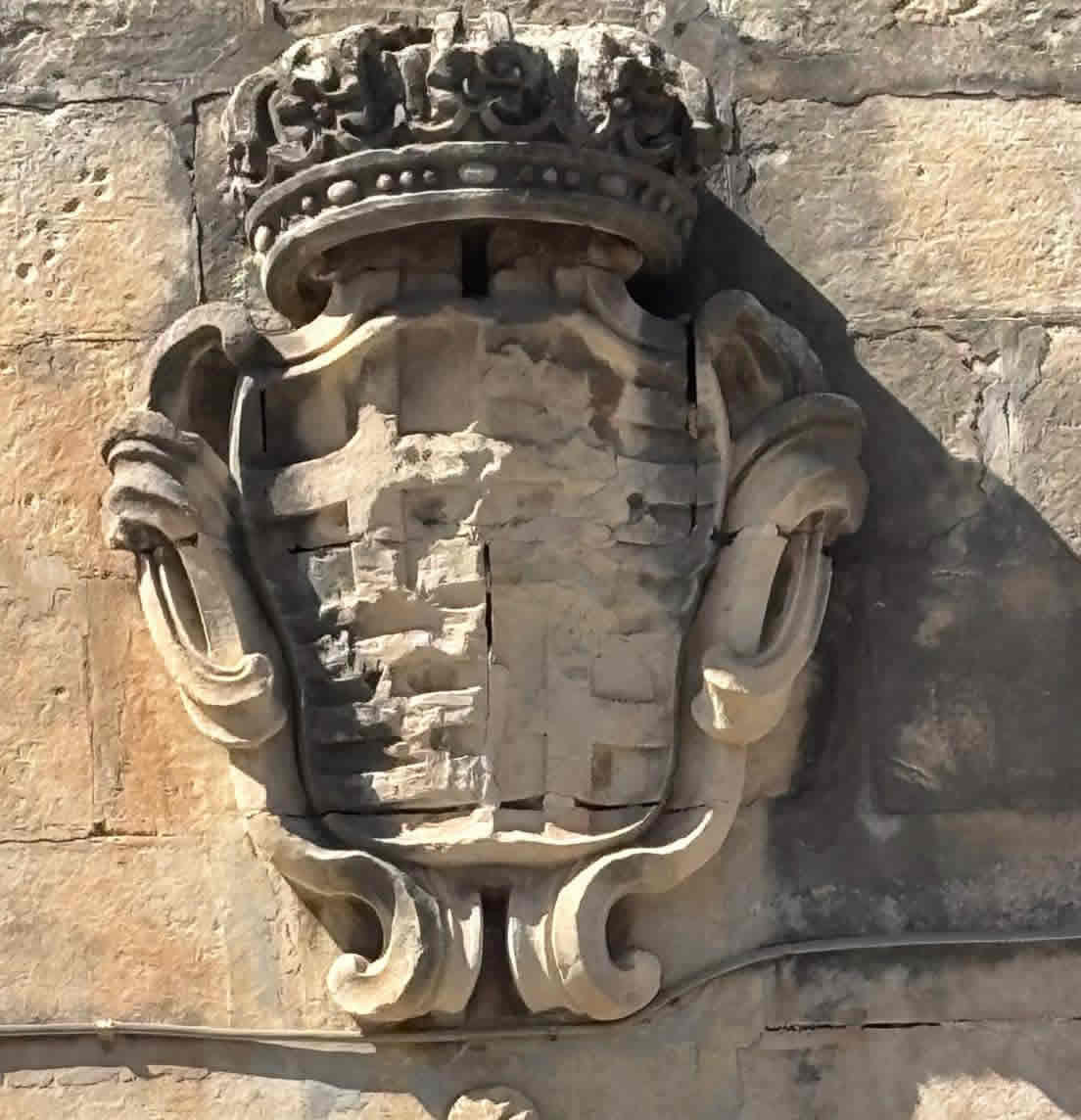
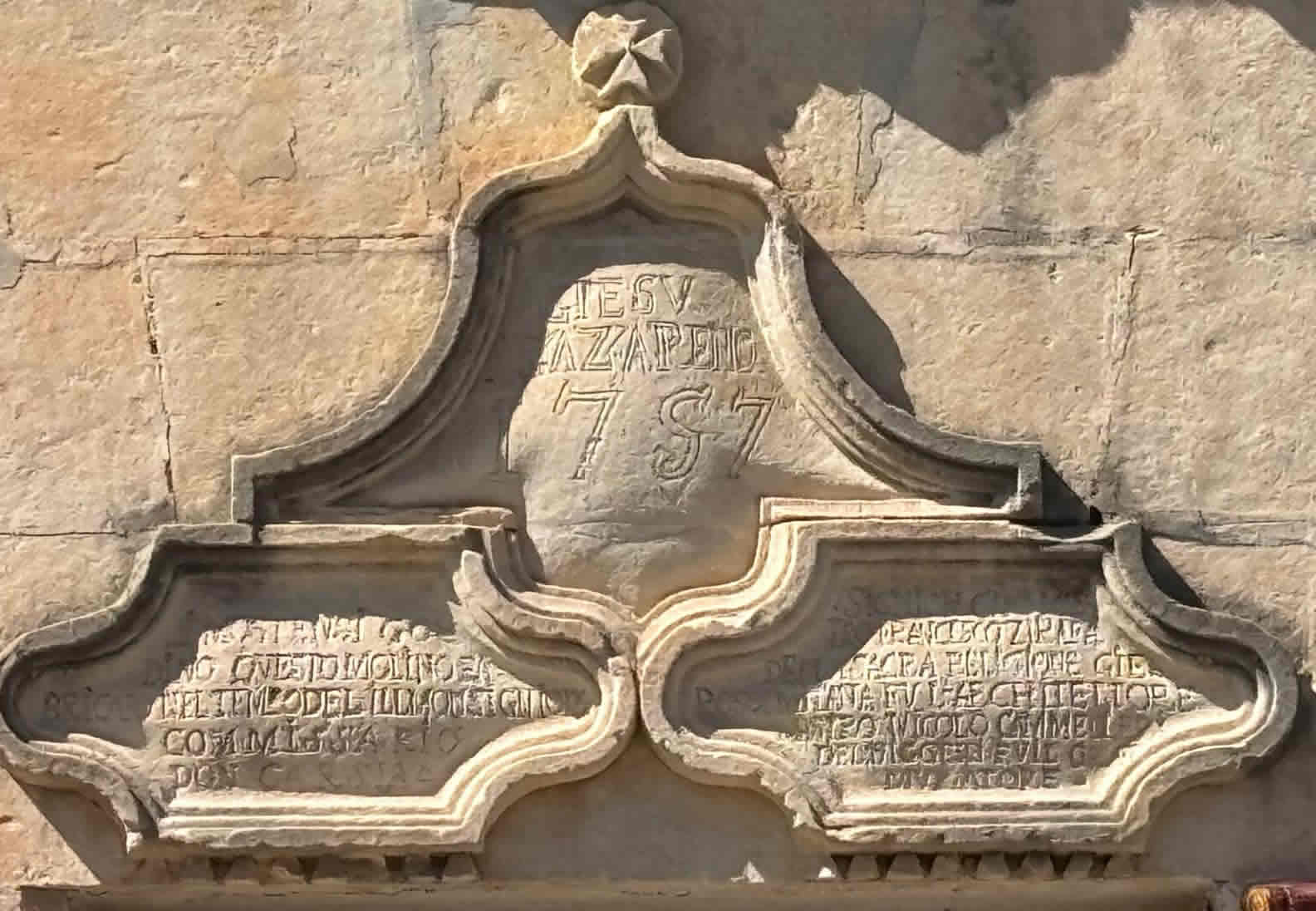
Rebuild / major works recorded in the 18th century: The mill bears an inscription and coat of arms linking rebuilding works to the era of Grand Master Gregorio Carafa (reigned 1680–1690); later documentary notes record an 18th-century rebuild attributed to architect **Francesco Zerafa** and master mason Nicola Camilleri (a rebuild / major repair is specifically dated in some records to 1757).
Operational life: The mill functioned as a grain mill for Mosta’s agricultural community and is recorded as having remained in operation into the early 20th century (sources vary: many note it remained in use until c.1920–1925, with sails removed a few years later).
Modern status: The tower and base survive as an historic structure; it is documented in Maltese heritage/MEPA records (grade designation / inventory entries) and appears in local histories and photographic surveys.
Function & social role
The mill was a commercial/communal grain mill — wheat and barley brought by local farmers were milled into flour for bread and local consumption. Mills like this formed essential rural infrastructure and shaped local routes (hence the street named for the mill).
Architectural type & construction details
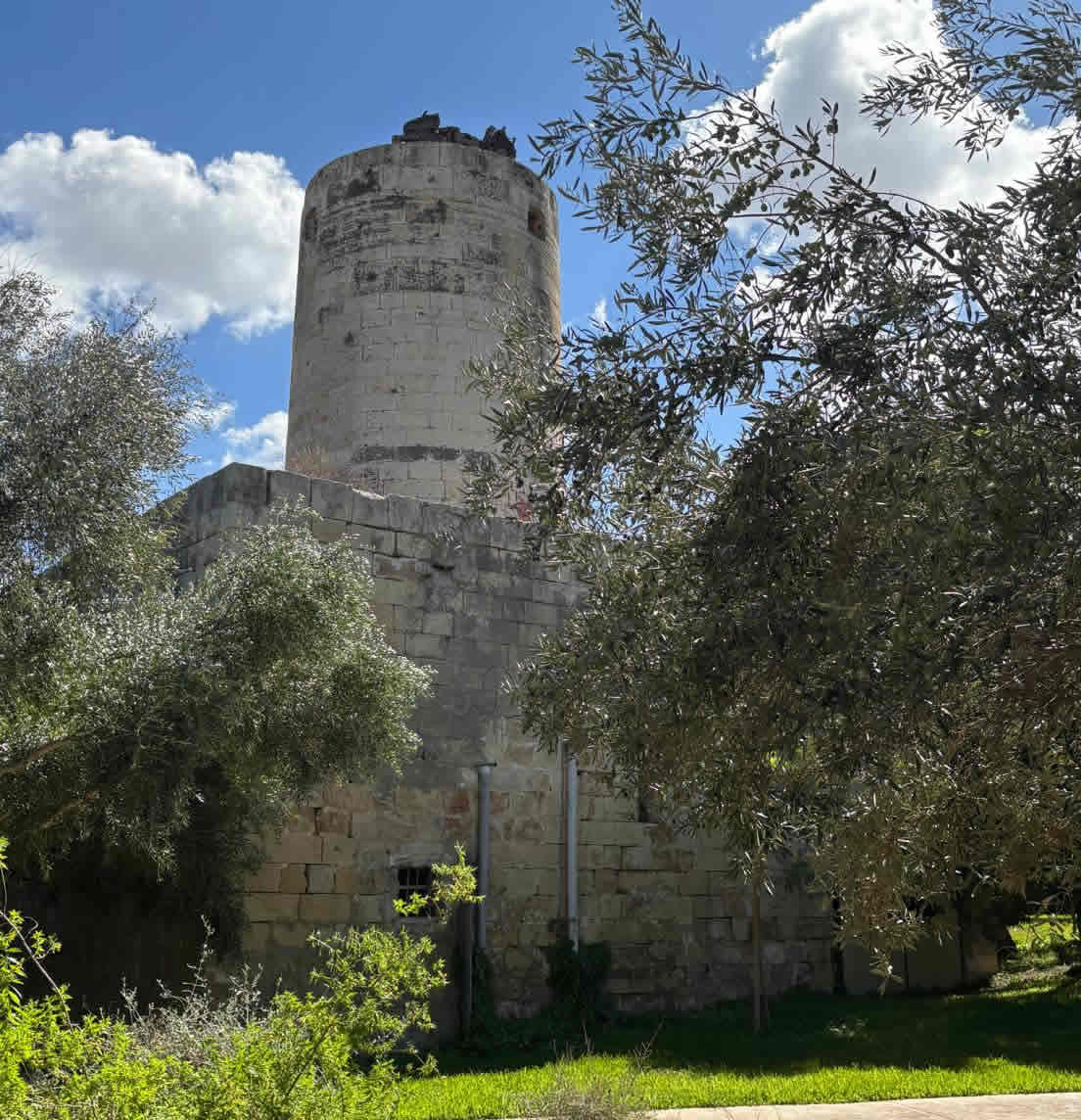
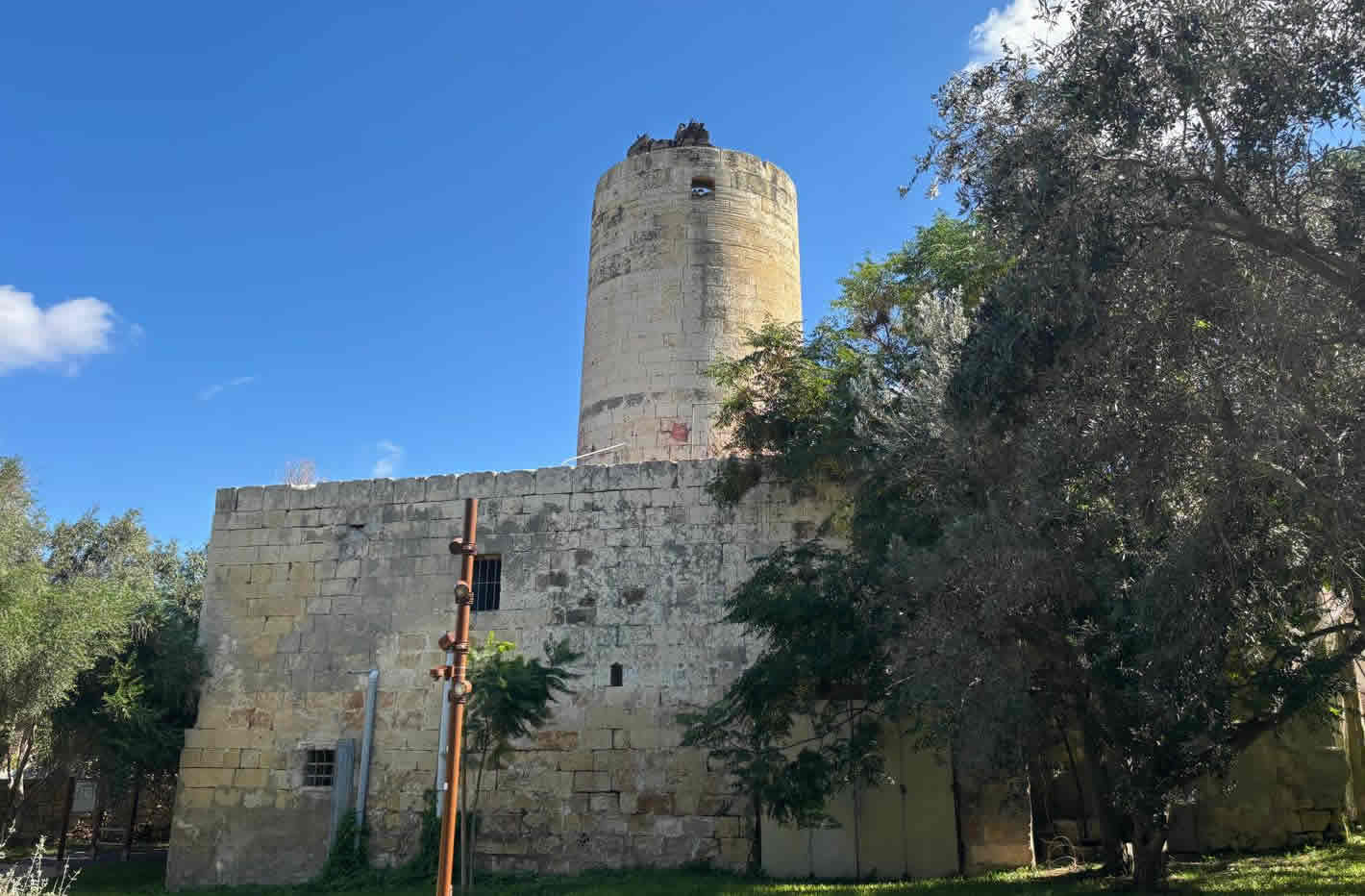
Type: Classic Maltese tower windmill with a rectangular base (a “base + tower” arrangement). The tower is cylindrical and set on a rectangular base that housed storage, machinery rooms and often living accommodation for the miller. This is the common Maltese form where the sails (sweeps) were mounted on a rotating cap or truck.
Materials: Local globigerina limestone (the usual Maltese building stone) for the tower and base; masonry is the traditional rubble/ashlar combination with lime mortar.
Tower dimensions & layout (typical, and as recorded for this mill):
Cylindrical tower rising from a roughly rectangular two-storey base. Published photos and registry sketches show the tower rising several metres above the base, with small slit/windows and higher openings where cap/virtual truck mechanisms were serviced. Exact internal floor dimensions vary and are recorded in conservation files; the UM thesis and MEPA fiche contain measured details.
Mechanics (historical):
Sails (sweeps): Wooden arms with sailcloth (or later canvas) — typical Maltese mills had from 4 to 6 arms dependent on rebuilding. Contemporary photographs of Maltese restored mills show lattice wooden frames covered by sailcloth. The L-Qadima mill’s sails were removed in the early 20th century when milling declined.
Millstones & gearing: Traditional millstone pairs set on a wooden spindle driven by the windshaft; gearing of wood and iron translated the horizontal rotation of the sails into vertical action on the runner stone.
Builders, inscriptions & documentary evidence
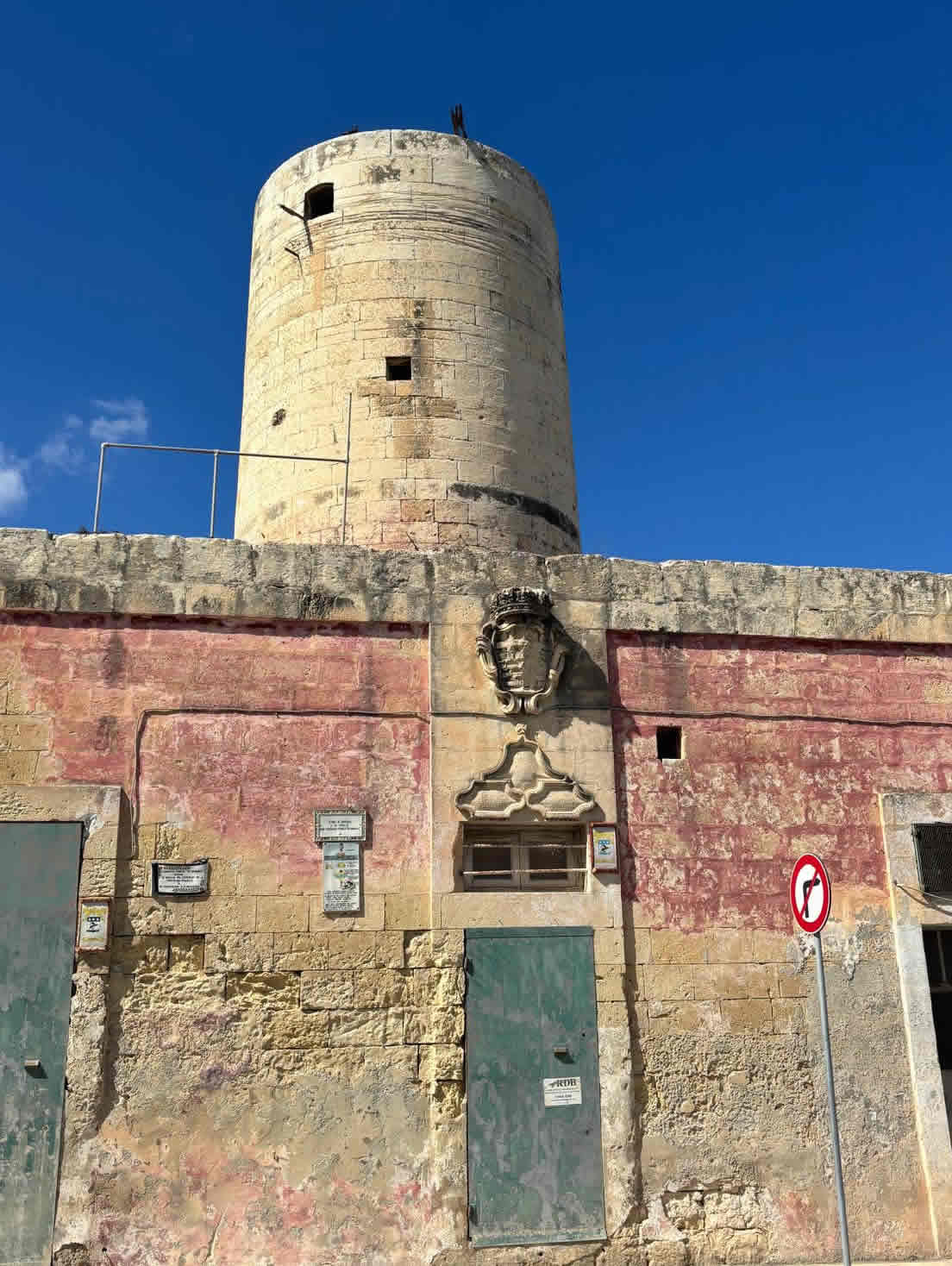
Architect & mason (recorded): Several secondary sources and windmill registries attribute the 18th-century rebuilding to Francesco Zerafa (architect) with master mason Nicola Camilleri (of Siġġiewi) — and an inscription under a coat of arms is recorded on the façade commemorating the rebuild. This ties the mill to the wider pattern of windmill construction/repair in the Order era and early modern Malta.
Heritage records: The structure is referenced in MEPA/heritage datasets and appears on local inventories (Wikidata links MEPA fiche), indicating a recognized heritage value and an official record of its coordinates and status.
Later history, decline & conservation
As steam, motorised milling and modern transport spread in the late 19th / early 20th centuries, many Maltese windmills ceased regular commercial operation. L-Qadima’s recorded working life extends into the early 1900s (sources give c.1920–1925 as last full use; sails taken down within a few years thereafter).
Today the tower and base survive and the mill is visible in photographic surveys and local walking tours; it has been documented in local histories (e.g. John A. Sant’s monograph dedicated to the Mosta “Il-Mitħna l-Qadima”) and in national scheduling lists. Conservation interest has been shown in cataloguing and preserving its fabric.