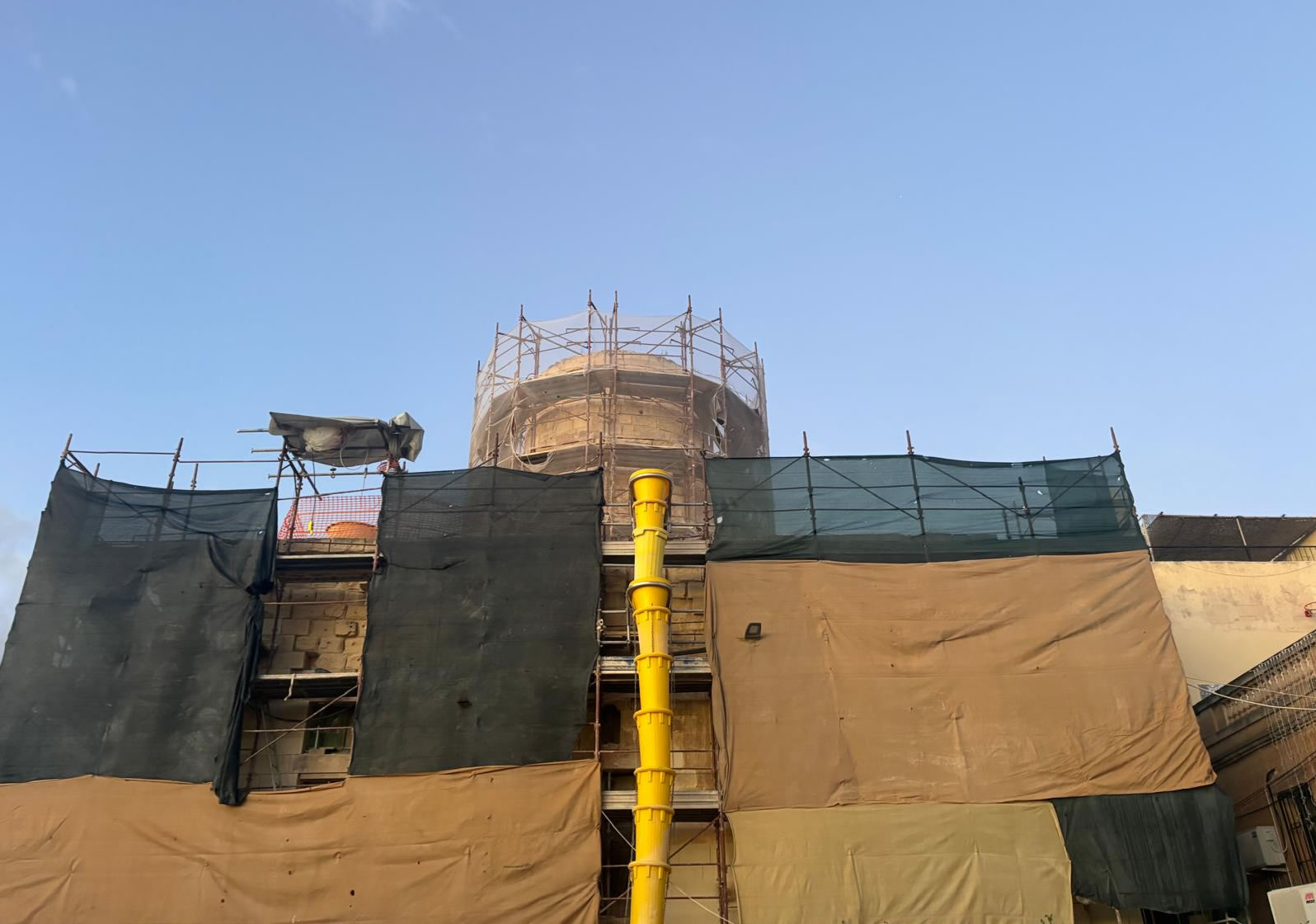
Here’s a summary of the construction and history of T’Għuxa Windmill in Cospicua, Malta:
📍 Location
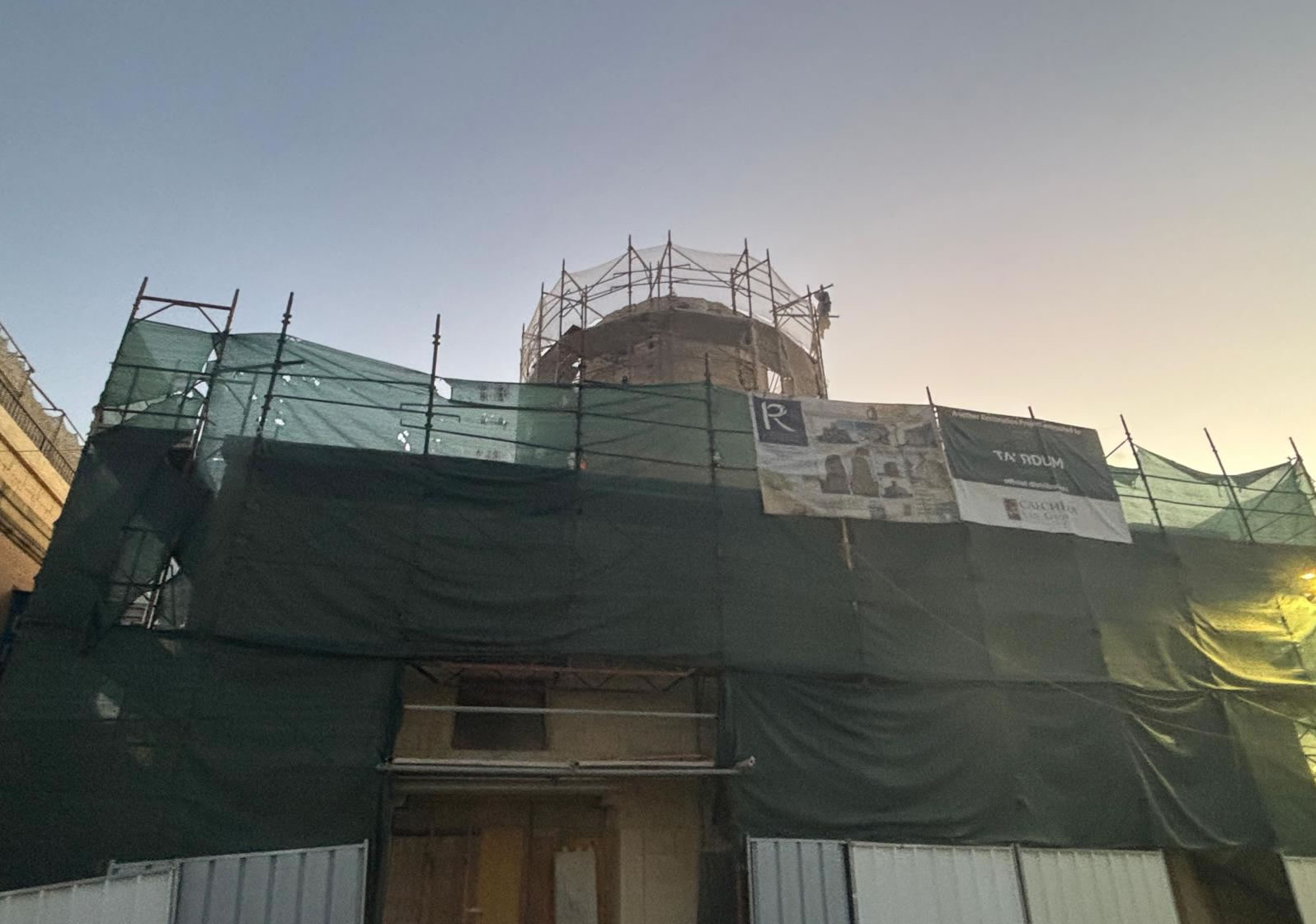
35.878862, 14.518703Currently under restortion, new photos will be taken when its finished
Quick facts
T’Għuxa / San Ġwann t’Għuxa windmill in Cospicua was commissioned/built in 1674 by the Cottoner brothers (Grandmasters Nicolás and Rafael Cotoner), is a tower-type grain windmill, remained in commercial use into the late 19th century, and is currently the subject of conservation/restoration works.
Construction & architecture
Type: Tower (round) windmill — a cylindrical stone tower sitting on a lower, generally squarish base that contained storage and living/work rooms. This is the standard Maltese tower-mill form used from the 17th century onward.
Date & patronage: Erected in 1674 by the Cottoner/Foundation of Grandmaster Nicolás Cotoner (and his brother Rafael) as part of a small program of windmill-building in the islands. Several other Cotoner-era mills date to the same decade.
Materials & components: Built of local globigerina limestone with thick load-bearing walls. The working mill originally had a timber rotating cap (to orient the sails), timber stocks and canvas/timber sails, a horizontal windshaft, gearing and one or more pairs of millstones inside the tower; the base provided storage, stables and accommodation for the miller. (This follows the documentary/typological evidence for Maltese tower mills of the period.)
Use and operation
Primary function: Local grain (corn/wheat/barley) milling for Cospicua and immediate surroundings — an essential village/urban service that reduced the need to transport cereals long distances.
Working life: Documentary and catalog sources report the mill remained in use until the late 19th century (one frequently-cited date is in use until 1879), after which sail- and cap-removal and decommissioning were common as steam and imported flour became dominant.
Later history & present condition
Decommissioning: As with many Maltese windmills, the sails and cap were removed when the mill ceased operation; buildings were adapted or left to decay.
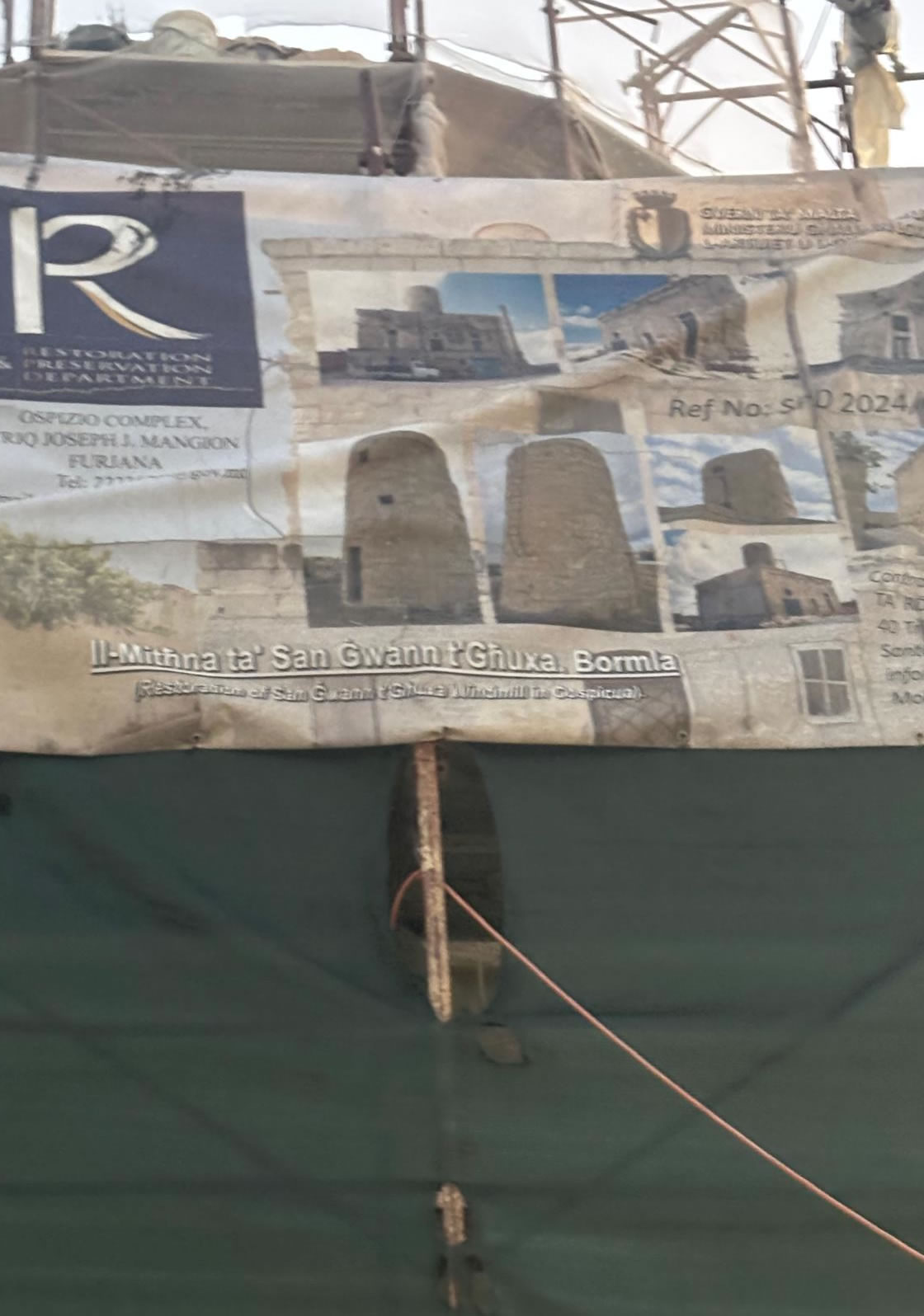
Survival: The tower and substantial parts of the base survive in situ in Cospicua (Windmill Street / Triq San Ġwann area). Photographic records show the rounded tower and the lower rectangular massing still visible in the urban fabric.
Conservation: Very recently the Restoration & Preservation Division has been actively working on the windmill (reported restoration works and site activity in news coverage). The project aims to revive the 1674 structure; updates and site photos have appeared in press and local government posts.
Historical and cultural significance
Knights-era industrial policy: The Cottoner brothers (like other Grandmasters) sponsored windmill construction across Malta — mills were strategic local infrastructure for food security and economic resilience in a pre-industrial island economy. The T’Għuxa mill is one of a cluster of 17th–18th century mills that mark that policy.
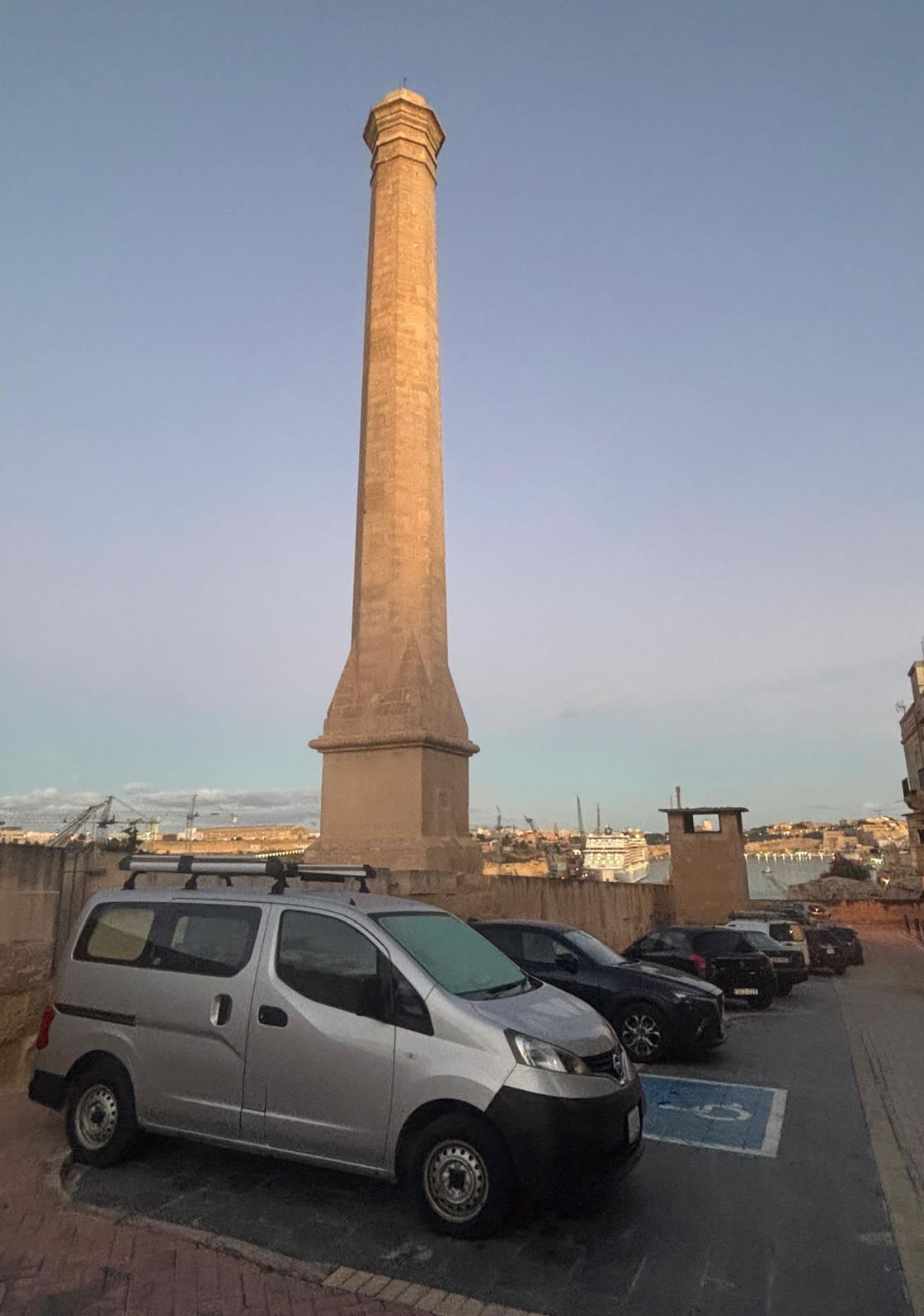
Urban context: T’Għuxa is notable because few tower mills survive within the dense fabric of the Three Cities; its presence in Cospicua links the maritime/fortified town to rural/industrial practices of the Knights’ period.