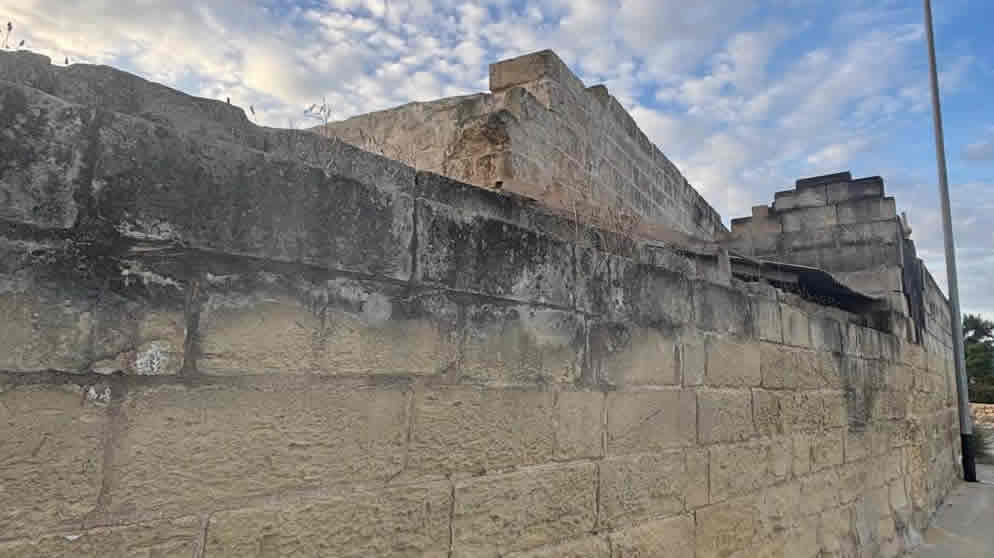
Ta 'Canfut Windmill Zebbug
📍 Location
35.874494, 14.456493full history + construction details for Ta’ Ċanfut (Ta’ Canfut / Ta’ Qanfut) Windmill, Żebbuġ, Malta (built ~1680).
Short summary
Ta’ Ċanfut was a Cottoner-period tower windmill in the Żebbuġ area, built in the late 17th century (around 1680), used as a grain mill until 1884, and afterwards repurposed (documented uses include an abattoir and later a lime kiln). The original tower was demolished in the early 20th century; the lower base was retained and converted into a private house.
Full history (chronological)
Construction / patronage (c. 17th century): Ta’ Ċanfut was built by the Cottoner Foundation during the Order of St. John era (the same period that produced many other rural Maltese tower mills). Sources record the mill as a 17th-century Cottoner mill and place its working life beginning around 1680.
Operational phase (1680 – 1884): It functioned as a cereal-grinding mill (wheat/barley) serving the local agricultural community and remained in commercial/working use through the 18th and 19th centuries. The specialised windmills database records it as in use until 1884.
Post-milling uses (late 19th / early 20th century): After wind-driven milling declined, the site was reused for other industrial/utility purposes. Contemporary references record the mill building being used as an abattoir, and by 1911 as a lime kiln — common adaptive reuses for disused mill buildings at the time.
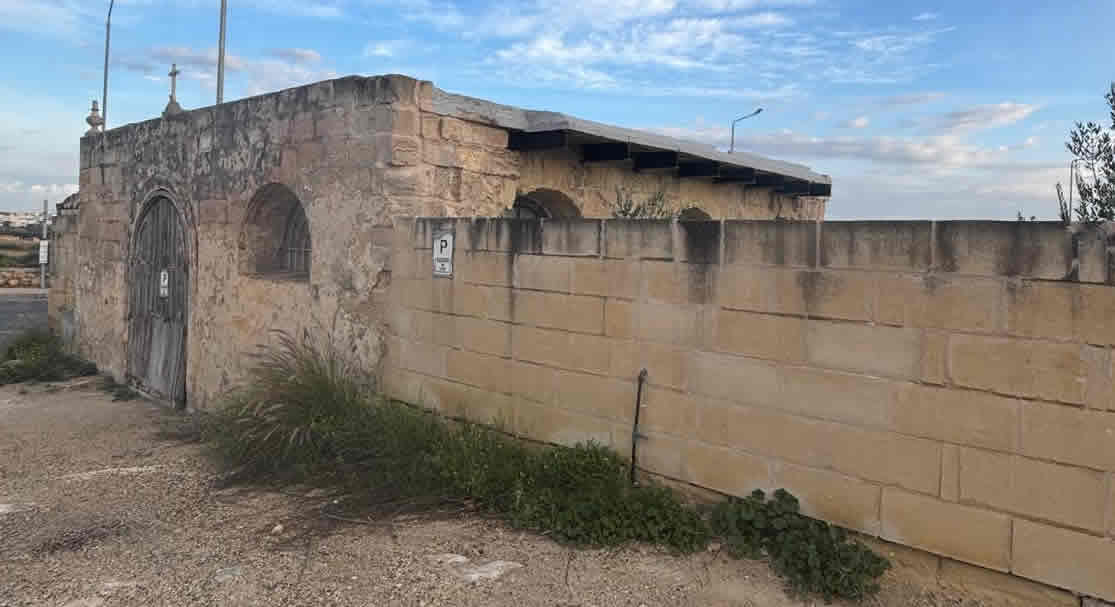
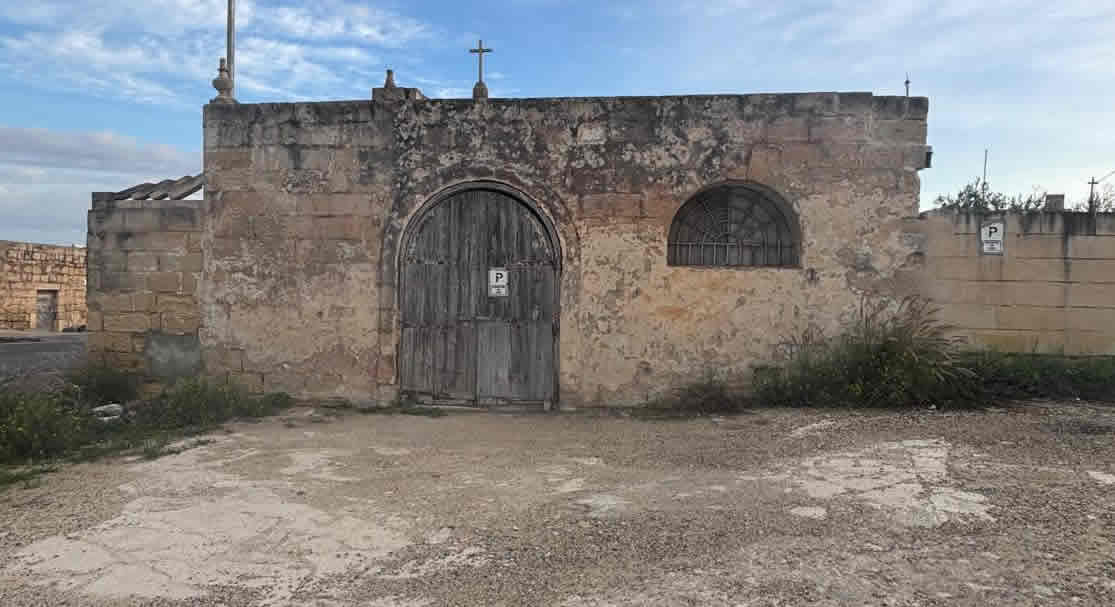
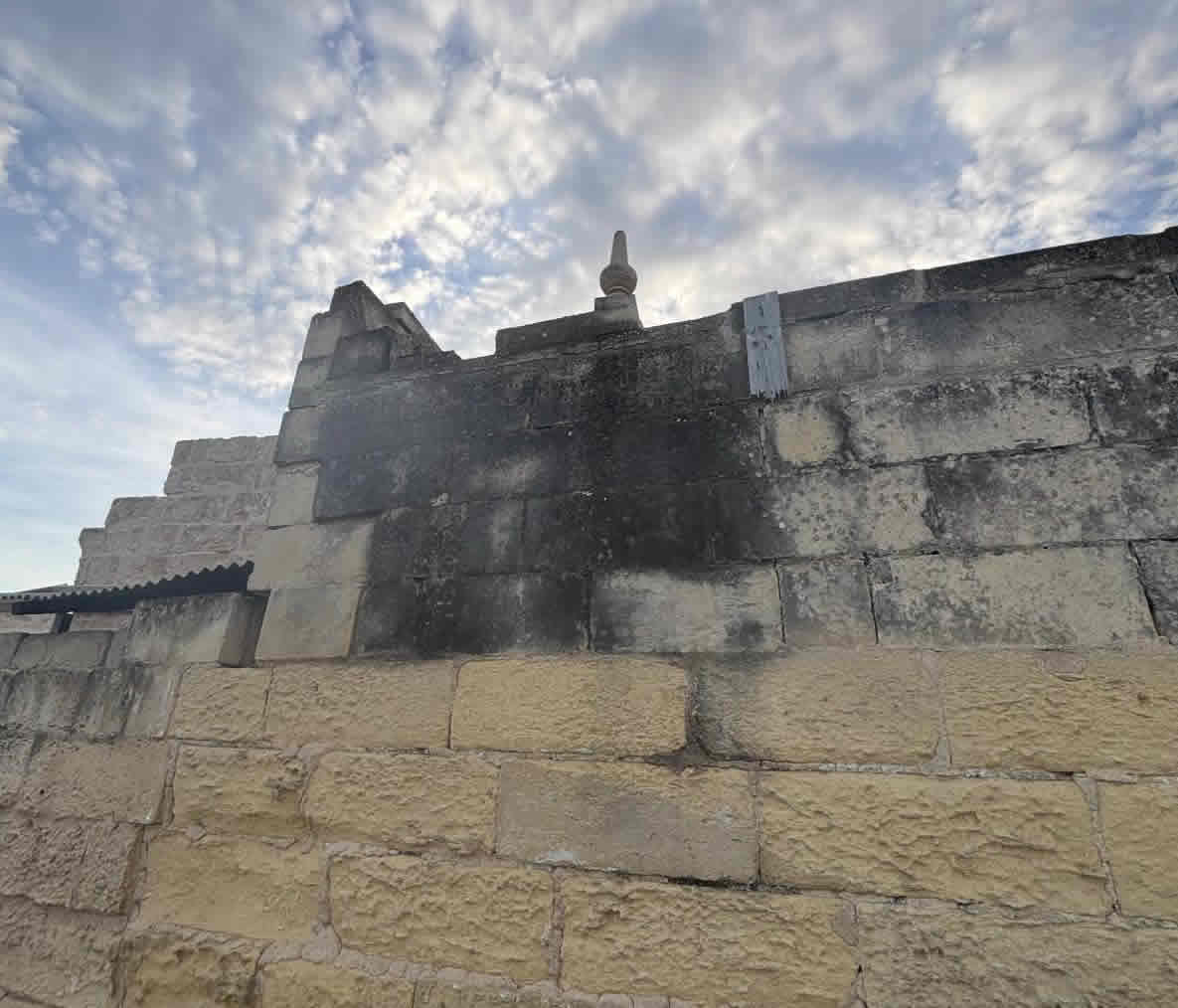
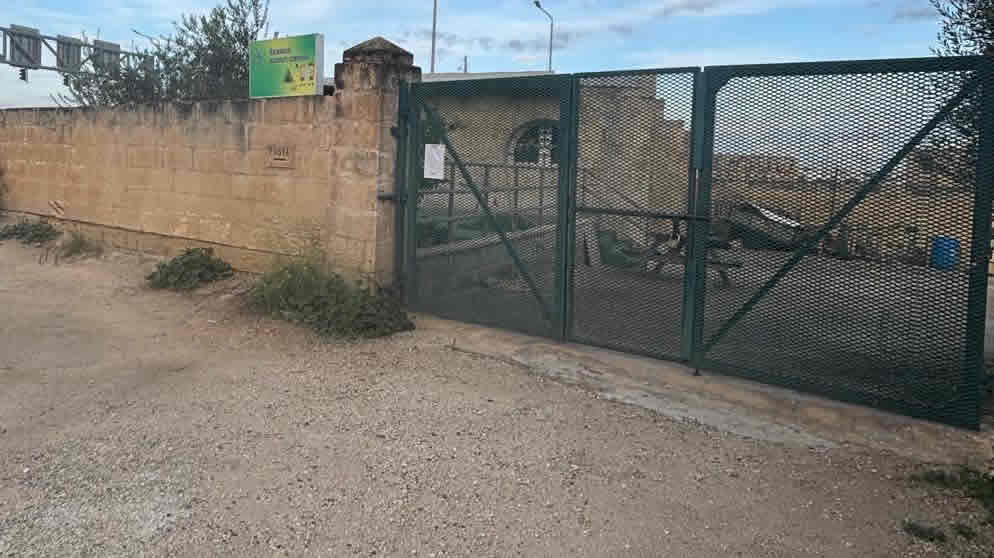
Demolition / conversion: By the early 20th century the tower itself had been demolished; what remained — typically the low rectangular base around a tower — was converted into a house or ancillary building, and today there is no working mill tower surviving at the Ta’ Ċanfut site.
Construction & technical details (what the mill originally was like)
Because Ta’ Ċanfut was a Maltese tower mill of the Cottoner period, the original construction would have included the following features (drawn from contemporary descriptions of Maltese tower mills and the windmill database entries that group Ta’ Ċanfut with these examples):
Plan & materials
Cylindrical limestone tower built in local globigerina limestone, rising from a rectangular single-storey base which housed storage, animal stalls or working rooms. Walls were thick (stone masonry) to resist wind loads and support the cap.
Cap and sails
A wooden rotating cap sat on the top of the tower; fixed to it was a horizontal windshaft carrying 4–8 timber framed sails/vanes (often canvas-covered or slatted). The cap could be turned (manually or by tailpole/gear) to face the wind.
Internal machinery
Inside there would typically be at least one pair of millstones (runner & bedstone), vertical drive spindle(s), wooden gearing (cogs, crown wheels), hoppers and grain chutes, timber intermediate floors, and stone or timber supports for the machinery. These elements are standard for Maltese tower mills of the period.
Orientation & siting
Sited to exploit prevailing winds (field edges or elevated ground), with the base providing load distribution and ancillary spaces; tower placement in relation to neighbouring mills was often pragmatic — a visual network allowing millers to judge wind conditions across the locality.
Condition today / surviving fabric
There is no intact tower with working sails at Ta’ Ċanfut today. Historical surveys and photographic/heritage notes indicate the tower was demolished by the early 20th century; only the base/converted structure survives as a dwelling/roomed building. No mill machinery is recorded as surviving in situ.