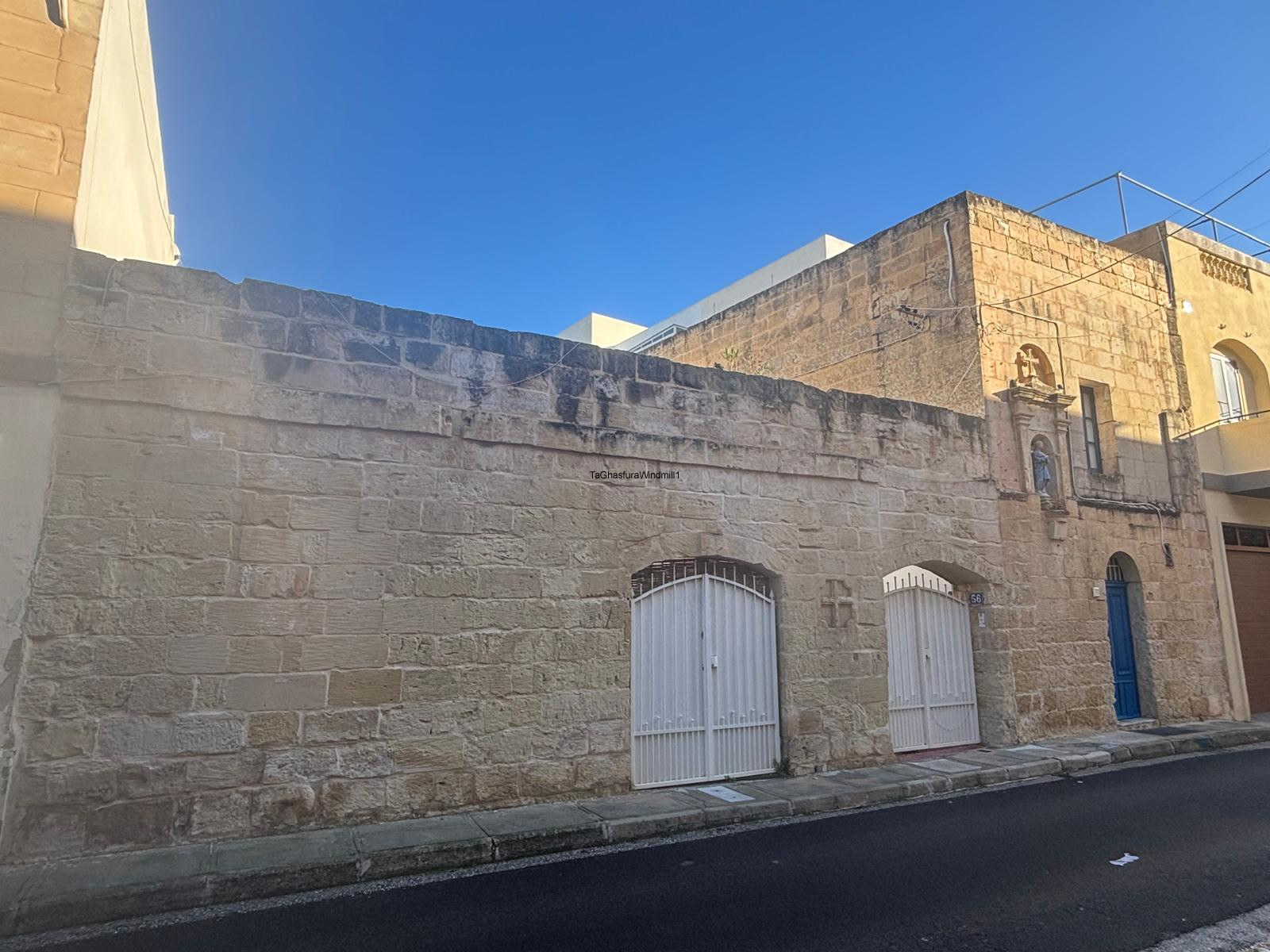
Ta’ Għasfura Windmill Zebbug
Google Map Link📍 Location
35.874280, 14.439743Ta’ Għasfura Windmill (Mitħna ta’ Għasfura) – Żebbuġ, Malta
Ta’ Għasfura Windmill, known in Maltese as Mitħna ta’ Għasfura, was a 19th-century stone tower windmill located in Triq Paris, Ħaż-Żebbuġ, Malta. The windmill was constructed in 1858, during the British period, when traditional wind-powered grain milling was still in widespread use, though already entering a period of decline due to emerging mechanical technology.
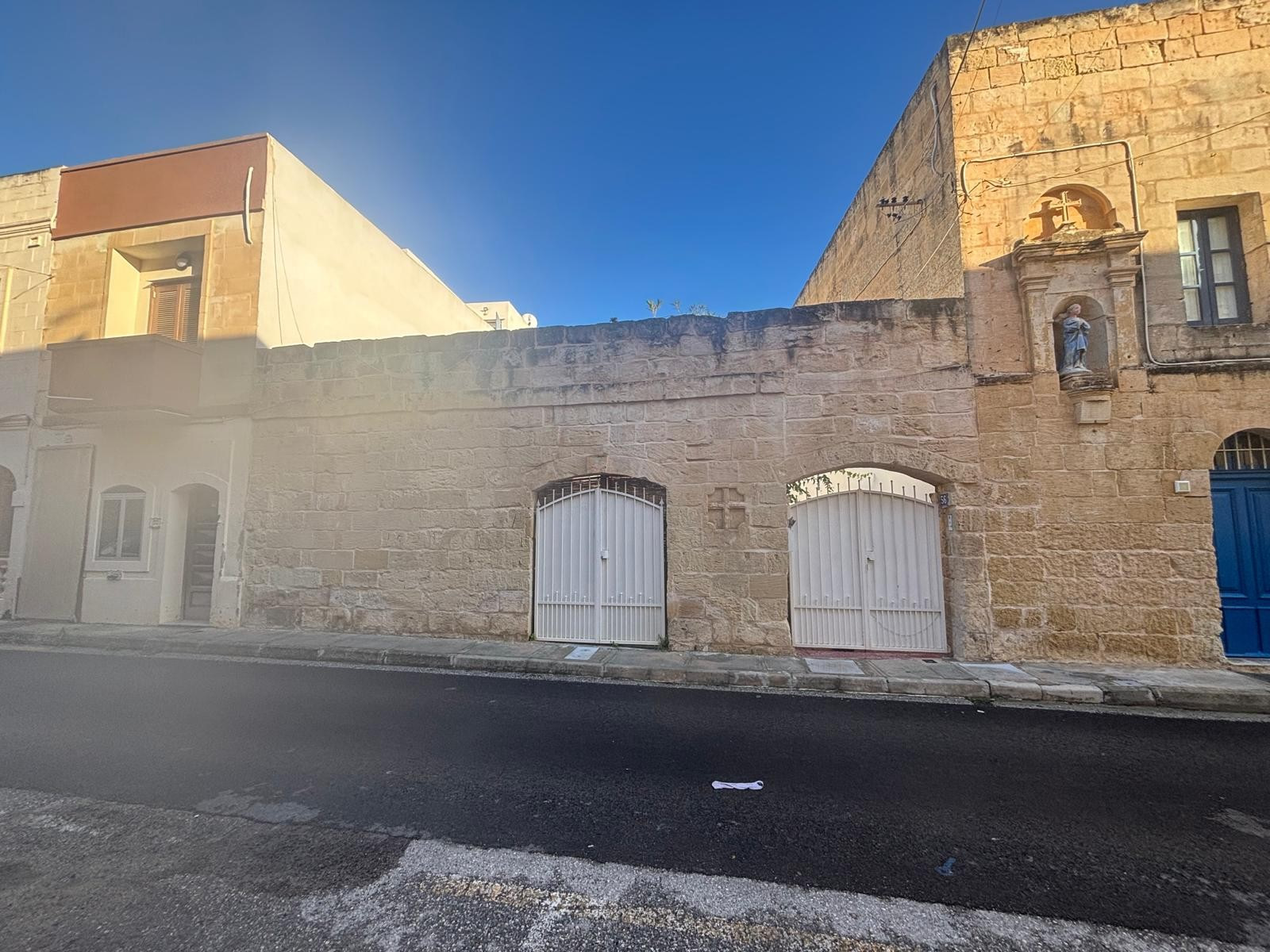
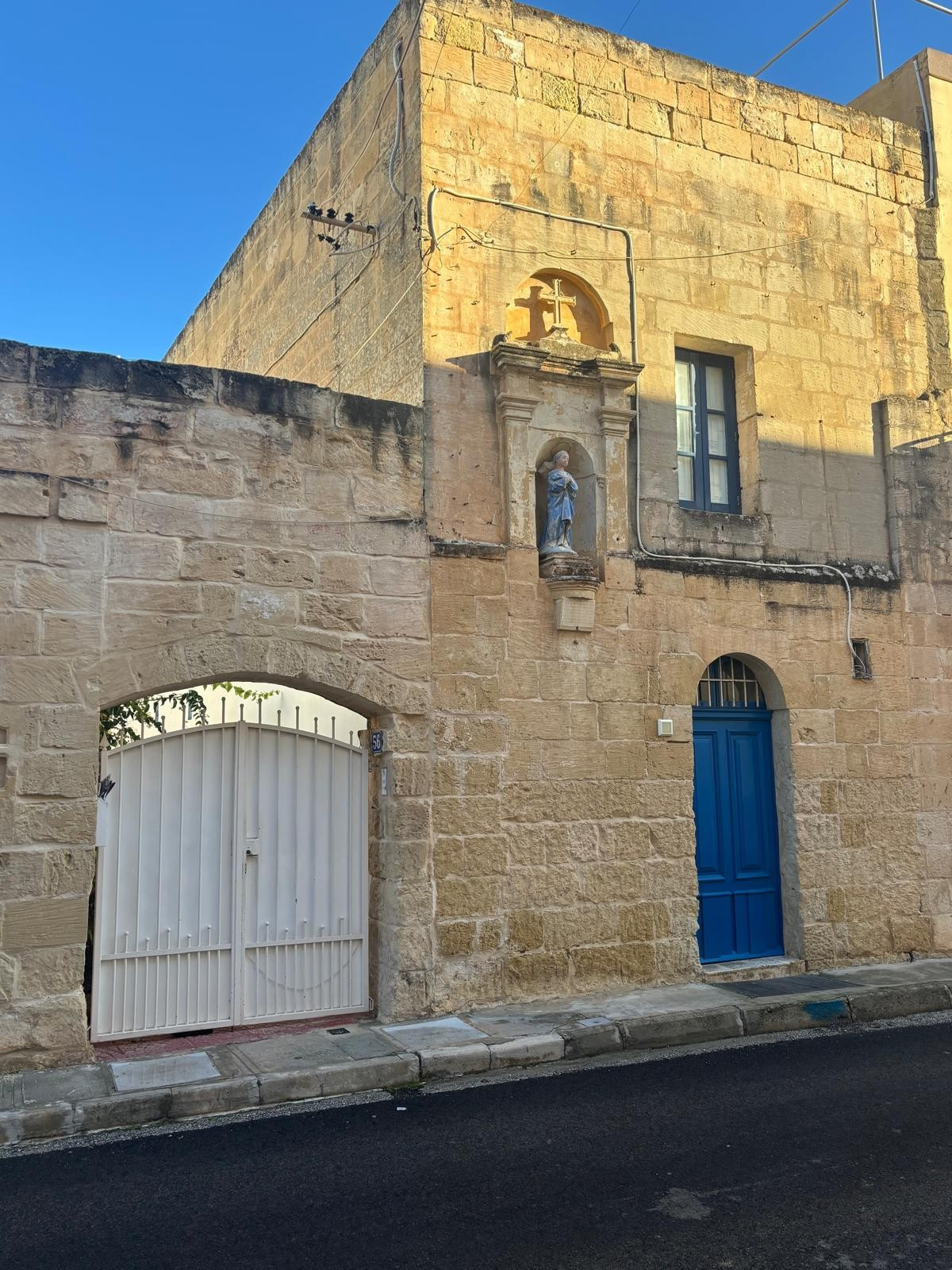
Today, the upper tower has been almost entirely removed, however the original base of the windmill survives in good structural condition and is now used as a private residence.
Construction and Original Design
Ta’ Għasfura was originally built as a traditional Maltese stone tower windmill, consisting of:
A cylindrical limestone tower
A rotating wooden cap
Wind-driven sails
Internal levels housing:
Grinding millstones
A wooden gearing transmission system
Storage areas for **grain and flour
The thick masonry walls were engineered to support both the heavy rotating machinery and the strong prevailing winds typical of the Maltese Islands.
Function and Historical Use
The windmill was built specifically for the grinding of grain, serving the agricultural and residential community of Żebbuġ during the mid-to-late 19th century. Along with other local mills, Ta’ Għasfura formed part of the essential infrastructure that supported daily bread production before the arrival of large-scale industrial milling.
Decline, Partial Demolition and Residential Conversion
By the late 19th or early 20th century, the windmill ceased operations due to:
The introduction of steam-powered mills
Increased availability of imported flour
Changes in agricultural production methods
Following its closure:
The sails and rotating cap were removed
The upper stone tower was progressively demolished
The internal milling machinery was dismantled
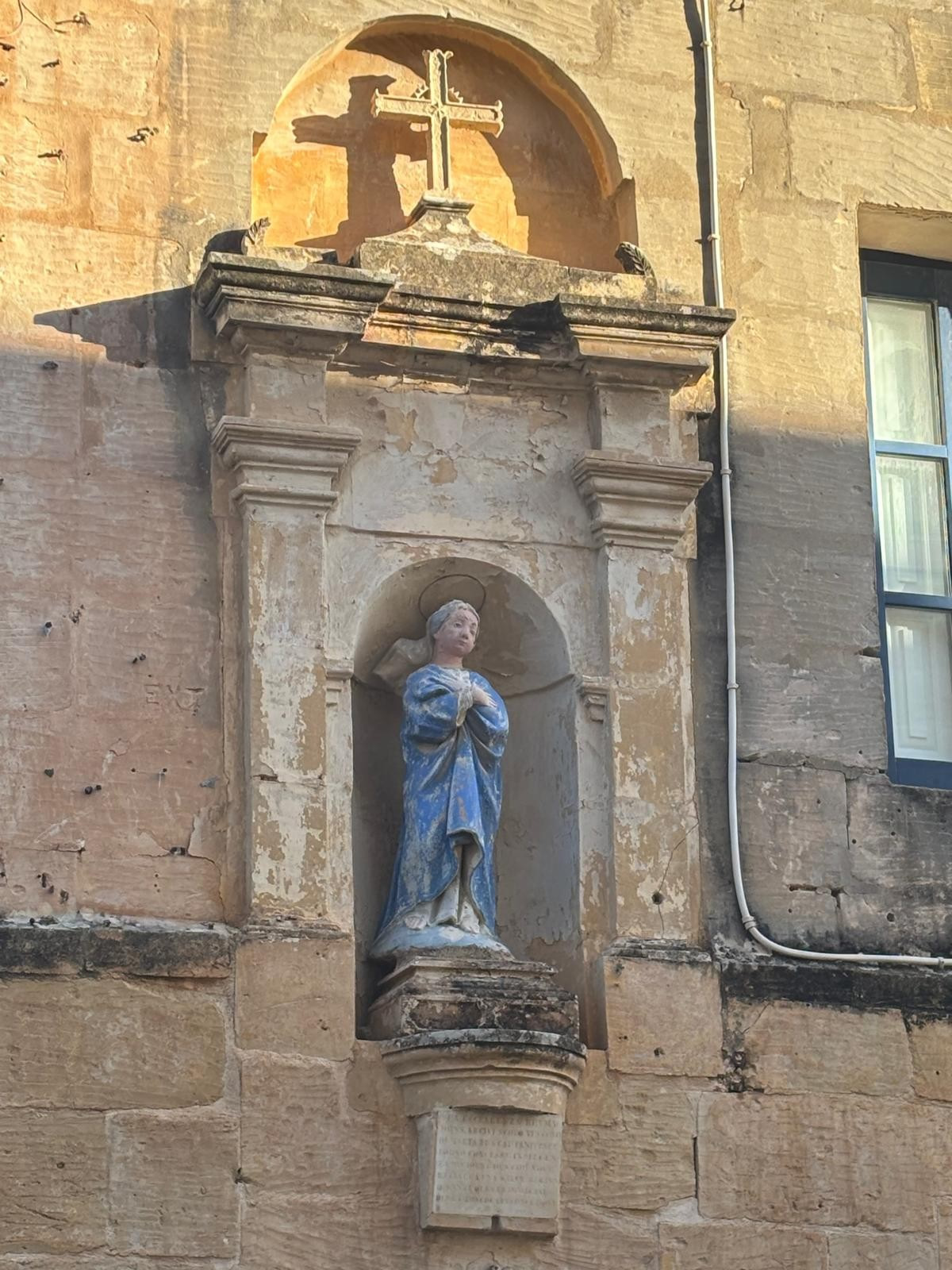
Unlike many windmills which were completely lost, the base of Ta’ Għasfura was preserved and structurally integrated into a private residence, where it remains in good condition today. The surviving lower structure retains clear physical evidence of the original mill footprint, despite the loss of the upper tower.
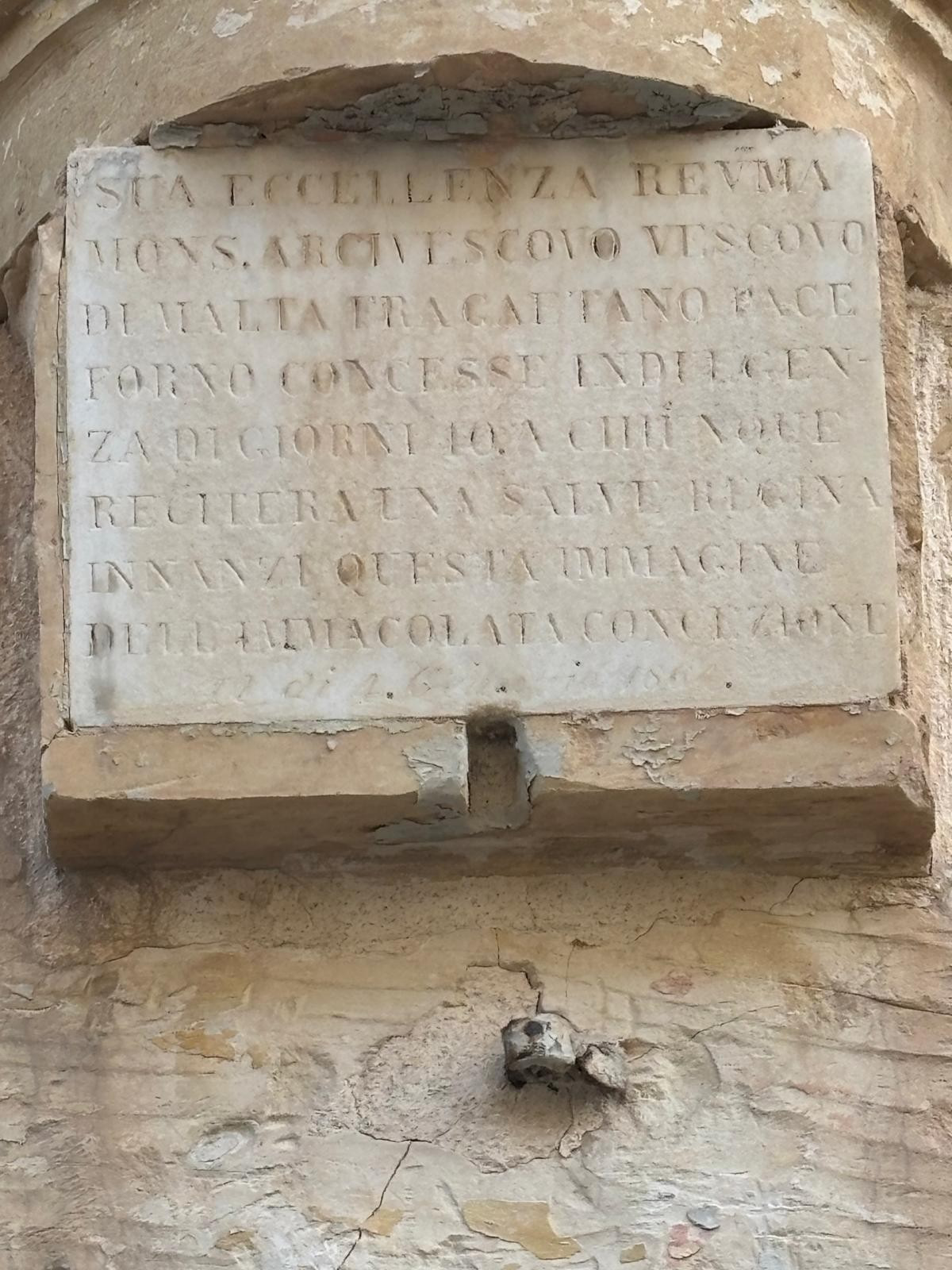
Present Condition
✅ Original windmill base fully survives
❌ Upper cylindrical tower largely removed
✅ Converted into a private residence
✅ Structural condition is good
✅ Historic footprint clearly preserved
Heritage Significance
Ta’ Għasfura Windmill is historically important because:
It represents the mid-19th-century phase of traditional wind-powered milling
It formed part of Żebbuġ’s once extensive windmill network
It demonstrates an important adaptive reuse of an industrial structure
Its surviving base provides a rare physical footprint of a partially lost Maltese windmill
Even in its altered state, Ta’ Għasfura remains an important element of Żebbuġ’s industrial, architectural, and social history.