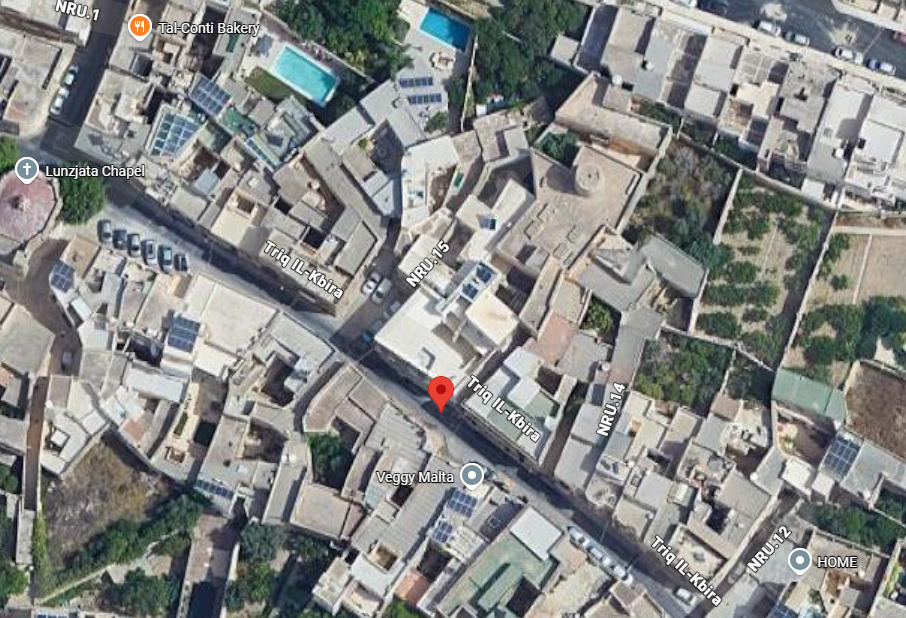
Ta’ Kustanz Windmill Zebbug
Google Map Link📍 Location
35.872551, 14.439022Ta’ Kustanz Windmill (Mitħna ta’ Kustanz) – Żebbuġ, Malta
Ta’ Kustanz Windmill, known in Maltese as Mitħna ta’ Kustanz, is a late 19th-century stone tower windmill located at No. 1, Sqaq 14, Triq il-Kbira, Ħaż-Żebbuġ, Malta. Built in 1872, it represents one of the final phases of traditional wind-powered grain milling on the islands, constructed during the British period when mechanical milling was already beginning to replace wind-driven technology.
Construction and Design
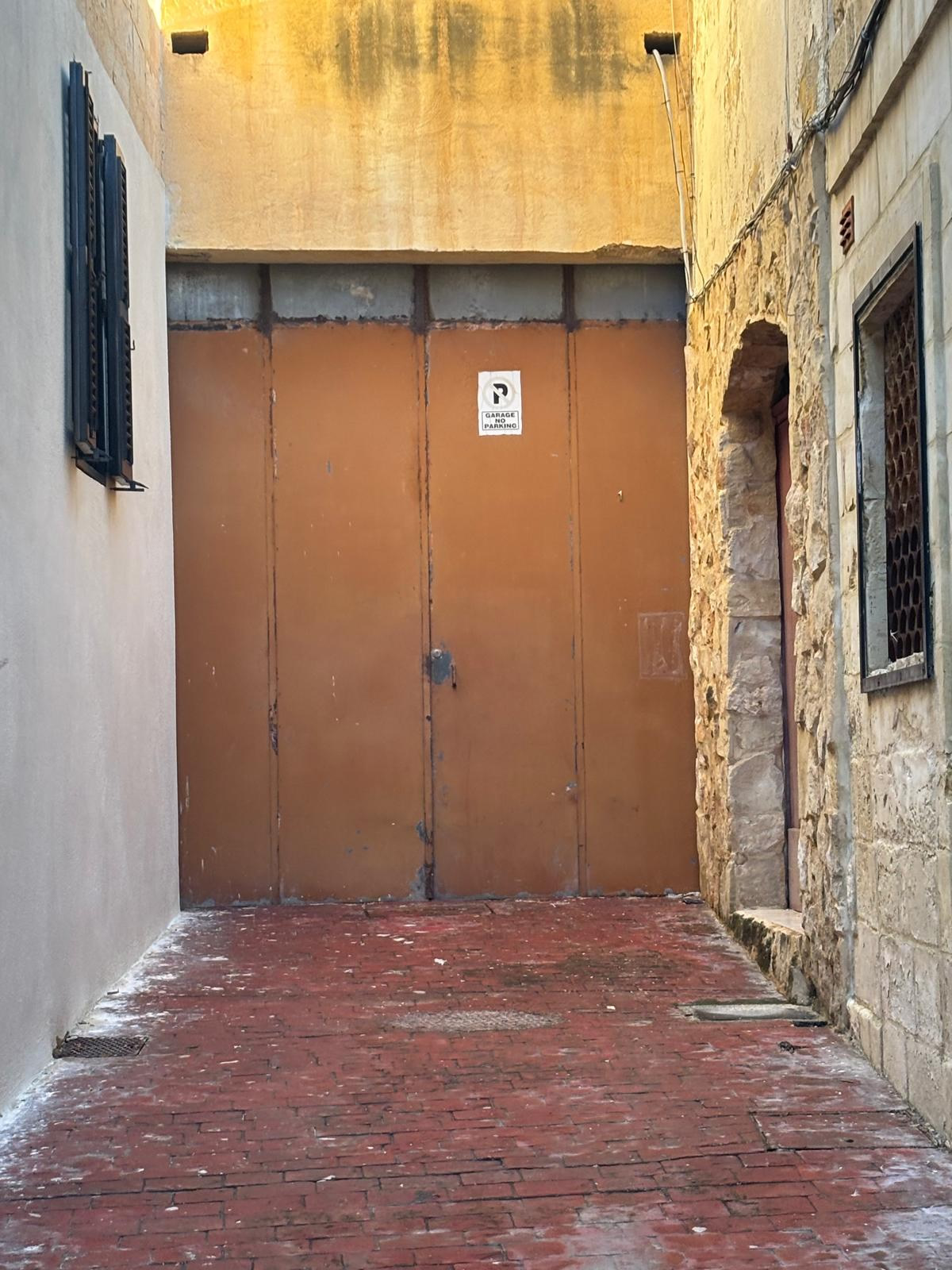
The windmill was constructed as a stone tower windmill, the most common and durable windmill type used in Malta from the 17th to the 19th century. The structure consists of a round masonry tower, originally topped by a rotating wooden cap which carried the sails. Inside, the tower once housed millstones, gearing mechanisms, and storage levels for grain and flour.
Its design followed the well-established Maltese milling tradition, adapted to the local climate and strong prevailing winds. By the time Ta’ Kustanz was built in 1872, this form of mill was already technologically mature, yet it soon became obsolete due to the rapid development of steam-powered and industrial milling.
Function and Use
Ta’ Kustanz Windmill was built for the grinding of grain, serving the local agricultural and residential community of Żebbuġ. It operated for approximately three decades, from 1872 until about 1900. During this period, rural communities still relied heavily on local windmills for flour production.
By the turn of the 20th century, the mill ceased commercial operation, as flour began to be imported in larger quantities and mechanical mills replaced traditional wind-powered production across Malta.
Later History and Survival
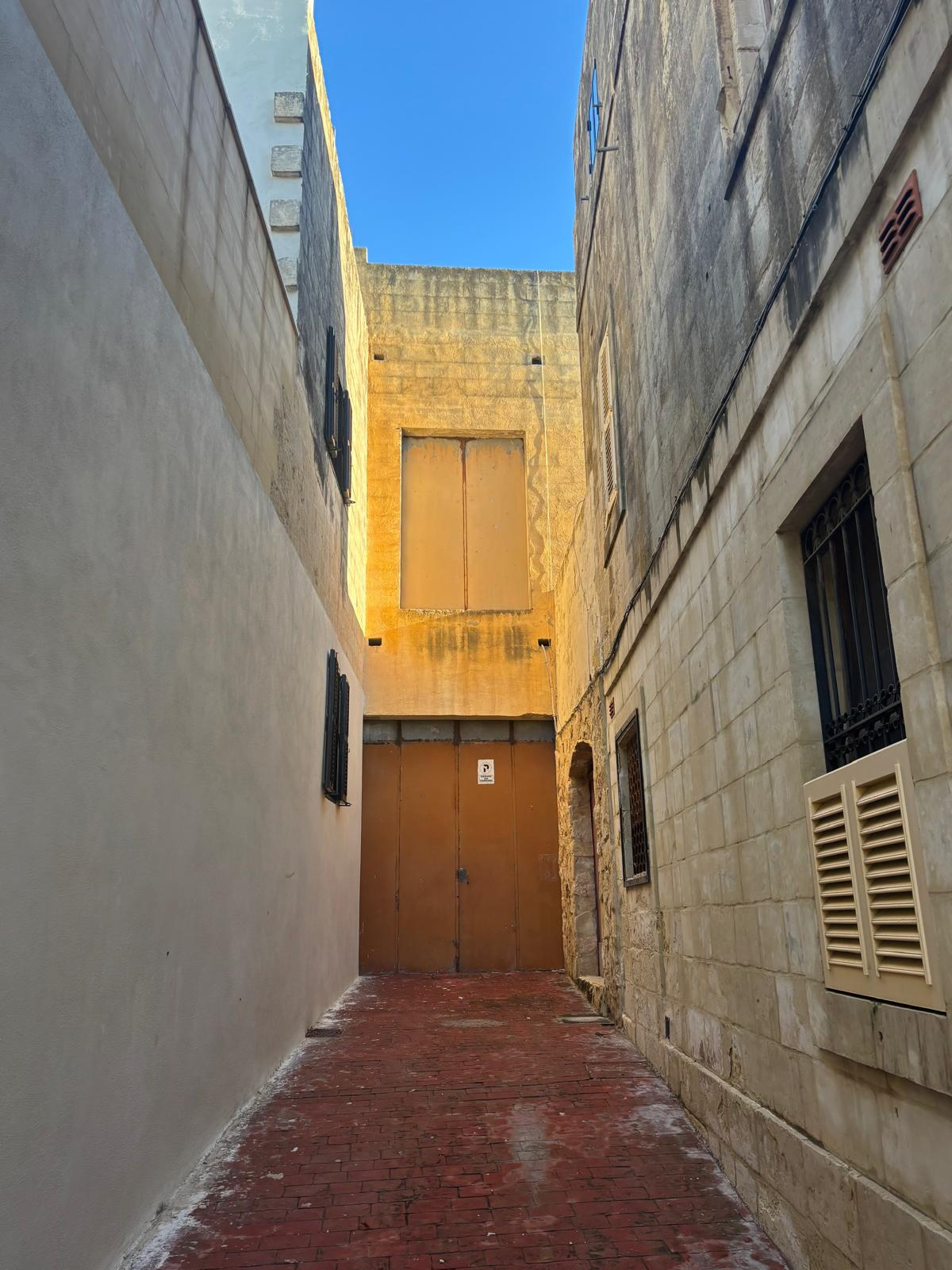
After its closure, the windmill gradually lost its original machinery. The sails, rotating cap, and internal milling mechanisms were removed, and the structure was eventually converted into part of a private residence.
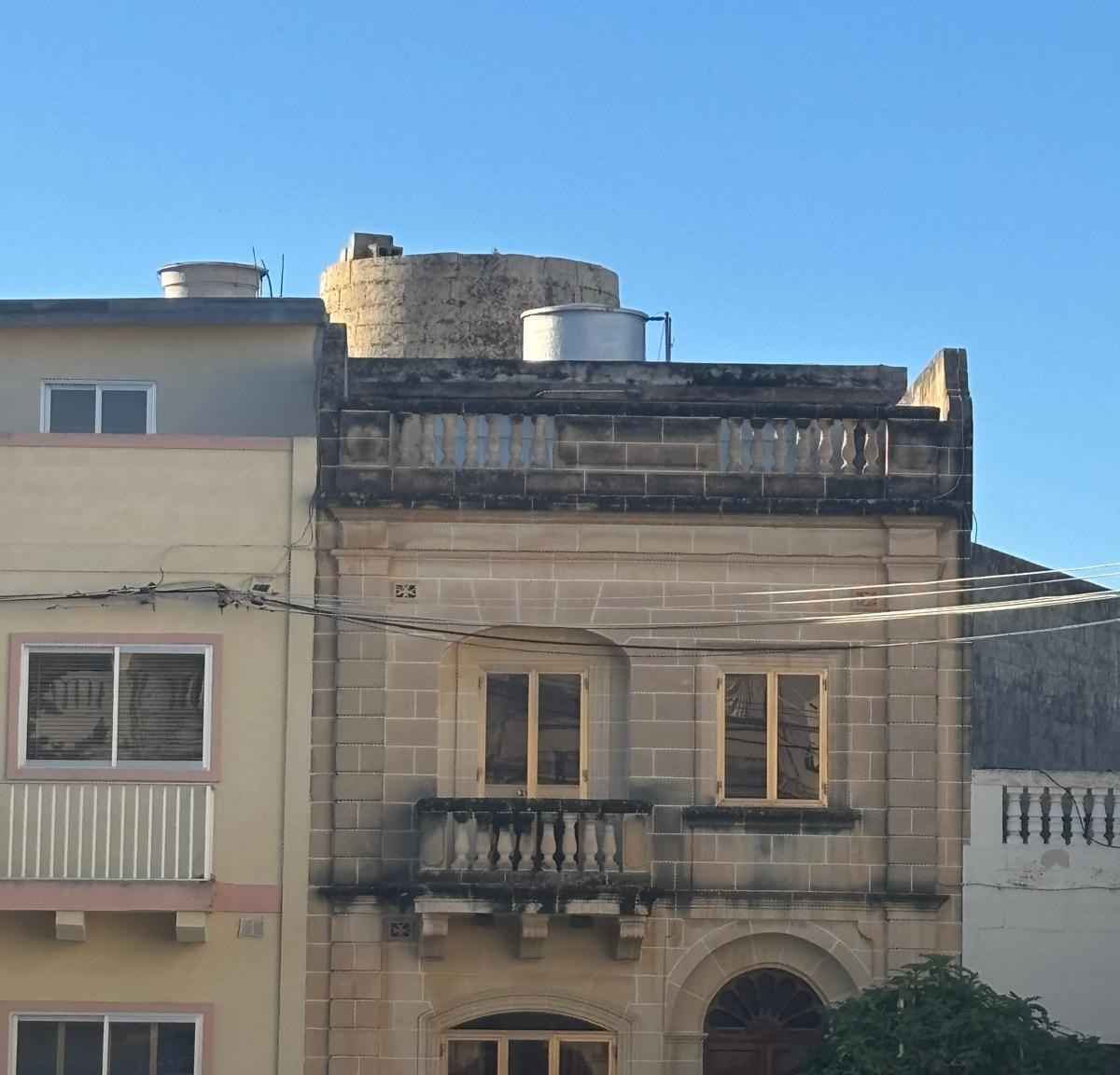
Importantly, despite some contradictory older references, the stone tower itself has survived and remains structurally intact to this day. A direct site inspection in 2025 confirms that the original windmill tower shell is still standing, although fully integrated into later domestic buildings. While it is no longer immediately recognisable as an operational mill from a distance, the cylindrical masonry form remains clearly identifiable on close inspection.

Heritage Significance
Ta’ Kustanz Windmill holds important local and national heritage value because:
It is one of the last traditional windmills constructed in Żebbuġ
It marks the final phase of wind-powered grain milling in Malta
It survives today as a rare example of a 19th-century windmill tower adapted to modern residential use
It represents a tangible link between Malta’s agricultural past and its later urban development
Although not open to the public, the surviving tower remains an important element of Żebbuġ’s built heritage and a reminder of the town’s once widespread milling activity.