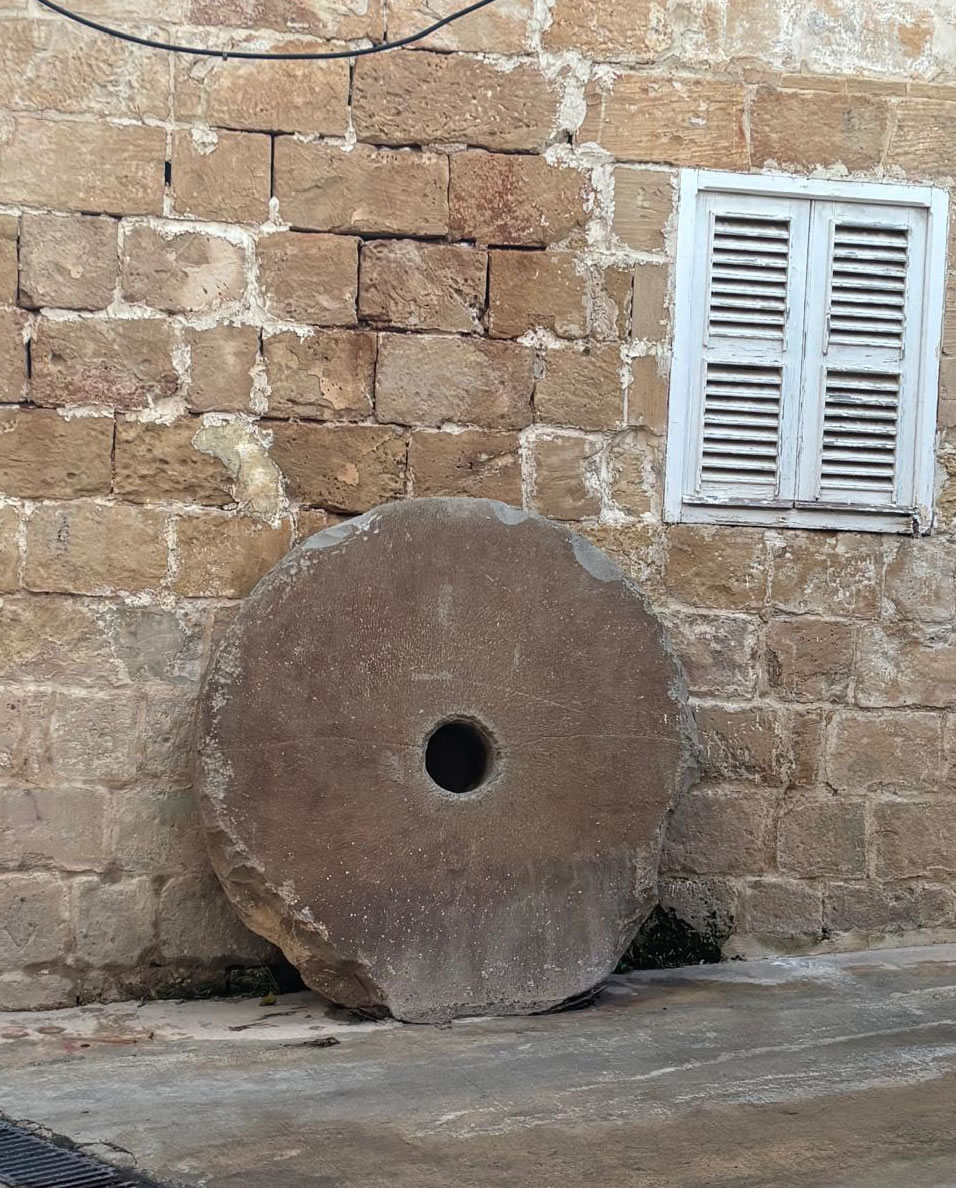
Here’s a summary of the construction and history of Ta' Marmara Windmill in Zurrieq, Malta:
📍 Location
35.824367, 14.469683Profile of Ta’ Marmara (Ta’ Mamara) Windmill, Żurrieq: construction, form, history and later use
Ta’ Marmara Windmill — quick facts
Name / variants: Ta’ Marmara (also shown in some sources as Ta’ Mamara).
Location: 75 Triq il-Mitħna area, Żurrieq (part of the Żurrieq windmills cluster with Tal-Qaret and Xarolla).
Type: tower (round) windmill — limestone masonry tower.
Built / date: 1724 (rebuilt/erected c.1724 — often associated with Grandmaster Manoel de Vilhena’s building programme).
Name origin: takes its name from the first recorded miller/operator — Luret (or Lurett) Marmara — hence “Ta’ Marmara”.
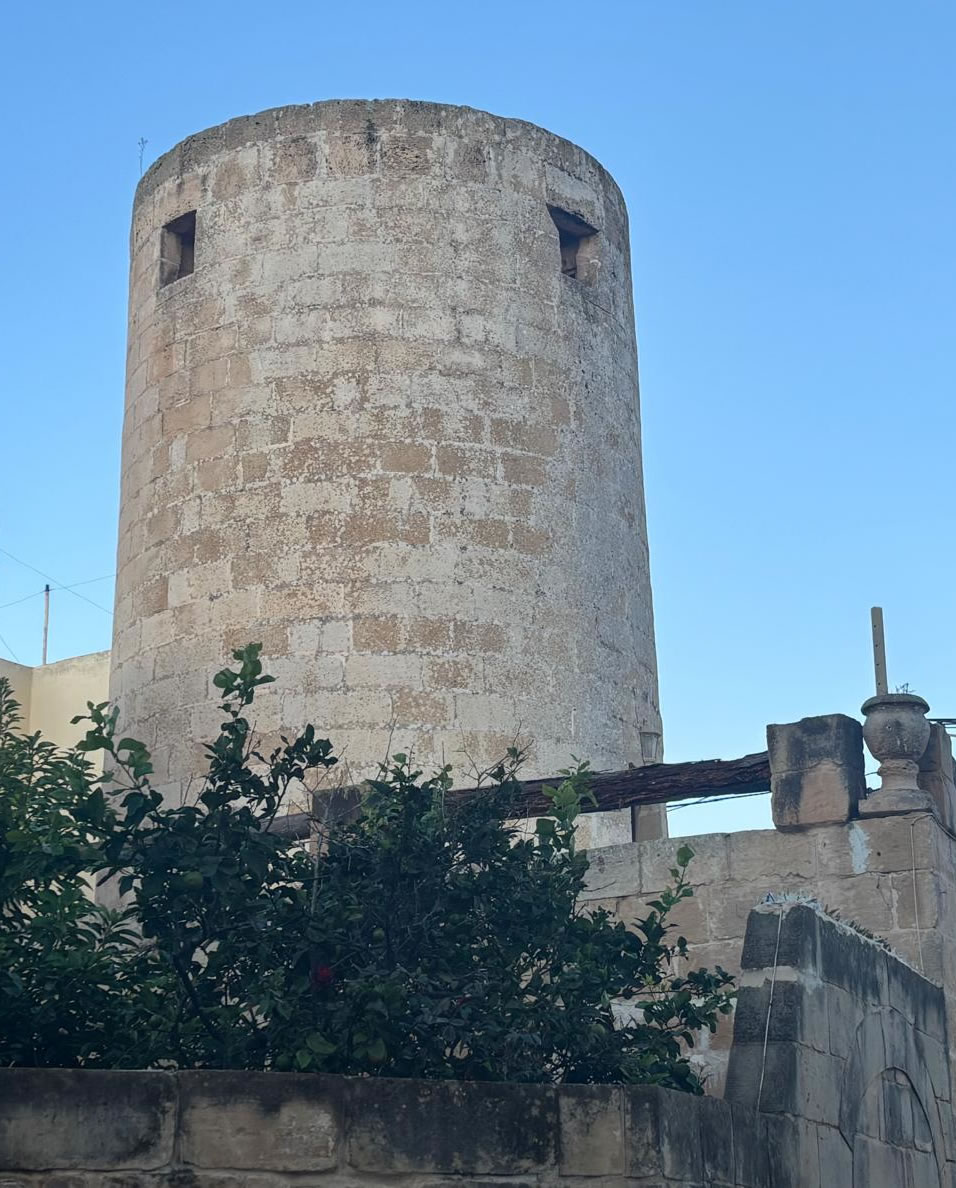
Survival / condition: extant as a recognisable tower (sails removed); has been converted/used as a domestic property in recent years and is part of local windmill walks.
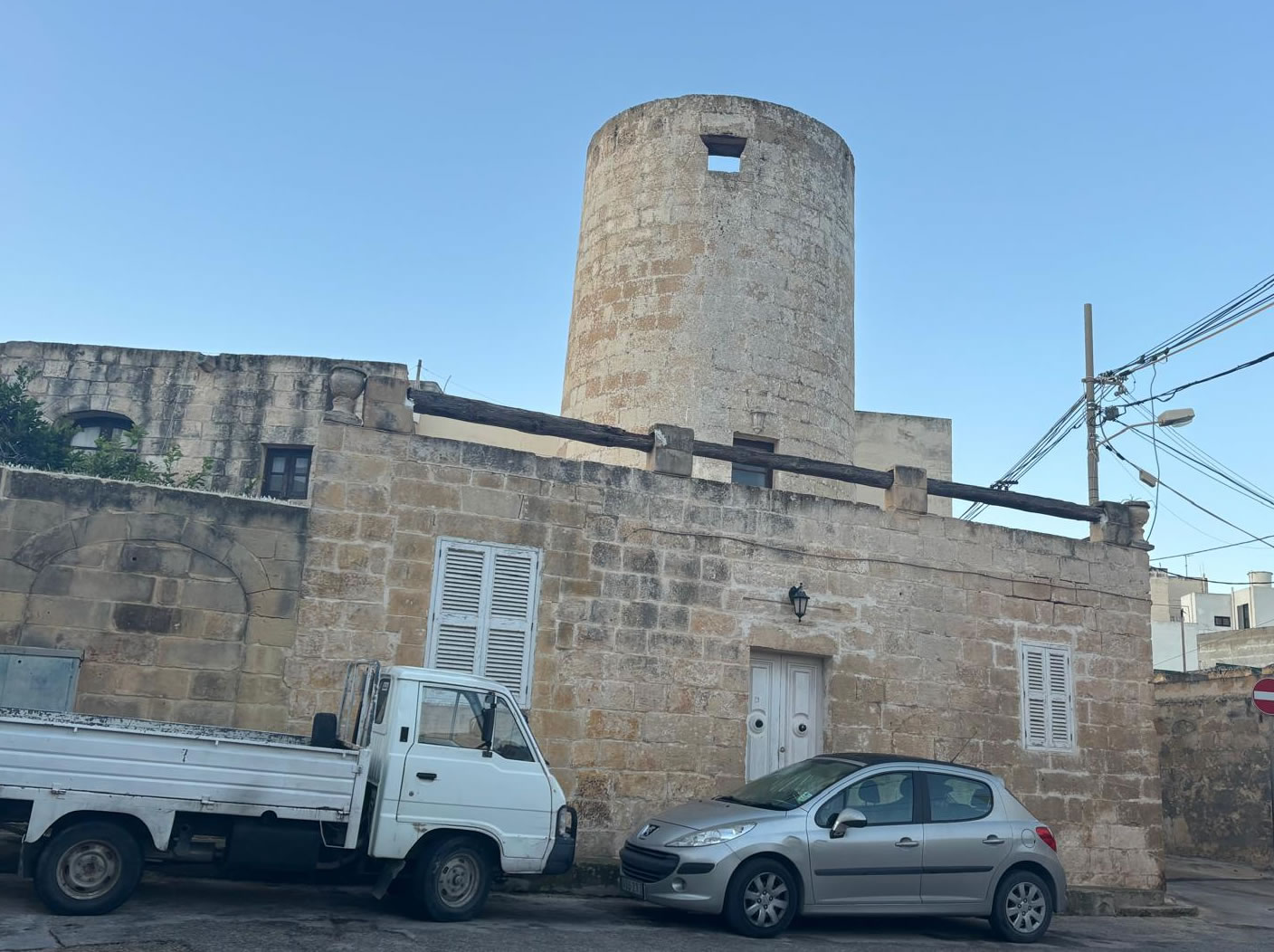
Construction & architecture
Date & patronage: Sources record the mill as (re)built in 1724, in the same general period and programme that produced the Xarolla mill (also 1724) — that redevelopment in Żurrieq was part of the early-18th-century drive to provide village mills. The local council and specialist windmill lists repeat 1724 as the key year.
Materials & form: typical Maltese tower-mill construction — Maltese globigerina limestone coursed masonry, circular/tapering plan with internal floors for the milling machinery and storage. The mill had (like other tower mills) a timber cap carrying the sails and internal gearing to drive millstones. No public source indicates unusual construction materials.
Distinctive detail (local note): some local notes (VassalloHistory) describe Ta’ Marmara as built next to the earlier Tal-Qaret mill (1674) and name Luret Marmara as the first operator.
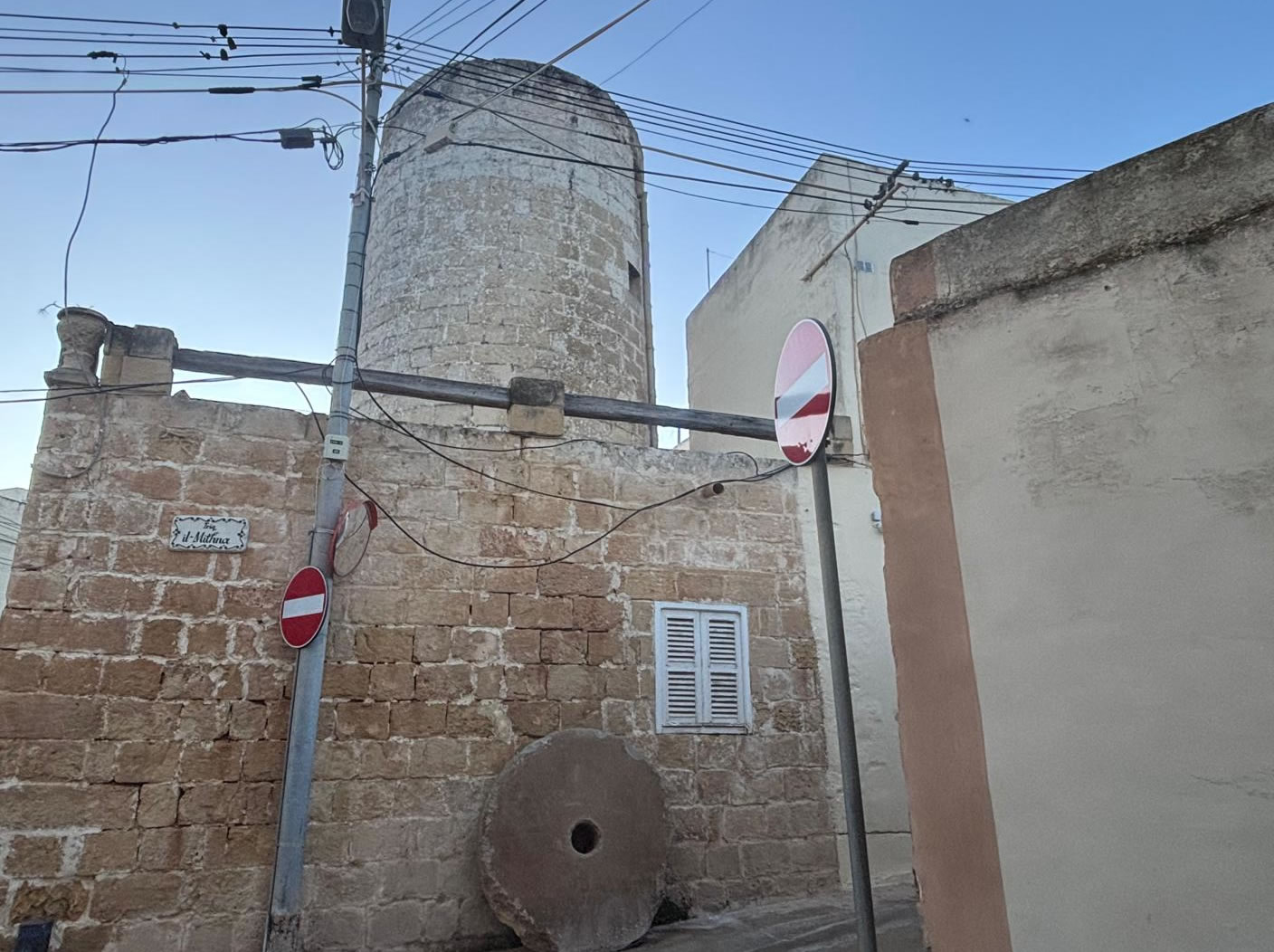
Operational history & use
Primary function: local grain milling for Żurrieq and surrounding agricultural land (flour/meal production). The mill formed part of the rural provisioning system of the Order-era and later periods.
Working life: like most Maltese windmills, it remained in use into the 19th century; sails were removed at some point in the late 19th/early 20th centuries when industrial milling made many such mills uneconomic. Exact retirement date for Ta’ Marmara is not widely published.
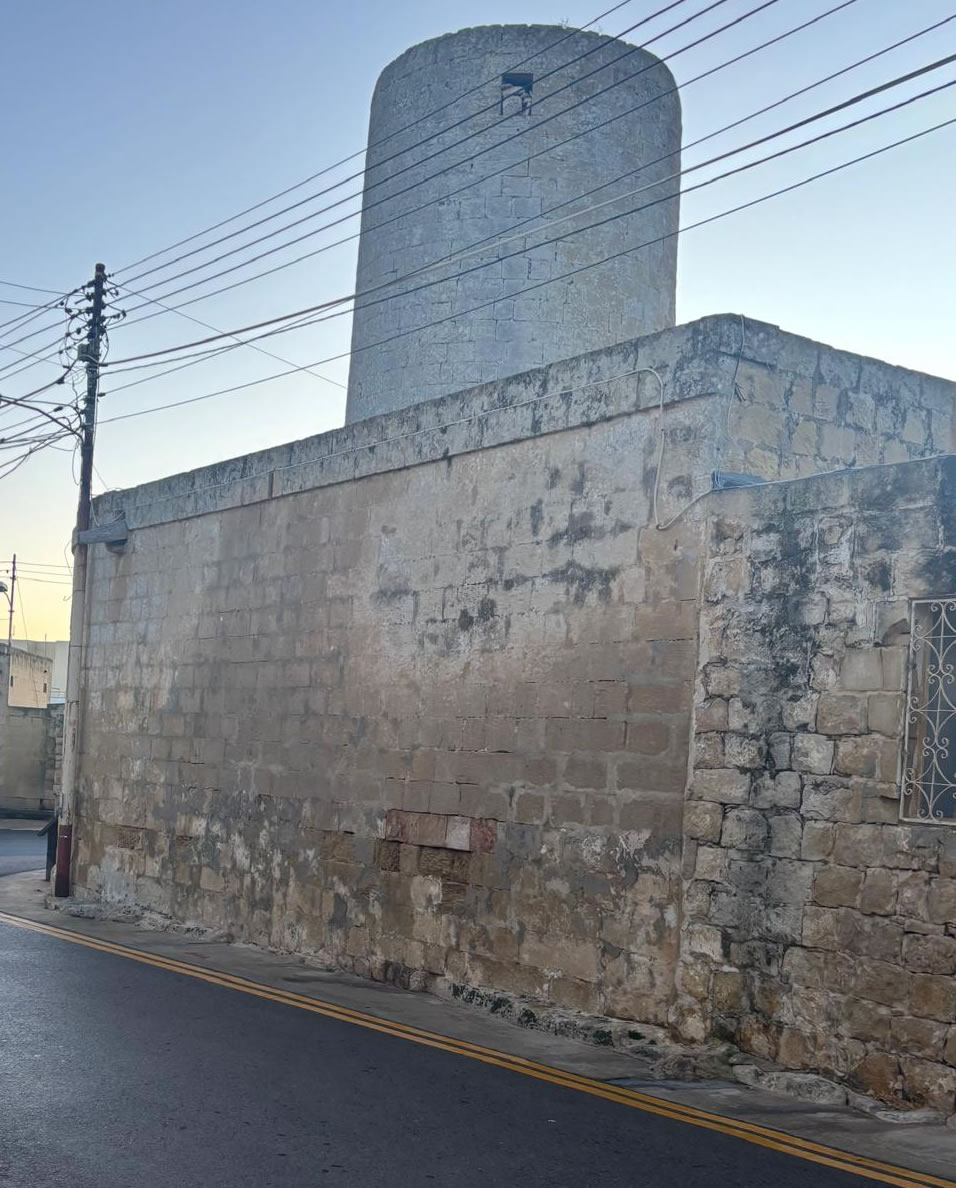
Later history, conversion & conservation
Modern condition: Ta’ Marmara survives as a recognizable tower but with its sails removed. Travel blogs and local guides report it has been converted to domestic use / private property (internal conversions and modern services fitted).
Heritage interest: the mill is included in Żurrieq guides and windmill listings and forms part of the Żurrieq windmills walk. It has also been subject to local conservation interest because the Nigret/Triq il-Mitħna windmills form a coherent historic landscape. Some planning proposals in the area have generated heritage objections stressing protection of the windmill settings.
Significance
Historical: Ta’ Marmara is part of the cluster of post-medieval / early-modern village windmills that illustrate how the Order of St John supported rural milling (Cottoner and Manoel foundations). Its 1724 date links it to an important phase of rural infrastructure investment.
Cultural/landscape: together with Tal-Qaret and Xarolla, Ta’ Marmara helps define Żurrieq’s historic rural skyline and is valuable for interpreting pre-industrial agrarian life in southern Malta.