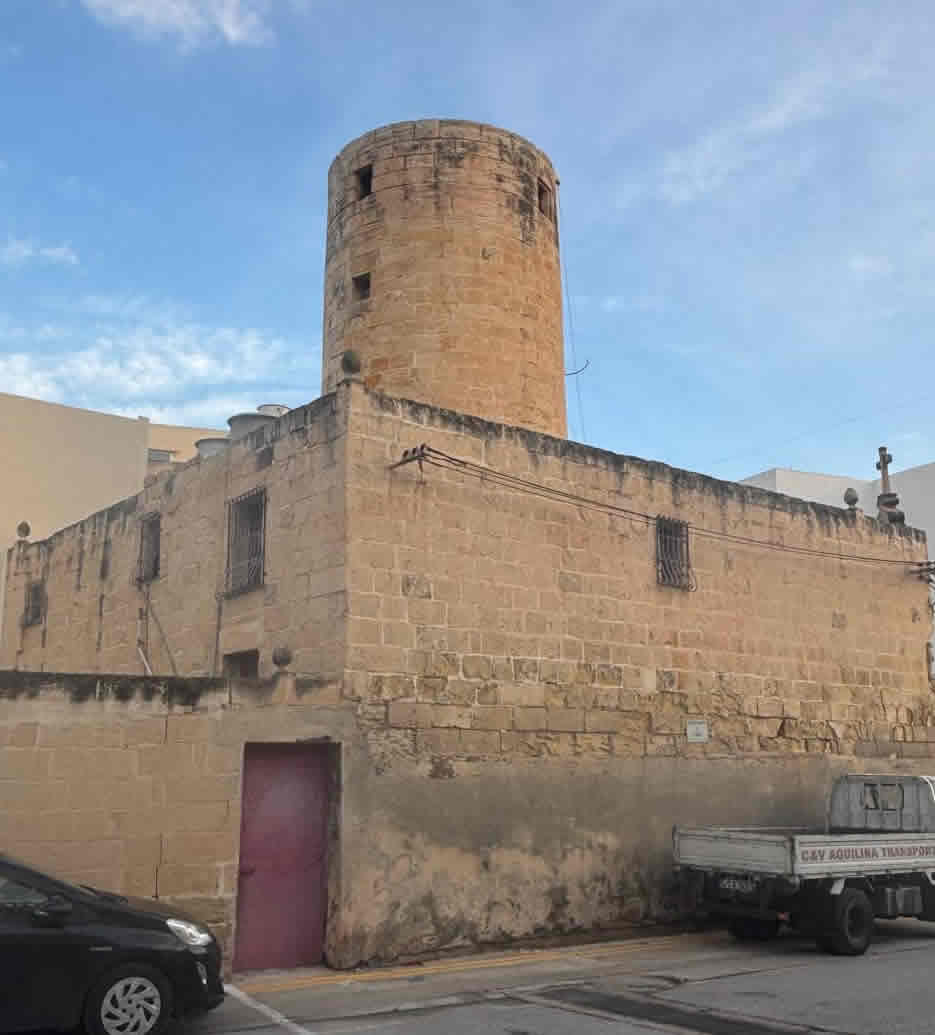
Tal-Ghodor Windmill Zebbug
📍 Location
35.870802, 14.434547Below is a consolidated, sourced account of Tal-Għodor (Tal-Ghodor) Windmill, Żebbuġ (Malta) — its history, construction/technical details, and current condition.
Short summary
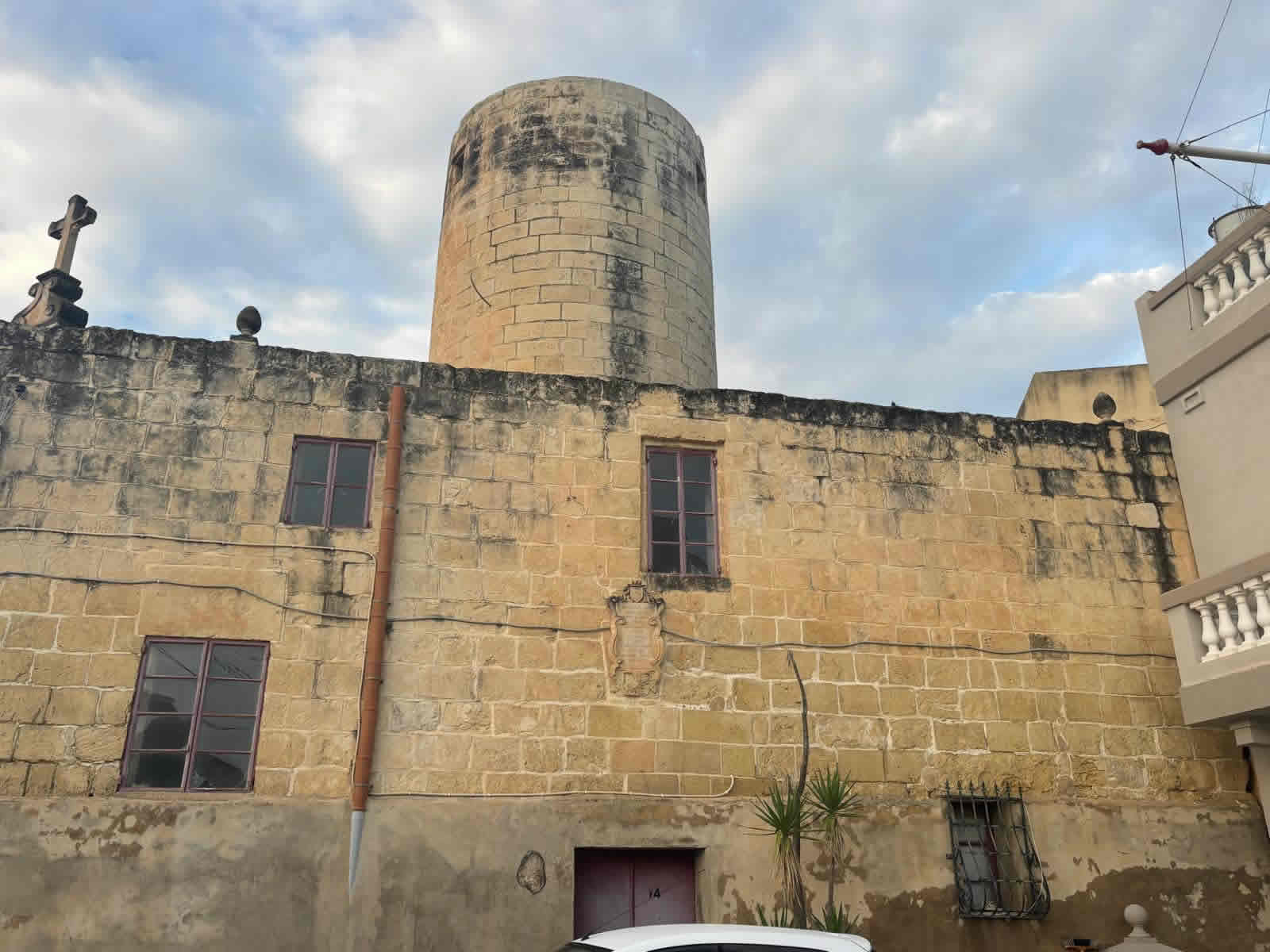
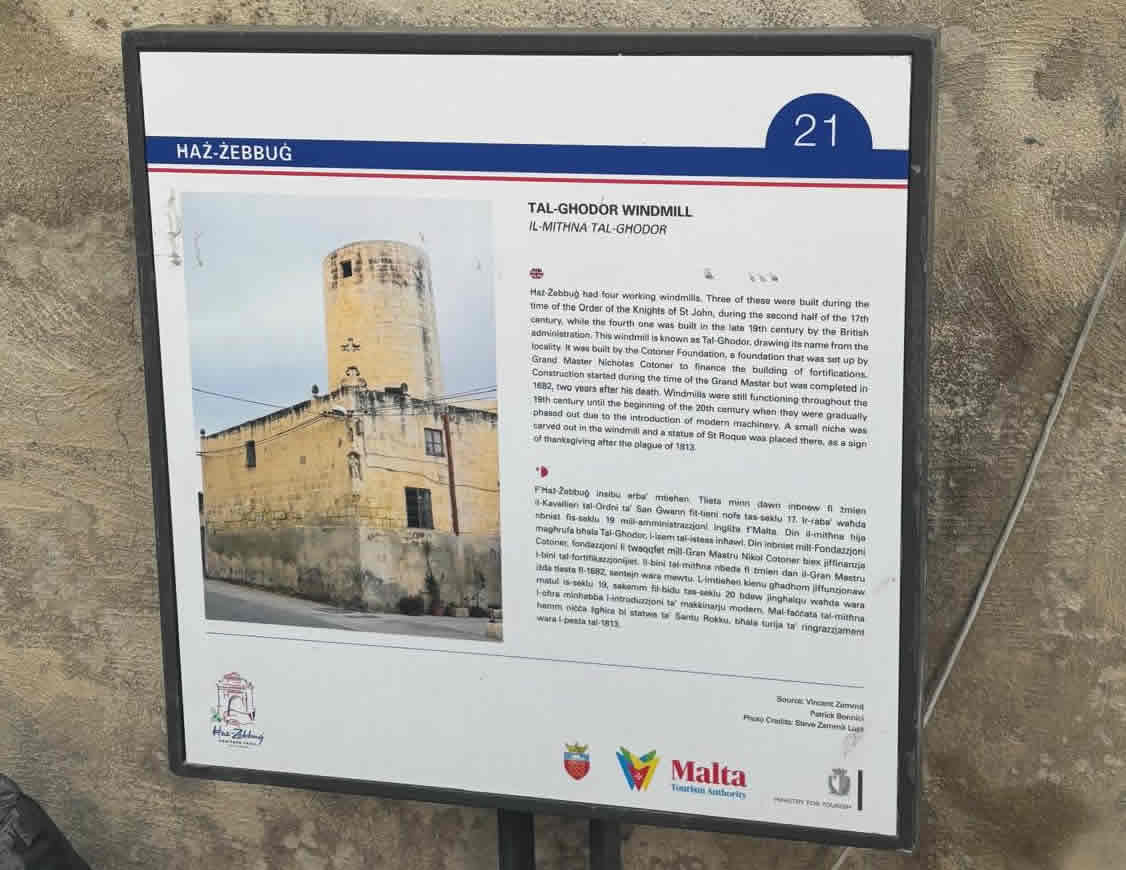
Tal-Għodor is a traditional Maltese tower windmill in the Żebbuġ area. Sources place its construction in the late 17th century (dates given as c.1674 – 1682, with some local sources saying building started under Grandmaster Nicolás Cotoner and finished about eight years later). It remained in use into the 19th century (commonly recorded as in use until c.1900), after which the sails were removed and the tower was adapted for other uses (now shown in photos as an altered/quasi-residential building).
Full history & timeline
Origins / date: The windmill is listed in specialised Maltese windmill databases as dating from the late 17th century (entries record construction dates around 1674 / 1682). Local municipal posts for Żebbuġ also state the windmill’s works began under Grandmaster Nicolás Cotoner (late 17th century) and were completed about eight years later — this explains the slight variation in exact years across sources.
Purpose / operational life: Like the majority of rural Maltese mills, Tal-Għodor was a grain (cereal) mill serving local agricultural needs (wheat, barley, etc.). It is recorded as remaining operational into the late 19th century / around 1900, when many traditional mills in Malta ceased commercial operation because of industrial milling and economic change.
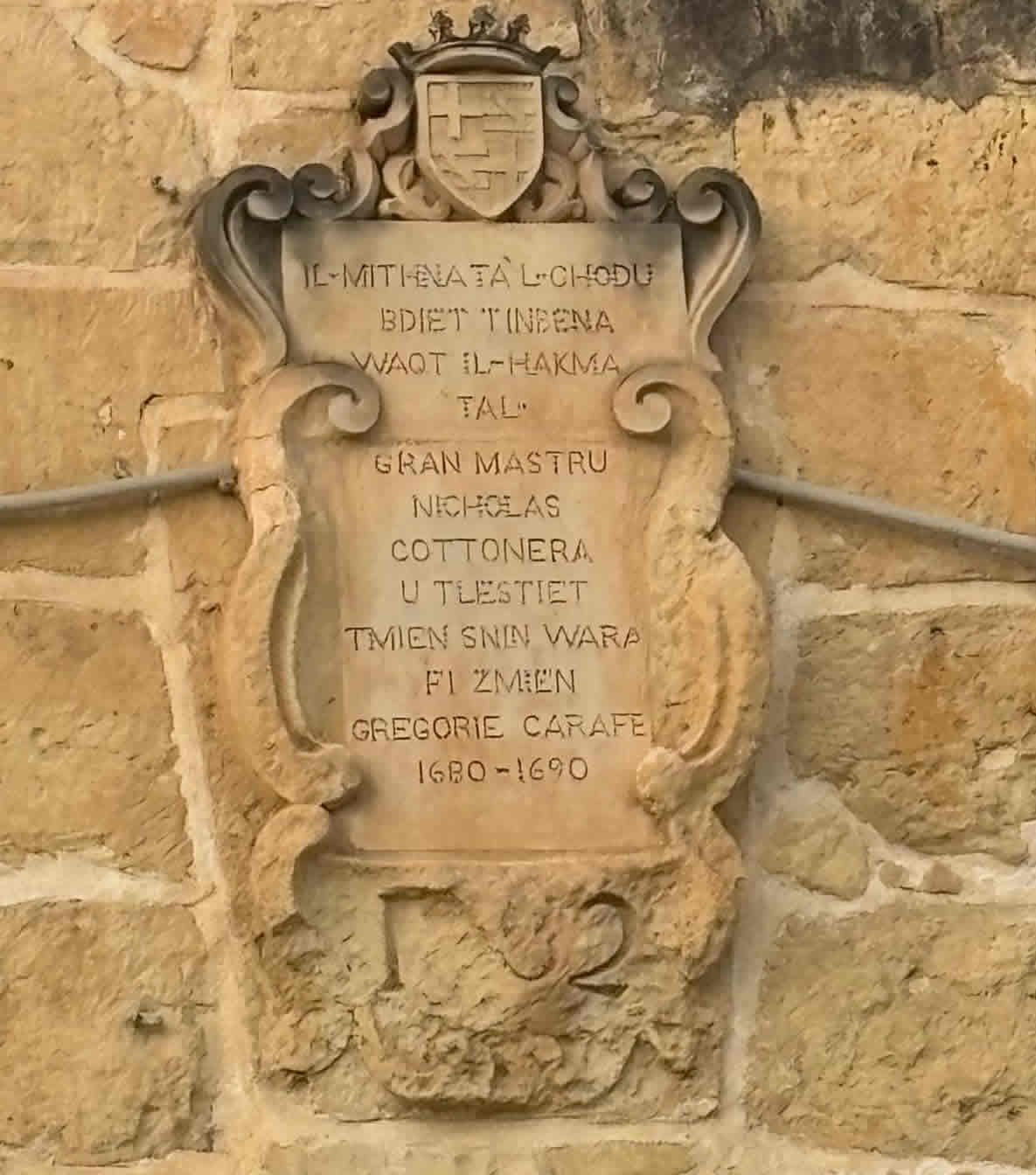
Ownership & foundations: Many Maltese windmills of this era were financed or endowed by the Cottoner and Manoel Foundations or built under Orders’ initiatives; local accounts attribute Tal-Għodor’s construction to the period of Grandmaster Cotoner, consistent with other Cottoner-era mills.
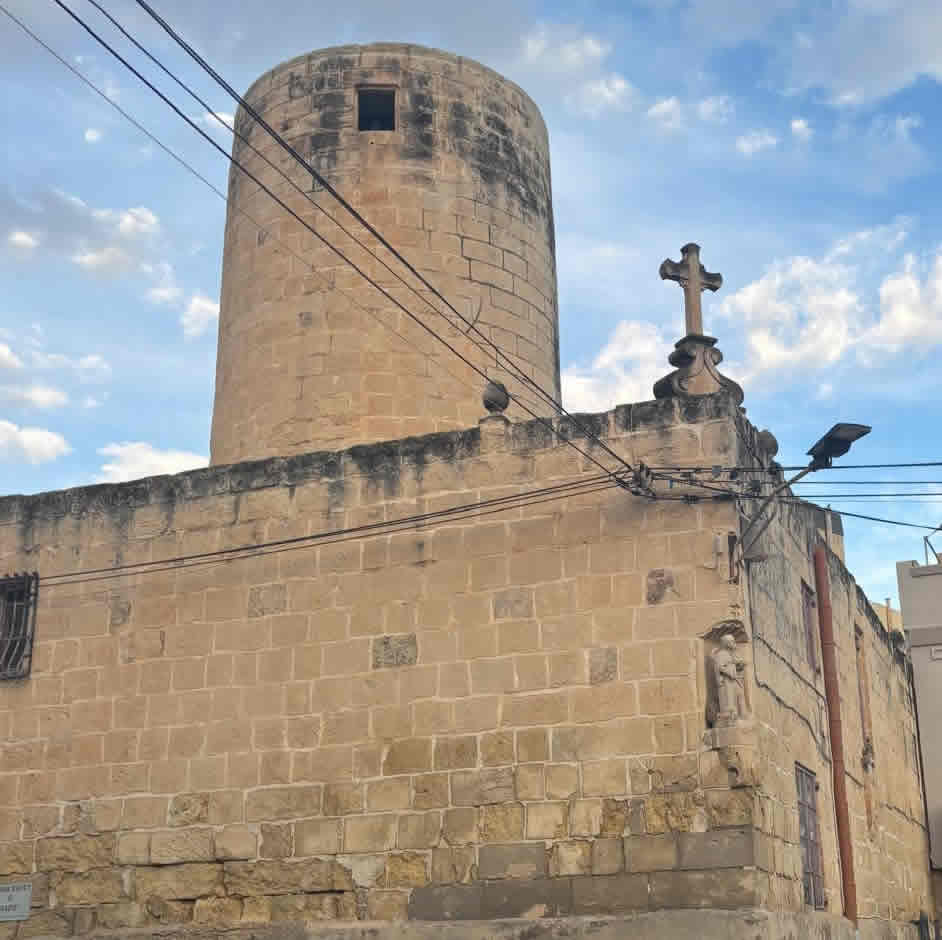
Decline & later uses: After commercial use declined, the mill’s sails and cap were removed in common with many other Maltese mills; later it was adapted/converted for non-industrial use (residence/ancillary buildings). Photographs and local records show the mill structure still standing but without working sails.
Construction & technical details (what Tal-Għodor would have been like)
Tal-Għodor is (and was) a tower windmill — a typology common in Malta. The following summarizes the typical construction and the features documented for Maltese tower mills (and which apply to Tal-Ghodor in descriptions/images):
Plan & materials
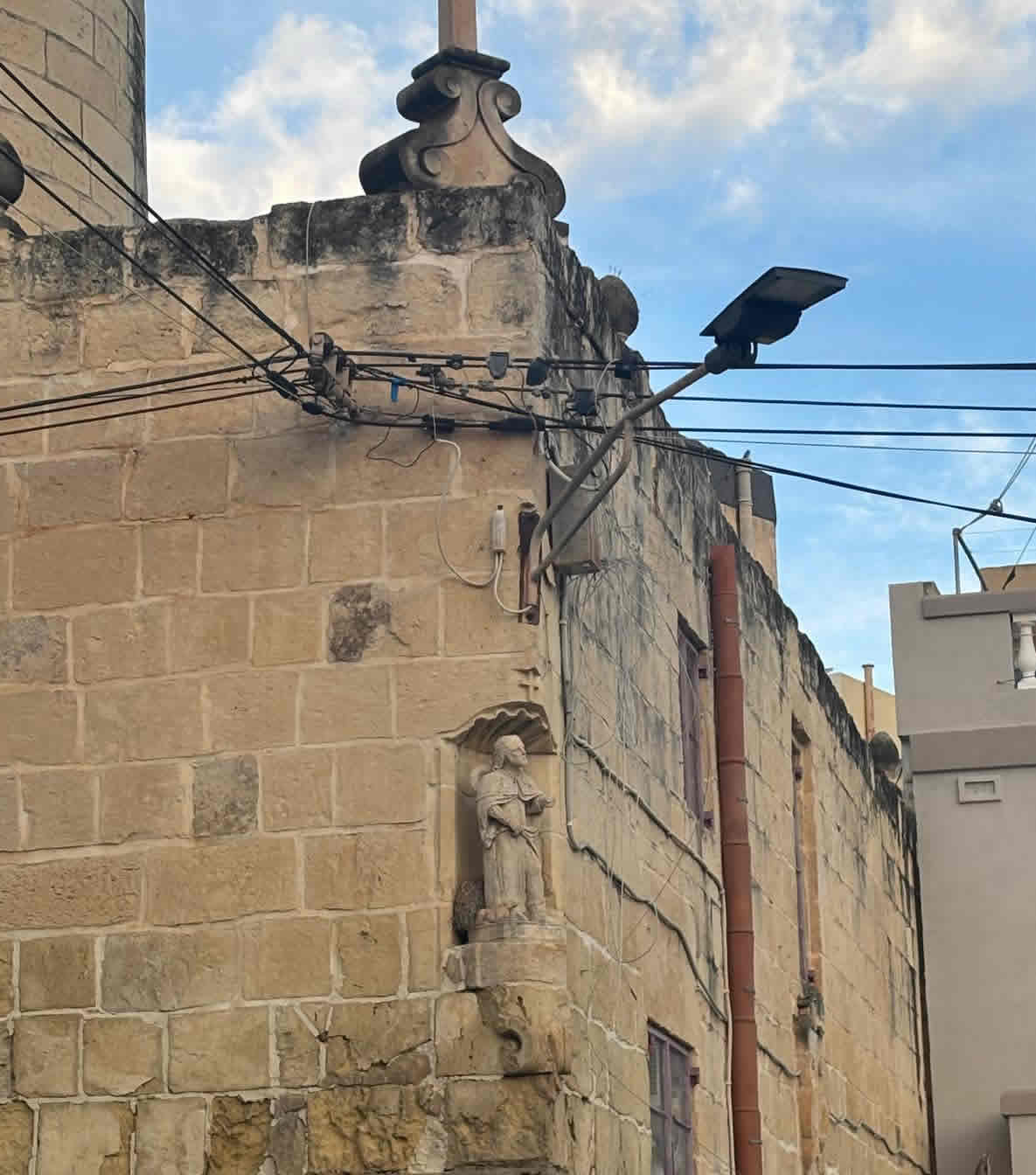
Cylindrical limestone tower set on a low rectangular base (the base often used as storage, stables or ancillary rooms). Local globigerina limestone was the standard masonry material. Walls are very thick to take the loads from the rotating cap and the internal machinery.
Cap & sails
Original mills had a wooden rotating cap (sometimes a box or cone) carrying a horizontal windshaft. Attached to that were 4–8 timber-framed vanes/sails, usually covered with canvas or slats to catch the wind; the cap could be turned to face prevailing winds. Photographs of Maltese tower mills (and typical repair/restoration projects) show these elements.
Machinery
Inside: at least one pair of millstones (runner & bedstone), wooden gearing (cogs, stone spindle), hoppers and sack chutes, timber floors and stone supports. Gearing converts the horizontal windshaft rotation to the vertical spindle that drives the stones. These mechanisms are described in technical surveys of Maltese mills.
Siting
Towers were sited on exposed, elevated ground or field edges to capture prevailing winds. In rural Malta mills were also located so millers could see neighbouring mills to judge wind conditions — a traditional practical network visible across the island.
Current condition & visual evidence
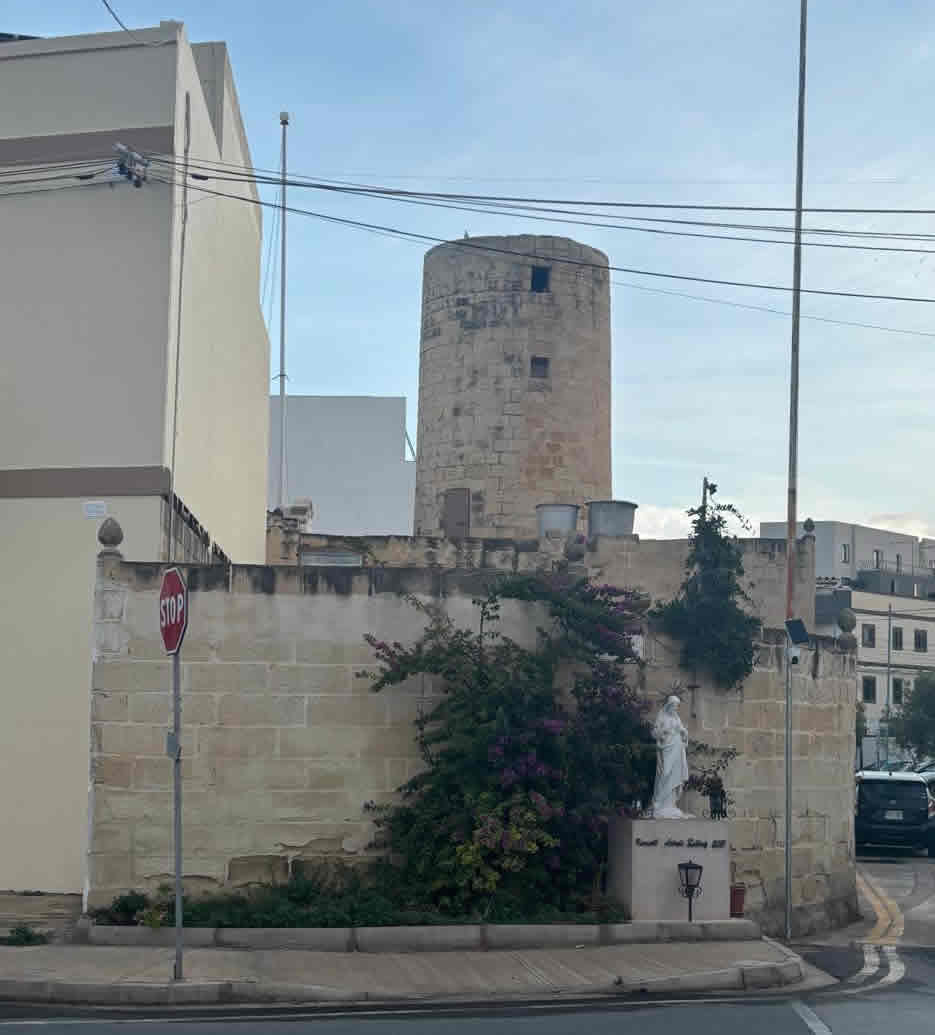
Photographs available in public collections (Wikimedia Commons and local image sets) show Tal-Għodor’s tower extant but without working sails, and the base/adjacent rooms adapted — consistent with the common fate of many Maltese mills (conversion to residential or storage use). The listed windmill databases and site lists mark it as surviving but not operational.
Notes on conflicting or uncertain details
Exact build year varies between sources (some list 1674, others 1682 or a construction period spanning those years). This is common for buildings of this age when different records (foundation entries, later surveys, municipal recollections) give slightly different dates — the database and local sources both point to a late-17th century origin.