Tarxien Windmill — Tarxien
📍 Location
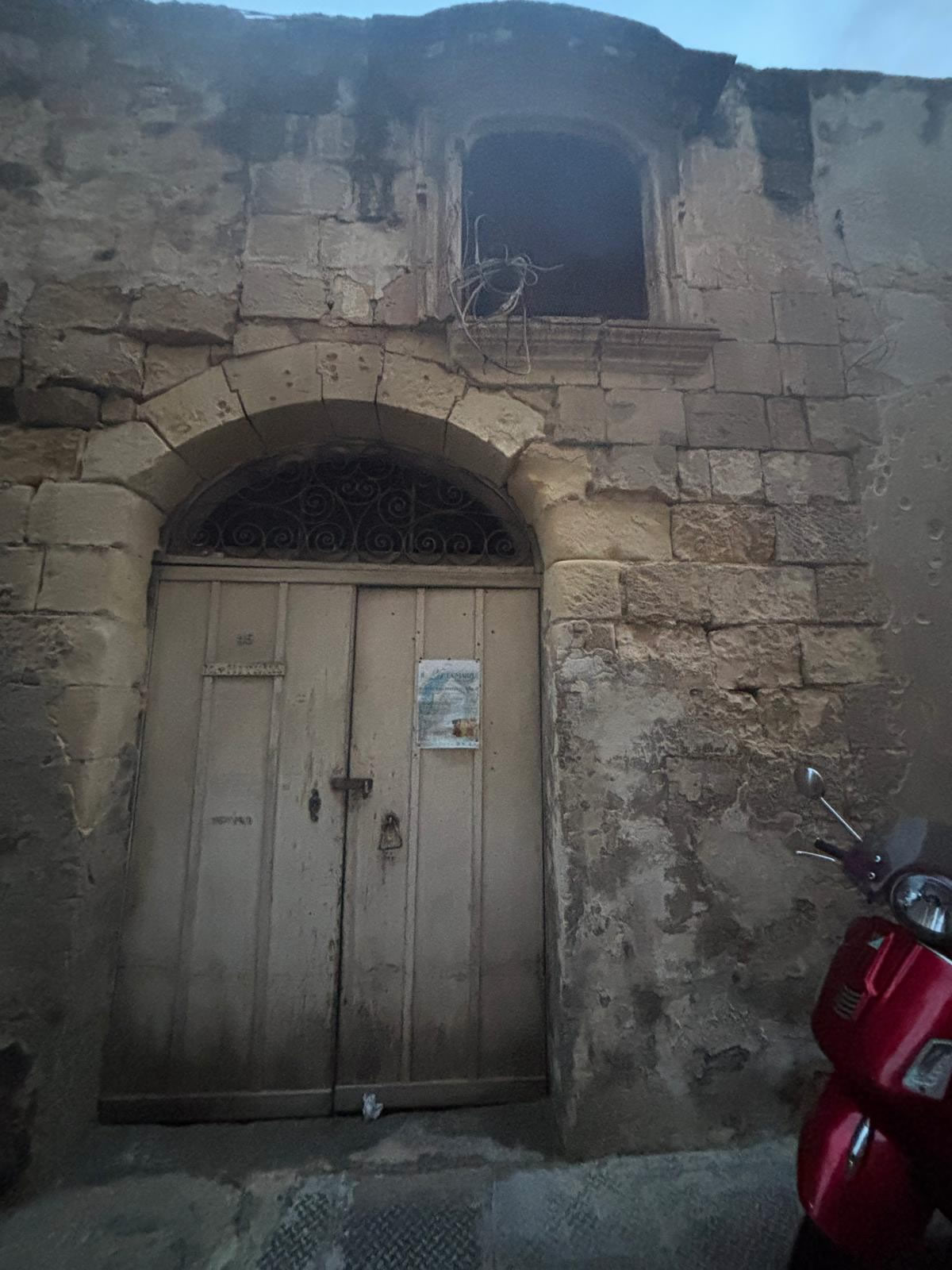
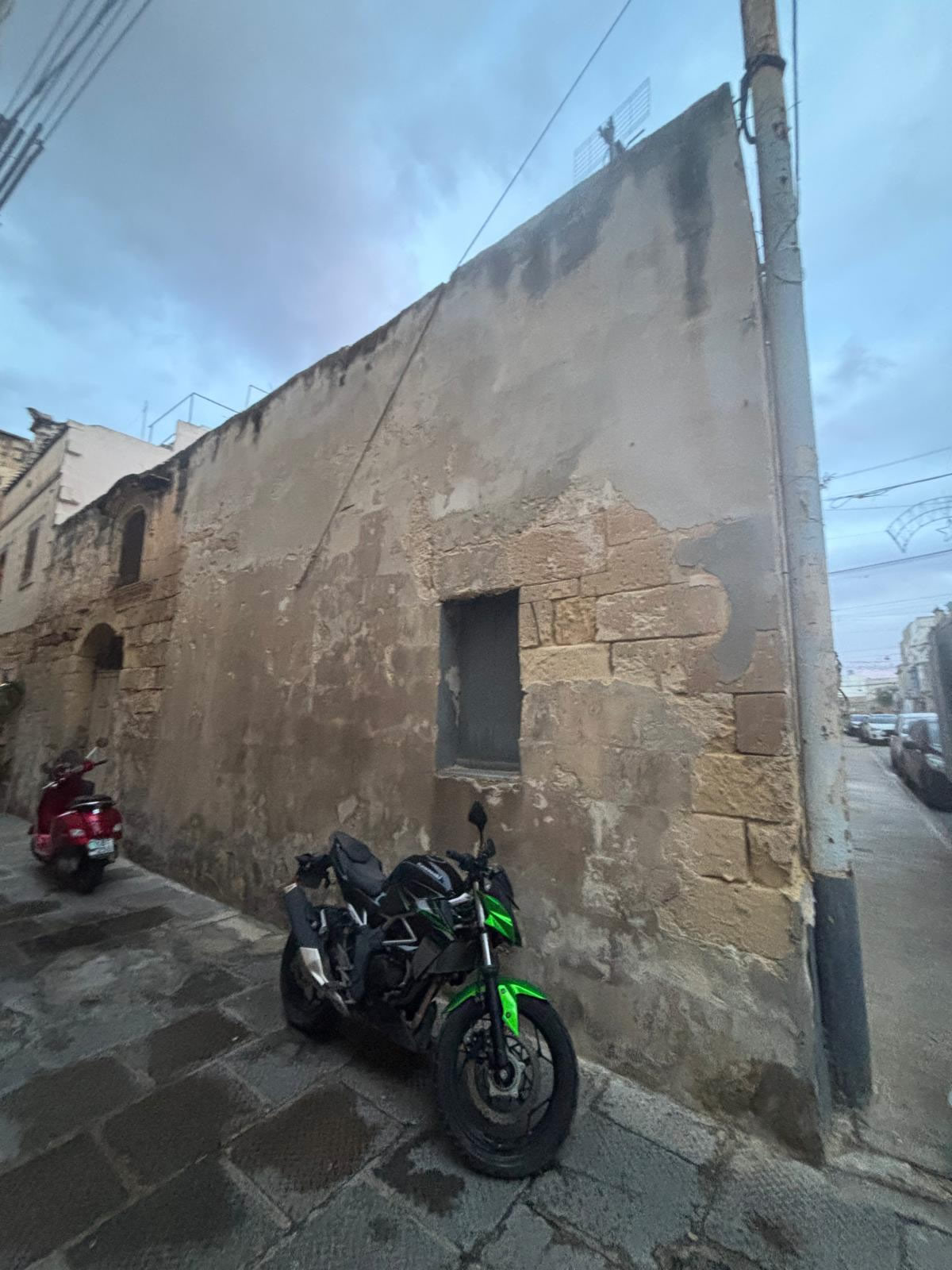
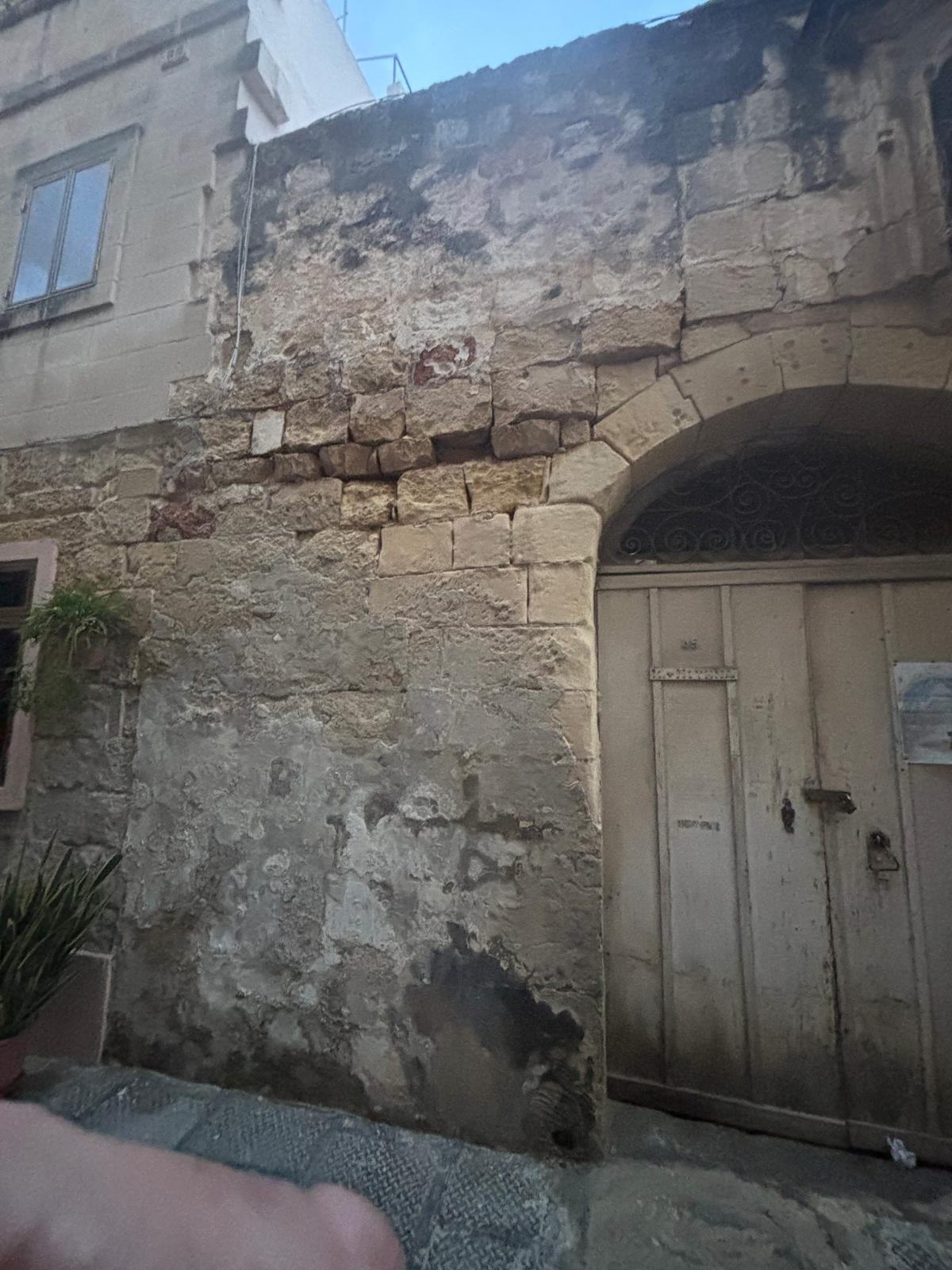
35.865854, 14.512442The windmill listed at Triq Betta, Tarxien in Tarxien — unfortunately the information is quite limited. This windmill seems to be mostly lost to history but the base is still standing and used as a store.
✅ What is known: existence & basic classification
The windmill at Triq Betta, Tarxien appears in the specialised database Windmills of Malta. Its entry lists:
Village: Tarxien
Address: Triq Betta
Mill type: “Round” (i.e. a typical Maltese tower-mill).
Base type: “square base” (i.e. the tower rises from a square base structure).
Function: Grain mill (i.e. used for grinding cereal / flour).
On the general list of Maltese windmills, under Tarxien the windmill is marked as “Tower; Tower demolished and base used as a store room.”
Thus it seems the windmill no longer stands with full tower intact — only a base (or some remnants) may have survived, probably repurposed.
⚠️ Limitations: lack of records and uncertainty
I found no published historical date for its construction (no “built in 17xx” or 18xx) in the publicly available sources.
There appear to be no accessible photographs, drawings or archival documentation online referring explicitly to the Tarxien/Triq Betta windmill — at least not in major windmill surveys or heritage-site lists.
Because the tower is marked as “demolished,” it is very likely that no visible tower remains. Without tower walls or sails, any surviving structure may have been heavily modified.
The exact footprint, orientation, layout, or internal structure (millstones, cap, sails) are unknown to me — nowhere in public domain sources is a plan, photograph or detailed description preserved.
📉 What this tells us / What likely happened
From the pattern of other Maltese windmills and the limited data:
The windmill was almost certainly a traditional Maltese tower-mill: round stone tower standing on a square base, using wind power to grind cereal (wheat/barley). This was the standard typology for rural mills in Malta.
Over time — likely by the early-mid 20th century — the mill became obsolete (like many Maltese windmills), and the tower was demolished. This happened often when mills ceased operation and owners re-used the stone or the land.
The “base” survived, repurposed as a “store room” (or some sort of agricultural/storage building), a common fate for decommissioned mills, especially when only the functional storage part remained useful.
Given the lack of surviving historic documentation, the windmill is now effectively part of lost heritage. Its existence is attested by specialised surveys, but tangible remains appear minimal or lost.
📝 Conclusion: a “lost” mill with limited documentation
The windmill on Triq Betta in Tarxien is a confirmed but largely lost part of Malta’s once-rich network of windmills. What remains is a database record and the note that the tower was demolished and only the base was reused.