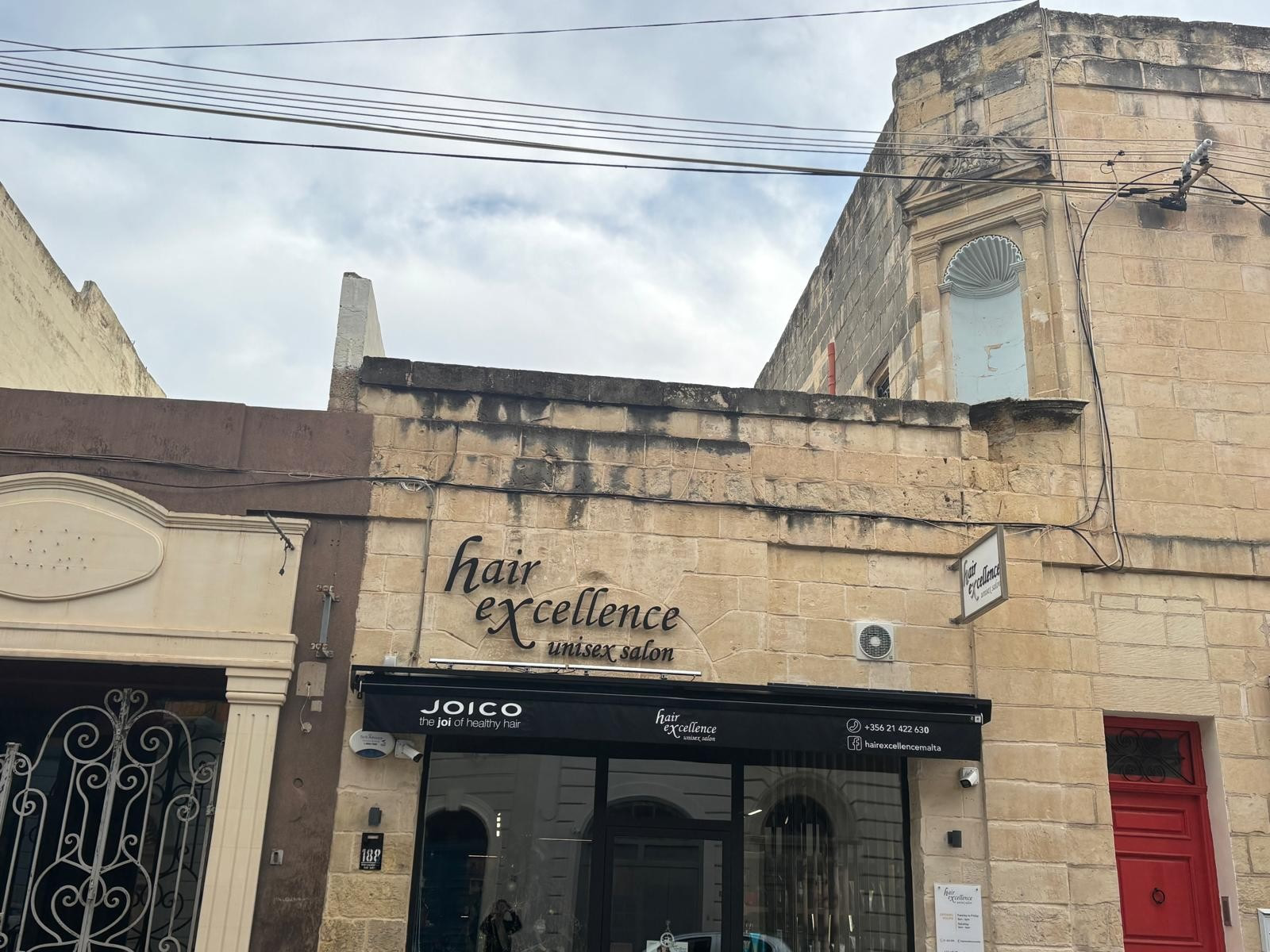
It is one of several historic windmills in Mosta, Malta:
📍 Location
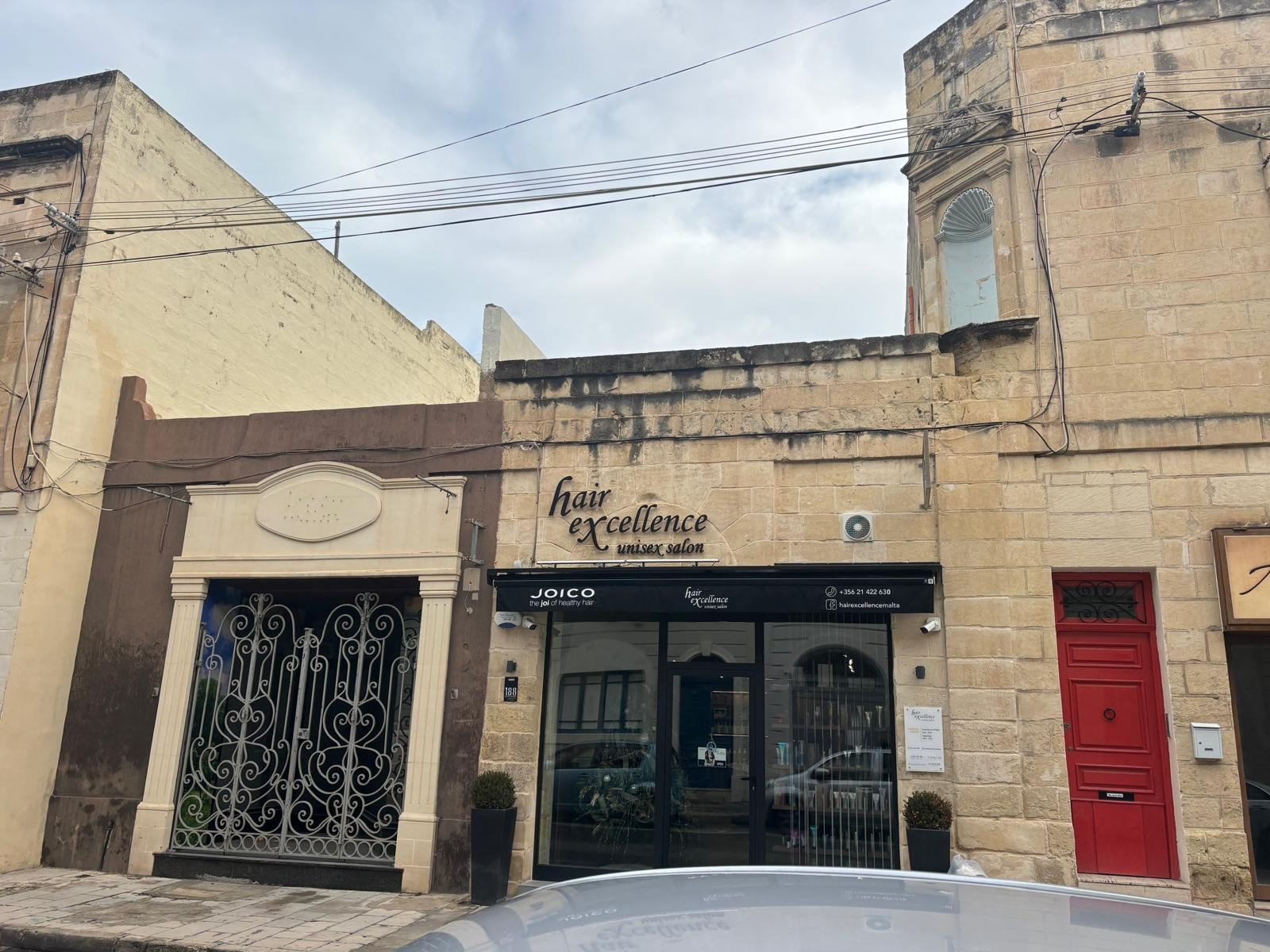
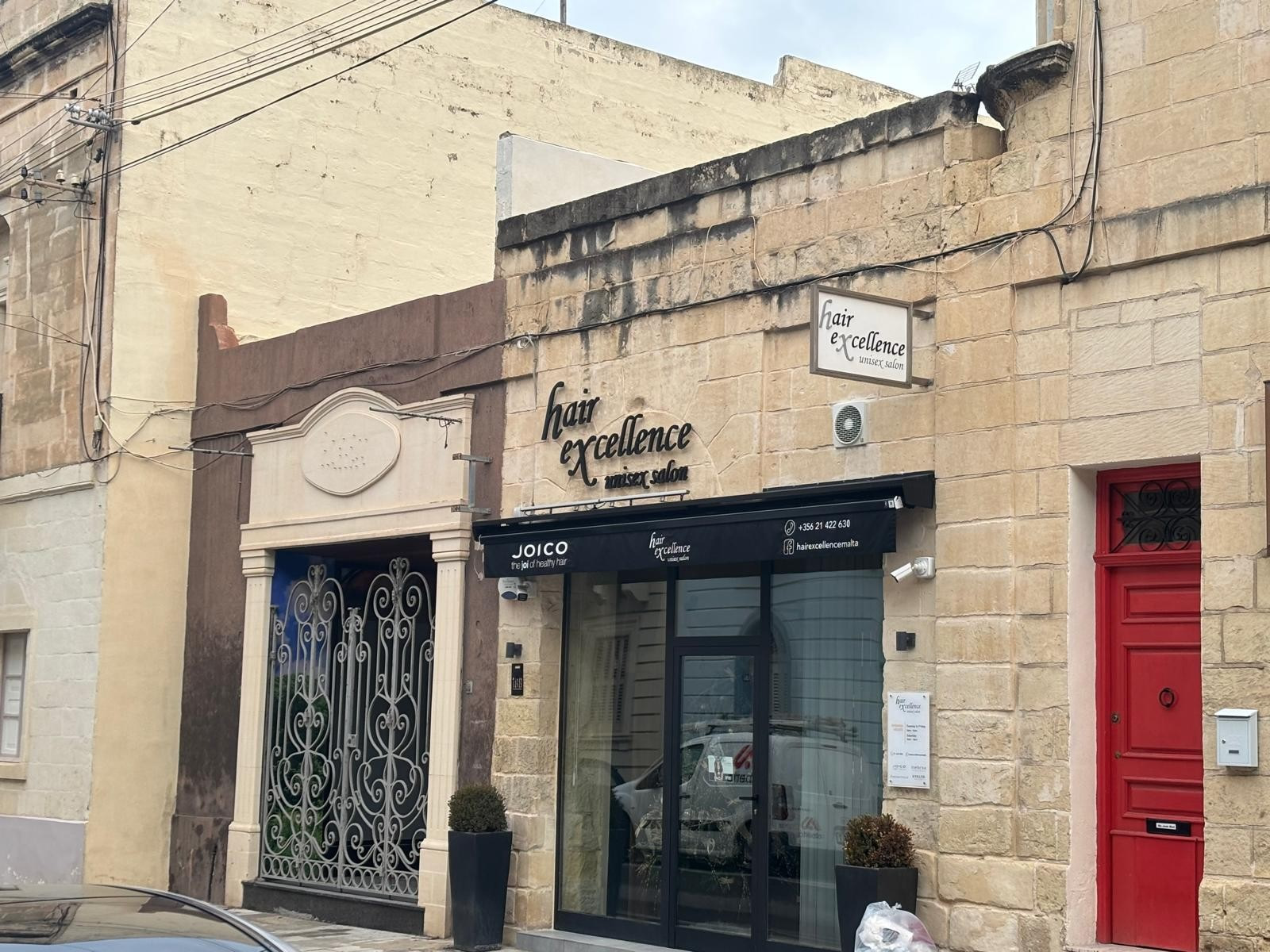
Coordinates 35.907060, 14.429618 Google Map LinkProfile of the Windmill of Our Lady of Mount Carmel, Mosta, built in 1858, later demolished in part, and today surviving as a shop at street level after the loss of its tower.
1. Date & Historical Context of Construction (1858)
This windmill was built in 1858, during British colonial rule in Malta. Its construction belongs to the final phase of Maltese windmill-building, just before:
Wind energy was fully replaced by steam and later diesel power
Roller milling began to dominate
Urban expansion started absorbing rural industry
Unlike 18th-century Knights-period windmills, this one reflects a late-industrial adaptation of traditional wind technology, constructed when windmills were already becoming technologically outdated.
2. Dedication & Name
The windmill was dedicated to Our Lady of Mount Carmel (Il-Madonna tal-Karmnu), one of Malta’s most popular Marian devotions.
The dedication likely reflects:
A nearby Carmelite devotion
A vow by the owner or miller
Community spiritual protection over food production
Religious naming of windmills remained common even as late as the mid-19th century.
3. Original Architectural Design
External Structure (Original)
The windmill followed the late Maltese tower-mill design:
A tall cylindrical stone tower
Built from globigerina limestone
Walls approx. 1.2 m thick
Originally crowned by a:
Timber rotating cap
With four wooden sails
Unlike older rural windmills, this mill was already positioned in a semi-urban zone of Mosta, reflecting the town’s growth during the British period.
Internal Milling Mechanism
The mechanism was a traditional vertical windmill drive system:
Vertically mounted main power shaft
Large brake wheel
Iron-toothed gear transmission
Two heavy circular millstones
Wooden hopper and grain feed chute
Flour collection on the lower level
Everything was still entirely wind-powered, despite steam mills already existing elsewhere.
4. Function & Use
What It Milled
Wheat (for bread)
Barley (for food and feed)
Minor processing of mixed cereals
Who Used It
It served:
Mosta farmers
Surrounding areas including Naxxar and rural St Paul’s Bay hinterland
Grain was delivered by:
Cart
Mule and donkey transport
Payment remained traditional:
A percentage of the milled flour
Or grain share
5. Why It Had a Short Working Life
Because it was built in 1858, this windmill entered service just as wind power was becoming obsolete:
Steam-powered mills were faster
Roller mills gave finer flour
Imported flour became cheaper
Roads allowed long-distance processing
As a result:
➡️ The mill’s working life was likely only a few decades
By the early 20th century, wind-powered milling had effectively ended in central Malta.
6. Demolition of the Tower & Loss of the Windmill
At some point during the 20th century:
The tower was completely demolished
The sails, cap and machinery disappeared
Only the lower ground-level structure survived
Reasons for demolition were likely:
Structural instability
Road widening / urban development
Conversion to a commercial unit
Unlike many other windmills that retained at least their towers, this one suffered complete vertical loss.
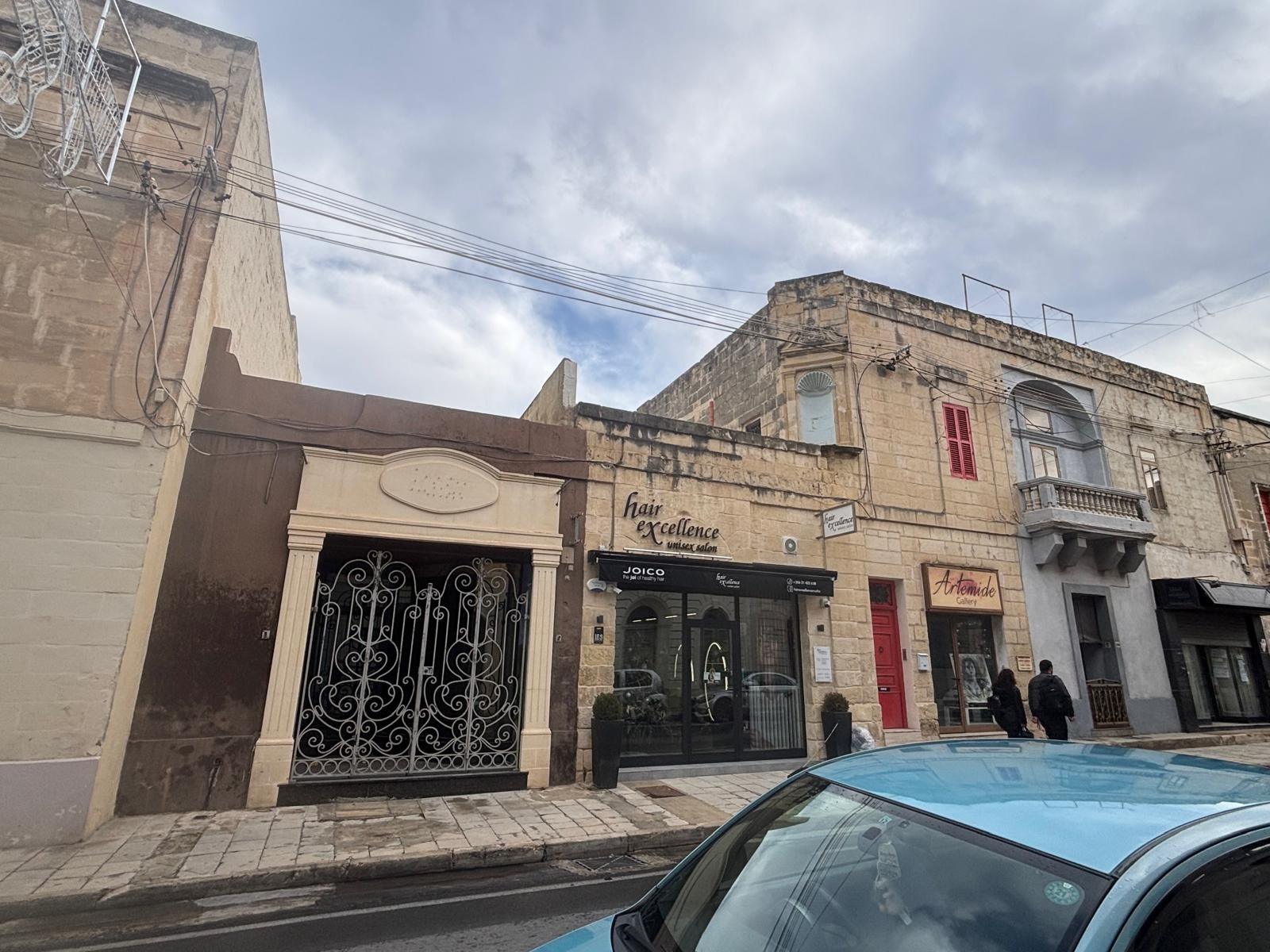
7. Conversion into a Shop
The building was later:
Converted into a commercial shop
Rebuilt with:
Modern façade
Concrete roofing
Enlarged openings
Entirely stripped of milling function
Today:
✅ No sails
✅ No tower
✅ No machinery
✅ Only the site footprint and memory remain
8. Present-Day Status
Today, the Windmill of Our Lady of Mount Carmel:
Exists only as a former windmill site
Is fully absorbed into urban Mosta
Functions entirely as a shop
Has no visible windmill form remaining
It survives historically, not physically.
9. Heritage Significance
Despite its physical loss, the windmill is historically important because it:
✅ Represents the last generation of Maltese windmills
✅ Marks the end of wind-powered industry in Mosta
✅ Shows religious dedication in industrial naming
✅ Illustrates the transition from rural food production to urban commerce
✅ Is an example of a completely erased industrial monument