Location Map Coordinates 35.872901, 14.438286
Annunciation Chapel, Żebbuġ (Il-Knisja tal-Lunzjata)
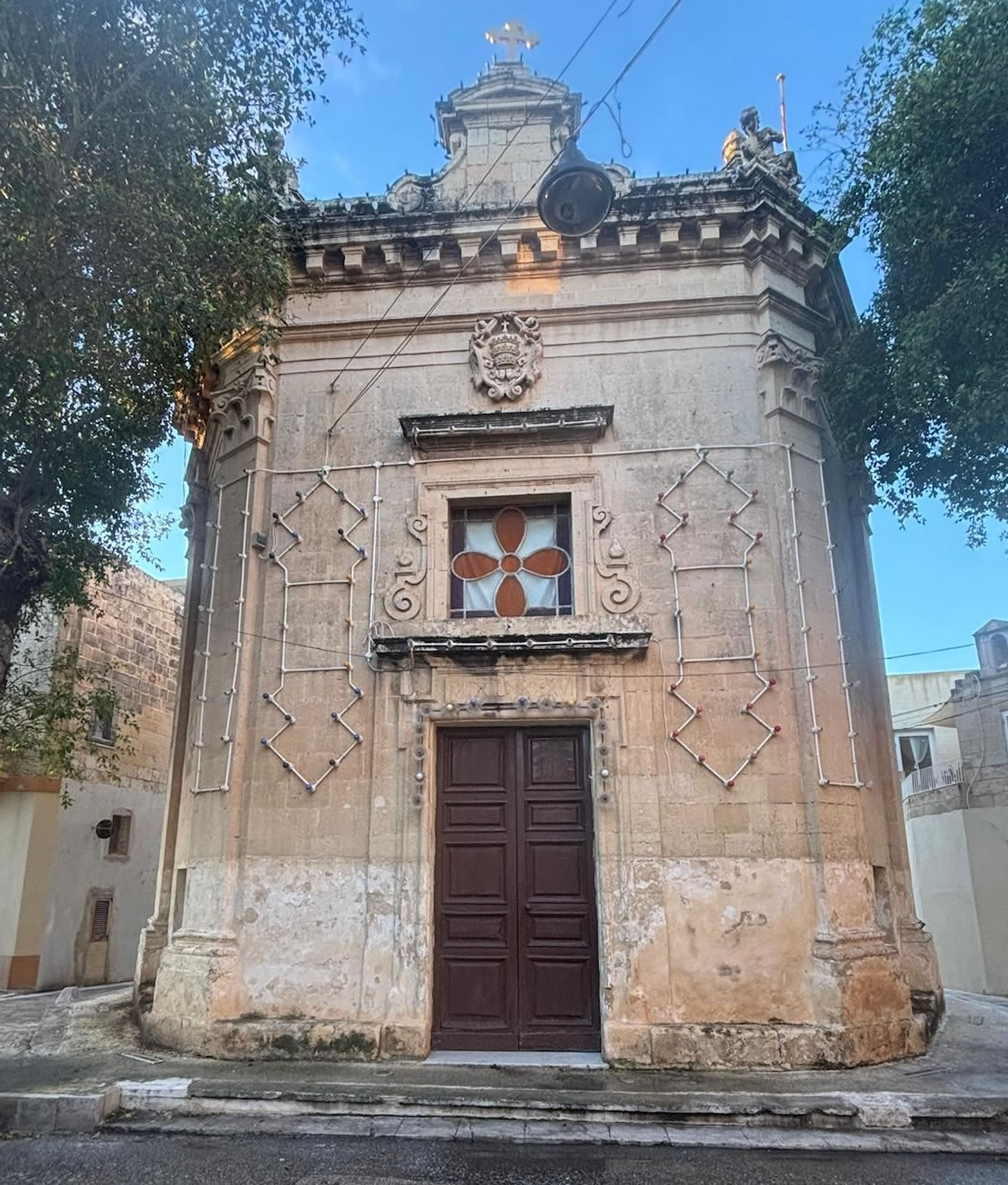
A historic chapel dedicated to the Annunciation of the Blessed Virgin Mary, the Annunciation Chapel in Żebbuġ (Il-Knisja tal-Lunzjata) reflects centuries of devotional life, architectural continuity, and community significance on Malta’s central plateau.
Quick facts
- Name: Annunciation Chapel (Il-Knisja tal-Lunzjata)
- Address: Triq tal-Lunzjata, Żebbuġ, Malta
- Coordinates: 35.872901, 14.438286
- Dedication: Annunciation of the Blessed Virgin Mary
- Earliest recorded mention: 16th/17th century (local devotion)
- Documented rebuild: 18th–19th century phases
- Restorations: 20th century repairs and 21st century conservation work
- Current use: Active devotional chapel and cultural site
History
Origins of devotion and early evidence
The chapel is dedicated to the Annunciation, the moment the Angel Gabriel announced to Mary that she would bear the Son of God. The name “Lunzjata” derives from the Maltese word for the Annunciation (Lunzjata), a key feast in Catholic devotion.
While the exact founding date of the Żebbuġ chapel is not precisely recorded, documentary sources and parish records indicate a long tradition of Marian devotion tied to the broader Żebbuġ community from at least the 16th century. Early references place the chapel as part of the rural network of devotional sites that supported pilgrimages, feast day celebrations, and seasonal worship in Malta’s heartland.
17th–18th century: parish context and rebuilding
During the late 1600s and early 1700s, formal parish structures were being erected across Malta as the island’s ecclesiastical administration matured. The Annunciation Chapel in Żebbuġ was undergoing phases of rebuilding and enlargement to accommodate local population growth and devotional activity. This included work on the altar space, roofing, and internal finishes.
19th century: substantial works and embellishment
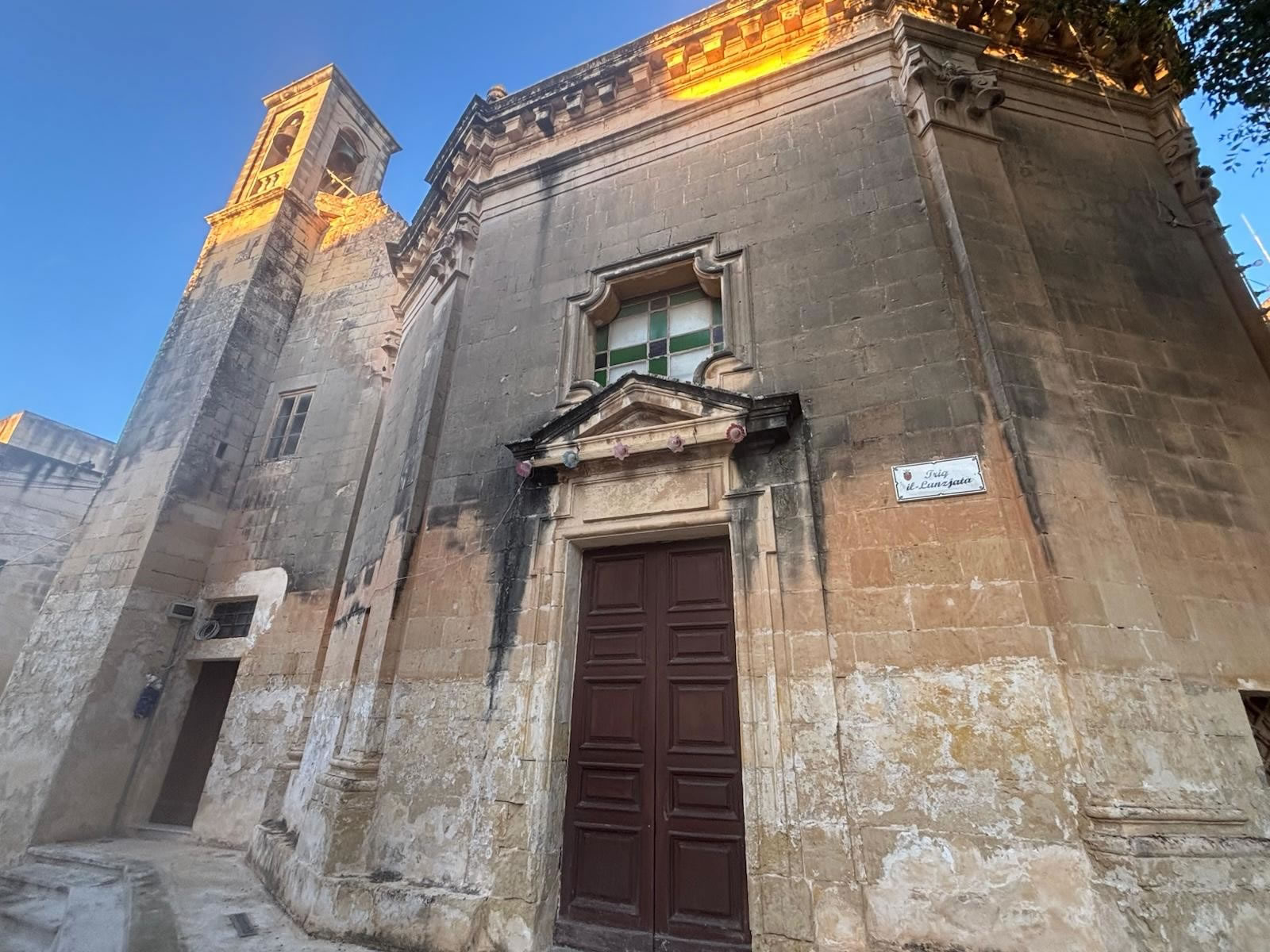
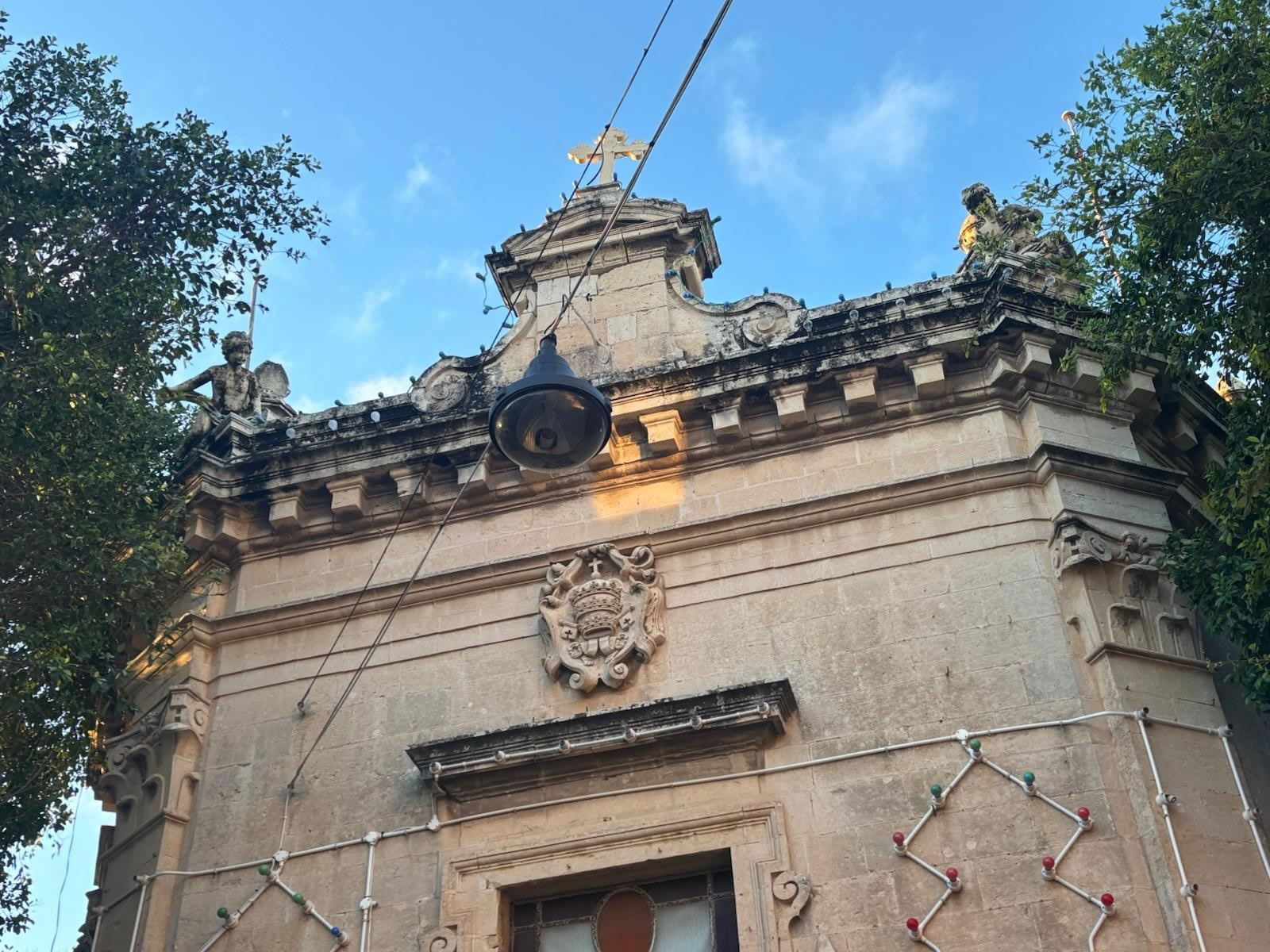
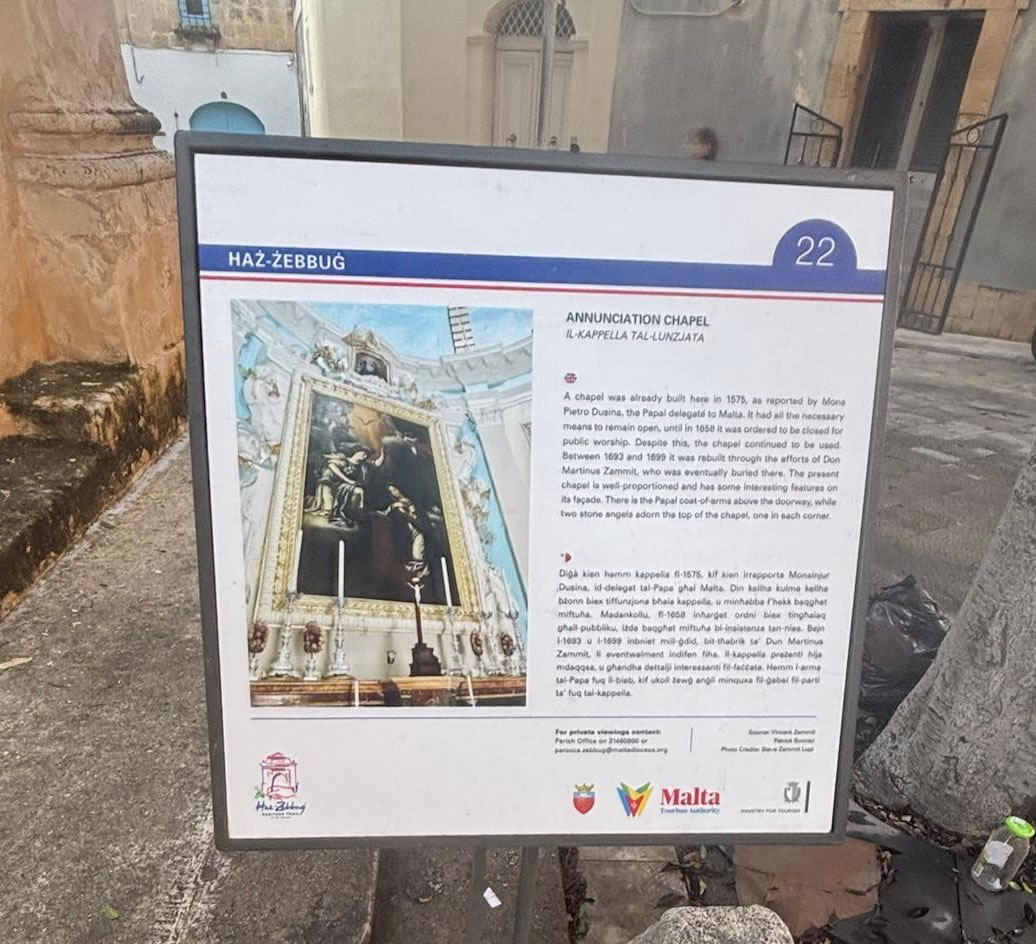
The 19th century saw further consolidation of the chapel’s fabric and artistic embellishment, with documented work on the façade, internal altars, and installation of specific artworks dedicated to the mystery of the Annunciation. Parish records note that external stonework and boundary features were repaired during this period in response to weathering and social use.
20th–21st century restorations
In the 20th century, conservation and maintenance continued as part of broader heritage awareness. Repairs in the mid-1900s addressed cracked masonry and roof settlement, while later interventions improved flooring, lighting, and discreet structural supports. In the early 21st century, the chapel was included in local heritage plans that emphasised sensitive maintenance and protection of historic frescoes and carved elements.
Architecture & Interior
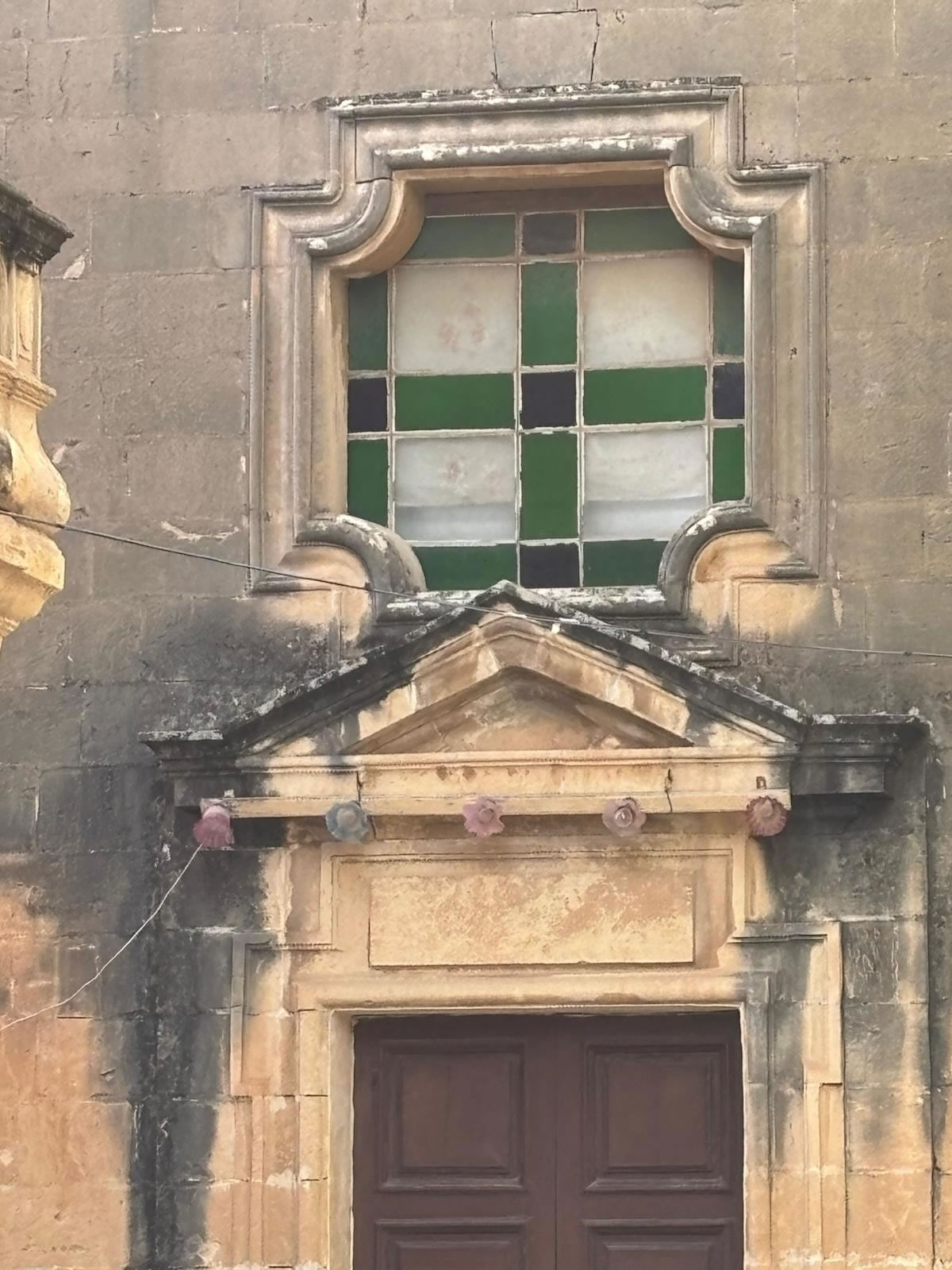
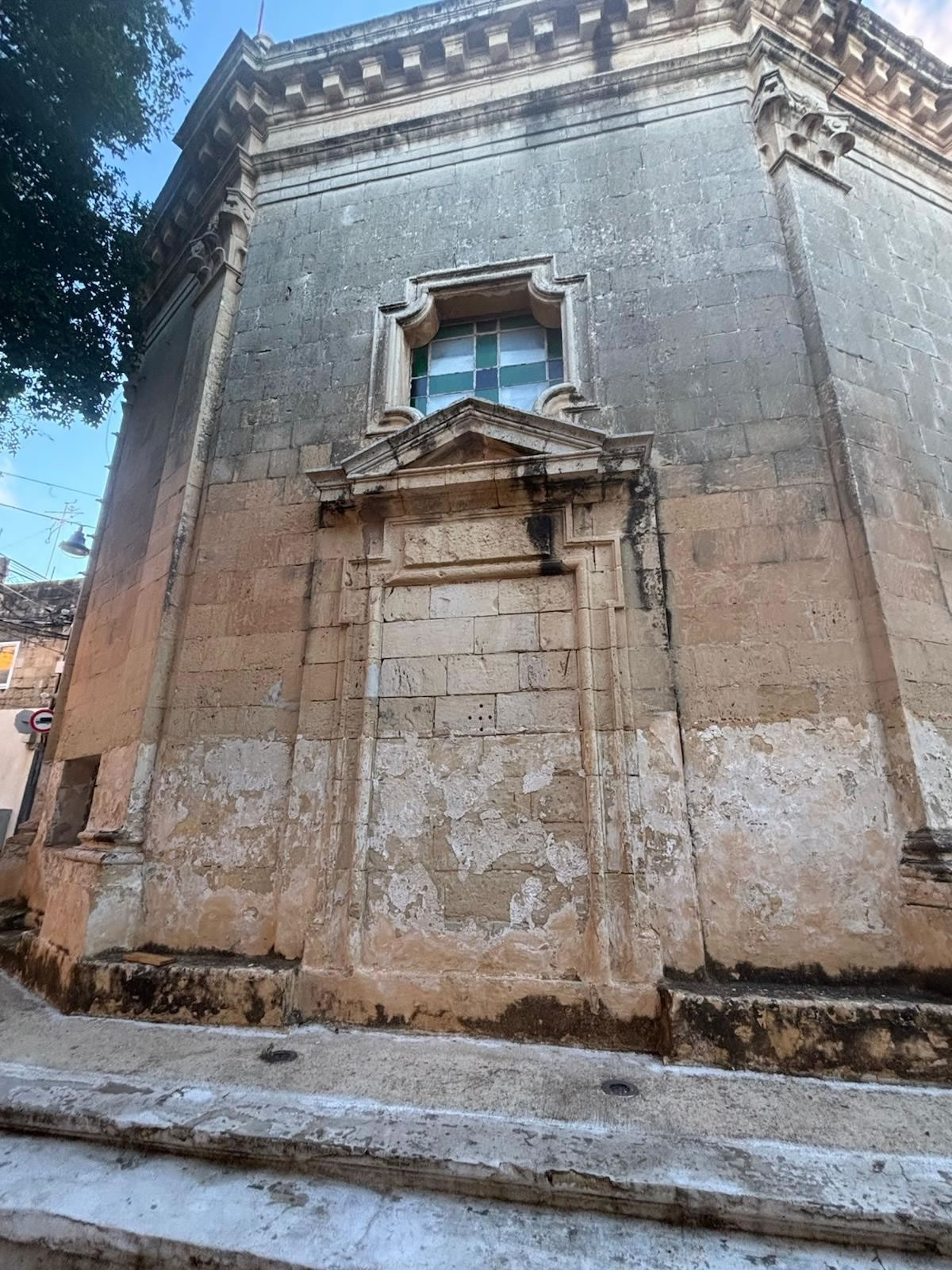
The chapel’s architecture reflects restrained simplicity typical of Maltese village chapels, with a rectangular nave, single sanctuary end, and a modest façade featuring a single entrance door topped by a small window for natural light.
Inside, the focus is on the altar dedicated to the Annunciation, often adorned with a painting or relief depicting the Angel Gabriel and the Virgin Mary. Period stone corbels, simple cornices, and a pitched roof structure are characteristic details of the building, blending late medieval/early modern form with later decorative phases from the post-Reformation era.
Artworks & Decorative Elements
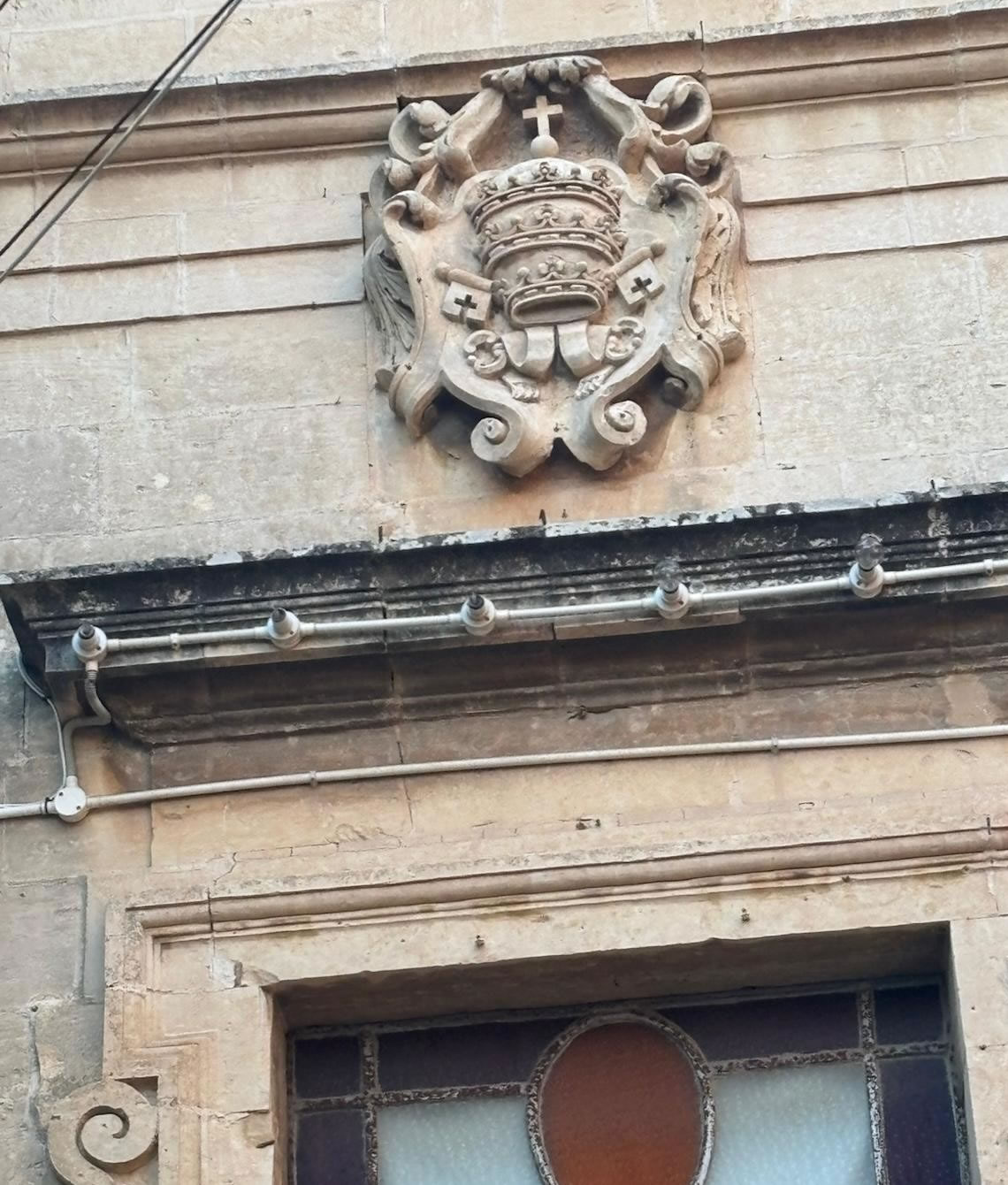
Within the chapel, the principal artwork is a depiction of the Annunciation — often found in framed paintings behind the altar or in a decorative panel above the sanctuary. Liturgical fittings such as candlestands, carved stone corbels, and altar ornamentation bear witness to past donations by parishioners and devotional confraternities.
Restoration & Conservation
Conservation efforts in the late 20th and early 21st centuries have focused on weatherproofing the roof, repointing limestone joints, and preserving any historic painted surfaces or carvings. These works are generally undertaken in consultation with heritage professionals to avoid invasive plastic or cementitious repairs.
Devotional Use & Celebrations
The Annunciation Chapel remains an active devotional site within Żebbuġ. The feast of the Annunciation (celebrated liturgically on 25 March) draws particular attention, with special Masses, Marian prayers, and maypole blessings sometimes associated with the local community.
Visiting Information
- Address: Triq tal-Lunzjata, Żebbuġ, Malta
- Coordinates: 35.872901, 14.438286
- Best for: heritage walks, Marian devotion, local cultural exploration
- Respect: this is an active religious space; maintain modest dress and noise consideration when open.
FAQ
When was the Annunciation Chapel founded?
There is no single foundation inscription, but parish evidence points to an active chapel on this site by the late 16th century, linked to the widespread devotion to the Annunciation in Malta. Over time it was rebuilt and stabilised through the 18th and 19th centuries.
Is the chapel open all year?
Access depends on local liturgical schedules — the chapel is used for selected services and may be closed at other times. It is best seen from the outside if closed.