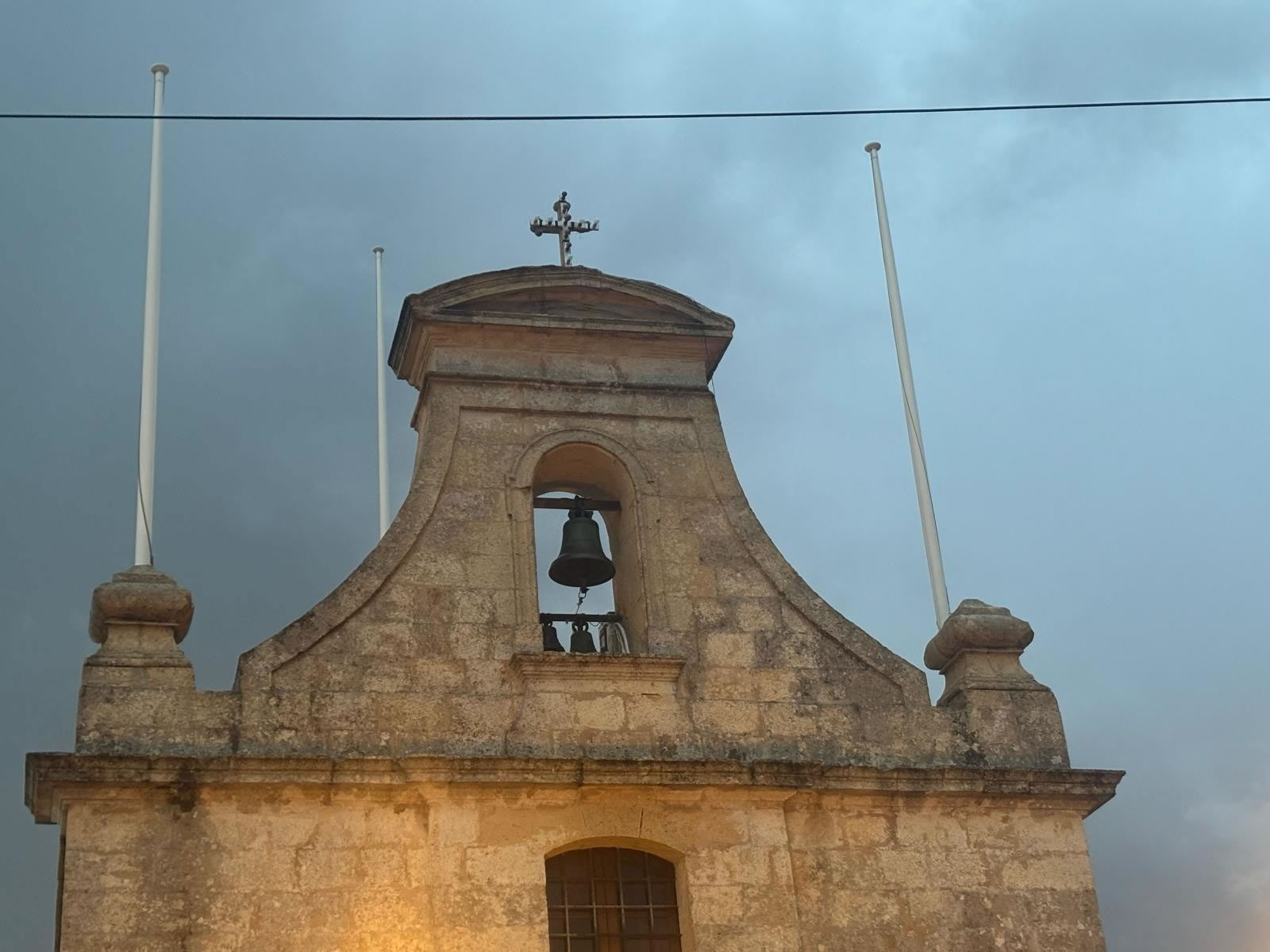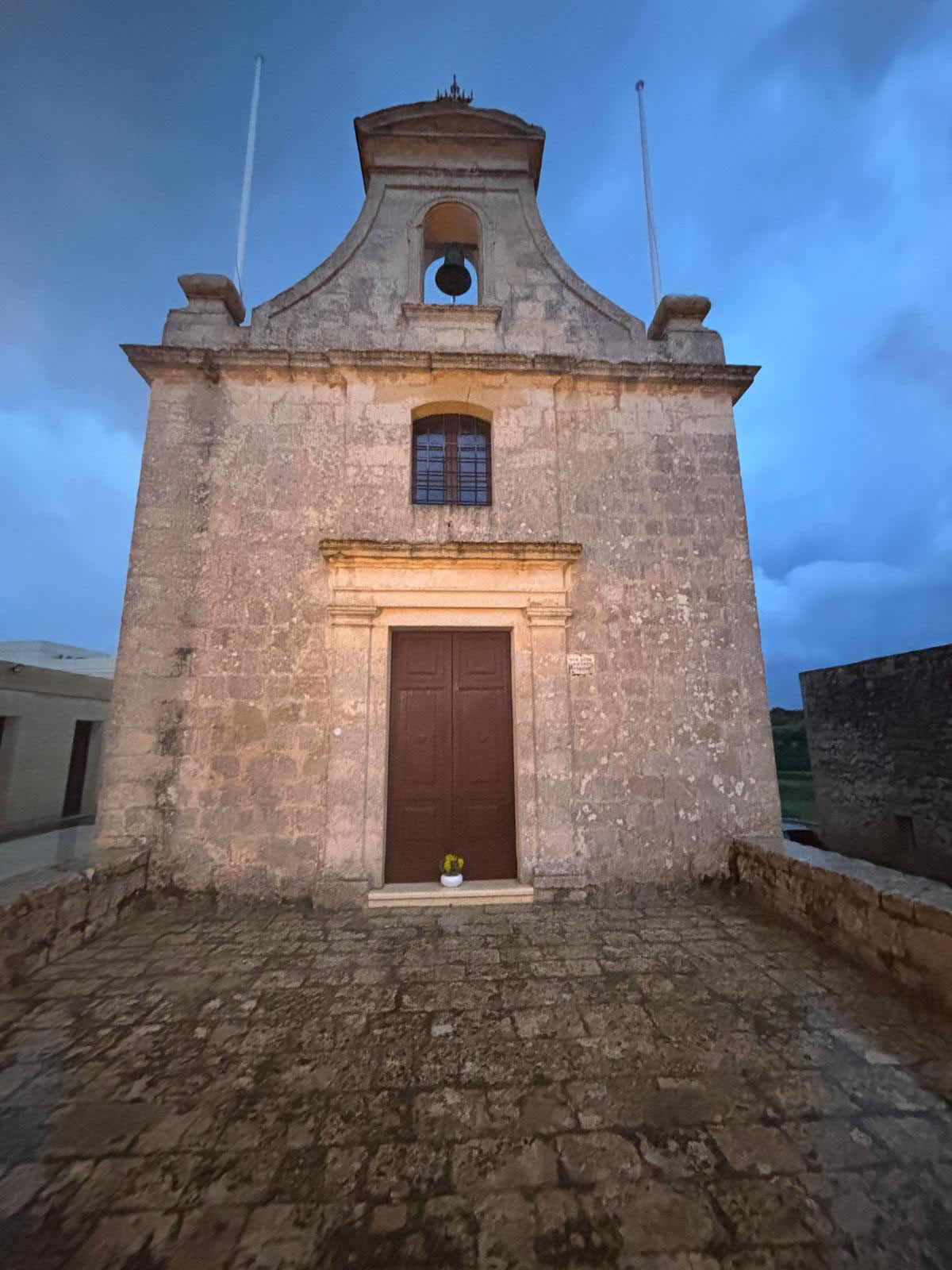
Overview
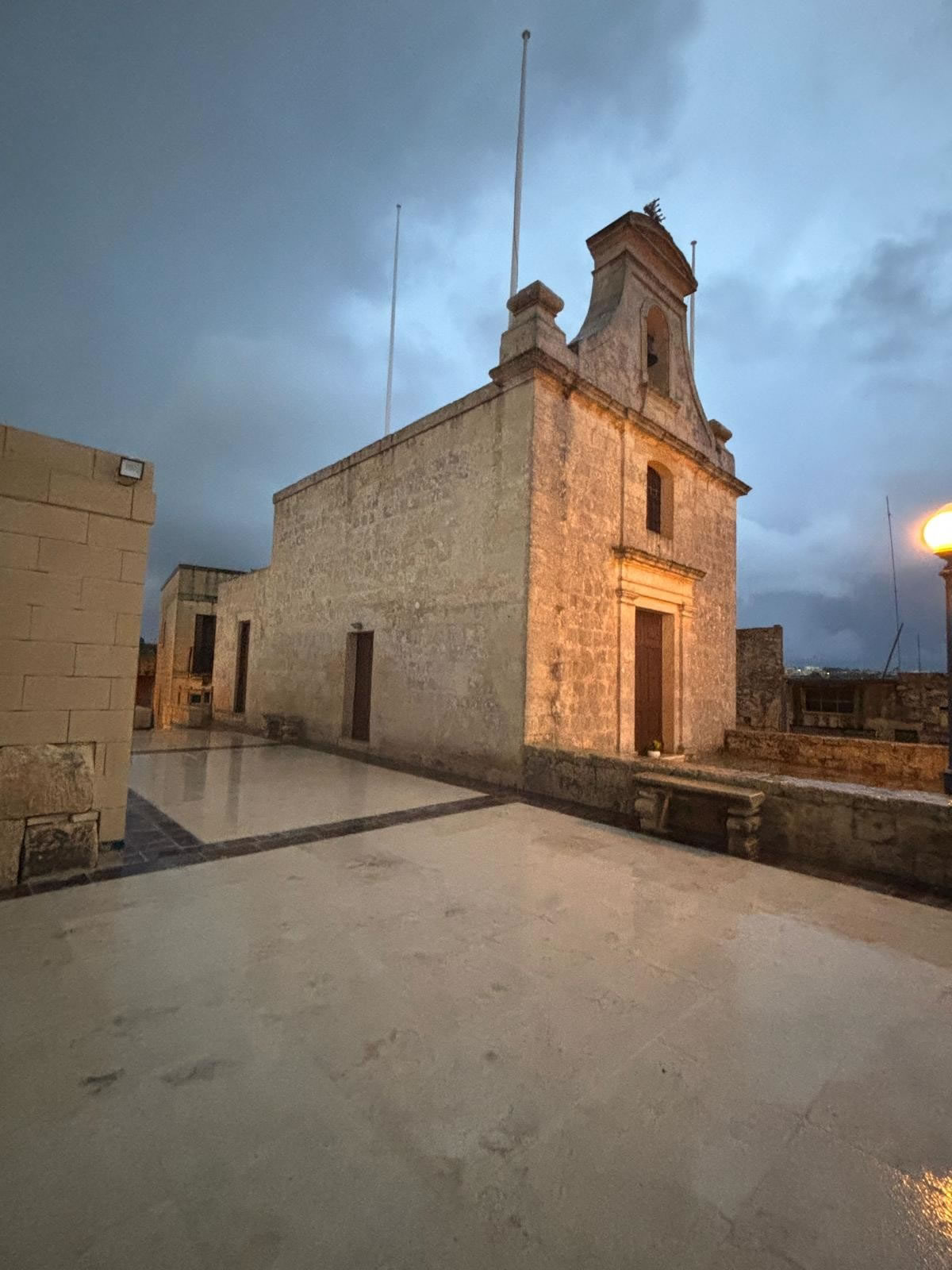
Santa Katarina Chapel is a rural chapel dedicated to Saint Catherine, located in the Rabat countryside in an area commonly referred to as Tad-Daħla. Like many Maltese wayside chapels, it served devotion, wayfinding, and community identity—especially for the small cluster of dwellings that grew around it.
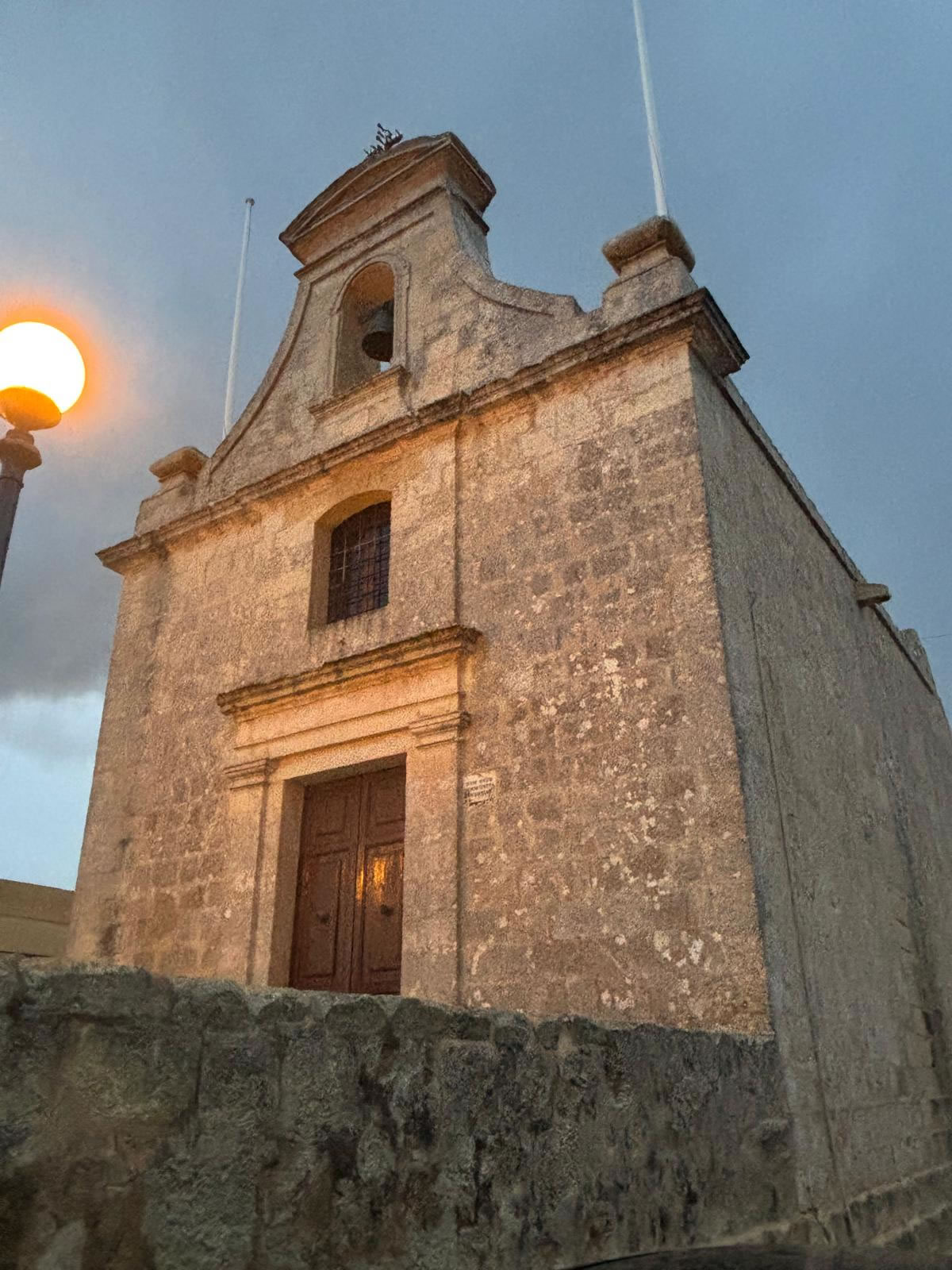
Full detailed history
Origins (c.1500): The first chapel dedicated to Saint Catherine in this area is recorded as having been built close to the year 1500. Its early presence places it among the long-standing countryside chapels connected historically to the former capital area (Mdina/Rabat).
Recorded visitation (1575): By the late 16th century the chapel appears among the rural chapels inspected during the apostolic visitation carried out in 1575—evidence that it was an established place of worship and local devotion.
Replaced (1628): By 1628, a new chapel funded by local benefactors replaced the earlier structure—an important rebuild phase that likely refined its layout, strengthened its masonry, and renewed its liturgical function for the community.
Major rebuilding after the 1743 earthquake: The chapel was severely damaged by the earthquake of 1743. Historical reporting notes it was almost completely rebuilt after that event, resulting in the design broadly appreciated today.
Later additions: Over the years the chapel was endowed with items associated with devotion and parish life (including a bell and a titular statue), reflecting continued attachment from residents and worshippers.
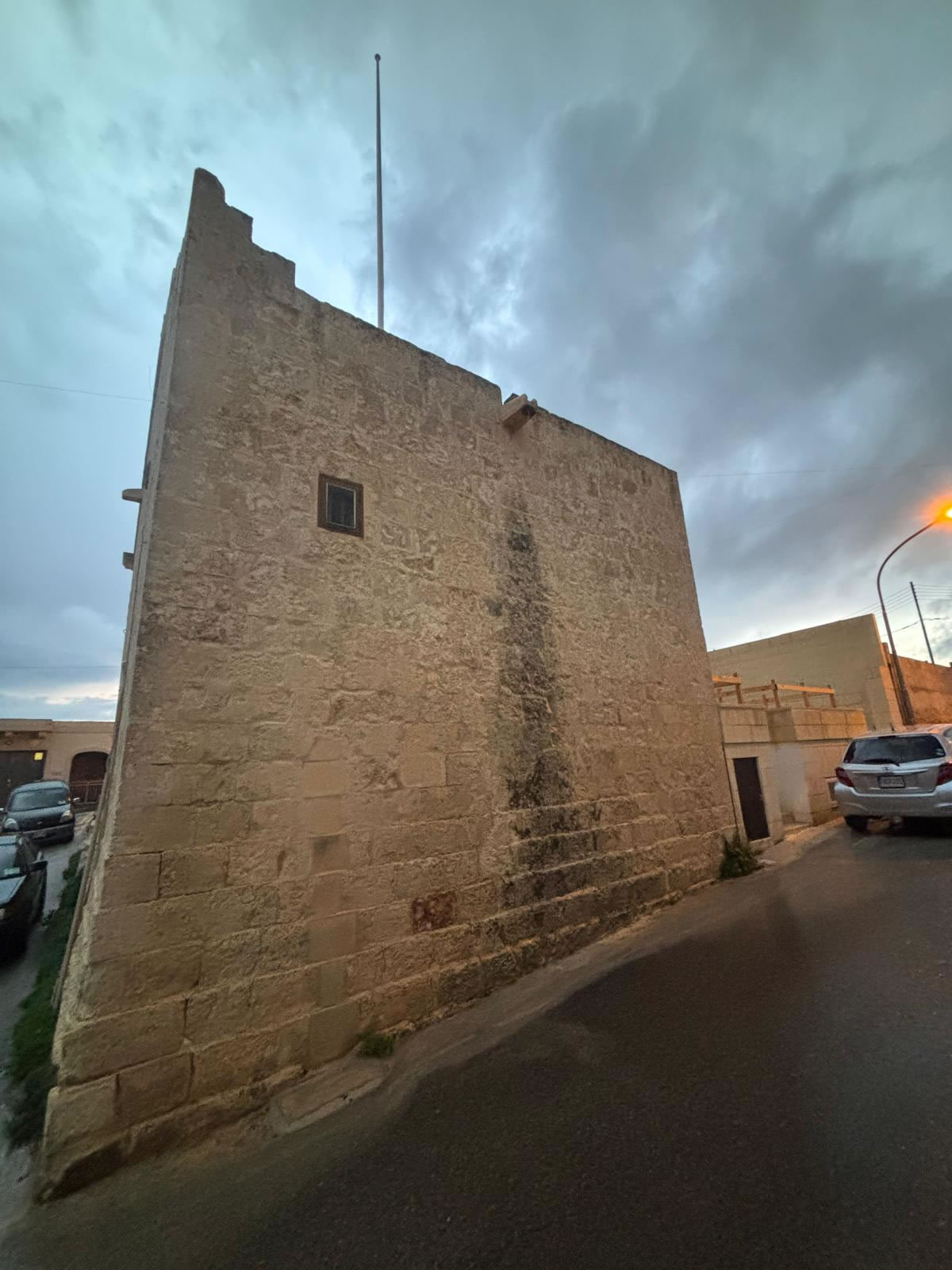
Construction (architecture & building logic)
While small, the chapel’s construction reflects practical Maltese rural chapel design:
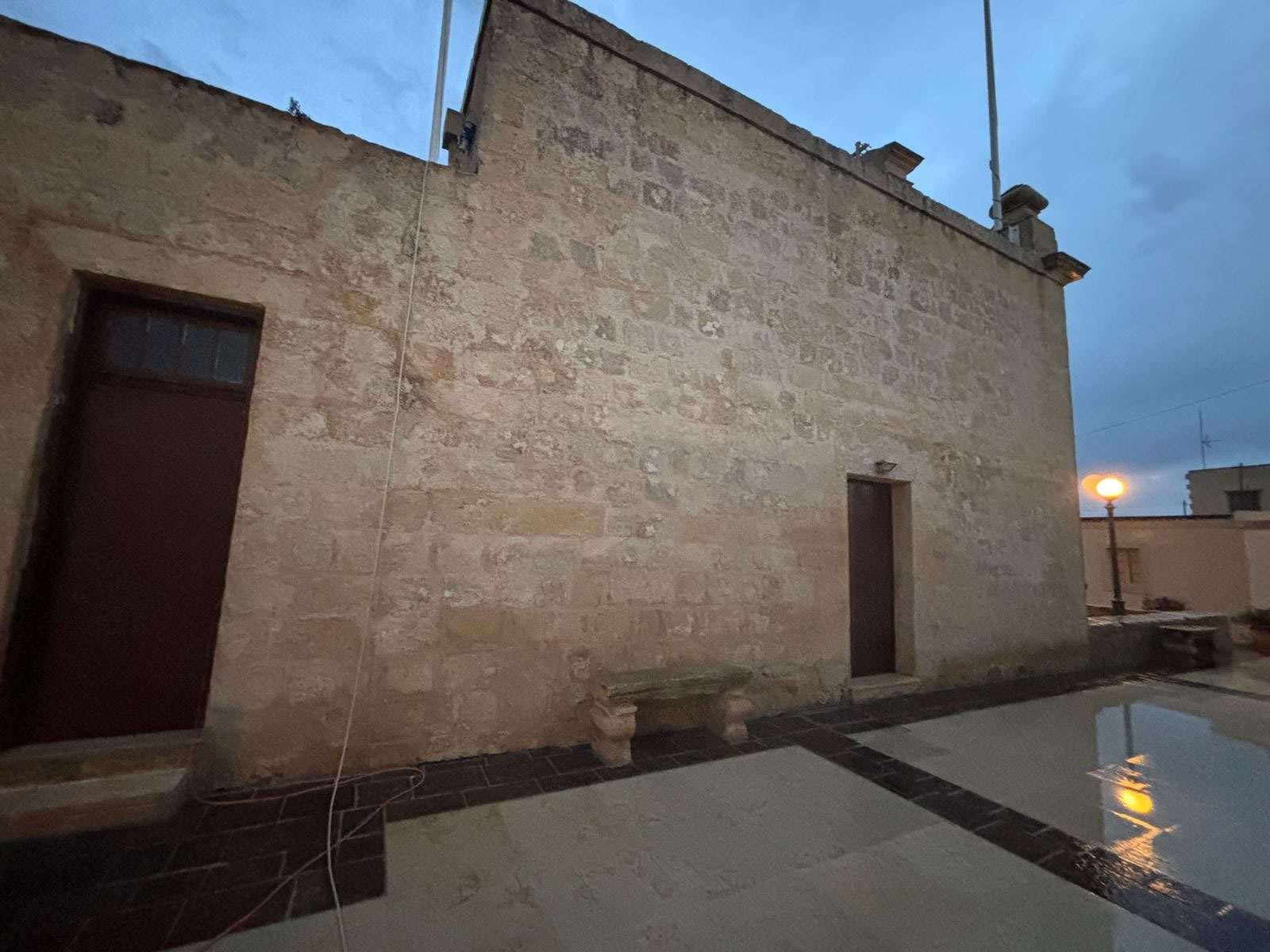
- Material: locally quarried limestone masonry, suited to carving and repair.
- Form: a compact single-volume sacred space with a simple façade and modest openings.
- Orientation & setting: positioned to serve a tiny settlement cluster, with a forecourt (zuntier) used for gatherings.
- Post-1743 fabric: much of what is seen today reflects the near-complete rebuilding that followed the 1743 damage.
Restoration & conservation (what changed and why)
Modern restoration for such chapels typically aims to preserve historic limestone and improve safety/function without altering character. Reported/approved interventions for this chapel include:
- Stone conservation: cleaning staining and crusts, repointing open joints, and repairing pitting and cracks.
- Services tidying: re-routing/camouflaging pipework and improving how services/fixtures attach to the building.
- Forecourt upgrades: sensitive works around the chapel (paving/amenities) to support community events and local use.
Recent improvements: New/renewed facilities around the chapel’s forecourt area were inaugurated in 2025, explicitly framed as supporting the surrounding community’s activities throughout the year while enhancing the area’s heritage setting.
Use through time (then and now)
- c.1500–present: place of Catholic devotion dedicated to Saint Catherine.
- Rural community anchor: served residents of the surrounding countryside and the small hamlet area (Tad-Daħla).
- Feast & gatherings: associated with local celebrations and community events (with forecourt improvements supporting this role).
At-a-glance timeline
- c.1500 — first chapel built near this period.
- 1575 — recorded as part of an apostolic visitation of countryside chapels.
- 1628 — a new chapel replaces the earlier one (local patronage).
- 1743 — earthquake causes severe damage; chapel almost completely rebuilt to the form seen today.
- 2016 — conservation-led restoration works approved (façade + services + precinct improvements).
- 2025 — upgrades to the area next to the forecourt inaugurated (community facilities/amenities).
FAQ
When was Santa Katarina Chapel built?
The first chapel dedicated to Saint Catherine here is recorded as built close to the year 1500. It was later replaced in 1628 and rebuilt substantially after the 1743 earthquake.
What is “Santa Katerina tad-Daħla”?
It’s the local Maltese name commonly used for the chapel, linked to the small settlement/hamlet area around it, and helps distinguish it from other churches dedicated to Saint Catherine across Malta.
What restoration work was done recently?
Conservation work focuses on limestone repair and protection (cleaning, repointing, crack treatment), plus improved handling of services and sympathetic upgrades around the chapel’s precincts to support community use.