Is-Simblija, Dingli
Is-Simblija is a historically significant rural site on the western plateau of Dingli, overlooking Malta’s cliffs. It is best known for its association with medieval landholding, fortified rural architecture, and the enduring Simblija legend that has become part of Malta’s cultural memory.
Location Map Coordinates 35.869883, 14.367158
Quick facts
- Name: Is-Simblija
- Location: Dingli, Malta
- Coordinates: 35.869883, 14.367158
- Site type: Medieval rural estate / fortified complex
- Earliest documentary references: Late medieval period (15th century)
- Major occupation phases: Medieval–early modern (c. 13th–18th centuries)
- Current status: Ruins / heritage landscape
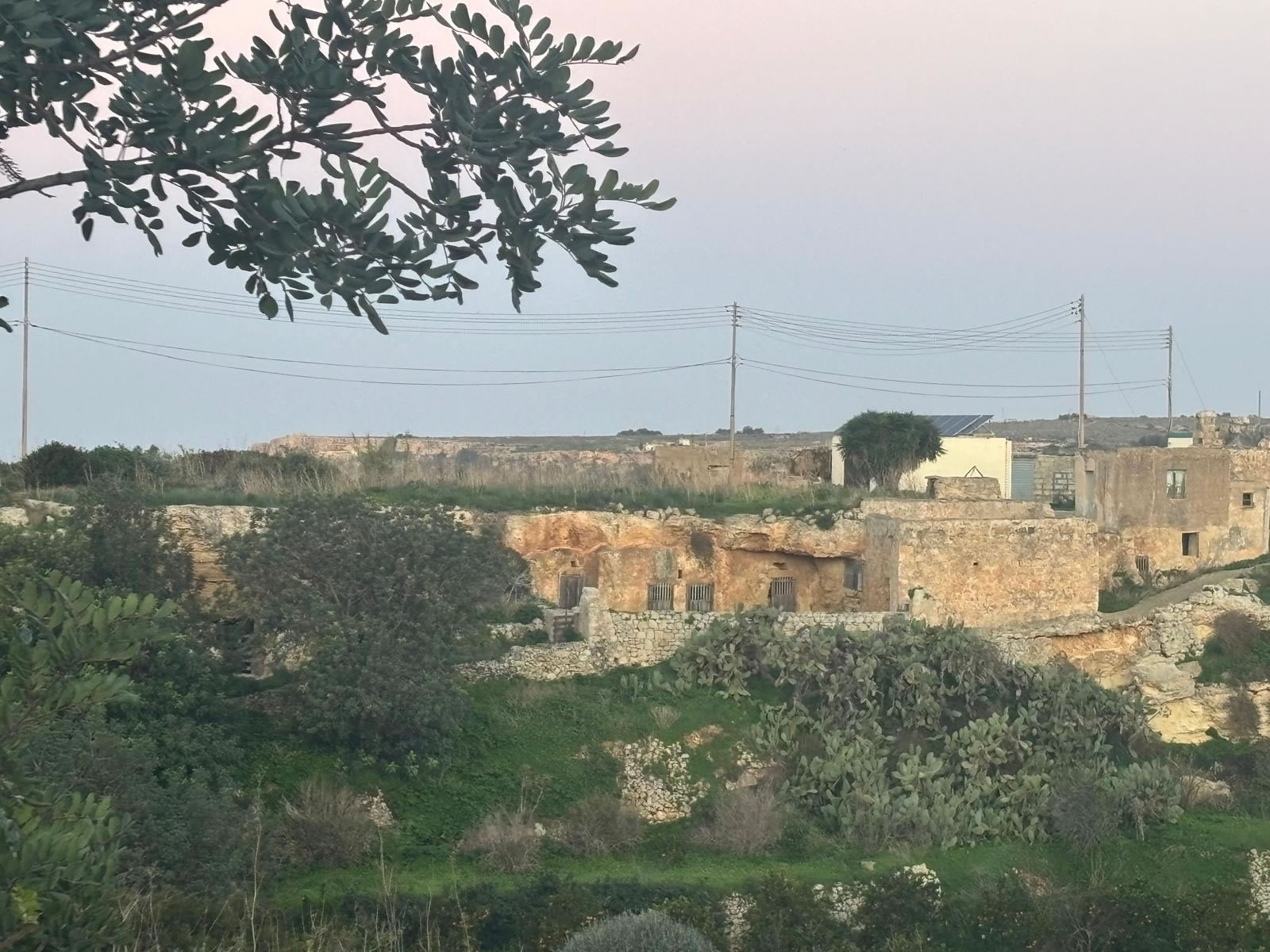
History and documented dates
Medieval origins (c. 13th–15th centuries)
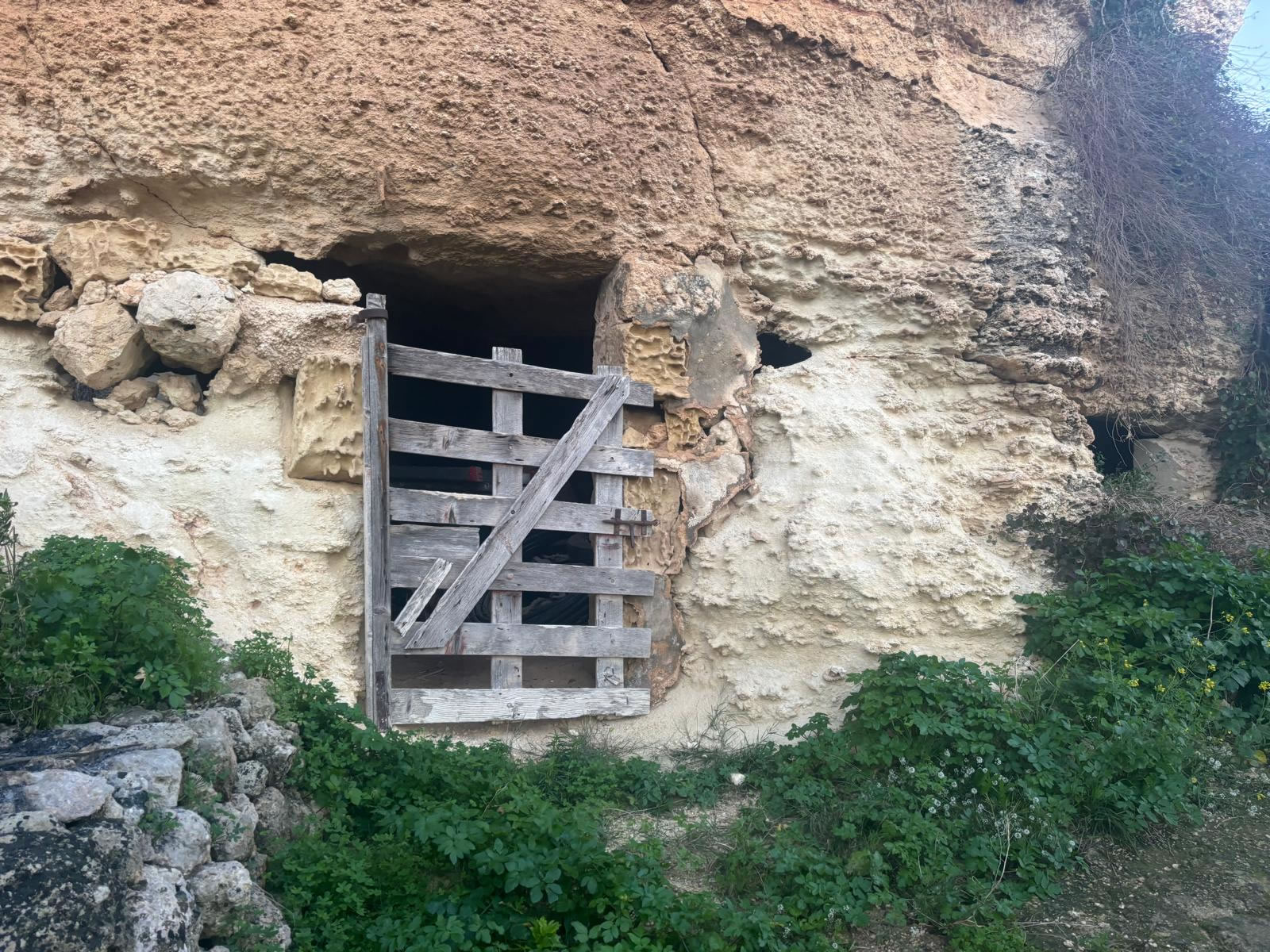
Is-Simblija is generally understood to have originated as a medieval rural estate, forming part of the agricultural hinterland that supported settlements in western Malta. While the exact construction date of the earliest structures is not recorded, architectural features and land-use patterns point to a late medieval origin, likely between the 13th and 15th centuries.
15th-century documentary references
The site appears in 15th-century documentary records relating to land ownership and rural holdings in the Dingli area. By this time, Is-Simblija was already established as a named property, suggesting earlier construction and sustained occupation.
The Simblija legend
Is-Simblija is inseparably linked with the legend of the Simblija, a tragic narrative centred on love, loss, and the rugged Dingli cliffs. While the story itself is part of Malta’s oral and literary tradition rather than verifiable history, it has played a major role in preserving the site’s name and cultural identity into the modern era.
Early modern use and decline (16th–18th centuries)
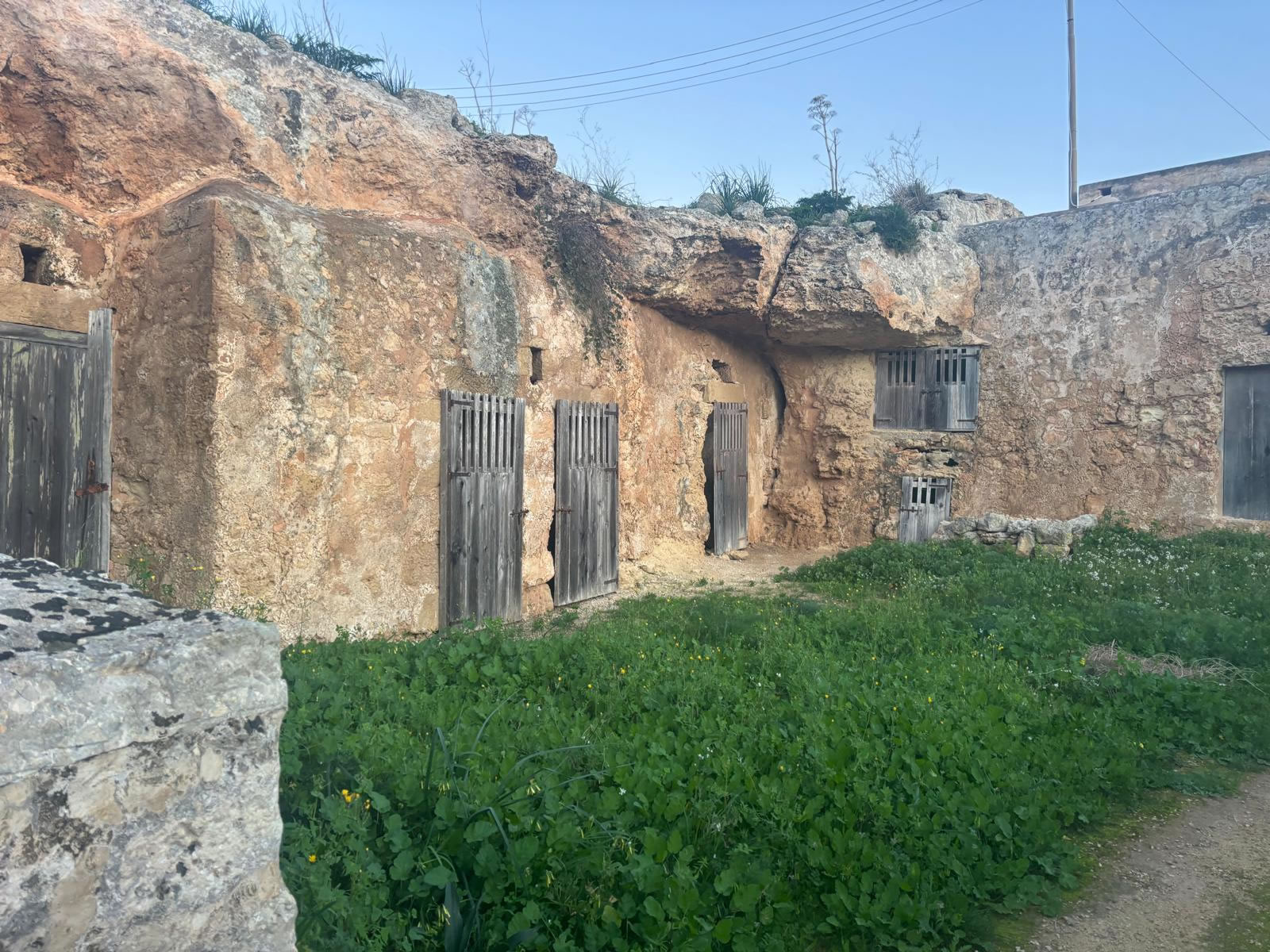
During the early modern period, particularly under the Order of St John, rural estates like Is-Simblija continued to be used for agriculture and seasonal habitation. Modifications during this time focused on practicality rather than expansion, and by the 18th century the site began to decline as settlement patterns changed.
Construction and architectural character
Materials and layout
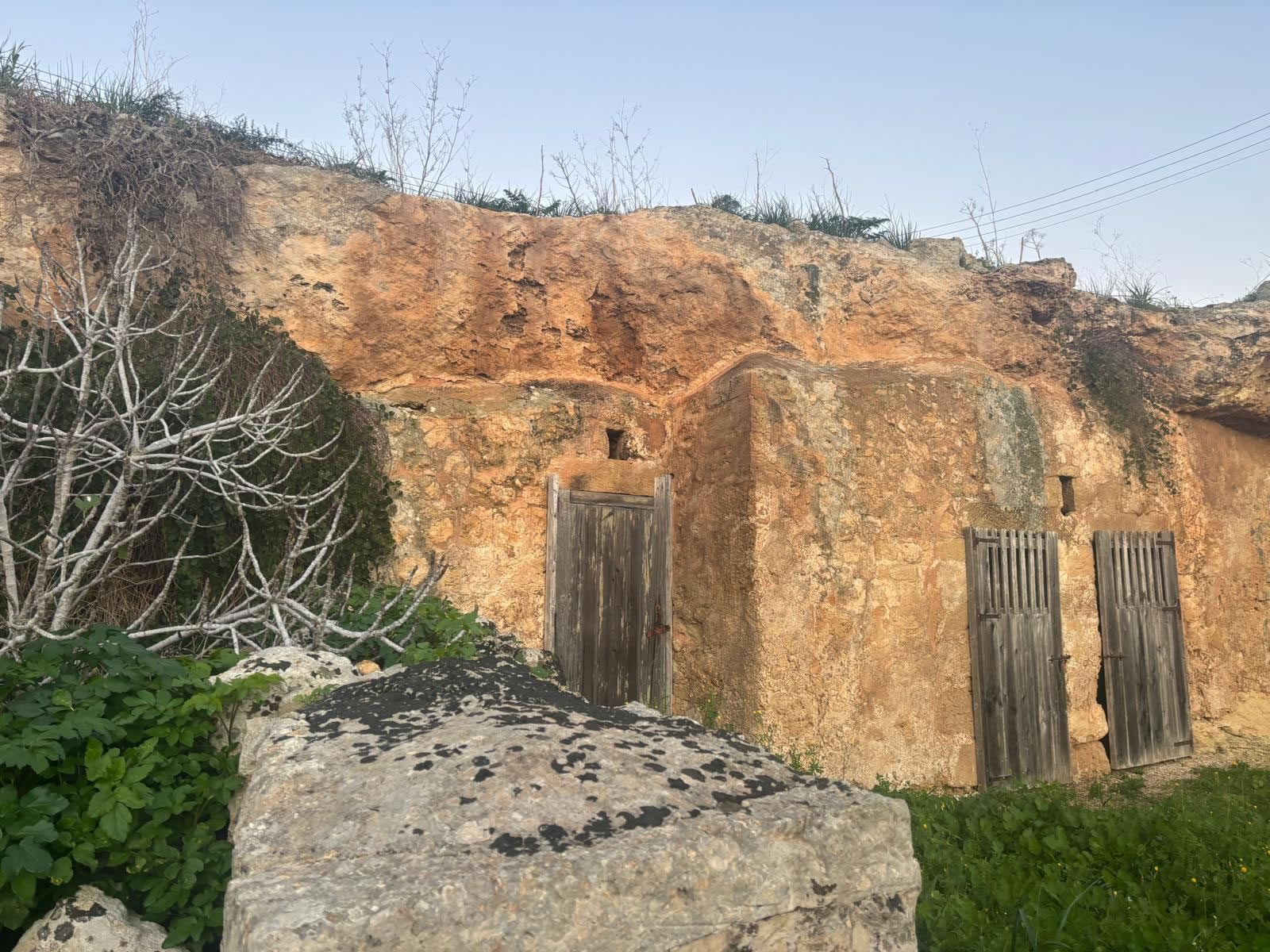
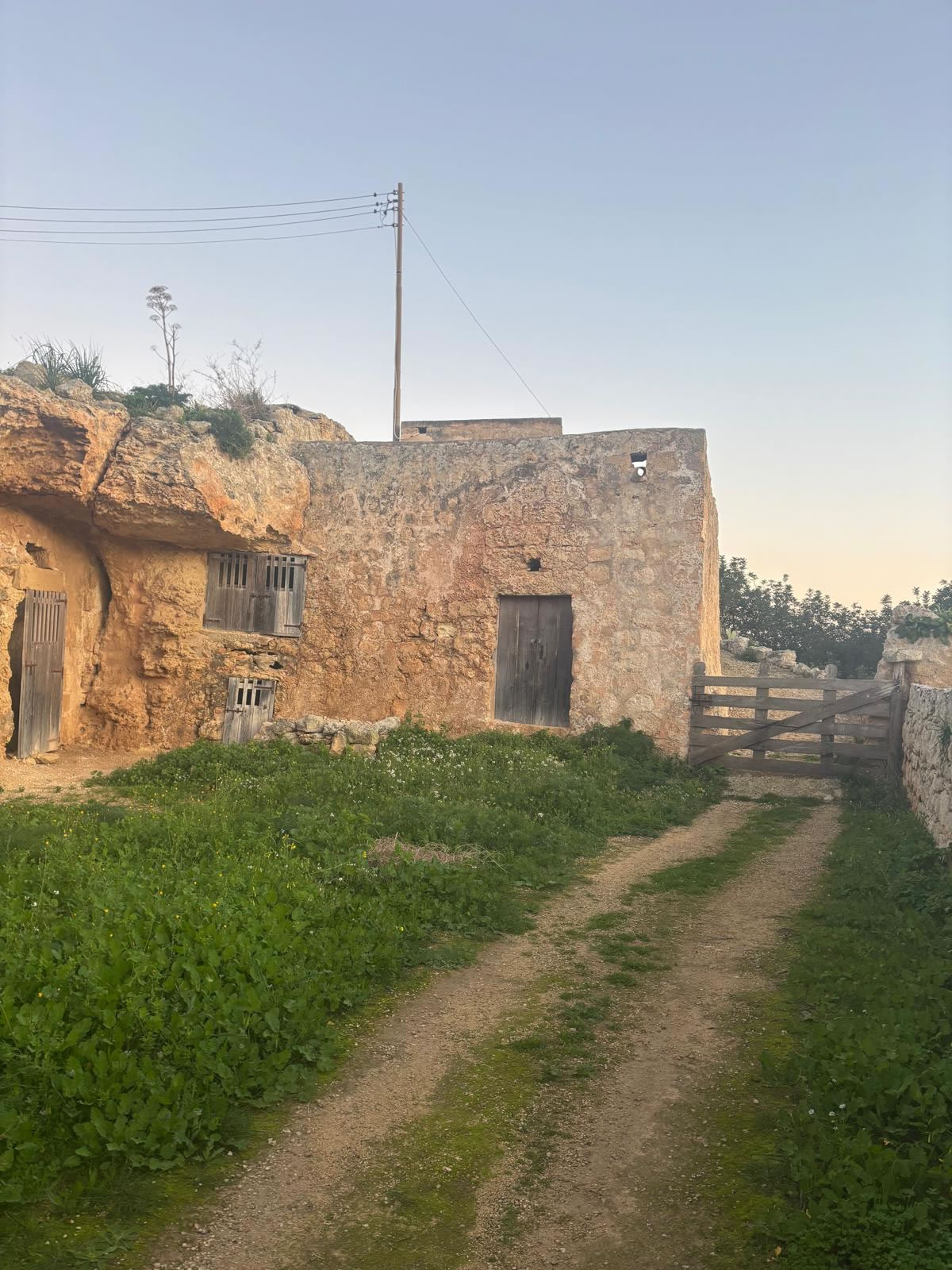
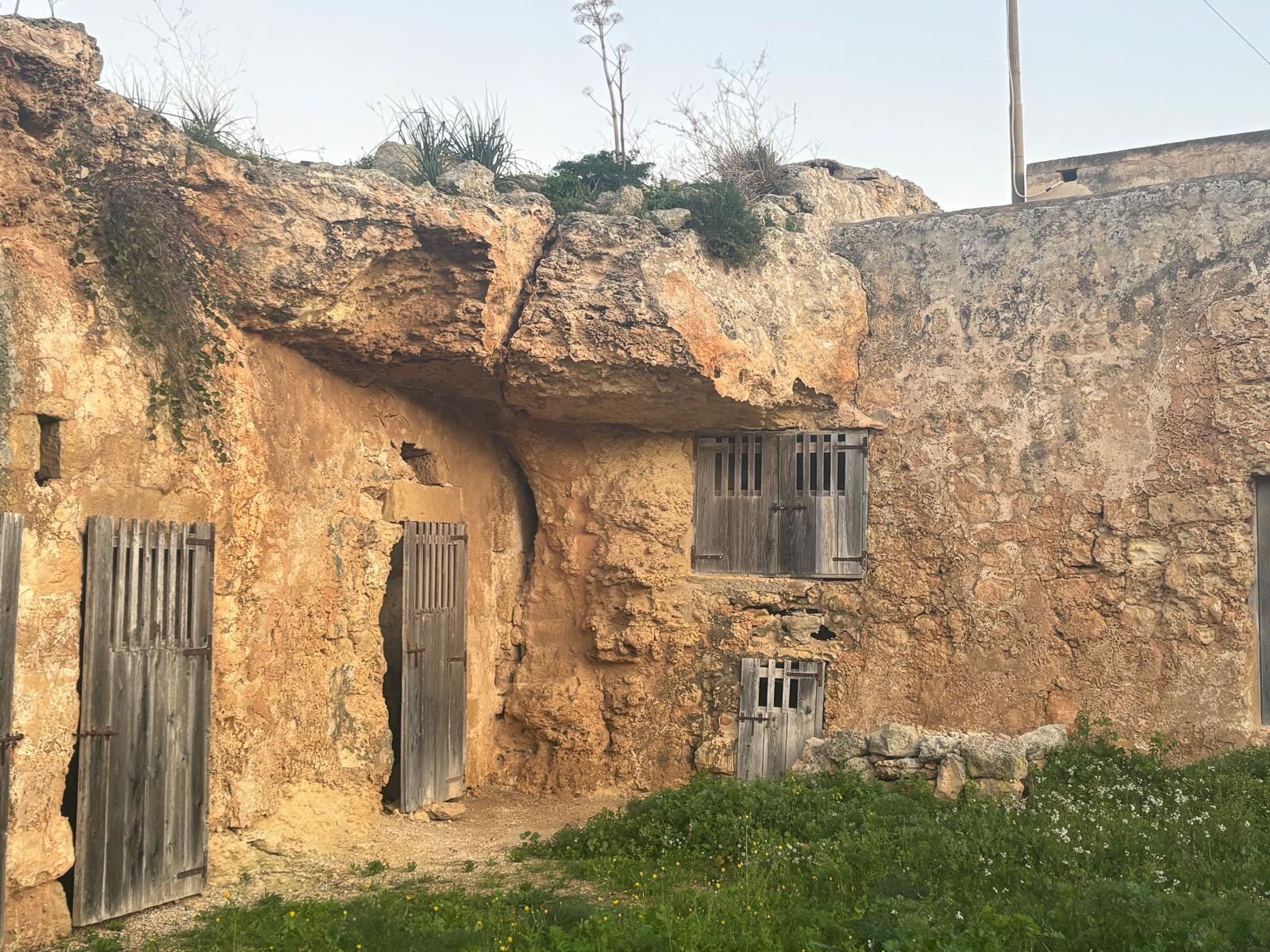
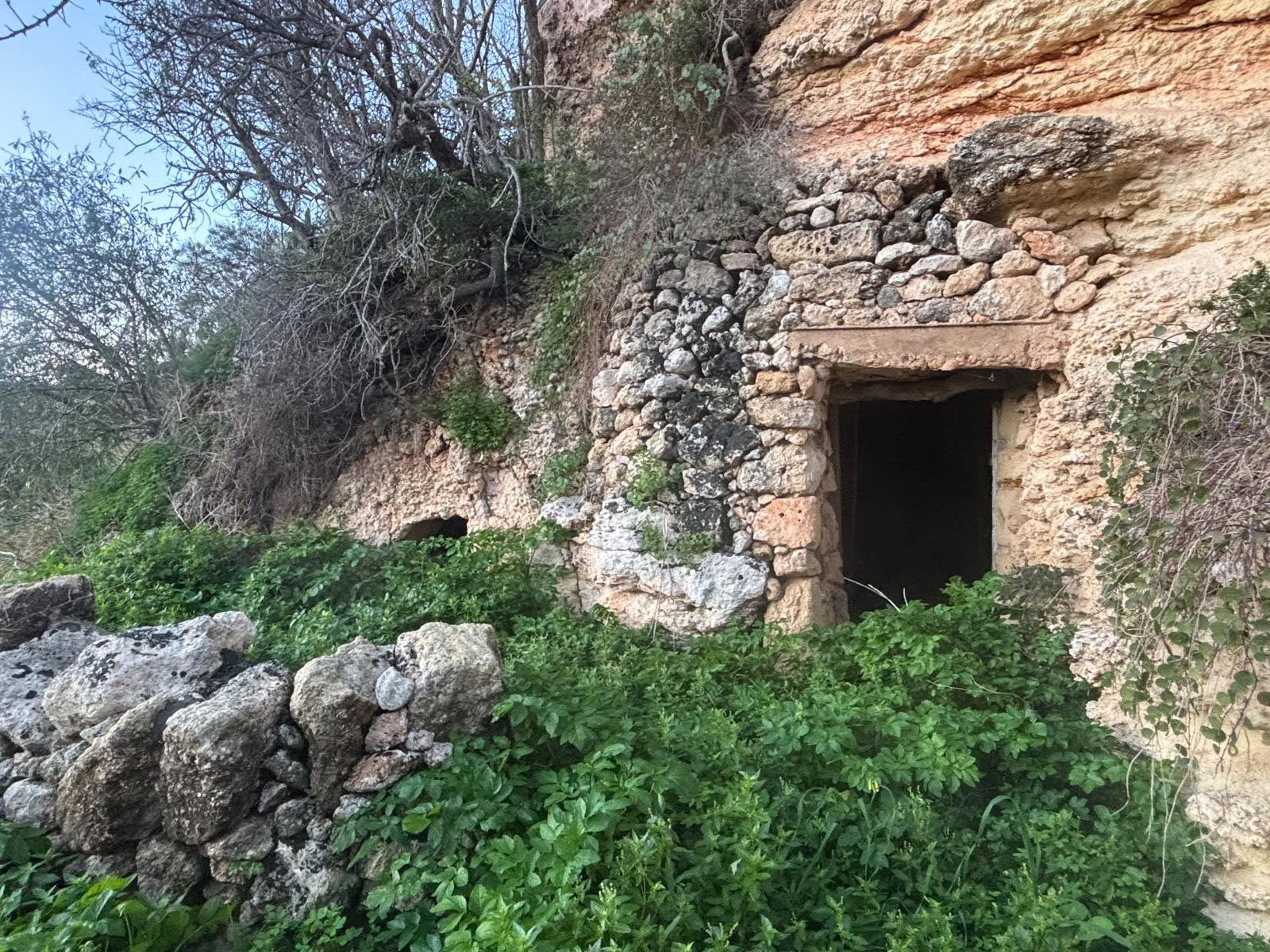
The structures at Is-Simblija are built almost entirely of local globigerina limestone, using thick load-bearing walls typical of medieval rural construction. The layout suggests a combination of living spaces, storage areas, and defensive or semi-defensive features adapted to the exposed landscape.
Defensive considerations
Although not a castle, the complex shows signs of defensive awareness, including limited openings and elevated positioning. Such features were common in rural Malta during periods of insecurity, particularly before the 16th century.
Modifications and later changes
Over several centuries, Is-Simblija underwent modest alterations rather than major rebuilding. These changes likely included roof repairs, internal re-partitioning, and adaptations for agricultural use during the 16th–18th centuries.
No evidence suggests large-scale rebuilding after the early modern period, contributing to the site’s present ruined but archaeologically valuable state.
Use and cultural significance
Historically, Is-Simblija functioned as a working rural estate, supporting agriculture and seasonal habitation. In later centuries, its role shifted from economic utility to cultural symbolism, reinforced by its literary and folkloric associations.
Today, the site is valued as part of Dingli’s broader heritage landscape, appreciated for its history, setting, and contribution to Malta’s collective memory.
Visiting information
- Coordinates: 35.869883, 14.367158
- Locality: Dingli, Malta
- Setting: Rural plateau near Dingli Cliffs
- Advice: Respect the site; structures are fragile and not maintained for interior access.
FAQ
When was Is-Simblija built?
The earliest construction is generally dated to the late medieval period, likely between the 13th and 15th centuries. The site is documented by the 15th century, indicating it was already established by then.
Is the Simblija story historically proven?
No. The Simblija story is a legendary narrative rather than a documented historical event, but it is an important part of Malta’s cultural and literary heritage.