📍 Location
The coordinates of St Elmo Fort are:
- 35.901078, 14.518851
A chronological history of Fort St Elmo in Valletta, including the history of the Chapel of St Anne (the fort’s long-standing chapel), from its medieval origins through the Great Siege, the building of Valletta, the British period, World Wars, and its modern restoration.
FORT ST ELMO – COMPLETE HISTORY
Before the fort existed, a small coastal watchtower or guard post stood on the tip of the Sciberras Peninsula—the landform dividing Marsamxett Harbour from the Grand Harbour.
Built by the Aragonese or early Knights of St John after 1530.
This early tower was used to observe ship movements and guard the harbours.
The peninsula was otherwise open and sparsely populated.
Importance: Control of this tip meant controlling the harbour entrances.
After the 1551 Ottoman raid, which devastated Gozo and frightened the Order, the Knights urgently strengthened Malta.
In 1552 engineer Pedro Pardo d’Andrera, with contributions by Giovanni Peloso and Antonio Ferramolino, built the first Fort St Elmo, a small star-shaped fort around the earlier watchtower.
Key features of the original 1552 fort:
A simple star-shaped trace with four principal faces.
A small bastioned form with low parapets.
A central parade ground.
A modest chapel dedicated to St Elmo, later St Anne (more below).
Even in 1552, engineers noted the fort was small and not optimal, but strategically essential.
Fort St Elmo became the epicentre of the first phase of the Great Siege.
Siege timeline: May–June 1565
18 May 1565: Ottoman forces land at Marsaxlokk.
21–23 May: They begin their assault on St Elmo, intending to capture it to dominate both harbours.
Fort St Elmo resisted massive bombardment, losing walls, parapets, and defensive positions almost daily.
The stand
Approximately 600 men defended the fort (Knights + Maltese militia + Spanish soldiers).
The defenders repeatedly rebuilt defences at night.
The chapel bell continued to ring during assaults until the structure collapsed.
The fort endured continuous bombardment for ~28 days.
Fallen but decisive
23 June 1565: Fort St Elmo fell after a final major assault.
Only nine defenders survived (all gravely wounded).
But the Ottomans lost thousands, including key commanders, and the month lost at St Elmo allowed Birgu and Senglea to prepare and ultimately survive the main siege.
Outcome: Although destroyed, the fort’s resistance turned the siege and is considered one of the defining acts of the Knights’ history.
After the siege, Grand Master Jean de Valette decided to build Valletta on the Sciberras peninsula.
Rebuilding Fort St Elmo
Engineers Francesco Laparelli and Giacomo Bosio designed a vast new city and integrated a great fortification complex around the old fort.
Fort St Elmo was expanded dramatically with:
The Carafa Enceinte (late 17th century) – powerful outer works built under Grand Master Gregorio Carafa.
New ramparts, cavaliers, ditches, and reinforced sea-facing batteries.
The fort became one of the strongest positions guarding the new capital and both harbours.
Over decades, Fort St Elmo was improved as artillery evolved.
Key additions:
Carafa Bastions (1687) – including the dramatic sea-facing façade with large embrasures.
Vendôme Bastion (initiated earlier, improved later) with flanking capabilities.
Cavalier structures and underground magazines.
Expanded barracks, powder rooms, and the new parade ground area.
During this period, the fort became a self-contained citadel with:
officer quarters
large magazines
casemated gun positions
the rebuilt chapel of St Anne
When Napoleon captured Malta in 1798, Fort St Elmo was used mainly as:
a harbour control position
a barracks for French troops,
a command point during Maltese insurgent attacks on Valletta.
During the Maltese uprising (1798–1800) the fort played a role in resisting the Maltese/British blockade, but was eventually surrendered with the rest of Valletta.
Under British rule, Fort St Elmo remained a key naval fortification:
19th Century
Modernisation of artillery positions for rifled muzzle-loading guns.
Conversion of batteries to host heavier maritime guns.
Addition of barracks blocks, signal stations, and coastal surveillance posts.
Early 20th Century
The fort also hosted the Royal Malta Artillery and acted as a central military base.
Fort St Elmo was extensively used during WWII as:
a coastal defence gun position
an anti-aircraft site
a searchlight and coastal observation point
The Grand Harbour area was one of the most bombed zones in the world. St Elmo:
took heavy damage from aerial attacks,
hosted gunners who defended the naval dockyards,
served as a key command point for harbour defenses.
Fort St Elmo gradually lost military importance.
Some sections were abandoned; others housed police and logistical units.
By the 1970s, large parts were derelict and decaying.
A major transformation began in the early 2000s.
Key modern developments:
Extensive multimillion-euro restorations by the Maltese Government & Heritage Malta.
Reinforcement of outer walls, internal casemates, and the Carafa Enceinte.
Opening of the National War Museum inside Fort St Elmo, which now covers:
Great Siege
Knights’ period
French period
British era
WWII & post-war history
Today it is one of the most significant military heritage sites in the Mediterranean.
THE CHAPEL OF ST ANNE (formerly Chapel of St Elmo)
The historical chapel inside Fort St Elmo
The fort’s chapel is one of the oldest continuously referenced military chapels in Malta.

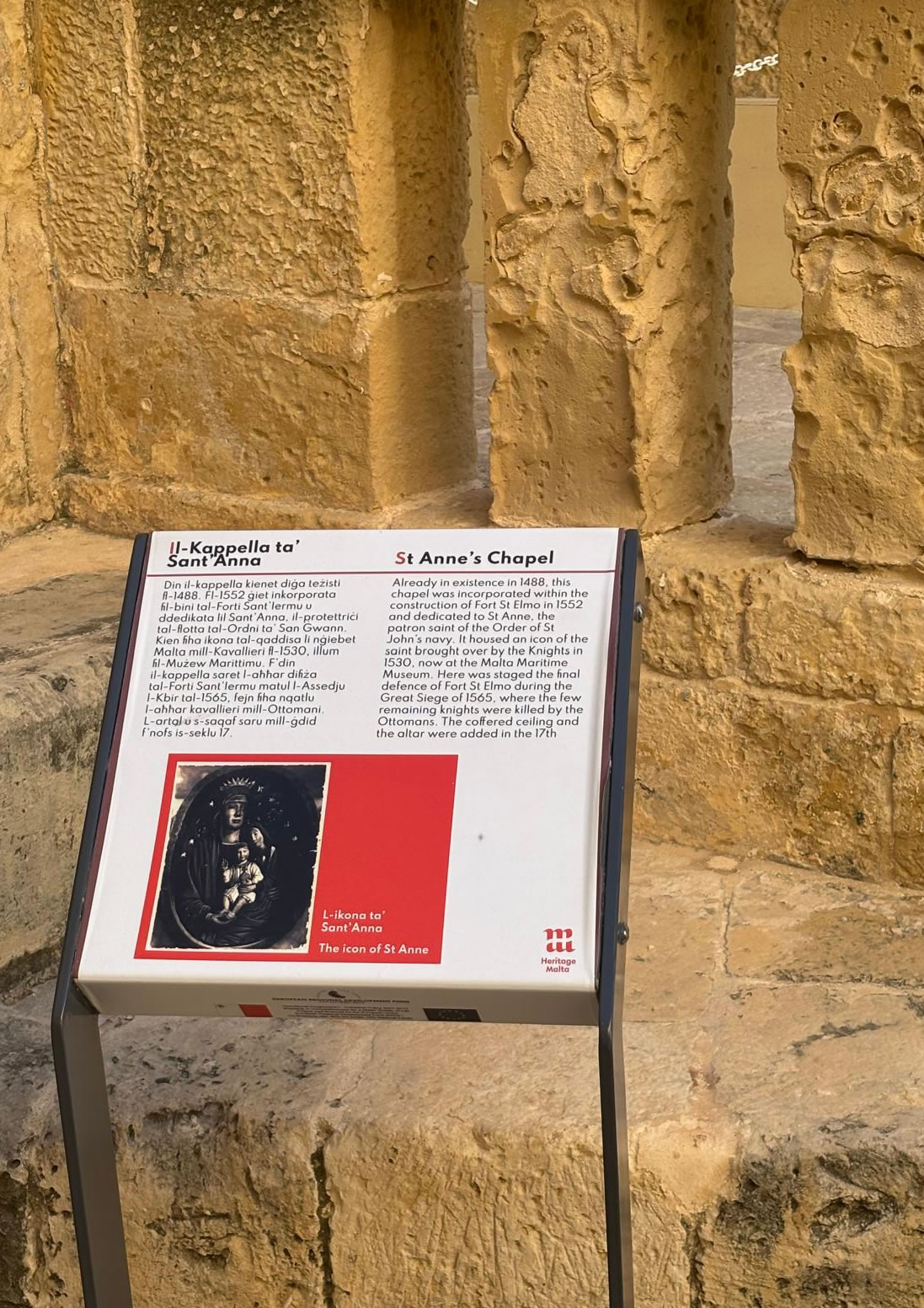
The earliest chapel was built together with the first fort in 1552 and was originally dedicated to St Elmo (St Erasmus), patron saint of sailors and those facing maritime storms.
It served as a spiritual base for the defenders.
Damaged repeatedly by bombardment.
Chroniclers describe:
Knights hearing Mass at dawn before battle.
The small bell ringing during attacks until the roof collapsed.
After the fall of the fort, the ruins of the chapel were noted among the debris.
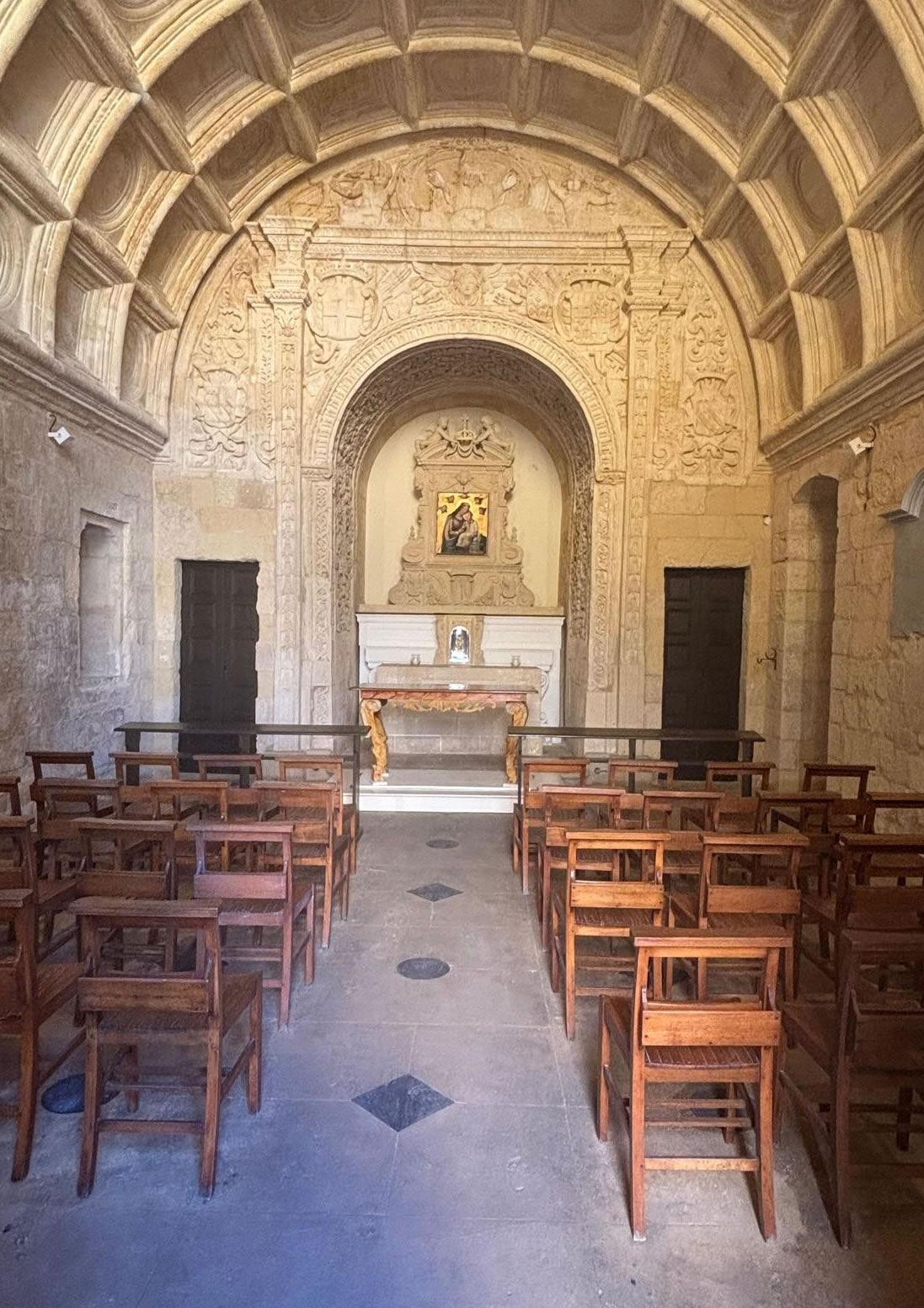
After the siege, when the fort was rebuilt within the new Valletta defences, the chapel was reconstructed.
It was rededicated to St Anne, though references to “St Elmo Chapel” persisted in some documents.
Characteristics of the rebuilt chapel:
A simple rectangular space with stone vaulting.
Used by garrison troops of various nationalities.
Functioned as the fort’s principal religious space until the 20th century.

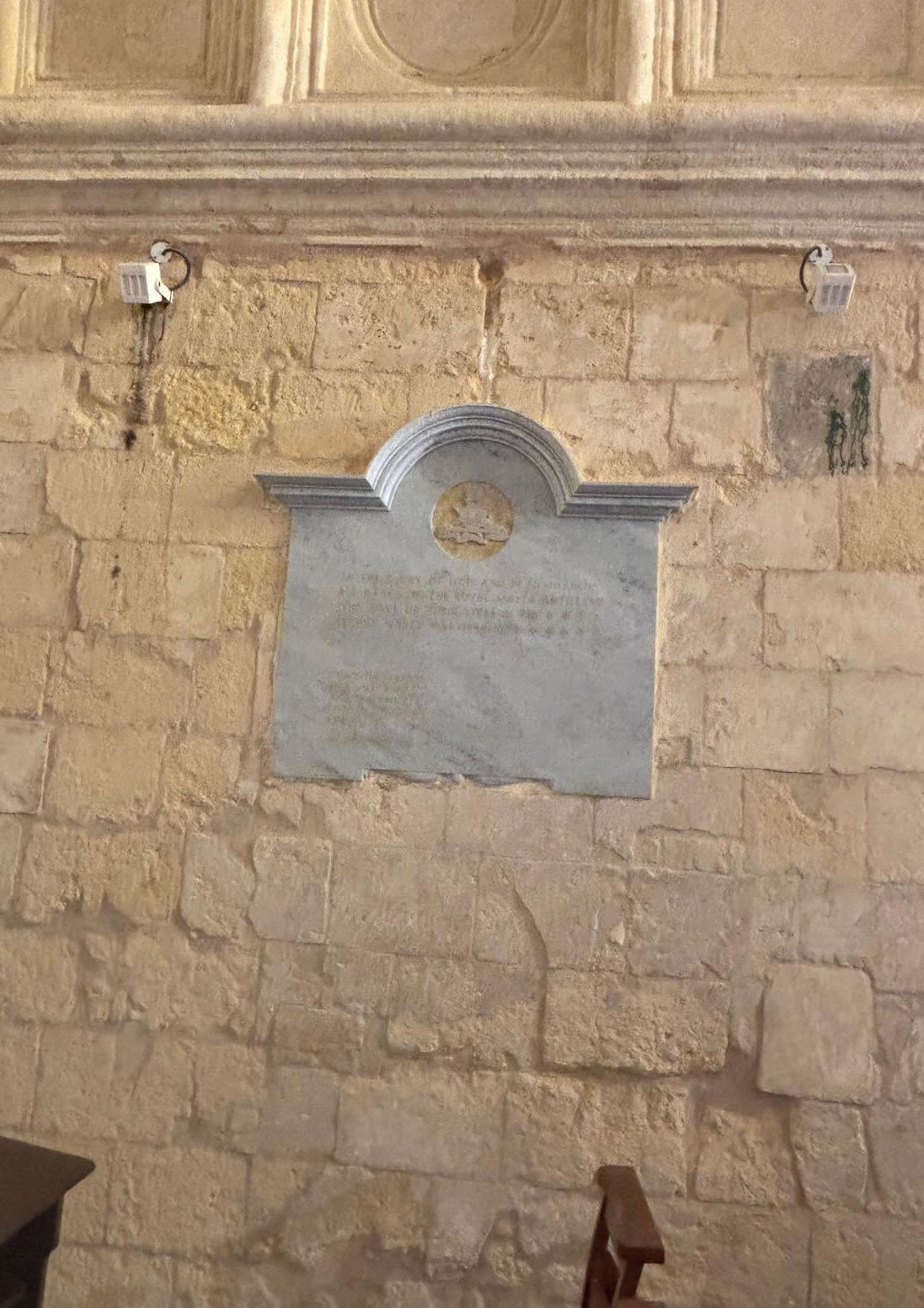
The British retained the chapel and used it for Anglican or Catholic services depending on garrison composition.
Some modifications were made but the core structure remained intact.
The chapel has been restored and conserved.
It forms part of the visitor route through the fort.
Often used for commemorations of:
the 1565 Great Siege
WWII defenders of the Grand Harbour
Fort St Elmo is unique because:
It is the birthplace of Valletta.
Its defence in 1565 changed the fate of Europe.
It commanded both harbours—the lifeline of Malta for 500+ years.
It served continuously through the Knights, **French, British, and WWII eras.
Its Chapel of St Anne is one of the oldest standing military chapels in Malta.
Today it houses the National War Museum and is one of the best-preserved star forts in the Mediterranean.