📍 Location
Location Map Coordinates 35.901946, 14.519214
- Actual name (today): Chapel of St Anne (inside Fort St Elmo).
- Former association: the chapel may originally have been dedicated to St Erasmus (St Elmo), later re-dedicated to St Anne.
- First documented: 1488 (oldest surviving structure on the Sciberras Peninsula).
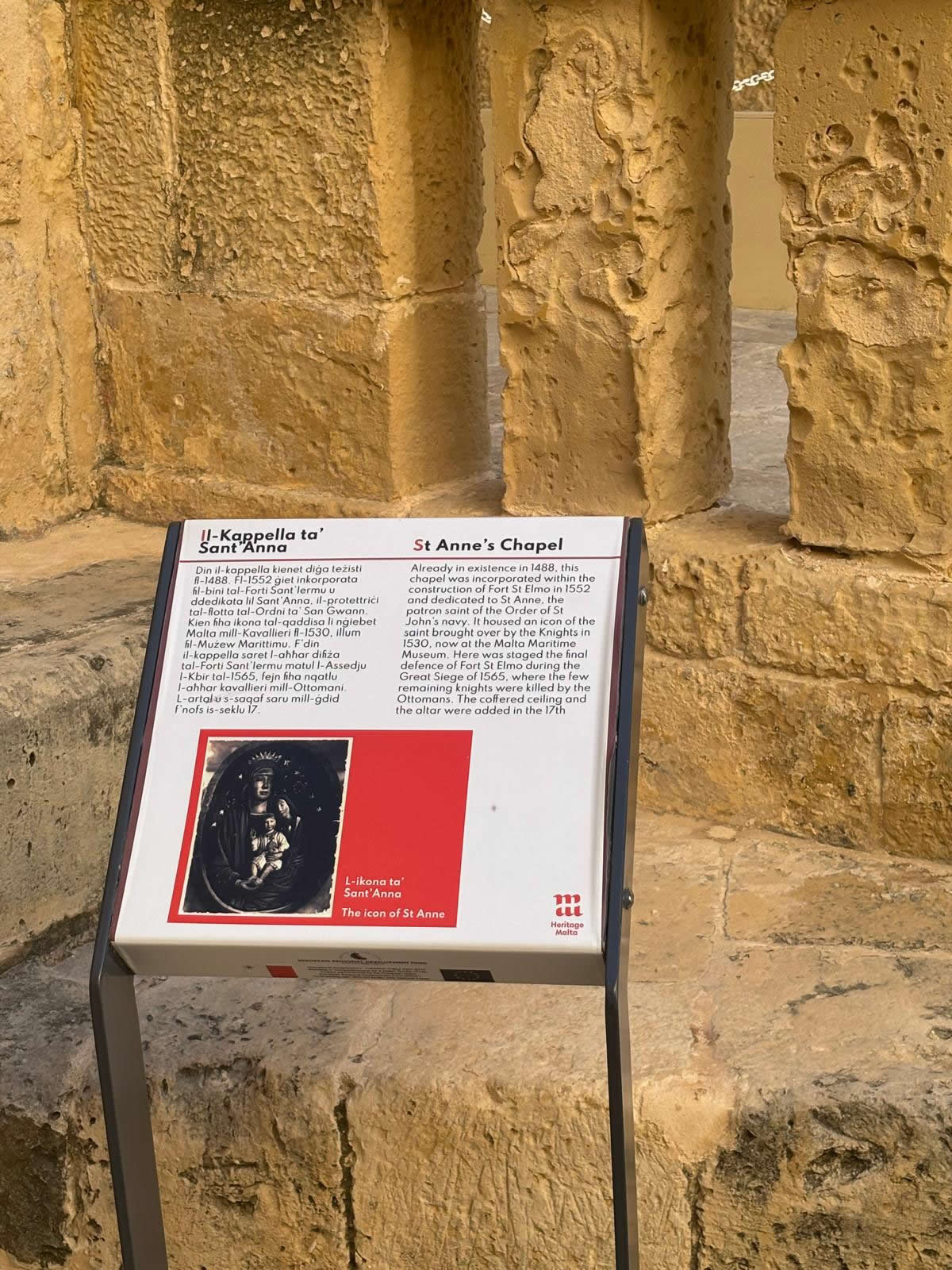
- Incorporated into Fort St Elmo: during construction begun in 1552.
- Key event: defenders’ last stand in the chapel during the Great Siege (1565).
- Major modification: repaired and richly embellished in the mid-17th century (Lascaris period).
- Protection / restoration: Grade 1 scheduling (2008) and restored as part of Fort St Elmo rehabilitation 2012–2015.
Overview
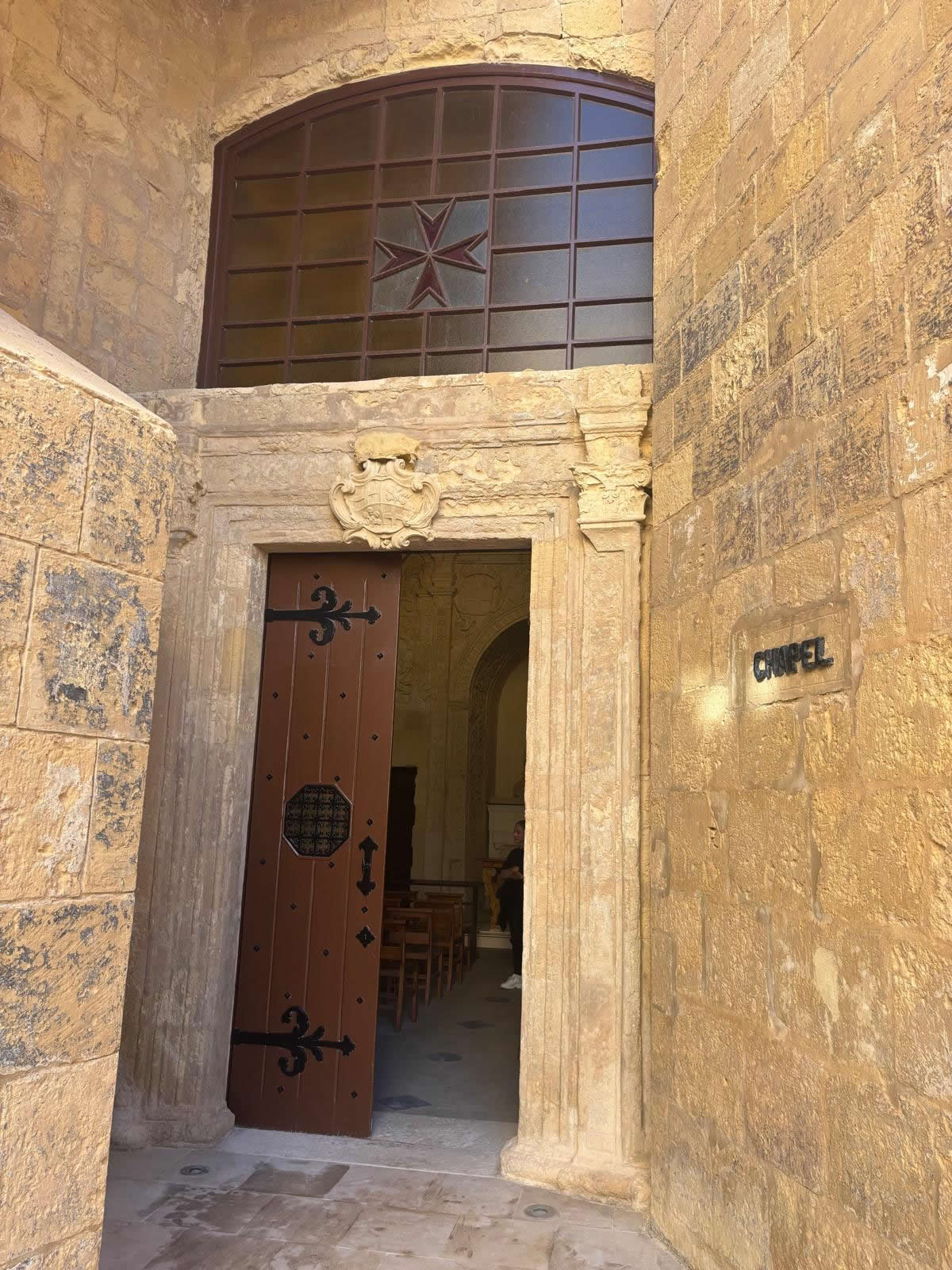
The Chapel of St Anne is a compact Roman Catholic chapel located within Fort St Elmo at the tip of Valletta’s Sciberras Peninsula. Because it is documented in 1488—decades before Fort St Elmo and Valletta—it is often described as the peninsula’s oldest surviving structure.
The “actual name” and why it is said to be “formerly St Elmo”
Today, the chapel is dedicated to St Anne. However, sources note that it may have originally been dedicated to St Erasmus of Formia—better known as St Elmo, patron saint of sailors—before it was re-dedicated to St Anne in the 16th century. This older dedication helps explain the common description “formerly the Chapel of St Elmo.”
The chapel is also associated with the fort’s historic Porta del Soccorso (a gate linked to relief/supply access) and is sometimes referred to as “Chapel del Soccorso” in interpretive material.
1488 and the early chapel on Sciberras
The chapel’s existence is first documented in 1488. At that time the Sciberras Peninsula was not yet Valletta; the chapel served as a small coastal sanctuary connected with maritime life and devotion. The survival of this chapel is exceptional, because later fortification and urban construction dramatically reshaped the entire headland.
1552: incorporation into Fort St Elmo
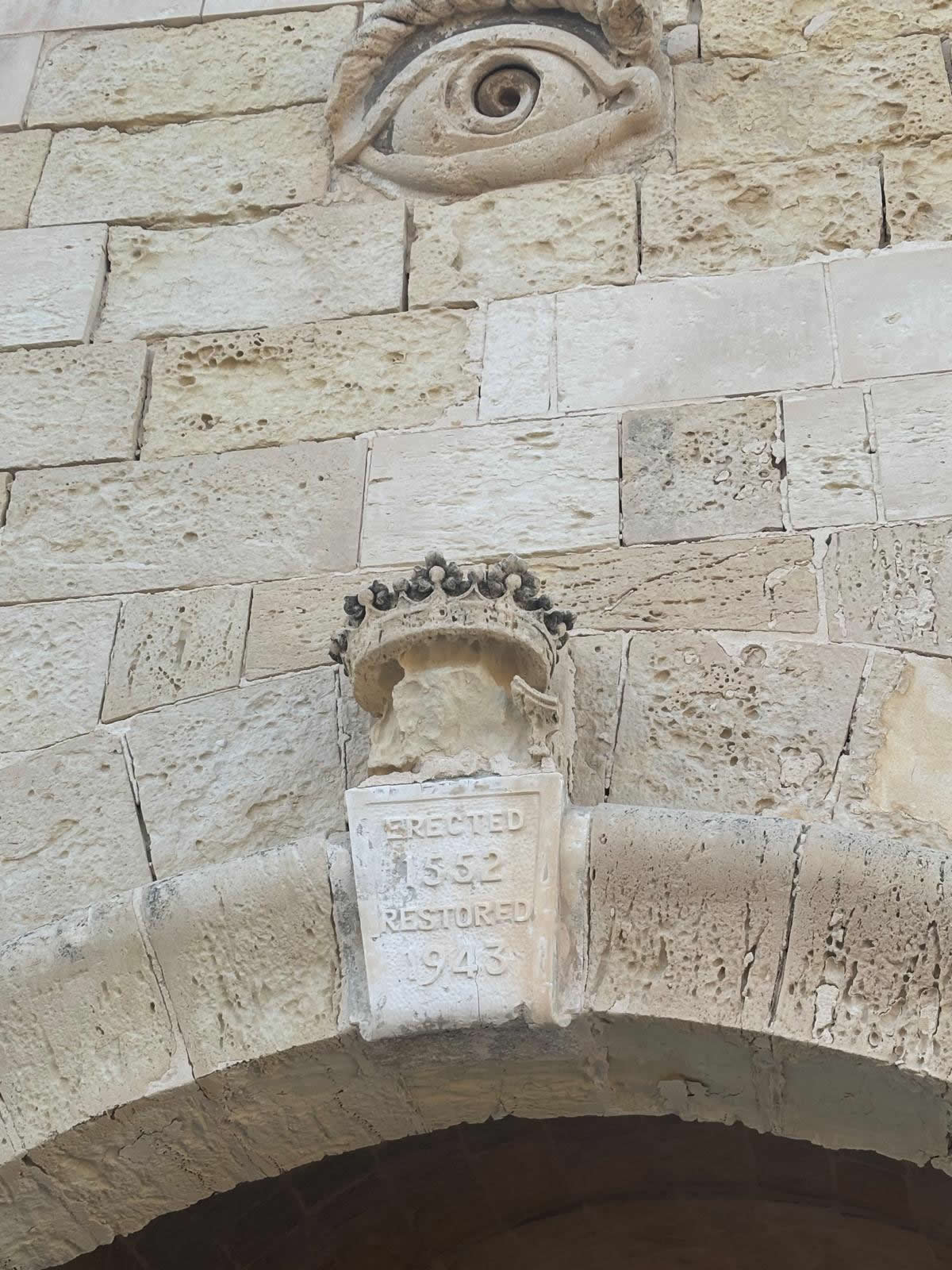
When the Order of St John began building the fortification in the mid-16th century (construction begun in 1552), the chapel was incorporated into the new defensive complex. During this phase, the chapel is described as becoming dedicated to St Anne, while the fortress itself took the name Fort St Elmo.
1565: Great Siege of Malta and the chapel’s last stand
During the Great Siege of 1565, Fort St Elmo became the focus of fierce fighting. Sources record that in the fort’s final battle, the surviving defenders made a last stand within the chapel. The fall of Fort St Elmo on 23 June 1565, though tragic, is repeatedly described as buying time for the defence of Birgu and Senglea.
Mid-17th century: repair and Baroque embellishment
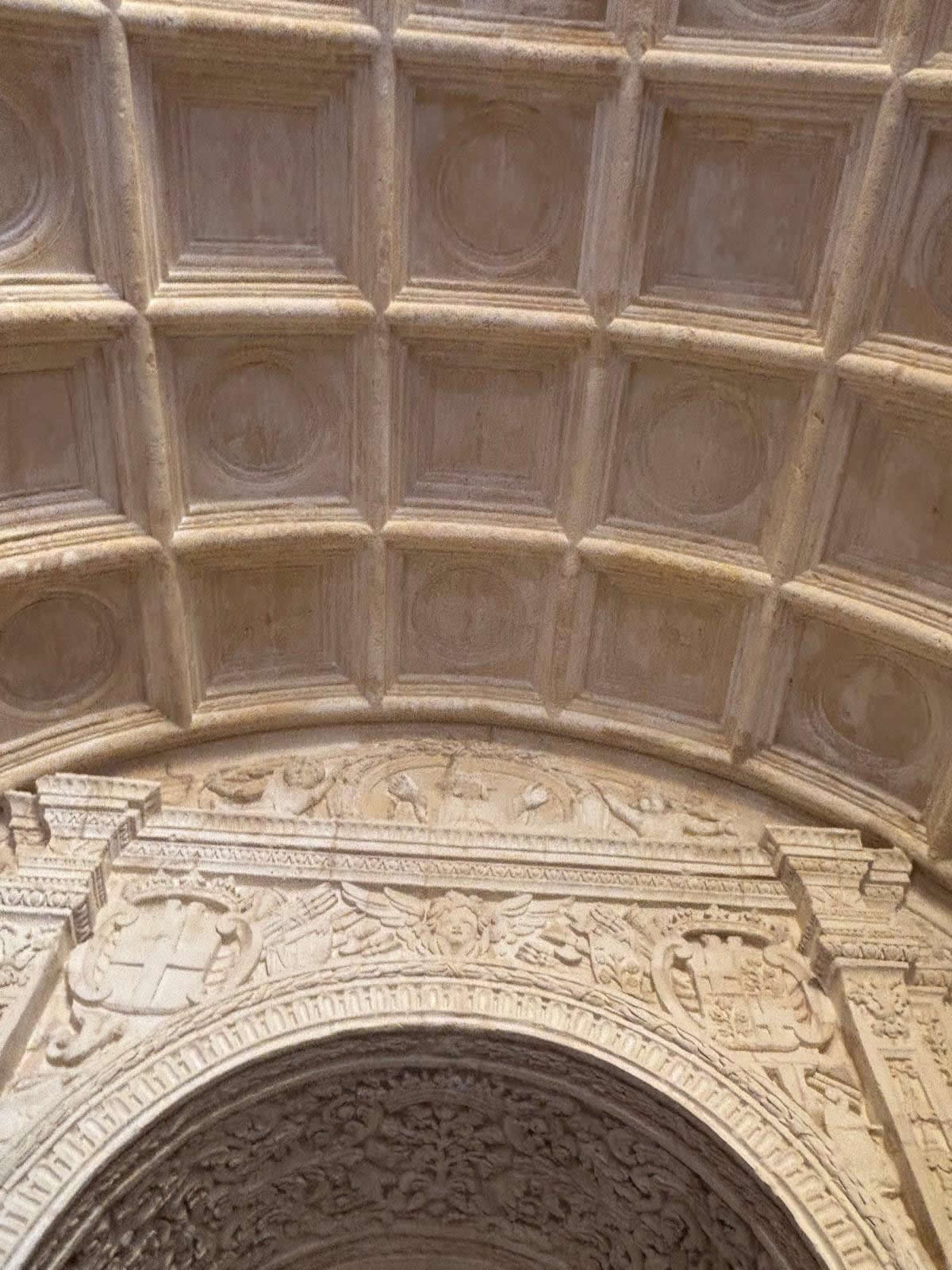
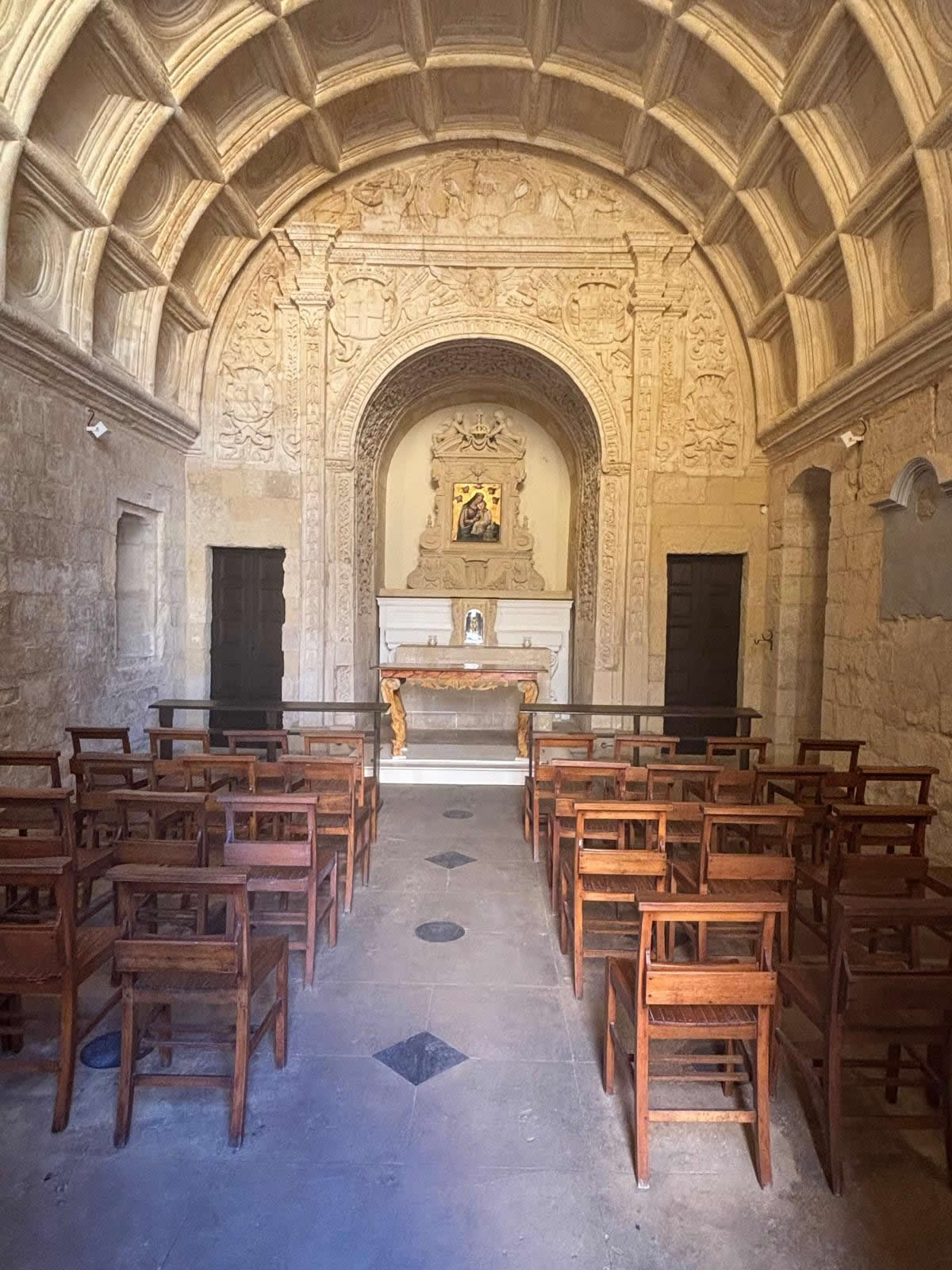
After the siege, the chapel required repair. In the mid-17th century—during the magistracy of Grand Master Giovanni Paolo Lascaris (1636–1657)—the interior was embellished, and the chapel’s present configuration is generally attributed to this period. Accounts highlight the creation of a new altar setting, a richly sculpted stone alcove and a striking coffered ceiling, emblematic of the Baroque taste of the era.
Construction, architecture and notable fittings
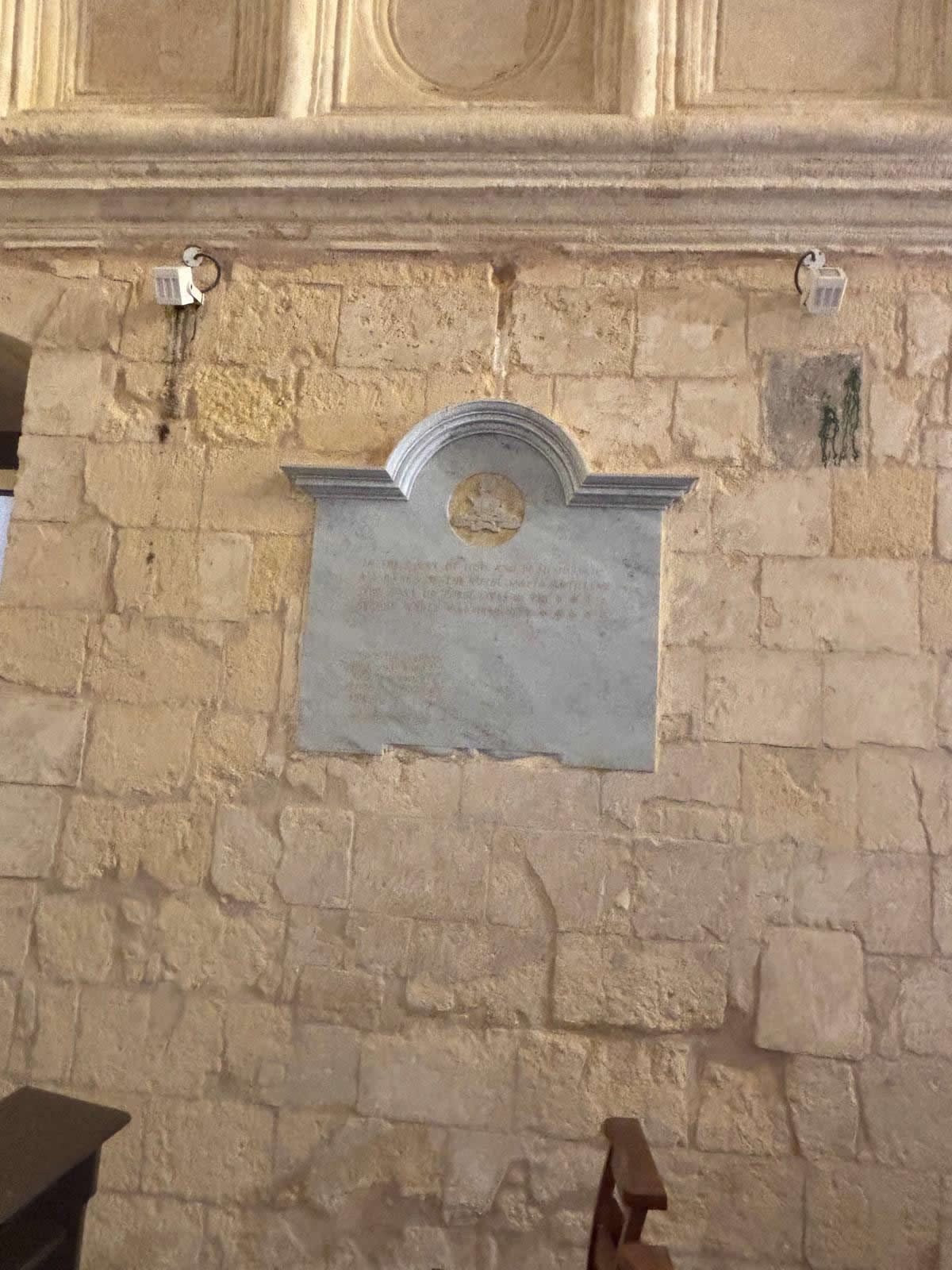
Architecturally, the chapel is described as late Renaissance/Baroque in its surviving appearance, built in local limestone and visually embedded within the fort’s walls. Its façade is narrow (door and window) and is positioned close to the Porta del Soccorso area.
The interior has a barrel vault with a coffered ceiling. The altar is framed by an arched alcove enriched with 17th-century stone carving, with heraldic references linked to the Lascaris restoration tradition.
A further highlight recorded in guide and reference summaries is a 15th-century icon of the Madonna and Child associated with the chapel’s furnishings.
Heritage protection and modern restoration (2012–2015)
The chapel was scheduled as a Grade 1 monument in 2008, reflecting its exceptional historical significance within Valletta’s fortifications.
A major conservation milestone came with the rehabilitation of Fort St Elmo, during which the chapel was restored as part of the wider project between 2012 and 2015. This work coincided with the fort’s renewed public presentation as a Heritage Malta site with the National War Museum.
Use and visiting notes
The chapel is an active historic place of worship within a major heritage attraction. Visitors typically encounter it while touring Fort St Elmo, which is managed by Heritage Malta and includes chapels dedicated to St Anne within the fort complex.
- Access: generally via Fort St Elmo entry (follow on-site instructions and any restrictions during events).
- Respect: treat as a sacred space even when visited as part of the museum route.
- Best documentation for emalta.com: exterior location within the fort walls, the coffered vault, the Baroque altar alcove, and any coats-of-arms details.
Confirmed build / modify timeline
- 1488: chapel first documented (pre-dates Valletta and Fort St Elmo).
- 16th century (possibly earlier dedication): may have been dedicated to St Erasmus / St Elmo before re-dedication to St Anne.
- 1552: chapel incorporated into the new fortification works of Fort St Elmo.
- 1565: Great Siege: last stand of St Elmo defenders in the chapel; subsequent damage and repair needs.
- Mid-17th century: major interior repair/embellishment (Lascaris period) creating the chapel’s current arrangement.
- 2008: scheduled as a Grade 1 monument.
- 2012–2015: restored during Fort St Elmo rehabilitation project.
More on emalta.com
Built / first documented: 1488 (older than Fort St Elmo and Valletta).
Modified: incorporated into fort (1552); damaged in 1565; major Baroque refit mid-17th century; Grade 1 scheduling (2008); restored 2012–2015.