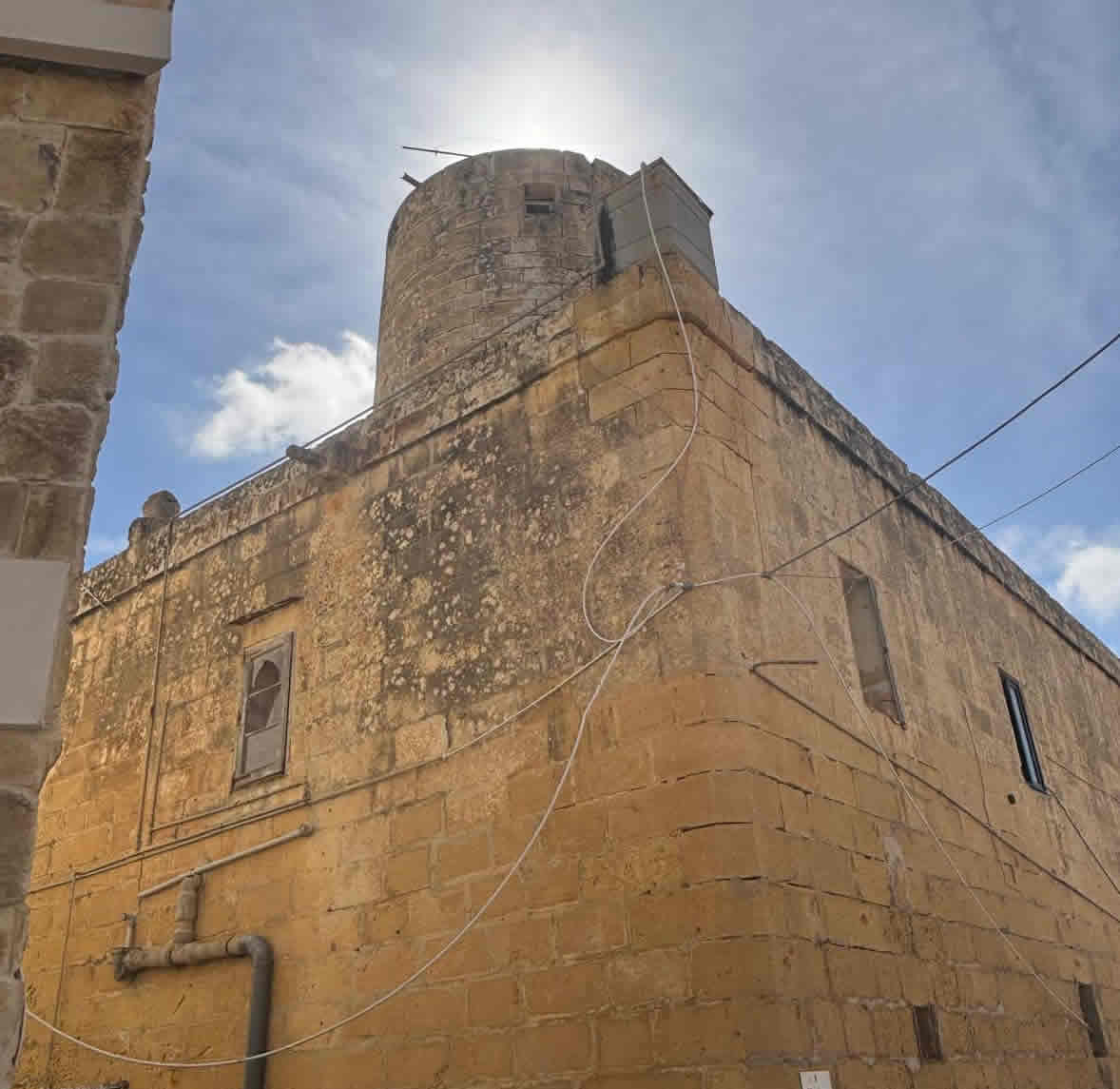
Here’s a summary of the construction and history of Ghajn Qatet Windmill / Ta'Fortun Windmill in Rabat, Gozo:
📍 Location
36.041006, 14.243437here’s a focused, sourced dossier on Għajn Qatet (Ta’ Fortun) Windmill, Triq Ġużeppi Spiteri (off Għajn Qatet), Rabat / Victoria (Gozo): its history, construction, machinery and present-day status — with the parts that are well-attested and the parts where sources disagree or are silent.
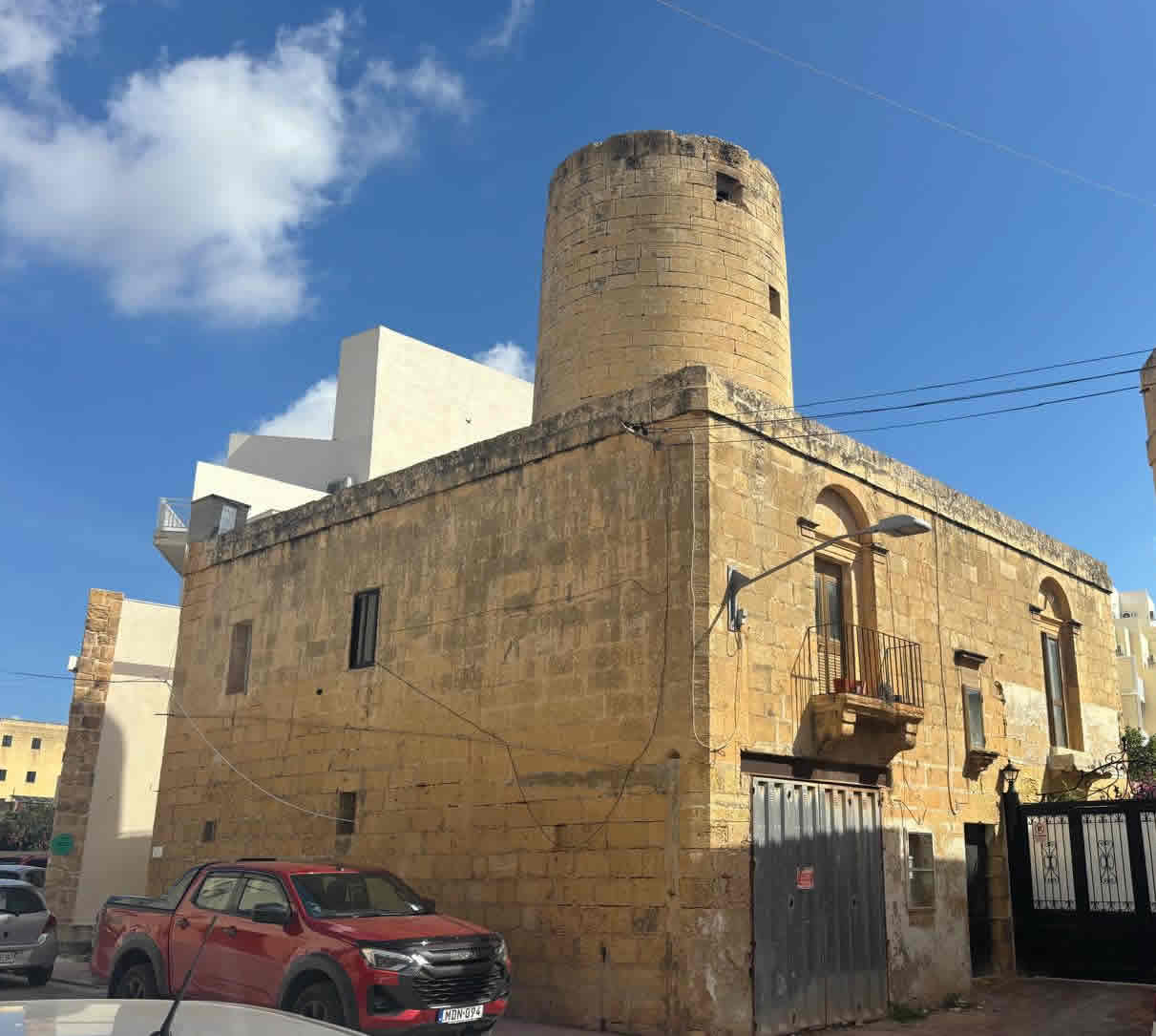
Quick facts
Common names: Għajn Qatet Windmill (also reported as Ta’ Fortun Windmill).
Location: Triq Ġużeppi Spiteri (off Għajn Qatet), Rabat / Victoria, Gozo. Coordinates commonly recorded: 36.041006, 14.243437.
Type: Tower (cylindrical) windmill — the standard Maltese tower-mill form.
Reported build year: most specialist windmill inventories list 1856 as the building year for this mill.
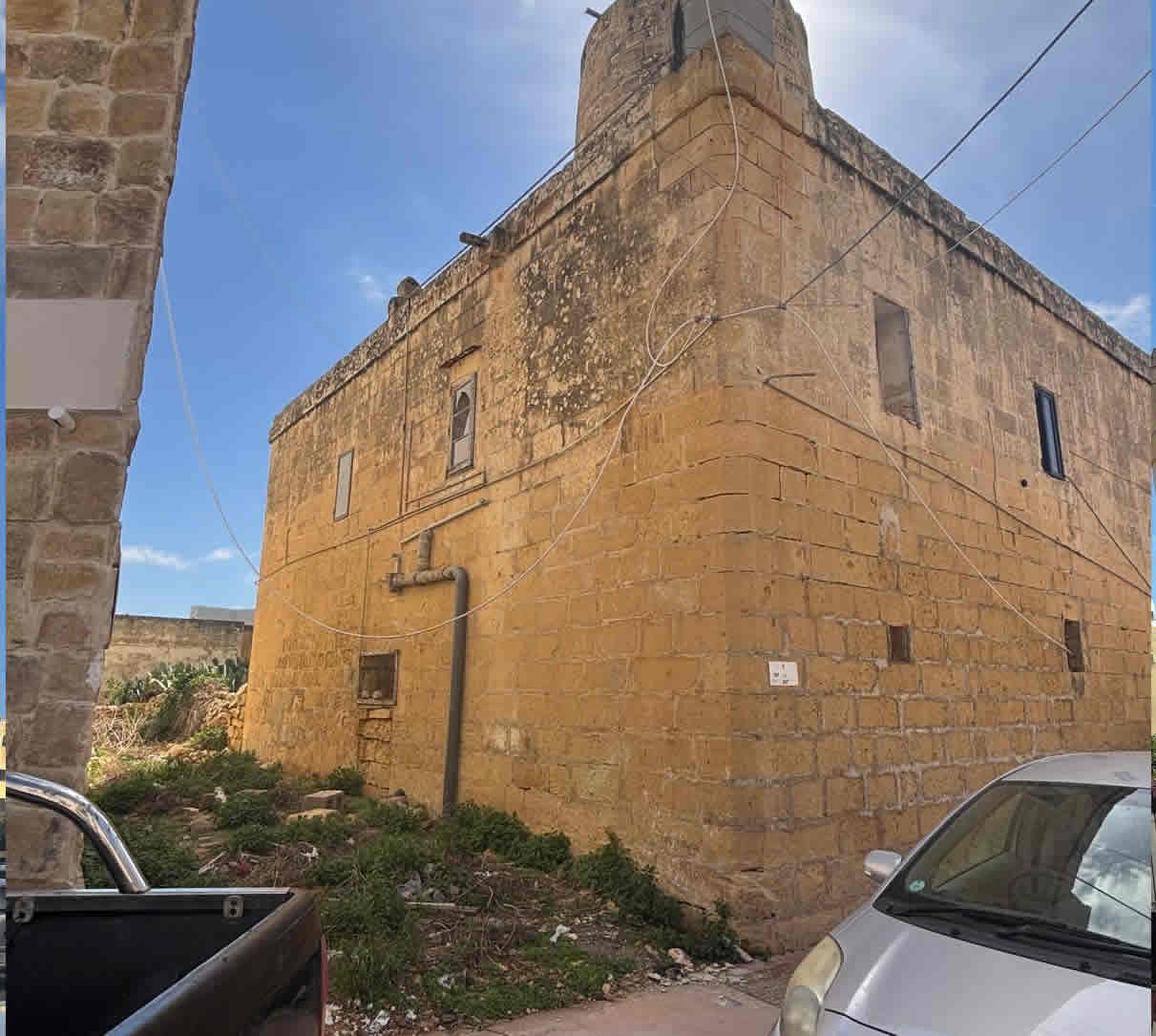
History — timeline and ownership notes
Mid-19th century construction (c.1856): multiple windmill registries and Gozo windmill lists record this mill as built in 1856 and commonly call it “Għajn Qatet / Ta’ Fortun”. That date places it among the wave of privately built tower windmills on Gozo in the 19th century.
Local ownership / name: local memory and photodocumentary notes attribute the mill to a Fortun/Furtun family connection (hence the nickname Ta’ Fortun in several online captions). A number of historical photos and pins associate the site with Fortun Camilleri and mention the sculptor Wistin Camilleri as born at or near the mill site in 1885 — this is consistent with family ownership/association in the late 19th century, though I did not find a single primary deed showing the original contract or builder name online. Treat the family attribution as a well-supported local tradition rather than an archival deed (unless you want me to pull notarial/land records).
Working life & decline: like most Gozitan mills, it would originally have been used to grind local cereals (wheat/barley) for the surrounding villages. Over the late 19th / early 20th centuries steam and industrial milling reduced the commercial importance of small windmills; many had their sails removed or were converted to other uses. Inventories list this mill as having had its sails removed in later years.
20th–21st century status & conservation concerns: the mill appears in historic photo collections (early 20th century images) as a local landmark. More recently conservationists have raised concerns about nearby development affecting some Gozo windmills; a 2020 Times of Malta piece mentioned Ta’ Fortun in relation to conservation/overshadowing issues when new construction was proposed nearby — showing the mill is considered of local heritage value.
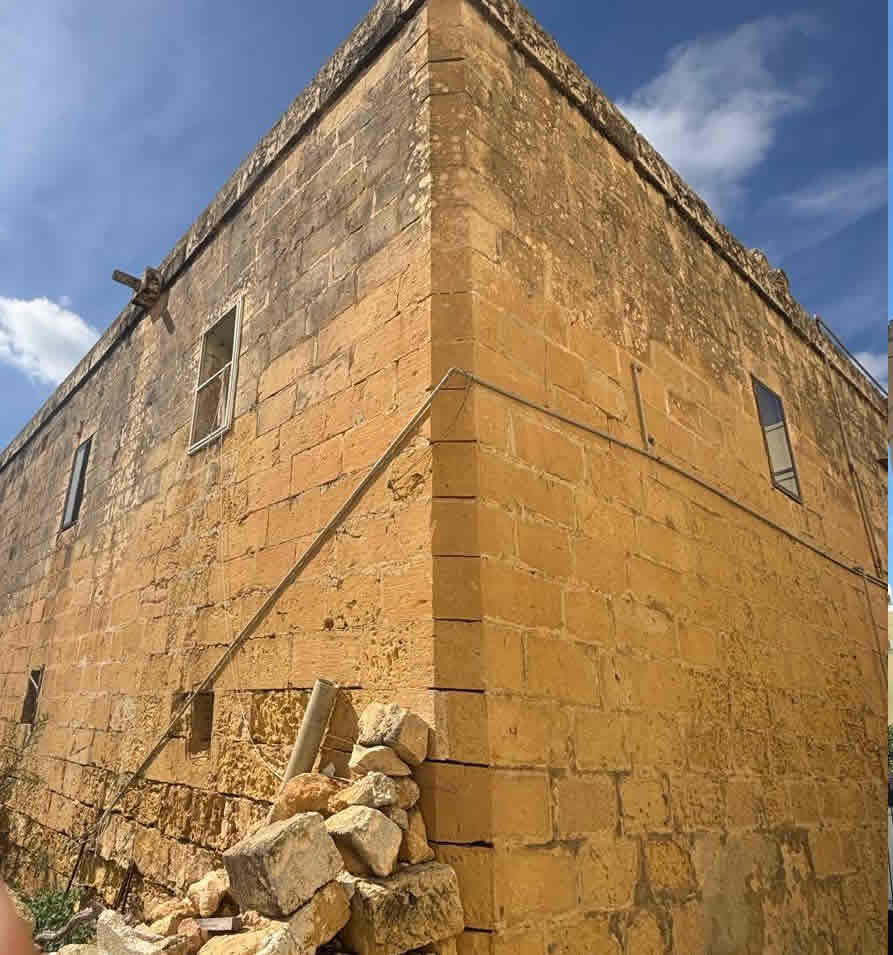
Construction — form, materials and internal machinery
What’s directly attested:
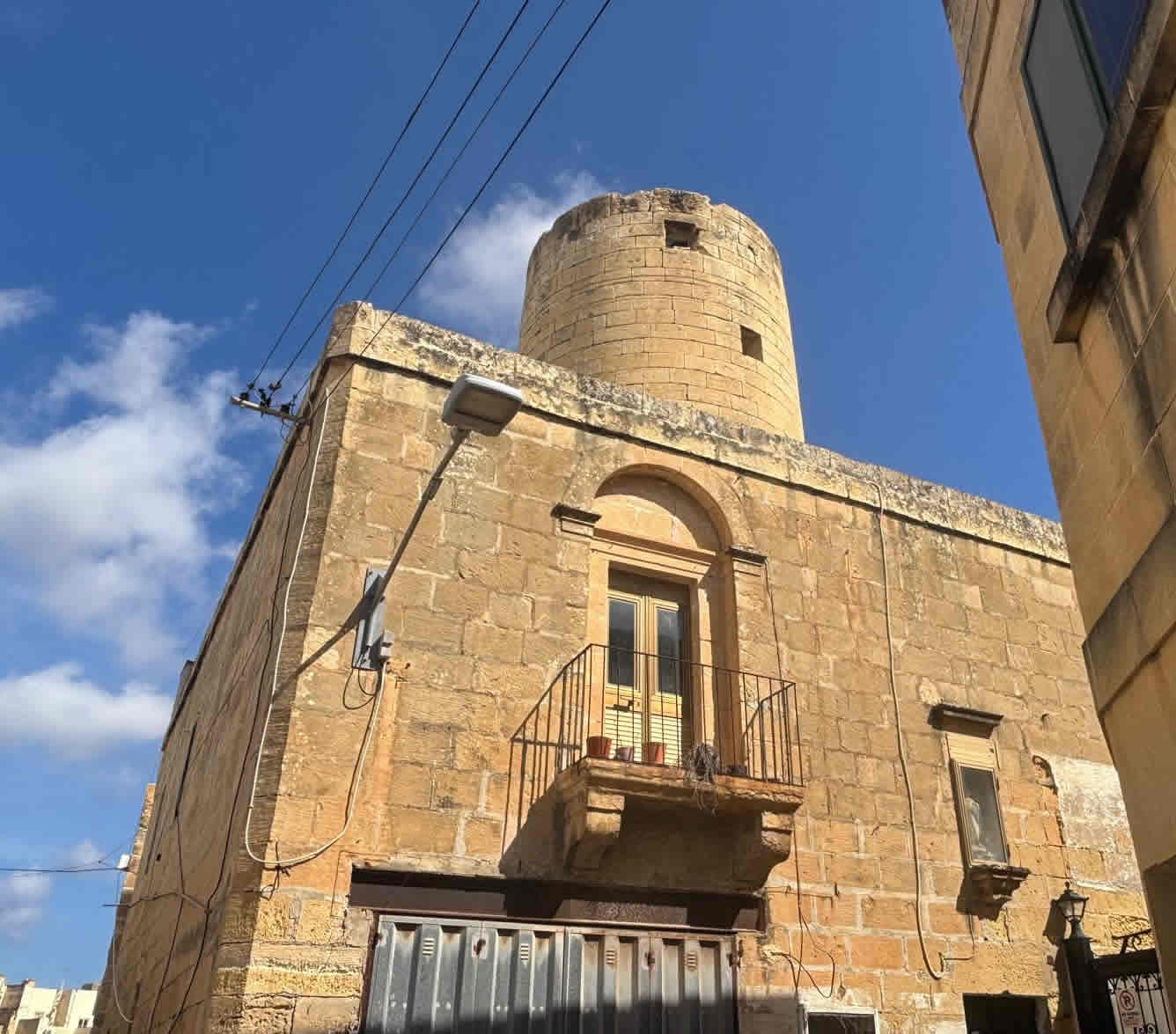
The mill is a tower mill (a cylindrical masonry tower with attached single-storey rooms at the base) — this is visible in historic and modern photos and is the form listed in windmill inventories.
Typical/expected construction details (and what to expect if you inspect it):
(these follow the standard Maltese tower-mill design used across Gozo — sources below document the generic technology and are consistent with the mill’s appearance)
Walls & materials: built of local Maltese limestone (cut blocks / rubble set in lime mortar). Tower walls are relatively thick to bear wind loads and support internal floors. External finish could be rendered or left as exposed stone depending on repair history.
Tower & cap: a circular stone tower terminating in a rotating wooden cap (the cap takes the windshaft and sails). The cap historically could be turned so the sails faced into the wind; caps were timber framed and often covered with weatherproofing. (No surviving cap-mechanism description for this specific mill was found online, so this is the standard design one should expect.)
Sails / stocks: traditionally Maltese tower mills used a set of wooden stocks (commonly six arms) carrying sails or slats/cloth. For Għajn Qatet sources report the sails were removed at some stage (a common fate across the islands). The exact number of original sails for this mill is not recorded in the online inventories I consulted.
Base rooms: low rooms attached to the tower for grain storage, bagging, and sometimes the miller’s living space or animal shelter. Photos in the archival catalogue show the tower integrated into the village streetscape with adjacent low buildings.
Internal gearing (standard layout): typical gear train — windshaft attached to sails → brake wheel → wallower → vertical shaft → great spur wheel → stone nuts → runner/bed millstones. Floors arranged so grain could be fed from hoppers above the stones and ground flour collected below. I didn’t find an interior machinery inventory for this mill online; expect that, if intact, the mill would follow this configuration.
Documentary & photographic evidence
Historic photos: the National Archives / Historic Photos Catalogue includes Rabat/Victoria windmill images (showing windmills on the Rabat roads and village approaches) — these document the mill’s presence in the early 20th century and show its role as a landscape feature.
Windmill inventories: specialist lists (Windmills of Malta database / windmillsofmalta, and travel/heritage compilations) list Għajn Qatet / Ta’ Fortun and give the building year 1856. These are the primary secondary sources used by researchers and enthusiasts.
Press / conservation reporting: the mill has been mentioned in press pieces about protecting Gozo windmills from insensitive development (Times of Malta, 2020), showing it remains part of local heritage debates.
What is uncertain / gaps in online records
Primary builder / original contract: I did not find an online transcription of a notary deed or contractor name that names who specifically built the mill in 1856. The family nickname Ta’ Fortun suggests a Fortun (or Fortun Camilleri) family association but I didn’t find an original land deed online confirming the first owner.
Interior condition & surviving machinery: there’s no readily available public interior survey or MEPA conservation report online that lists whether millstones, gearing or cap-mechanisms survive intact in situ.