Location Map Coordinates 35.921000, 14.428861
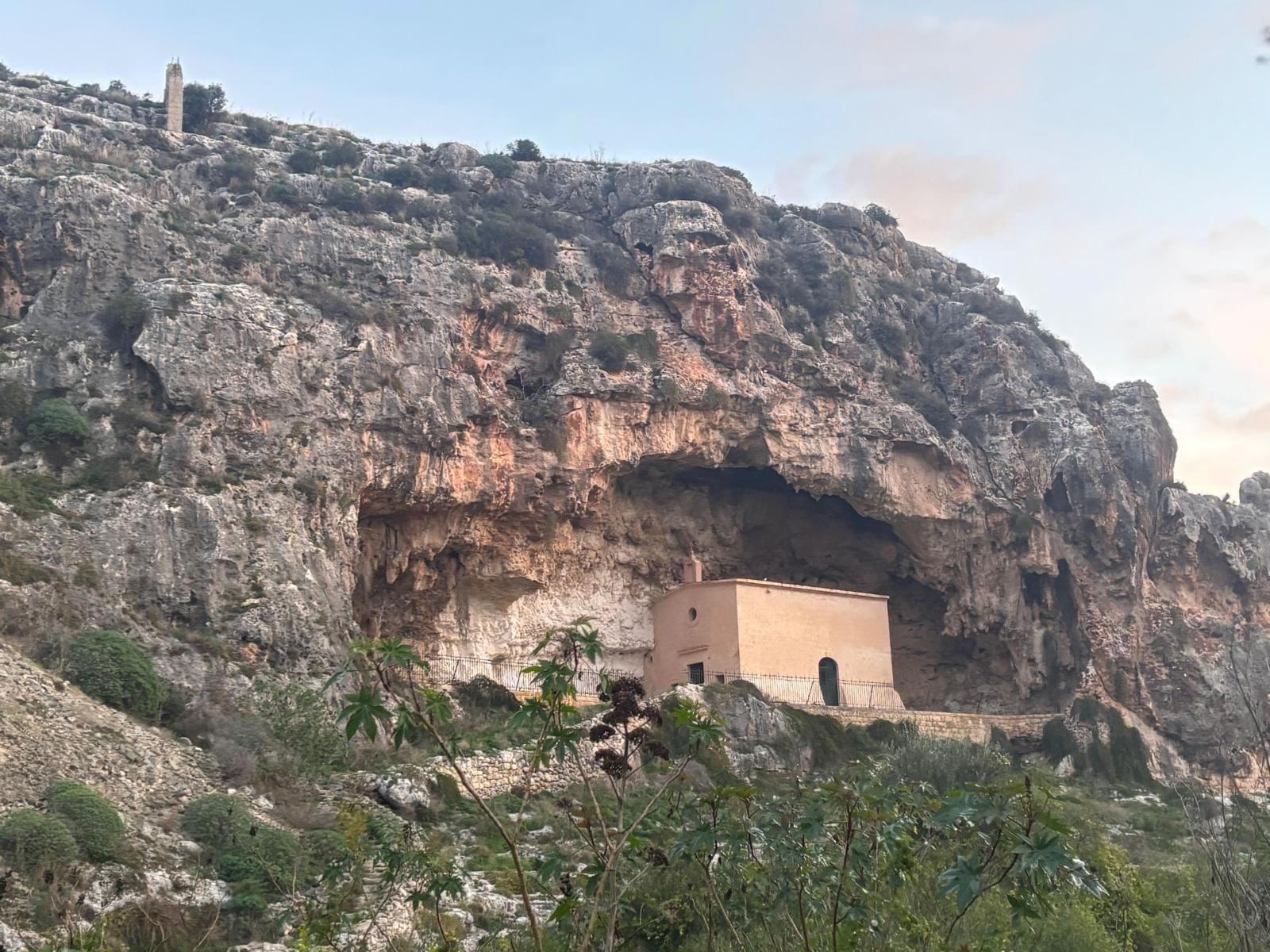
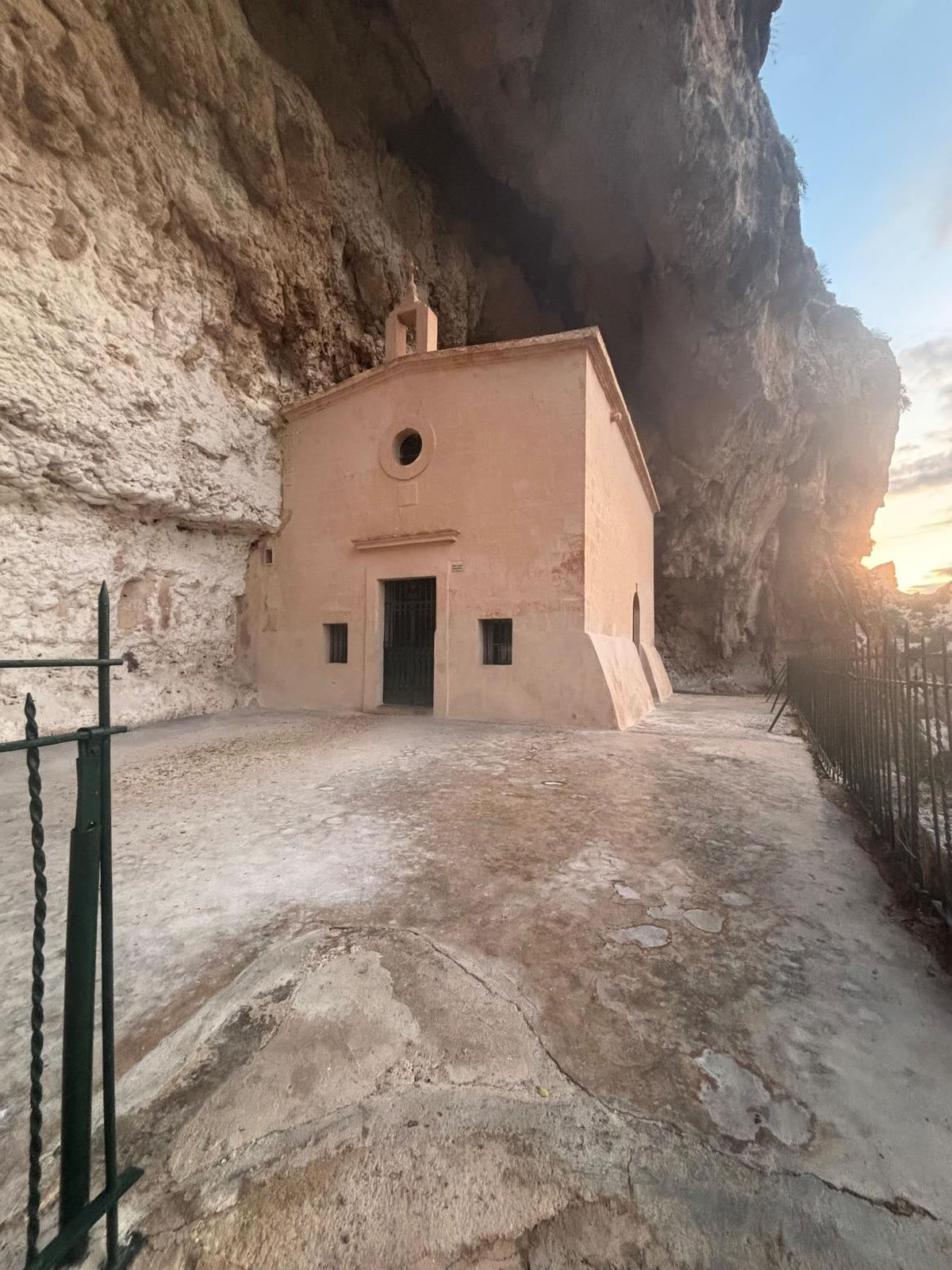
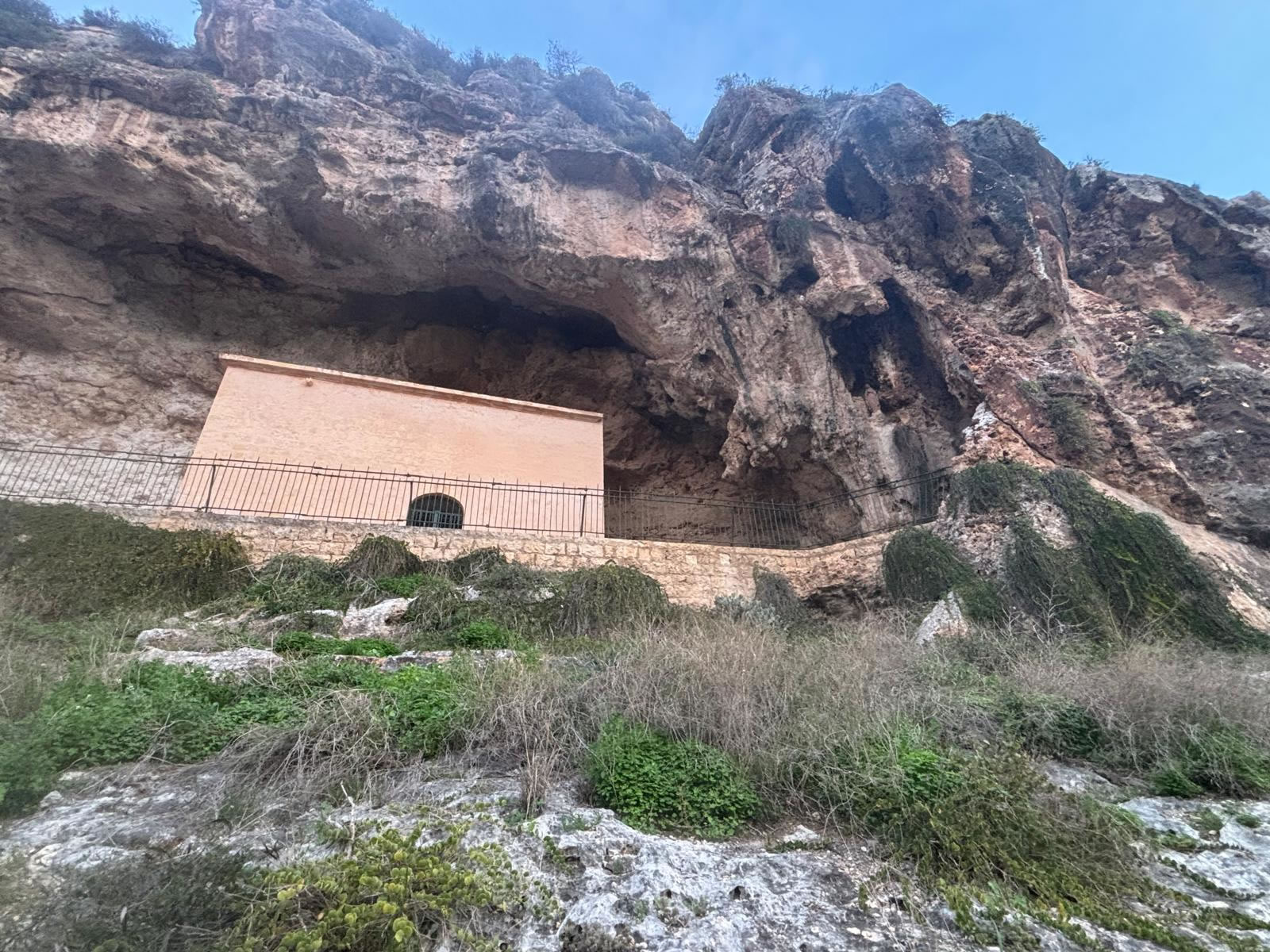
Hidden beneath an overhanging rock face in Wied il-Għasel, the Chapel of St Paul the Hermit
is one of Malta’s most atmospheric small sanctuaries: part-built, part-carved, and inseparable from the valley itself.
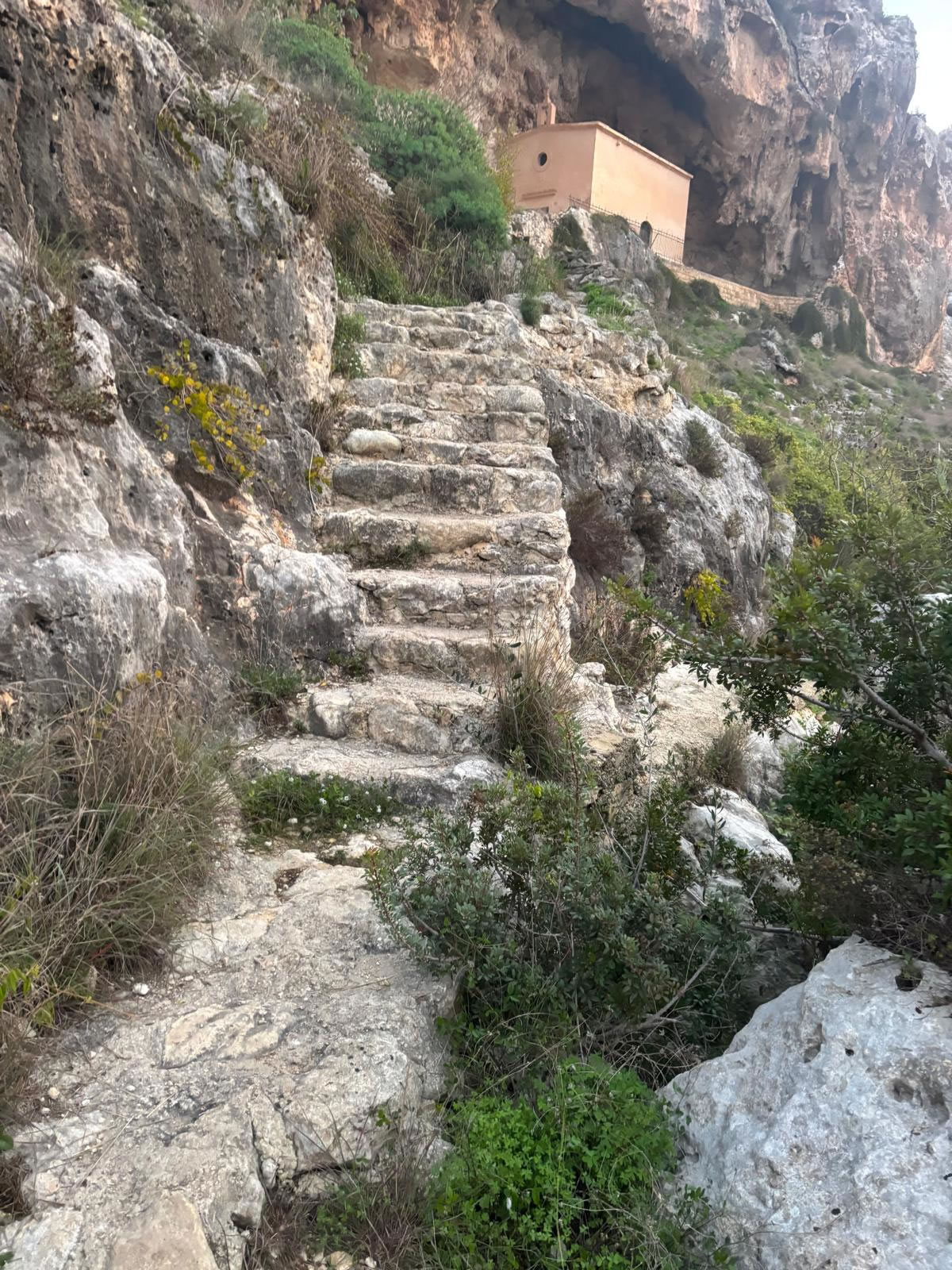
Unlike urban churches designed to dominate a square, this chapel feels discovered—revealed as you move through the
landscape and look up toward the ledge.
Its significance is not only visual. The chapel is historically documented in the late 16th century, then reshaped in the 17th,
repeatedly neglected, restored, vandalised, and eventually rescued again—an unusually complete “biography” for a modest rural shrine.
The earliest clear documentation comes from the apostolic visitation of Inquisitor Pietro Dusina (1575).
His record describes a chapel with an altar and a notably uncommon feature for rural chapels of the time:
a wooden door. The same account notes the lack of a resident rector and a shortage of liturgical items, but
also records local devotion—Paolo Cumbo paid for the saint’s feast to be celebrated annually.
The chapel appears again in Giovanni Francesco Abela’s 1647 history of Malta, which mentions paintings connected
to the site. By the mid-17th century, the chapel was already embedded in Malta’s written heritage, not just local memory.
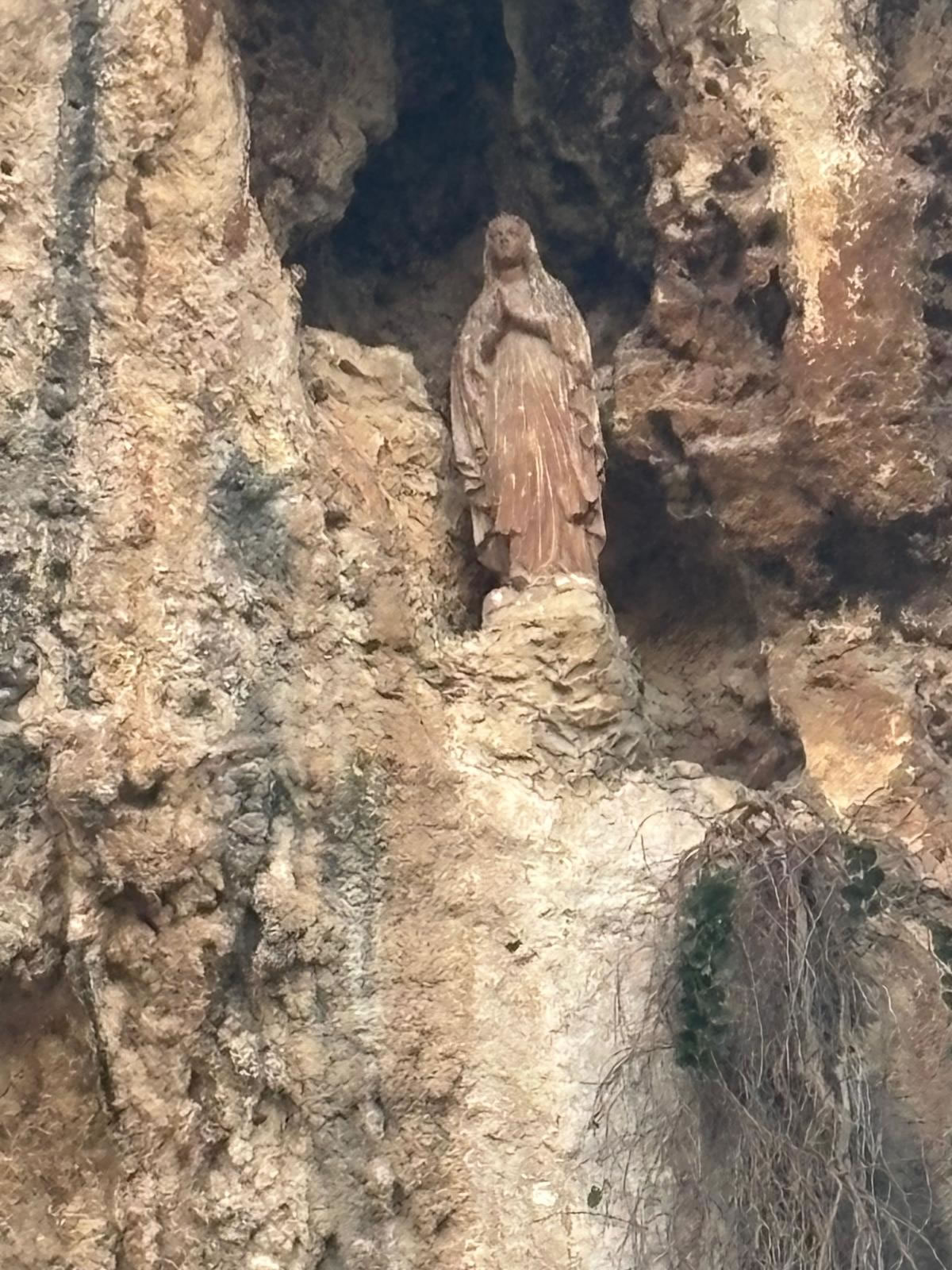
In 1656, a Mosta local, Ġan Pawl Mangion, placed a painting of the Virgin Mary inside the cave.
Permission was granted by Bishop Balaguer for Mangion to rebuild the chapel and construct an altar around that image—one of the
defining moments that shaped the sanctuary’s physical and devotional character.
By 1676, records indicate the chapel remained in active use for its feast: Don Ortensio Bennini is noted
as celebrating Mass and preaching on the day—evidence of continued pilgrimage-like attention even in a comparatively secluded setting.
Over time the chapel fell into neglect. In 1920, Archbishop Mauro Caruana appointed Rev. Karm Gauci
to care for it, leading to restoration and the addition of a belfry. However, access became difficult when the route into the valley
was blocked, and the chapel again slipped into abandonment. Repeated vandalism eventually led Archbishop Mikiel Gonzi to
deconsecrate the building.
In modern times the chapel has been restored back toward its original state, safeguarding an important (and fragile) landmark
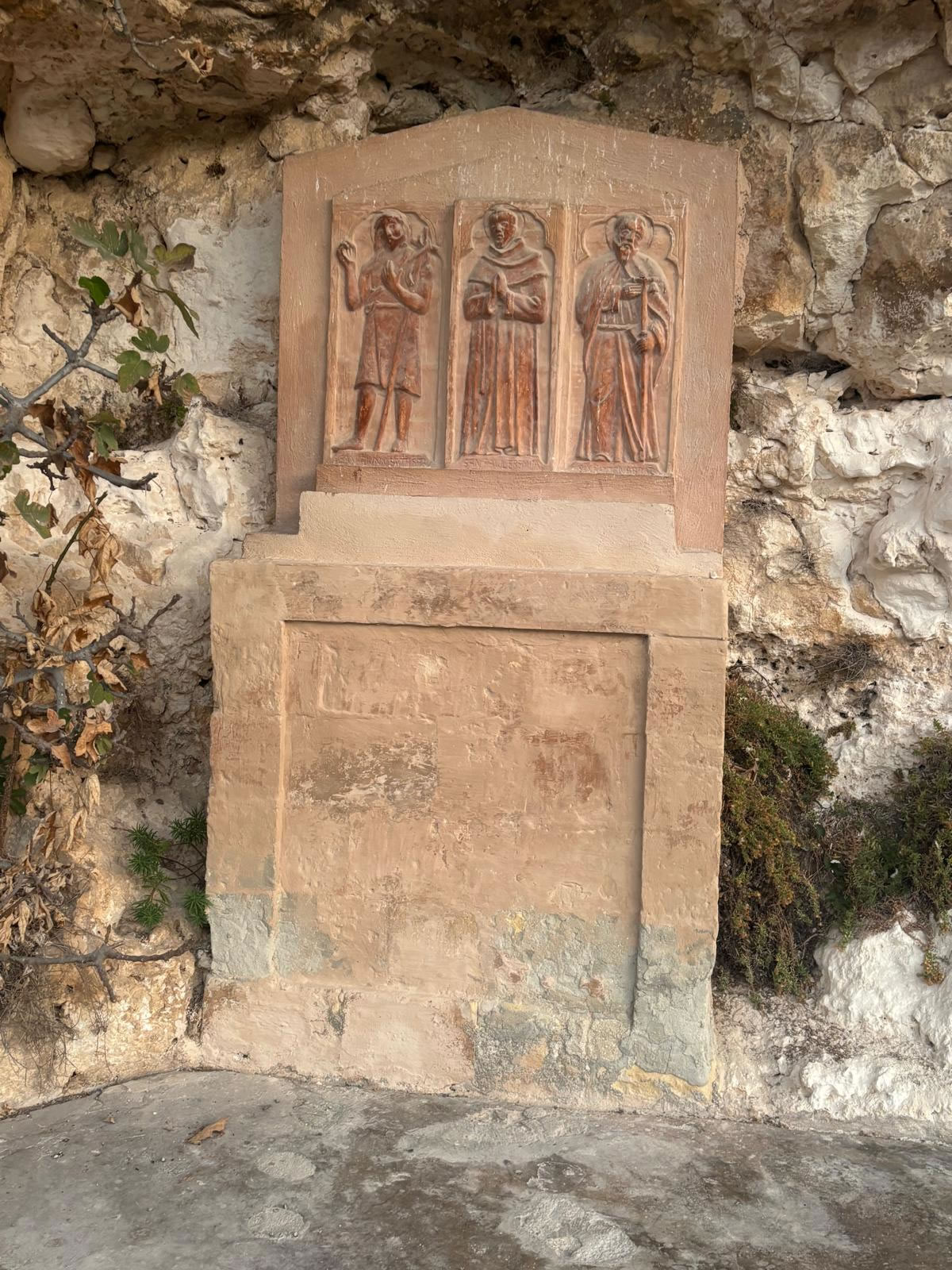
where natural rock, devotional art, and rural history are tightly interwoven.
Despite its small footprint, the chapel contains layered devotional focal points:
Photography note: light inside can be low and contrasty due to the rock overhang—visit with a steady hand or camera stabilisation if you plan interior shots.
Rural Maltese chapels often sit at the meeting point of history and folklore, and this site is no exception. Local tradition
connects the valley to stories of a hermit figure associated with prayer, solitude, and guidance. Whether or not every detail can
be proven, the chapel’s placement—high under a protective rock lip—fits the spiritual imagination of a hermitage: a place where
devotion withdraws from the village and into the land.
Area: Wied il-Għasel, outskirts of Mosta, Malta
Devotion to St Paul the First Hermit remains part of the chapel’s identity, with worship historically tied to the saint’s feast period.
If you’re hoping to see the interior, feast-related openings are the most likely opportunities.
It sits in Wied il-Għasel, on the outskirts of Mosta, Malta, built into a rock ledge above the valley. It is documented in 1575 and was rebuilt in 1656; the site likely had earlier devotional use before the 17th-century rebuilding. It may be closed outside special occasions. If you want interior access, feast-related openings are often your best chance. You’ll find a main altar and artwork associated with St Paul the Hermit, plus a smaller cave altar linked to devotion to the Virgin Mary.Overview
History and timeline
1575: recorded during Dusina’s visitation
1647: described in Abela’s early history of Malta
1656: rebuilding and a Marian focus inside the cave
1676: feast-day preaching
20th century: restoration, abandonment, vandalism, and deconsecration
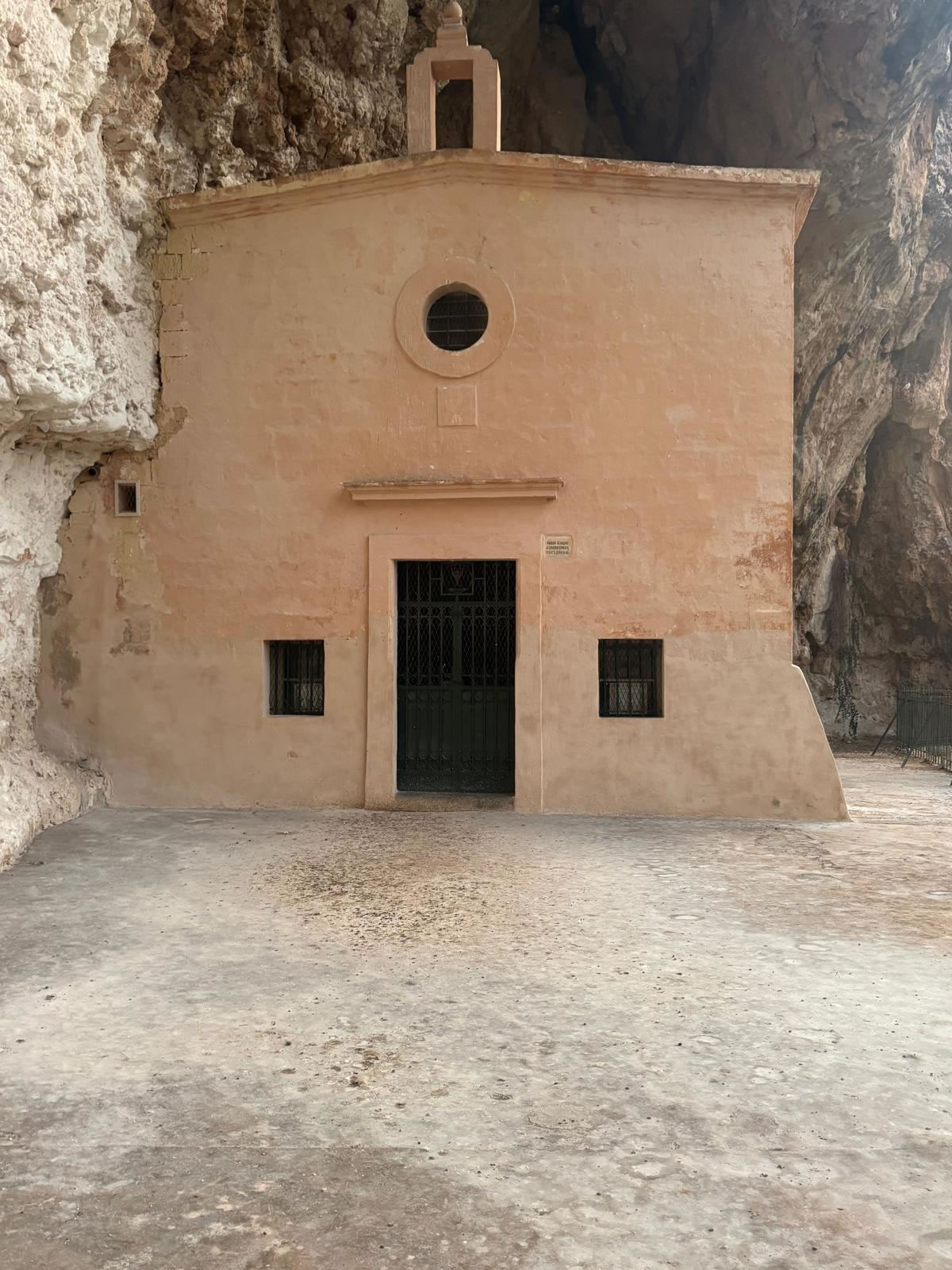
Recent conservation
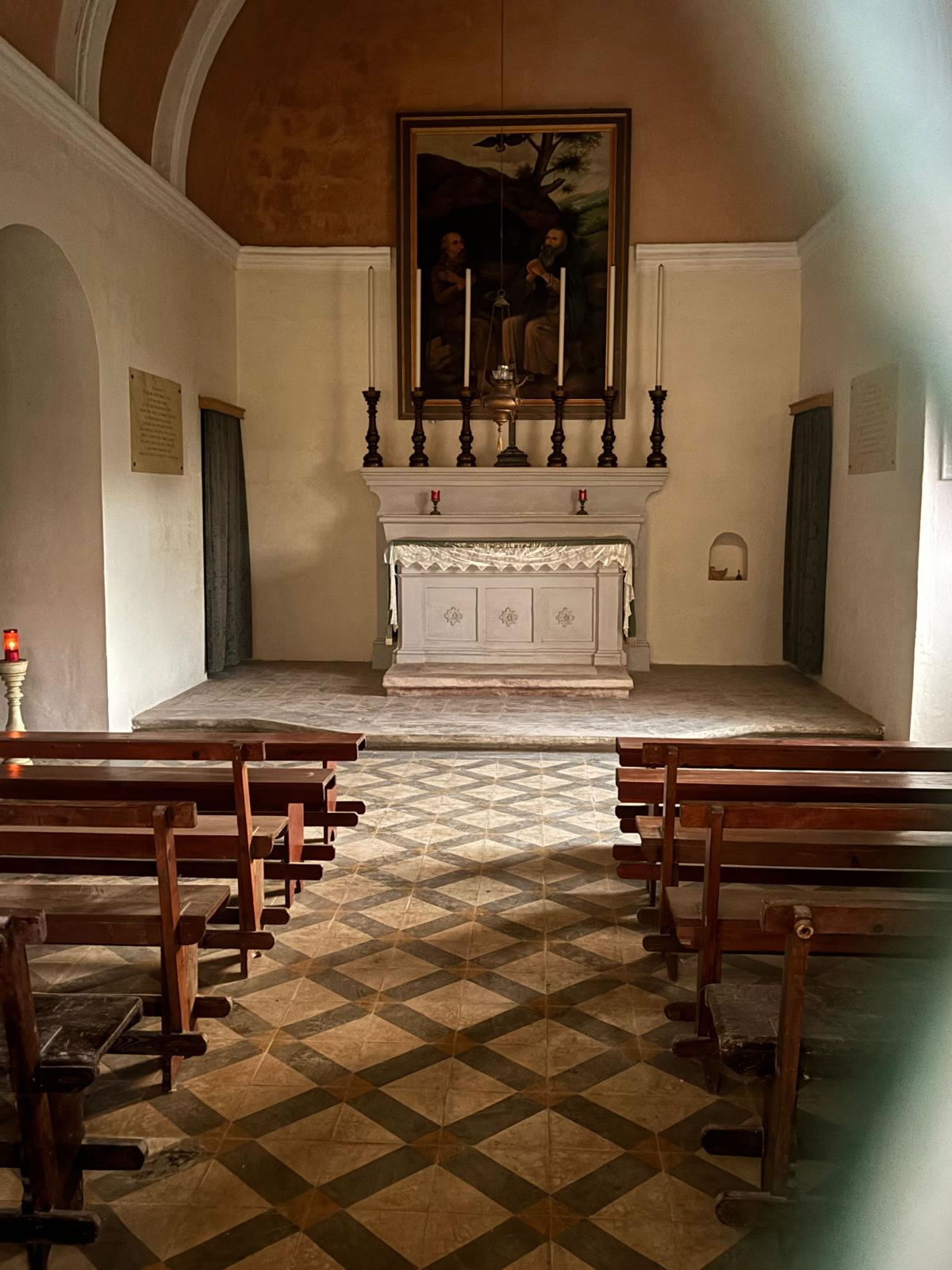
Interior highlights and sacred art
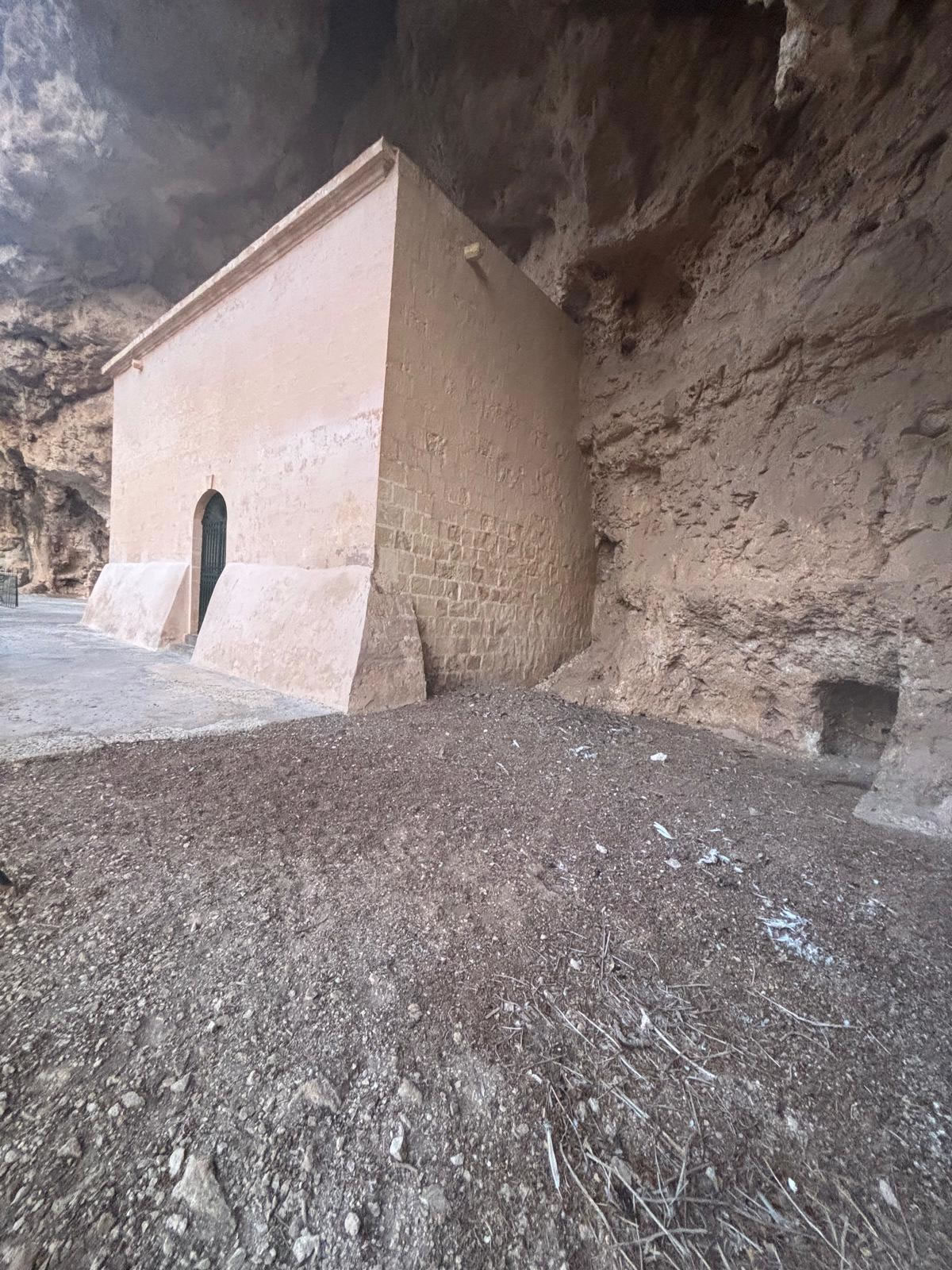
Local legend and the “hermit” landscape
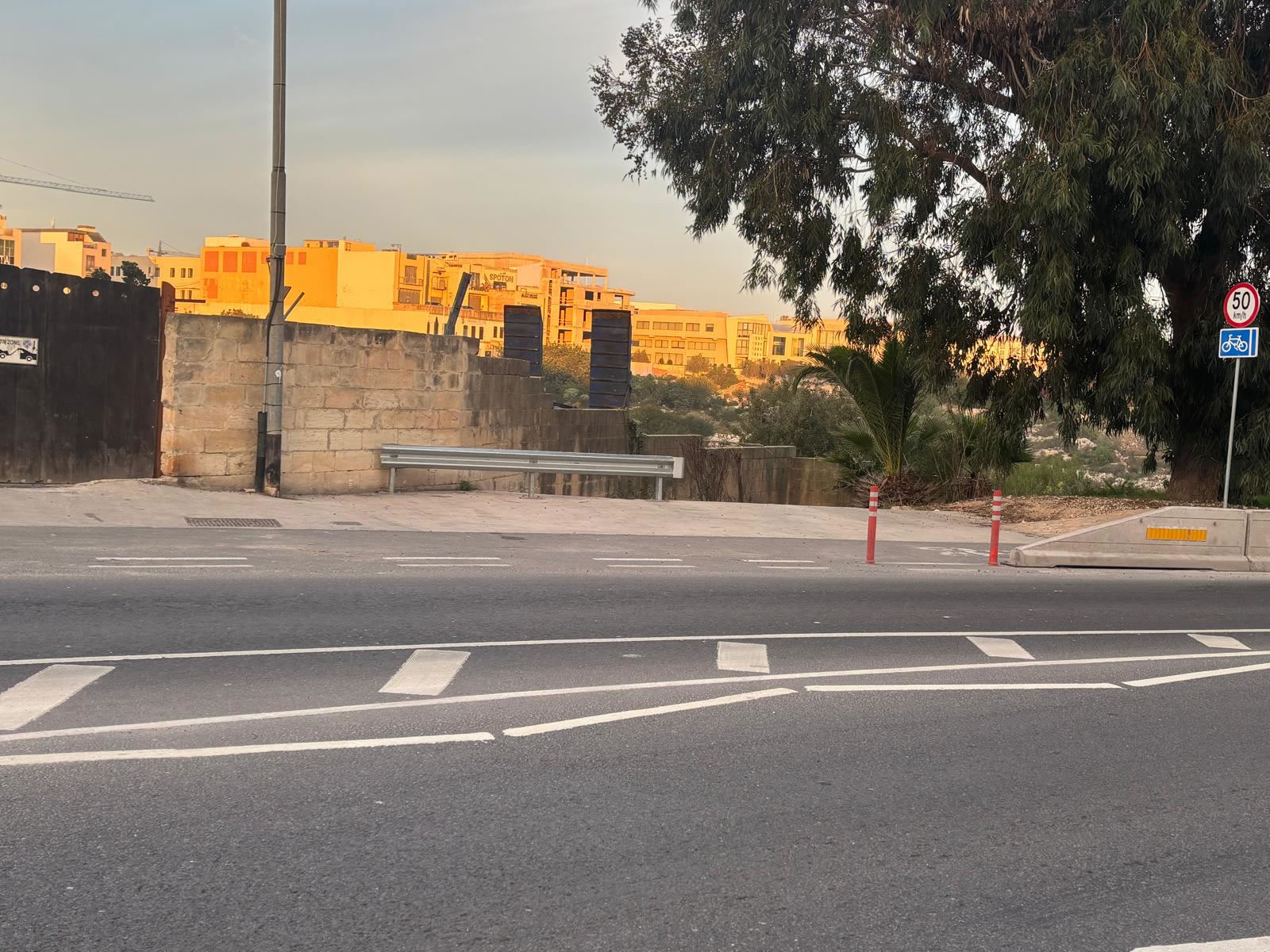
Coordinates 35.915602, 14.427194 Google Map linkVisiting guide
Location
Coordinates: 35.921000, 14.428861
Access and best time to go
Feast-day context
Why this chapel matters
Frequently asked questions
Where is the Chapel of St Paul the Hermit located?
How old is the chapel?
Is the chapel open to visitors?
What can you see inside?
Nearby ideas in Mosta