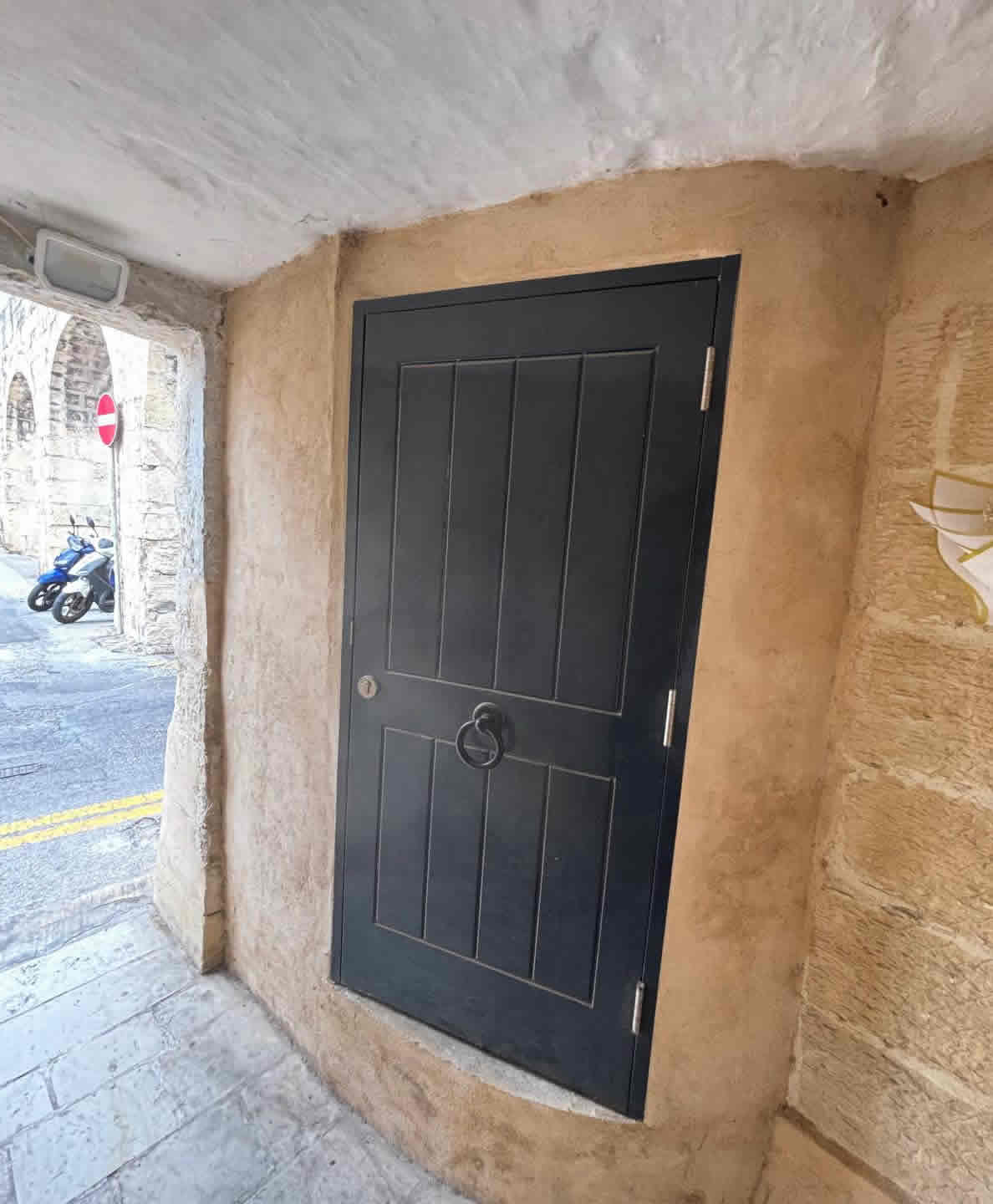
St Joseph Water Tower
Tower of St Joseph, it‑Turretta (in Maltese), Torre di San Giuseppe (in older/Italian sources).
What is Tower of St Joseph
Role: It is the first of the water‐inspection / control towers on the Wignacourt Aqueduct route, sometimes called an inspection tower or turret.
Common names: Tower of St Joseph, it‑Turretta (in Maltese), Torre di San Giuseppe (in older/Italian sources).
Historical Background
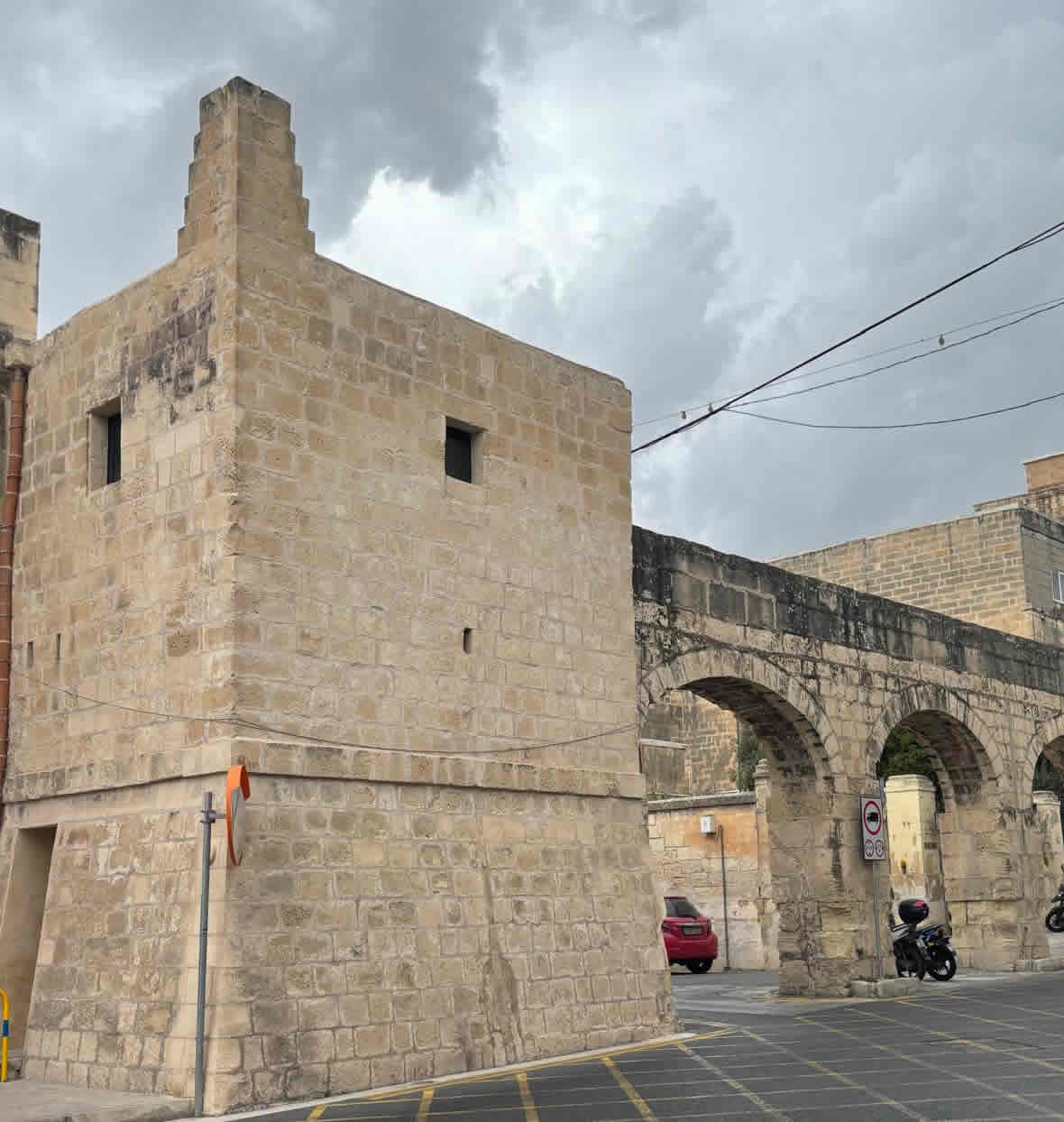
On 9 January 1610, work on the aqueduct began again under the direction of another Jesuit called Padre Natale Tomasucci. By this time, Garzez had died and was succeeded as Grand Master by Alof de Wignacourt. In July 1612, the Bolognese hydraulic expert Bontadino de Bontadini took over the project
The aqueduct was completed and inaugurated on 21 April 1615, when water first reached Valletta. The Tower of St Joseph is part of that system.
Construction & Architectural Details
Here are what is known (or reasonably inferred) about how the St Joseph Tower was constructed and its architectural features:
| Feature | Description / Notes |
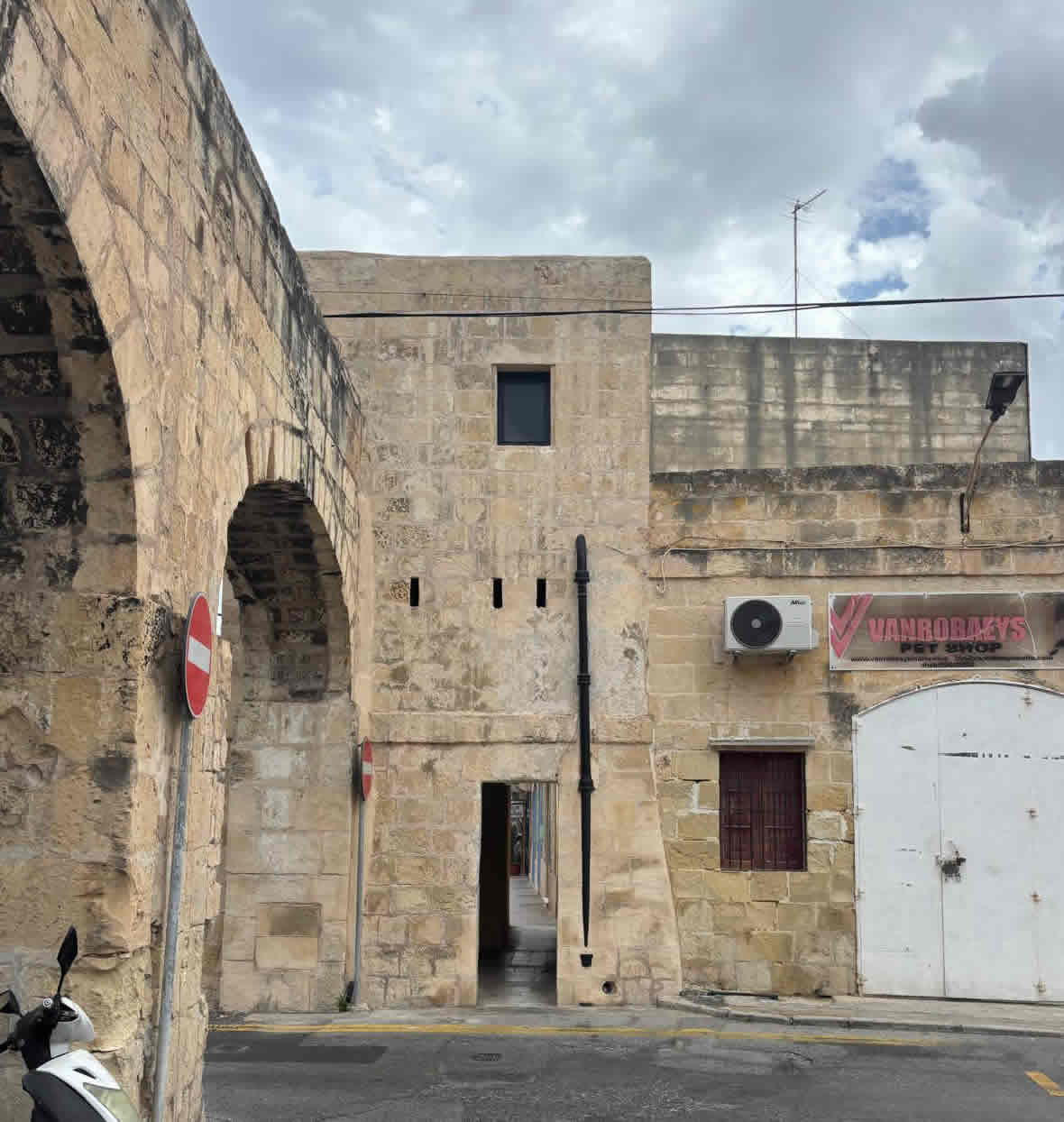
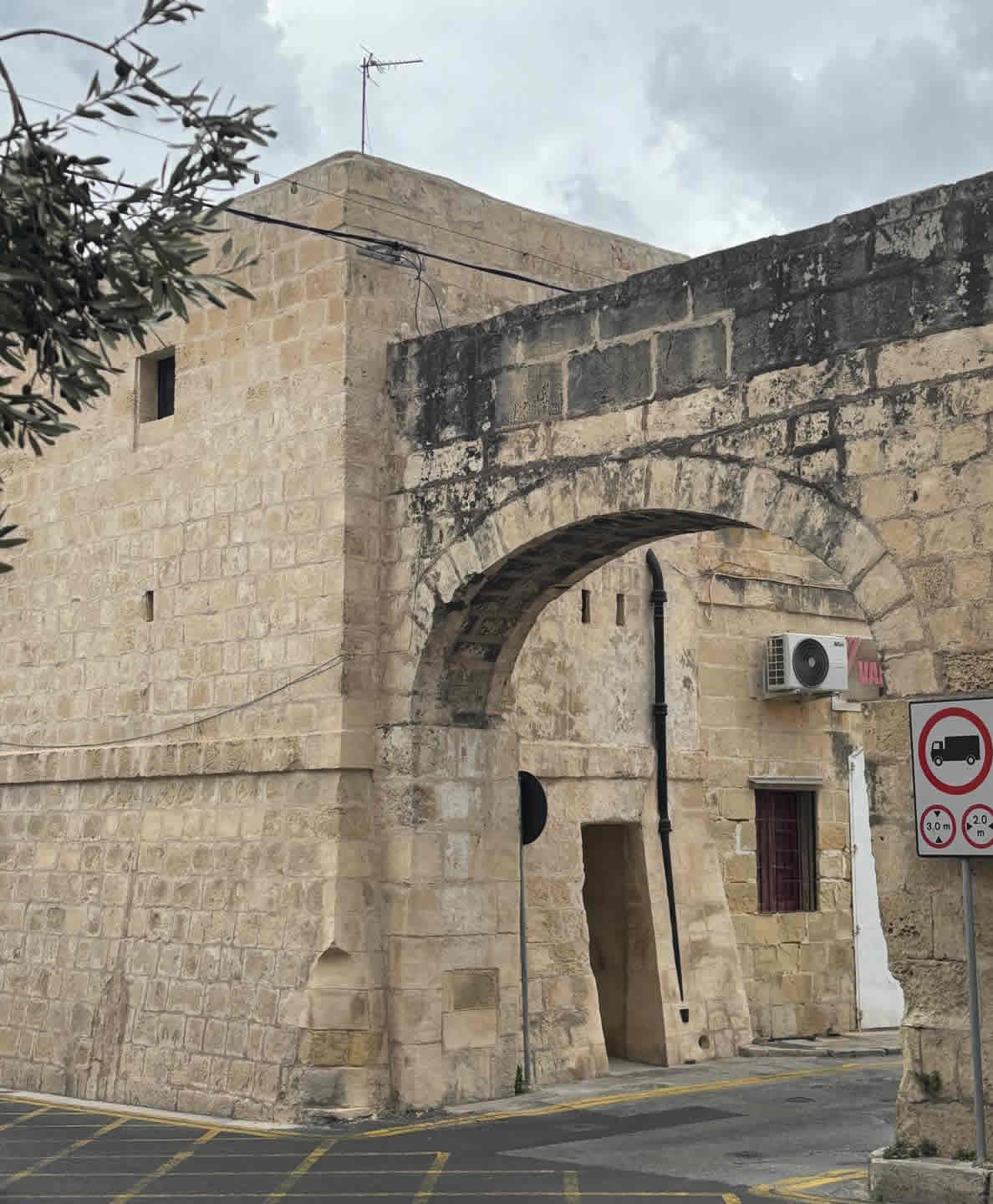
| Structure & Floors | The tower has two floors. The lower floor (or lower level) is buttressed—that is, it has strengtheners / supporting features that bear load and resist lateral pressures. |
| Resemblance to Watchtowers | The lower buttressed level gives it a visual similarity to Malta’s coastal watchtowers (e.g. the De Redin towers), especially in its solidity and defensive aesthetic though its function is different. |
| Connection to the Aqueduct Arches | The tower is linked to a run of arches of the aqueduct in its vicinity. That is, some of the aqueduct in that area is carried above ground by arches, and this tower is situated at a point where the arches end (or where underground and above‑ground conduits join). |
| Inscription | There was an inscription on the tower (Latin), though it is no longer visible. The inscription is attributed to Bontadini, the engineer overseeing part of the construction. The wording is roughly: |
| Quam subterraneis sese ductibus inferentem hoc loco amittis aquam / Eadem urbe media pulcherrimo sese fonte comperies efferentem. Ingenio miro Bontadini de Bontadinis Bonon." | |
| This can be translated loosely, (though some parts may have been reconstructed) as something like: *“Water, which in this place is lost through underground conduits, you will find it flowing out in equal abundance in the middle of the city from a most beautiful fountain. By the wondrous ingenuity of Bontadini of Bologna.” | |
| Function / Purpose | Several complementary roles: • It serves as an inspection or control point – where the aqueduct arches (above ground) meet or transition to underground channelled pipe/conduit. • It may have been used for maintenance / monitoring of flow. • Possibly to ensure that water carried via arches is joined properly to the subterranean sections without excessive loss. • Also acted as a visible structural marker of the aqueduct – an architectural monument / statement of Wignacourt’s project. |
Significance
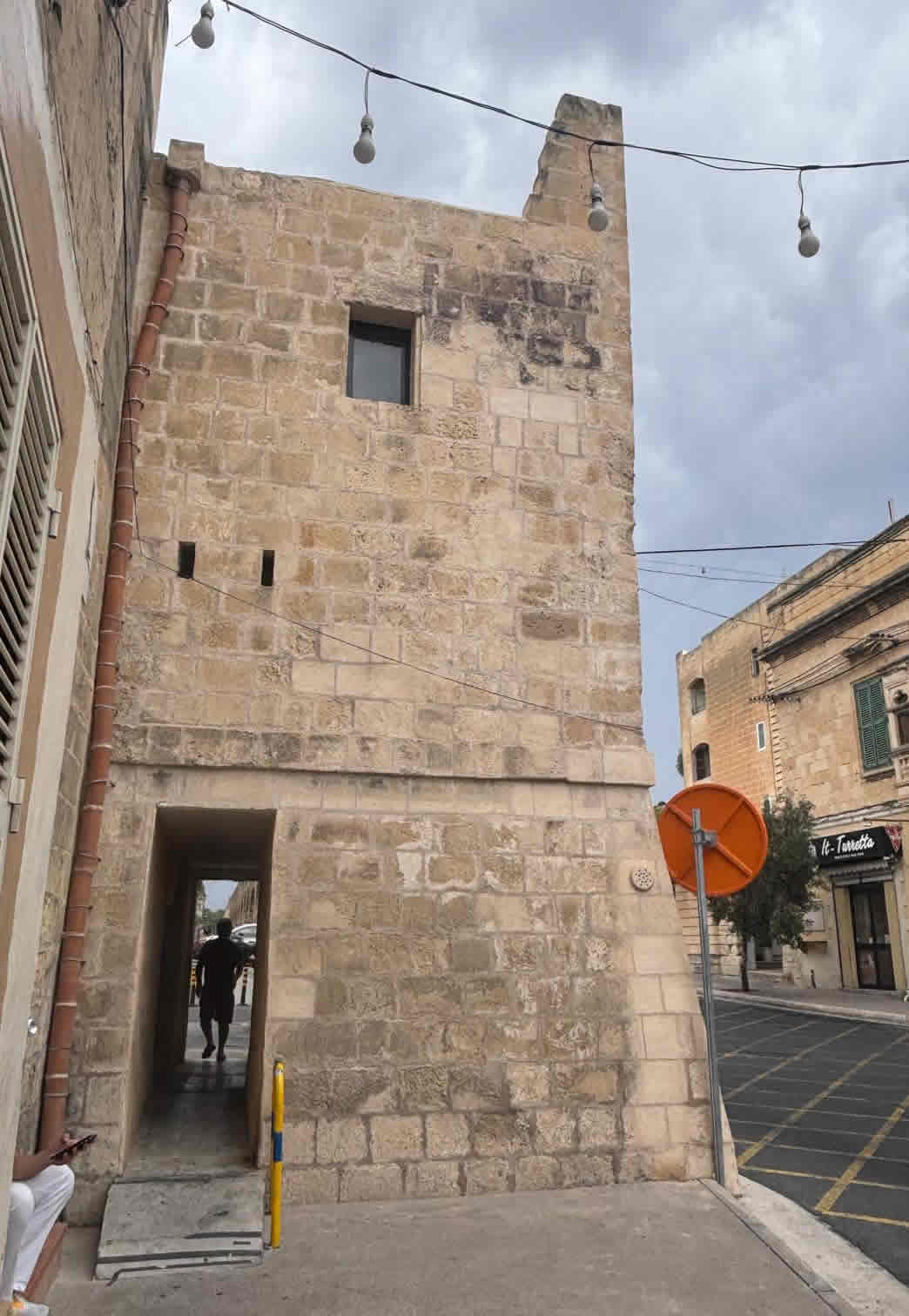
The St Joseph Tower is important as one of the few surviving above‑ground structures from the original Wignacourt aqueduct system. It reflects both utility and monumental architecture.
It also serves as a local landmark: in Santa Venera, it marks the point where many of the arches begin/are visible, and traffic & roads (modern St Joseph’s High Road etc.) develop around it.
What is Less Clear or Lost
It is uncertain whether the current building is entirely original**: remarks are made that original designs differ slightly, so the present structure may have undergone modifications, repairs, or partial rebuilding.
The original inscription is no longer visible (weathering, etc.).
Detailed internal construction (dimensions of rooms, pipe connections, exact path of water through that tower) are not fully documented in public sources.