Location Map Coordinates 35.916466, 14.410112
Tarġa Battery is a British-period artillery battery built from 1887 as part of the Victoria Lines (initially known as the North West Front). Positioned at Tarġa Gap, it was intended to strengthen a vulnerable section of the defensive line between the Dwejra Lines and Fort Mosta.
At a glance
- Name
- Tarġa Battery (Maltese: Batterija tat-Tarġa).
- Type
- Artillery battery (Victoria Lines / North West Front system).
- Built
- From 1887 (with subsequent alterations in the 1890s and early 20th century).
- Strategic purpose
- Protect the low escarpment at Tarġa Gap and counter the threat of enemy batteries on Bidnija Hill.
- Design
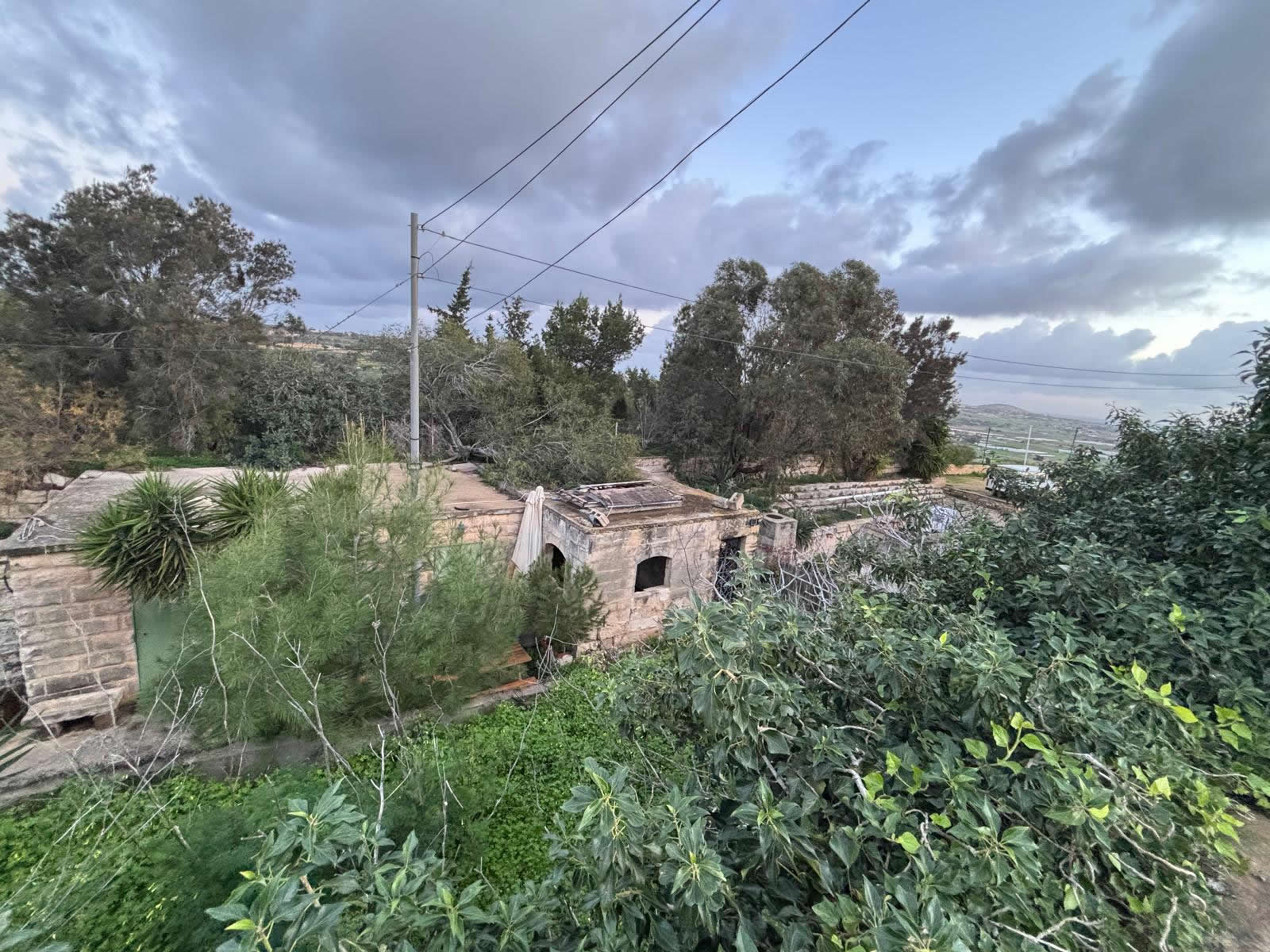
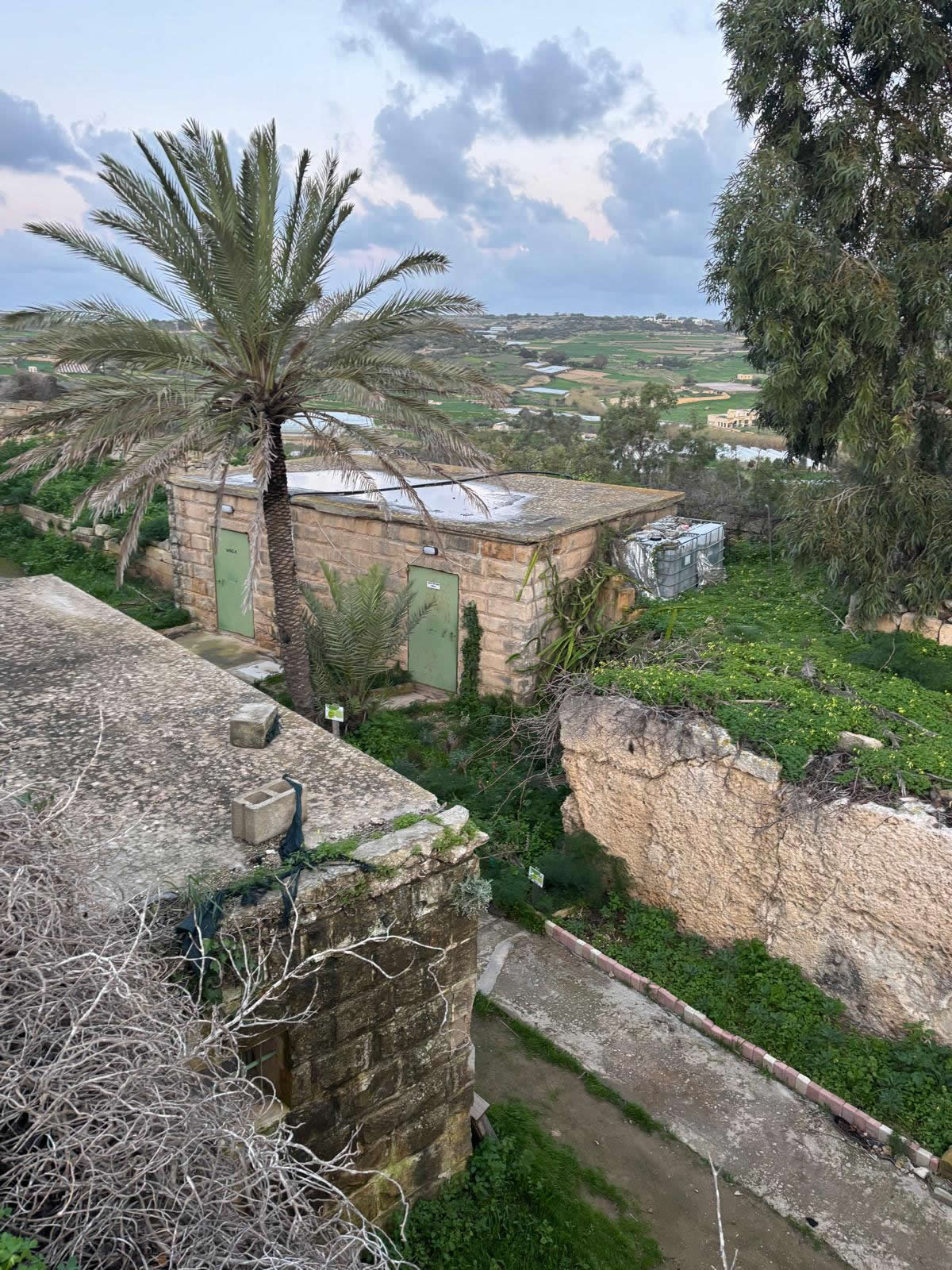
- Pentagonal plan with ditch, escarpment, caponier, and casemated positions; a rear infantry redoubt was also built.
- Planned armament
- Intended for four 64-pounder RML guns, but it reportedly never received its intended armament.
- Decommissioning
- 1907 (Victoria Lines system decommissioned, with some exceptions elsewhere).
- Later use
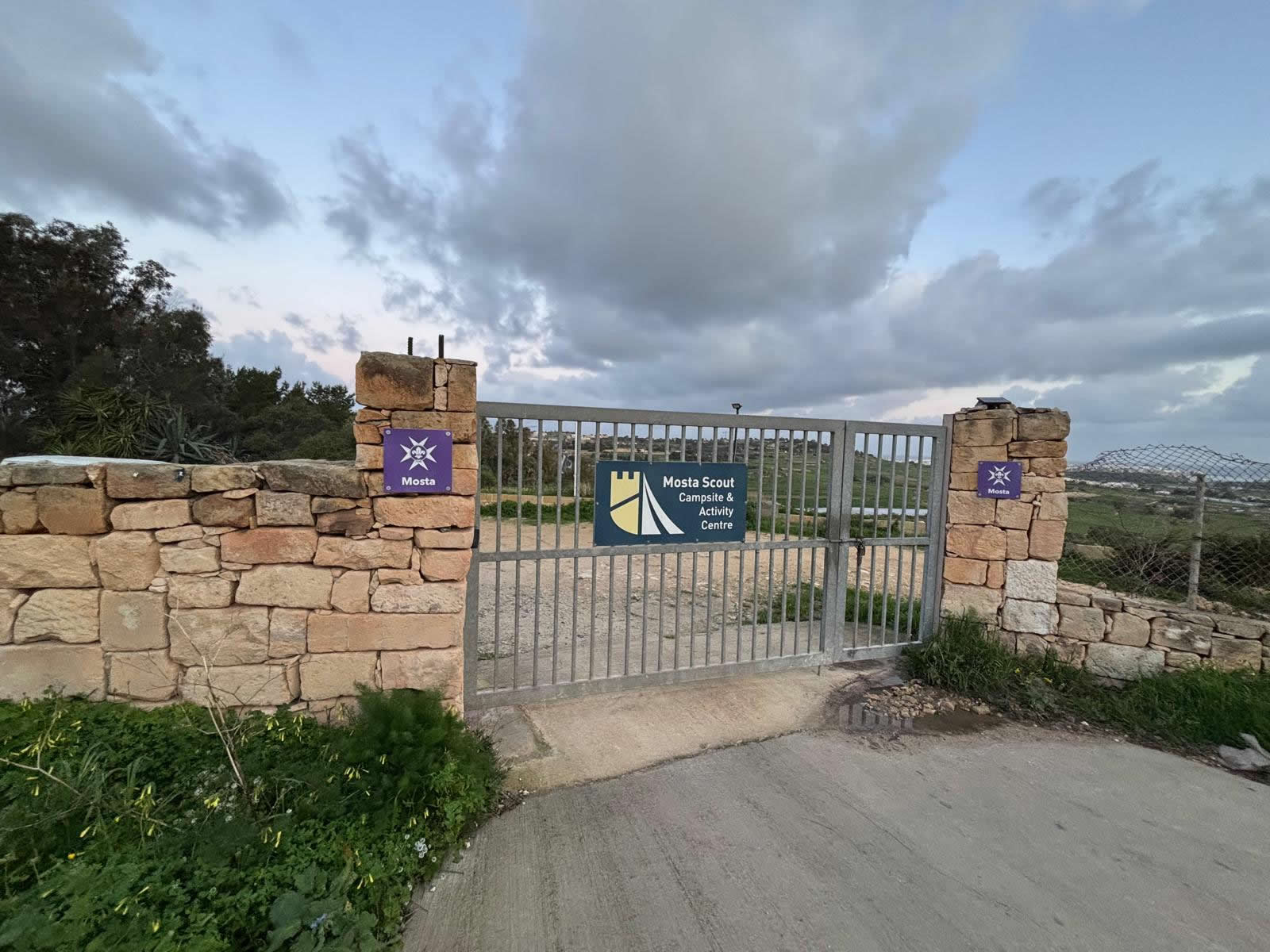
- Used as storage/magazine; used for Civil Defence training and storage just after WWII; later cleaned up and used as a Scout campsite/activity centre.
- Access
- Generally not open to the public (occasional events/open days may occur).
- Coordinates
- 35.916466, 14.410112
History & key dates
During the late 19th century, British engineers strengthened Malta’s landward defences by creating the line of works known today as the Victoria Lines. Tarġa Battery was built to address a tactical weakness at Tarġa Gap: a stretch of dead ground where an attacker might establish positions threatening the defensive escarpment.
Chronology
- 1887 — Construction begins (Tarġa Battery built as part of the North West Front / Victoria Lines system).
- 1888 — Contemporary criticism of the design is recorded while the work is still under construction; a decision is taken to complete it.
- 1890s — Alterations are made; further changes continue into the early 20th century.
- 1907 — The Victoria Lines system is decommissioned; Tarġa Battery leaves front-line service.
- Post-WWII — The site is used by Civil Defence for training/storage (as recorded in summaries).
- May 2012 — Clean-up and an open day are recorded in local reporting and community activity.
- Present day — The battery has been used as a Scout campsite/activity centre and is generally not freely accessible.
Construction & design
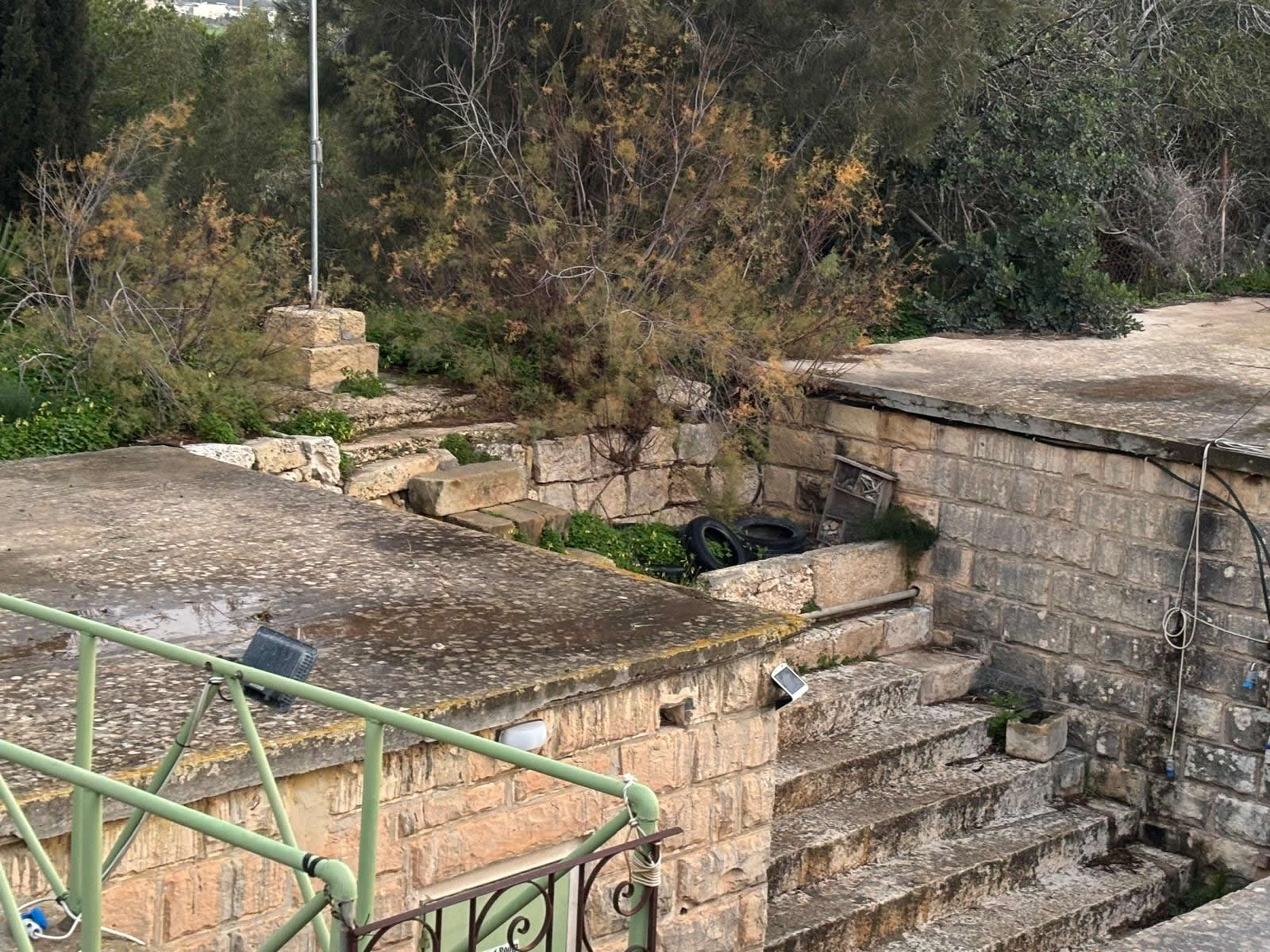
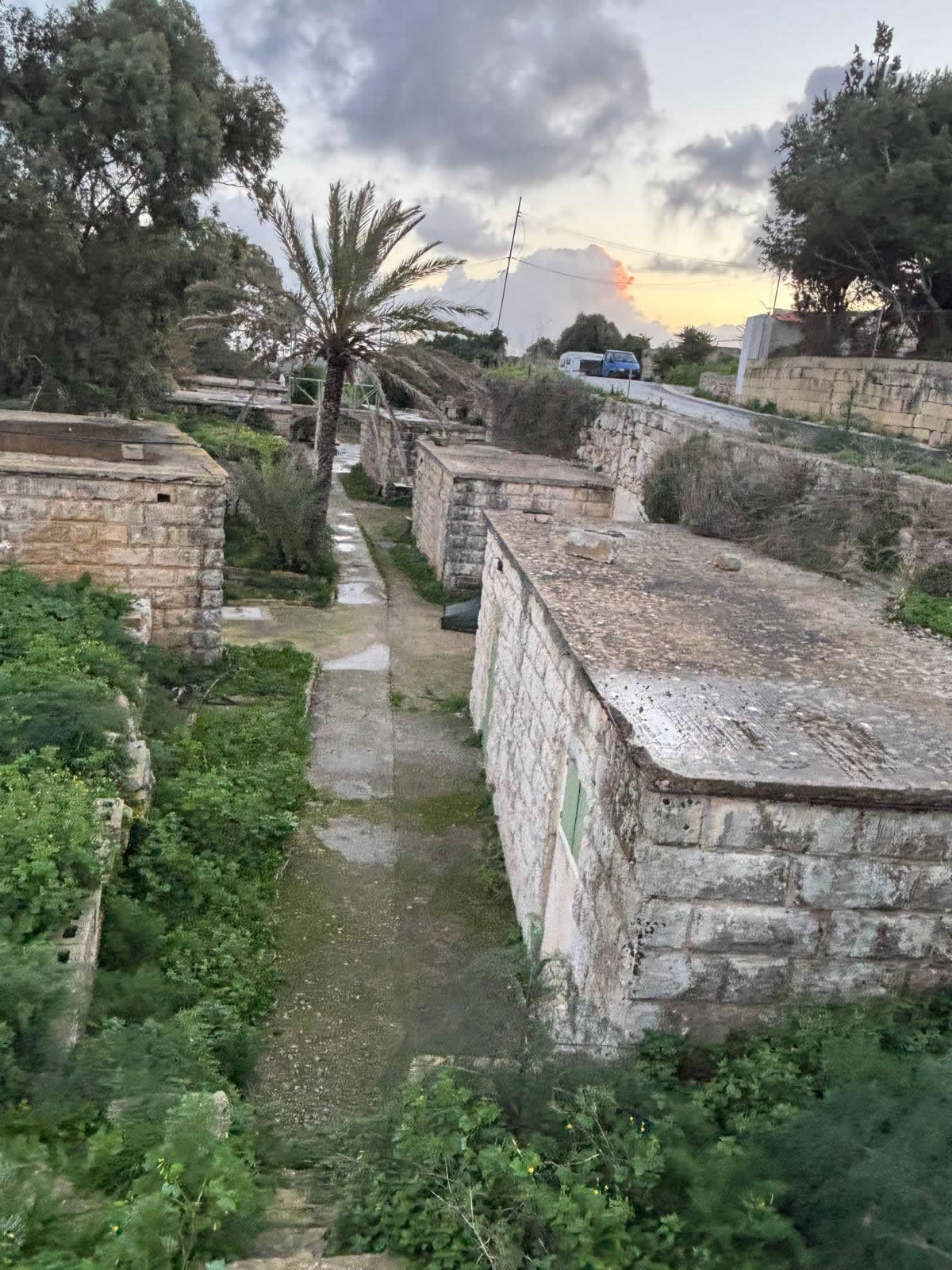
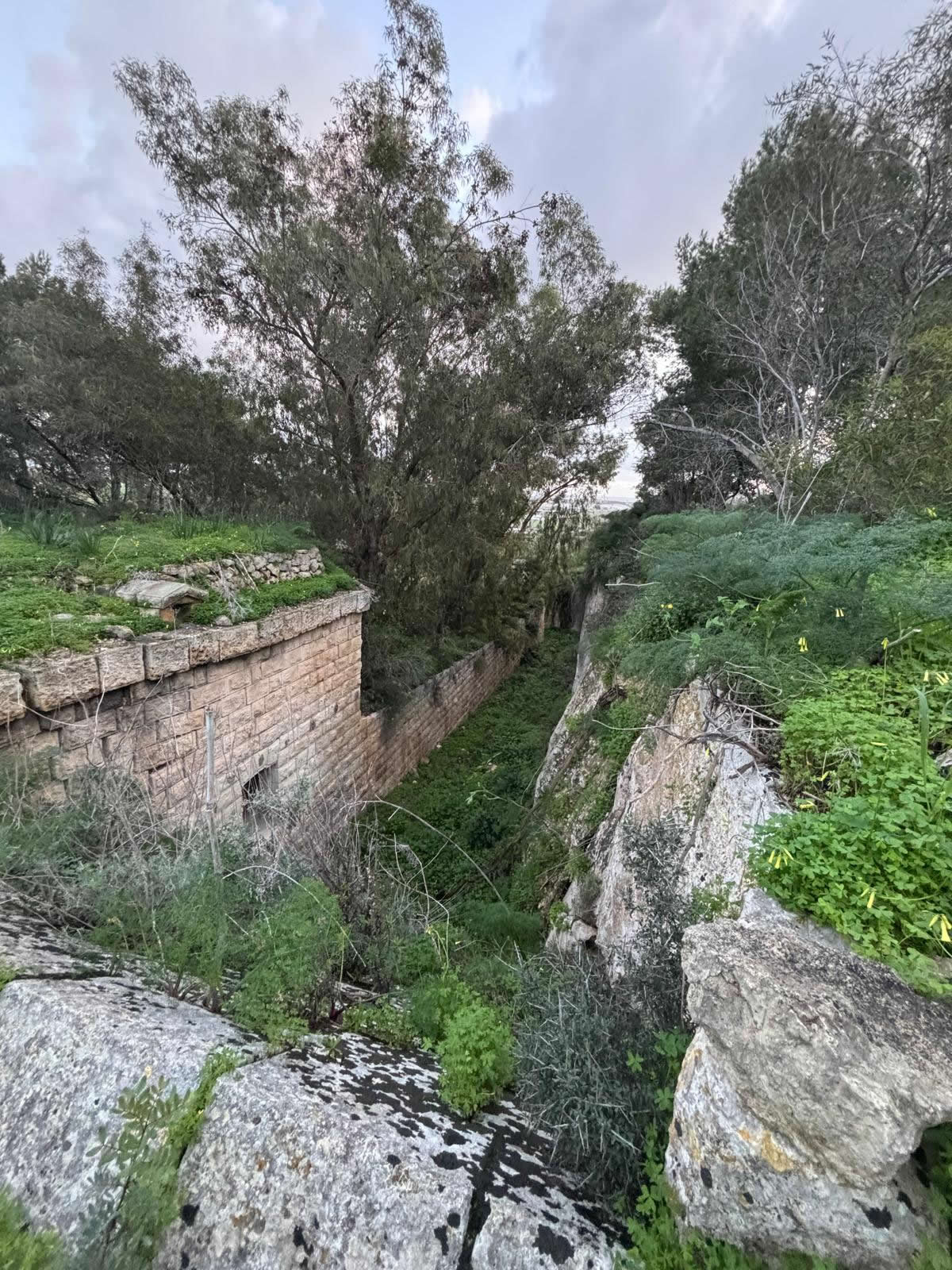
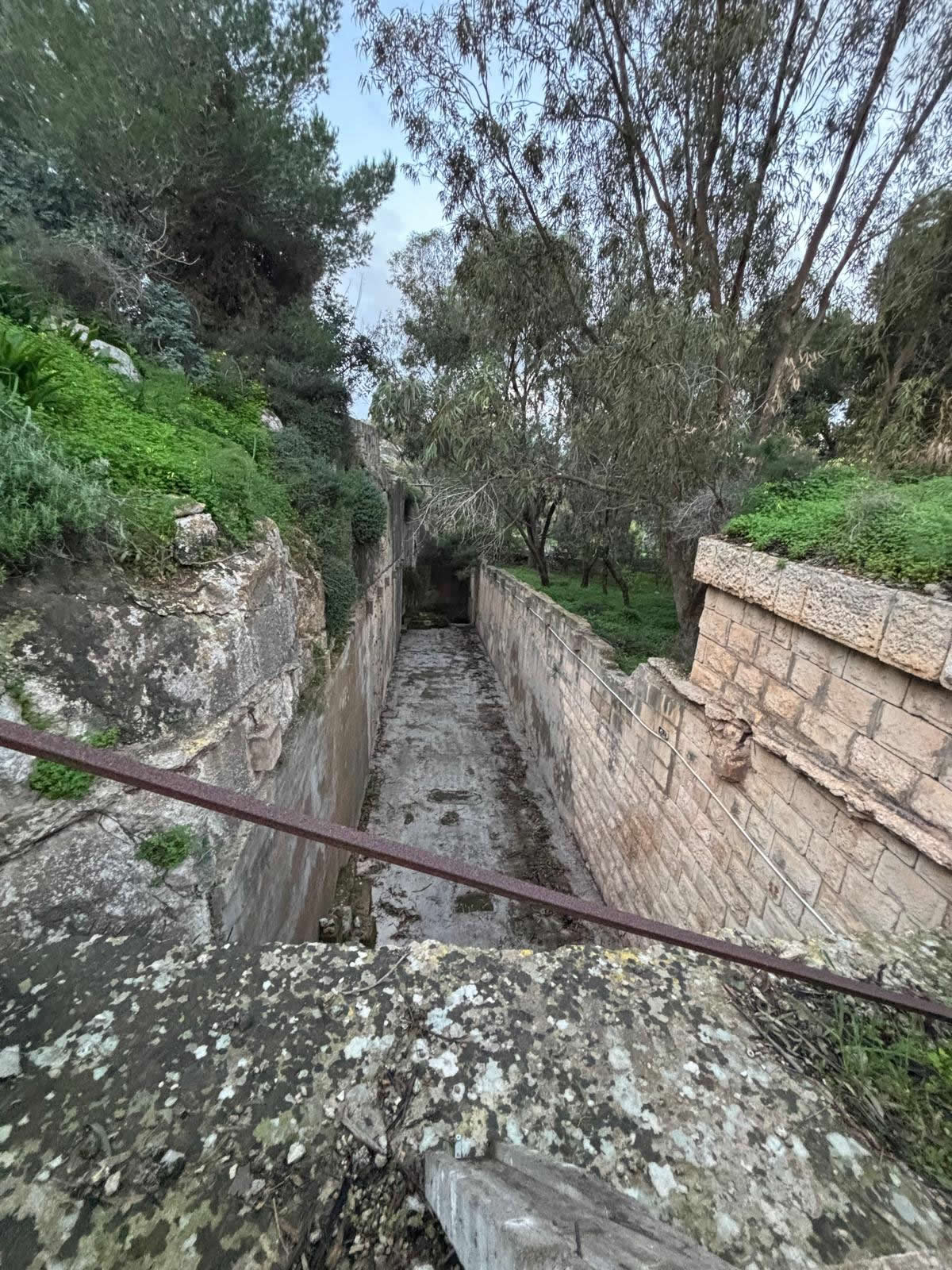
Tarġa Battery is described as a compact pentagonal work built forward of the main Victoria Lines trace. Key defensive elements include a ditch and escarpment, a caponier (allowing fire along the ditch), and casemated gun emplacements offering protected positions for artillery. A rear infantry redoubt strengthened close defence.
Planned armament (and what happened)
Published references note Tarġa Battery was intended to mount four 64-pounder RML guns, but it never received its intended armament. This is often cited alongside broader doubts about the defensive value of the Victoria Lines in the era of changing artillery and tactics.
Why Tarġa Gap mattered
- Line protection: the battery was meant to protect the low escarpment where the line was more vulnerable.
- Counter-battery logic: it was designed to discourage or defeat hostile batteries that could be established on Bidnija Hill.
Use today & visiting
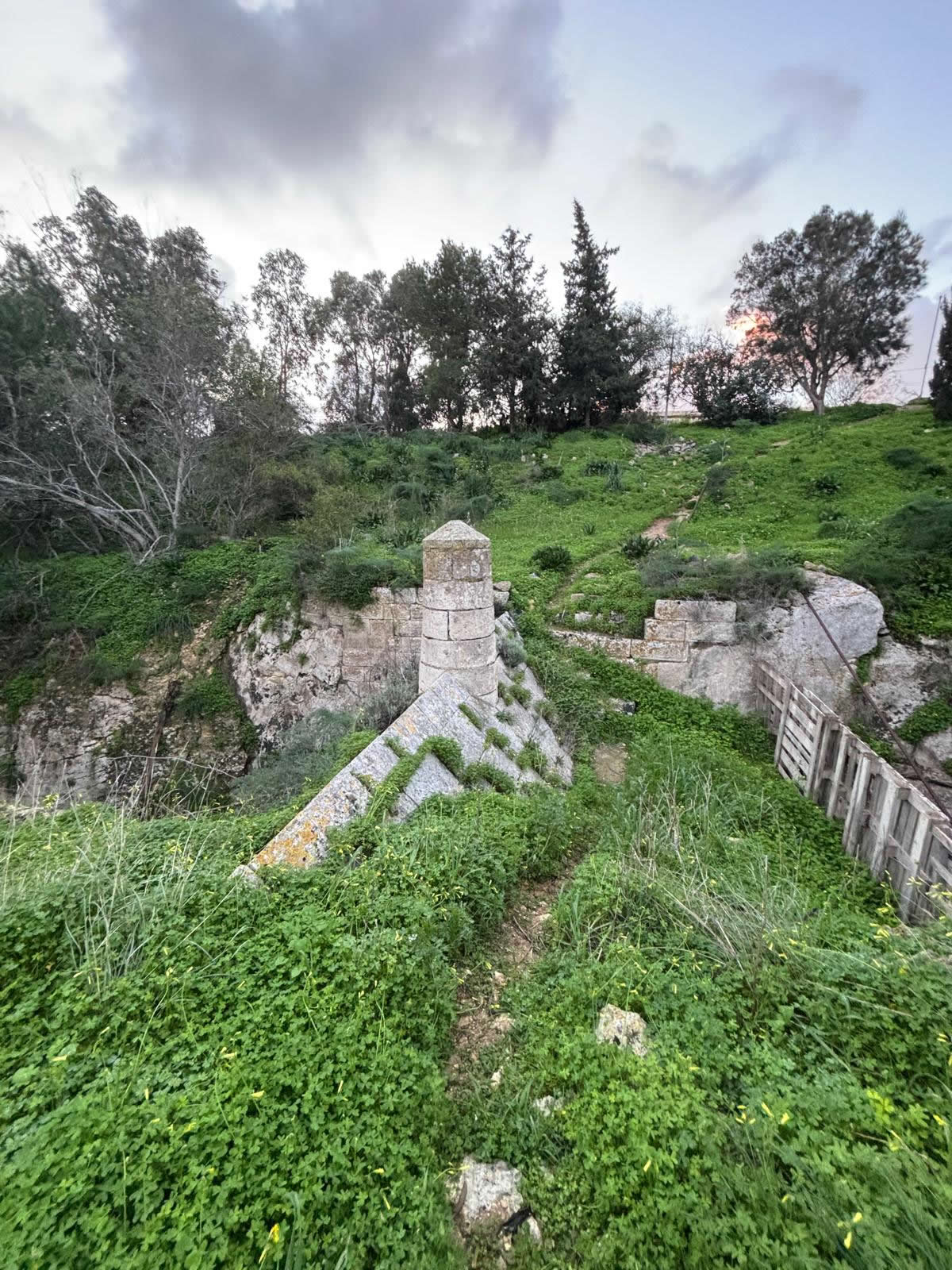
Tarġa Battery survives intact and has been managed locally in recent years. While it is not generally open for walk-in visits, community activity has included clean-ups and occasional events. It has also been used as a Scout campsite and activity centre, so access may depend on organised programmes or permissions.
Location
Coordinates: 35.916466, 14.410112
Map: Directions and satellite view
FAQ
When was Tarġa Battery built?
Construction began in 1887 as part of the Victoria Lines (North West Front), with later alterations recorded in the 1890s and early 20th century.
Is Tarġa Battery open to the public?
It is generally not open to the public. Access is typically limited to organised activities or occasional events/open days.
What was Tarġa Battery built to defend?
It was built to protect the Victoria Lines’ vulnerable Tarġa Gap and to counter the risk of enemy batteries being established on Bidnija Hill.
© Emalta. Heritage information compiled for educational purposes.