Location Map Coordinates 35.932297, 14.456483
- Type: British-era QF (Quick-Firing) artillery battery.
- Recommended: 1878 (Sir Lintorn Simmons, Inspector General of Fortifications).
- Built: constructed in 1884 (often given as 1884–1887 for the build/works period).
- Setting: at the mouth/approach of Wied il-Faħam, close to Fort Madliena.
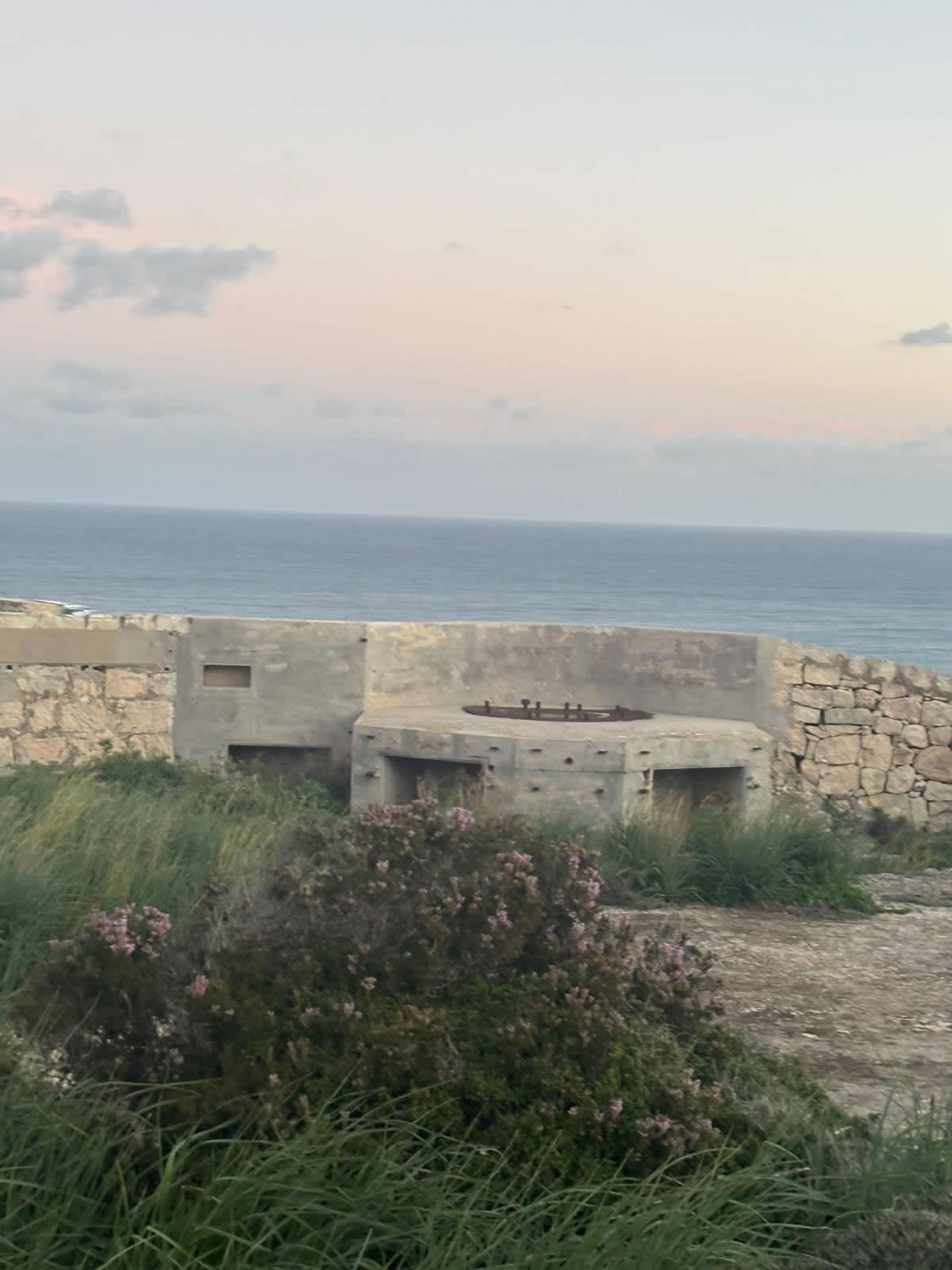
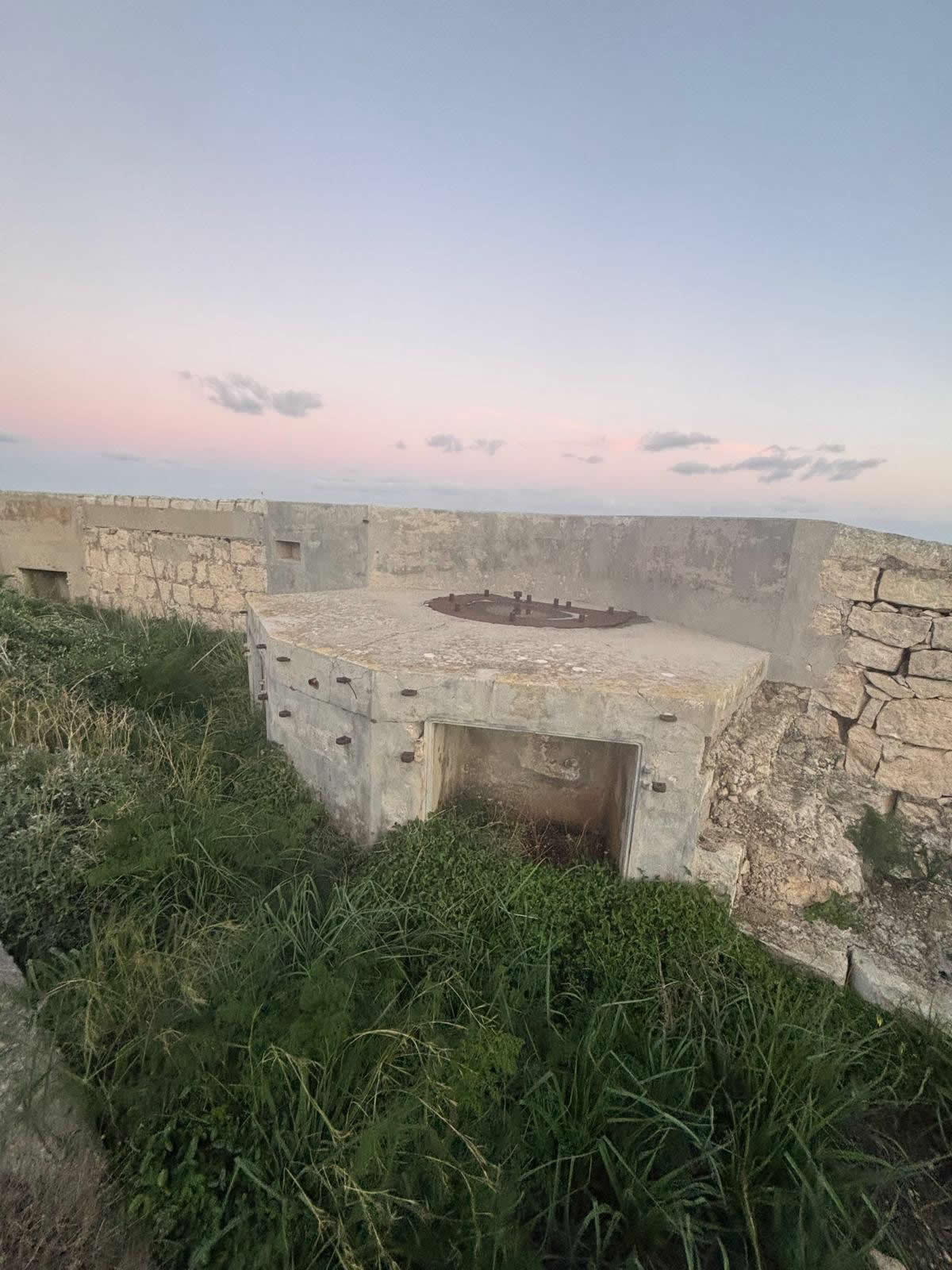
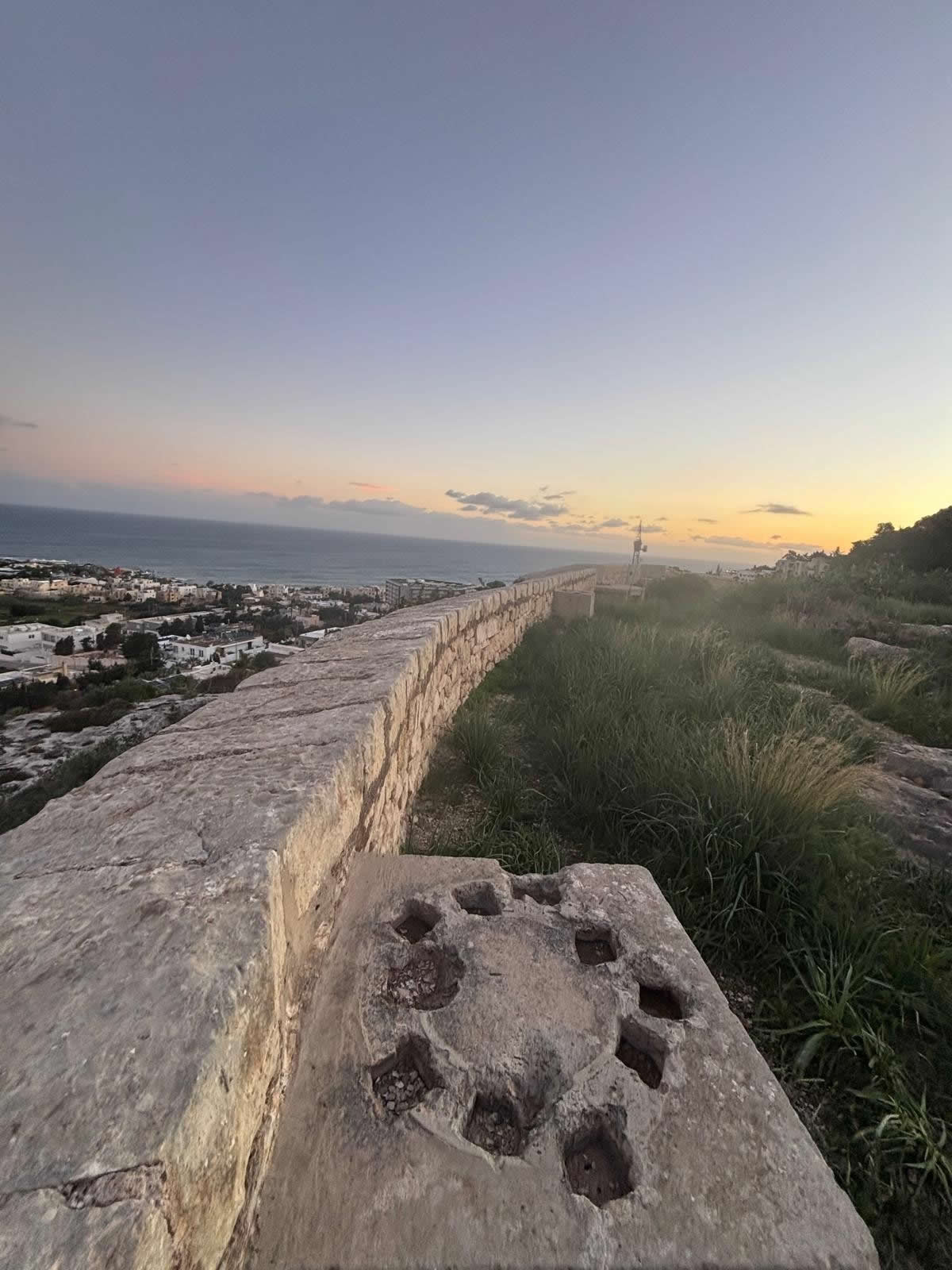
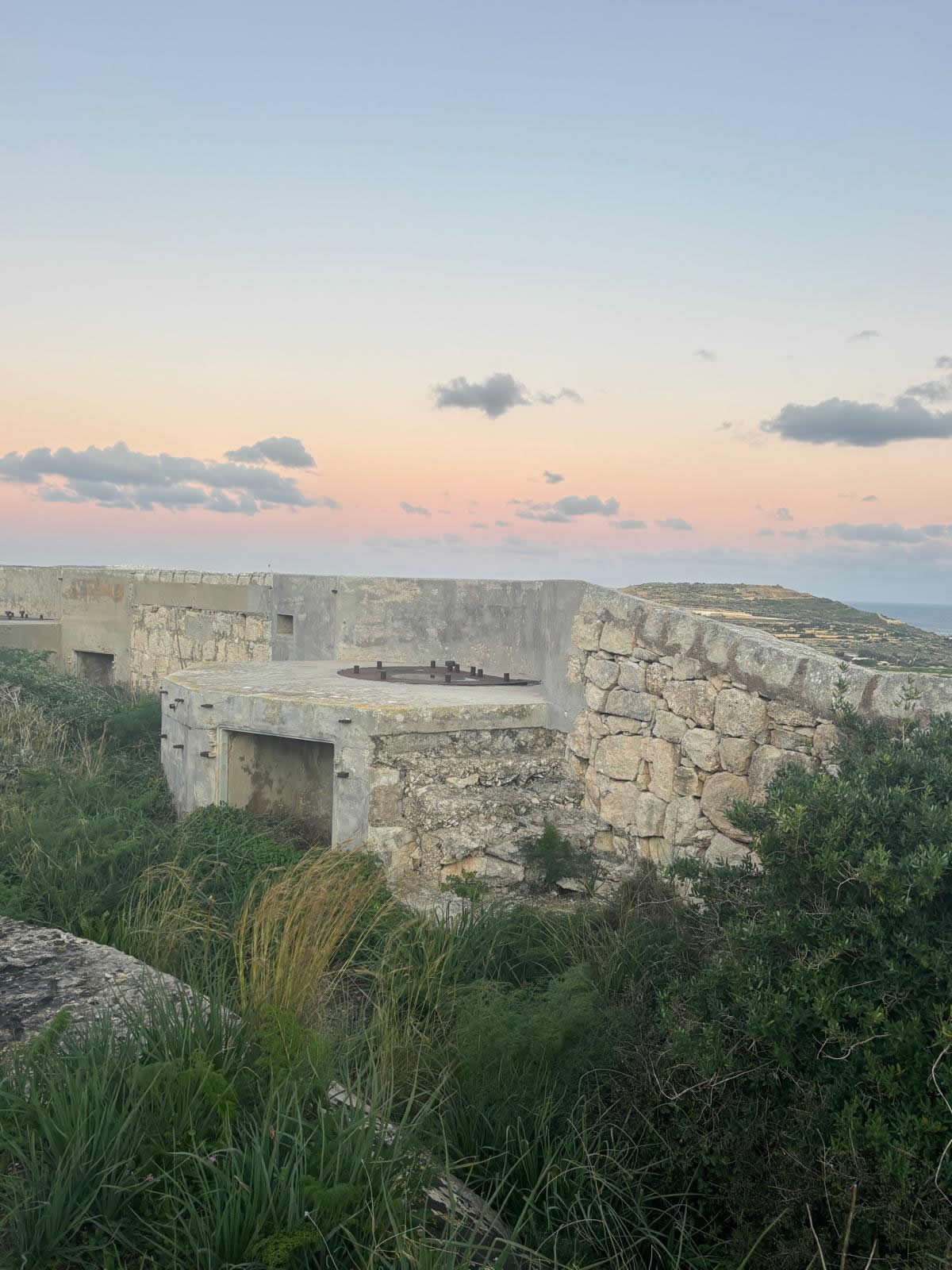
- Design traits: open battery with concrete gun platforms, served by an underground magazine.
- Heritage status: included among British-era batteries scheduled for protection by Malta’s Planning Authority (Grade 1 reported).
Overview
San Giovanni Battery (often referred to as the San Giovanni QF Battery) is a late-19th-century British defensive work positioned at Wied il-Faħam, Swieqi, near Fort Madliena. It was intended to strengthen the landward defences of Malta’s north-eastern sector and to control approaches through the valley and the plain beyond.
Strategic context: why it was built here
In 1878, Sir Lintorn Simmons (Inspector General of Fortifications) recommended a gun emplacement on the left-hand side of Fort Madliena, aimed at covering vulnerable “dead ground” in the area. The recommendation led to the construction of San Giovanni Battery in 1884 at the mouth of the valley known as Wied il-Faħam.
Construction, layout and armament
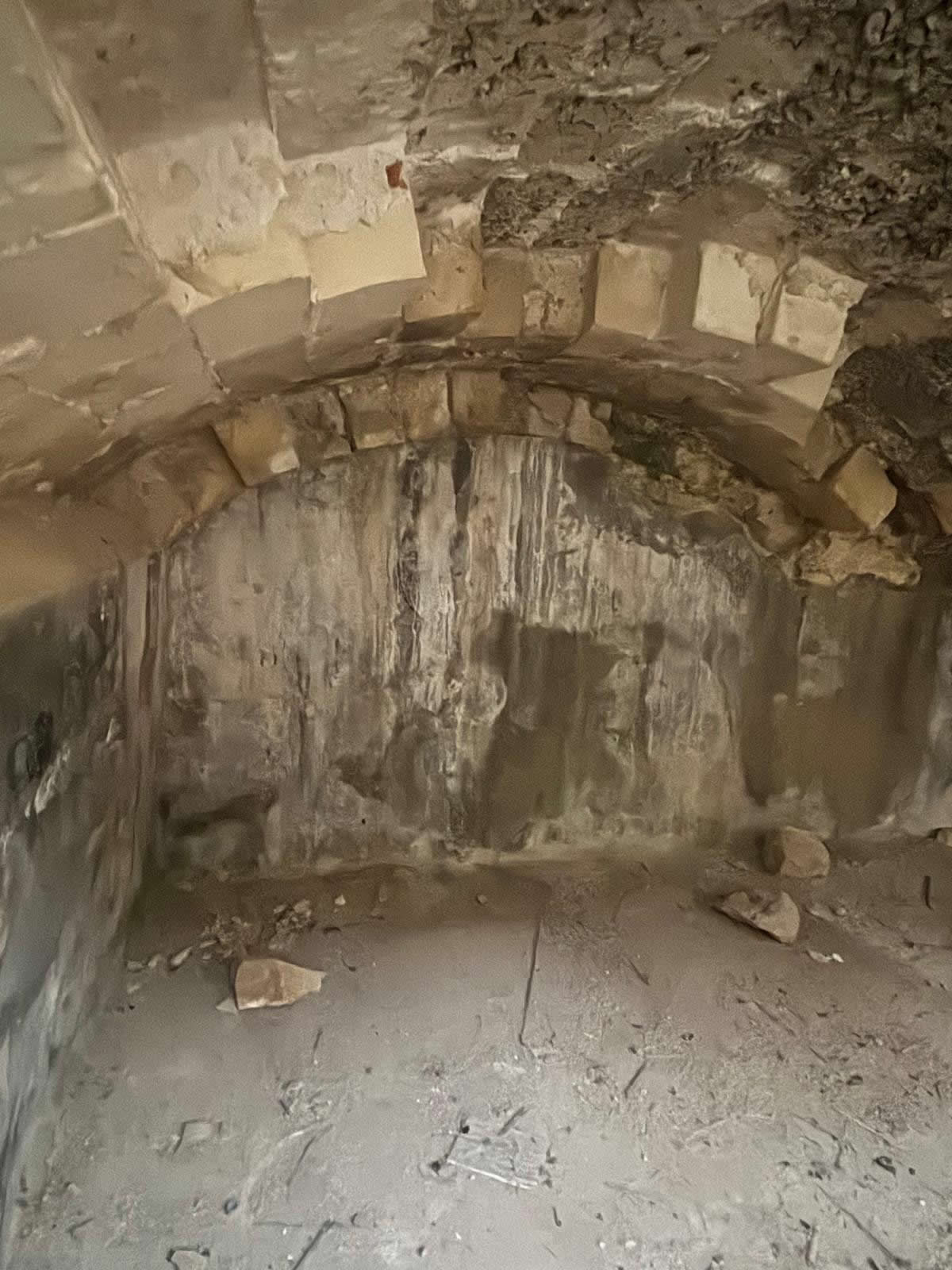
The battery is commonly described as an open work integrated into the line of parapet associated with the Victoria Lines, with concrete gun emplacements and an underground magazine for ammunition.
Reference summaries note that it was armed with two 6-pounder QF guns in barbette-style mounts; some accounts also mention additional machine-gun provision (often described as Maxim guns) to improve close defence.
Relationship to the Victoria Lines
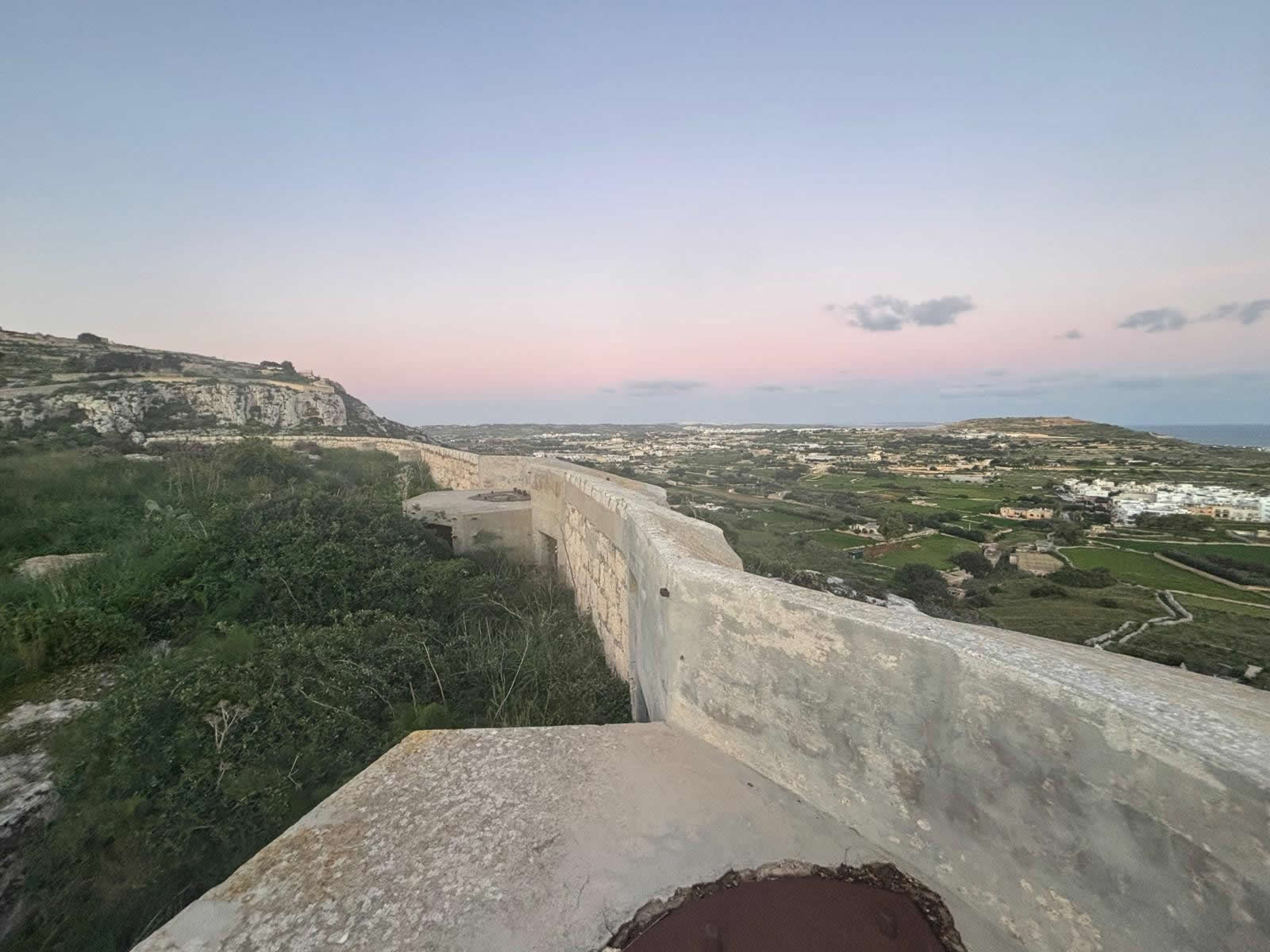
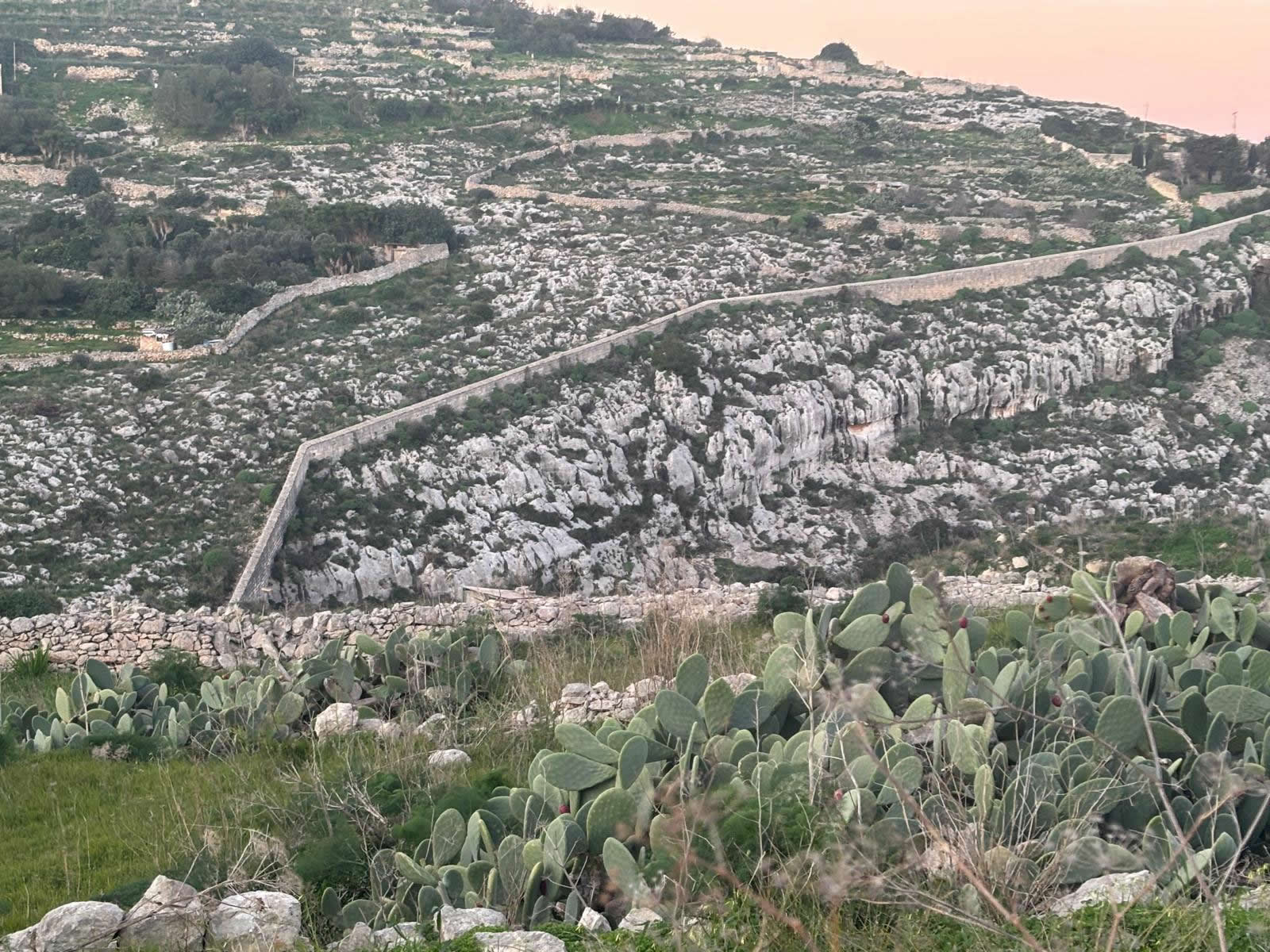
San Giovanni Battery is closely tied to the Victoria Lines defensive system. Local walking-route interpretation explicitly places the battery on the Victoria Lines route and dates its construction to 1884–1887, describing it as intended to defend the entrance to Wied il-Faħam and the plain below, with views towards Fort Madliena opposite.
The broader Victoria Lines project evolved through the late 19th century and was named in honour of Queen Victoria in 1897; San Giovanni’s 1884 construction fits within this period of intensifying British military engineering on Malta.
Modifications and later use
As with many British-era batteries, later operational changes often focused on ancillary capabilities (magazines, communications, and observation). Heritage listings and commentary for this class of battery in Malta frequently mention associated searchlight/electric-light infrastructure in the Victoria Lines landscape; nearby route notes also identify an “Electric Light Emplacement” in the same corridor, illustrating how the area developed into a layered defence zone.
On “confirming modifications”:
The most securely documented milestones for San Giovanni Battery are the 1878 recommendation and the 1884 construction (often expressed as 1884–1887 for the works period).
Later “modifications” at the site are best recorded through official scheduling descriptions and detailed surveys, which you may wish to add to emalta.com when you have
access to the Planning Authority scheduling fiche or a measured architectural study.
Restoration, conservation and present condition
San Giovanni Battery has been included among British-era batteries scheduled for protection by Malta’s Planning Authority, with reporting describing it as a Grade 1 scheduled site (the highest level of protection). This scheduling reflects its heritage value as part of Malta’s late-19th-century defence network.
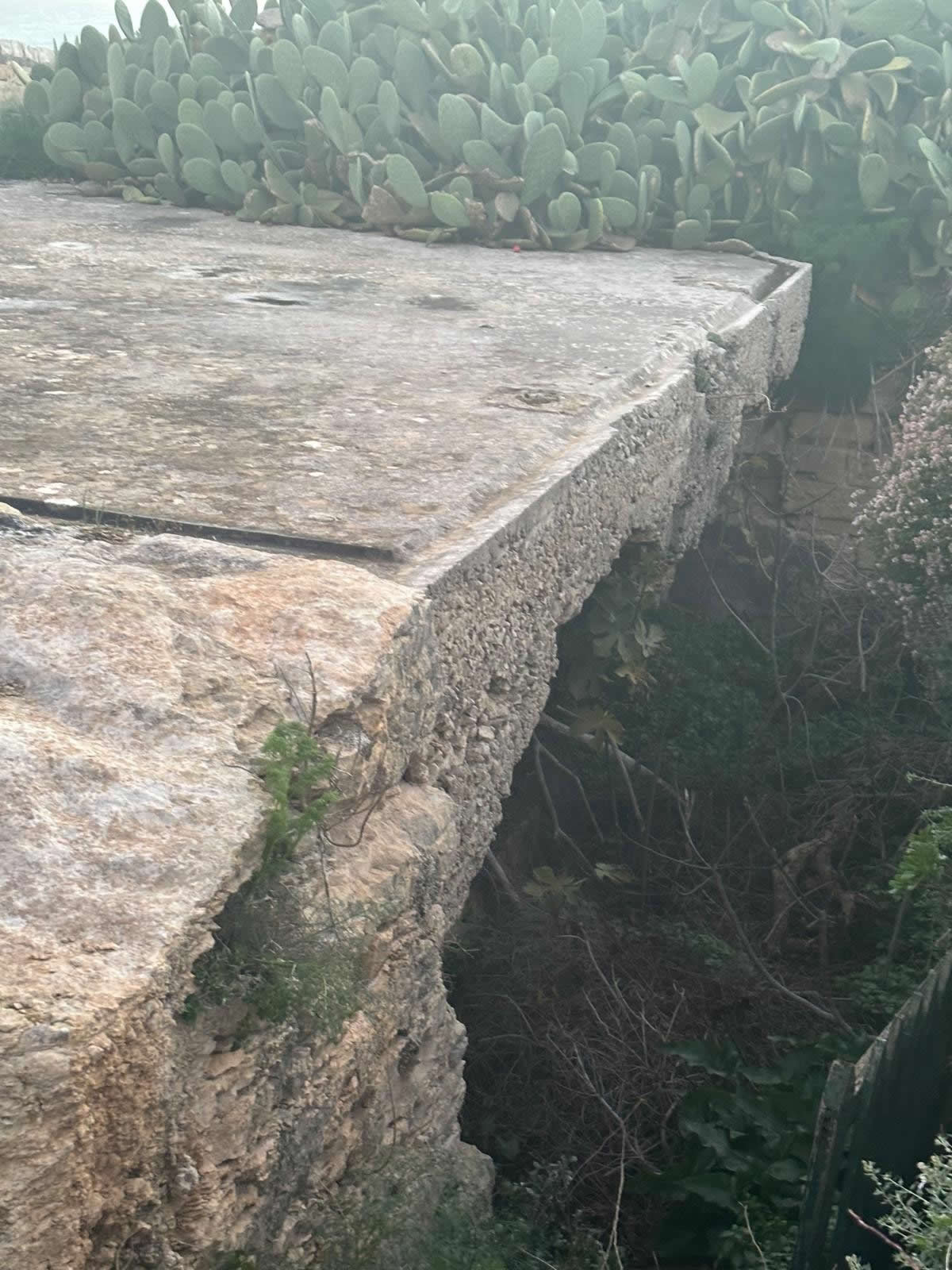
While scheduling helps protect the structure from harmful development, it does not necessarily mean the battery has undergone full restoration. If you observe vegetation growth, surface erosion, or unsafe openings, it is worth documenting these clearly on emalta.com and encouraging responsible visitation and conservation attention.
Visiting notes and responsible access
- Access: commonly reached on foot as part of Victoria Lines walks; some hiking routes start near the battery.
- Safety: treat underground spaces (magazine areas) as potentially unsafe; do not enter if barriers exist or the structure is unstable.
- Best documentation for emalta.com: gun platforms, parapet integration, visible vents/entries for the magazine, and the wider tactical setting overlooking Wied il-Faħam.
Confirmed build / modify timeline
- 1878: recommended by Sir Lintorn Simmons as a gun emplacement near Fort Madliena to address dead ground.
- 1884: battery constructed at the mouth of Wied il-Faħam.
- 1884–1887: works period often given for construction completion and integration into the Victoria Lines corridor.
- Late 19th century: battery operates as part of the evolving Victoria Lines defence system.
- 2024 (reported): Planning Authority schedules San Giovanni QF Battery among protected British-era batteries (Grade 1 reported).
More on emalta.com
Built: constructed in 1884 (commonly cited as 1884–1887 for the works period).
Modified: integrated into the Victoria Lines corridor; later operational changes likely linked to wider British defence upgrades (e.g., observation/searchlight-era infrastructure nearby).
Protection: scheduled for heritage protection by the Planning Authority (Grade 1 reported).