Location Map Coordinates 35.835689, 14.557856
- Built: 1897–1899 (British period coastal artillery battery).
- Role: late-Victorian defence of the Delimara/Marsaxlokk coastline, built for breech-loading guns.
- Main armament (as designed/recorded): four 6-inch BL gun positions; sources also describe mixed heavy-calibre plans for the site.
- Key modification: a WWII-era pillbox added behind the officers’ quarters in the 1930s.
- Status: survives but is generally described as not open to the public; recent heritage scheduling provides stronger protection.
Overview
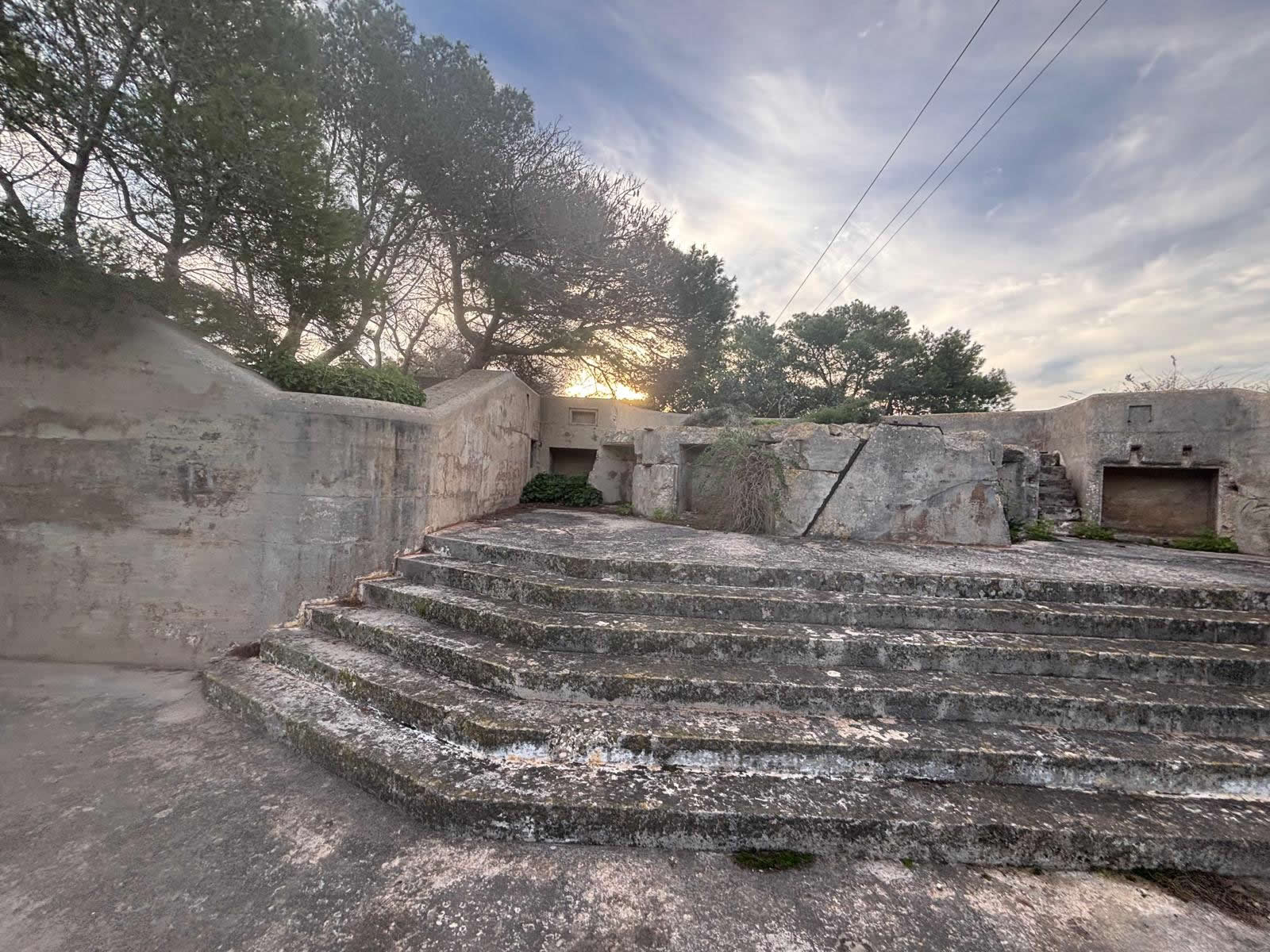
Wolseley Battery is a British-era coastal artillery position on the Delimara peninsula within the Marsaxlokk area. It belongs to the late nineteenth-century phase of “modern” fortification in Malta, when older masonry batteries were replaced by lower-profile works designed for breech-loading guns and improved local defence against modern naval threats.
Why Wolseley Battery was built
The battery was built between 1897 and 1899 as part of a wider modernisation of Malta’s coastal defences. It was intended to cover the approaches along the south-eastern shoreline, with fields of fire stretching across key coastal sectors of Delimara and the Marsaxlokk area.
Construction, design and layout
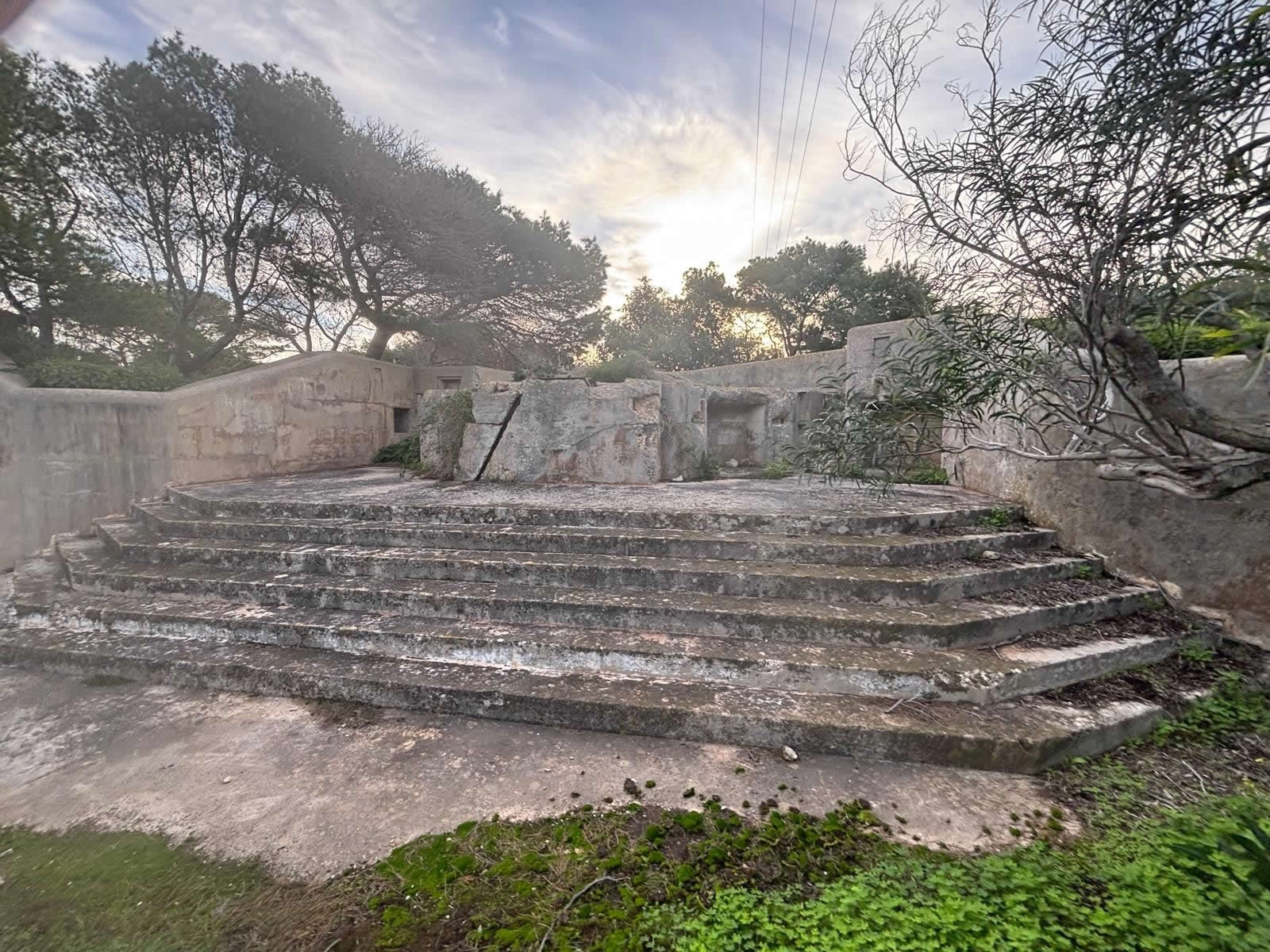
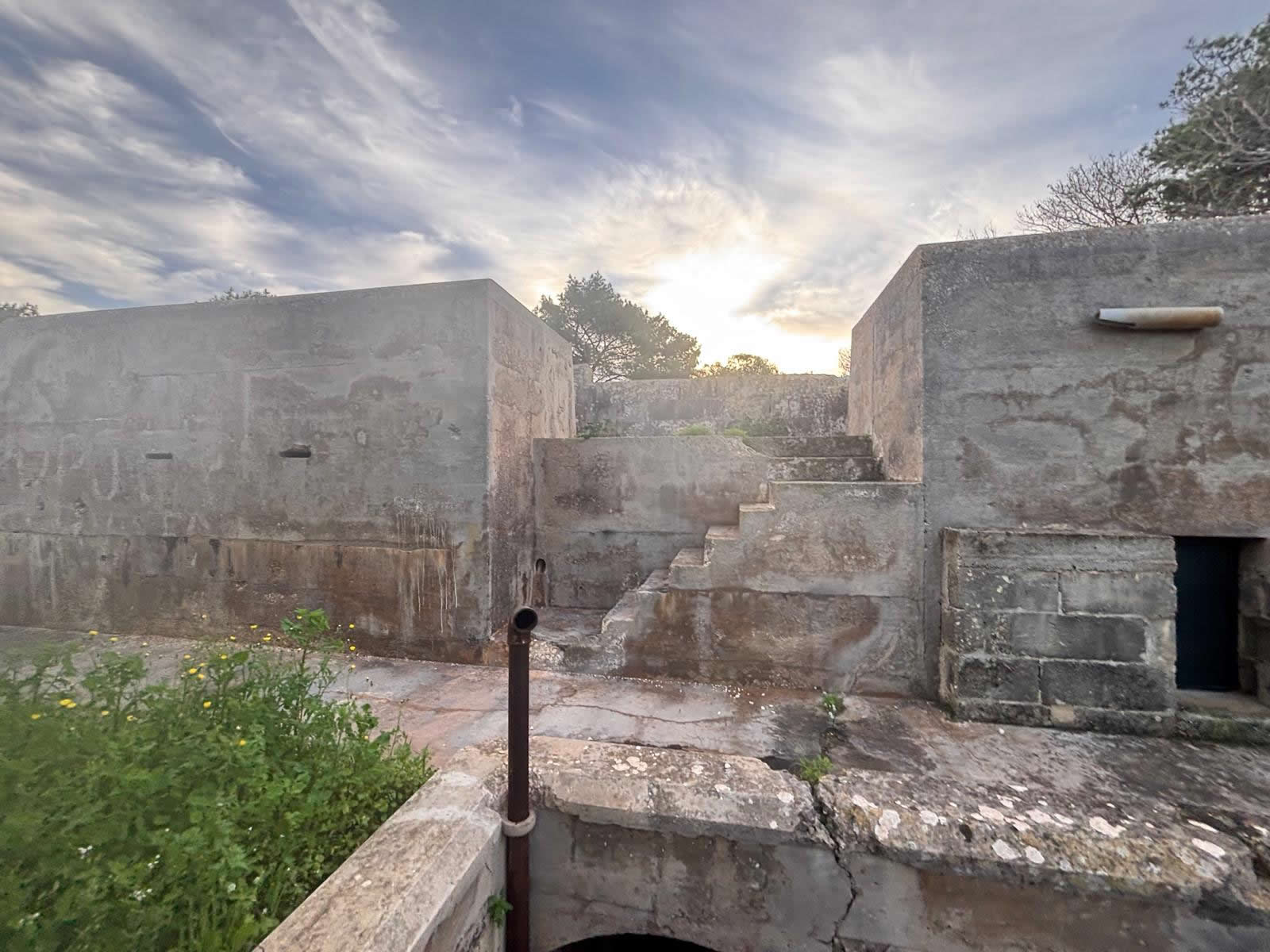
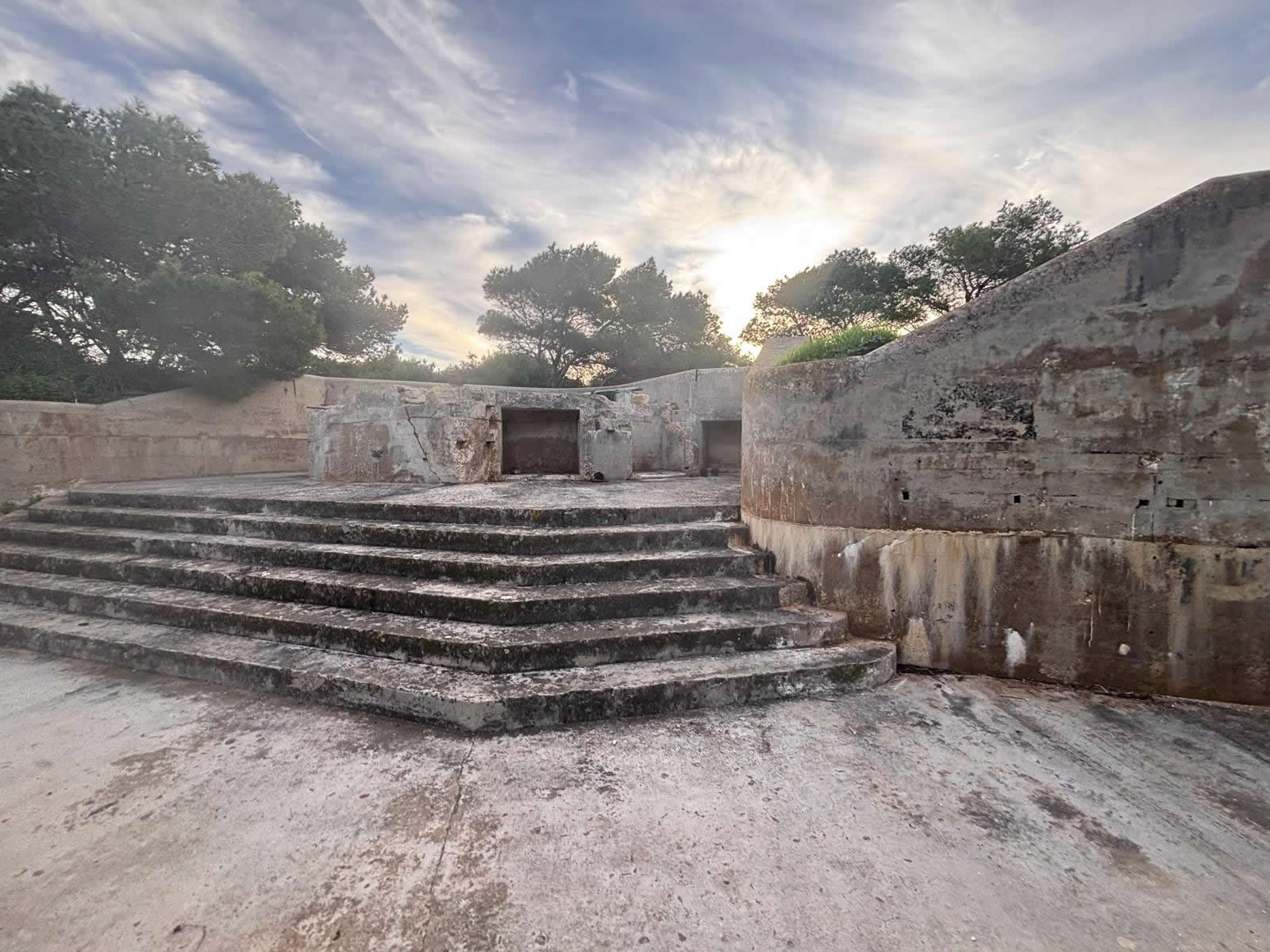
Wolseley Battery is described as the first of its “dispersed” type built in Malta: a low earthwork-and-concrete position rather than a traditional high stone gun platform. Its design is commonly linked with Twydall-profile principles—emphasising low visibility, earth cover, and protected gun positions.
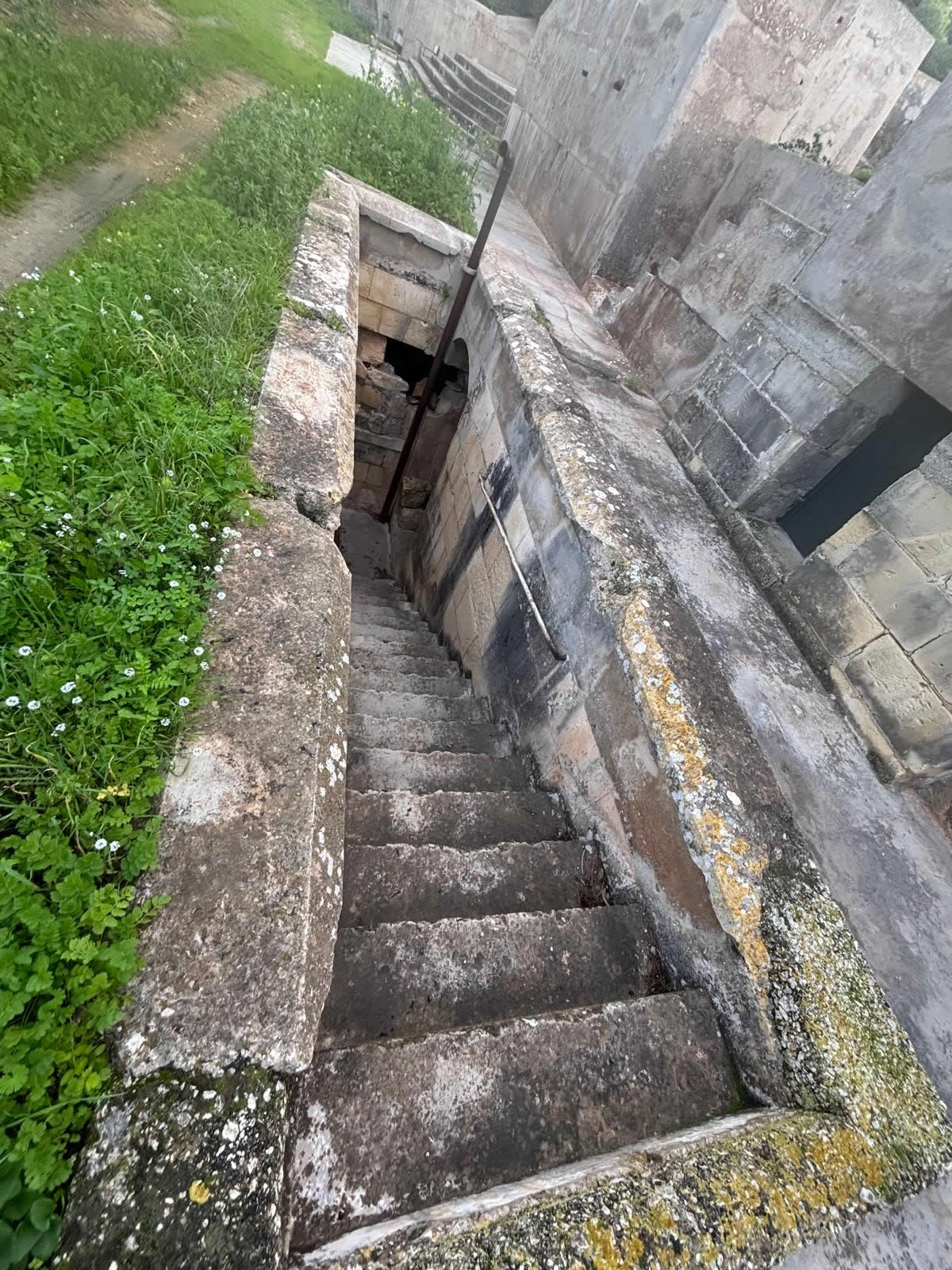
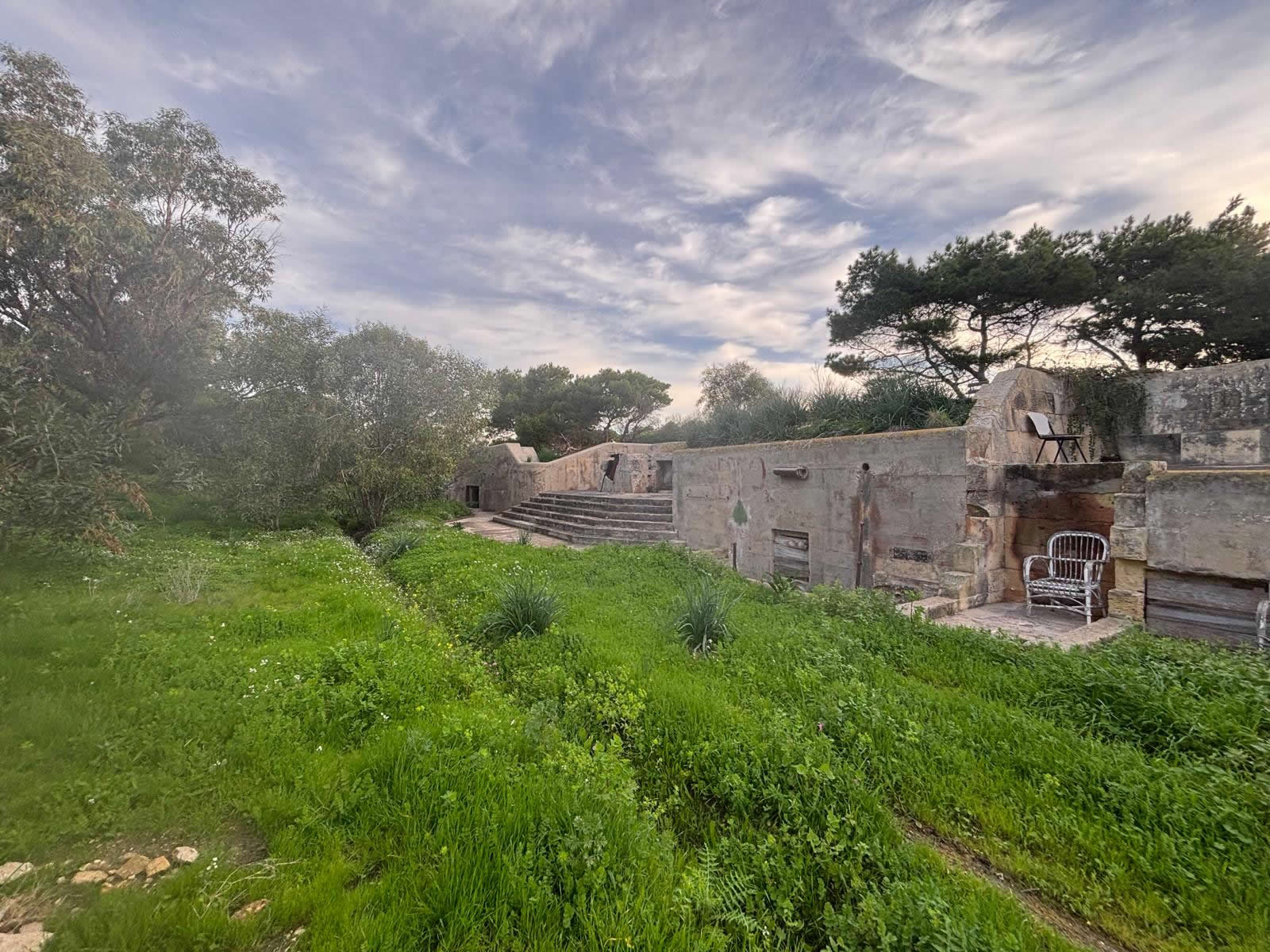
The main gun line comprised four emplacements, with underground magazines between them for ammunition supply. The battery’s defensive perimeter included earthworks, a shallow ditch and infantry defence features such as trenches and wire obstacles, while the rear was secured by fencing and controlled entry.
Armament and service life
Sources commonly describe the battery as built to mount four 6-inch breech-loading (BL) guns. The battery became obsolete comparatively quickly in the early twentieth century as gun technology and defensive priorities shifted. Published summaries indicate that by the mid-1910s the battery’s guns were being relocated and the position was decommissioned soon afterwards.
Confirmed modifications and later military additions
The most clearly stated later alteration is the construction of a stone-clad pillbox behind the officers’ quarters in the 1930s, reflecting Malta’s interwar/WWII-era emphasis on close-range defence and machine-gun positions.
What counts as “modified” for your emalta.com timeline:
1897–1899 (construction of the battery) → 1930s (addition of the pillbox) → 2024 (heritage scheduling / protection).
Condition, access and heritage protection
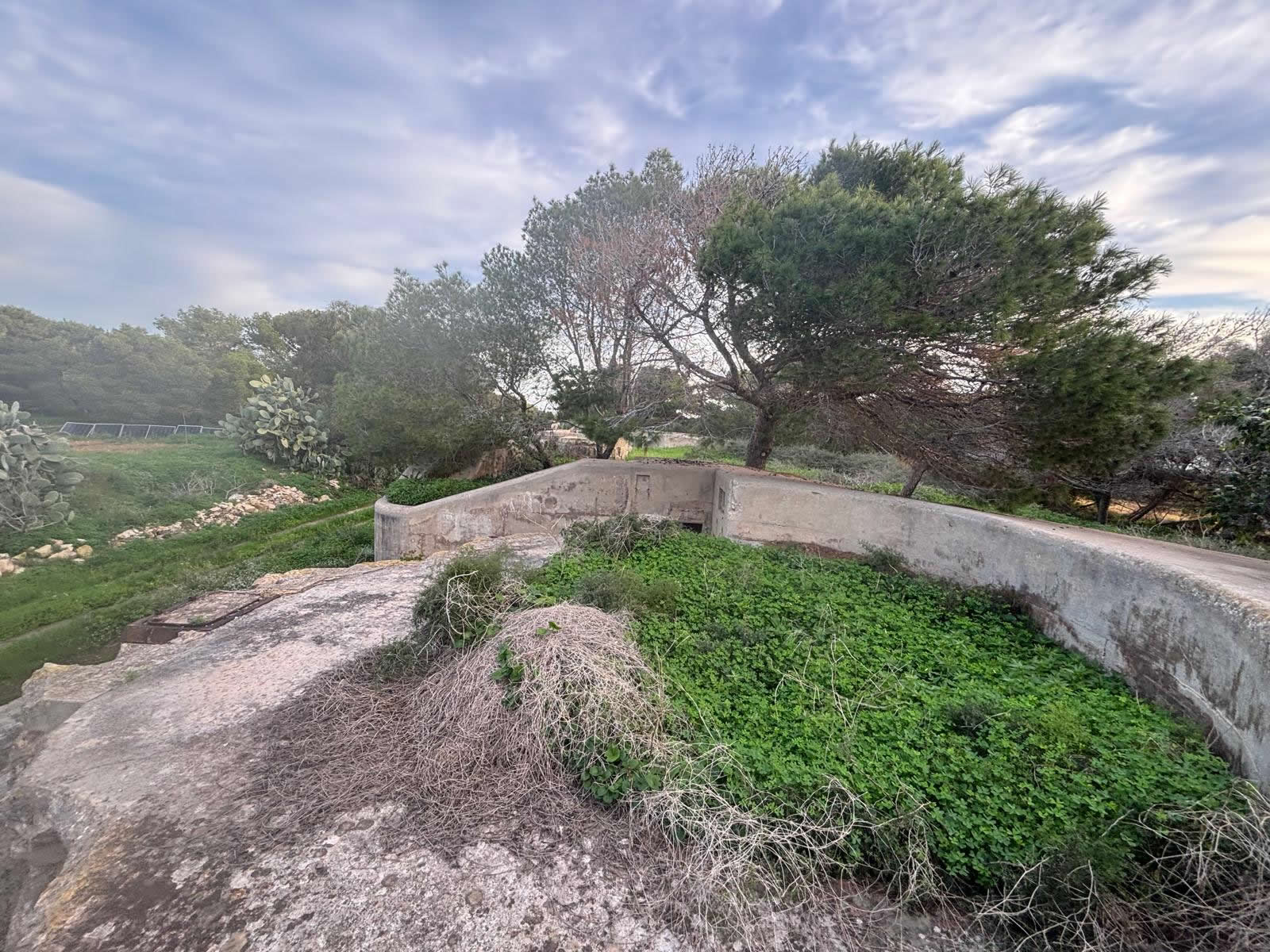
Wolseley Battery survives substantially intact, though access is often described as restricted and not formally open to visitors. In November 2024 the Planning Authority announced scheduling of a group of British-era coastal batteries, including Wolseley Battery, strengthening its heritage protection status.
Visiting notes
- Access: treat as a protected military heritage site; do not enter if gated or clearly on private/restricted land.
- Best documentation shots for emalta.com: gun emplacements, central command position area, ditch/earthworks, entry structures, and the 1930s pillbox.
- Location tip: the battery is on the Delimara side of Marsaxlokk and is commonly discussed alongside nearby British works (including Fort Tas-Silġ).
More on emalta.com
Built: 1897–1899.
Modified: pillbox added in the 1930s; heritage scheduling announced in 2024.