📍 Location
Location Map Coordinates 35.890774, 14.469804
The Christ the King Convent in Fleur-de-Lys, Birkirkara, Malta, stands as a spiritual bastion of Catholic religious life in the region. Founded in the early 20th century, this convent has played a crucial role in pastoral ministry, community outreach, and spiritual formation, making it a cornerstone of religious devotion and cultural heritage in its neighbourhood and beyond.
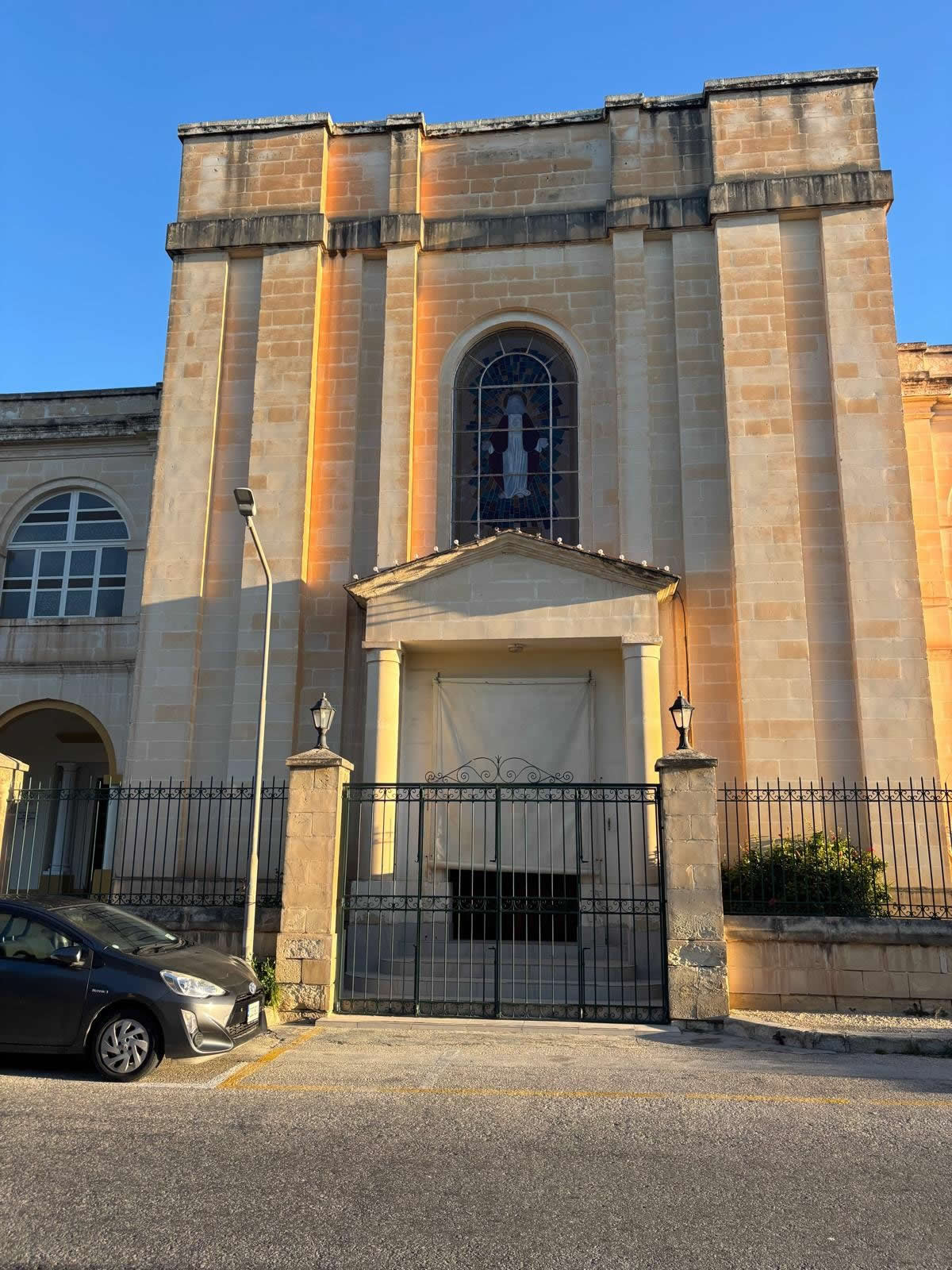
Origins & Foundation (1930s)
The inception of the Christ the King Convent is deeply rooted in the spiritual renewal movements that characterised the Catholic Church in Malta during the early decades of the 20th century. Amidst growing urbanisation and expanding parish needs in the Fleur-de-Lys area, the decision was made to establish a religious community dedicated to prayer, pastoral care, and evangelisation. (Church historical archives)
In 1934, the foundation stone was laid for the convent, under the patronage of Christ the King — a devotional title emphasising the sovereignty of Christ over all creation. The title had gained wide resonance in Catholic spirituality following its formal institution by Pope Pius XI in 1925 as a solemn feast of the Universal Church. (Ecclesiastical records)
The founding religious community consisted of consecrated persons committed to lives of prayer, sacraments, and service. The establishment of the convent permitted daily Mass, adoration, and pastoral formation to be offered within a dedicated spiritual environment, serving both the local faithful and the broader Church community. (Convent historical records)
Construction & Architectural Overview
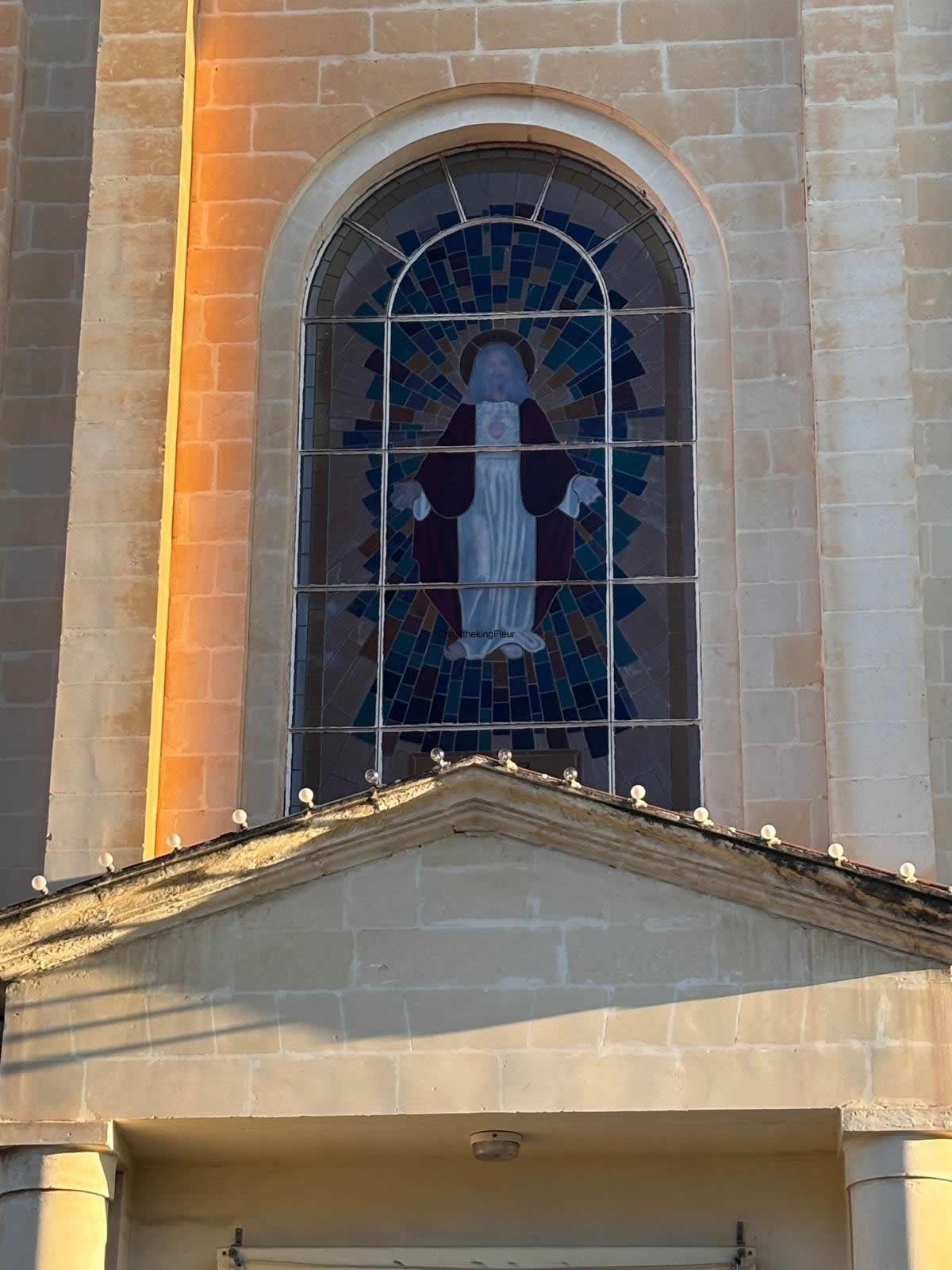
Construction of the convent was undertaken in phases, reflecting both the community’s practical needs and the architectural sensibilities of the period. The buildings were designed in a restrained ecclesiastical style, incorporating clean lines, symmetrical volumes, and understated decorative elements. (Architectural sources)
Maltese limestone — the hallmark material of the islands’ sacred architecture — was used throughout, giving the convent buildings a warm patina that harmonises with sunlight and the surrounding urban landscape. The façade facing the street features well-proportioned openings, decorative cornices, and simple mouldings that accentuate a dignified presence without excessive ornamentation. (Architectural studies)
The convent complex includes a chapel, living quarters, communal rooms for prayer and formation, and gardens that provide tranquillity and space for retreat. The layout reflects both the functional needs of a religious community and a contemplative rhythm conducive to prayerful living. (Site plan and architectural analysis)
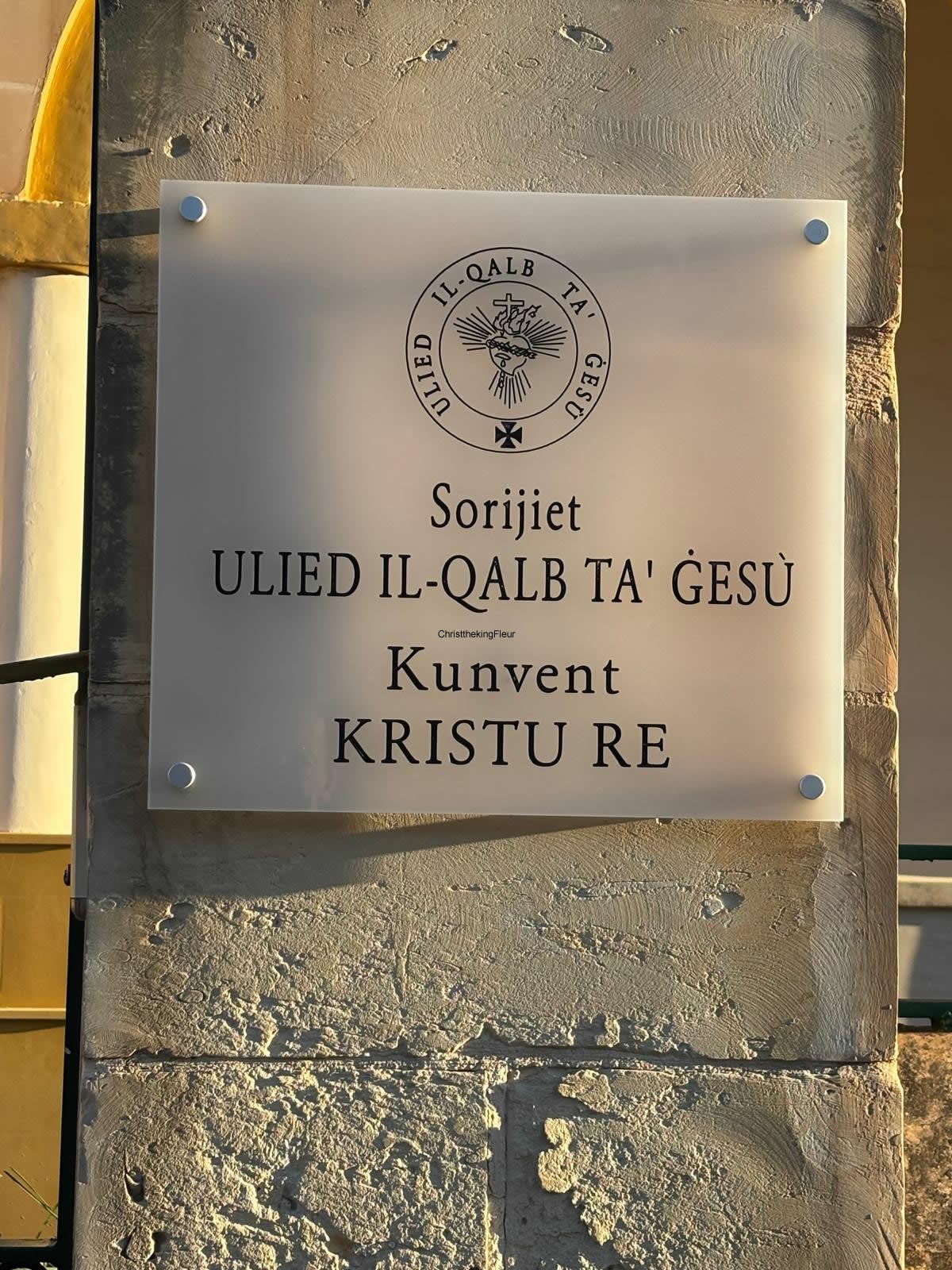
Chapel of Christ the King
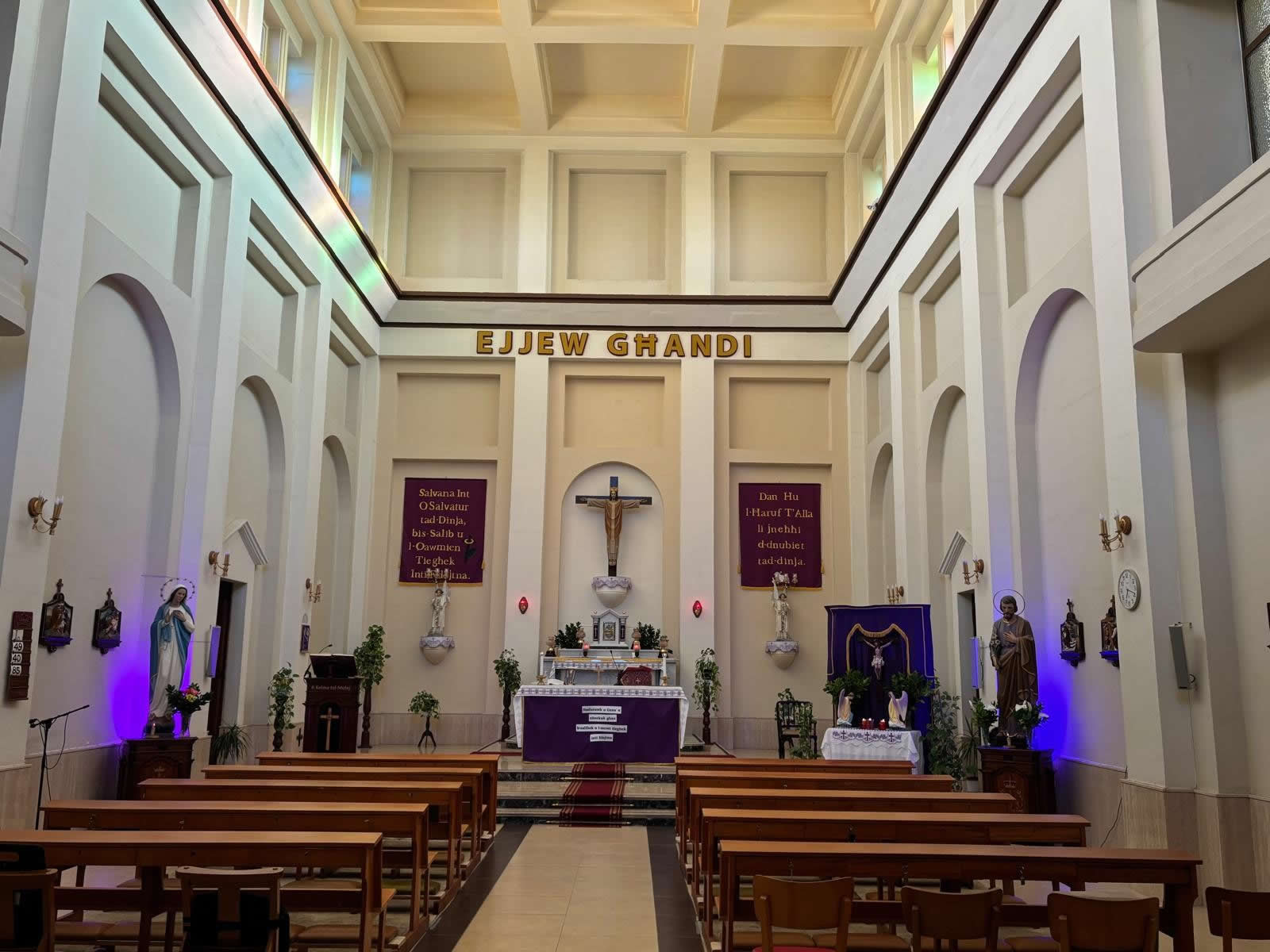
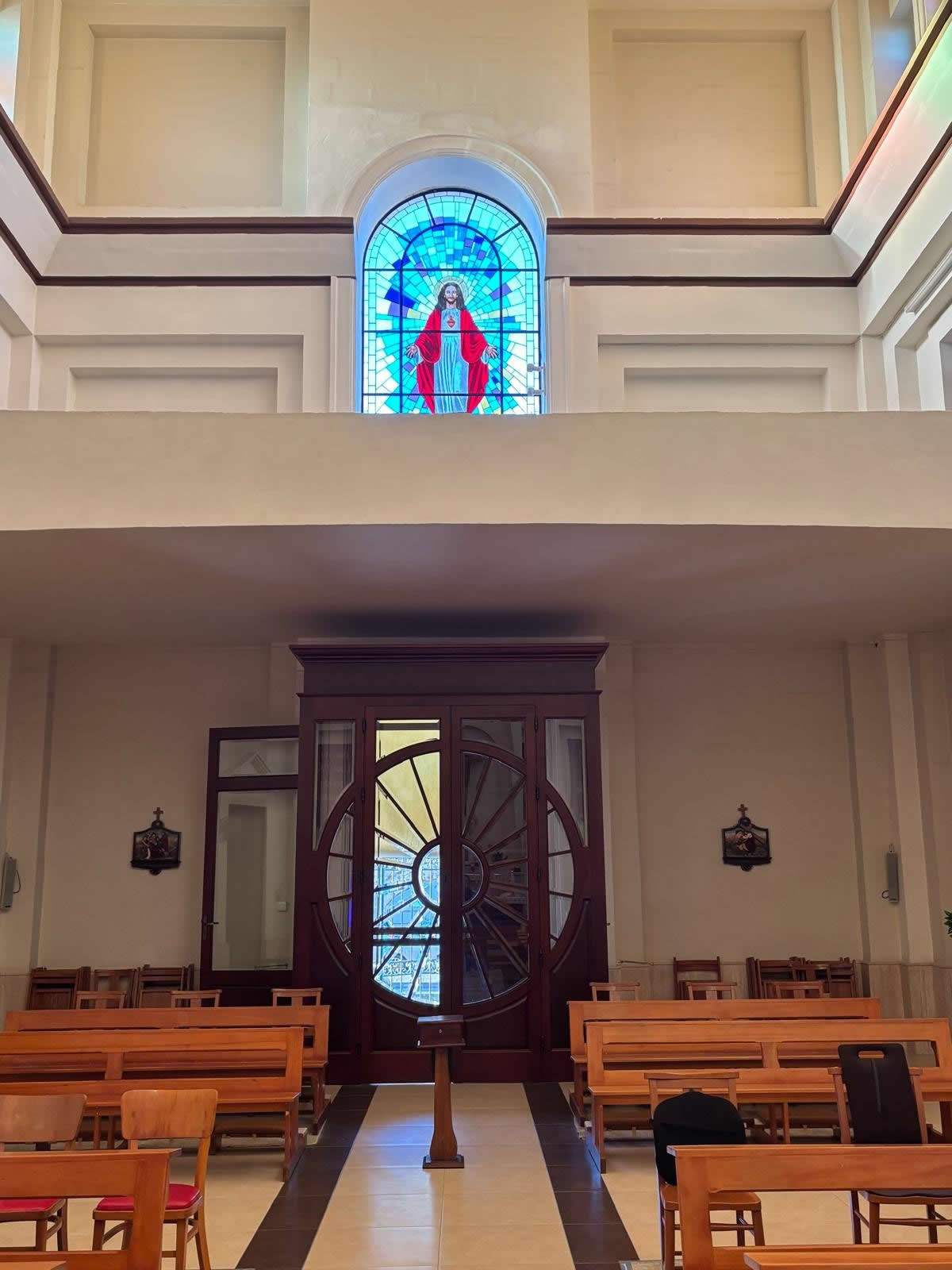
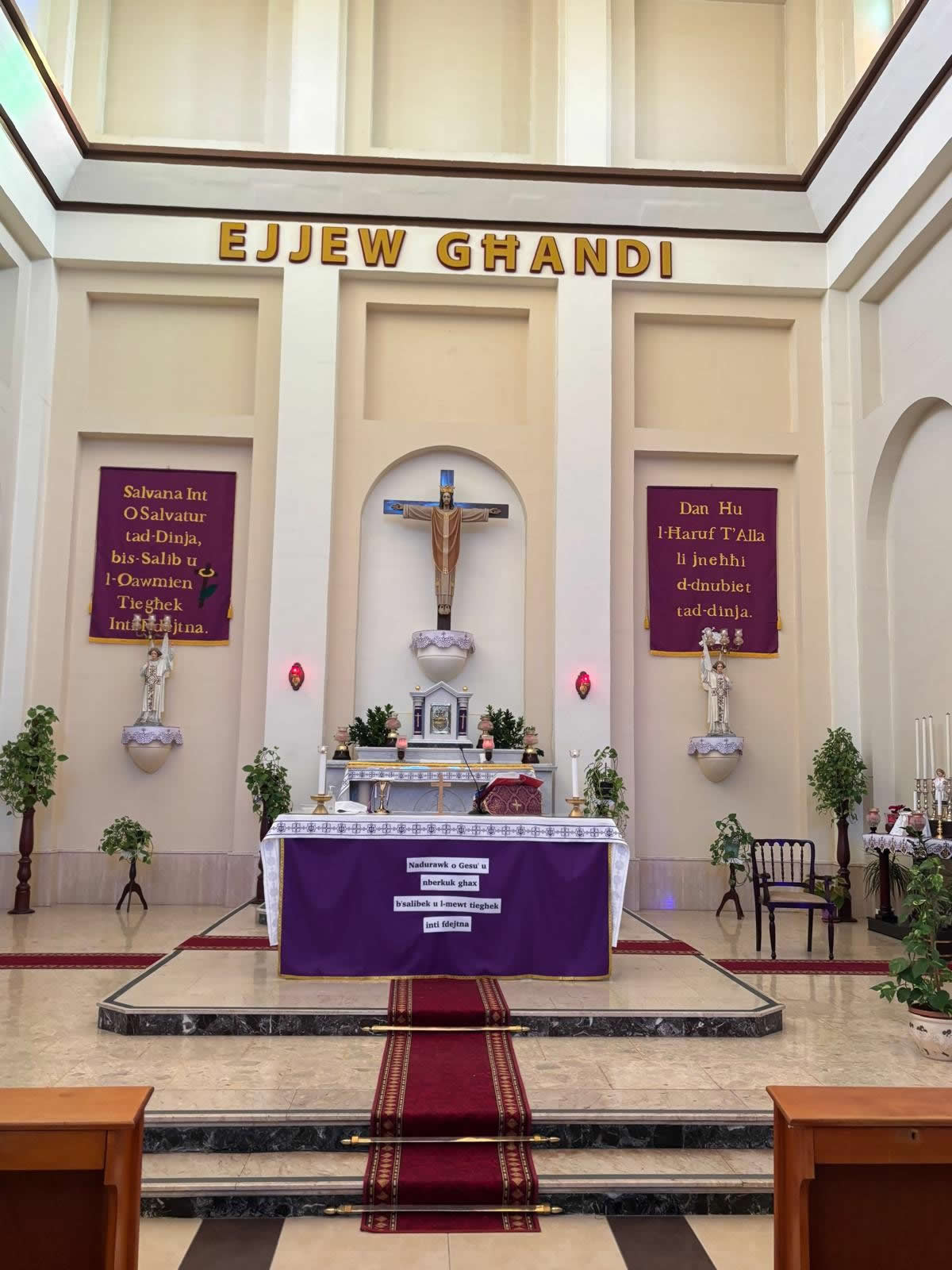
At the heart of the convent lies the chapel — the spiritual core where daily worship and religious life unfold. Dedicated explicitly to Christ the King, the chapel occupies a central position in both physical and devotional terms. The interior features an altar oriented toward the east, signifying the rising of Christ and the resurrection, a timeworn tradition in church architecture. (Liturgical design sources)
Above the altar is a significant devotional image depicting Christ the King crowned and robed in regal simplicity, extending a blessing and embodying the spiritual theme of Christ’s universal kingship. This theme resonates not only with theological tradition but also with local devotional rhythms, including the annual feast celebration and weekly liturgical gatherings. (Convent art inventory)
Interior Artworks & Symbolic Decoration
The chapel’s artistic programme blends imagery and symbols that underline the spiritual focus of the community’s life. High relief carvings, subtle plaster cornices, and devotional paintings contribute to an atmosphere of reverence. Among the notable pieces are:
- Main Devotional Image: Christ the King — central to the chapel’s identity.
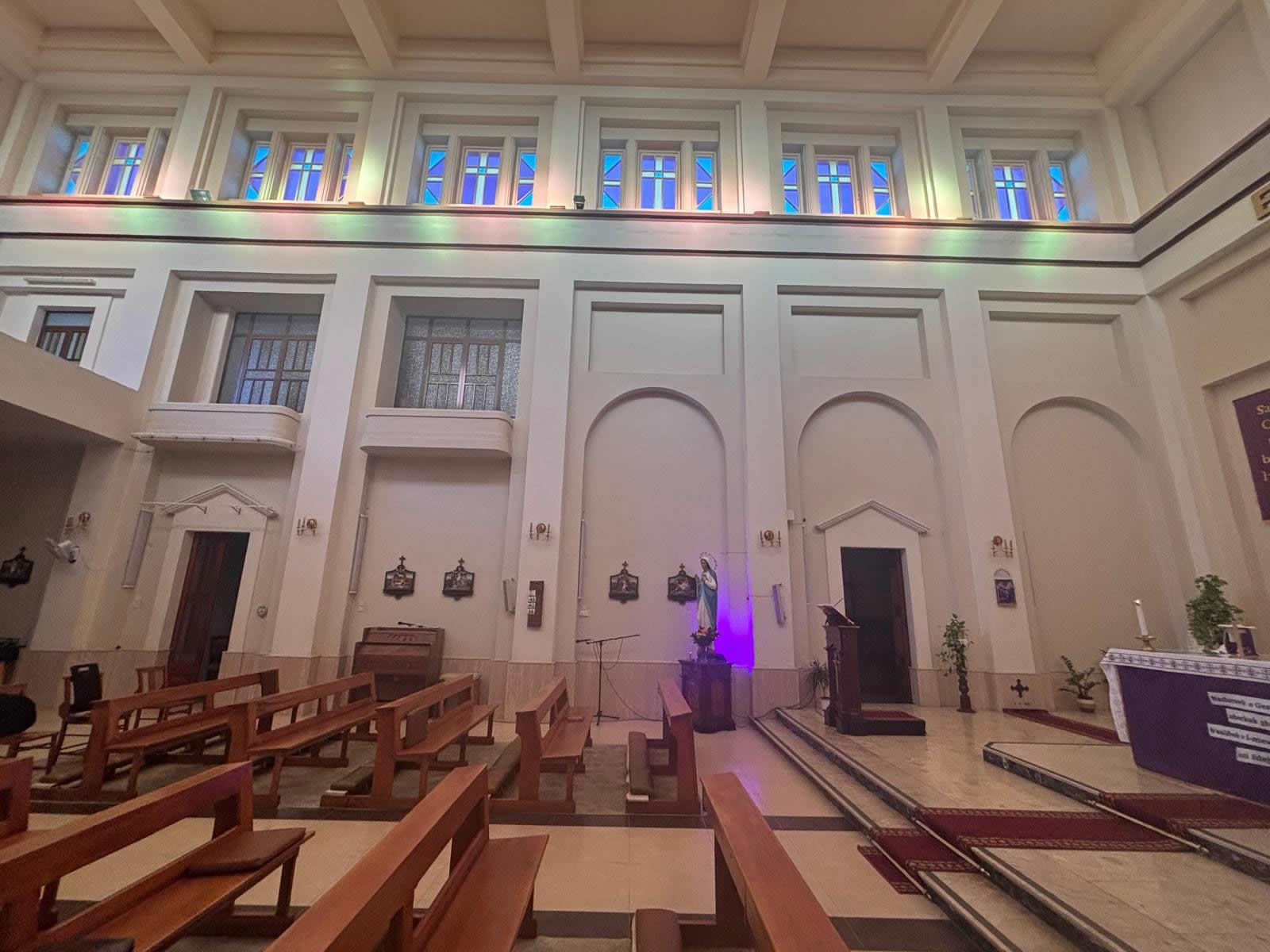
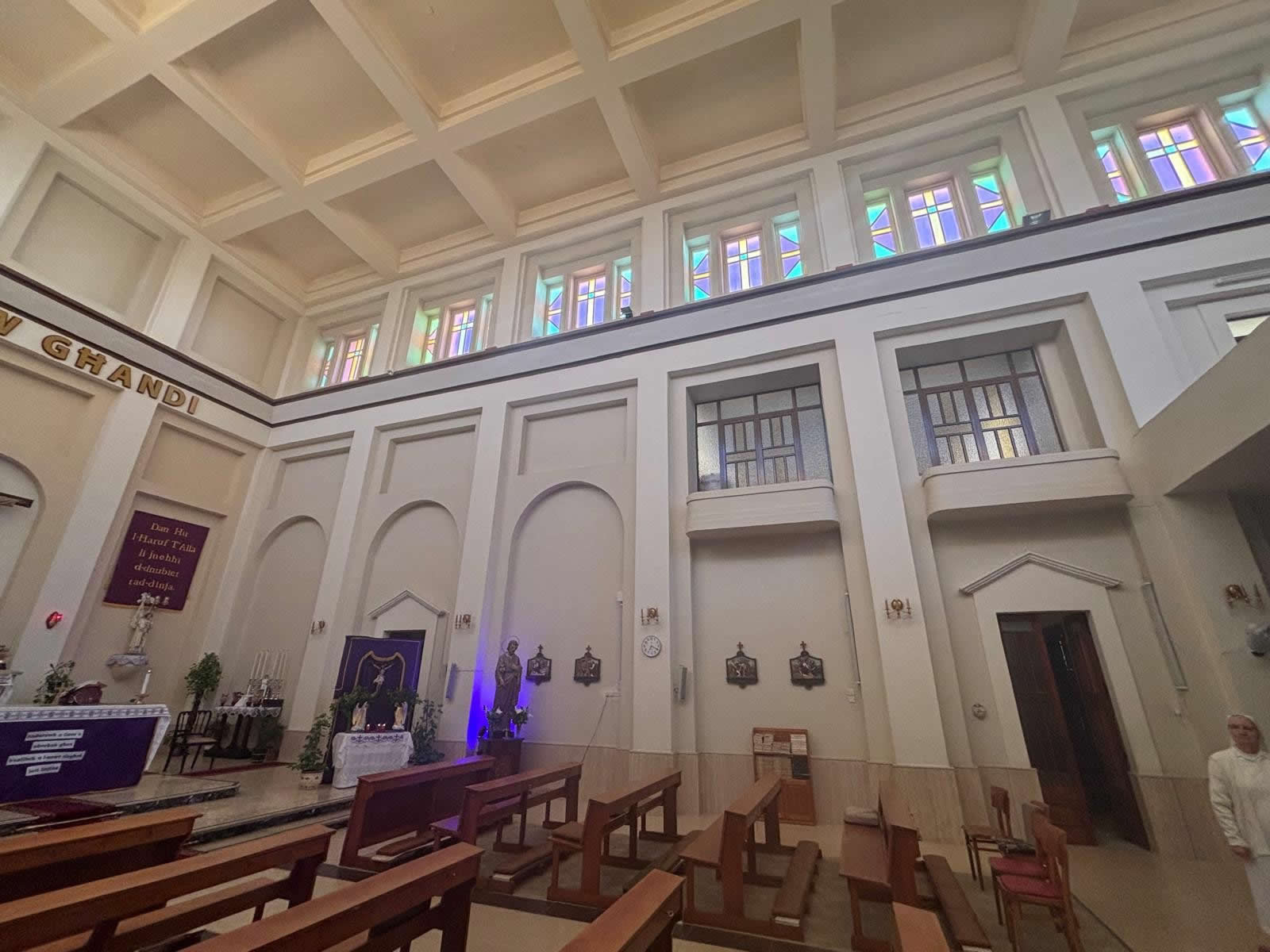
- Stations of the Cross: Executed in painted panels along the nave walls, inviting meditation on Christ’s passion.
- Marian Icons: Reflecting the role of the Blessed Virgin in Catholic spirituality and her connection to the religious community’s prayers.
Each artwork holds devotional significance and supports contemplative engagement. Guided pilgrimages and prayer groups often focus on these images during retreats or spiritual formational evenings. (Convent art and devotional records)
Community Life & Pastoral Mission
Christ the King Convent has played a central role in the layered pastoral life of Fleur-de-Lys and surrounding neighbourhoods. Beyond serving as a home for religious life, the convent has offered programs such as:
- Daily Mass and Eucharistic Adoration — fostering deep sacramental participation.
- Retreats and Spiritual Exercises — offering dedicated time for prayer and discernment.
- Catechesis & Faith Formation — supporting parish and community learning.
- Caring Ministries — outreach to the sick, elderly, and families in need.
These pastoral exercises have enriched the spiritual fabric of the local community and helped cultivate active lay participation. (Parish and convent pastoral records)
Annual Feast – Christ the King
The annual Feast of Christ the King is the most significant liturgical celebration associated with the convent, typically observed on the third Sunday of Ordinary Time (as set by the liturgical calendar). The feast includes solemn Mass, special prayers, and processions that draw worshippers from across Birkirkara, Fleur-de-Lys, and neighbouring parishes. (Diocesan calendar)
The feast emphasises Christ’s sovereignty, mercy, and guidance for the Church and individual believers. In Fleur-de-Lys, this feast has become a key marker of community identity and spiritual renewal. Local traditions accompanying the feast often include devotional novenas, parish gatherings, and moments of shared prayer in the convent gardens. (Parish announcements)
Influence & Outreach
During its decades of service, the convent’s influence has extended beyond its walls. Members of the religious community have acted as spiritual guides for neighbouring parishes and contributed to broader diocesan initiatives, including:
- Marriage preparation programs
- Youth spiritual formation
- Charitable outreach projects
- Interfaith dialogue events
These collaborative efforts illustrate the convent’s role not only as a place of prayer but also as a dynamic contributor to Malta’s broader spiritual life. (Diocesan collaboration records)
Restoration & Conservation
Over the years, periodic restoration efforts have ensured that the Christ the King Convent and its chapel remain structurally sound and aesthetically preserved. Restoration work has included:
- Exterior stone cleaning and consolidation — protecting limestone against natural weathering.
- Interior repainting and plaster conservation — safeguarding artwork and devotional imagery.
- Roof and portal reinforcement — to protect liturgical spaces and gallery areas.
Such conservation work is essential in preserving the architectural integrity and spiritual heritage of the site for future generations. (Heritage Malta and Church preservation reports)
Visitor Experience & Accessibility
The Christ the King Convent welcomes visitors seeking spiritual enrichment, architectural appreciation, and devotional prayer. Open during liturgical hours, the chapel offers quiet space for personal meditation, sacramental participation, and appreciation of sacred art. (Visitor guidelines)
Large group visits, guided tours, and pilgrimages may be arranged by prior appointment, providing context and spiritual reflection for those unfamiliar with the site’s history and devotional significance. (Convent visitor services)
Quick Facts & Historical Timeline
- Founded: 1934
- Convent Chapel Completed: 1940s–1950s (phased)
- Dedication: Christ the King
- Primary Feast: Christ the King (Third Sunday of Ordinary Time)
- Architectural Style: Maltese limestone ecclesiastical design with modest modern influences
- Location: Fleur-de-Lys, Birkirkara, Malta
- Use: Worship, formation, retreats, community outreach