📍 Location
Location Map Coordinates 35.988520, 14.375204
L-Aħrax Ridge, Mellieħa, Malta
Home > Historic Chapels of Malta > Chapel of the Immaculate Conception – Mellieħa
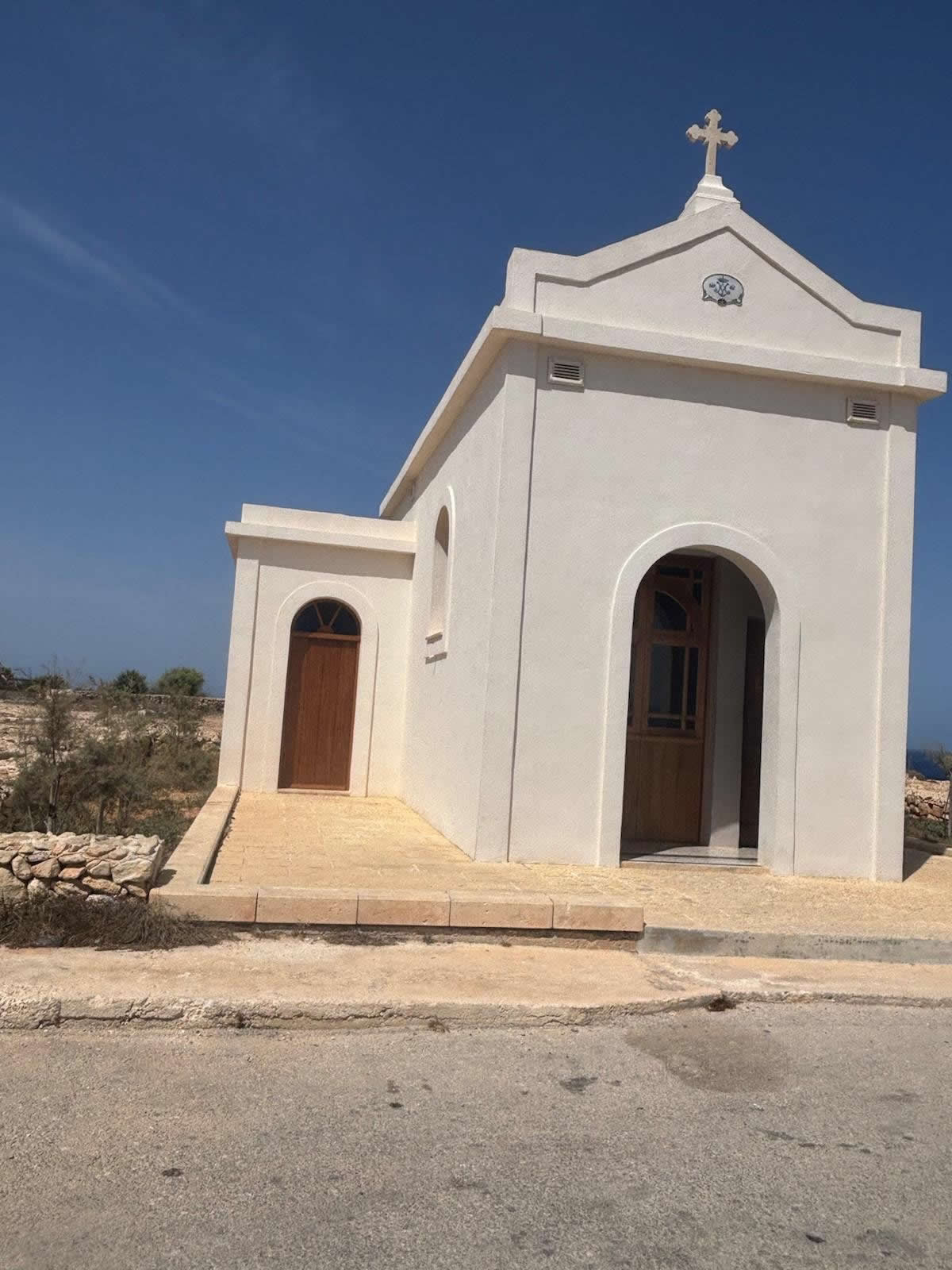
The Chapel of the Immaculate Conception, located on the dramatic coastal ridge of L-Aħrax in Mellieħa, Malta, is one of the most picturesque rural chapels in the Maltese Islands. Situated at coordinates 35.988520, 14.375204, the chapel overlooks the rugged northern coastline and the open Mediterranean Sea, offering sweeping views across the Marfa peninsula and the channel separating Malta from the island of Comino.
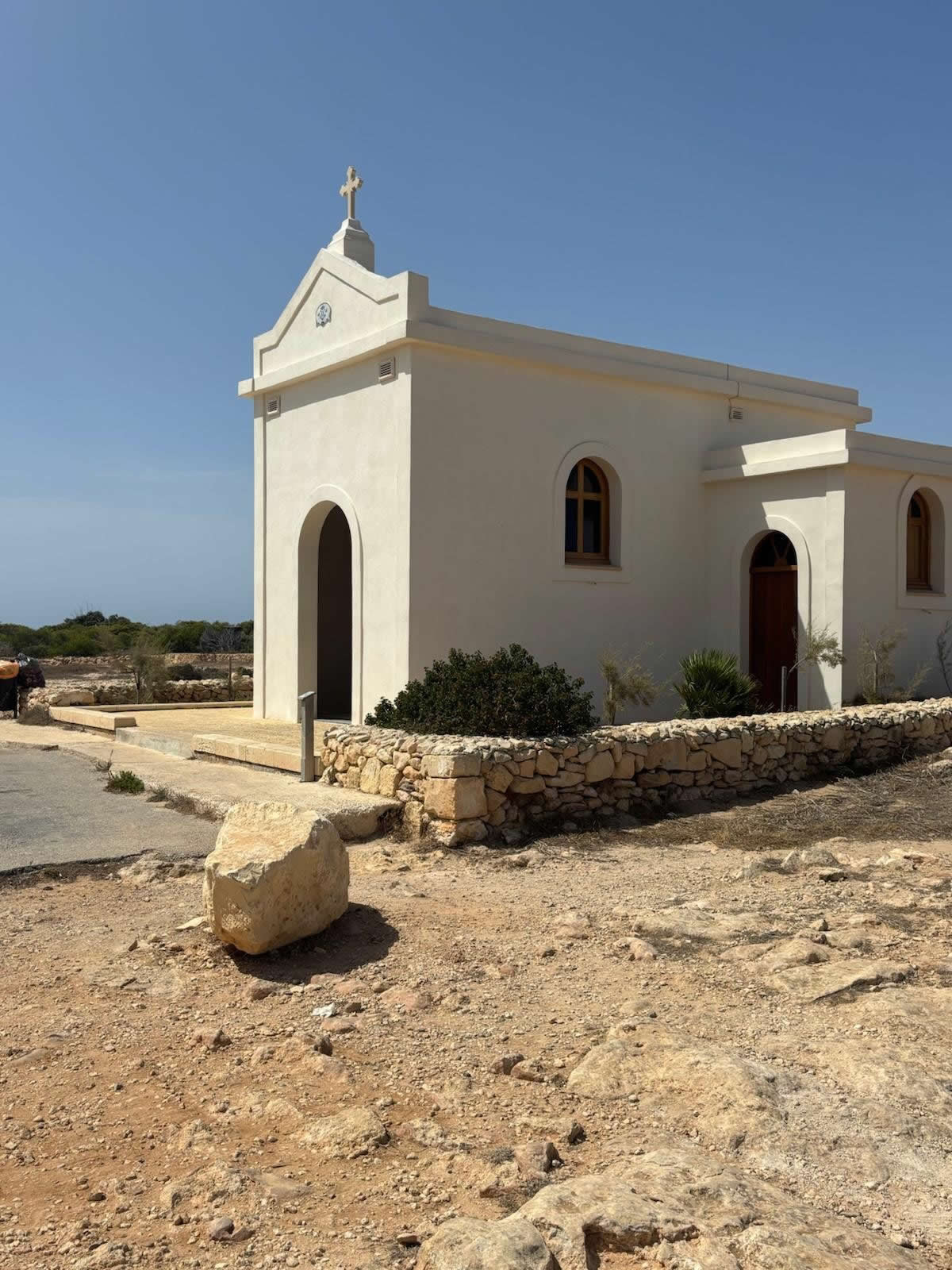
Dedicated to the Immaculate Conception of the Blessed Virgin Mary, the chapel represents a strong example of Malta’s tradition of small devotional churches built by local communities or individuals in fulfilment of religious vows. Over the centuries, such chapels played an important role in the spiritual life of rural communities and fishermen working along the island’s coastlines.
Although the present structure dates largely from the 1960s, the history of this chapel reaches further back. Earlier versions of the building once stood along the ridge but were eventually lost due to coastal erosion, prompting the construction of the present chapel slightly inland from the original site.
Origins and Early Devotional History
The origins of the Immaculate Conception Chapel at L-Aħrax are closely tied to Malta’s long maritime tradition. According to local tradition, the first chapel was built as a votive offering by a fisherman who survived a tragic maritime accident. The fisherman was reportedly the sole survivor of a boat that capsized during a storm while several fishermen were at sea. In gratitude for his survival, he dedicated a small chapel to the Virgin Mary under the title of the Immaculate Conception.
This story reflects a common theme found in the religious history of Malta, where fishermen, sailors and coastal communities frequently expressed their devotion to the Virgin Mary through the construction of shrines and chapels. The sea surrounding the Maltese islands has historically been both a source of livelihood and a source of danger, and Marian devotion was often invoked for protection during voyages.
The chapel soon became an important landmark for fishermen navigating the waters around Mellieħa and the Marfa peninsula. For generations, the small white structure overlooking the sea served not only as a place of prayer but also as a visual reference point visible from the surrounding waters.
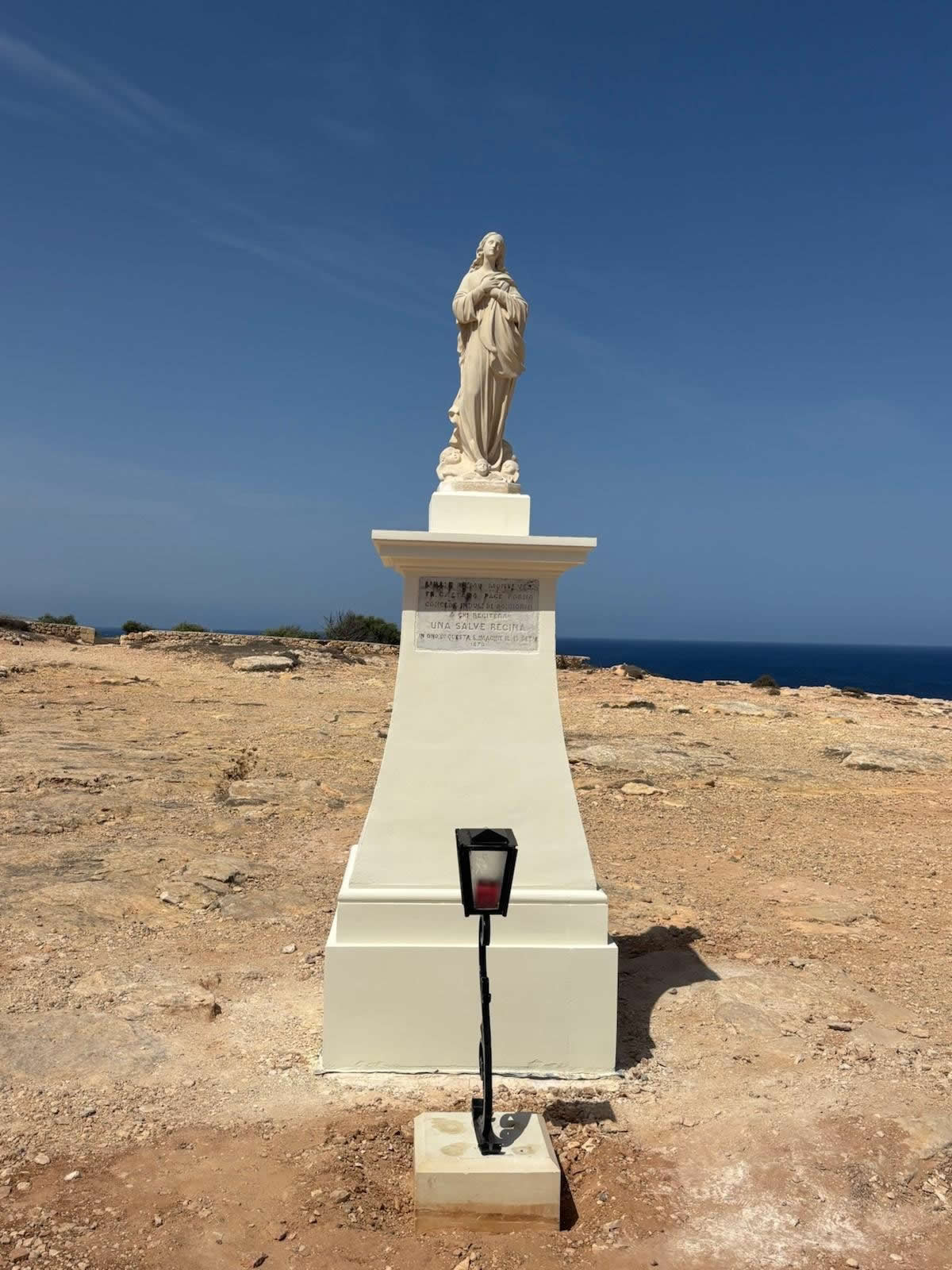
The Nineteenth-Century Chapel
By the nineteenth century a more substantial chapel had been constructed on the Marfa Ridge. This earlier building served local farmers, shepherds and fishermen who lived or worked in the remote northern areas of Mellieħa.
The chapel was modest in size and followed the typical design of Maltese rural chapels: a rectangular nave, a simple façade, and a single altar dedicated to the Virgin Mary. Built using the characteristic honey-coloured limestone found throughout Malta, the chapel blended naturally into the surrounding landscape of fields, rocky hills and coastal cliffs.

The interior of the chapel was traditionally simple but devotional. A small altar and titular painting depicting the Immaculate Conception served as the focus of prayer for the faithful who visited the chapel.
Due to its remote coastal location, the chapel was often visited by fishermen before setting out to sea. It was common practice for them to offer prayers for safe journeys and successful fishing expeditions.

Collapse of the Original Chapel
During the twentieth century the coastline around the Marfa Ridge experienced gradual geological changes and erosion. The cliff edge near the original chapel became unstable, eventually leading to the collapse of the land on which the historic structure stood.
As a result, the nineteenth-century chapel was lost when the ground beneath it gave way and fell into the sea. This dramatic event led to the decision to construct a replacement chapel in a safer location further inland on the ridge.
The loss of the original structure was a significant moment for the local community. However, the strong devotion associated with the chapel ensured that plans were quickly made to rebuild it and continue the religious tradition connected with the site.

Construction of the Present Chapel (1960s)
The current Chapel of the Immaculate Conception was constructed during the 1960s, replacing the earlier structure that had been destroyed by coastal erosion.
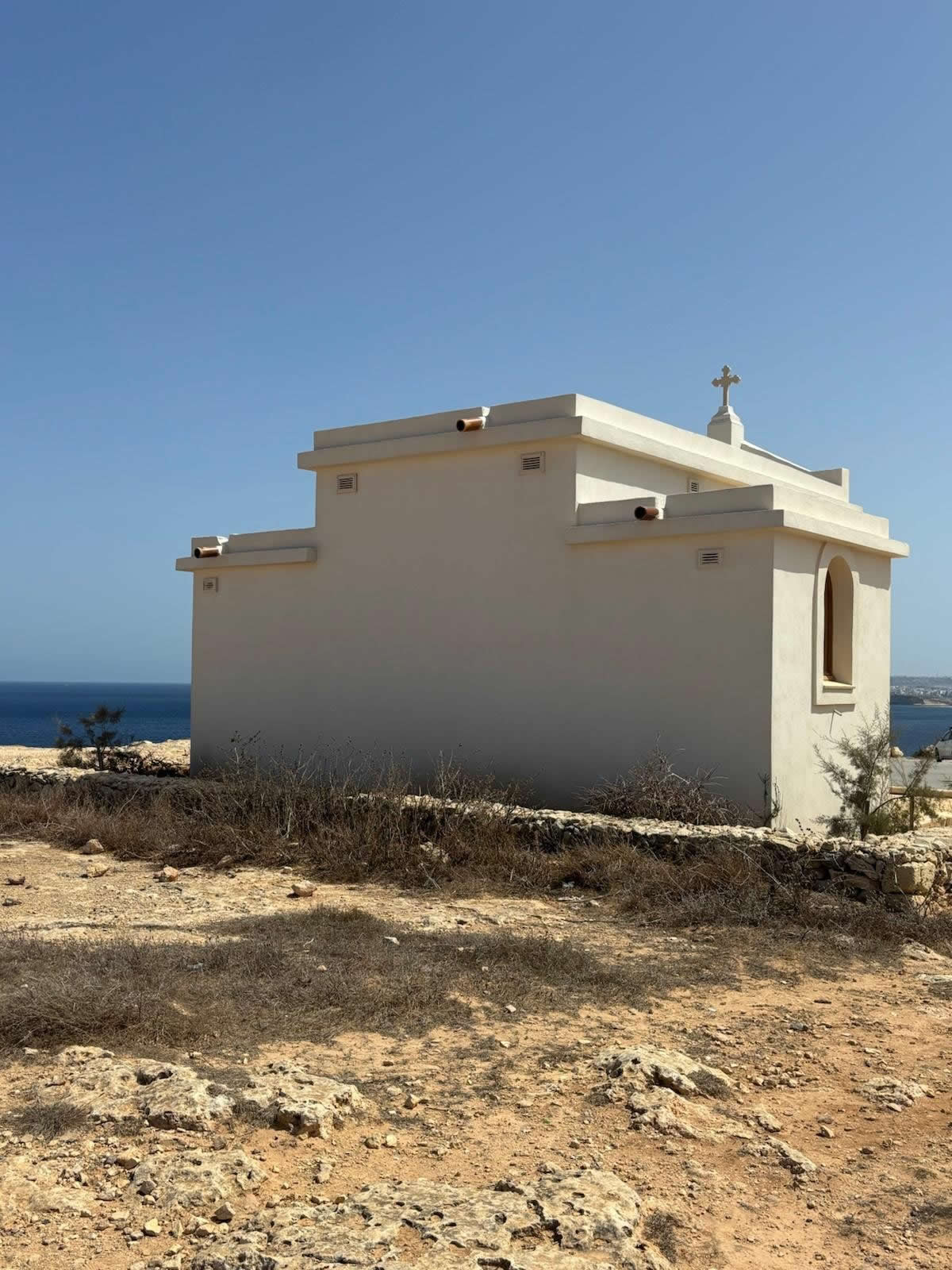
Although the new building is relatively modern, its design respects the traditional architectural style of Maltese rural chapels. The structure is simple yet elegant, featuring clean lines, a small belfry above the façade and a rectangular interior space suitable for private devotion and occasional liturgical celebrations.
The chapel was built using Maltese limestone, ensuring that it visually harmonises with the surrounding countryside. The use of traditional materials and proportions helps preserve the historic character associated with earlier chapels in the region.

Architectural Characteristics
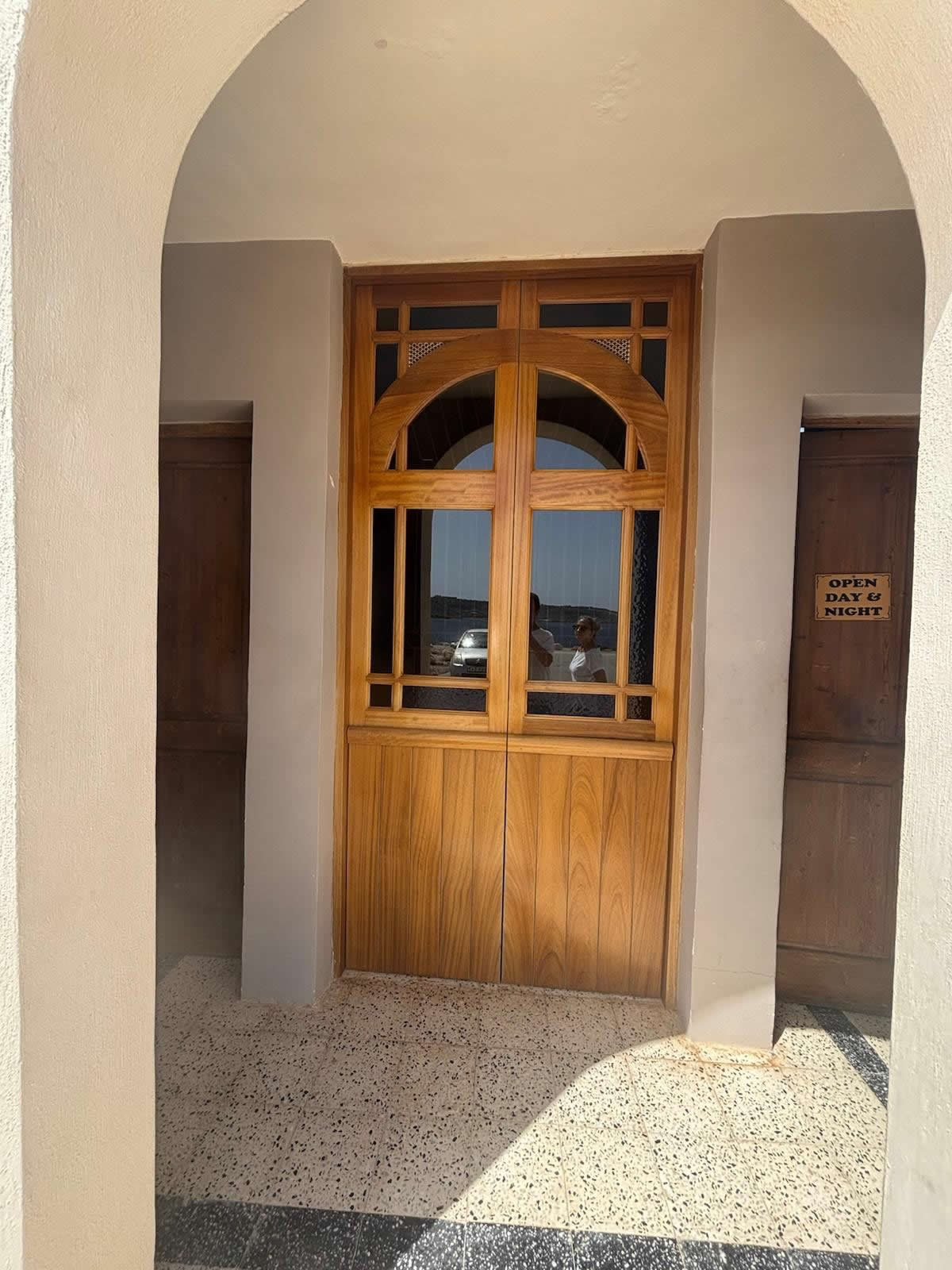
The architectural style of the Immaculate Conception Chapel reflects the simplicity typical of Maltese country chapels. The façade features a central doorway framed by stone mouldings and surmounted by a modest bell-cote containing a small bell used to announce services.
The building follows a rectangular plan consisting of a single nave. The interior is illuminated by natural light entering through small windows along the sides of the chapel. The simplicity of the structure emphasises the spiritual purpose of the building as a place for quiet prayer and reflection.
Inside the chapel, the focal point is the altar dedicated to the Virgin Mary. A devotional image of the Immaculate Conception traditionally occupies the central position above the altar, symbolising Mary’s purity and her special role within Catholic theology.

Artworks and Religious Decorations
Although modest in scale compared with parish churches, the chapel contains devotional artworks that contribute to its religious atmosphere. These include paintings, statues and other sacred objects associated with Marian devotion.
The central artwork typically depicts the Virgin Mary under the title of the Immaculate Conception, often portrayed standing on a crescent moon surrounded by angels – a traditional iconographic representation widely used in Catholic art.
Additional decorative elements may include votive candles, small statues of saints and floral arrangements placed by visitors as expressions of personal devotion.

Religious Use and Devotion
Today the chapel remains an important spiritual site within the Mellieħa region. While it does not function as a parish church, it is occasionally used for religious celebrations, prayer gatherings and special devotions.
One of the most important dates associated with the chapel is the Feast of the Immaculate Conception, celebrated on 8 December. This Marian feast commemorates the Catholic doctrine that the Virgin Mary was conceived free from original sin.
During this feast day, members of the local community may gather at the chapel for prayer services or devotional visits, continuing a long tradition of Marian devotion linked to the site.
The Chapel in the Landscape of Mellieħa
The location of the chapel is one of its most striking features. Standing on the L-Aħrax ridge overlooking the Mediterranean Sea, the chapel forms part of the cultural landscape of northern Malta.
The surrounding area is characterised by agricultural fields, coastal cliffs and panoramic views of the sea and neighbouring islands. Visitors travelling through the Marfa peninsula frequently encounter the chapel as they explore the rural countryside of Mellieħa.
In addition to its religious importance, the chapel has become a scenic landmark and a point of interest for photographers and visitors exploring the natural beauty of the region.
Heritage Value
The Chapel of the Immaculate Conception is an example of Malta’s rich heritage of small devotional buildings scattered throughout the countryside. These chapels reflect centuries of religious tradition and community devotion across the Maltese Islands.
Despite its modest size, the chapel carries significant historical and cultural value. Its story – from its origins as a fisherman’s votive offering to its reconstruction in the twentieth century – illustrates the resilience of Malta’s religious traditions and the strong connection between faith and everyday life.
Today the chapel continues to serve both as a place of prayer and as a reminder of the deep Marian devotion that has shaped the religious history of Mellieħa.