📍 Location
Location Map Coordinates 36.034129, 14.320974
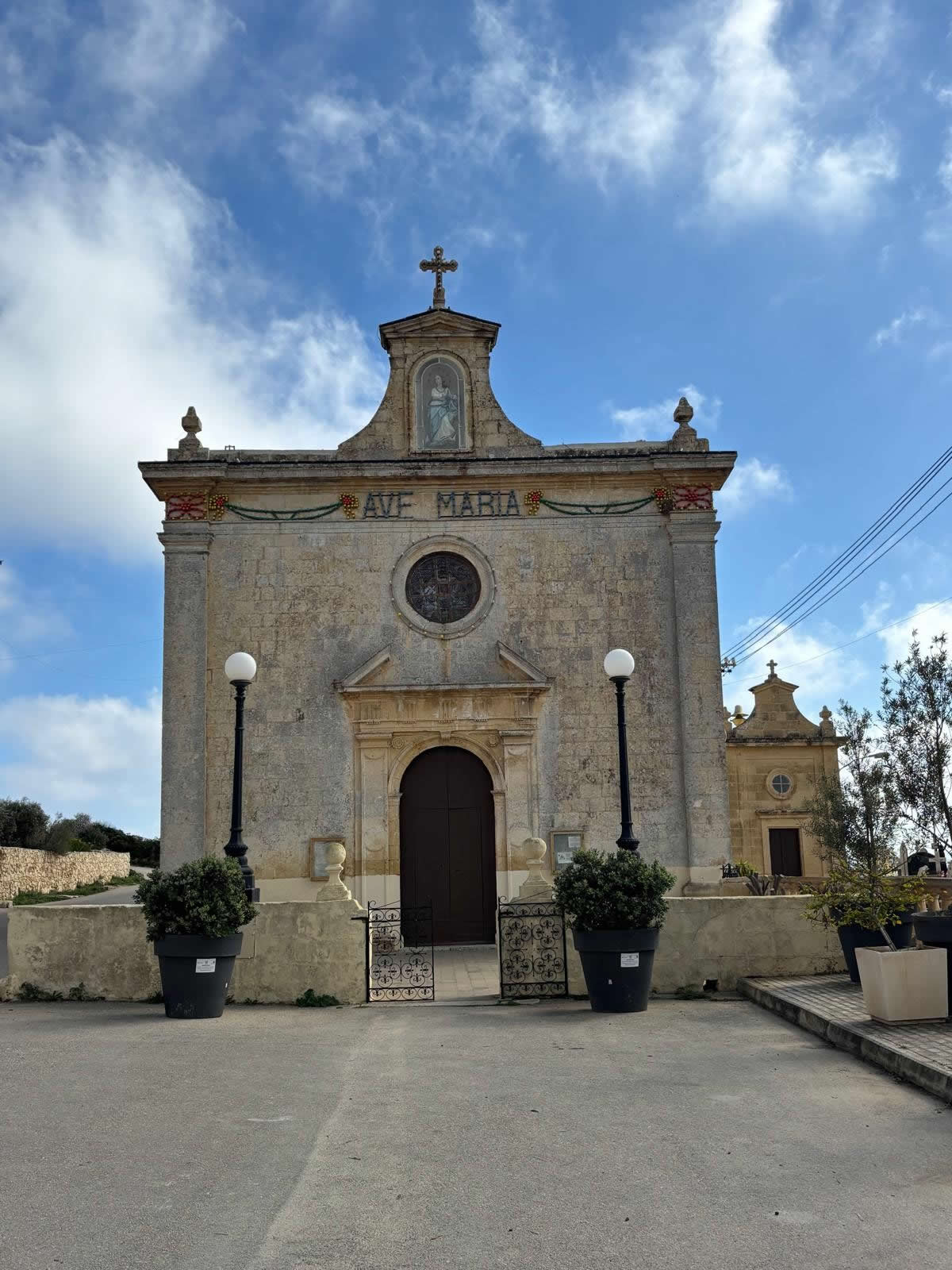
The Chapel of the Immaculate Conception of Our Lady, popularly known as the Tal-Ħondoq Chapel, stands near the picturesque inlet of Tal-Ħondoq Bay in Qala, Gozo. With deep roots in local maritime and fishing tradition, this charming yet spiritually significant chapel has served generations of worshippers with devotions focused on the Immaculate Conception of the Blessed Virgin Mary, fishermen’s petitions for safety, and annual celebrations that blend local culture with centuries-old ecclesiastical tradition.
Historical Origins & Early Devotion
The chapel’s origins date back to the 17th century, when Gozo’s coastal communities — particularly those near bays and fishing grounds — established small chapels dedicated to the Blessed Virgin Mary for protection, thanksgiving, and spiritual refuge. The site at Tal-Ħondoq was especially meaningful due to its proximity to the open sea and the daily endeavours of fishermen who prayed for safe passage, calm waters, and fruitful catches. (Local historical records)
During this period, the doctrine of the Immaculate Conception — which holds that Mary was conceived without original sin — was not yet dogmatically defined (it would be formally proclaimed in 1854), but Marian devotion under this title already spread widely across Catholic Europe. In Malta, such devotion gained particular resonance among seafarers and coastal settlements. (Church history sources)
Construction & Architectural Style
The initial structure of the Tal-Ħondoq chapel was modest in scale, typical of many early Gozo chapels serving agrarian and maritime populations. Built primarily from locally quarried limestone, the chapel’s simple rectangular plan provided space for a small nave and altar dedicated to the Immaculate Conception. (Architectural surveys)
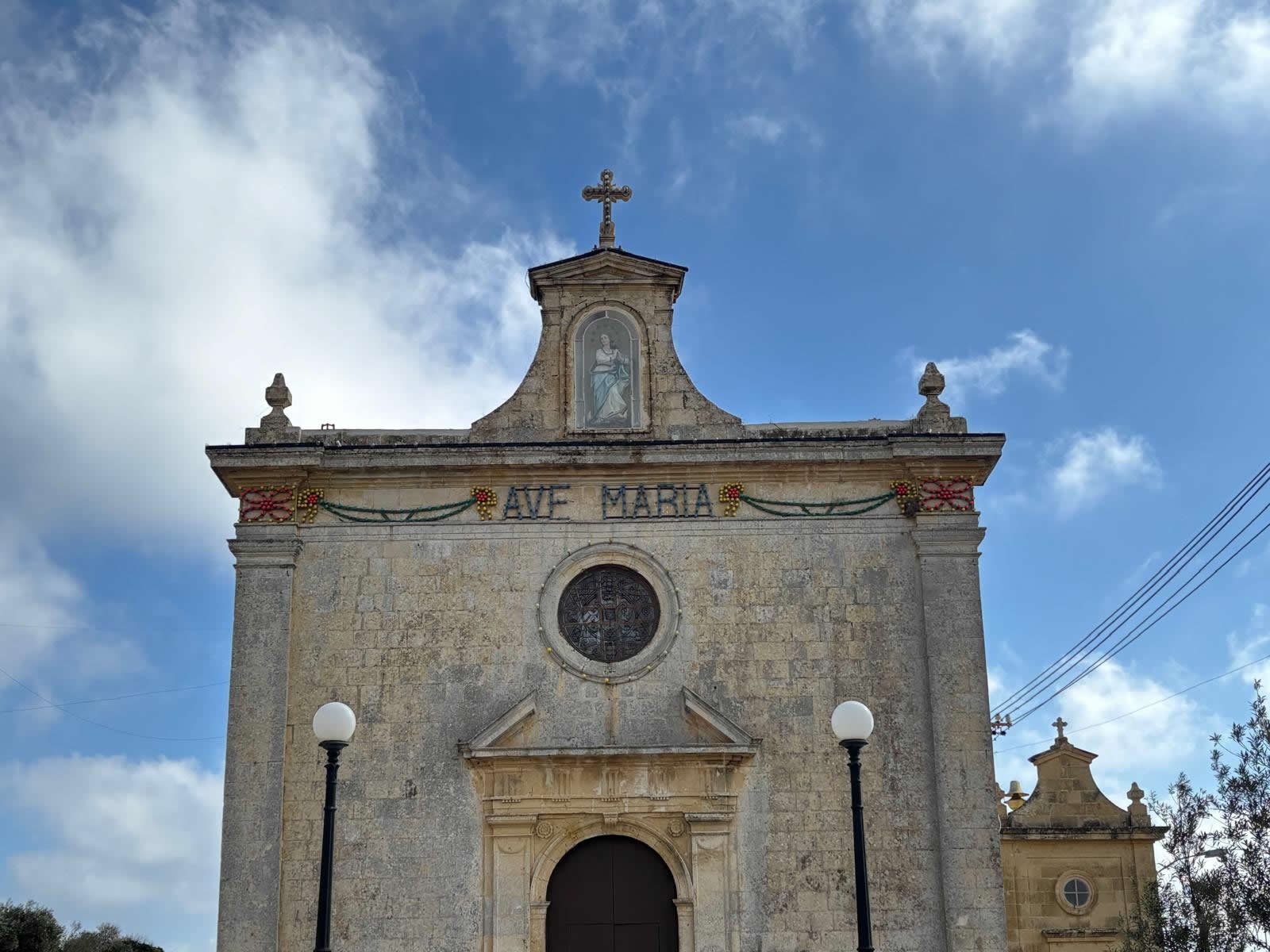
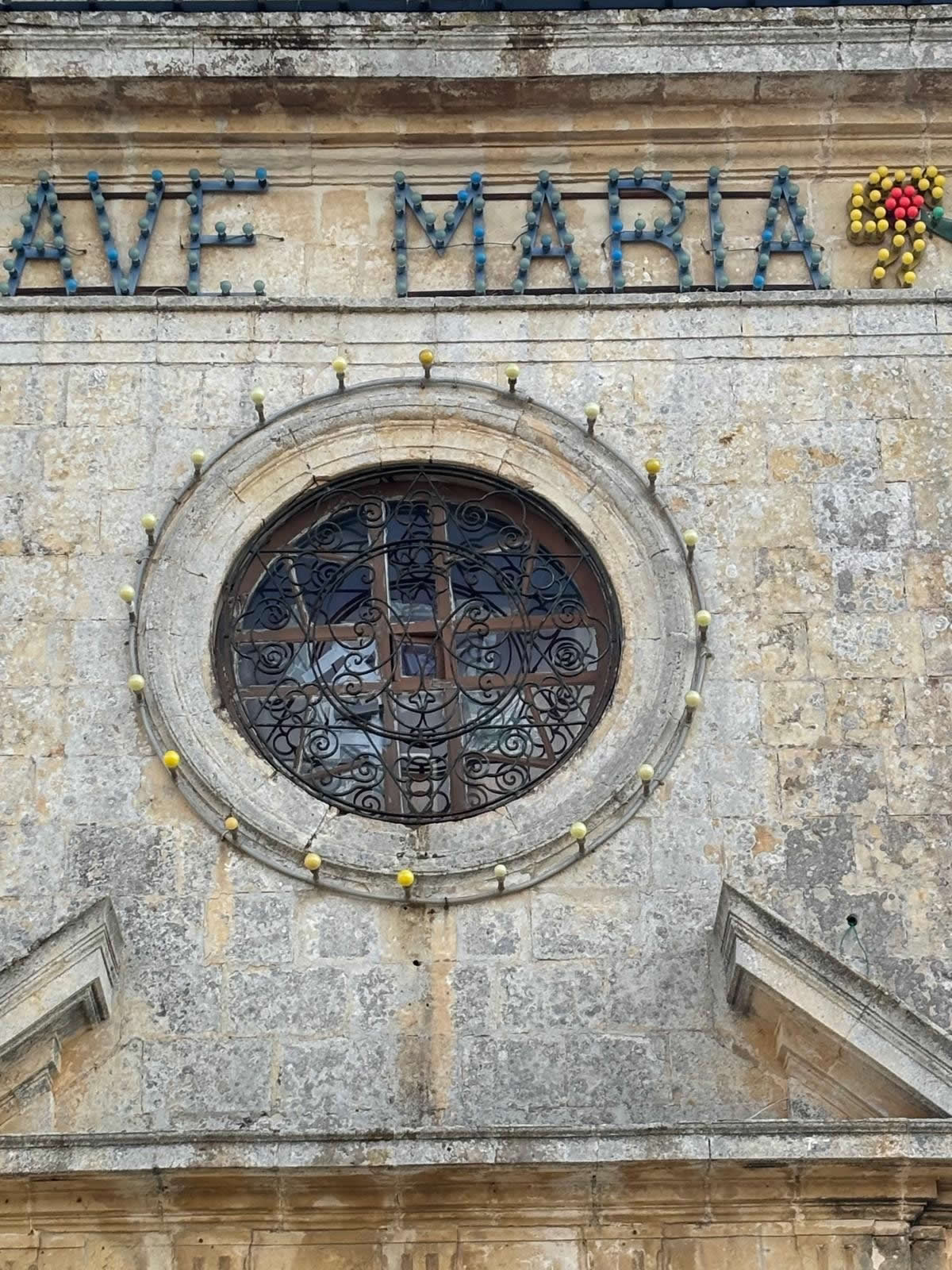
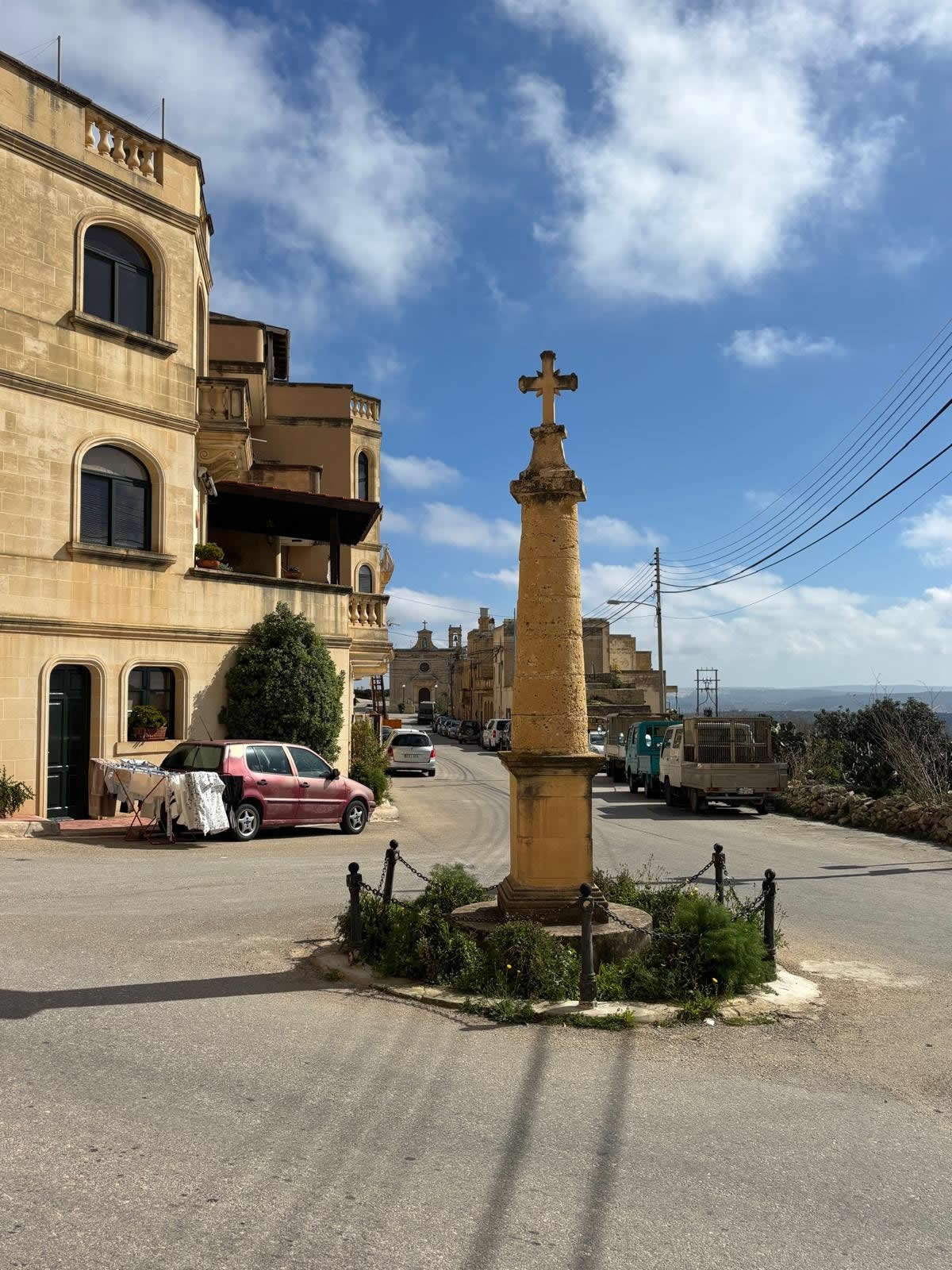
Over time, architectural refinements expanded the chapel’s form, incorporating subtle Baroque elements that reflected broader ecclesiastical trends in the Maltese islands during the 17th and 18th centuries. These include a modest pediment above the entrance, limestone pilasters framing the façade, and a small bell-cote marking its sacred purpose. The chapel’s exterior harmonises with the rugged natural beauty of Tal-Ħondoq Bay, where sea winds and coastal light accentuate the stonework’s warm tones. (Local heritage documentation)
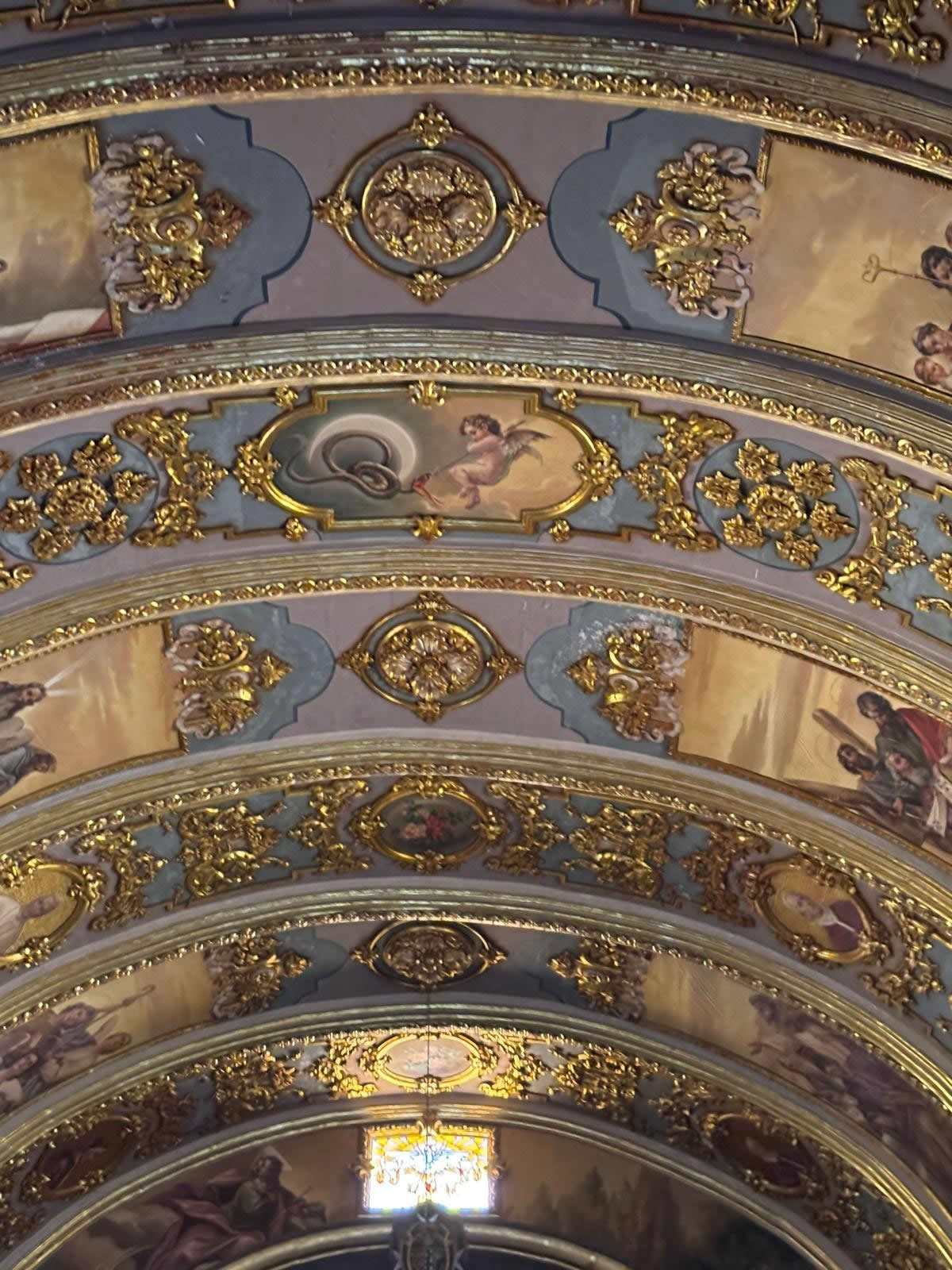
Interior & Devotional Artifacts
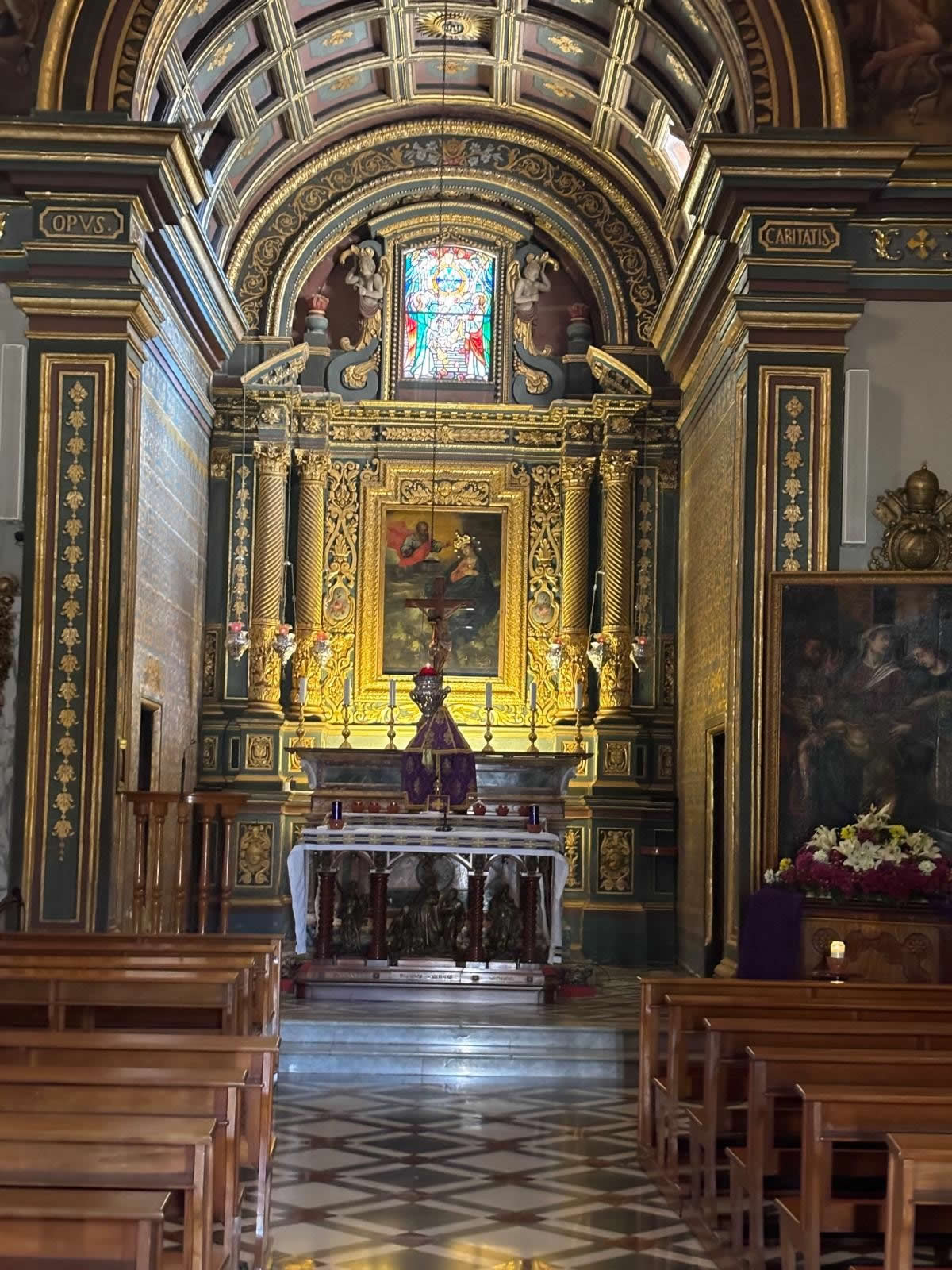
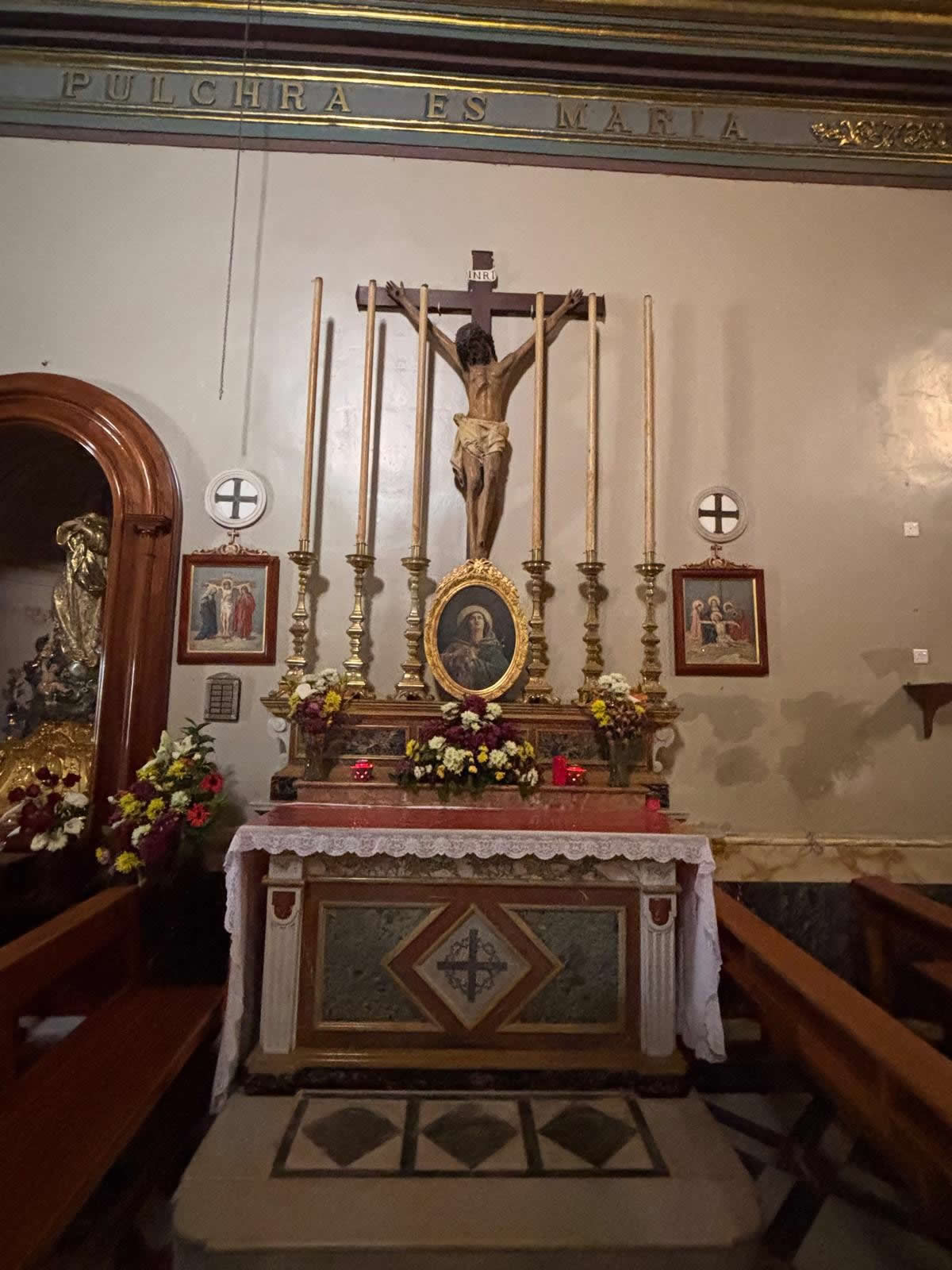
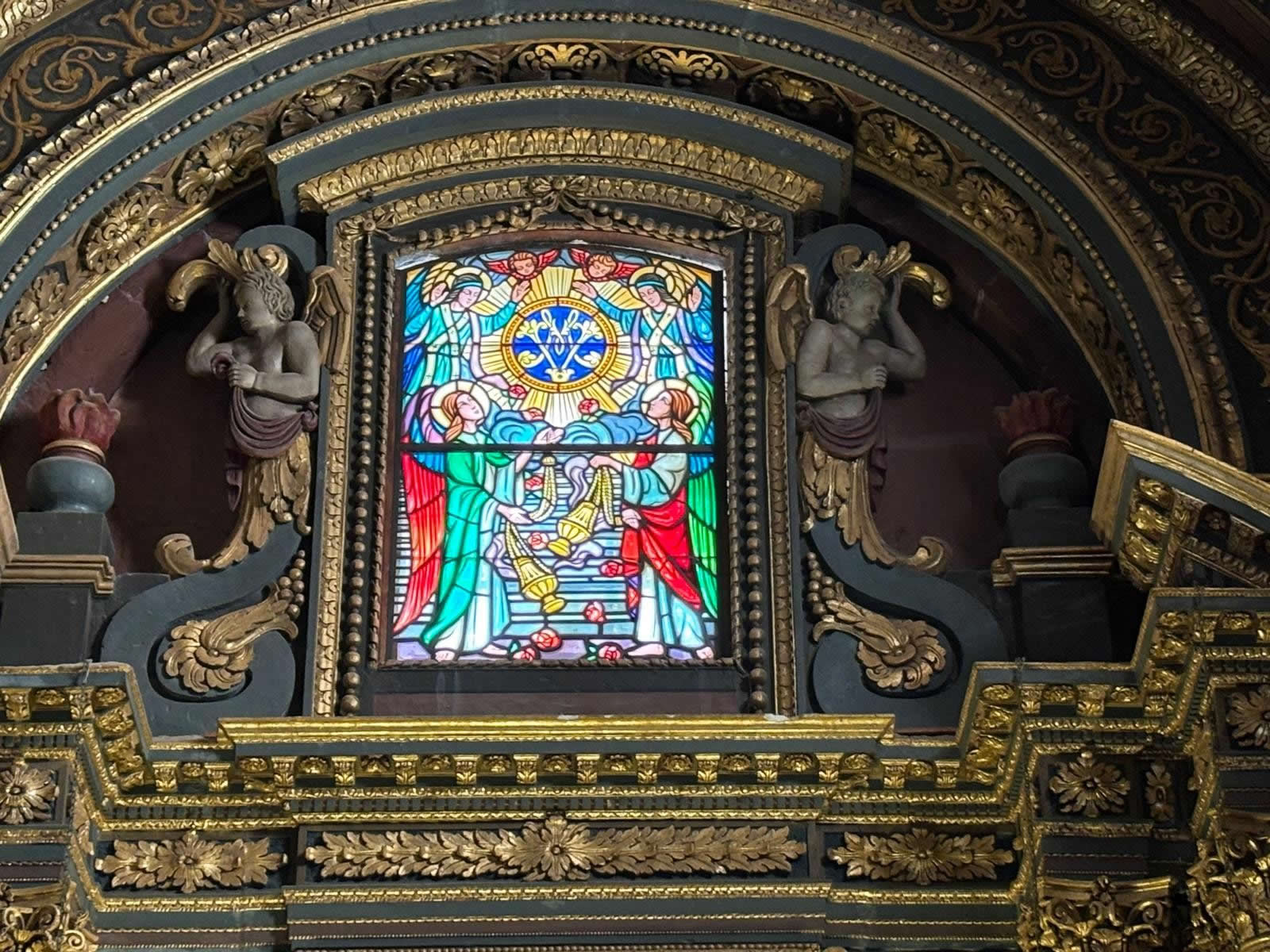
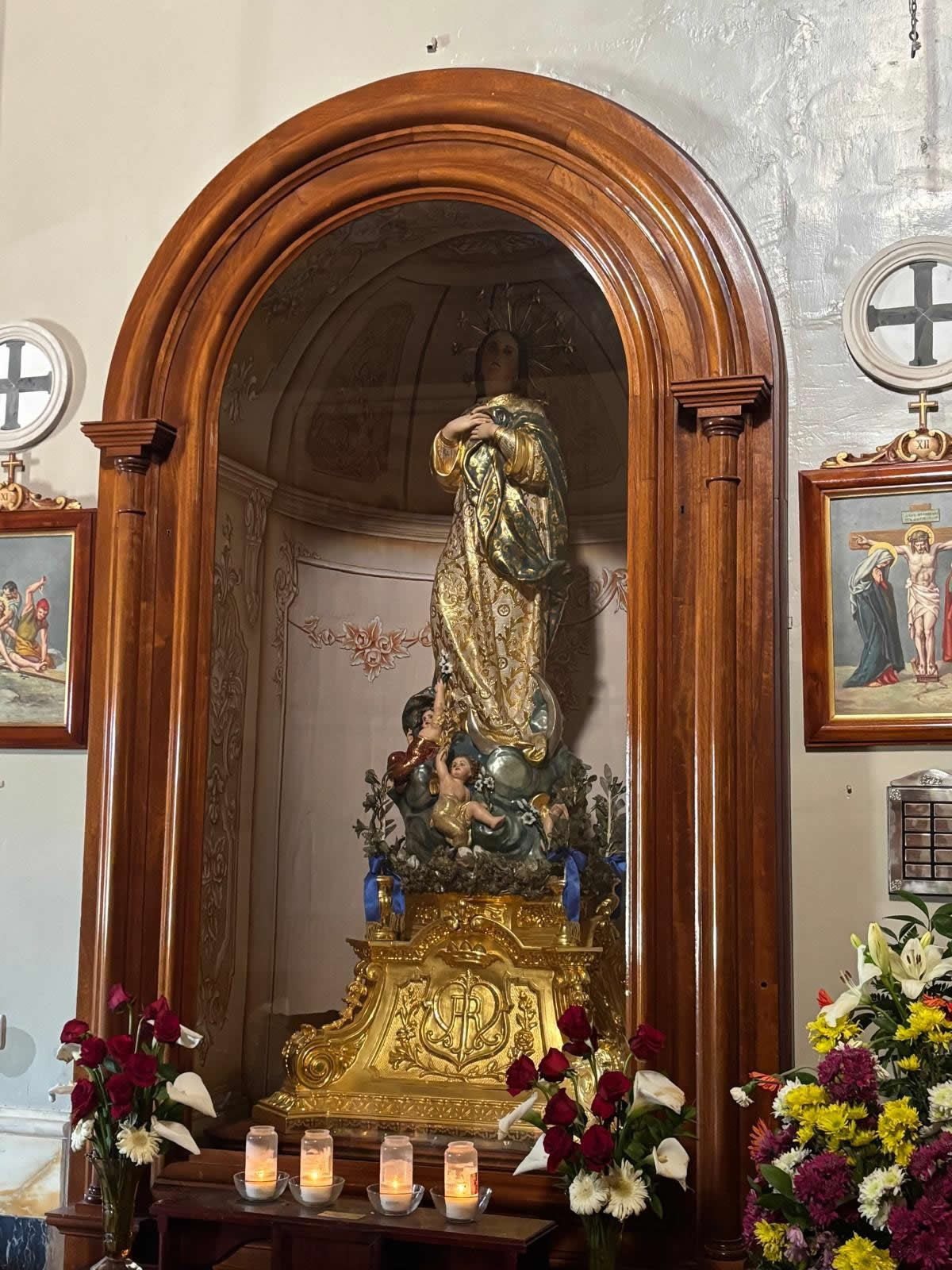
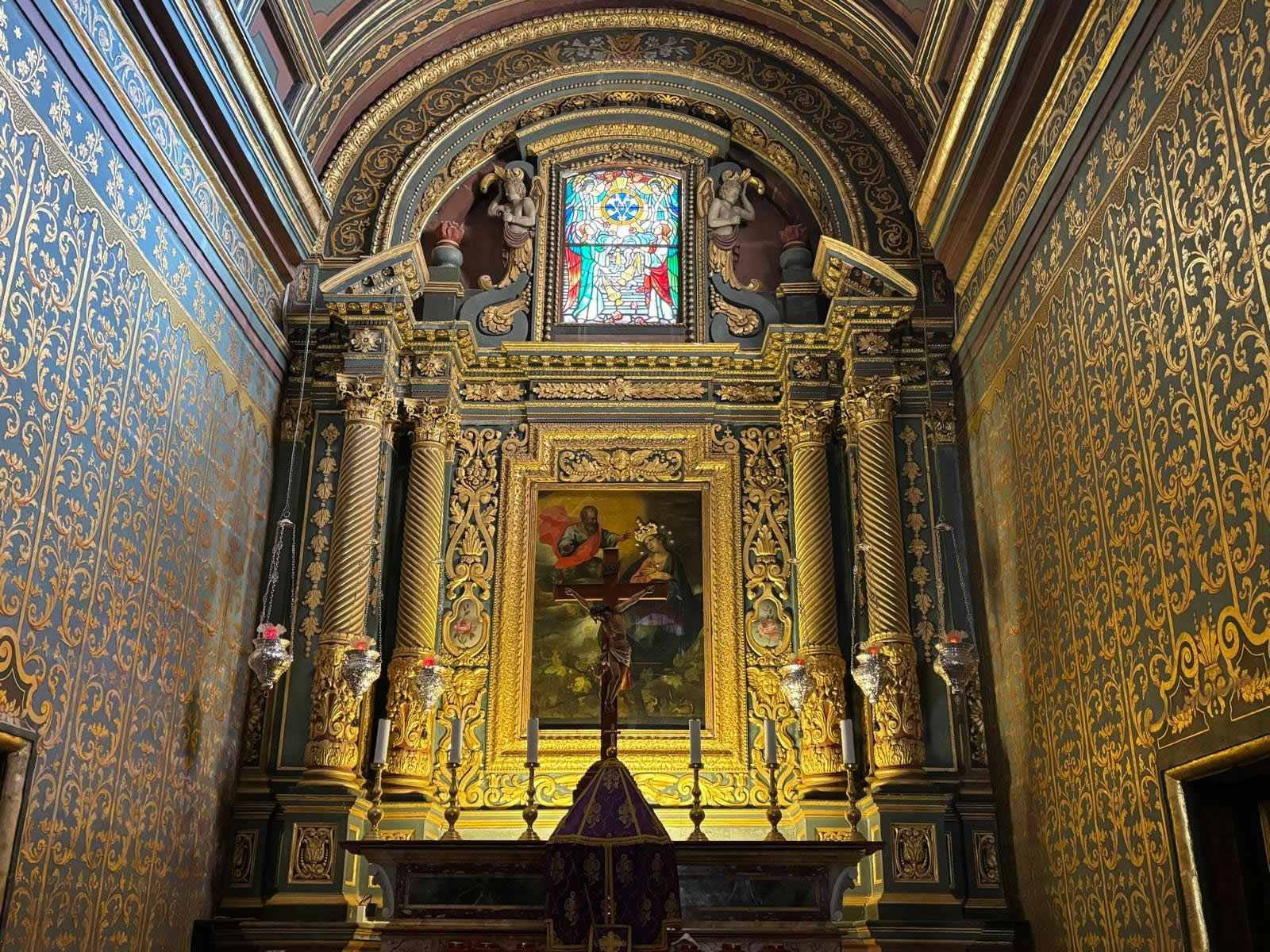
Inside, the chapel’s focal point is the titular altar dedicated to the Immaculate Conception of Our Lady. Central to this altar is a revered painting of Mary — often depicted with her gaze uplifted in serene contemplation, flanked by angels and soft light symbolising her purity and divine grace. Religious iconography within the chapel celebrates her immaculate nature and reflects the community’s longstanding devotion. (Parish art records)
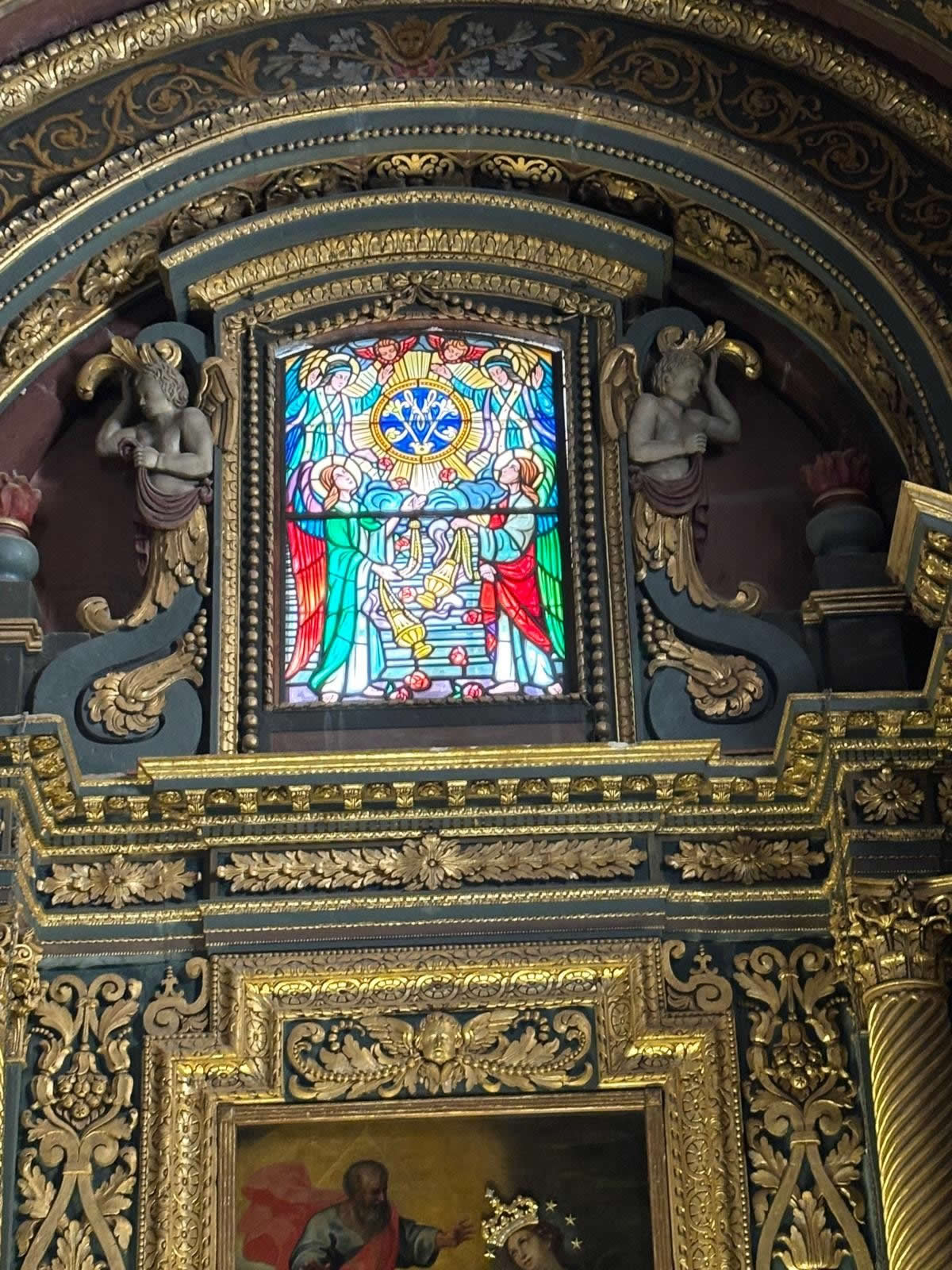
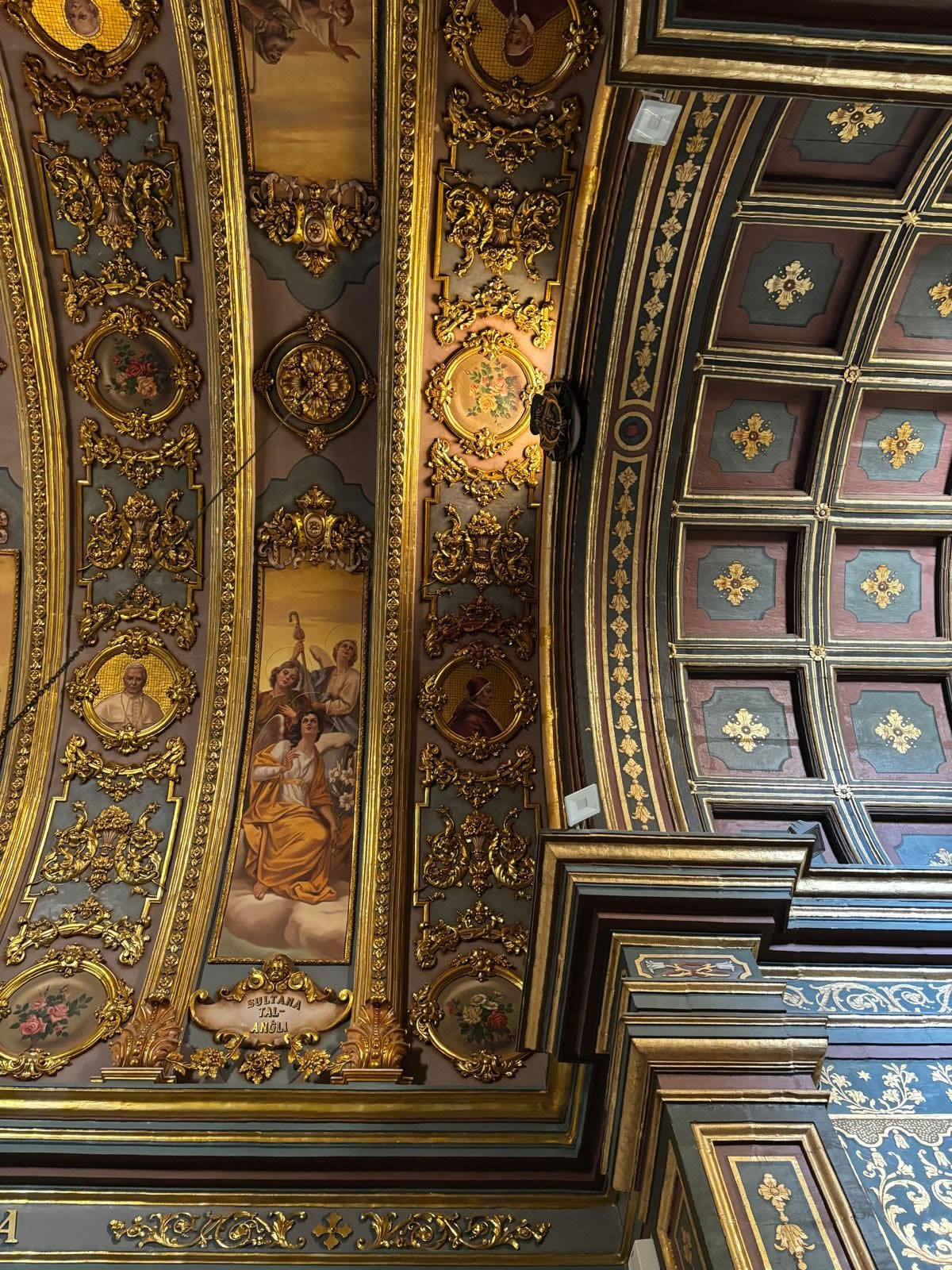
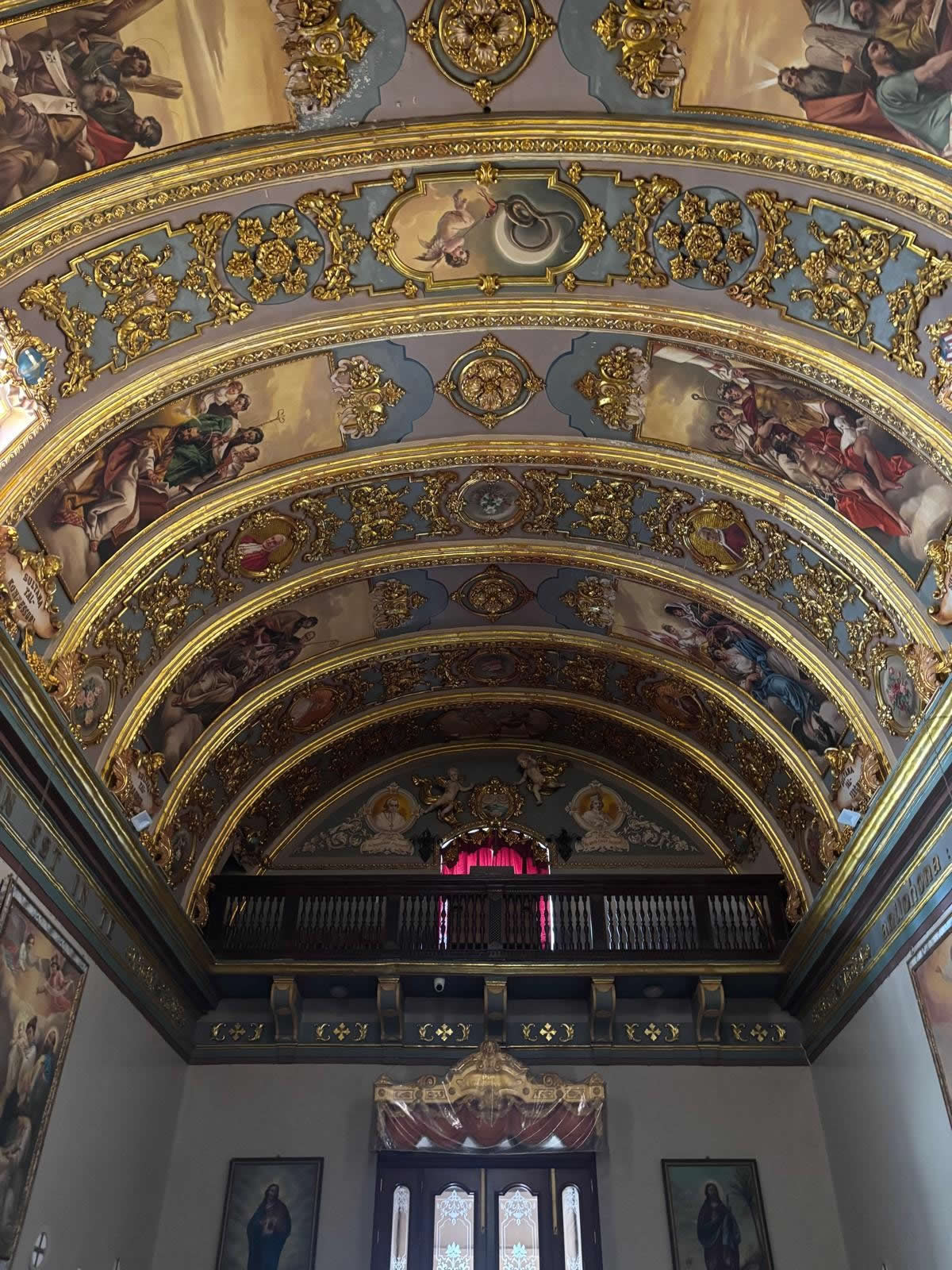
Secondary devotional images of saints and angels adorn the small chapel walls, providing focal points for prayer and reflection. While less ornate than urban parish churches, the simplicity of the interior underscores the chapel’s role as a place of quiet worship and local devotion. (Church archives)
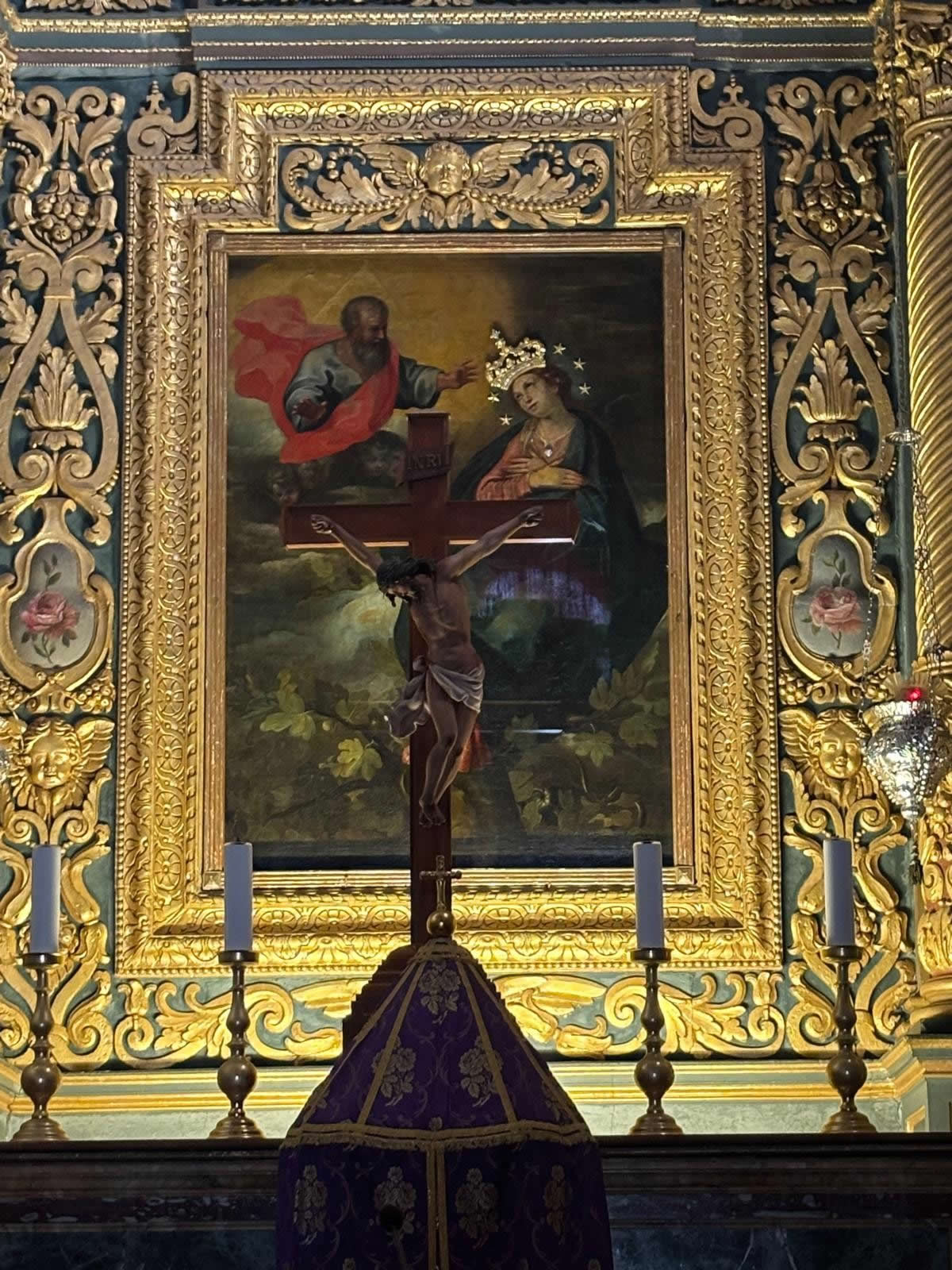
Tal-Ħondoq: Maritime Connection & Cultural Importance
The location of the chapel near Tal-Ħondoq Bay — a natural cove facing the open Mediterranean — has profoundly shaped its spiritual significance. Fishermen and sailors traditionally gathered here before and after voyages, invoking Mary’s protection under her title of the Immaculate Conception. The site’s ambience of sea, sky, and stone made it a natural locus for contemplation on life’s fragility and God’s providence. (Maritime heritage sources)
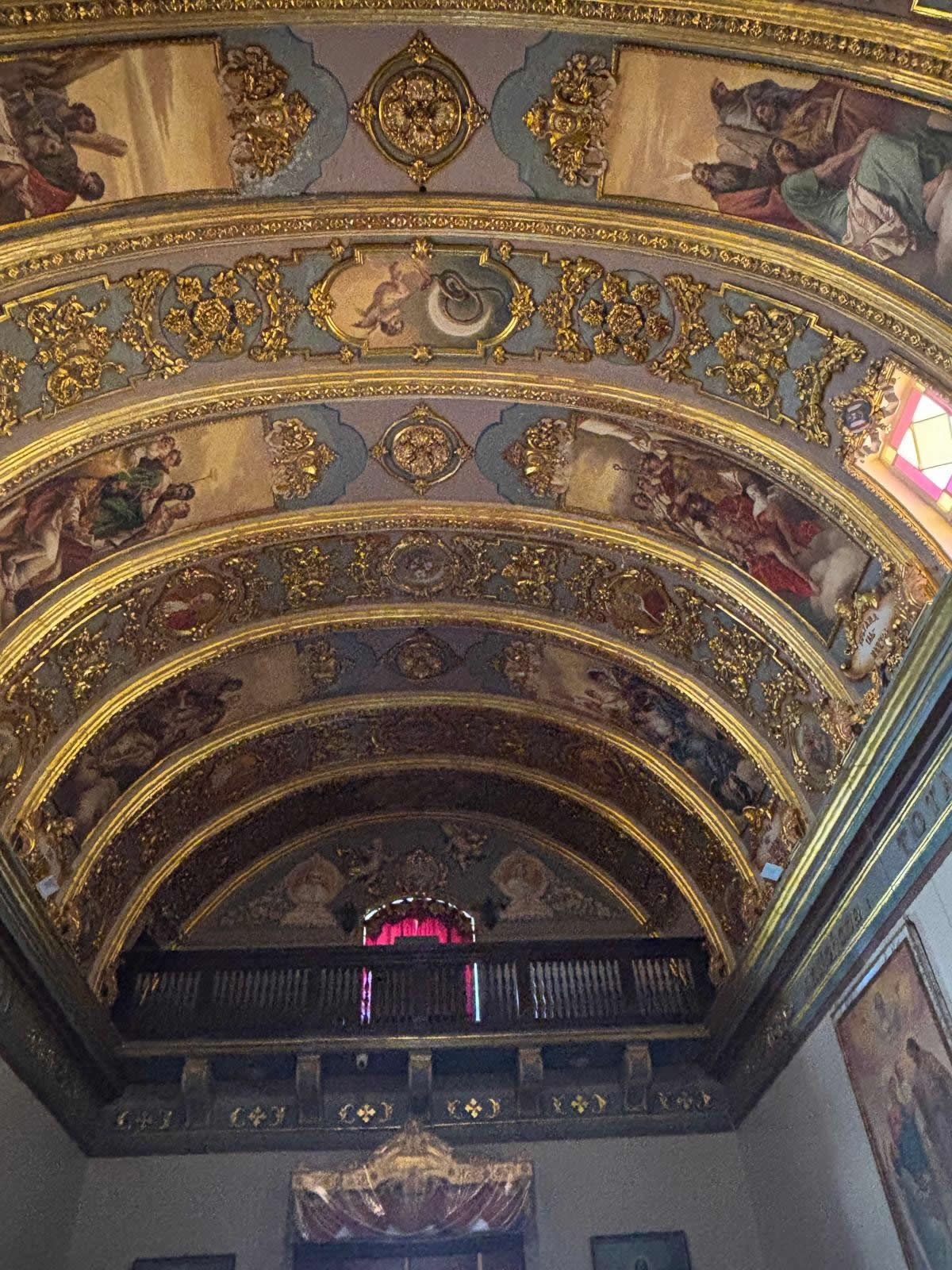
Local lore recounts seafarers offering prayers of thanksgiving in the chapel after safe returns from long journeys at sea, while families grieving loss or seeking comfort would light candles and ask Mary’s intercession. These traditions fused Christian devotion with maritime life rhythms, heightening the chapel’s role in Gozo’s living cultural memory. (Oral history accounts)
Feast of the Immaculate Conception (December 8)
Each year, the Feast of the Immaculate Conception on December 8 is a key occasion for the Tal-Ħondoq chapel. Although the celebration here is more intimate than major parish feasts, local villagers, fishermen, and visiting devotees gather for Mass, the rosary, and prayers that honour Mary’s sinless conception. Historically, this feast also included small processions and communal gatherings that reinforced parish identity and devotional solidarity. (Parish feast announcements)
Restoration & Preservation Efforts
Over the centuries, the chapel has faced the natural effects of coastal weathering — salt-laden air, strong winds, and occasional storm exposure — which have taken a toll on its stonework and plaster surfaces. To counteract this, periodic conservation efforts have focused on:
- Masonry Restoration: Cleaning and stabilisation of exterior limestone surfaces to prevent erosion and salt crystallisation.
- Interior Conservation: Repair of plaster and repainting of devotional imagery to retain their interpretive clarity and artistic integrity.
- Structural Reinforcement: Ensuring roof stability and addressing minor cracks or settlement in the chapel’s foundational course.
- Environmental Care: Protective measures to shield the chapel from direct seawater spray and storm surge effects.
These restoration initiatives have been coordinated by parish committees in cooperation with heritage professionals, ensuring that the chapel’s cultural and devotional heritage remains intact for present and future generations. (Heritage conservation reports)
Liturgical Use & Local Devotion Today
While the chapel does not serve as a parish church, it remains a beloved site of worship for local faithful and those drawn to its serene coastal setting. Liturgical use typically includes:
- Seasonal Masses — especially on Marian feast days such as December 8.
- Rosary Devotions — often recited by local groups seeking meditation and spiritual reflection.
- Private Prayer — visitors and residents alike use the chapel as a quiet space for contemplation.
The simplicity of the chapel’s interior fosters an atmosphere of calm and devotion, making it a destination not only for religious observance but also for individual spiritual journeys. (Parish notices)
Heritage Significance & Contemporary Access
Recognised as part of Gozo’s rich network of historic chapels, the Tal-Ħondoq site exemplifies the island’s blending of sacred tradition and landscape. Heritage authorities acknowledge the chapel’s cultural value as an emblem of local devotional practices tied to Gozo’s maritime life and centuries-long Marian devotion. (Heritage Malta records)
Visitors to the site are encouraged to approach with respect for its spiritual purpose. While not equipped with the extensive visitor services of larger churches, the chapel is accessible year-round and frequently visited by those exploring Gozo’s coastal heritage or seeking a peaceful moment of reflection by the sea. Interpretive signage installed by local heritage groups provides historical context for curious travellers. (Visitor access guidance)
Quick Facts & Historical Timeline
- Founded: 17th century at Tal-Ħondoq, Qala, Gozo
- Dedication: Immaculate Conception of Our Lady
- Architectural Style: Vernacular Baroque influences adapted for rural chapel
- Feast Day: December 8 (Immaculate Conception)
- Location: Tal-Ħondoq, Qala, Gozo, Malta