📍 Location
Location Map Coordinates 35.869206, 14.440091
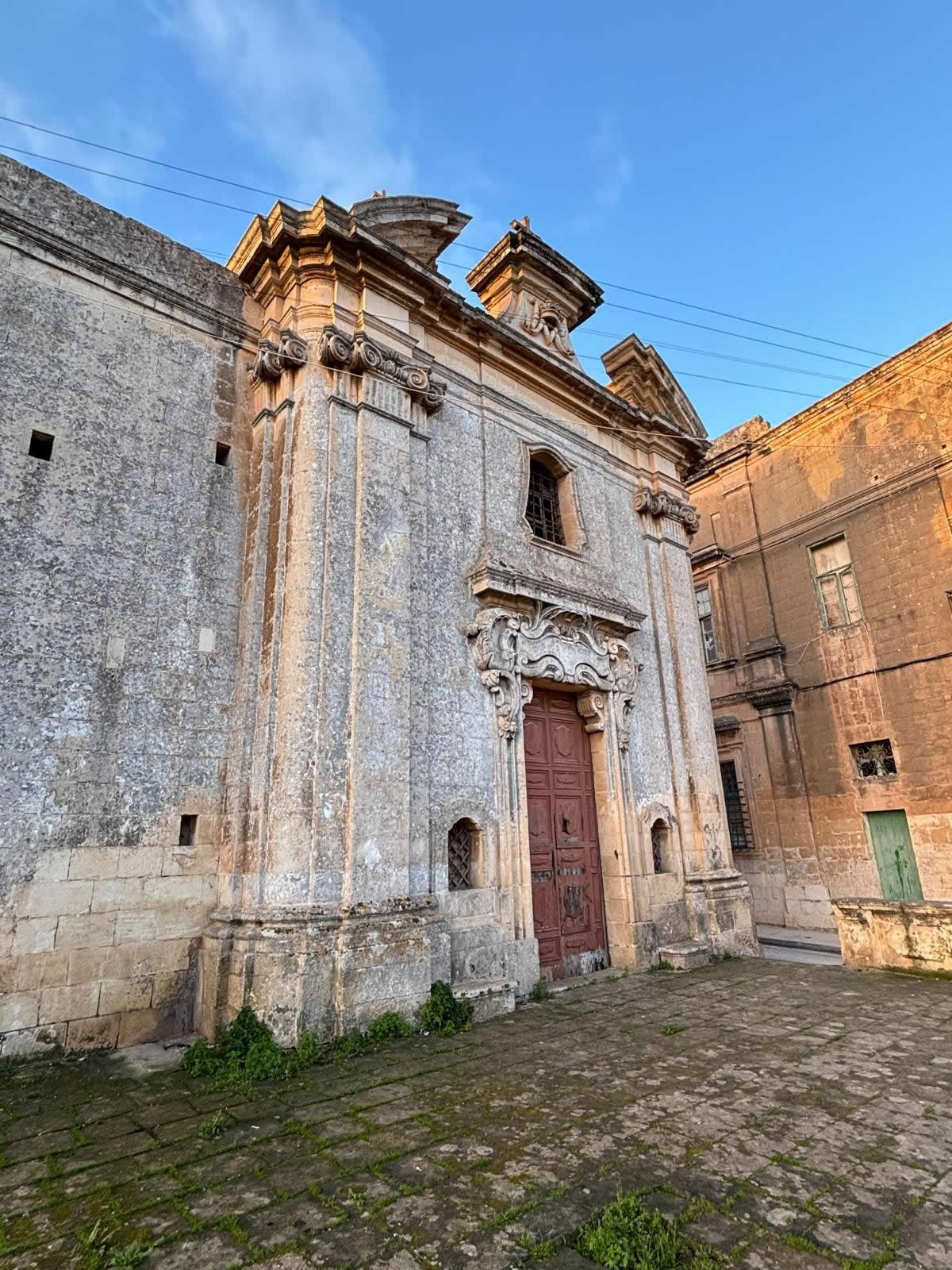
The Kappella tal-Madonna tal-Abbandunati in Żebbuġ, Malta, is a distinguished Roman Catholic chapel, built in the mid-18th century and dedicated to Our Lady of the Abandoned — a title of the Blessed Virgin Mary associated with compassion, solace, and spiritual refuge for lost or forsaken souls. This intimate but striking Baroque building embodies local devotional history, architectural character, and community identity in one of Malta’s oldest towns.
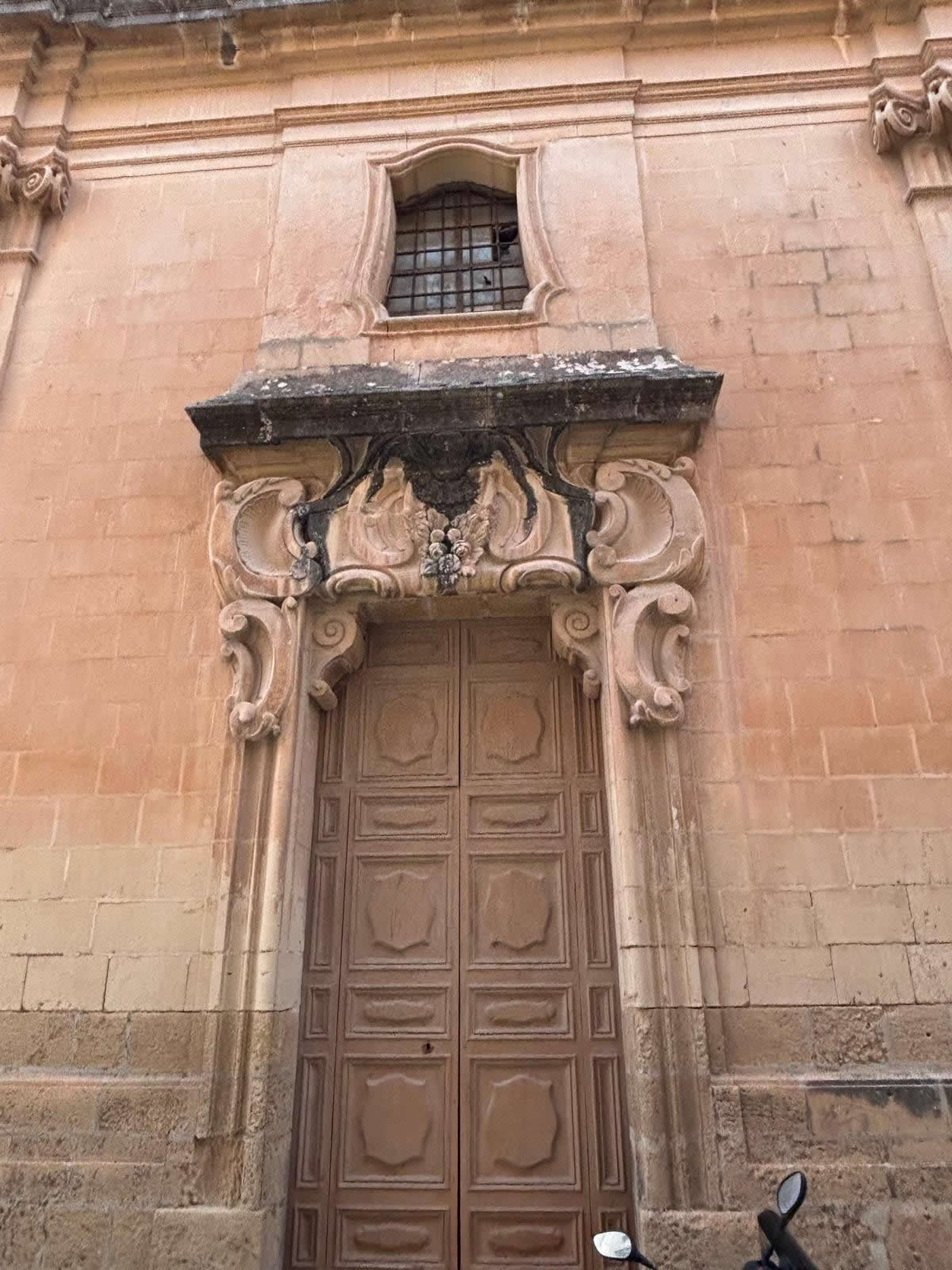
Historical Context & Devotional Origins
The devotion to the Blessed Virgin under the title of the “Madonna tal-Abbandunati” (Our Lady of the Abandoned) was introduced to Malta towards the end of the 17th century, influenced by similar Marian traditions in Valencia, Spain. This dedication emphasised Mary’s care for those who felt spiritually abandoned or marginalized, giving local Catholics a powerful figure of maternal intercession.
The current chapel was constructed in 1758, commissioned by Dun Paskal Azzopardi, a local priest and benefactor who used his own funds to build the structure. Later, it came into the ownership of the Manduca Azzopardi noble family, reflecting the common 18th-century practice in Malta where influential families funded and maintained devout chapels.
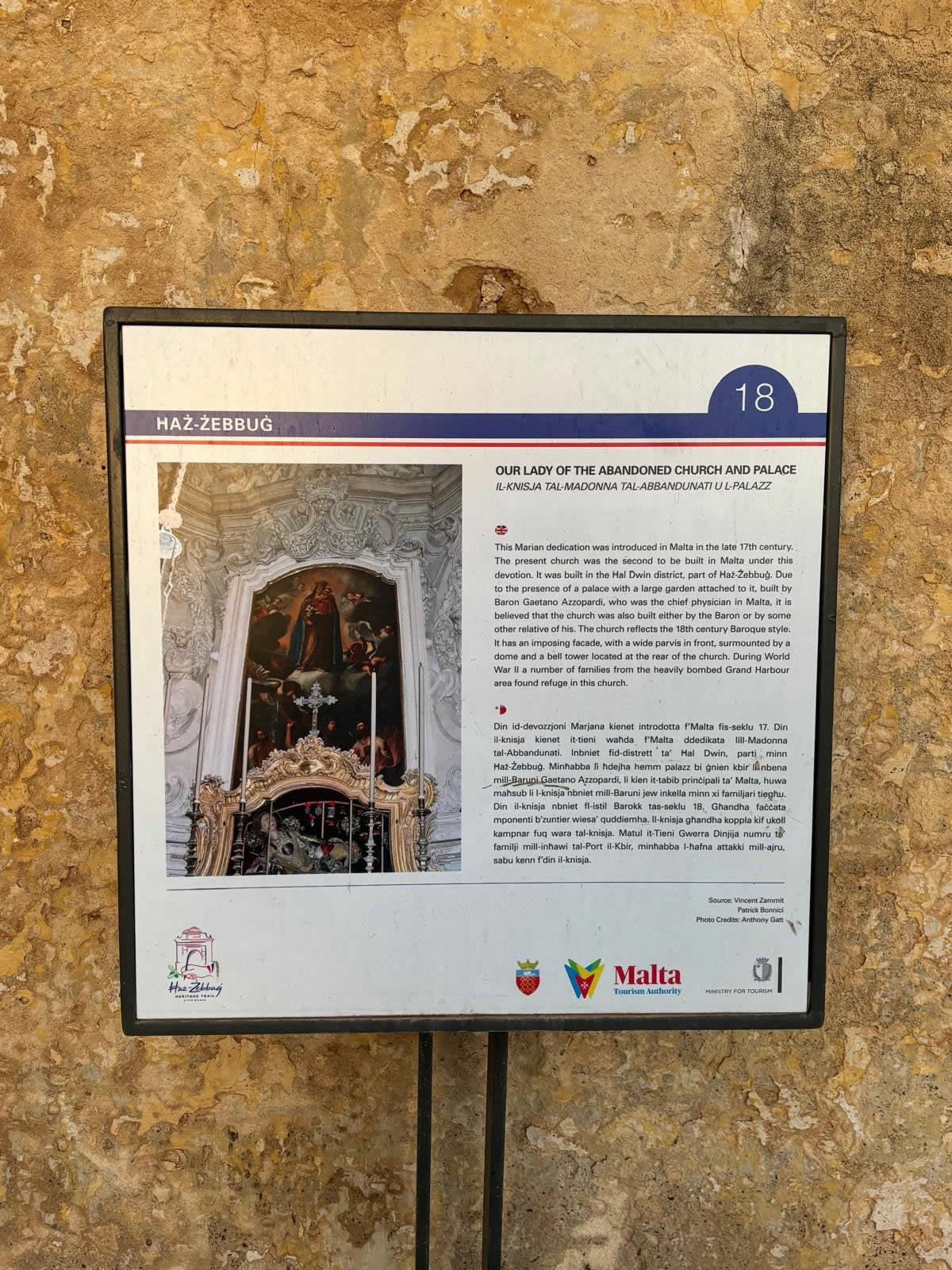
The chapel’s establishment in the district historically known as Ħal Dwin occurred at a time when outdoor and neighbourhood chapels played an essential role in the religious and social life of Maltese towns. These chapels provided accessible sites for prayer, commemoration, and devotion outside the parish church setting and often became focal points for seasonal feasts and communal gatherings.
Baroque Architecture & Exterior Design
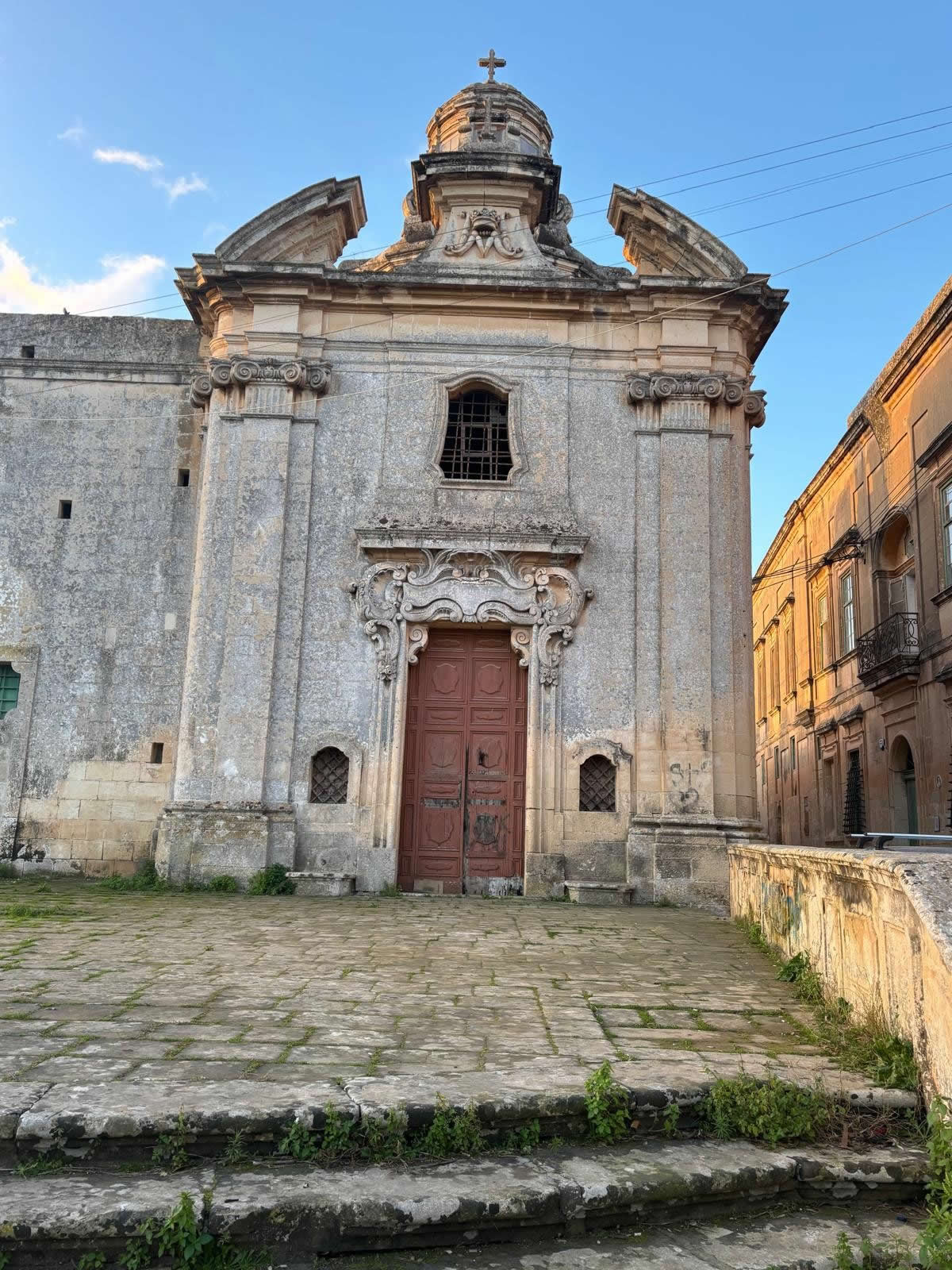
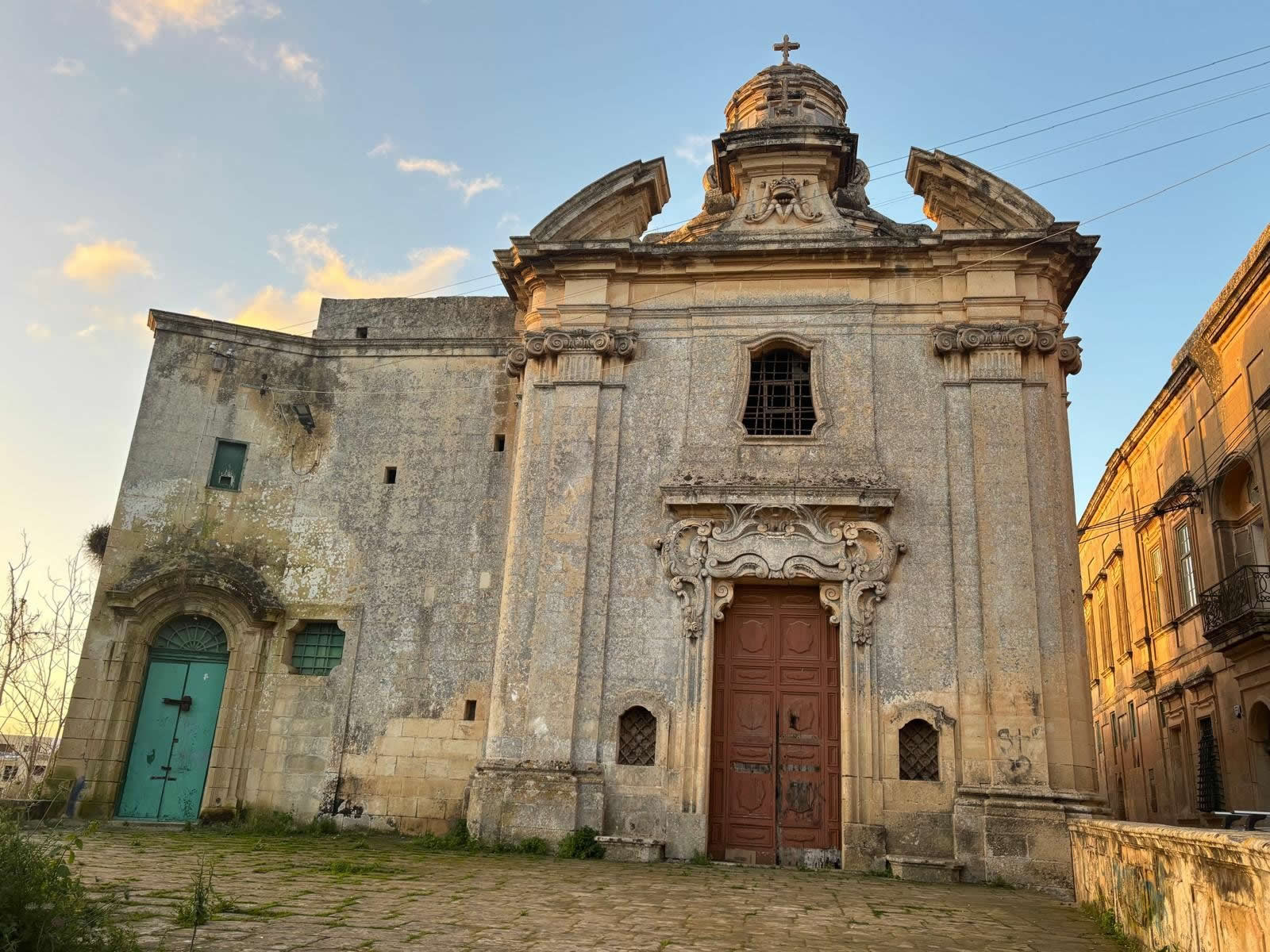
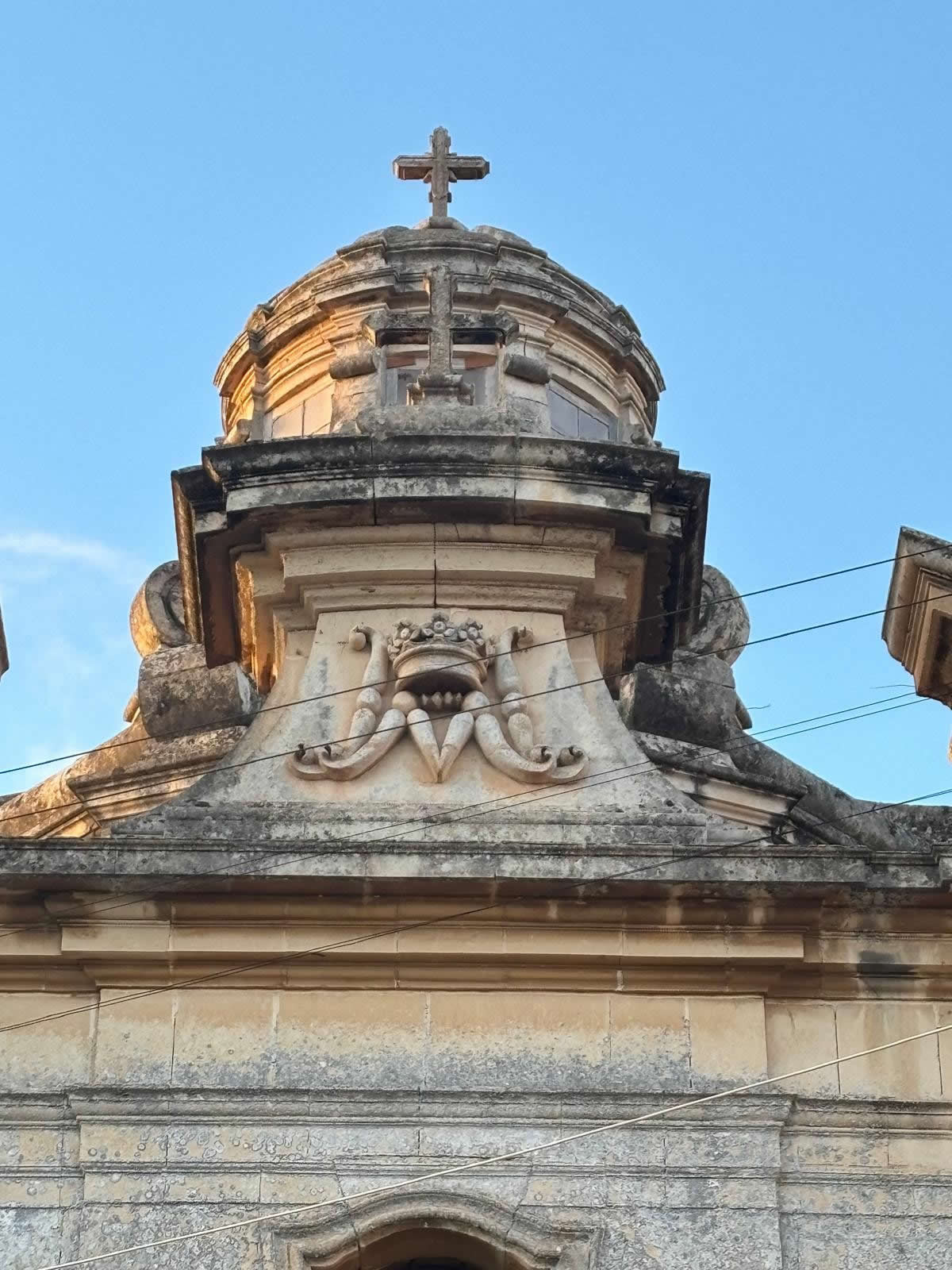
Kappella tal-Madonna tal-Abbandunati is executed in the Baroque style prevalent in Malta in the 18th century. Its façade demonstrates typical Baroque articulation — with pilasters, decorative mouldings, and a modest yet elegant entrance crowned by a small tympanum featuring Marian symbolism. Above the entrance, a simple sculptural representation of the Madonna signifies the chapel’s dedication.
A raised parvis and a set of limestone steps lead from Triq il-Madonna Street to a small forecourt in front of the chapel, traditionally used by worshippers for outdoor prayers or gatherings before entering. The façade’s Baroque language — while not as grand as larger parish churches — reflects the aesthetic priorities of the period: dynamic proportions, balanced ornament, and devotional focus articulated within a human-scaled design typical of harbour-village chapels.
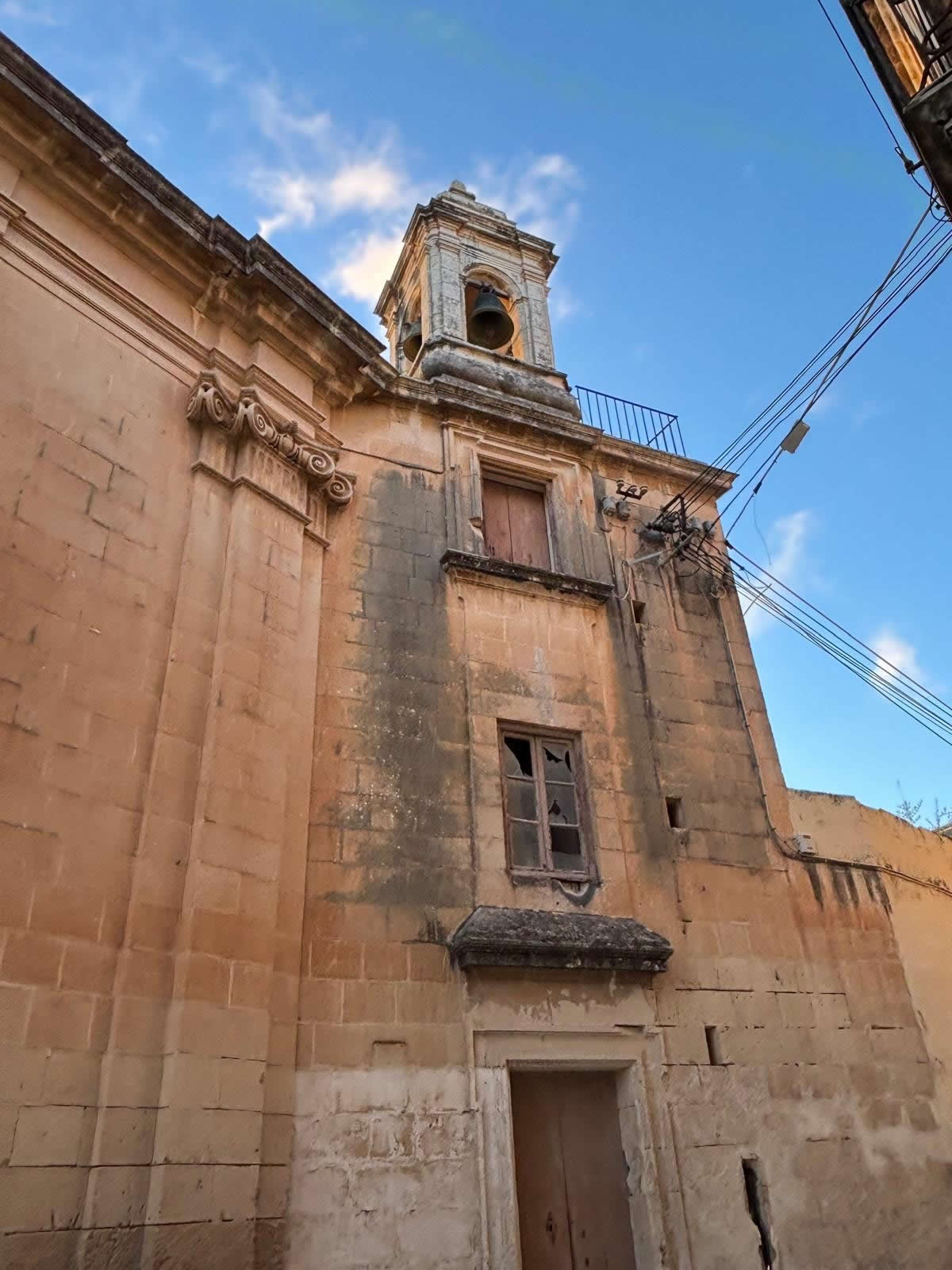
To the rear, a simple bell-cote rises above the roofline, historically used to call the faithful for special Masses or feast day celebrations. The bell and surrounding elements — while austere — continue to anchor the chapel in the everyday rhythms of village life in Żebbuġ.
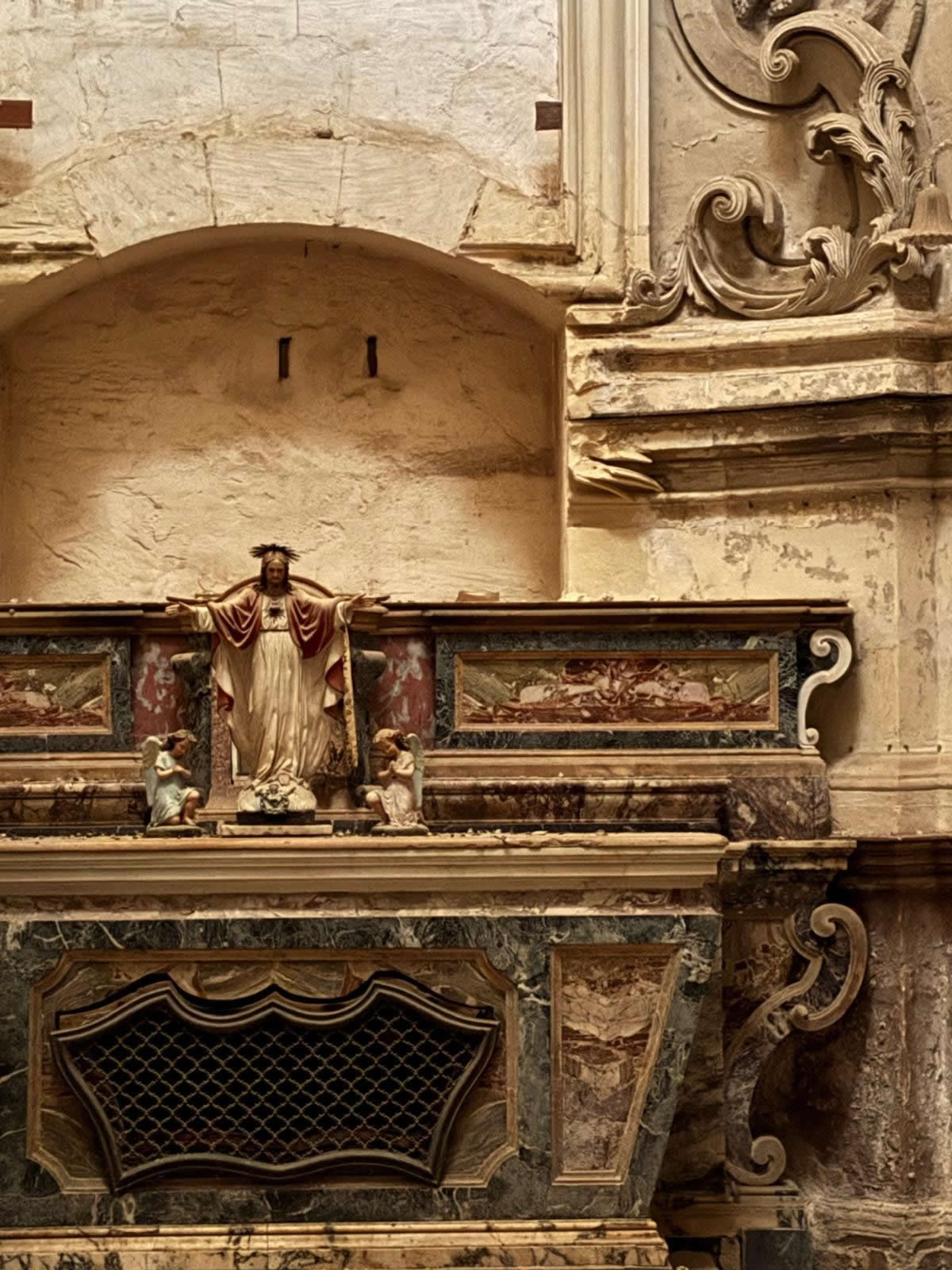
Interior Features & Artistic Elements
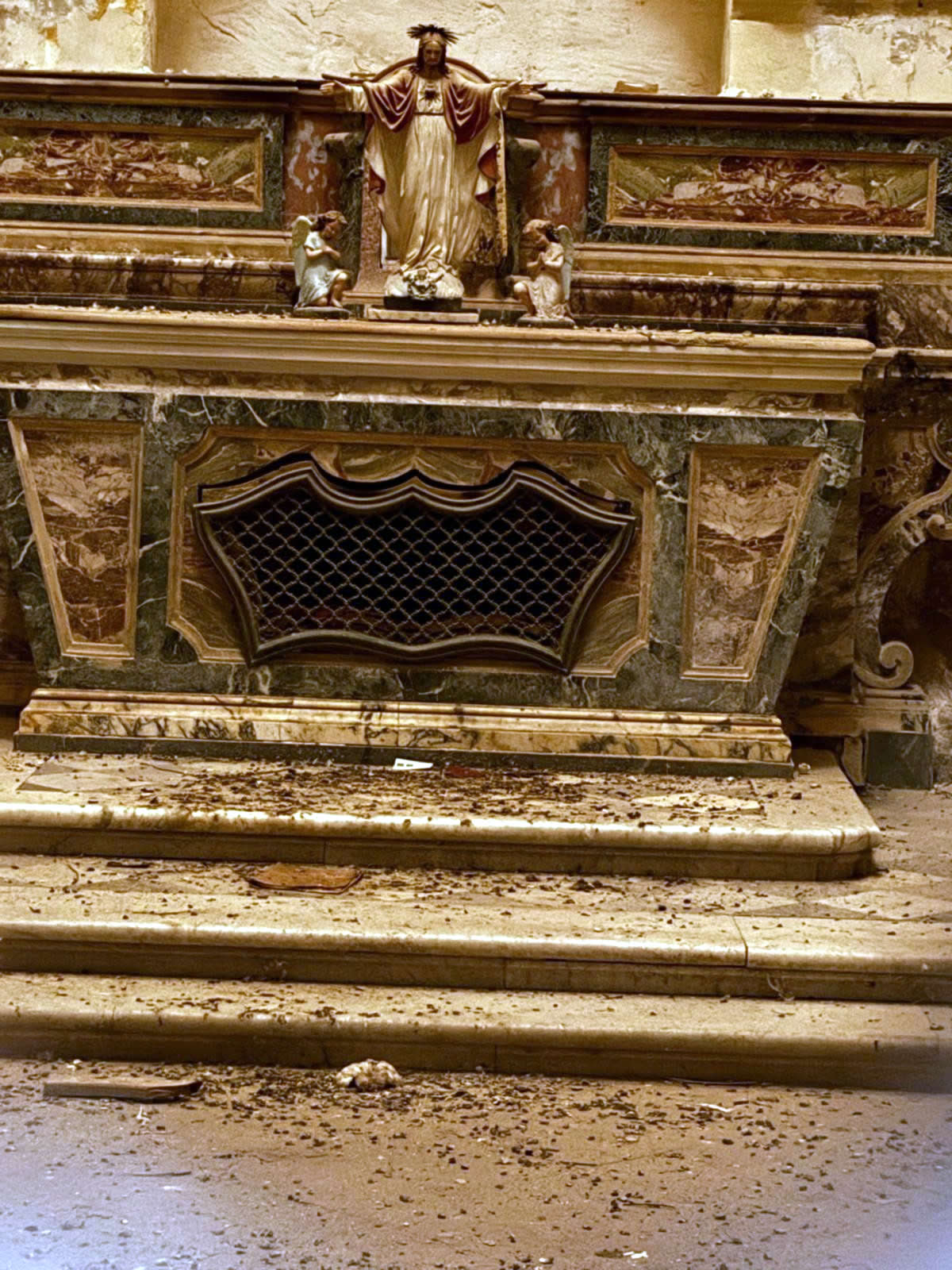
Inside, the chapel is compact and designed for intimate worship. The focal point of the interior is the titular painting of the Madonna tal-Abbandunati, which studies suggest is a faithful imitation (though not an exact copy) of the renowned depiction in Valencia, Spain — considered a powerful image of Mary under this title. This artwork visually reinforces the devotional theme of hope and compassion for those suffering spiritually or emotionally.
Historic accounts indicate that the chapel once housed the relics of Saint Innocent, brought here in 1773, adding further spiritual significance to the site. Though the relics are no longer enshrined here, the tradition highlights the chapel’s role as a place where Malta’s Catholic faithful sought physical and spiritual solace.
Ship Graffiti & Coastal Heritage Connections
One of the most intriguing features recorded at Kappella tal-Madonna tal-Abbandunati is the presence of historic ship graffiti on the exterior walls. These markings — carved by hand — depict anthropomorphic shapes and sailing vessels, reflecting the deep connection Malta’s communities historically had with the Mediterranean maritime world. Such graffiti is found on other chapels and coastal sites, showing how faith and daily life were interwoven with seafaring culture.
The graffiti bears witness to local devotional practices dating back generations: sailors and ordinary citizens alike engraved images on the chapel’s stone surfaces as spontaneous acts of faith, thanksgiving, or petitions for protection at sea. While some of these markings have weathered over time, they remain an evocative visual link between Malta’s religious devotion and its seafaring identity.
World War II and Community Resilience
During World War II, Malta was heavily bombed due to its strategic location. In this period, several families from the Grand Harbour area displaced by air raids found shelter within the chapel’s walls. Although small, the chapel provided a refuge and spiritual anchor during one of Malta’s darkest hours, demonstrating its role not only as a sacred space but also as a symbol of resilience and community solidarity amidst hardship.
Restoration & Preservation Efforts
Like many historic chapels in Malta, Kappella tal-Madonna tal-Abbandunati has required ongoing conservation to protect its structure and decorative elements. While detailed records of specific restoration campaigns are limited, local heritage groups and parish associations have periodically undertaken masonry repairs, cleaning, and pointing work to address the effects of weathering on limestone surfaces — a common challenge for historic Maltese buildings.
Stone conservation at this chapel focuses on stabilising the exterior façade, ensuring the integrity of decorative stone mouldings, and preserving traces of historic graffiti, which are vulnerable to erosion. These interventions ensure that both architectural character and community history are safeguarded for future generations.
Liturgical Use & Local Devotion
Though smaller and more intimate than parish churches, Kappella tal-Madonna tal-Abbandunati continues to be used for devotional purposes and occasional liturgical celebrations. Local custom once saw an annual celebration of the feast of Our Lady of the Abandoned every summer in July, drawing worshippers from across Żebbuġ and neighbouring communities. While not a major public feast, this observance reinforced the chapel’s spiritual presence in the town’s liturgical calendar.
Devotion to Our Lady under the title of the Abandoned remains a living tradition among families and individuals who see in the Virgin Mary a compassionate intercessor for those feeling alone or in distress. Personal prayer, small group gatherings, and seasonal devotions continue to link the chapel with daily expressions of faith.
Quick Facts & Timeline
- Constructed: 1758 in Baroque style in Żebbuġ, Malta
- Dedication: Our Lady of the Abandoned (Madonna tal-Abbandunati)
- Historic Ship Graffiti: Depictions of vessels carved into exterior walls
- Relics: Formerly housed relics of Saint Innocent (1773)
- World War II Role: Refuge for displaced families
- Feast Tradition: Annual summer celebration of Our Lady of the Abandoned