📍 Location
Location Map Coordinates 35.871860, 14.440672
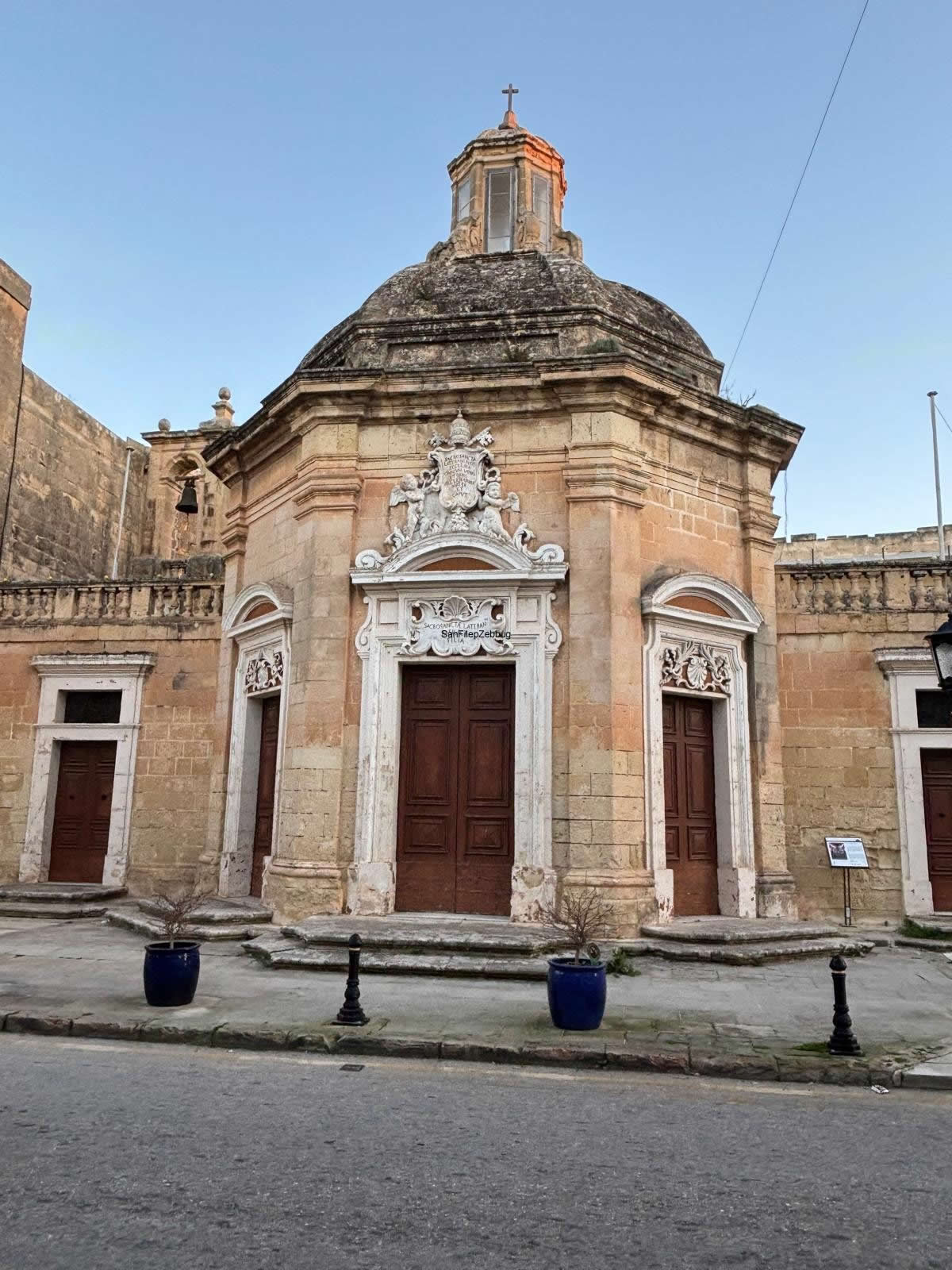
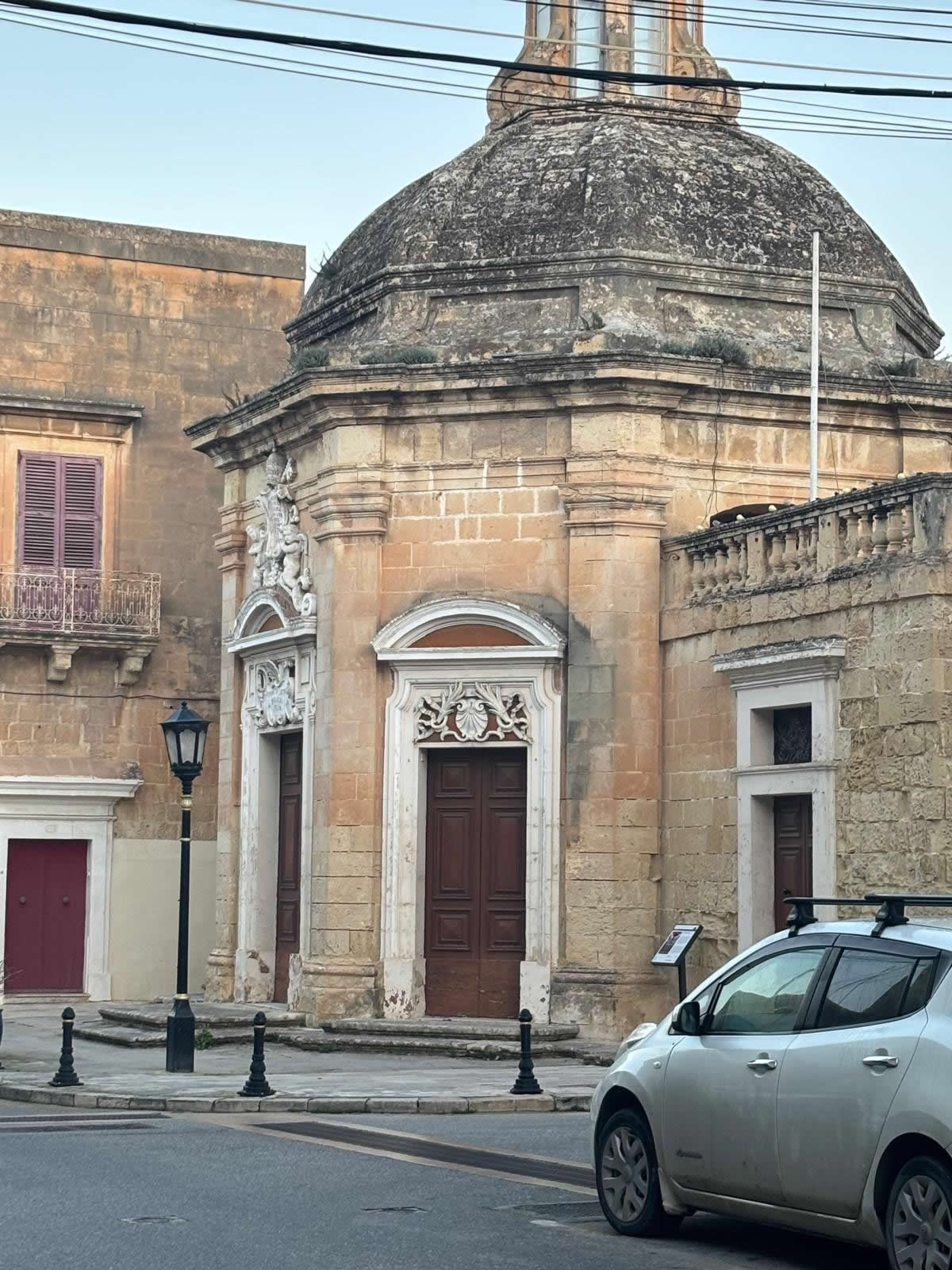
The historic Il-knisja tal-Madonna tad-Duluri, known in English as the Our Lady of Sorrows Chapel, is a distinctive Roman Catholic chapel in Żebbuġ, Malta. Built in 1725 by Dr. Baldassare Debono, this sacred site has served centuries of devotion to the Blessed Virgin Mary under her title of the Seven Sorrows. Its unique octagonal exterior and circular interior, ornate façade bearing the Papal coat of arms, and rich local traditions make it one of Żebbuġ’s most remarkable chapels.
Historical Background & Foundation
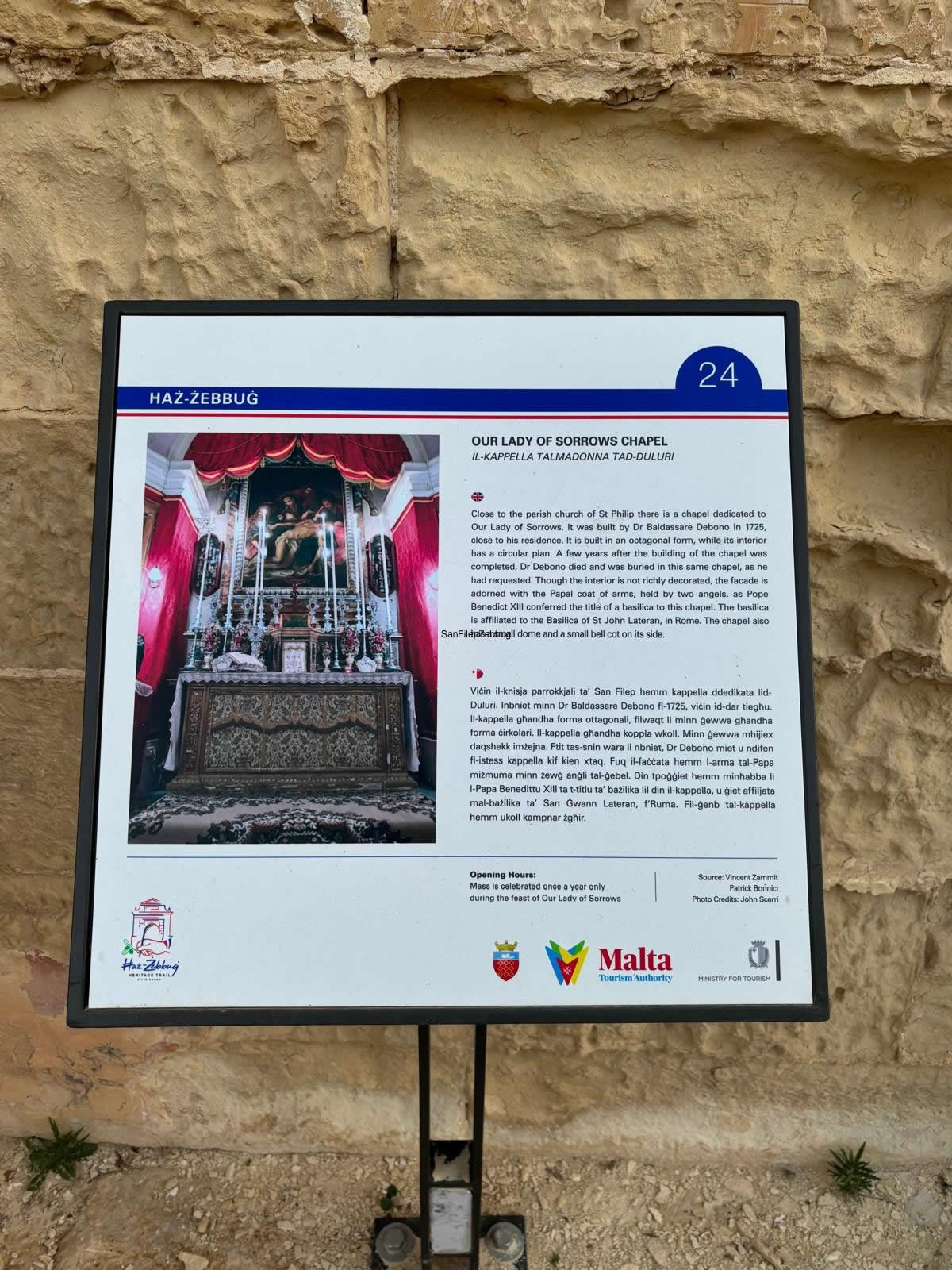
The Our Lady of Sorrows Chapel was founded in 1725 by Dr. Baldassare Debono, a notable figure in Żebbuġ who commissioned the building close to his residence. His wish was that the chapel serve both as a place of personal devotion and community worship, and when he died a few years later, he requested to be buried within its walls.
The dedication to the Madonna tad-Duluri (Our Lady of Sorrows) emphasises Mary’s profound grief and compassion as she observed the suffering of her Son, Jesus Christ. This devotion — centred on the Seven Sorrows of Mary — has deep roots in Catholic spirituality across Europe, and its presence in Malta reflects the island’s rich Marian heritage.
Architectural Design & Features
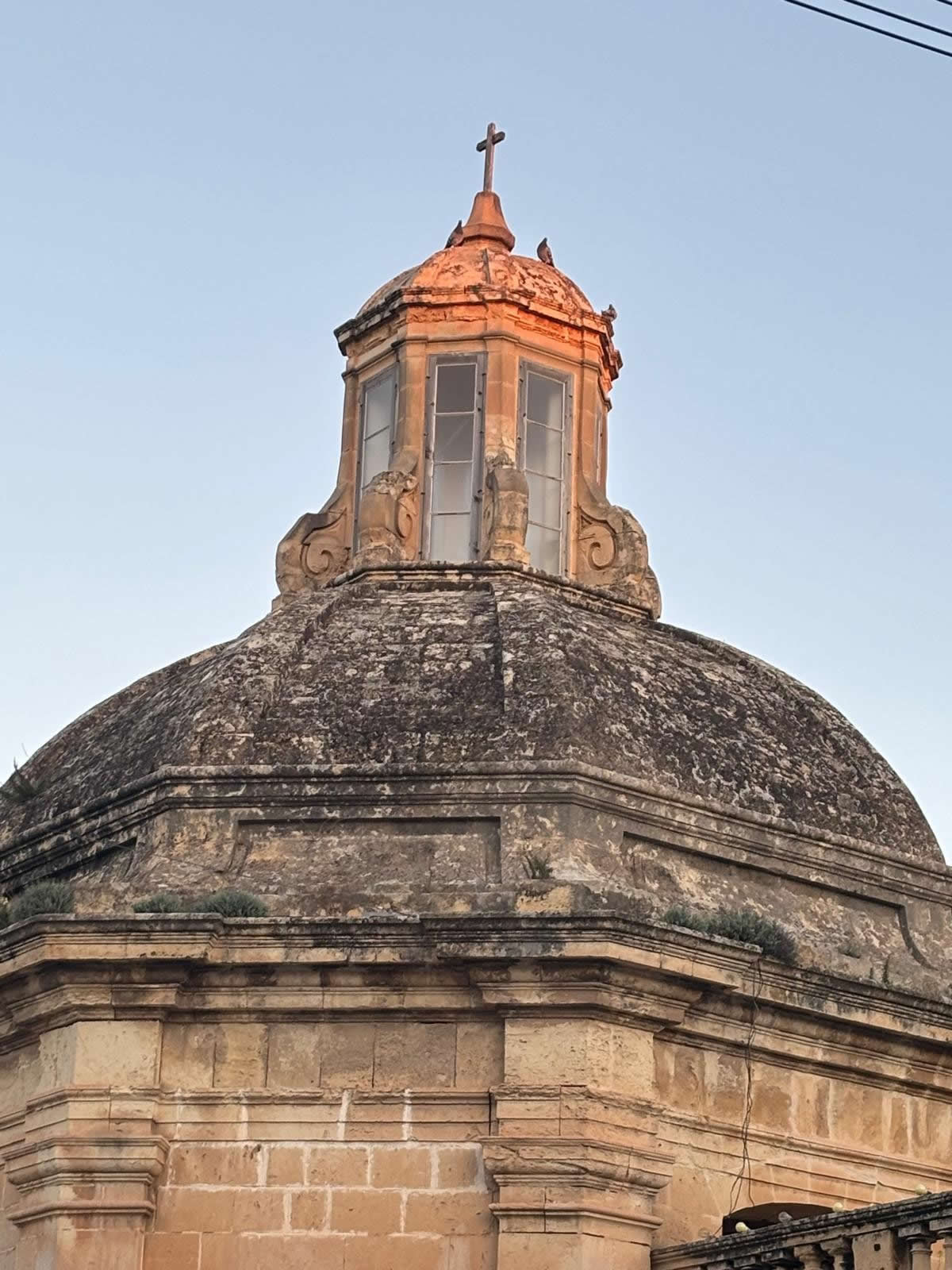
Unlike many chapels built with a simple rectangular plan, Il-knisja tal-Madonna tad-Duluri is architecturally distinctive. Its octagonal exterior and circular interior give it a symbolic and harmonious form that invites contemplation and prayer. Such design — though less common — reflects Baroque influences that valued dynamic shapes and spatial unity in sacred architecture.
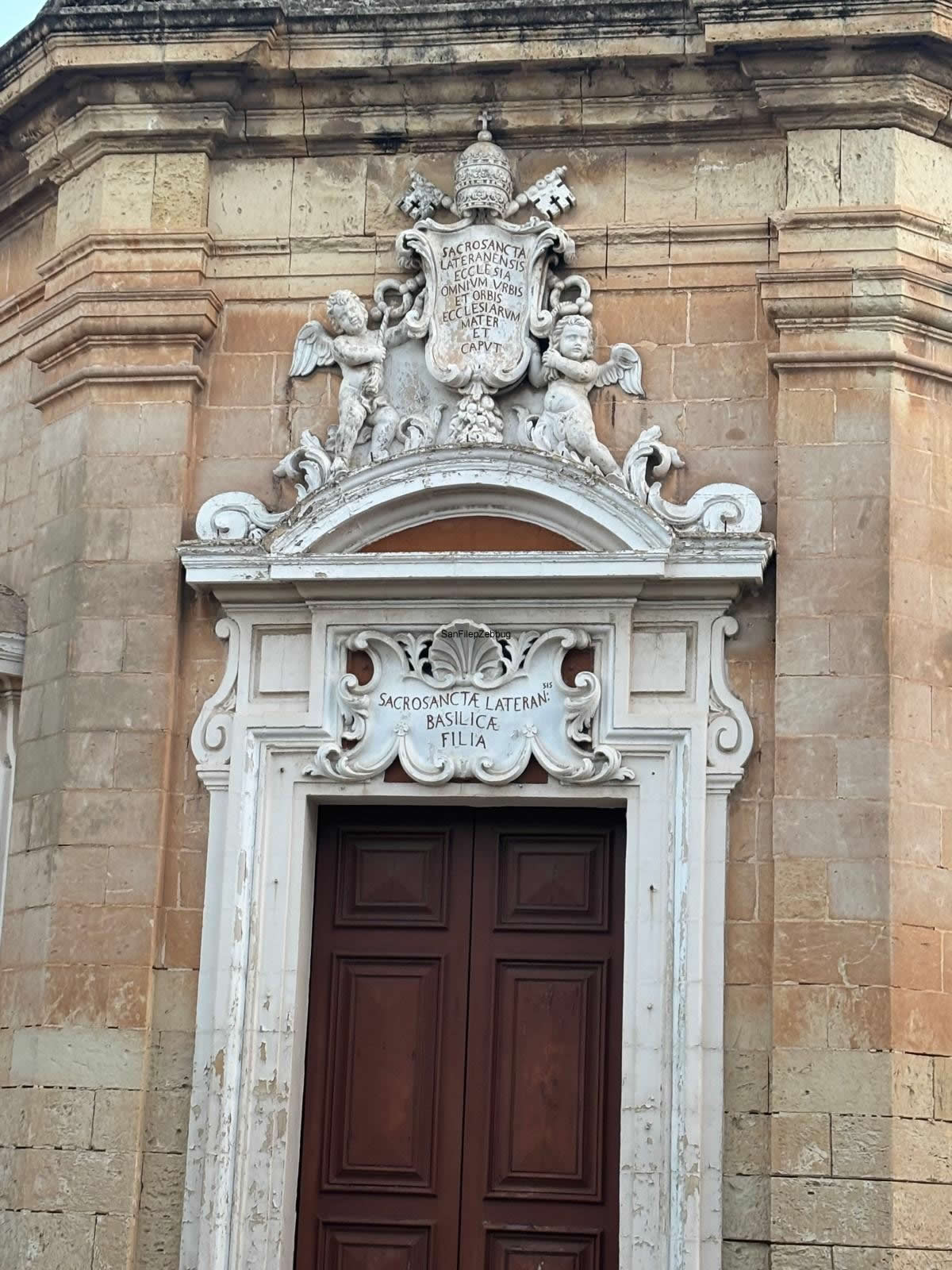
The façade is adorned with sculptural stonework and the Papal coat of arms, awarded by Pope Benedict XIII, which affirms the chapel’s ecclesiastical significance and its spiritual affiliation with the wider Catholic Church. The small dome above the chapel and the bell cot on the side contribute to its vertical emphasis and visual prominence on the street.
Interior Layout & Devotional Space
The interior of the chapel — circular in plan — is arranged to focus attention toward the altar dedicated to the Seven Sorrows of Mary. The circular form symbolises eternity and unity, lending a sense of motion and spiritual embrace around the central devotional area. While the interior decoration is relatively simple compared to larger parish churches, its architectural form itself creates a sacred atmosphere conducive to prayer and reflection.
The altar often features imagery representing the sorrows of Mary — such as the Prophecy of Simeon, the Flight into Egypt, the Loss of the Child Jesus in the Temple, the Carrying of the Cross, the Crucifixion, the Taking Down from the Cross, and the Burial of Jesus — each a meditation point for the faithful. This aligns with traditional Catholic reflections on Mary’s participation in Christ’s Passion.
Local Significance & Community Use
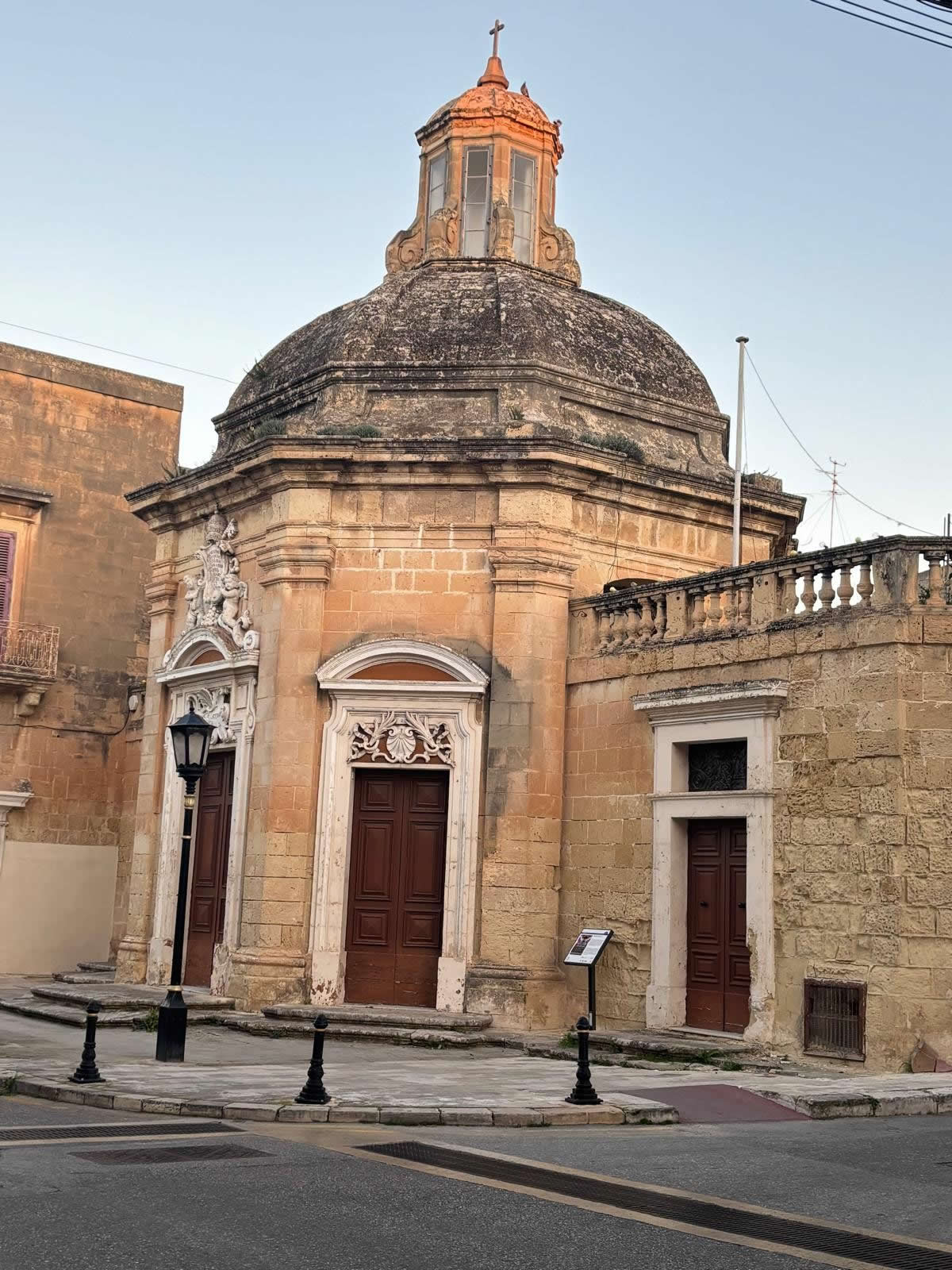
Over the centuries, the chapel has been used for regular devotion, private prayer, and special liturgical events. It is particularly connected with local observances of Marian sorrow and compassion, drawing worshippers not only from Żebbuġ but from surrounding localities who seek solace in Mary’s maternal intercession. (Parish traditions)
The chapel sits near the parish church of St. Philip (San Filep), forming part of a sacred hub within Żebbuġ where spirituality, architecture, and community intersect. Its presence enhances the devotional fabric of the town, offering an intimate space distinct from the larger parish liturgies. (Local heritage accounts)
Annual Feast — Our Lady of Sorrows
The Feast of Our Lady of Sorrows is traditionally celebrated on the Friday before Palm Sunday in the liturgical calendar, focusing on Mary’s participation in the sufferings of Christ. At Il-knisja tal-Madonna tad-Duluri, this feast has historically been marked by special Masses, devotional prayers, rosary recitations, and reflections on the Seven Sorrows.
Though smaller in scale than major parish feasts, the celebration brings together local faithful and devotees who value Mary’s spiritual example and seek comfort in her compassion. Processions and community gatherings further reinforce Żebbuġ’s rich liturgical traditions during Holy Week. (Local devotional practice)
Historic Graffiti & Cultural Heritage
One fascinating aspect of the chapel is the historic graffiti found on its exterior walls. These markings — often apotropaic symbols and ship-related carvings — reflect older devotional practices and beliefs tied to protection, travel, and spiritual security. Though many of these have deteriorated with time and exposure, they remain an evocative trace of community interaction with the sacred site.
Such graffiti is a feature shared with other coastal and inland chapels across Malta and Gozo, where locals historically inscribed symbols of faith directly onto sacred stone — a testimony both to popular piety and to the lived devotional life of past generations. (Ethnographic heritage accounts)
Restoration & Conservation Efforts
Given the age and environmental exposure of the chapel, periodic restoration and conservation efforts have been necessary. These include:
- Stone cleaning and consolidation — to protect limestone surfaces from erosion and salt decay.
- Structural reinforcement — ensuring the stability of the dome and bell cot.
- Interior upkeep — preserving plaster and devotional imagery where present.
- Graffiti conservation — documenting and stabilising apotropaic markings where feasible.
Such work is essential to ensure that this remarkable historic chapel remains accessible and meaningful for future generations. (Heritage Malta and parish collaboration)
Visitor Experience & Cultural Access
Visitors to Il-knisja tal-Madonna tad-Duluri are welcomed to experience its unique architecture, serene devotional atmosphere, and rich spiritual context. While not a parish church with regular Sunday Mass schedules, the chapel is often opened for feast celebrations, Holy Week reflections, and special prayers. (Visitor guidance)
For heritage visitors, its octagonal design, Papal arms, and historic graffiti offer a multifaceted story combining architecture, faith, and community. Respectful visitation is encouraged, with quieter times outside major liturgical observances providing deeper opportunities for reflection. (Visitor information)
Quick Facts & Historical Timeline
- Constructed: 1725 by Dr. Baldassare Debono
- Dedication: Our Lady of Sorrows (Madonna tad-Duluri)
- Architectural Form: Octagonal exterior, circular interior
- Papal Honour: Coat of arms granted by Pope Benedict XIII
- Feast: Friday before Palm Sunday (Our Lady of Sorrows)
- Location: Triq il-Kbira, Żebbuġ, Malta