📍 Location
Location Map Coordinates 35.900675, 14.446346
Historical Context
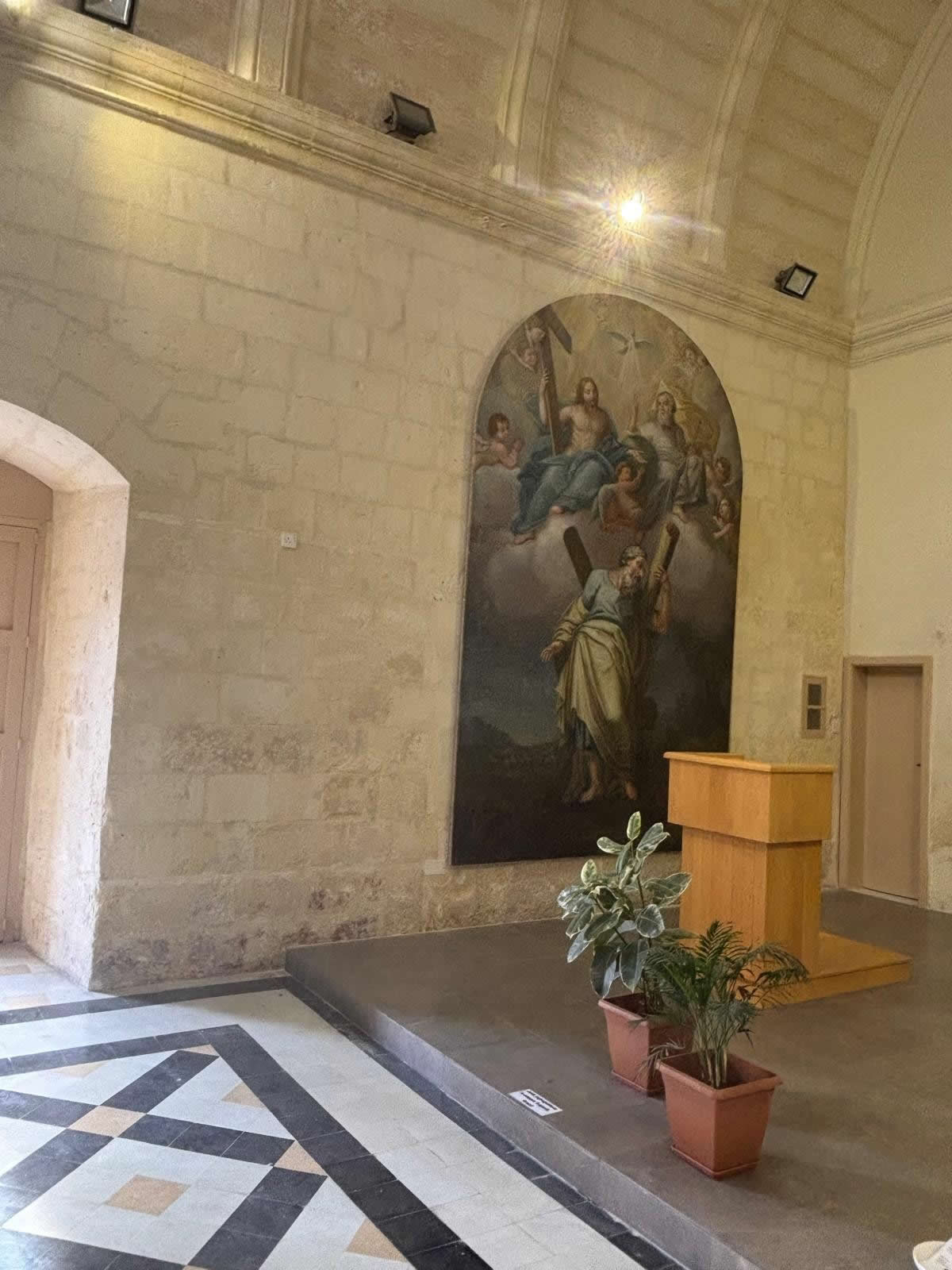
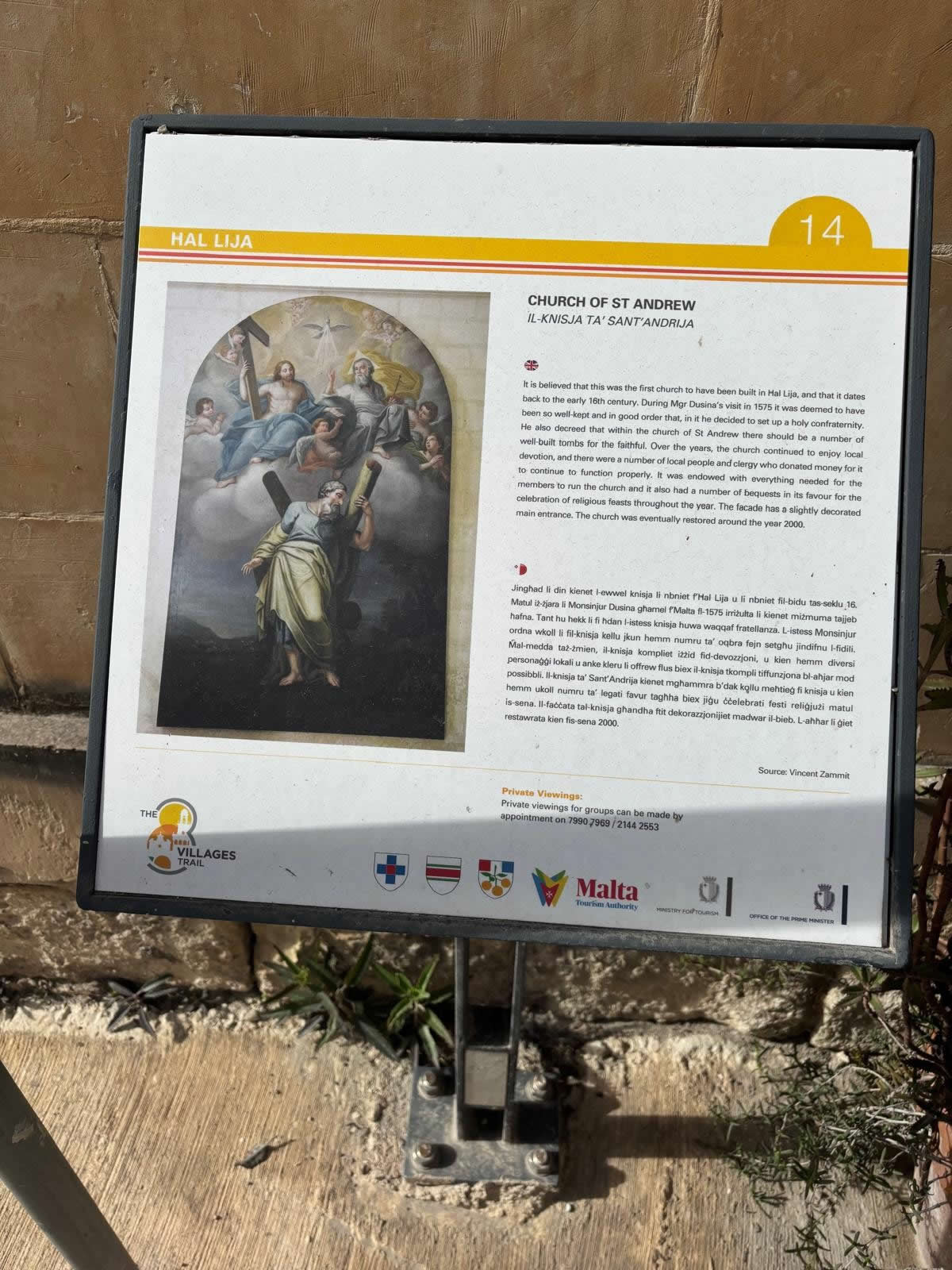
The Kappella ta’ Sant’Andrija (St Andrew’s Chapel) in Lija, Malta, is one of the oldest rural chapels in the area, with origins traced back to 1560. The chapel was constructed to serve the spiritual needs of local farmers and stands as an enduring expression of faith within the Maltese rural landscape.
Architecture and Reconstruction
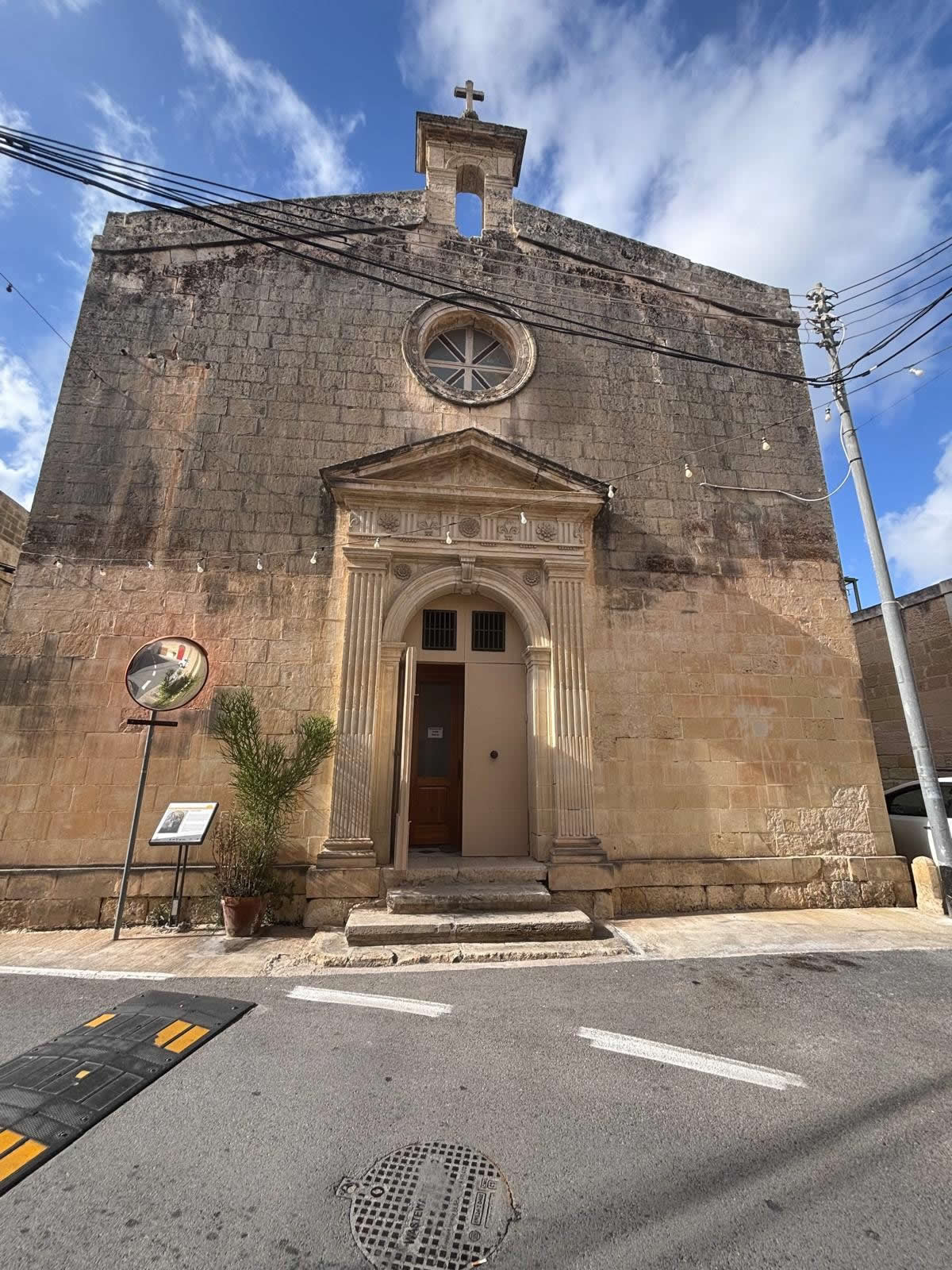
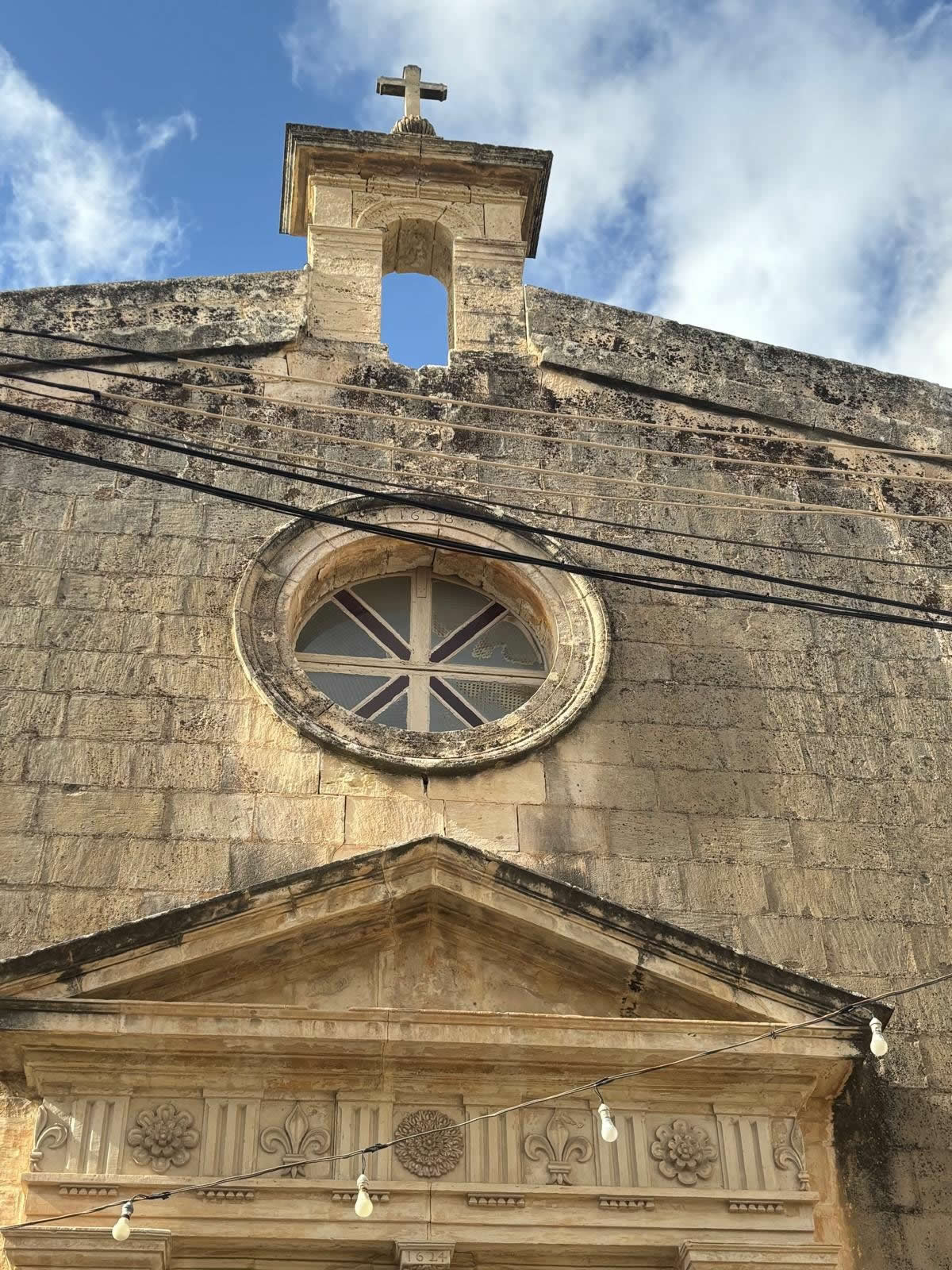
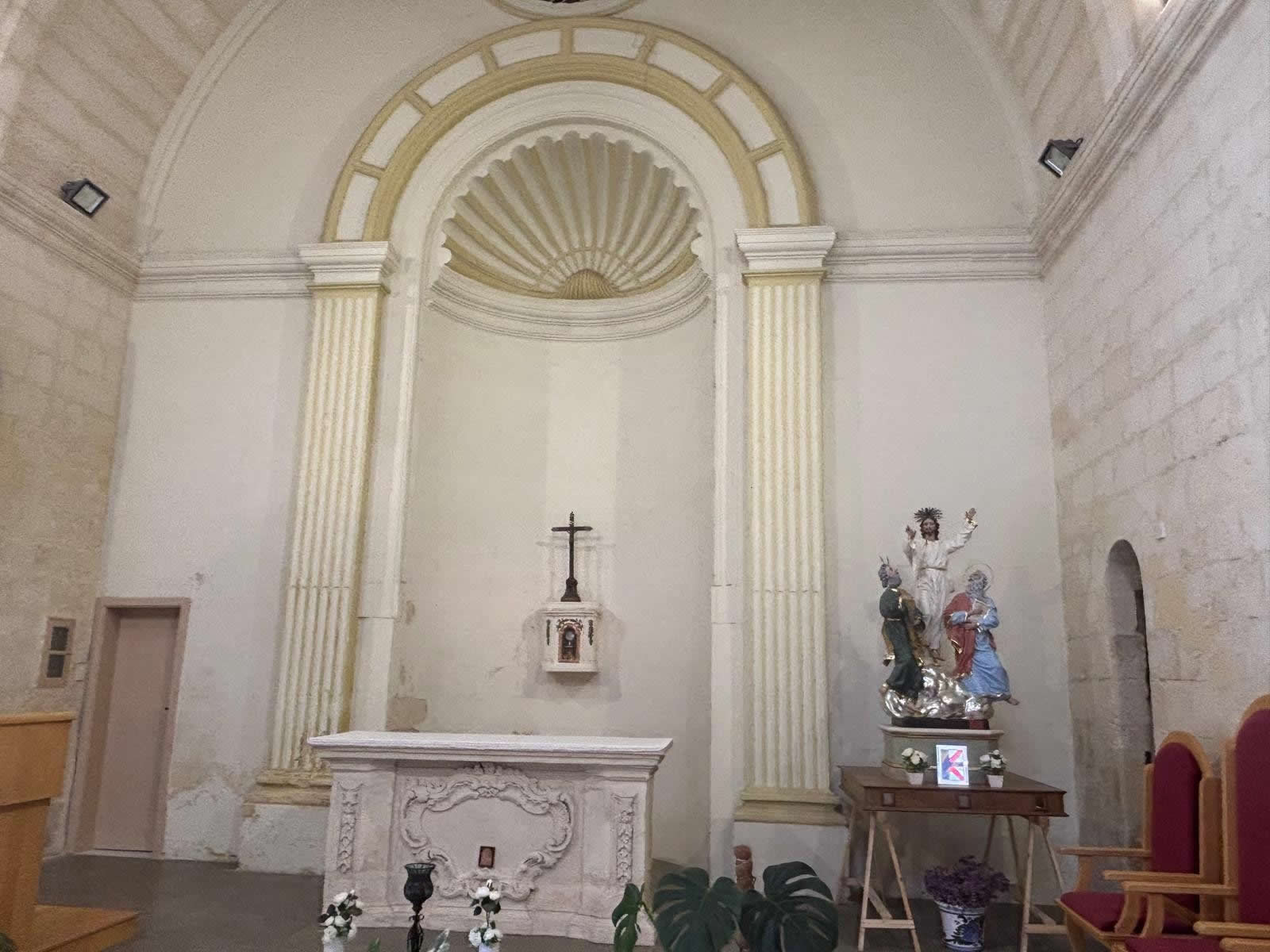
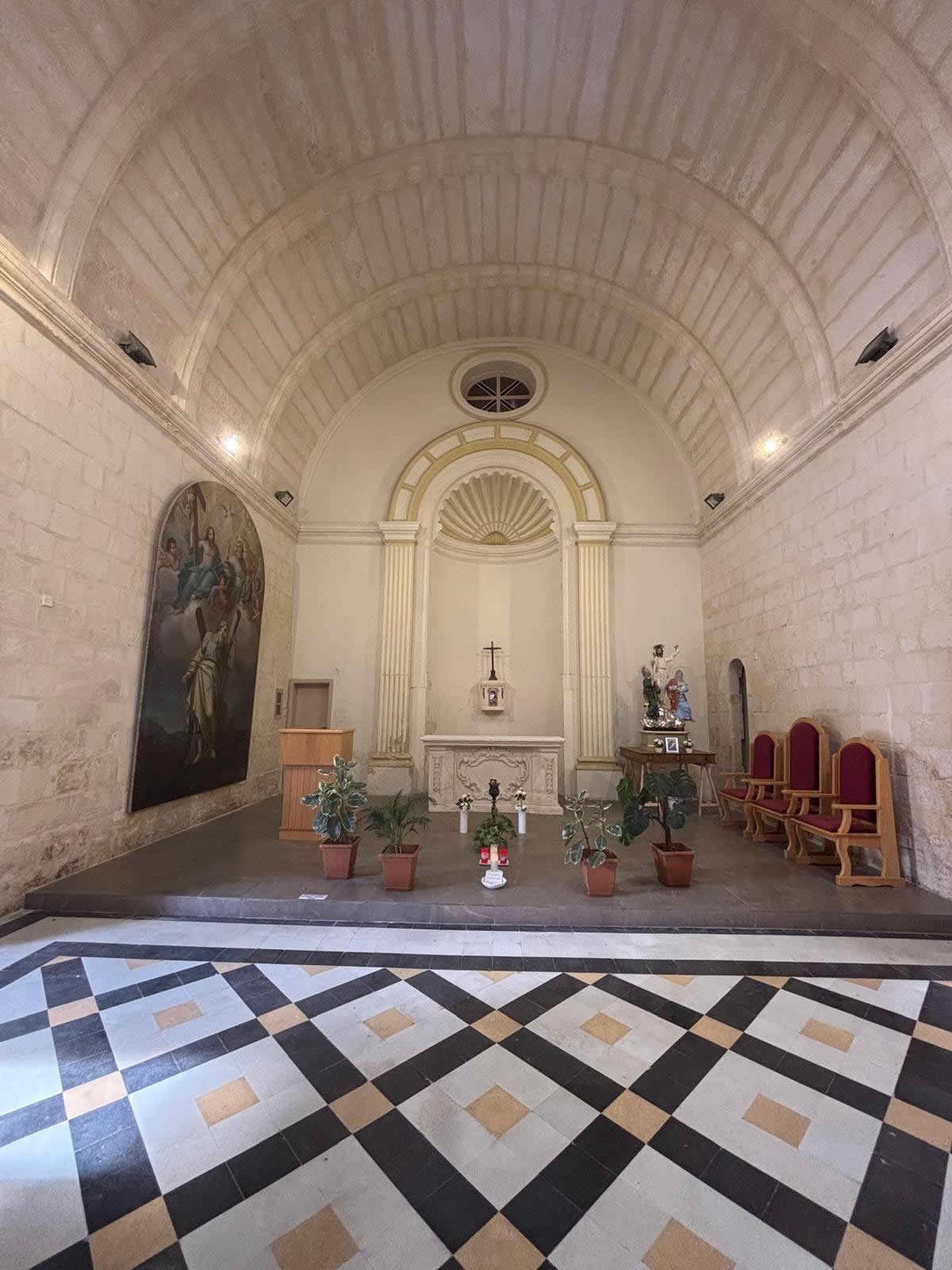
The chapel’s original medieval design suffered significant structural damage over time due to exposure and earthquakes. It was rebuilt in 1761 in the Baroque style, with a symmetrical façade, finely carved limestone portal, and a small belfry surmounting its entrance. The internal altar is dedicated to St Andrew the Apostle, featuring traditional iconography of the saint’s crucifixion on an X‑shaped cross.
Religious Role and Community Use
Sant’Andrija served as an important devotional site for Lija’s small agrarian community. Feast services and processions were once celebrated here on 30 November, coinciding with St Andrew’s feast day. The chapel also provided pastoral care to laborers in nearby fields well into the early 20th century.
Restoration and Conservation
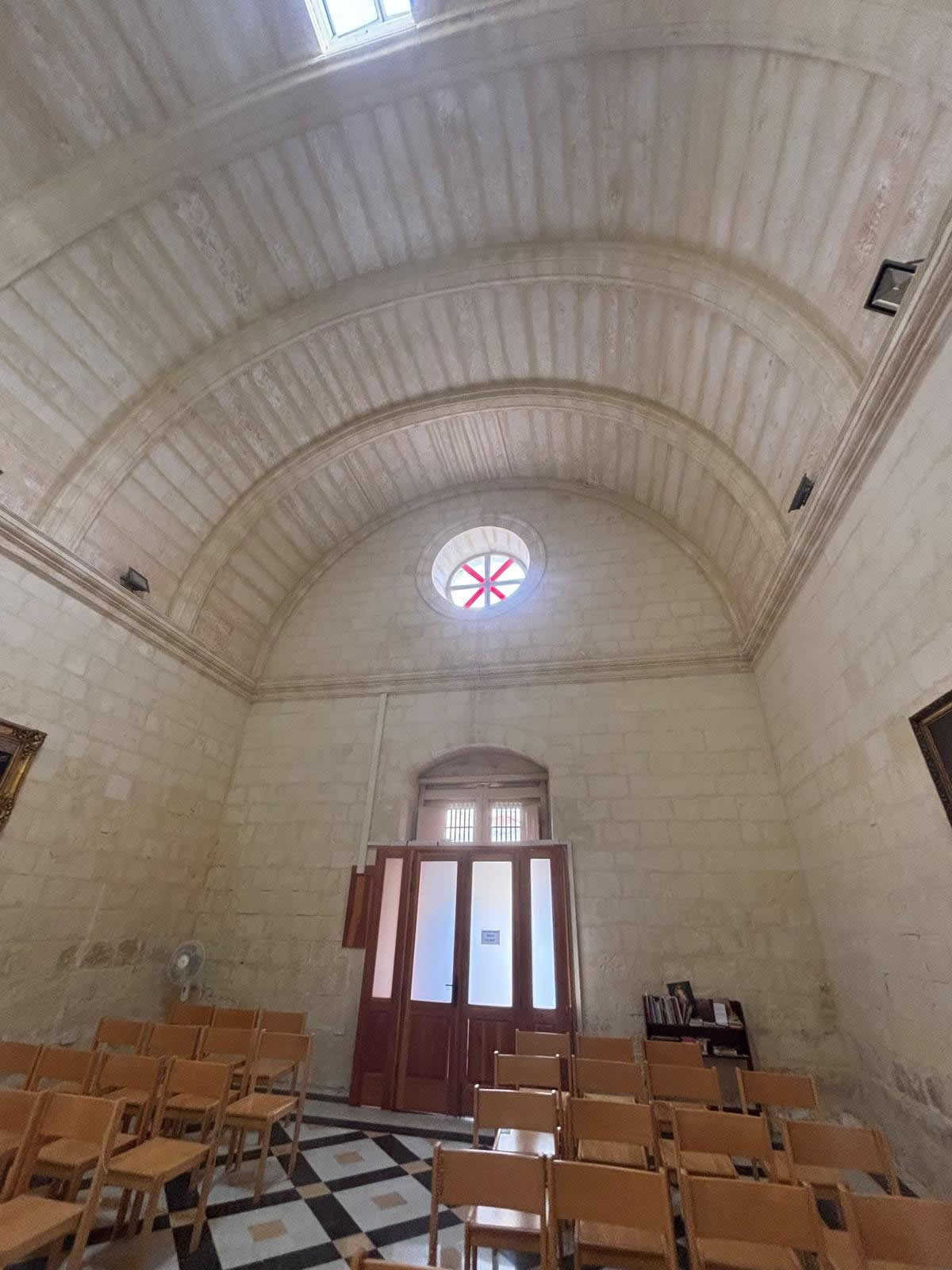
After years of neglect, restoration efforts began in the early 1980s under the supervision of the parish of Lija. In 1982, structural consolidation addressed roof cracks and erosion. The stone façade was cleaned and re‑pointed, preserving original masonry while protecting it from future weathering. Additional works by the Restoration Directorate of Malta in **2010** introduced preventive conservation methods and discreet lighting for heritage appreciation.
Architectural Significance
The chapel exemplifies Maltese Baroque craftsmanship in miniature scale — its pedimented doorway, balanced proportions, and limestone scrollwork embody the refined architectural style that characterized Maltese ecclesiastical buildings of the late 18th century. Surrounding olive groves reinforce its pastoral charm and historic setting.
Location and Access
Sant’Andrija is situated in the heart of Lija at coordinates 35.900675, 14.446346 . It remains periodically accessible to the public, especially during religious festivities or cultural heritage events.
Further Reading