📍 Location
Location Map Coordinates 35.870670, 14.440262
The Kappella ta’ Sidtna Marija tal-Anġli, known in English as the Chapel of Our Lady of Angels, is a historic Roman Catholic chapel in the Ta’ l-Anġli district of Żebbuġ, Malta. Built in the 17th century and later enriched with Baroque design elements and devotional artworks, this cherished spiritual site has served local residents and generations of pilgrims with a focus on Marian devotion, community worship, and seasonal celebrations. Its intimate scale and historic significance make it one of the island’s notable chapels, linking Malta’s Baroque architecture with enduring faith traditions.
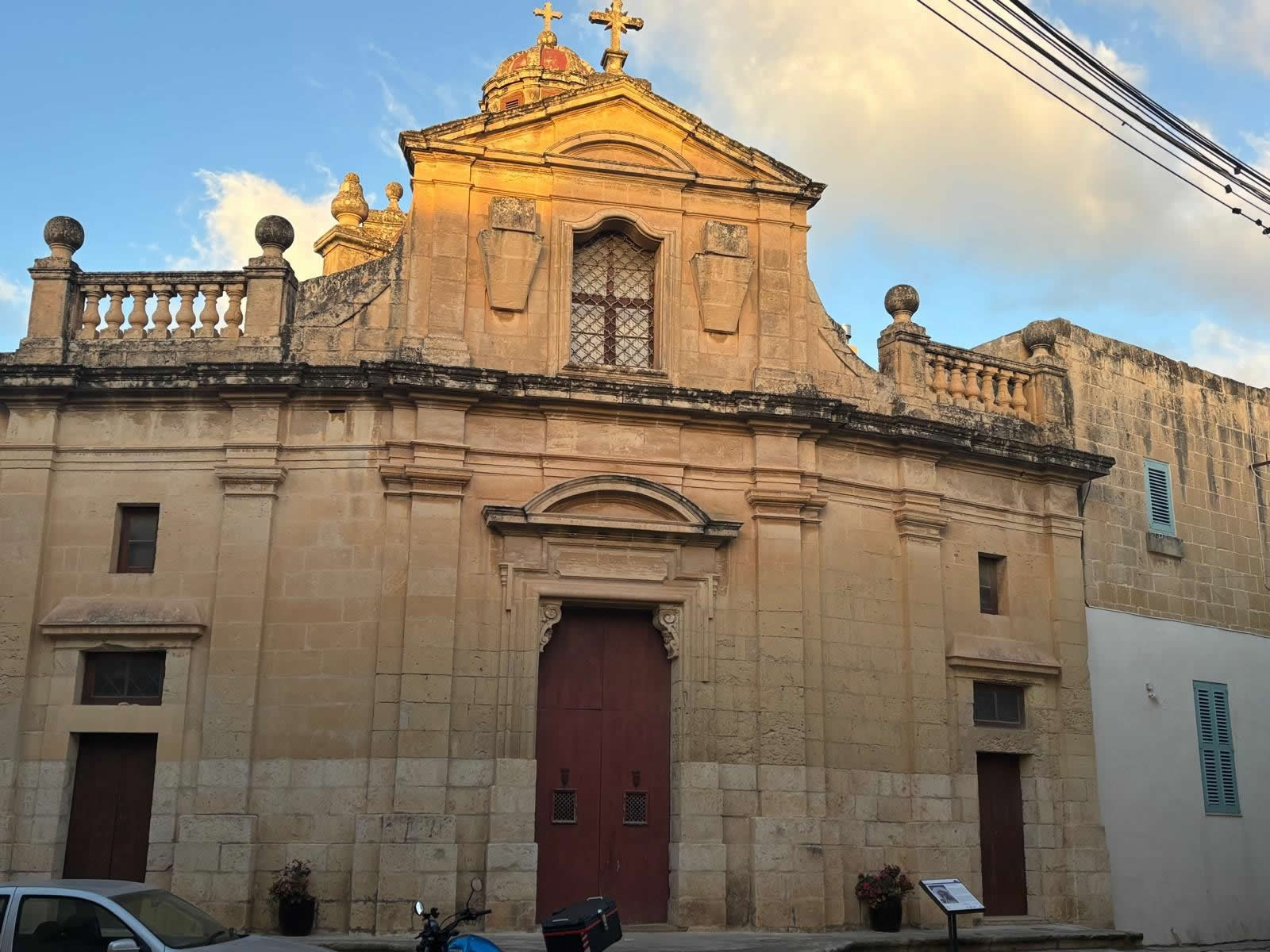
Origins & Context in Early Žebbuġ
The area known as Ta’ l-Anġli — literally “Place of Angels” — has been associated with Marian devotion for centuries. Local tradition holds that the chapel was originally founded in the late 17th century by a group of devout residents who sought a dedicated place of worship near the site of earlier Marian shrines and outdoor altars that dotted the rural landscape of Żebbuġ. While exact documentary records of the first foundation are sparse, ecclesiastical sources and architectural analysis confirm the chapel’s early origin around this period, when private and neighbourhood chapels served as vital focal points for faith and community identity. (Church archives, local heritage descriptions)
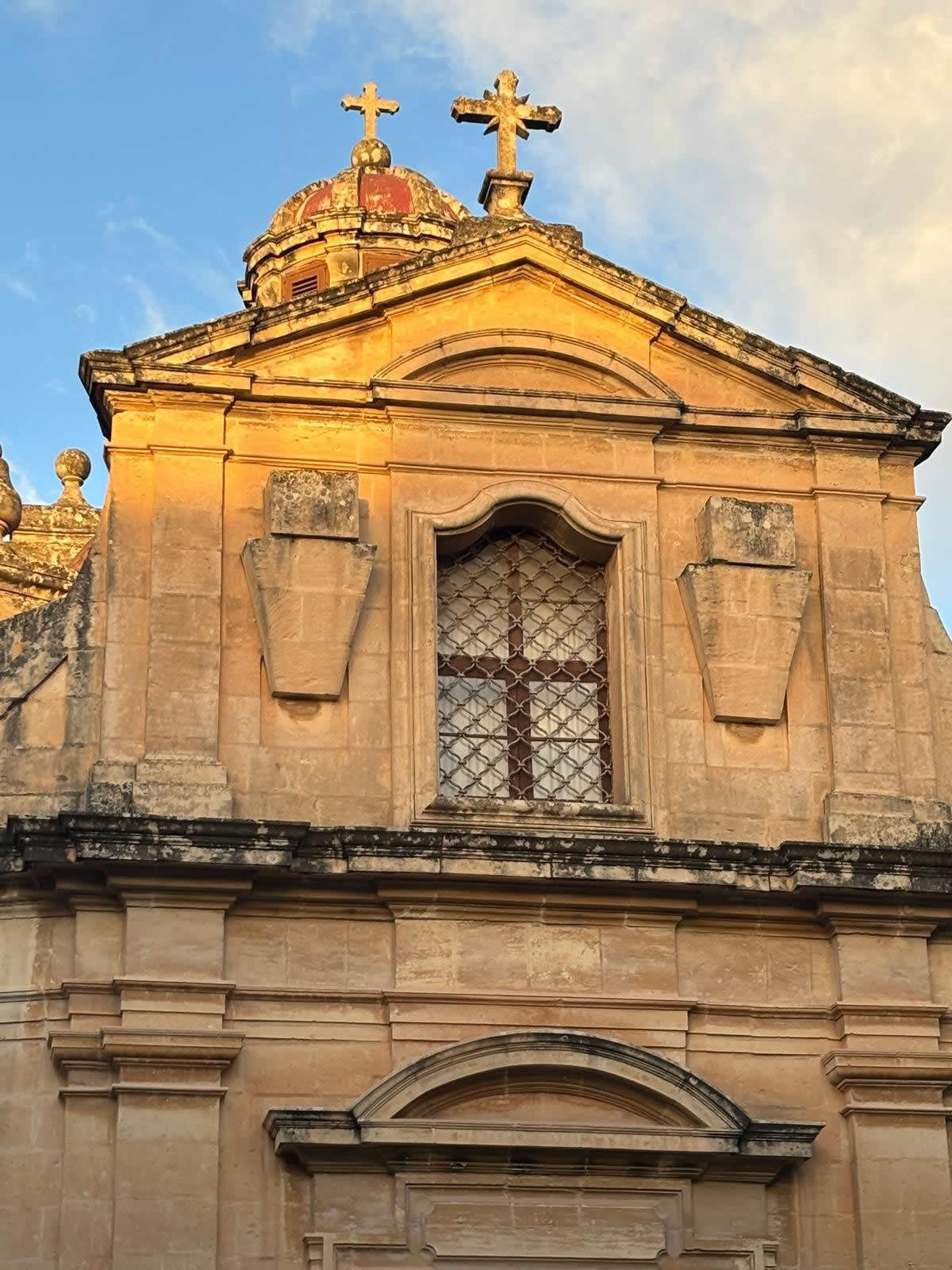
Historically, chapels such as Sidtna Marija tal-Anġli were established outside the parish church structure to ensure easier access for rural worshippers, especially those whose daily work in fields and vineyards made regular travel to the main parish church difficult. These chapels often also articulated neighborhood identity and became integral to local spiritual life. (Scholarly summaries of Maltese chapels)
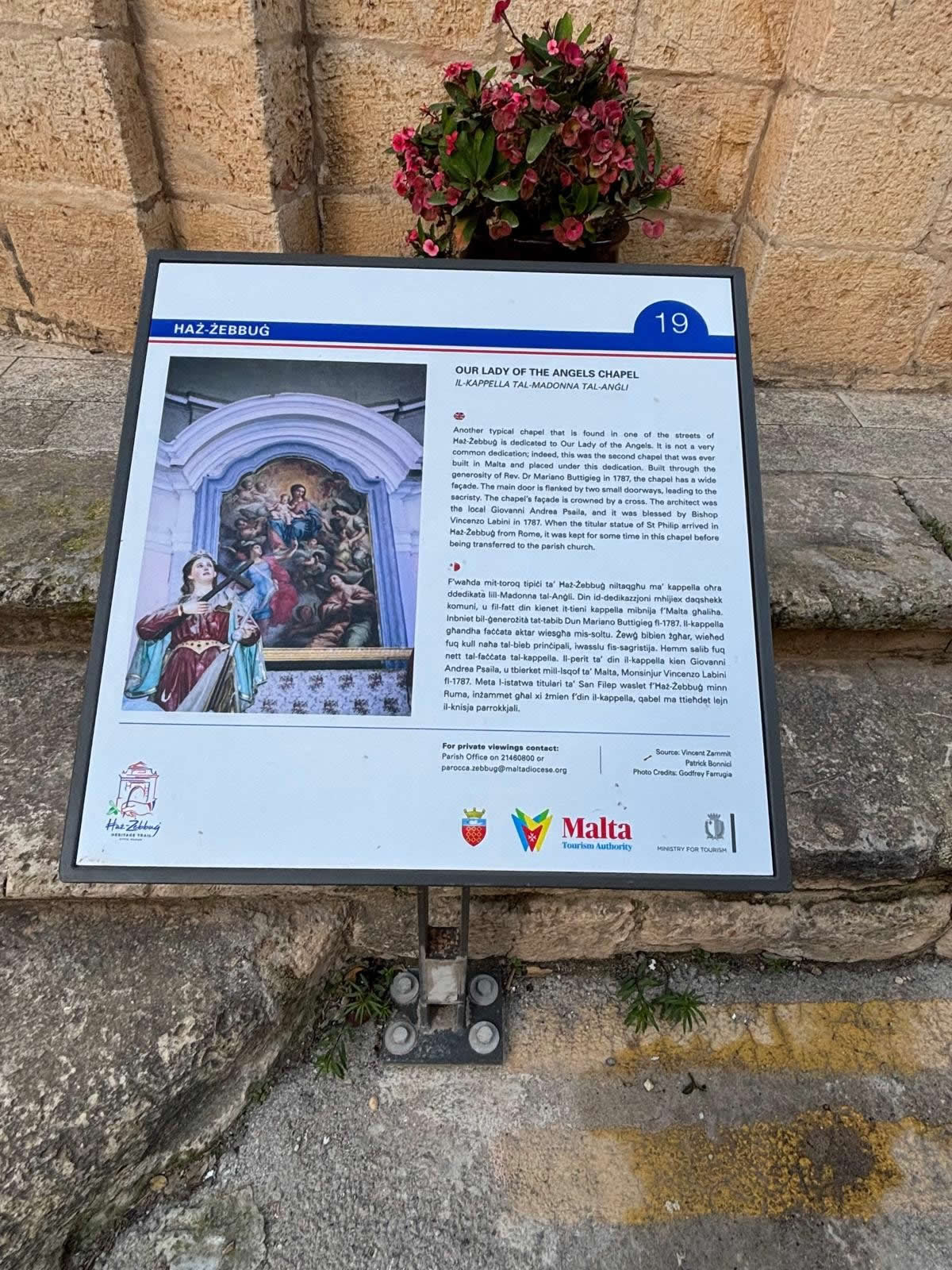
Baroque Style & Exterior Architecture
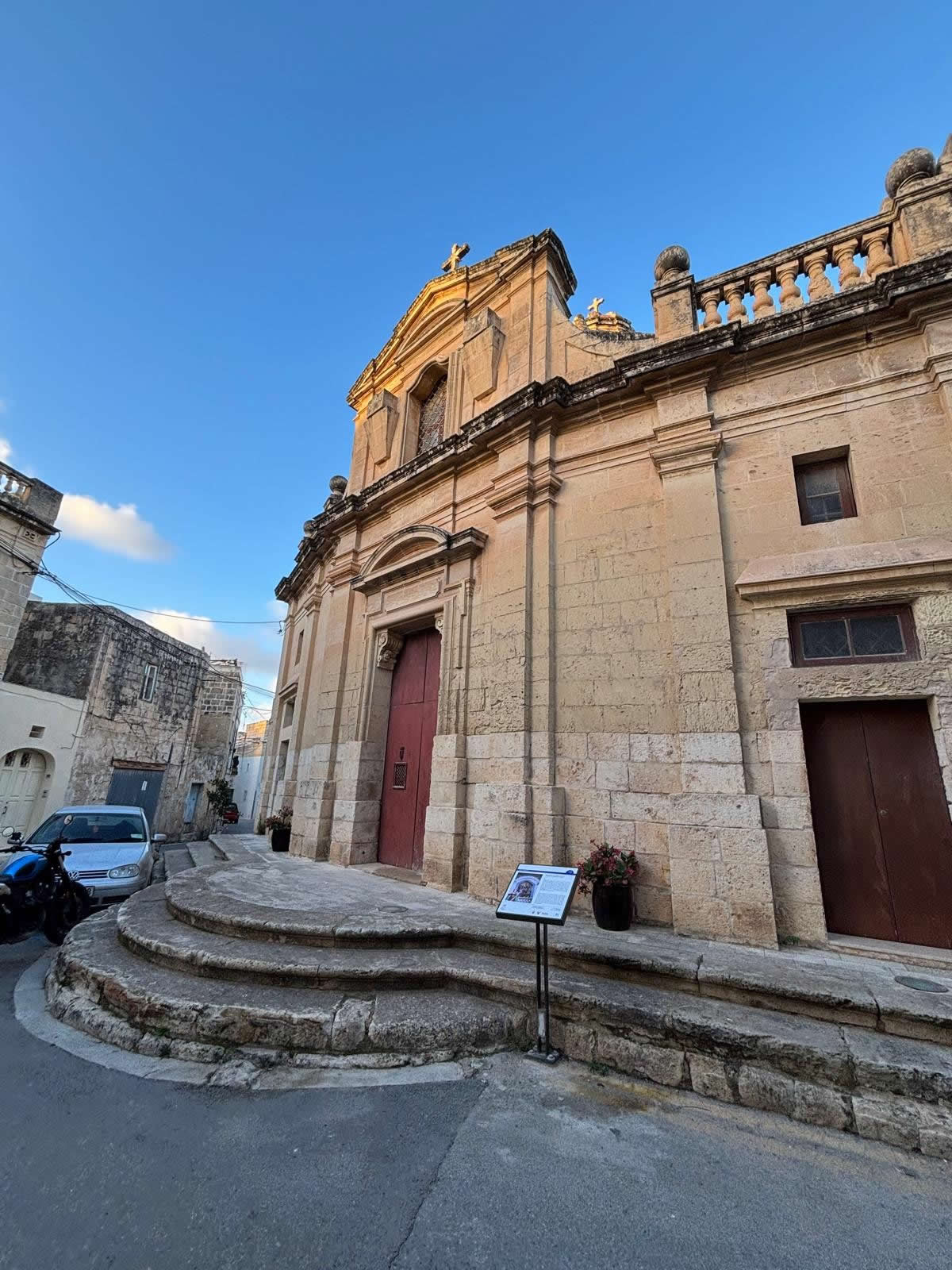
The façade of Kappella ta’ Sidtna Marija tal-Anġli reflects the Baroque architectural vocabulary that flourished in Malta from the late 17th century through the 18th century. Although smaller in scale compared to urban parish churches, its composition displays balanced classical proportions and characteristic Baroque elements including:
- A prominent central pediment with sculptural decoration
- Limestone pilasters framing the entrance
- Decorative mouldings accentuating depth and shadow
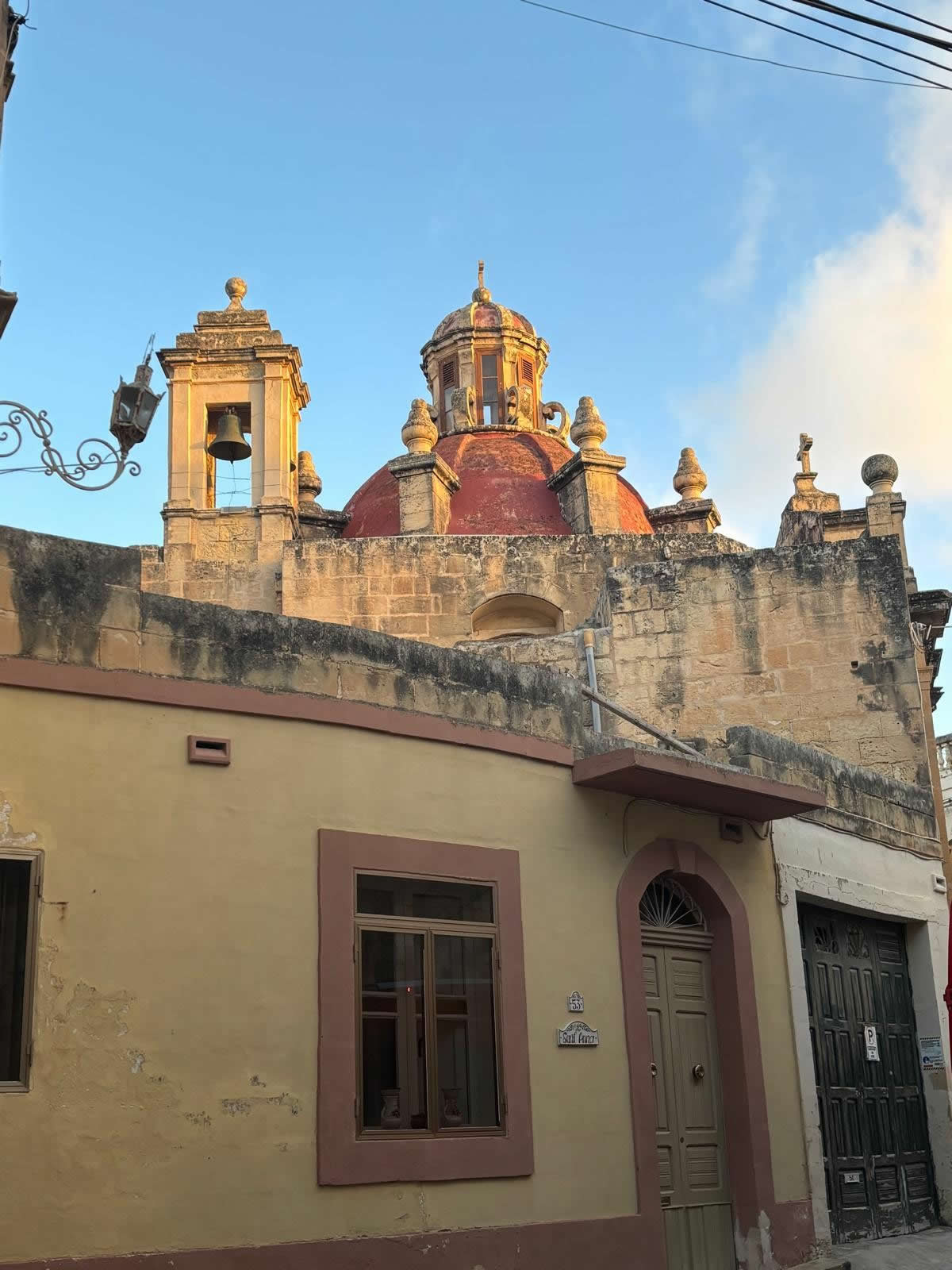
- A modest bell-cote crowning the roofline, prominent in rural chapels
Constructed from Maltese Globigerina limestone — the iconic pale stone ubiquitous throughout Maltese architecture — the chapel’s exterior exhibits both strength and grace. Over time, subtle alterations to decorative features reflect evolving trends in Baroque interpretation while retaining its devotional focus. (Local heritage reports)
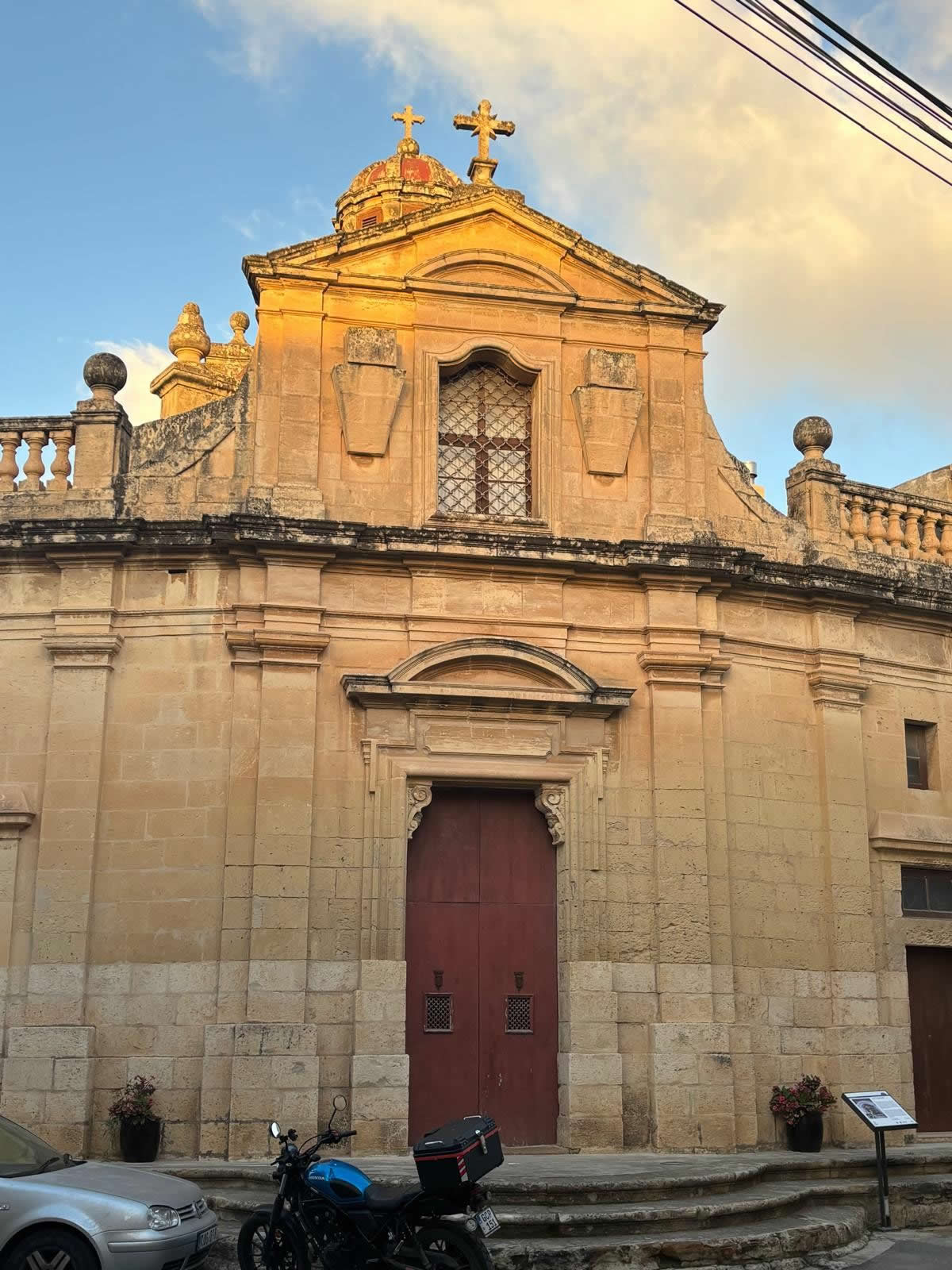
Interior Layout & Liturgical Orientation
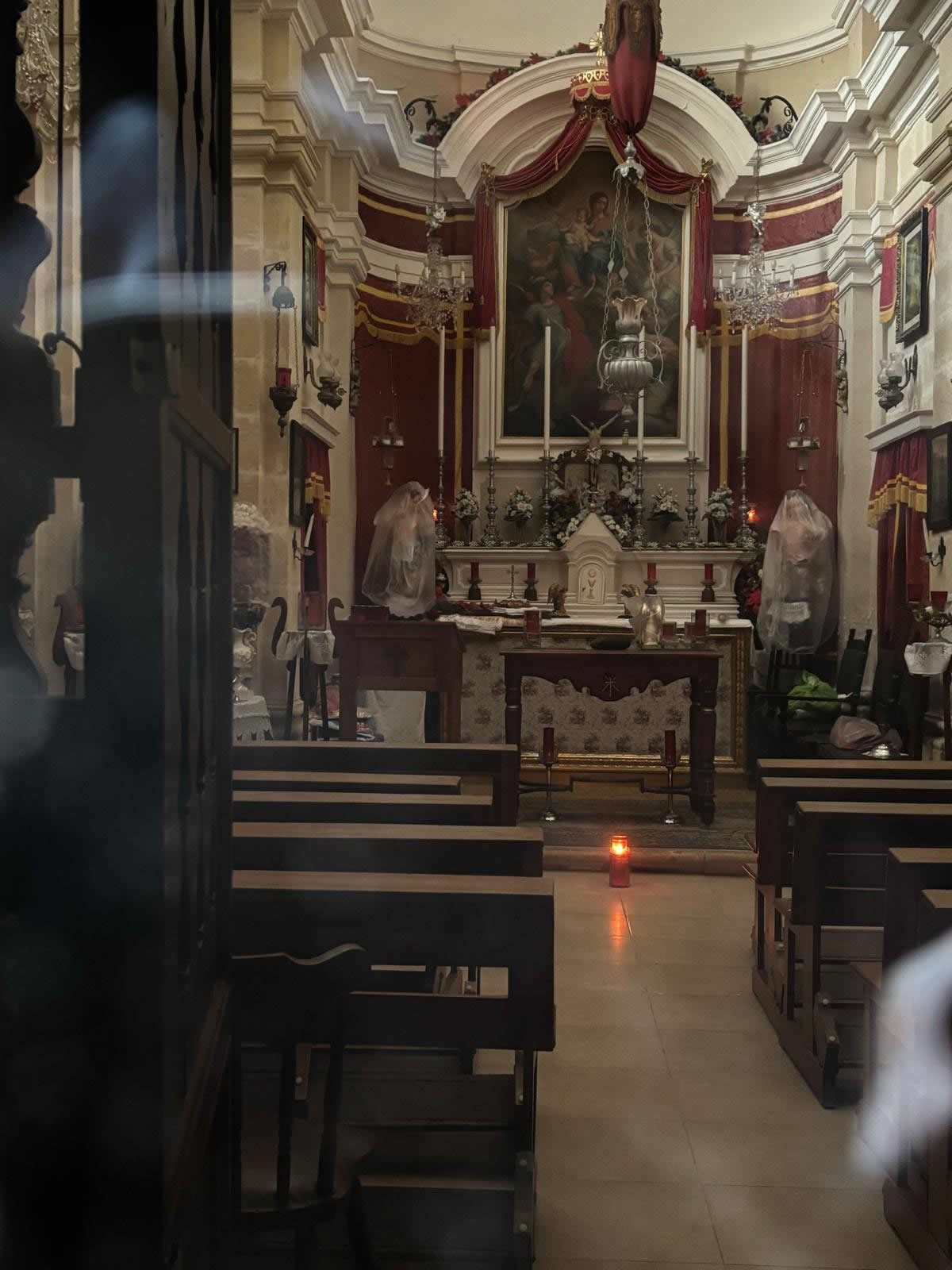
Inside, the chapel presents a simple but spiritually resonant plan oriented toward the main altar. Its modest nave, flanked by niches for secondary devotional images, focuses the worshipper’s attention on the central depiction of Our Lady of Angels. The altar retains classical Baroque proportions, and the interior walls are accentuated by plaster moulding and colour harmonies that remain understated yet evocative of the sacred. (Ecclesiastical survey documents)
The use of light plays an important structural role: natural illumination enters from side windows placed high above eye level, creating a luminous atmosphere that enhances contemplation and prayer. While ornamentation is not overwhelming, it demonstrates a sensitive design approach, marrying functionality with spiritual symbolism. (Chapel architectural analyses)
Artworks & Devotional Imagery
Central to the chapel’s interior is the titular image of Our Lady of Angels. This devotional painting — framed with classical architectural elements and surrounded by colour accents — portrays the Virgin Mary crowned in angelic splendour, symbolising her purity and intercessory role. The artwork’s style likely dates from the early 18th century, reflecting Baroque sensibilities that emphasised emotive expression and spiritual accessibility. (Archival art descriptions)
On either side of the main altar, secondary devotional images of angels and saints enhance the thematic unity of Marian devotion and heavenly presence. These paintings — executed in muted yet rich tones — complement the chapel’s architectural restraint, reinforcing the focus on prayer and contemplation. (Archival art descriptions)
Historical Development & Parish Integration
Originally associated with the immediate rural neighbourhood of Ta’ l-Anġli, the chapel became progressively integrated into the wider ecclesiastical network of Żebbuġ’s parish over the 18th and 19th centuries. While not a parish church itself, it served as a familiar spiritual destination for frequent personal prayer, the lighting of votive candles, and seasonal processions, especially in connection with Marian feasts and neighbourhood observances. (Diocesan records)
Records from local parish archives indicate periodic liturgical events held in the chapel, including special prayers for harvest blessings and community petitions during times of drought or hardship, reflecting the sustained role of chapels in lives of ordinary Maltese Catholics. (Diocesan records)
Restoration & Conservation Efforts
The chapel’s age, combined with Malta’s climatic conditions — characterised by intense sunlight and occasional heavy rains — necessitated periodic conservation work to preserve both stone fabric and artistic surfaces. Local heritage groups and parish associations collaborated with the diocese to undertake careful restoration projects that focused on:
- Masonry repair: Stabilising limestone surfaces, restoring eroded decorative elements, and re-pointing joints.
- Plaster conservation: Repairing interior plaster detailing to retain original colour and Baroque aesthetic effects.
- Painting care: Conservation of devotional images to address fading or surface wear while maintaining original artistic character.
- Bell-cote strengthening: Ensuring structural safety for the small bell-cote under which the chapel’s bell hangs, still used for occasional liturgical calls.
These efforts reflect Malta’s broader commitment to preserving historic chapels, ensuring that their legacy endures both for worshippers and cultural heritage visitors. (Heritage Malta and diocesan reports)
Liturgical Use & Community Involvement
While Kappella ta’ Sidtna Marija tal-Anġli is not a parish church, it remains an active spiritual site within Żebbuġ’s religious life. Occasional masses and devotions are celebrated here, particularly on feast days or during periods of special intention. The chapel serves as a setting for private prayer, novenas, and neighbourhood gatherings, upholding its historic function as a place of intimate devotion. (Parish announcements)
Feast of Our Lady of Angels
The feast of Our Lady of Angels — observed locally on August 2 — draws worshippers to the chapel for prayers, rosaries and Mass. While the celebration is not as large-scale as parish feasts, it remains an important devotional occasion for the Ta’ l-Anġli neighbourhood and reflects residents’ ongoing reverence for Mary’s compassion and protection. (Parish announcements)
Seasonal processions, sacred music, and community meals occasionally accompany the liturgical celebration, reminding worshippers that devotion remains intertwined with community life. (Parish and heritage notices)
Cultural Context & Sacred Landscape
Within the broader tapestry of Malta’s sacred landscape, chapels such as Kappella ta’ Sidtna Marija tal-Anġli serve as *spiritual waypoints* — smaller in scale than parish churches but equally rich in devotional resonance. Their presence underscores the island’s deeply rooted Catholic tradition, where local devotion, family prayer practices, and architectural heritage converge in neighbourhood sites of worship. (Scholarly studies of Maltese chapels)
Exploring these chapels offers insight into the rhythm of Maltese religious life: a pattern woven from public feasts, private prayer, seasonal observances, and enduring architectural expressions. The Ta’ l-Anġli chapel stands among these cherished sites, embodying vernacular devotional architecture and living faith. (Scholarly studies of Maltese chapels)
Quick Facts & Historical Timeline
- Founded: 17th century in Ta’ l-Anġli, Żebbuġ
- Dedication: Our Lady of Angels (Sidtna Marija tal-Anġli)
- Architectural Style: Baroque influences adapted to neighbourhood chapel scale
- Feast Day: August 2
- Construction Material: Maltese Globigerina limestone
- Artworks: Titular painting and secondary devotional images
- Restoration: Masonry, plaster & artwork conservation