Overview
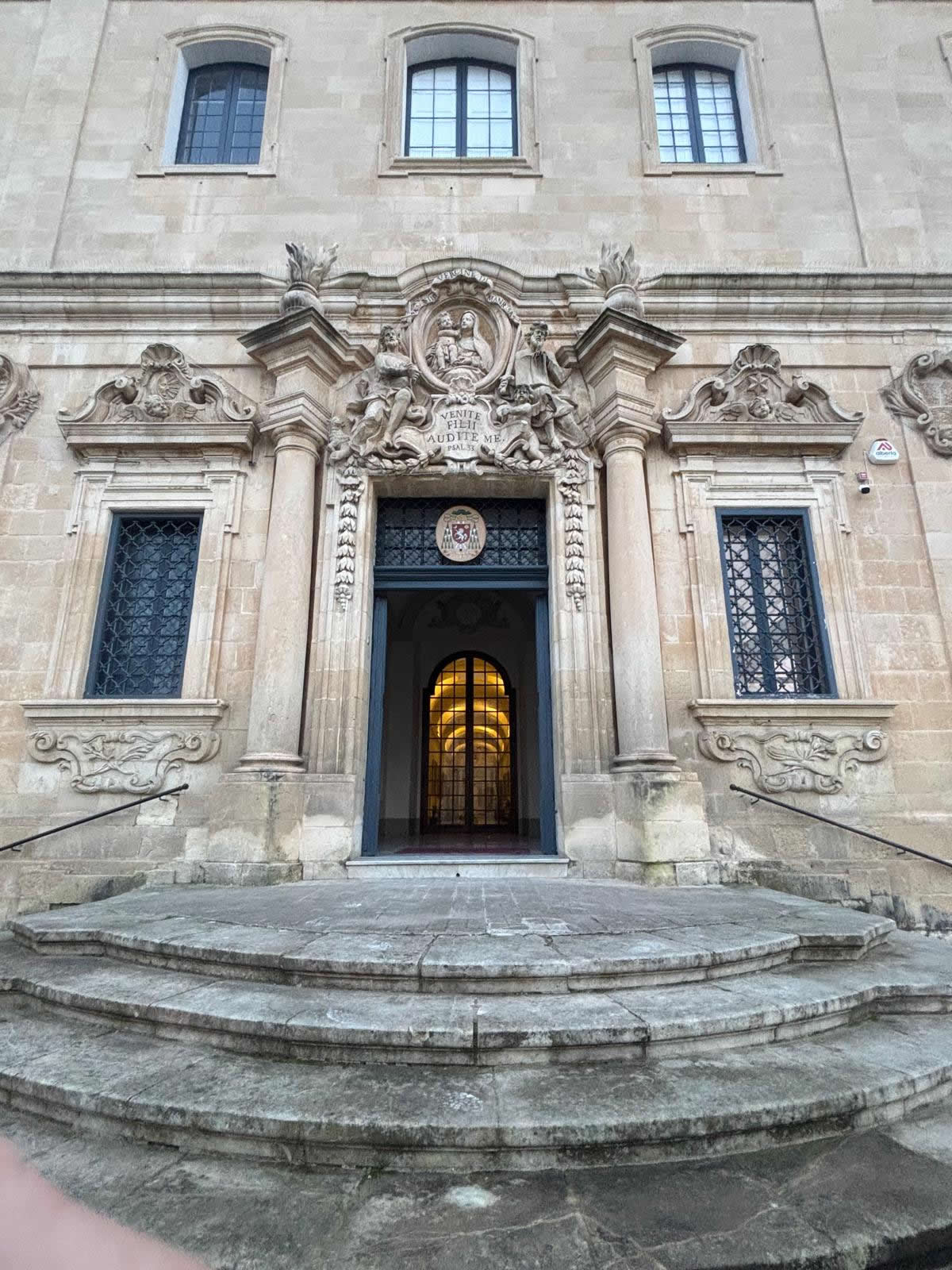
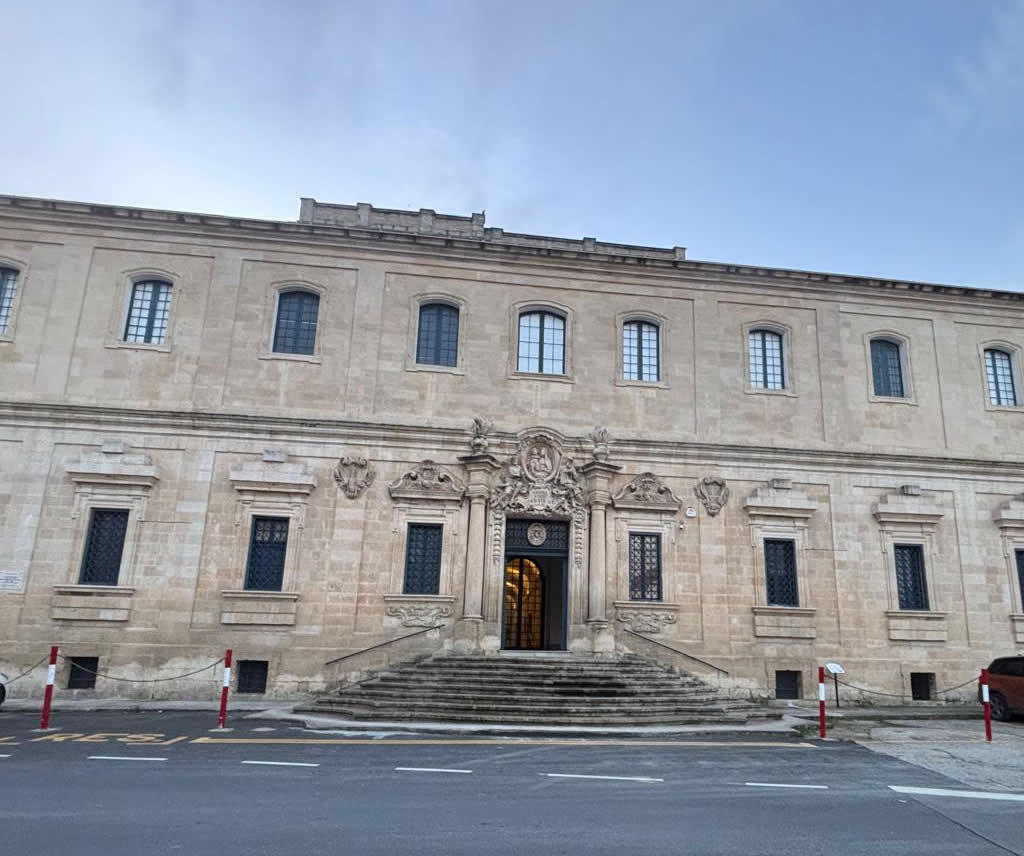
The chapel is part of Casa Manresa, a historic complex in Floriana that began as a Jesuit retreat house and later became a major centre for formation and diocesan administration. Today, Casa Manresa serves as the Archbishop’s Curia.
Within this wider institution, the chapel remains a place of worship and reflection and is regularly referenced in Curia open-day programmes, alongside the crypt, sacristy and refectory.
Key dates and milestones
- 1743: The Jesuit retreat house at Floriana begins to be built, with a chapel dedicated to Our Lady of Manresa.
- 1748–1749: Artist Antoine Favray produces major works for the Chapel of Our Lady of Manresa, described as among his finest achievements.
- 20 May 1753: A relic connection to St Calcedonius Martyr is recorded (gift associated with Pope Benedict XIV), preserved in the chapel’s mensa/altar setting.
- 1977: The Archbishop’s Curia is transferred to this building (Casa Manresa) under Archbishop Ġużeppi Mercieca.
- 1984: The chapel suffers damage and is later described as being completely restored.
- Recent years: extensive refurbishment/maintenance projects are reported at Casa Manresa (Curia complex).
History
Casa Manresa began as a Jesuit retreat house in the mid-18th century, intended as a space for prayer, guided retreats and spiritual formation. The chapel was dedicated to Our Lady of Manresa, echoing the Jesuit spiritual tradition associated with St Ignatius’ time at Manresa.
Over time the building’s role evolved—from retreat house to a wider house of formation and, eventually, to the administrative and pastoral hub of the Archdiocese. It is specifically recorded that the Curia moved here in 1977.
Construction and architecture
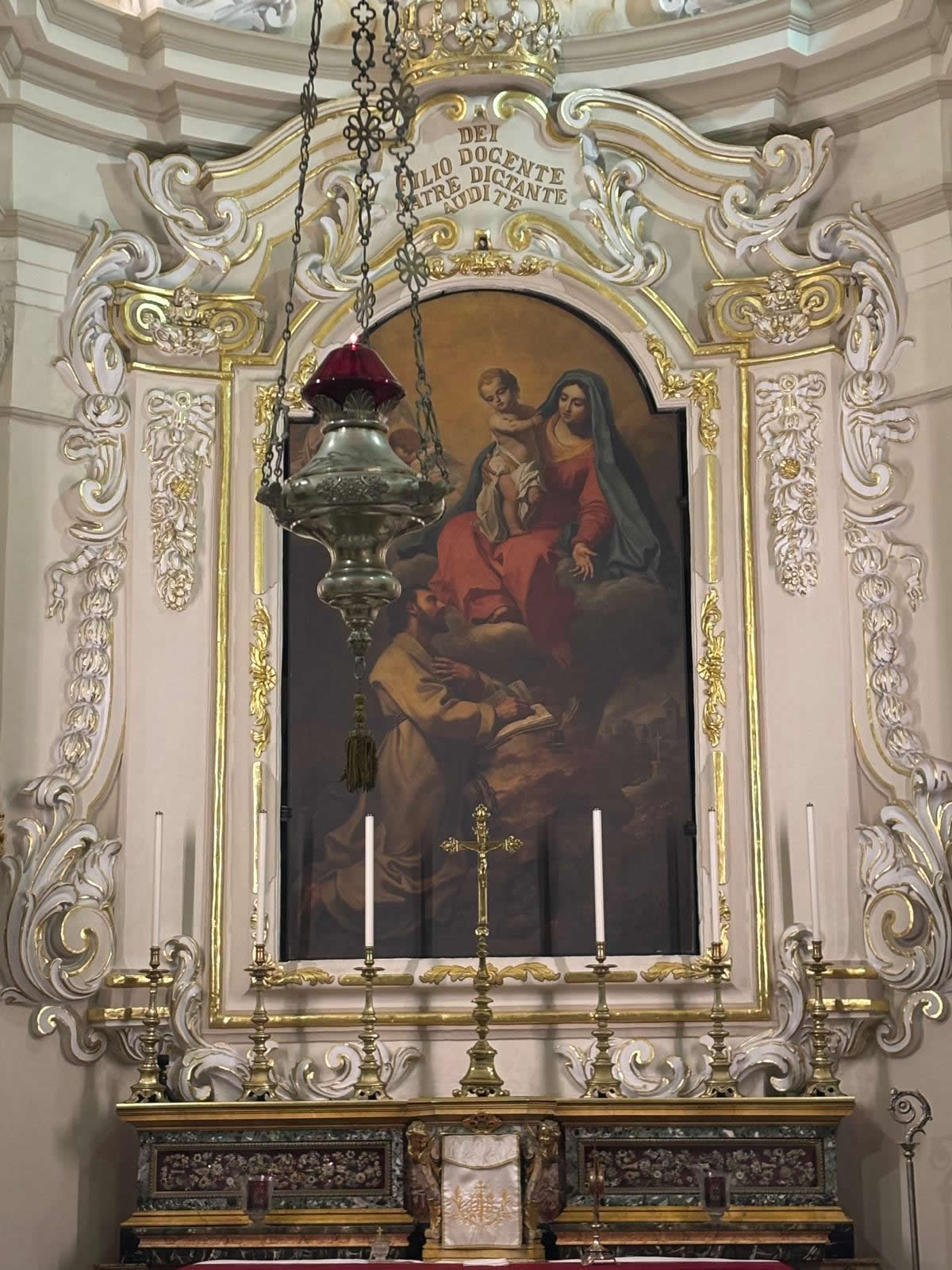
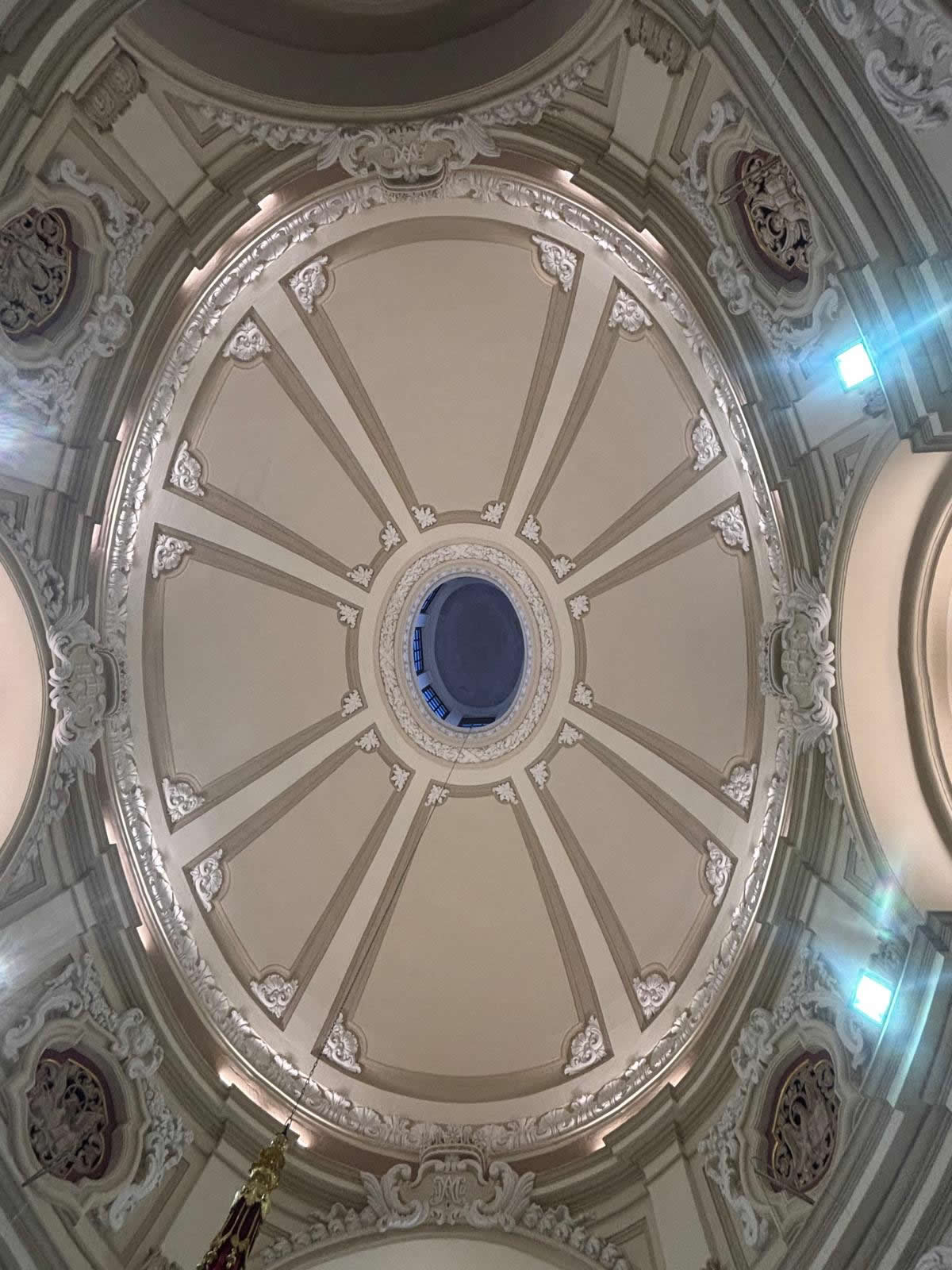
The chapel was conceived as the spiritual core of the retreat house begun in 1743. Like much 18th-century Maltese ecclesiastical architecture, it is built in local limestone and designed to support contemplation: a focused altar area, controlled light, and an interior programme that leads the eye toward sacred imagery.
- Setting: within the Casa Manresa / Archbishop’s Curia complex in Floriana.
- Dedication: Our Lady of Manresa (Madonna ta’ Manresa).
- Liturgical focus: the chapel’s design centres on the altar and its artwork cycle, characteristic of retreat-house chapels.
Art and notable contents
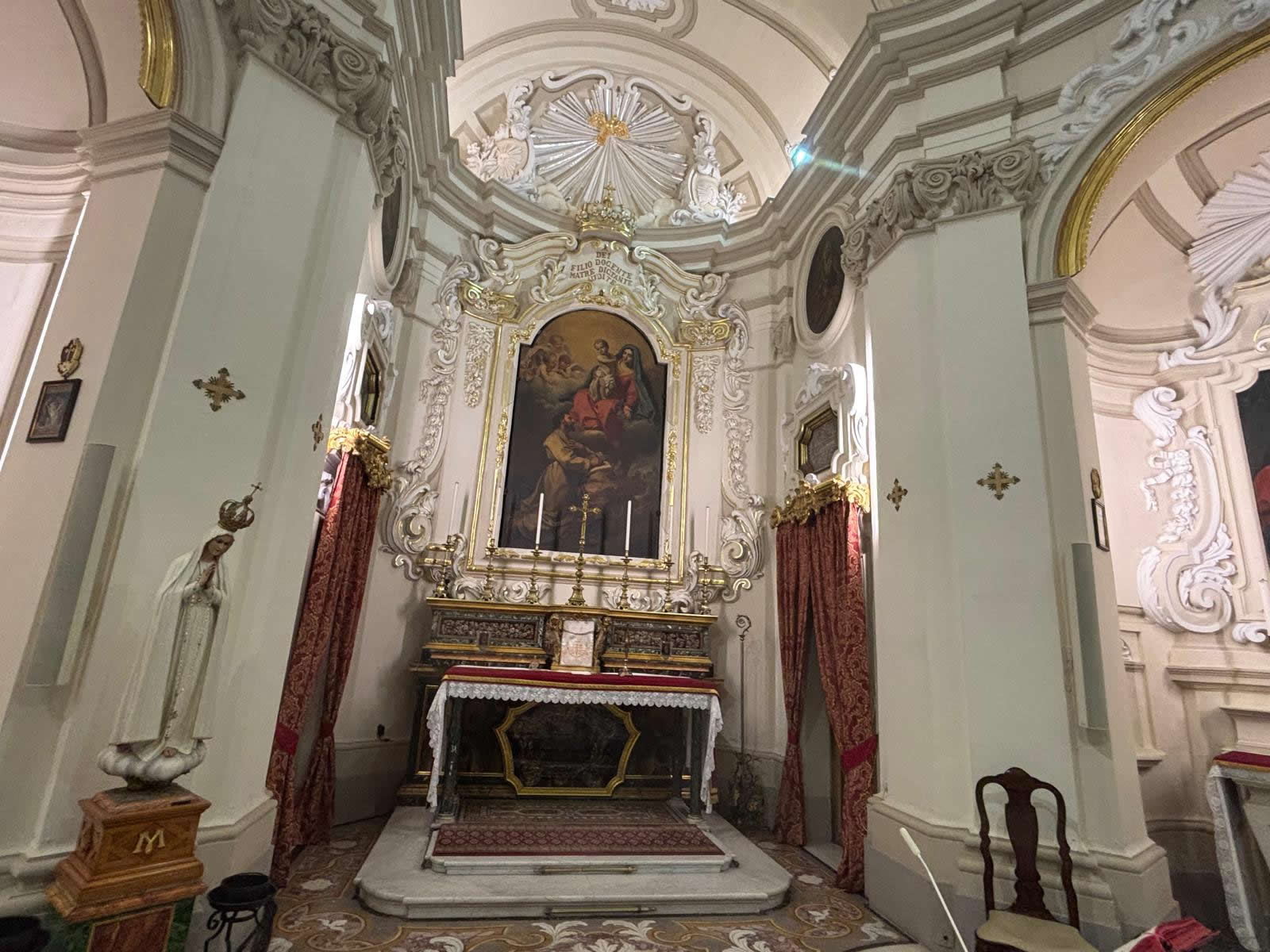
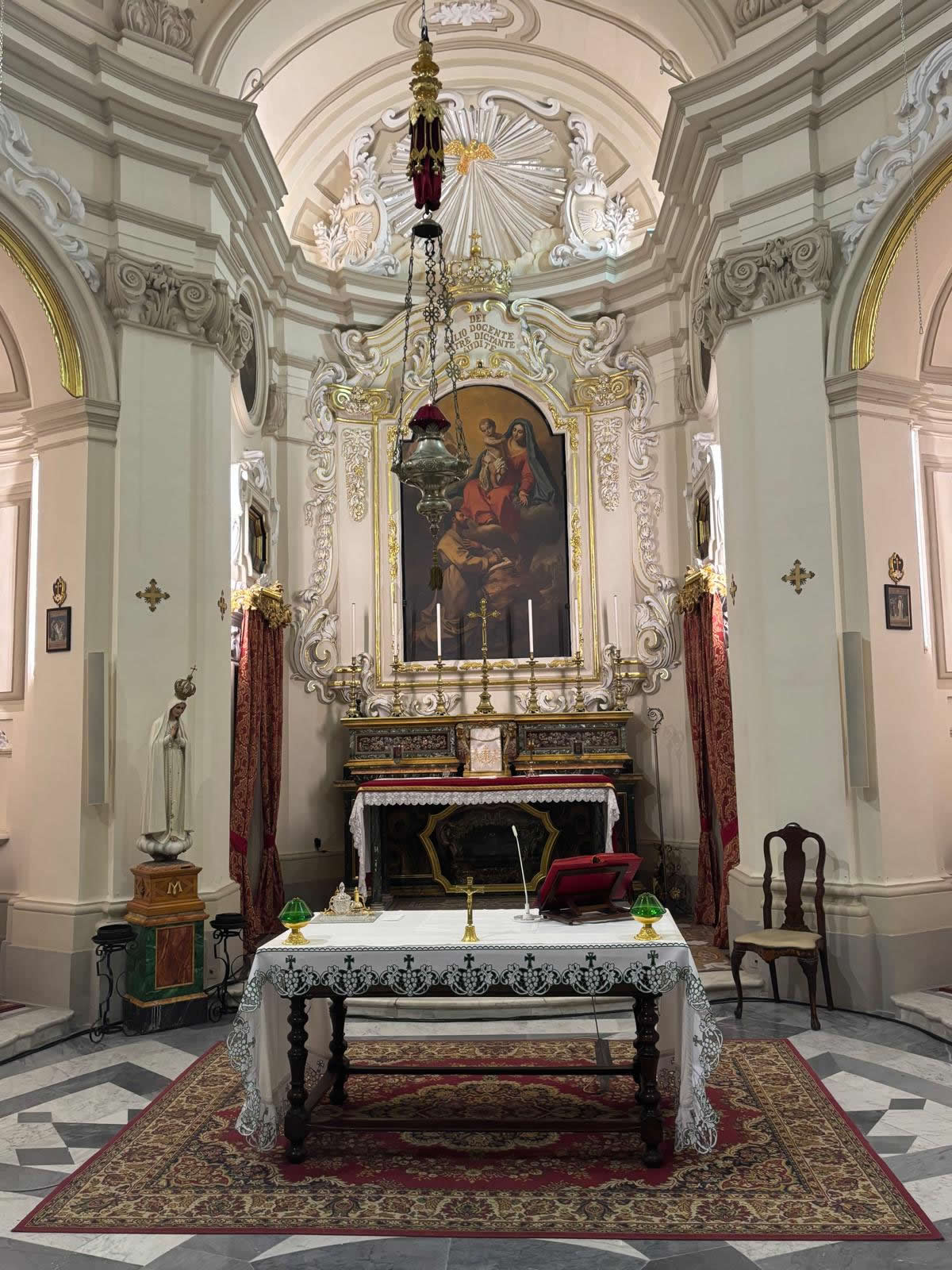
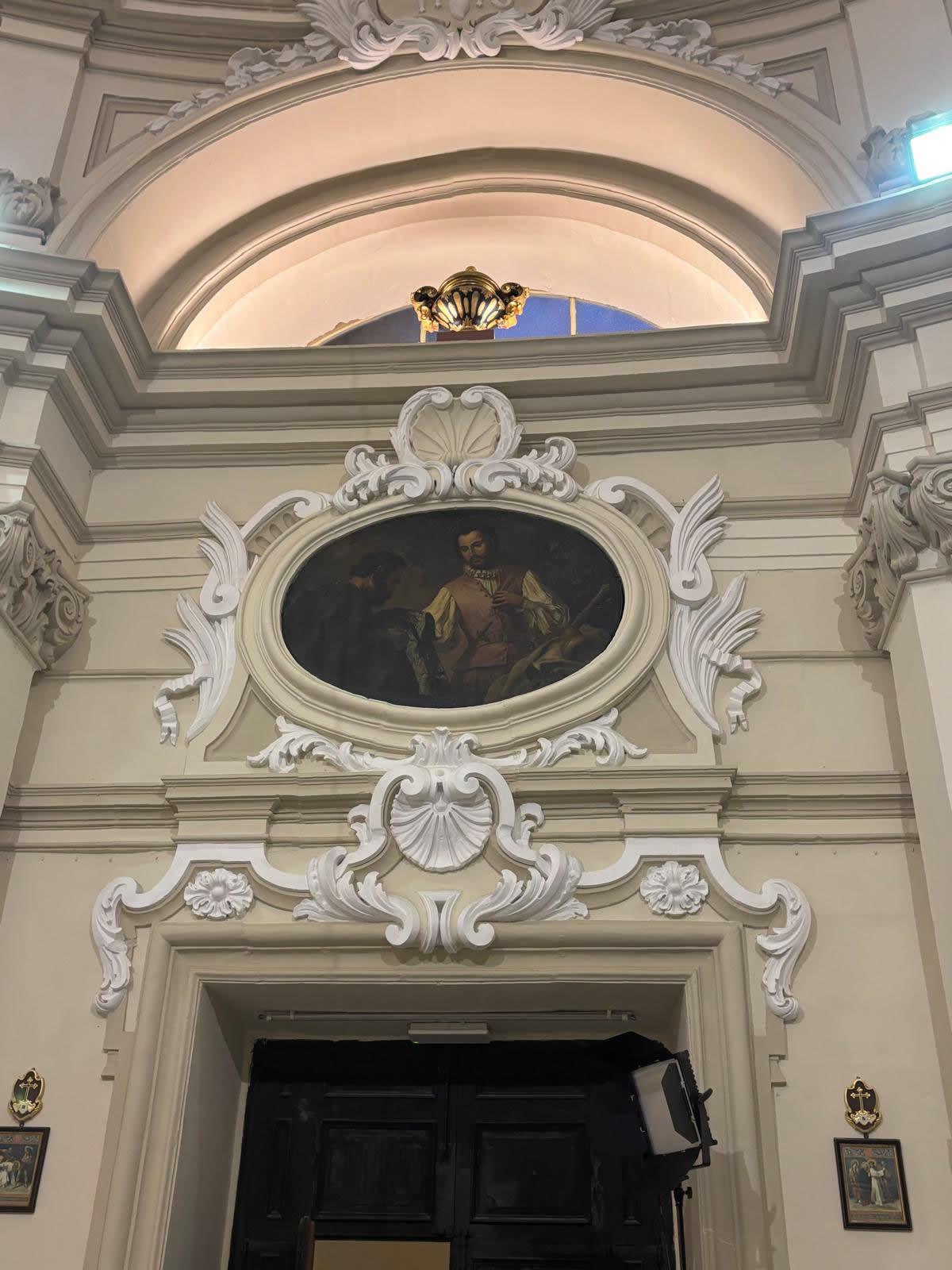
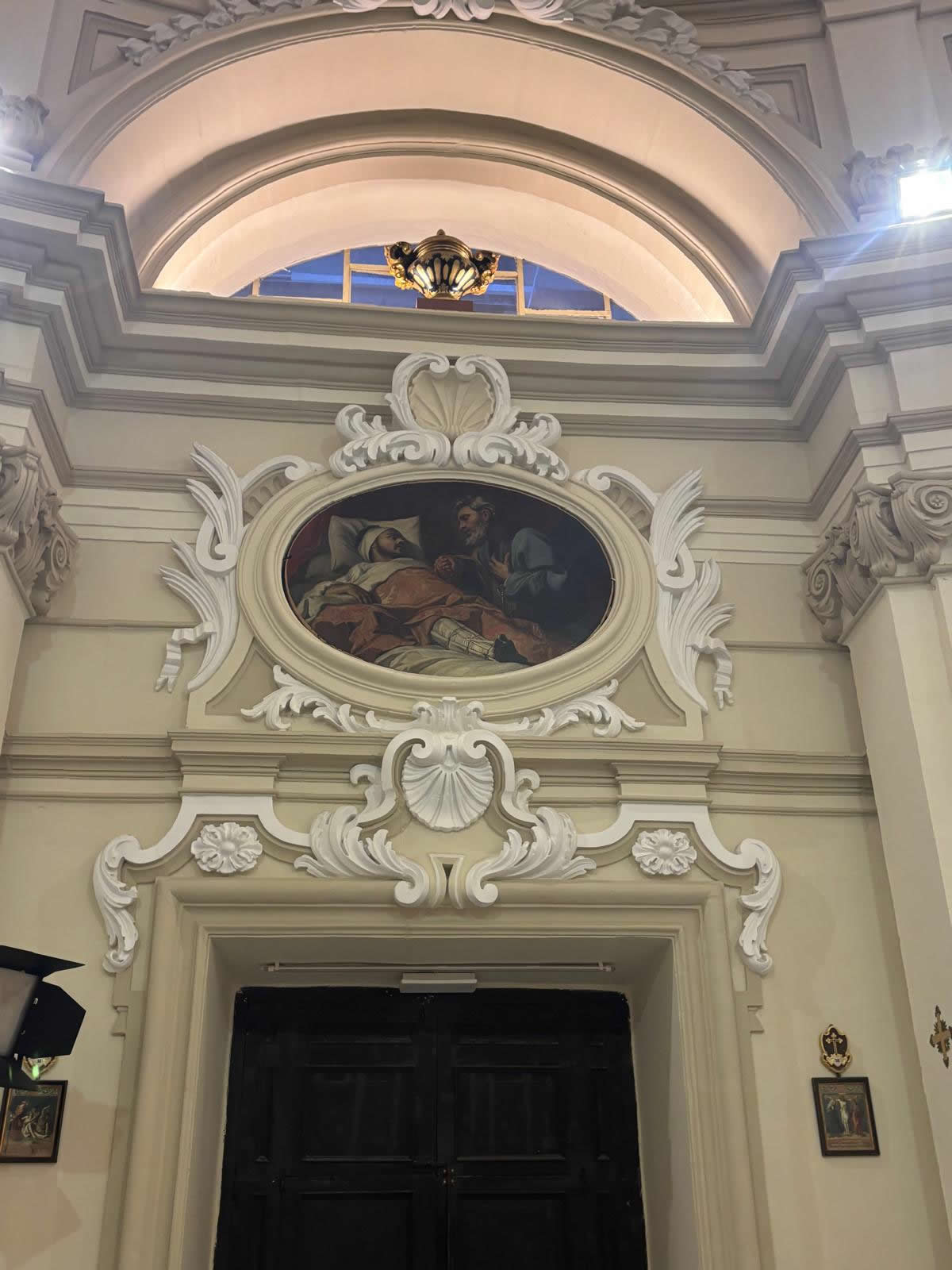
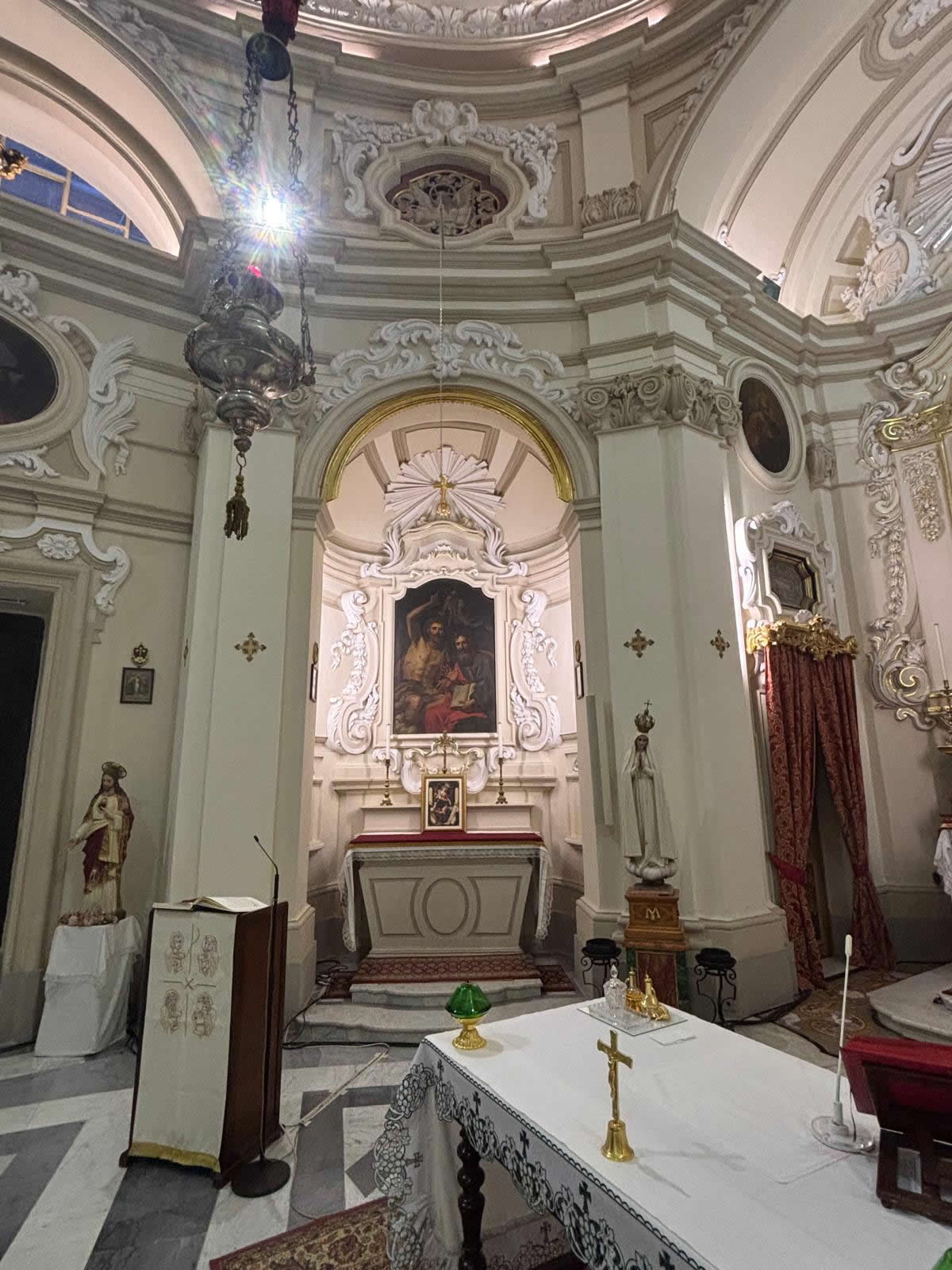
The chapel is celebrated for a significant collection of works by Antoine Favray. Commentary in Maltese cultural press describes the Manresa chapel as a kind of “Favray mini-museum”, housing the principal altarpiece and additional sacred paintings.
- Favray commission: works executed around 1748–49 for the new Jesuit retreat house chapel.
- Devotional identity: the main image tradition links Our Lady of Manresa with St Ignatius of Loyola.
- Relics: the chapel is associated with St Calcedonius Martyr relic traditions in the altar/mensa setting.
Restoration and conservation
The chapel is recorded as having been completely restored after damage it suffered in 1984. In more recent decades, Casa Manresa (the Curia complex) has also been reported as undergoing extensive refurbishment and maintenance works.
What restoration typically involves in such chapels
- Limestone care: cleaning, repointing, and salt/pollution management for internal stone surfaces.
- Artwork conservation: stable humidity, careful lighting, and specialist treatment for canvas and frames.
- Roof and water ingress: repairs to prevent moisture damage—often the most serious long-term risk in Maltese buildings.
Use today
The chapel remains actively used for prayer and liturgy. The Archdiocese’s own listings include regular services in The Chapel of Our Lady of Manresa at the Archbishop’s Curia, Floriana.
It is also highlighted during public open days, when visitors may be granted access to the chapel as part of a wider heritage route through Casa Manresa.
Visiting tips
- Location: Floriana, inside the Archbishop’s Curia (Casa Manresa).
- Access: availability varies—best visited during announced open days or when services are scheduled.
- What to look for: Favray’s altarpiece and supporting canvases; the altar area and relic traditions associated with St Calcedonius.
- Respect: it is a working chapel; keep silence, dress modestly, and avoid flash photography.
FAQ
What is the chapel’s proper name?
It is commonly referred to as the Chapel of Our Lady of Manresa (Kappella tal-Madonna ta’ Manresa) within the Archbishop’s Curia at Casa Manresa.
When was it founded?
The chapel is tied to the Jesuit retreat house works begun in 1743 at Floriana.
Why is it important?
Beyond its devotional role, the chapel is renowned for its concentration of Antoine Favray sacred paintings, including a major altarpiece cycle dating to 1748–49.