Chapel of St Agatha, Żurrieq (Ta’ Sant’Agti)
📍 Location
Location Map Coordinates 35.829239, 14.482375
A countryside chapel on the outskirts of Żurrieq, closely associated with local devotion and the rural lanes leading toward Ħal Far. This page confirms the chapel’s key building phases (1854 rebuild; 1859 consecration), documents later modifications (1952 enlargement), and summarises known conservation and community use.
Quick facts
- Name: Chapel of St Agatha (Il-Kappella ta’ Sant’Agata)
- Also known as: Ta’ Sant’Agti
- Locality: Żurrieq, Malta
- Coordinates: 35.829239, 14.482375
- Original predecessor: 16th-century chapel (deconsecrated in 1658)
- Confirmed rebuild: 1854 (by Cikku Grixti; reduced in size)
- Consecration: 1859
- Major later modification: Enlarged and paved in 1952
- Current status: Active devotional site under the Roman Catholic tradition
Full history (confirmed timeline)
1) The earlier chapel (16th century – 1658)
Before the present building, a smaller chapel stood on or near the same footprint and is dated to the 16th century. During ecclesiastical reforms that assessed the condition and viability of rural chapels, this earlier structure was deconsecrated in 1658. After that point, the site’s religious function diminished until a new phase of devotion led to rebuilding.
2) The 1854 rebuild and 1859 consecration
The current chapel is the product of a confirmed rebuild in 1854. Records describe the chapel as being rebuilt by Cikku Grixti at the request of a woman who wished to fulfil a vow, and the rebuilding also reduced the chapel’s size compared with what stood before.
The rebuilt chapel was subsequently consecrated in 1859, marking the formal return of the site to active sacred use and anchoring the structure we recognise today as St Agatha’s Chapel in Żurrieq.
3) 20th-century community role and wartime context
Like many small Maltese chapels, St Agatha’s served as a point of prayer and reassurance for nearby residents and passers-by, especially along rural routes. During the Second World War era, the chapel is also described as having supported the spiritual life of servicemen stationed in the area.
4) The 1952 enlargement
In 1952, the chapel underwent a major improvement: it was enlarged and paved. This modification reflects a mid-20th-century pattern across Malta, where communities invested in upgrading smaller devotional buildings to keep them serviceable and dignified for worship.
Construction and architectural description
Plan and exterior approach
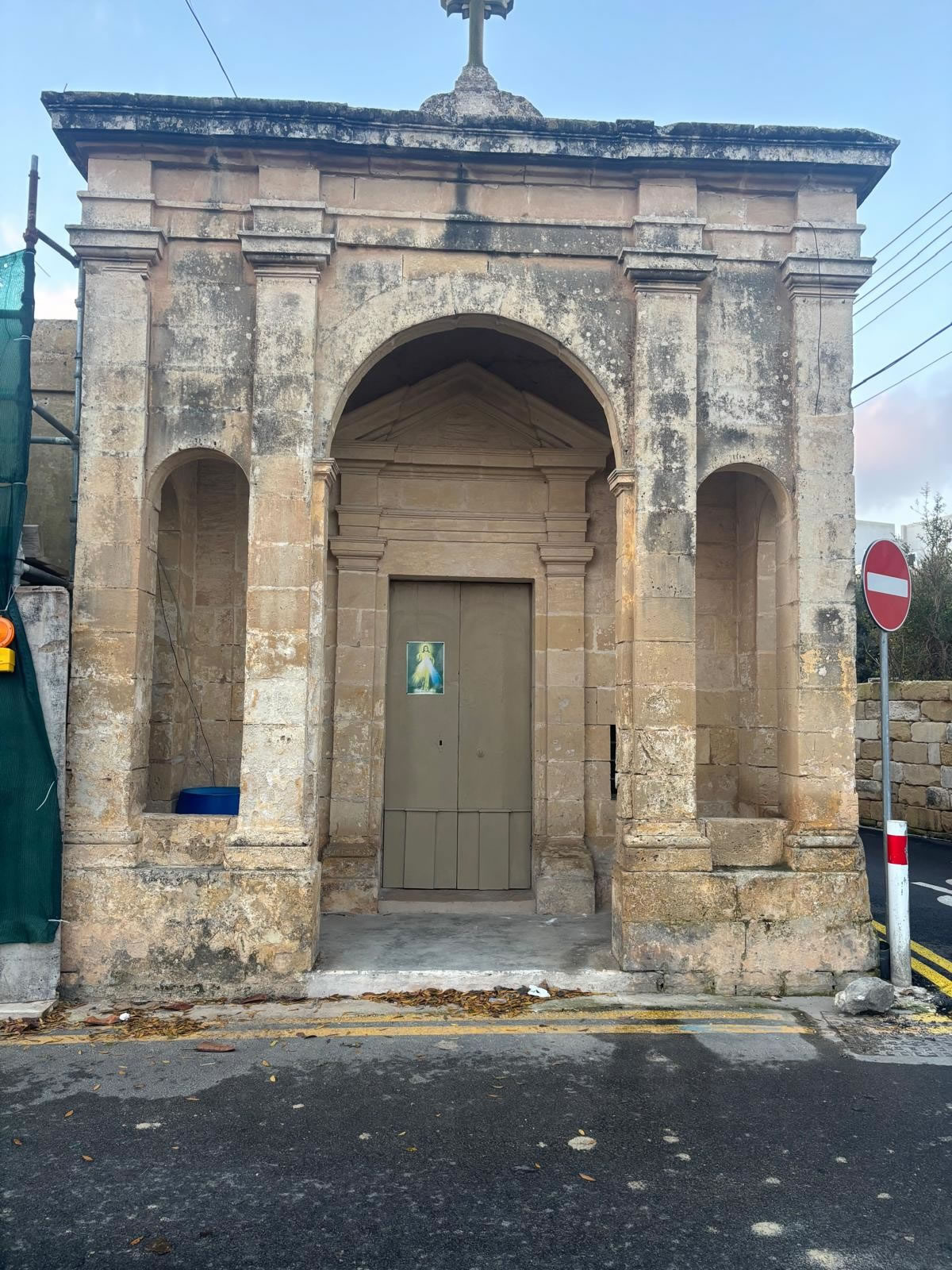
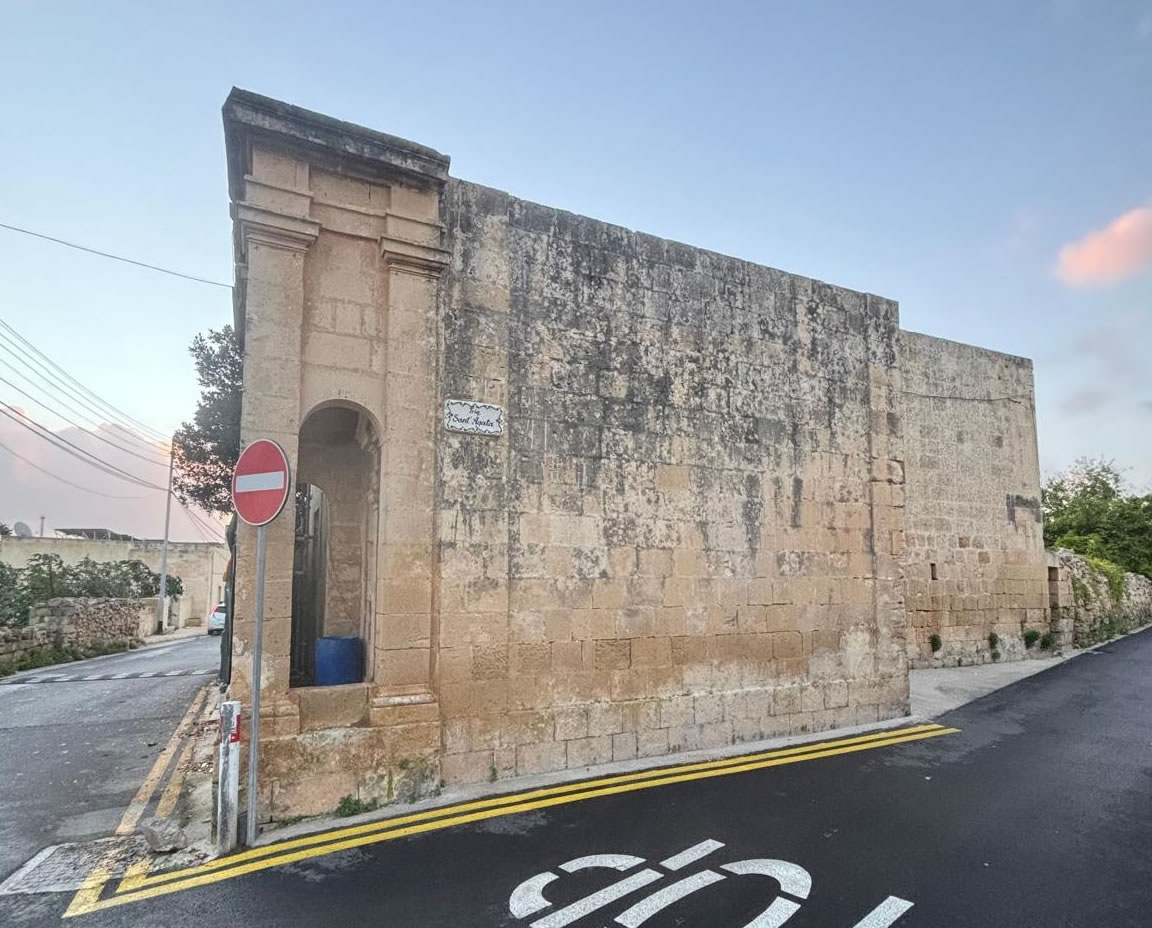
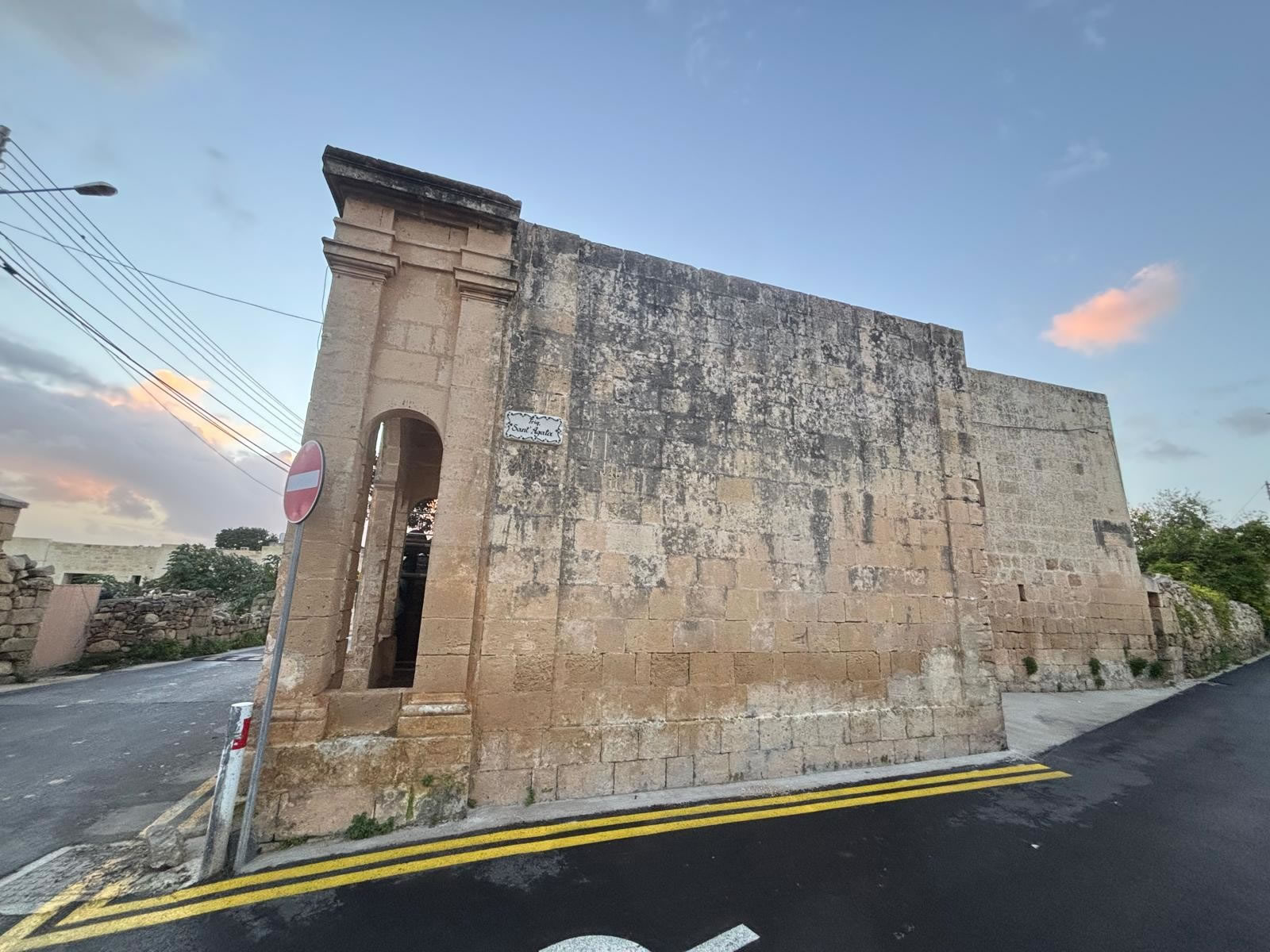
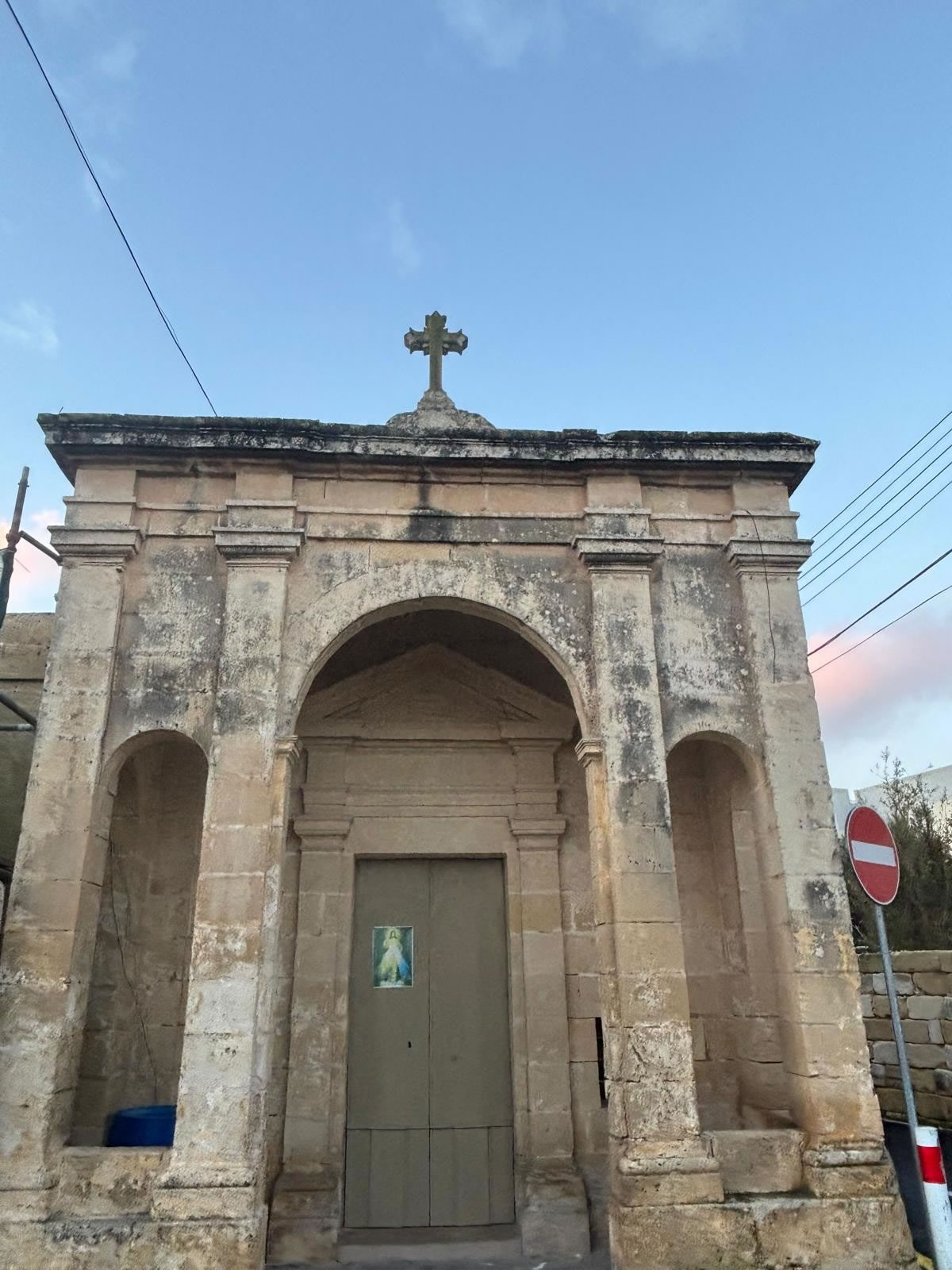
The chapel is described as having a rectangular plan, expressed externally through a plain, compact massing typical of rural Maltese chapels. The main entrance is approached through a roofed parvise (a covered fore-porch), which provides shelter and a modest ceremonial threshold before entering the nave.
Façade details
The façade composition is simple yet deliberate: pilasters articulate the entrance bay, and a cornice runs along the top at roof level. Above the roofline, a central cross identifies the chapel’s sacred purpose from a distance. The doorway itself is framed by pilasters supporting a pediment, giving the entrance a small but formal architectural emphasis.
Openings and side elevation
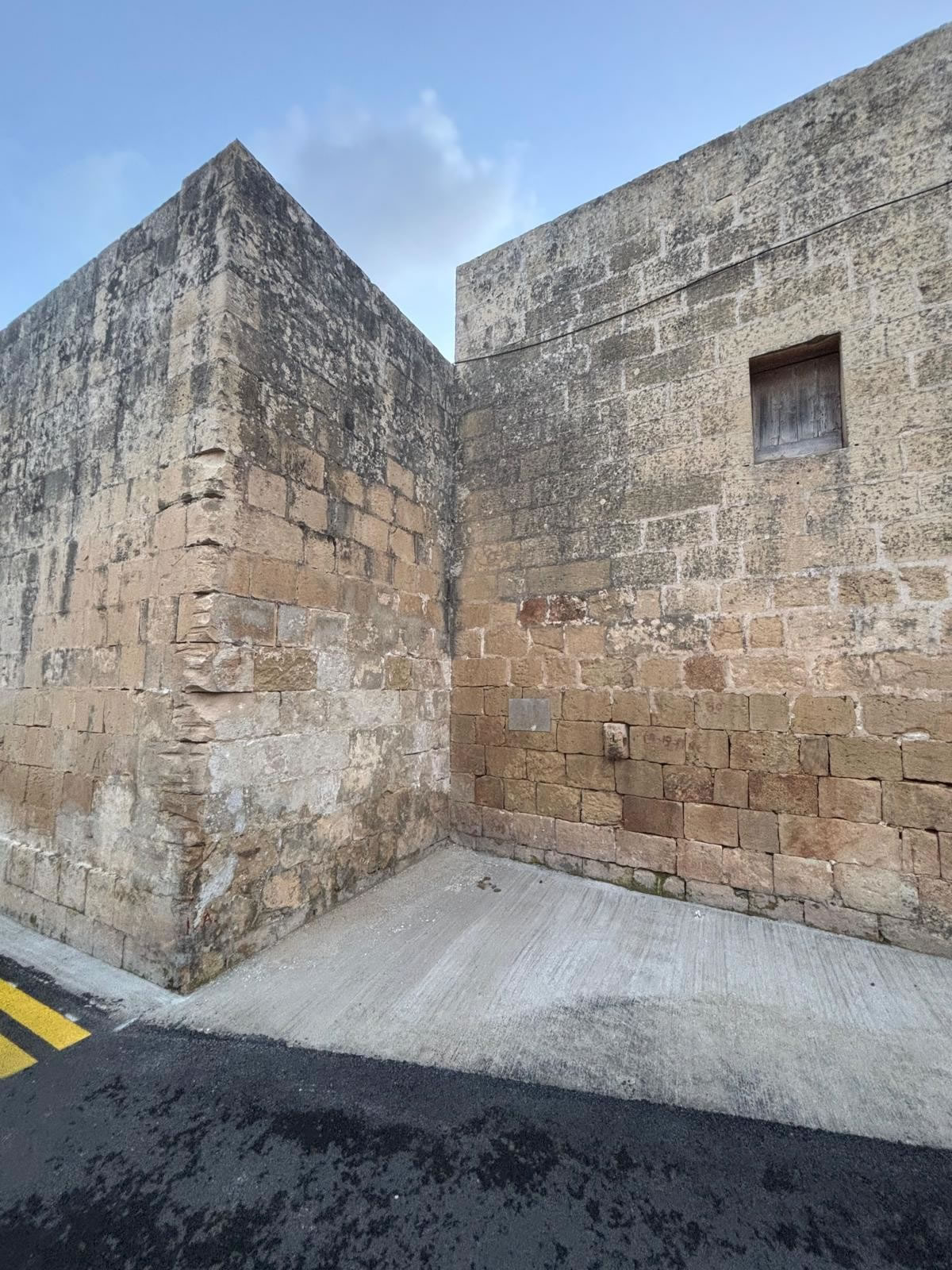
The chapel includes narrow vertical arched slit openings that bring light into the interior while preserving the solidity of the structure. A plain auxiliary volume—possibly a small sacristy—is located to the left, aligned with the entrance axis, underscoring the functional needs of liturgical use.
Materials
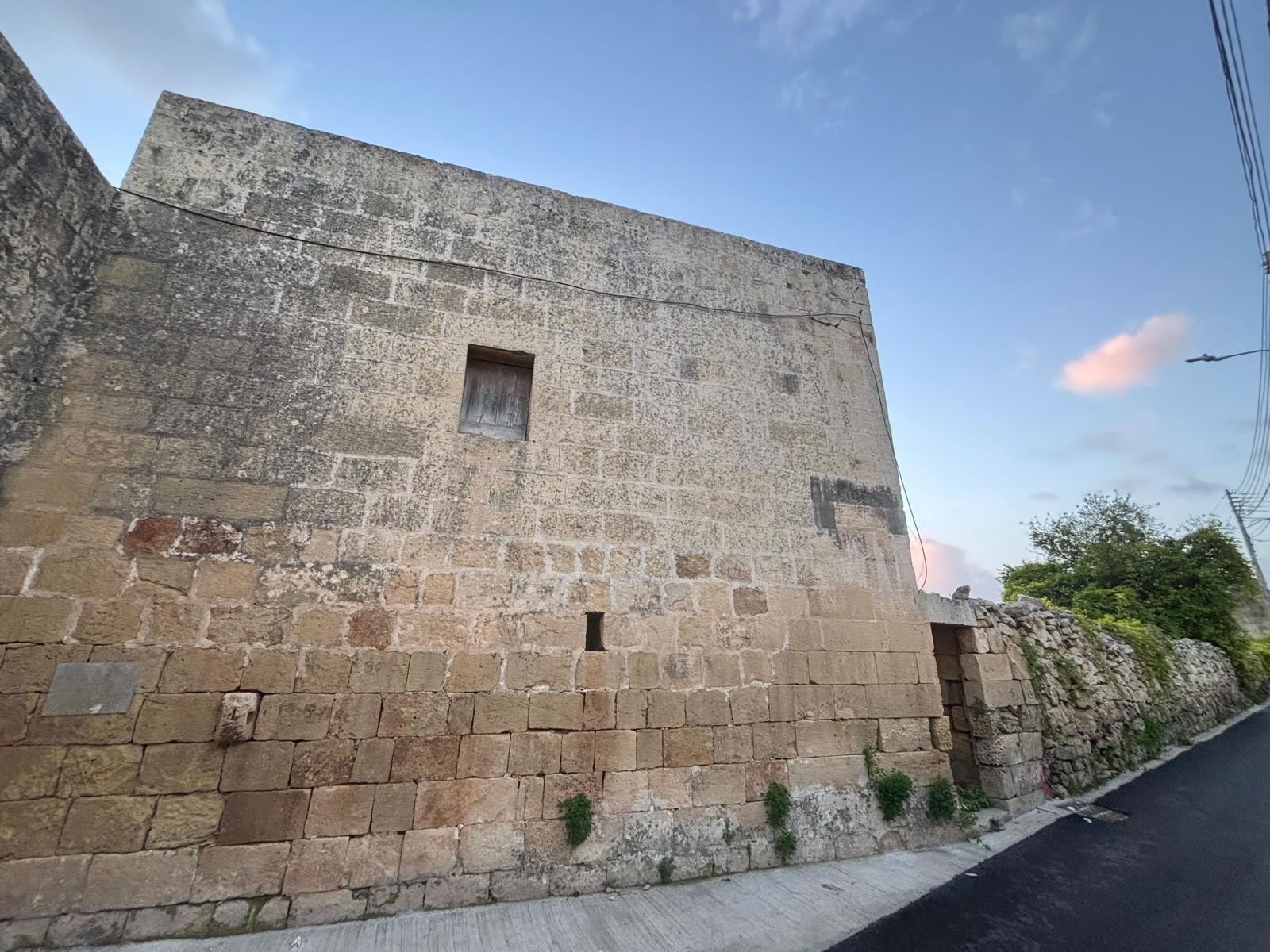
As with most chapels of its kind in Malta, the building is constructed primarily in local limestone, chosen for availability, workability, and its compatibility with Malta’s traditional building methods.
Restoration and conservation
Decorative and devotional upkeep (post-1952)
Following the 1952 enlargement, the chapel’s devotional character was strengthened with the kinds of fittings and artworks usually associated with a functioning place of prayer—helping the chapel remain meaningful for regular visitors and feast-day devotion.
Artwork conservation
The titular artwork depicting St Agatha is recorded as having been restored by R. Bonnici Cali, reflecting a wider 20th-century effort to conserve devotional paintings in smaller Maltese chapels.
Altar and reredos restoration project (2025)
A restoration project focused on the chapel’s altar and reredos was listed among national restoration works. Official parliamentary documentation reported the project as “site works ongoing” as of 3 November 2025, with a listed completion date of November 2025. This type of intervention typically addresses surface cleaning, consolidation, repair of damaged decorative elements, and protection for long-term preservation.
If you’d like, I can add a short “Conservation notes” sidebar explaining what “altar” and “reredos” mean (in plain language) for visitors.
Use and living tradition
St Agatha’s Chapel remains an active religious site and forms part of Żurrieq’s wider sacred landscape of parish life, chapels, and wayside devotion. While not a large parish church, chapels like this typically serve for quiet prayer, occasional services, and local commemorations—especially around the saint’s feast.
The chapel’s enduring role is cultural as well as religious: it stands as a marker of vows, community identity, and the historic relationship between Maltese villages and their surrounding farmland.
Visiting information
- Location: Żurrieq, Malta (Triq Sant’Agata / Triq Ħal Far area)
- Coordinates: 35.829239, 14.482375
- Best for: Heritage interest, quiet reflection, rural walking routes
- Respect: If the chapel is closed, enjoy from outside and keep noise low—this is a devotional place.
FAQ
When was the Chapel of St Agatha in Żurrieq built?
The present chapel was rebuilt in 1854 and later consecrated in 1859. It replaced an earlier chapel dating to the 16th century.
Was there an older chapel on the site?
Yes. A 16th-century predecessor is recorded, and it was deconsecrated in 1658.
What were the major modifications after the 1800s?
The most significant recorded later change is that the chapel was enlarged and paved in 1952. More recently, restoration work has been recorded for the altar and reredos.