Location Map Coordinates 35.8806126, 14.355075
- 1575: an older church is recorded on this site during the pastoral visitation of Msgr Pietro Dusina (named Santa Marija ta’ Monte Calibbo).
- 1607: the present church is said to begin in 1607, built by the Castelletti family and given the title Nativity of Our Lady.
- c.1656: the church appears to have been rebuilt again or at least repaired.
- 1950s: major enlargement: two side chapels and a choir were added; a dome was built over the altar; a bell-tower was added on the left.
- Use: traditional Mass obligations included monthly services and a celebration on 8 September (Victory Day / feast linked with the Nativity of Mary).
Overview
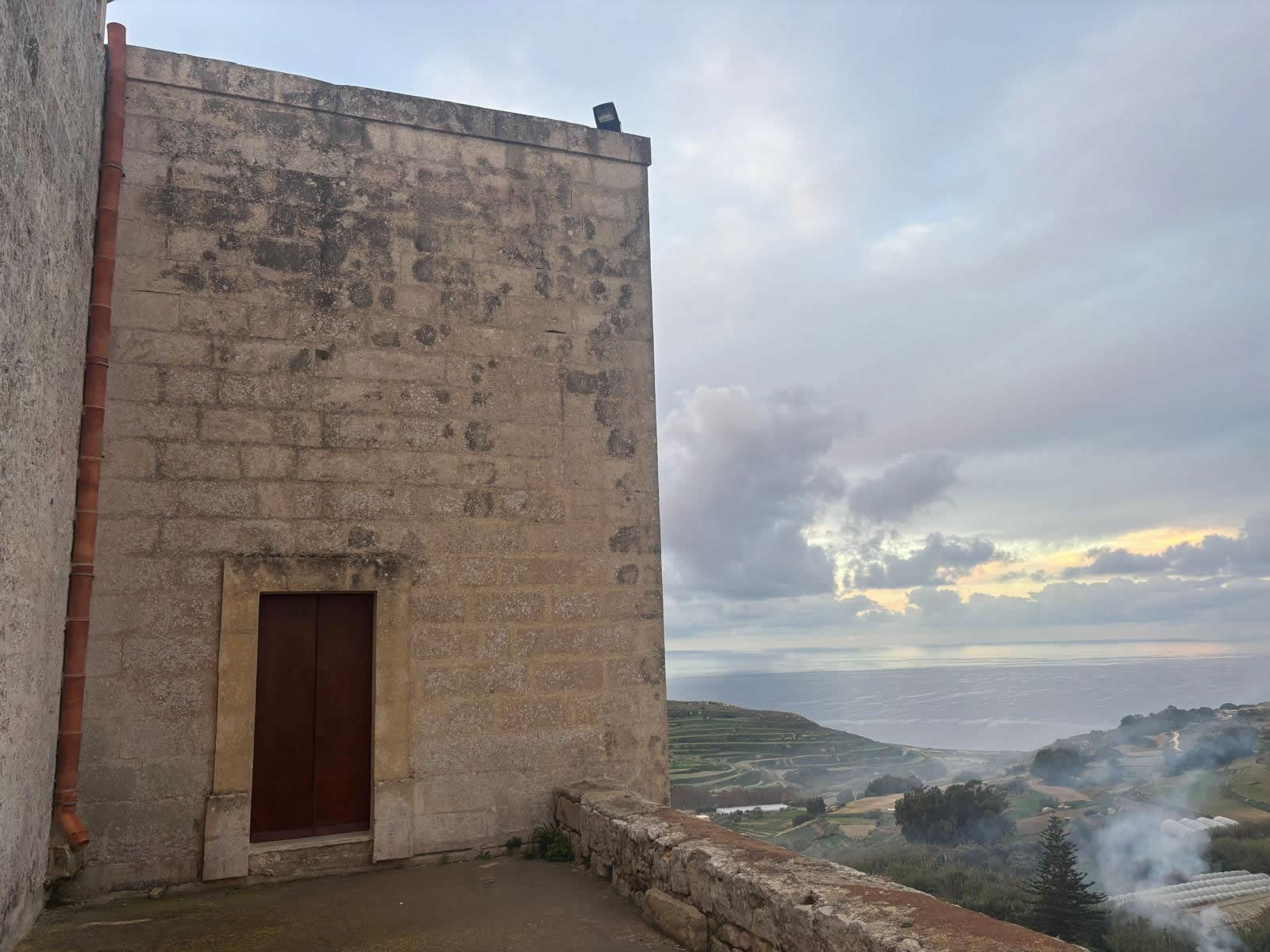
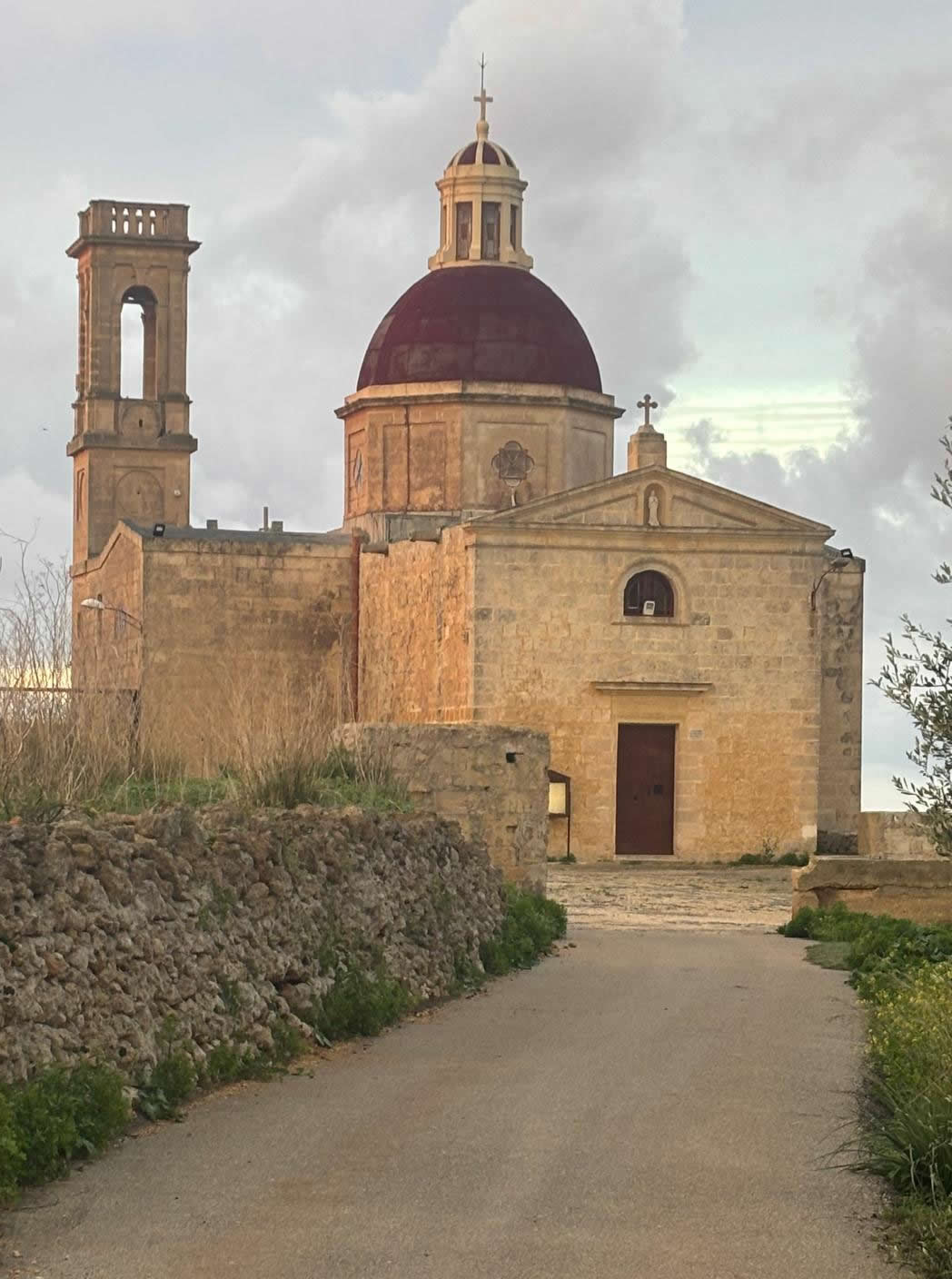
The Church of the Nativity of the Virgin Mary (often referred to locally as Marija Bambina) stands at l-Imtaħleb, a secluded rural landscape within the limits of Rabat. Set on higher ground above the surrounding fields and farmsteads, the church is both a devotional landmark and a visual symbol of Imtaħleb’s traditional agricultural character.
Origins and the earlier church recorded in 1575
A key historical reference for Imtaħleb is the pastoral visitation of 1575 by Msgr Pietro Dusina. In his report, Dusina records that on this same site there stood an “very old church” known as Santa Marija ta’ Monte Calibbo. This establishes the presence of a Marian sanctuary at Imtaħleb before the seventeenth-century rebuilding.
1607: foundation of the church seen today
The church in its recognisable, continuing form is described as beginning in 1607. It was built to replace the older structure by the Castelletti family and was given the title of the Nativity of Our Lady.
The foundation also reflects a common pattern in Maltese rural churches: private patrons endowing a sanctuary with obligations for Masses and upkeep. In this case, Vincenzo Castelletti is recorded as leaving an annual sum to ensure a fixed number of Masses each year, including regular monthly worship and a special celebration on 8 September.
Repair or rebuilding around 1656
The church’s fabric did not remain static. Around 1656, it is recorded that the church appears to have been rebuilt again, or at least significantly repaired. This is an important “modification marker” for your emalta.com timeline, since it indicates a major intervention within the seventeenth century.
Construction and architectural character
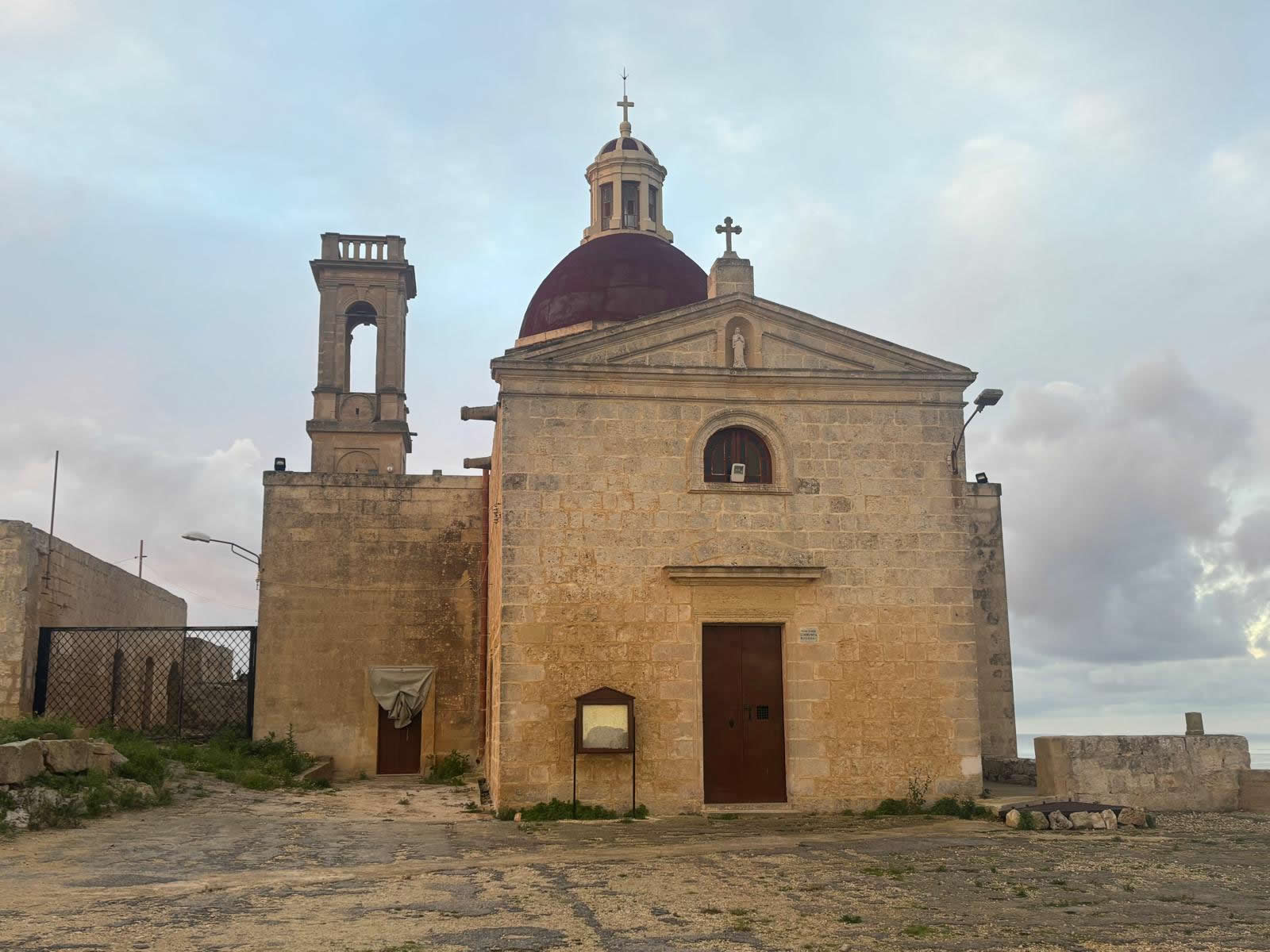
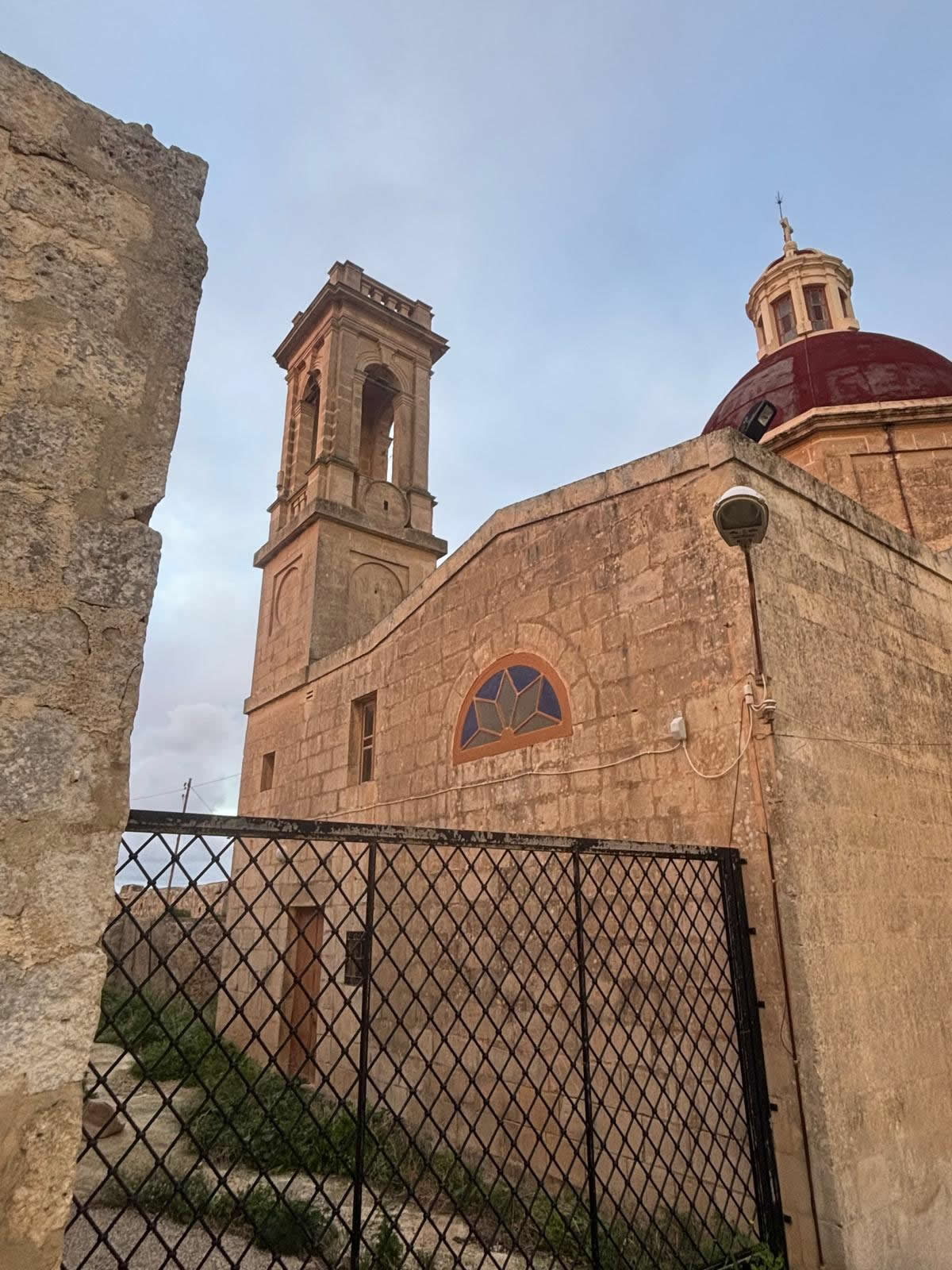
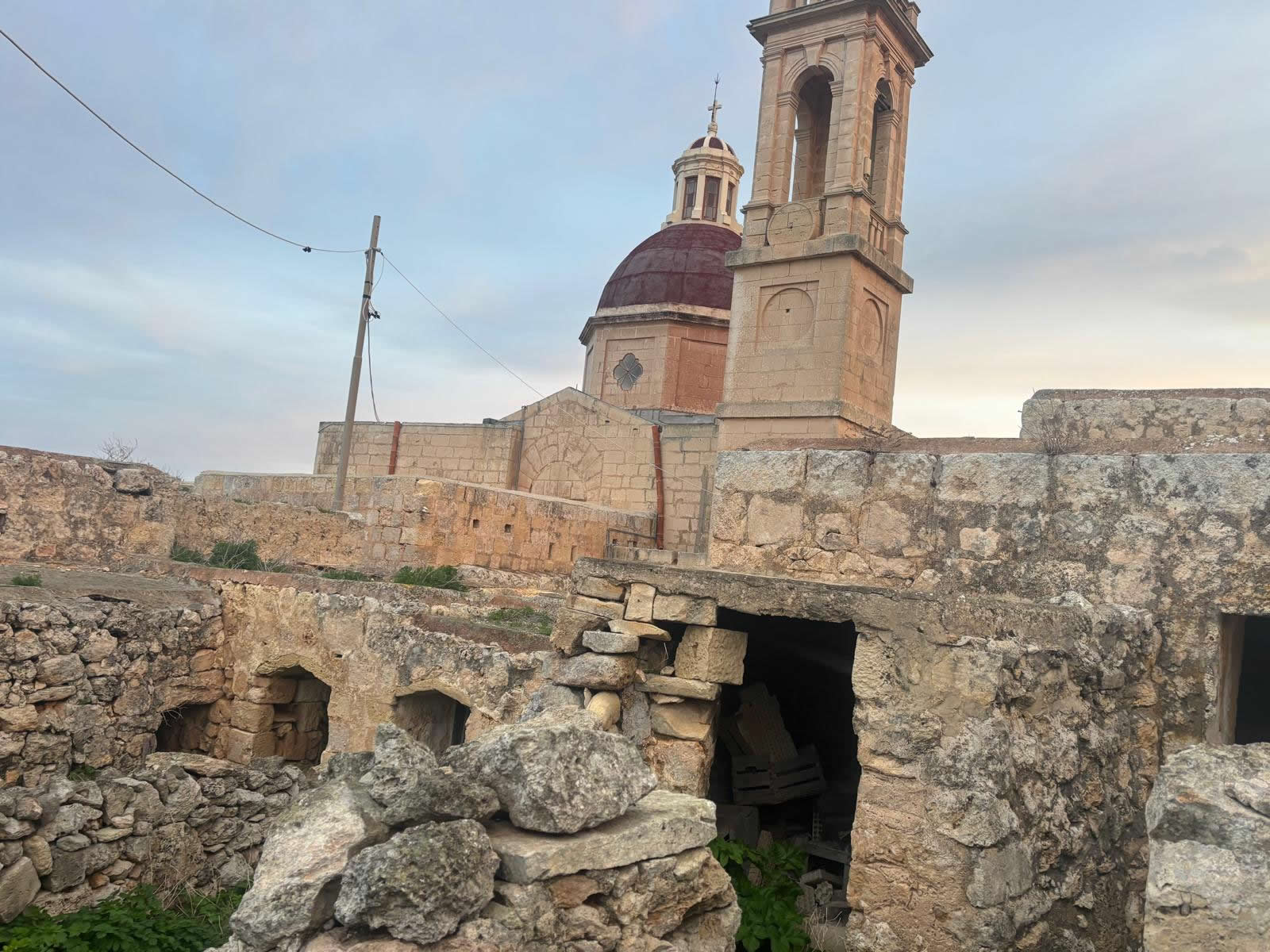
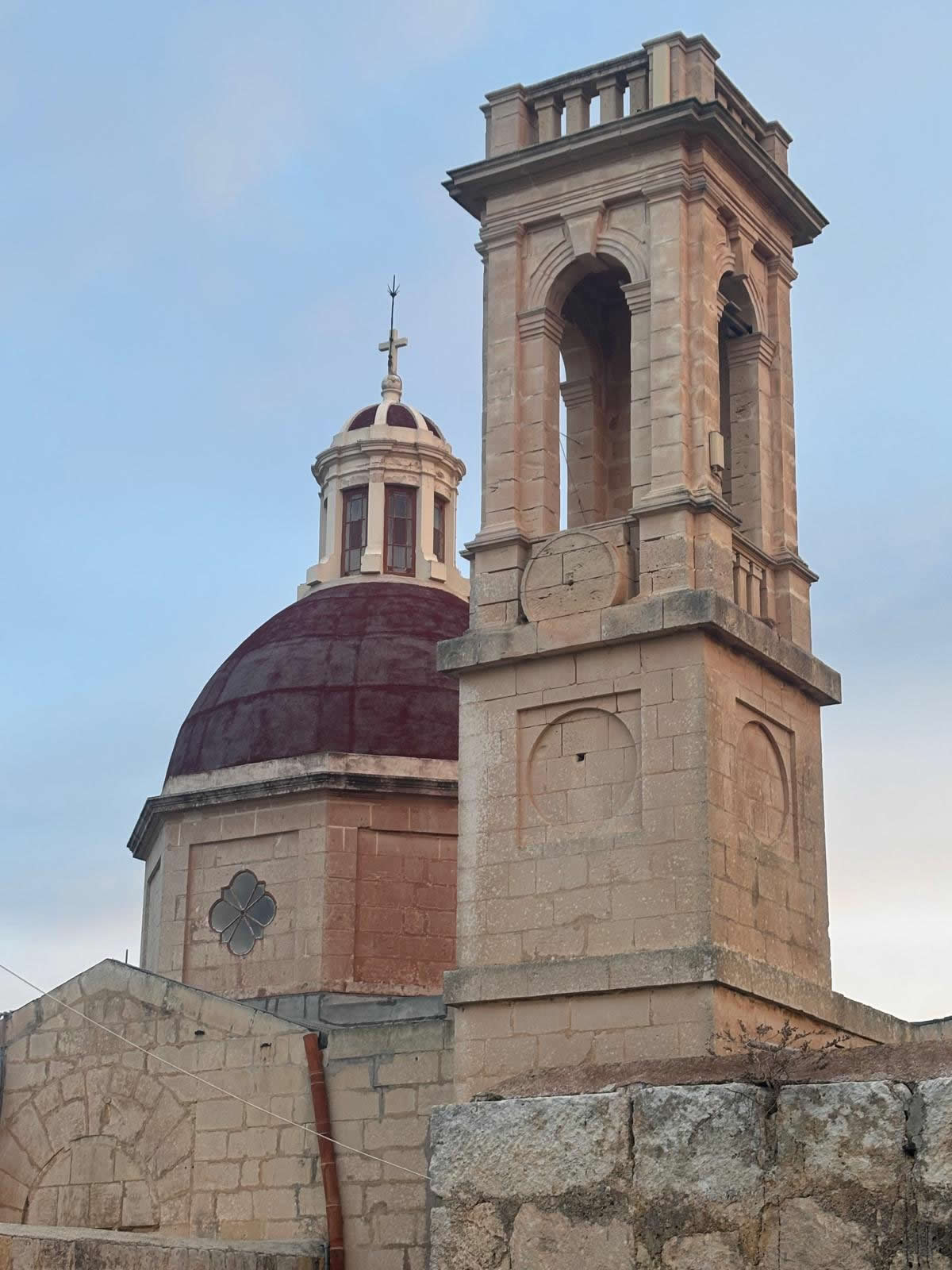
Built in local limestone, the church is notable for the way it dominates the landscape from the higher ground of Imtaħleb. Its present silhouette is strongly influenced by twentieth-century works (see below), which introduced a dome and a bell-tower, but the underlying site history remains rooted in the early modern period.
What to document for maximum accuracy on emalta.com:
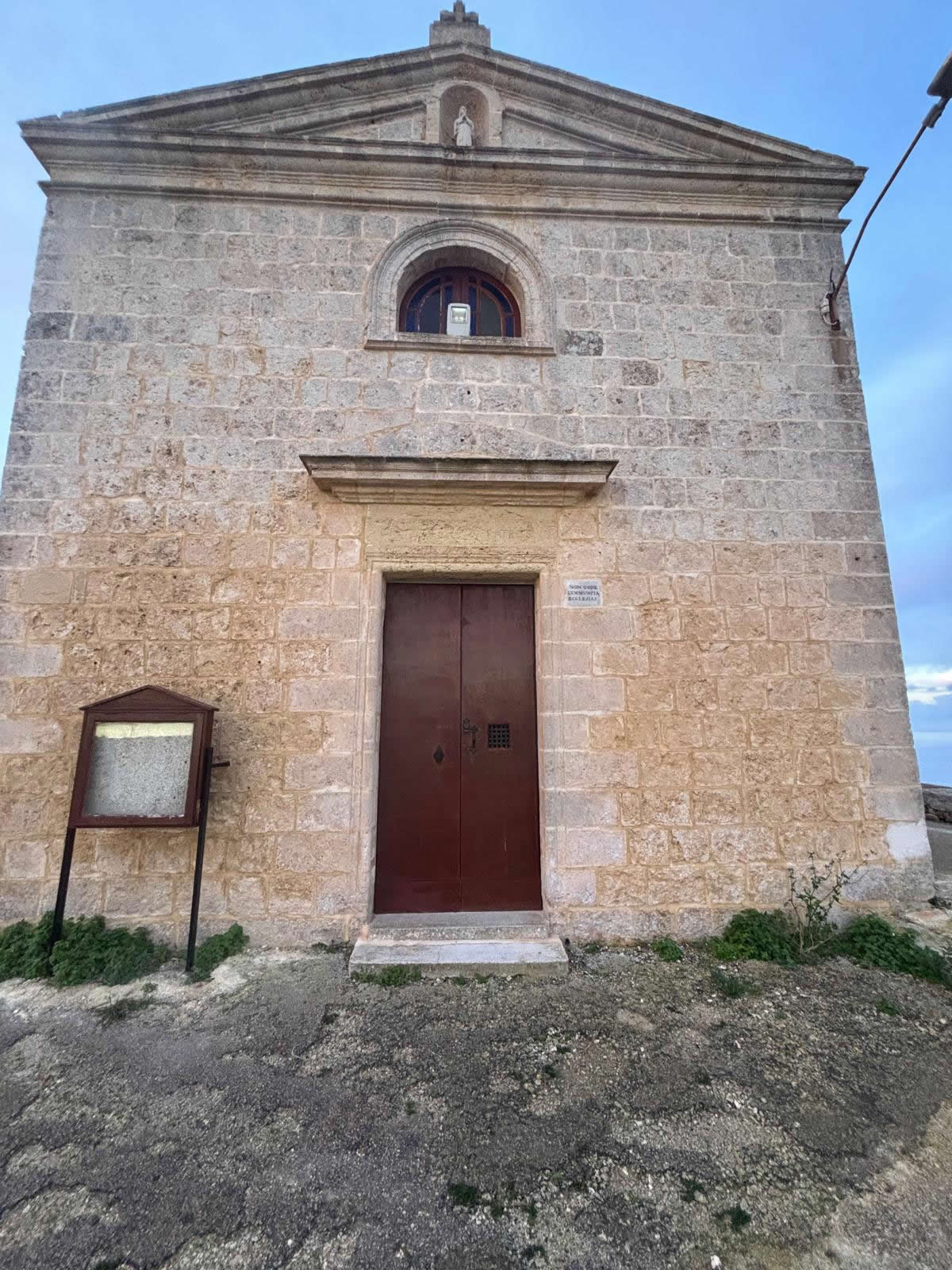
If you can photograph any foundation inscription(s), dated bell(s), or dated stone plaques, you can add them as primary evidence to refine the timeline
beyond the key dates already recorded in published sources (1575 / 1607 / c.1656 / 1950s).
Altarpiece and devotional objects
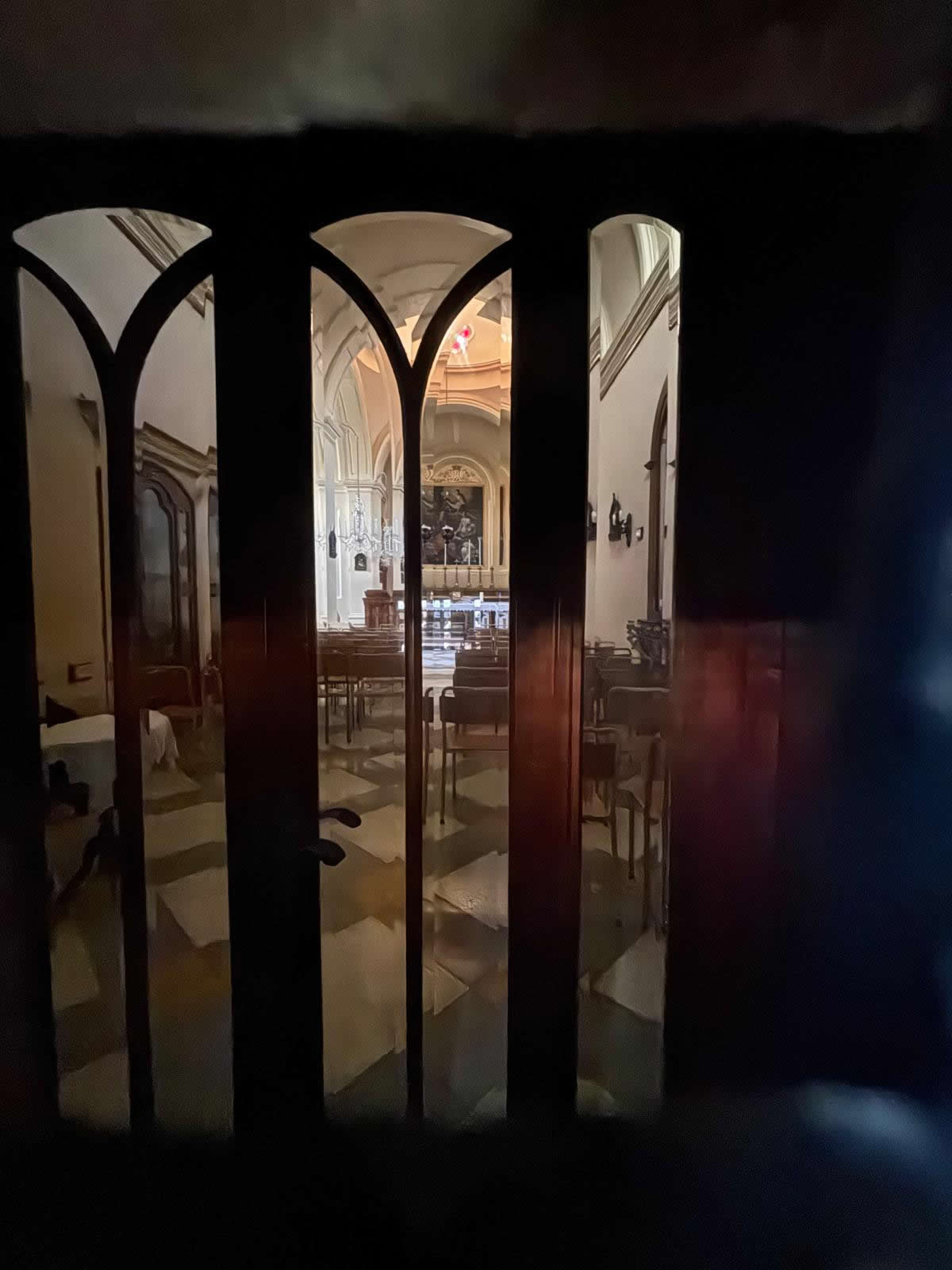
The titular painting is described as showing St Anne holding the infant Virgin, accompanied by other saints (including St Andrew, St Thomas Aquinas and the Guardian Angel). A donor figure connected with the Castelletti family is also depicted, reflecting the chapel’s patronage history.
Additional paintings include one depicting St Paul Shipwrecked and another of the Holy Family, attributed in the published account to Carmelo Spiteri. The church also houses a cherished statue of Marija Bambina associated with the sculptor Giuseppe Caruana (“il-Marcioll”).
Major modification: the 1950s enlargement
A major transformation occurred in the 1950s. The church was enlarged: two side chapels and a choir were added; the altar area was crowned with a dome; and a bell-tower was built on the left side, enhancing the church’s profile and completing the architectural composition.
Use, feast and living tradition
The church has long been linked with Marian devotion focused on the Nativity of the Virgin Mary. A traditional celebration is held on 8 September (a date of major Marian significance in Malta and popularly associated with Victory Day). Local accounts describe a small but lively traditional feast at Imtaħleb which draws Rabat families and visitors who come to enjoy the rural setting.
Visiting notes
- Setting: rural roads and countryside tracks; plan for uneven terrain and limited parking.
- Respect: treat as a religious site; access may depend on feast days or arranged openings.
- Best on-site documentation for emalta.com: façade, bell-tower, dome, any dated stones/inscriptions, and interior paintings (if accessible).
Further reading on emalta.com
Built: present church begins 1607 (replacing an older church recorded in 1575).
Modified: repaired/rebuilt around 1656; substantially enlarged in the 1950s (side chapels, choir, dome, bell-tower).