Good Hope Chapel (Knisja tal-Madonna tal-Isperanza), Mosta

Heritage - Places - Travel - Guides - Contact - Chapels - Good Hope Chapel

📍 Location

Location Map Coordinates 35.9095724, 14.4192968

Google Map Link

Mosta • Wied tal-Isperanza • Chapel above a sacred cave

Good Hope Chapel (Knisja tal-Madonna tal-Isperanza), Mosta

The Good Hope Chapel—also known as Tal-Isperanza—is a beloved countryside chapel on the outskirts of Mosta, perched above a cave in Wied tal-Isperanza. The present building was constructed in 1760–1761 and is closely associated with a local legend of a woman who escaped a corsair raid by hiding inside the cave and praying to the Virgin Mary.

Good Hope Chapel (Tal-Isperanza)
Address: 4 Triq il-Kapella ta' l-Isperanza, Mosta Coordinates: 35.9095724, 14.4192968 Built: 1760–1761 Major additions: bridge (1905), lantern (1919) Restored: 2007 Still in use: active chapel
Build-date confirmation: authoritative summaries date the construction of the present chapel to 1760–1761. Later modifications include the Tal-Isperanza Bridge (1905), cave works in 1913, a dome lantern added in 1919, an altar blessing in 1966, and restoration works carried out in 2007.
Good Hope Chapel (Tal-Isperanza)

Full detailed history
Good Hope Chapel (Tal-Isperanza)

Origins: the cave and a living legend

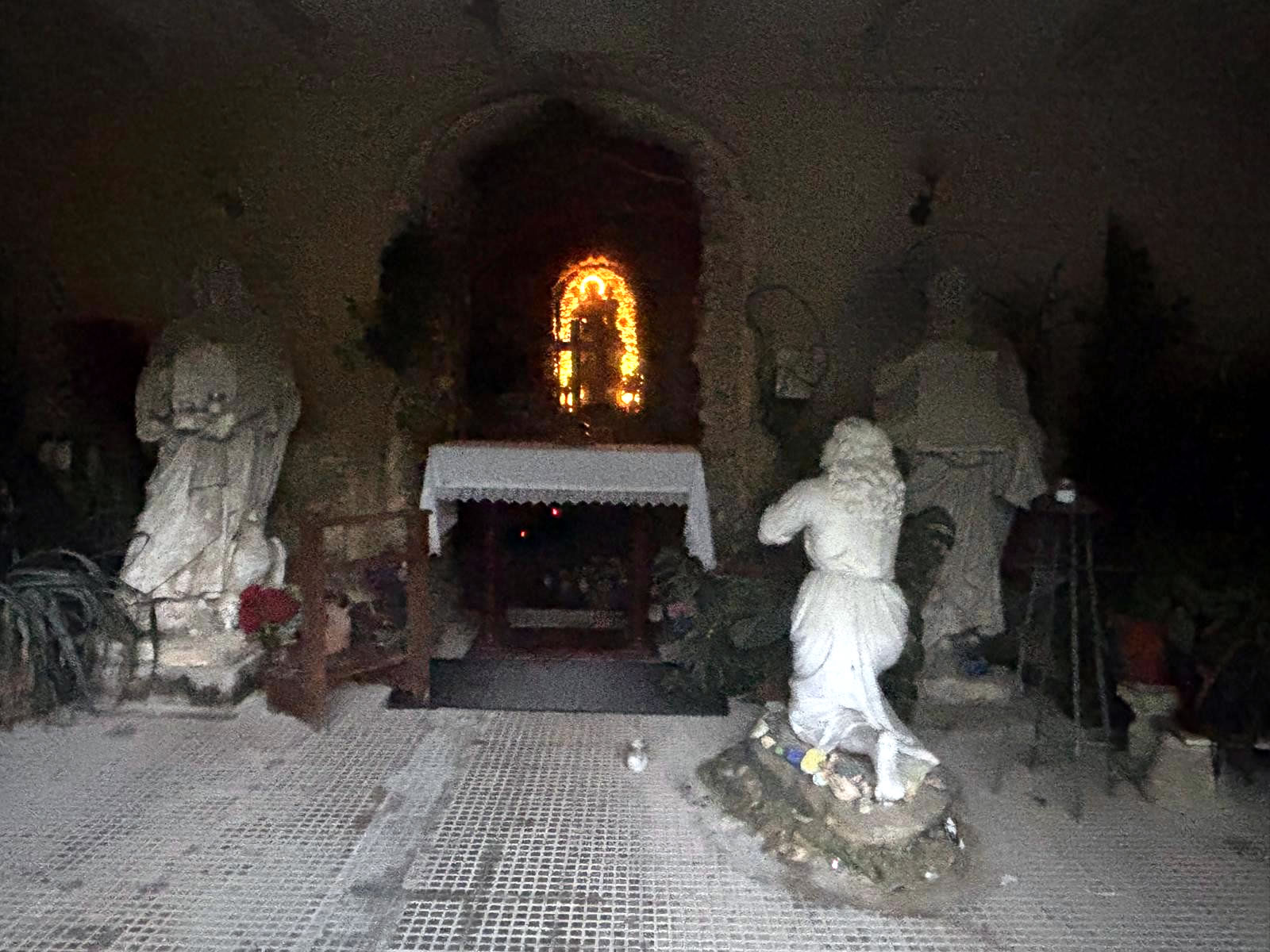
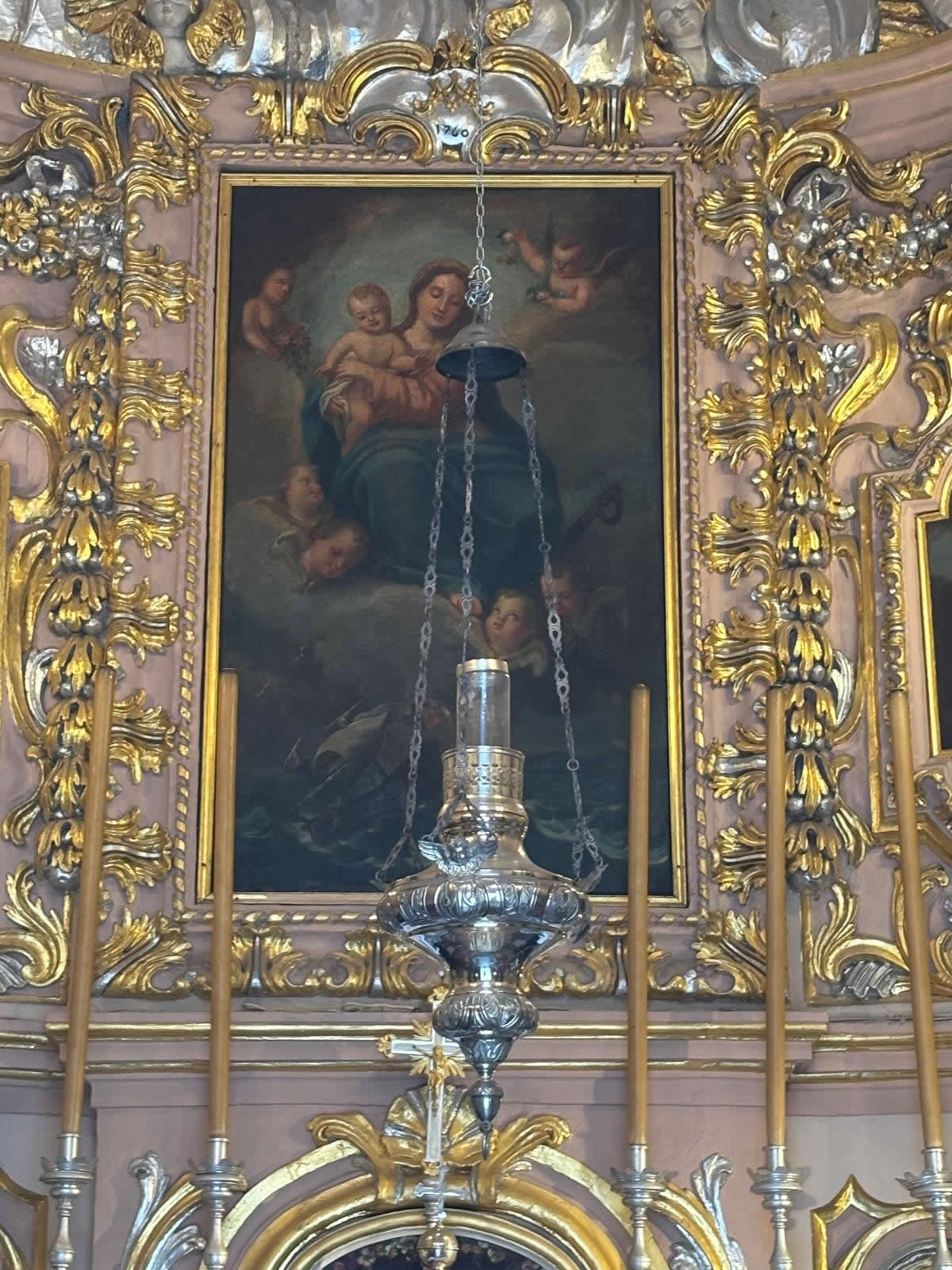
The chapel’s identity is inseparable from the cave beneath it. The most widely repeated tradition tells of a young woman (often described as a Mosta resident) pursued during a raid by Barbary corsairs. She hid inside the cave and prayed; the attackers saw undisturbed cobwebs at the entrance and moved on, and the episode was remembered as miraculous—prompting the construction of a chapel in thanksgiving.
Good Hope Chapel (Tal-Isperanza)

Pre-1760 religious significance

Modern accounts also note the possibility that the cave had devotional significance before the 18th century. It has been associated in some summaries with a consecrated cave visited during the 1575 apostolic visitation of Pietro Dusina (an identification reported as “sometimes” made, rather than universally confirmed).
Good Hope Chapel (Tal-Isperanza)

1760–1761: construction of the present chapel

The Good Hope Chapel as seen today was built in 1760–1761. Its position—literally over the cave—turned a local story and place of shelter into a formalised sanctuary of Marian devotion for Mosta and beyond.
Good Hope Chapel (Tal-Isperanza)

Late 19th to early 20th century: growth of the devotion

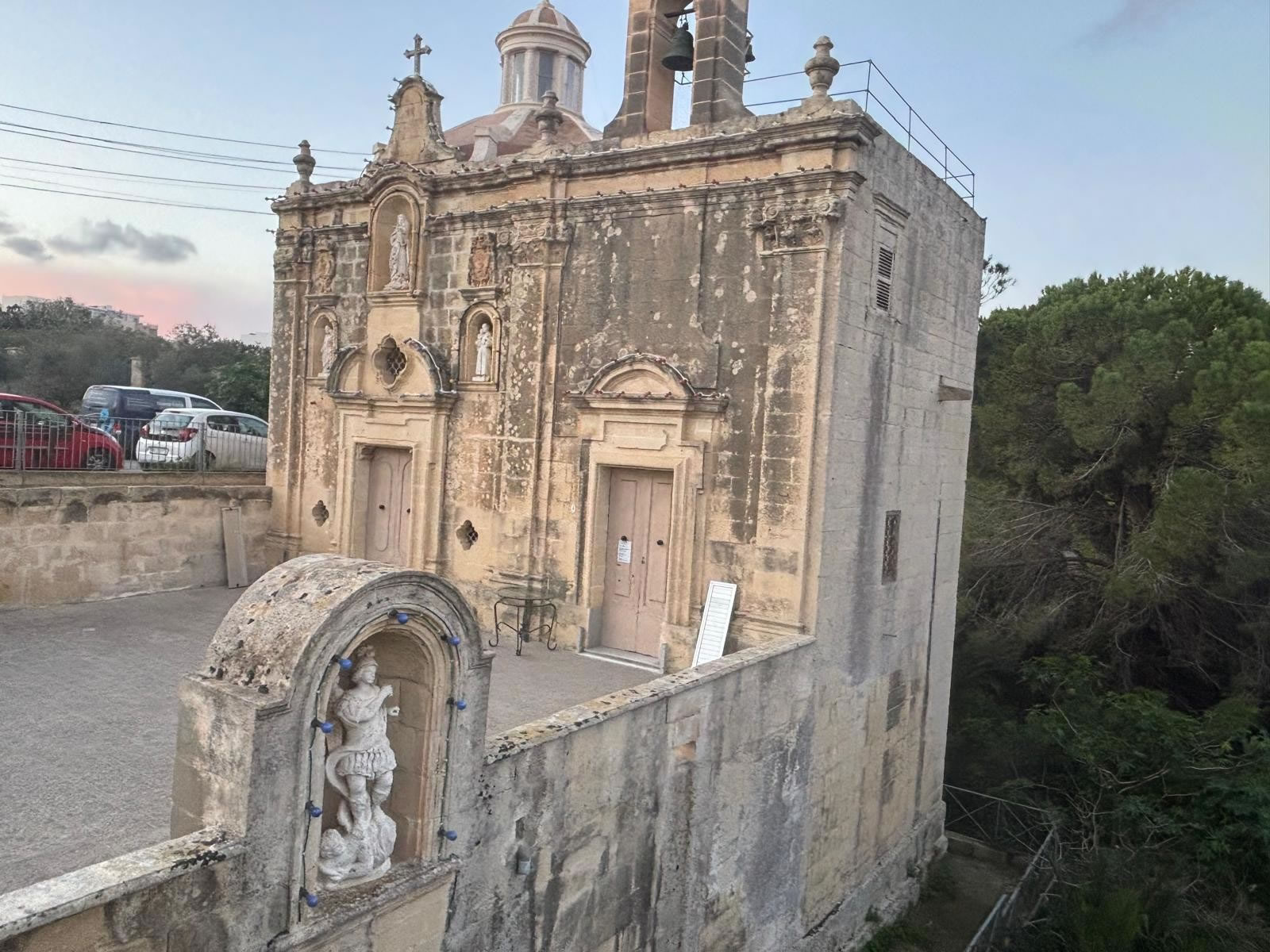
From the late 1800s onward the site gained new features that shaped the approach and visitor experience: the parvis was enlarged in 1896, a stone arched bridge (now known as the Tal-Isperanza Bridge) was built in 1905, and the cave itself was renovated in 1913, including the installation of a Madonna statue; a roof lantern was added atop the dome in 1919.

Mid-20th century to today

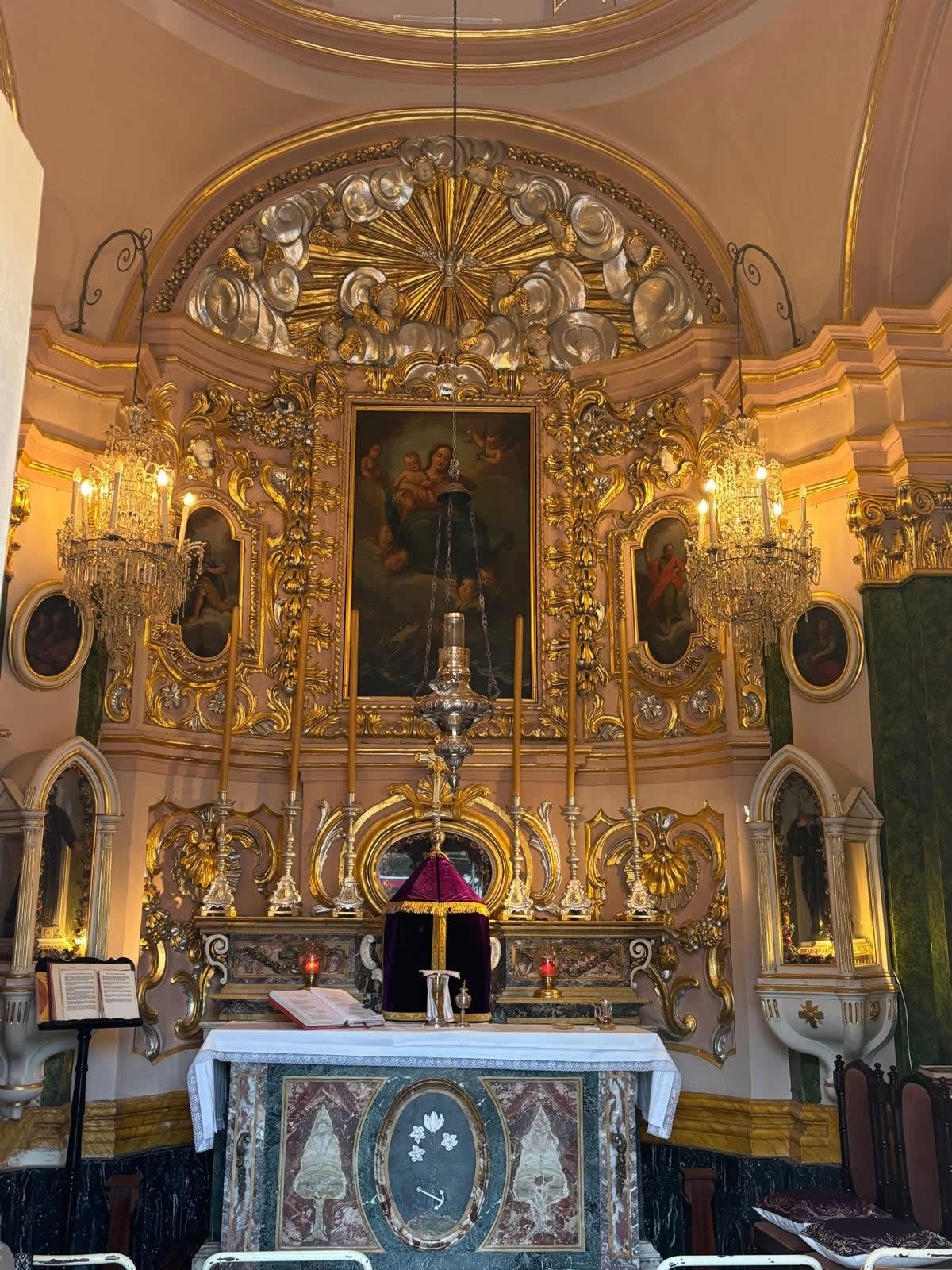
A new altar was blessed in 1966, showing continued liturgical use into the modern period. The chapel remains active and is reported in good condition.
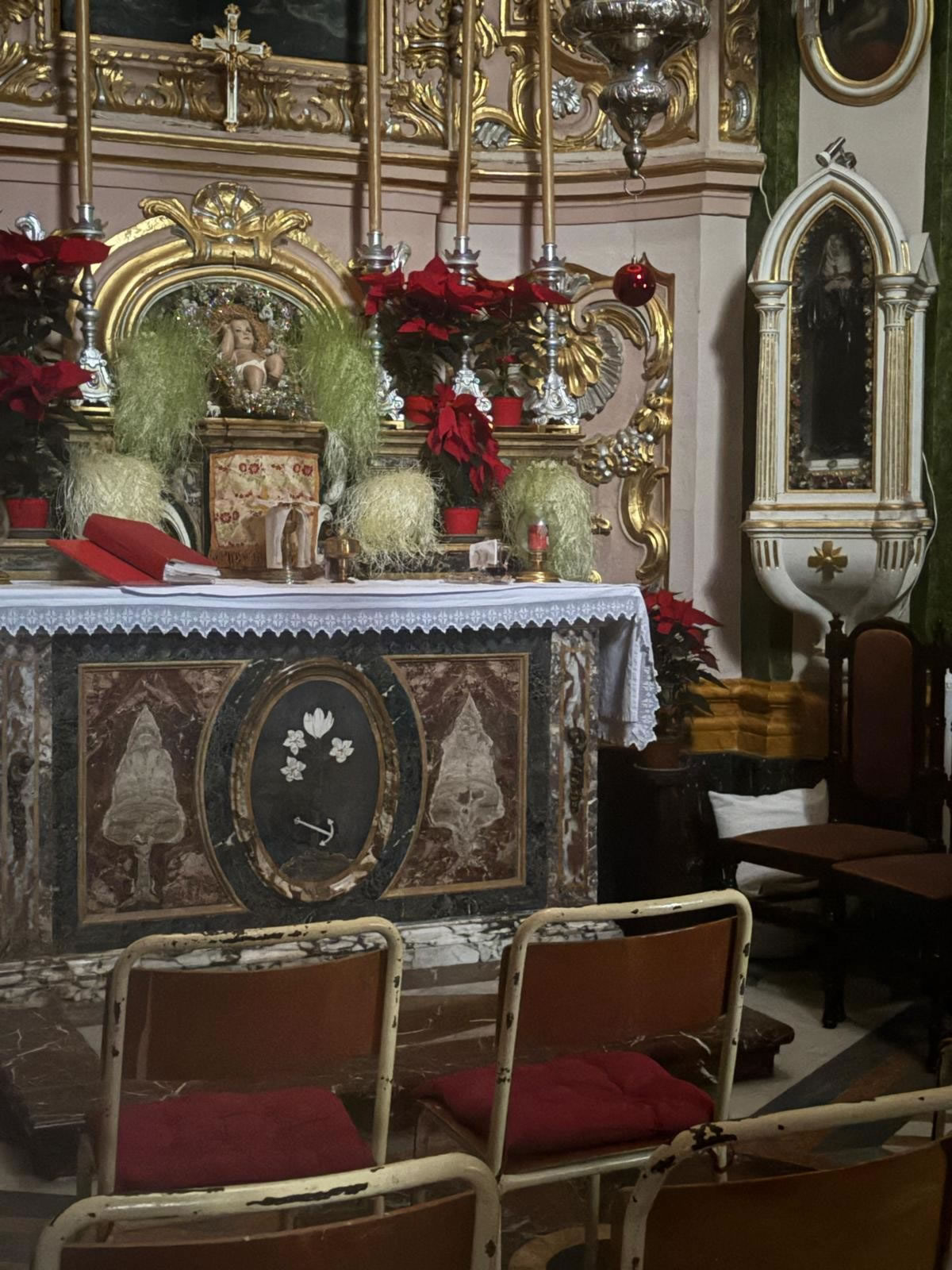
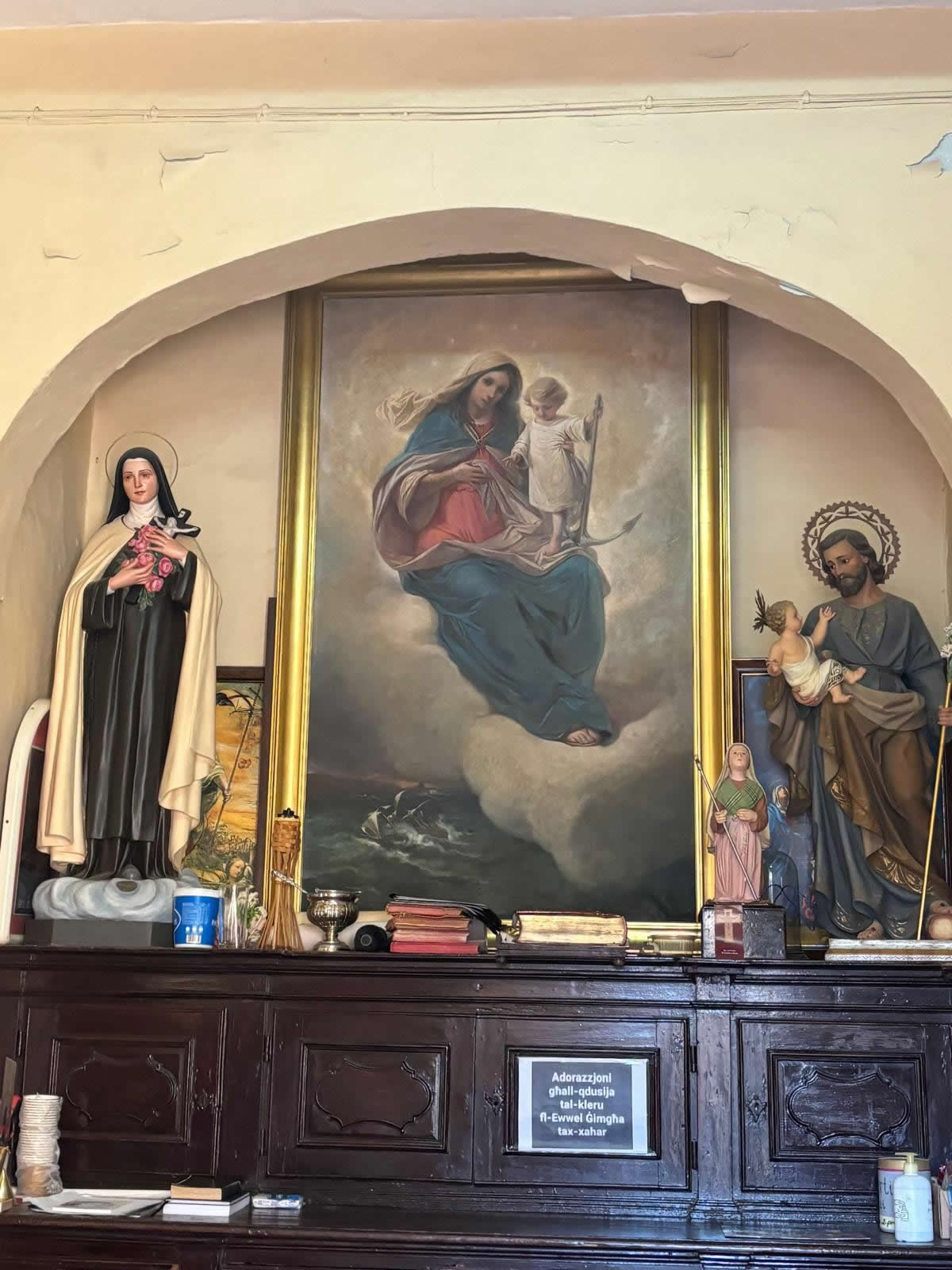
Construction and architectural description

Baroque composition, scaled to a countryside chapel

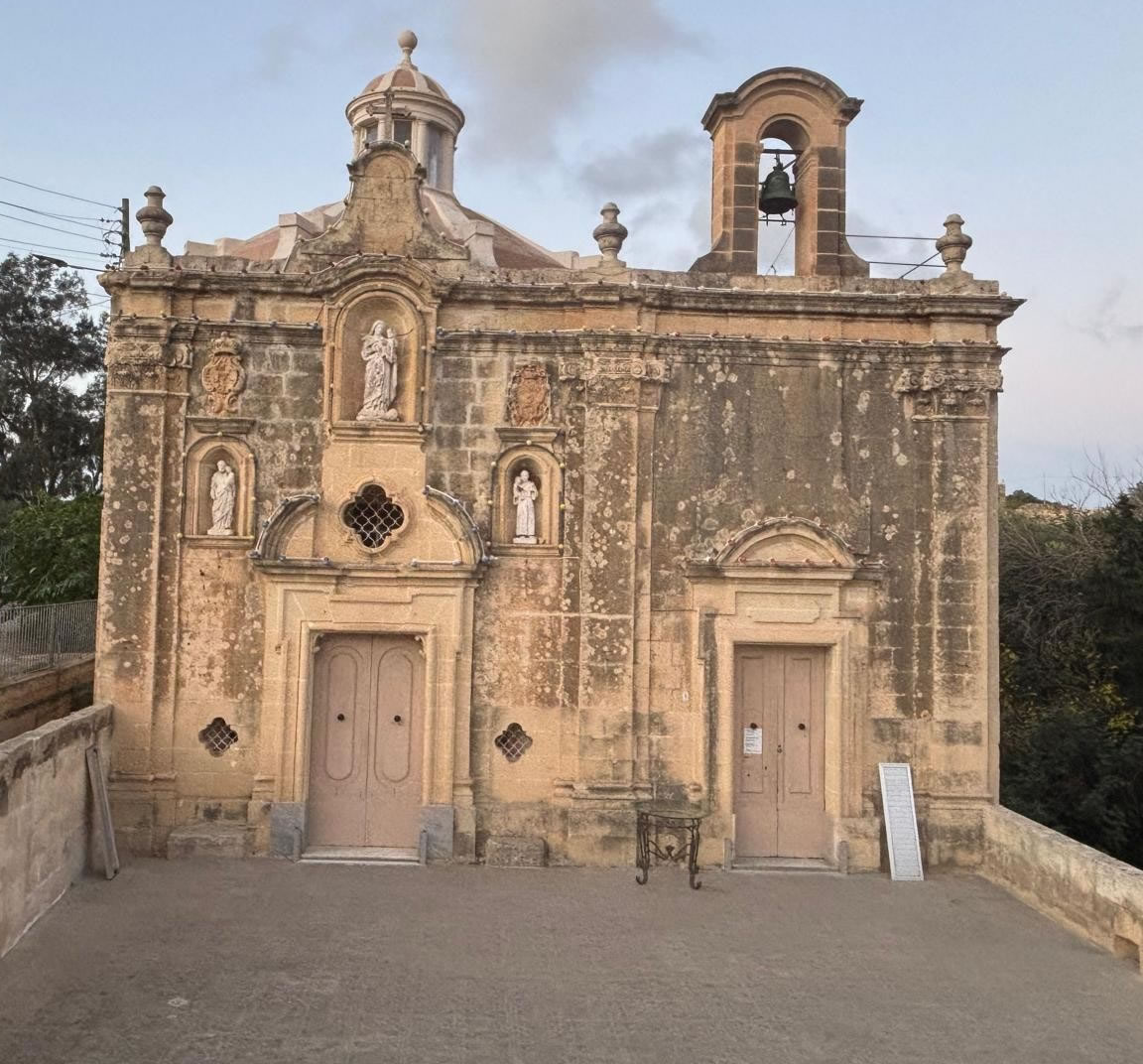
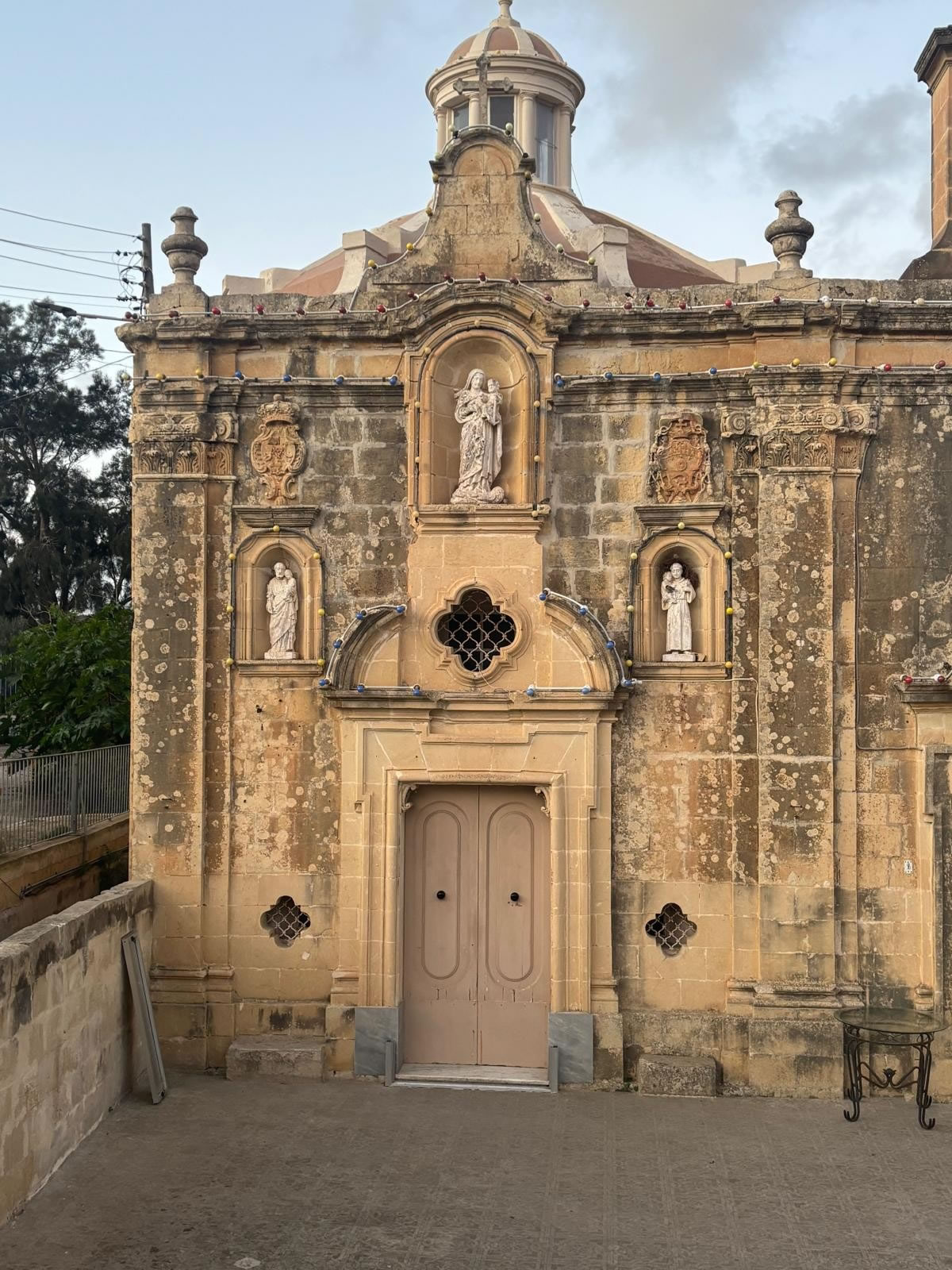
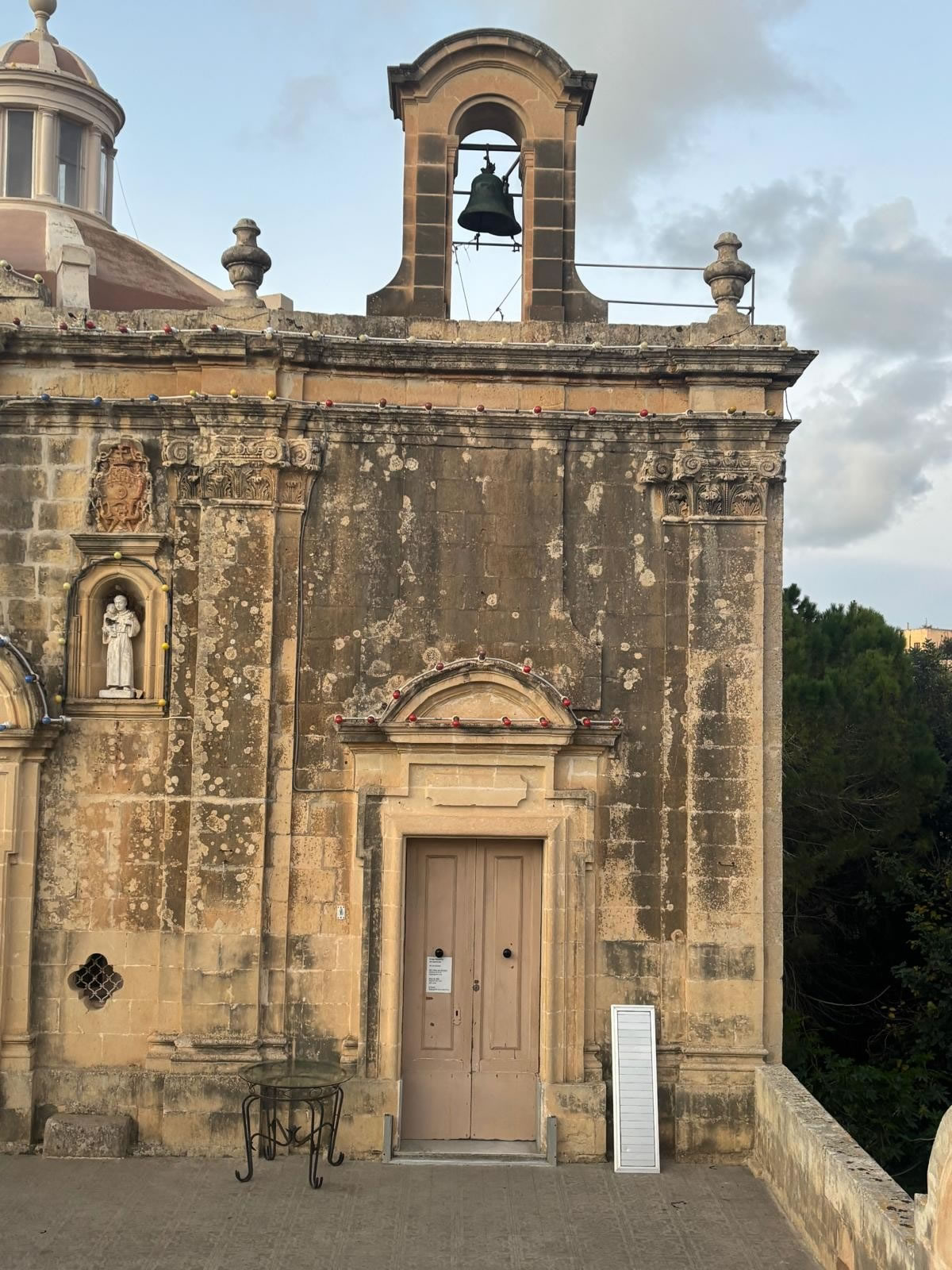
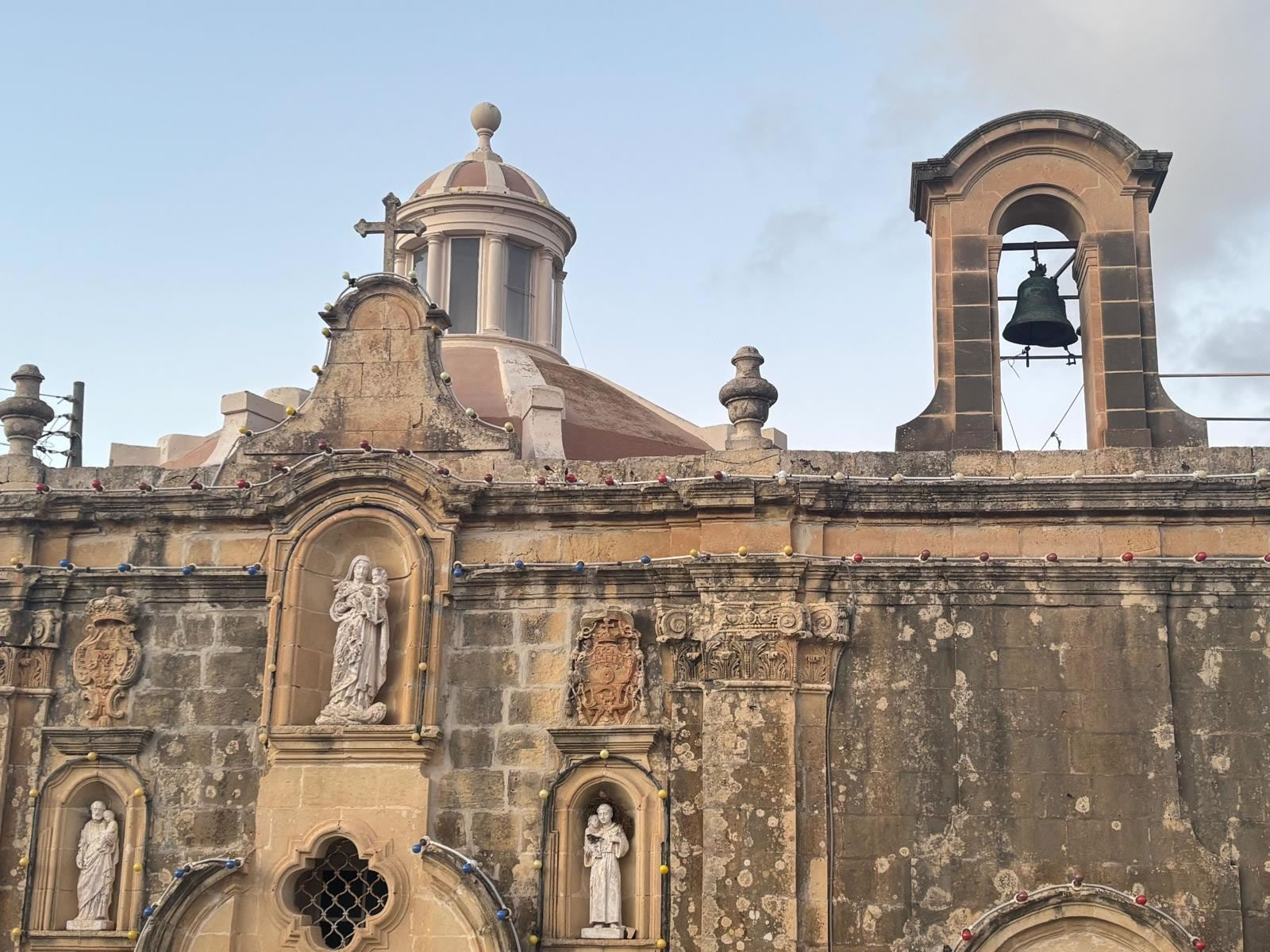
The chapel is an example of Maltese Baroque design adapted to a modest footprint. Its façade is described as divided into two parts by pilasters, with a main portal and decorative elements including flower-shaped windows, niches with statues, and heraldic details associated with the period of construction.

Façade details and devotional statuary

  • Main doorway topped by a broken/segmented pediment and a distinctive window form above.
  • Central niche with a statue of the Madonna and Child; additional side niches with saints.
  • Coat of arms and monograms reported on the façade, reflecting patrons and Marian devotion.
Good Hope Chapel (Tal-Isperanza)

The cave beneath

The cave is part of the site’s religious meaning and a focal point for visitors. Renovation works in 1913 formalised the cave space for devotion, including a statue installed there.

Restoration and conservation

2007 restoration works

Published summaries record a restoration campaign carried out in 2007, supervised by the architect Chris Grech. While brief, this reference is useful for confirming modern conservation attention to the building fabric and its exposed countryside setting.

Good Hope Chapel (Tal-Isperanza)

Typical conservation priorities for limestone chapels

  • Managing rainwater and roof junctions (especially around domes and lanterns)
  • Stone cleaning and salt/crust management without damaging historic tooling
  • Careful repointing using compatible, breathable mortars
  • Vegetation control around the parvis and approach paths
  • Respectful maintenance of cave access and visitor safety
Why this matters here: the chapel’s setting over a cave and beside a valley makes water management a long-term priority, both for the building and the cave environment.

Use: past and present

Good Hope Chapel (Tal-Isperanza)

Historic role

The chapel became a Marian devotional centre shaped by the story of protection and deliverance associated with the cave. Over time it attracted wider devotion, becoming a well-known countryside sanctuary linked to Mosta’s religious life.

Present-day use

The Good Hope Chapel remains active and is visited both for prayer and as a heritage stop. It is also included as a cultural visit on some Mosta itinerary/tour listings, reflecting its ongoing visibility and accessibility.

Timeline

1575 (reported link) Cave sometimes identified with a consecrated cave visited during Dusina’s apostolic visitation (reported as a possible identification).
1760–1761 Present chapel built over the cave.
1896 Parvis enlarged.
1905 Tal-Isperanza Bridge built next to the chapel.
1913 Cave renovated; statue installed in the cave.
1919 Roof lantern added on top of the dome.
3 Jul 1966 New altar blessed (Bishop Emanuel Galea).
2007 Restoration works supervised by architect Chris Grech.
Today Chapel remains in use and described as in good condition.
Good Hope Chapel (Tal-Isperanza)

Visiting notes

The chapel is found at 4 Triq il-Kapella ta’ l-Isperanza, Mosta. As with many Maltese chapels, opening may depend on local schedules or special occasions. The exterior, bridge and valley viewpoint are often the easiest ways to appreciate the site.

Respect the site: the chapel and cave are devotional places. Please keep noise low, avoid climbing on stonework, and leave no litter.