Location Map Coordinates 35.845576, 14.465869
L-Imqabba, Malta Coordinates: 35.845575, 14.465868 Historic chapel Our Lady of Sorrows
Overview
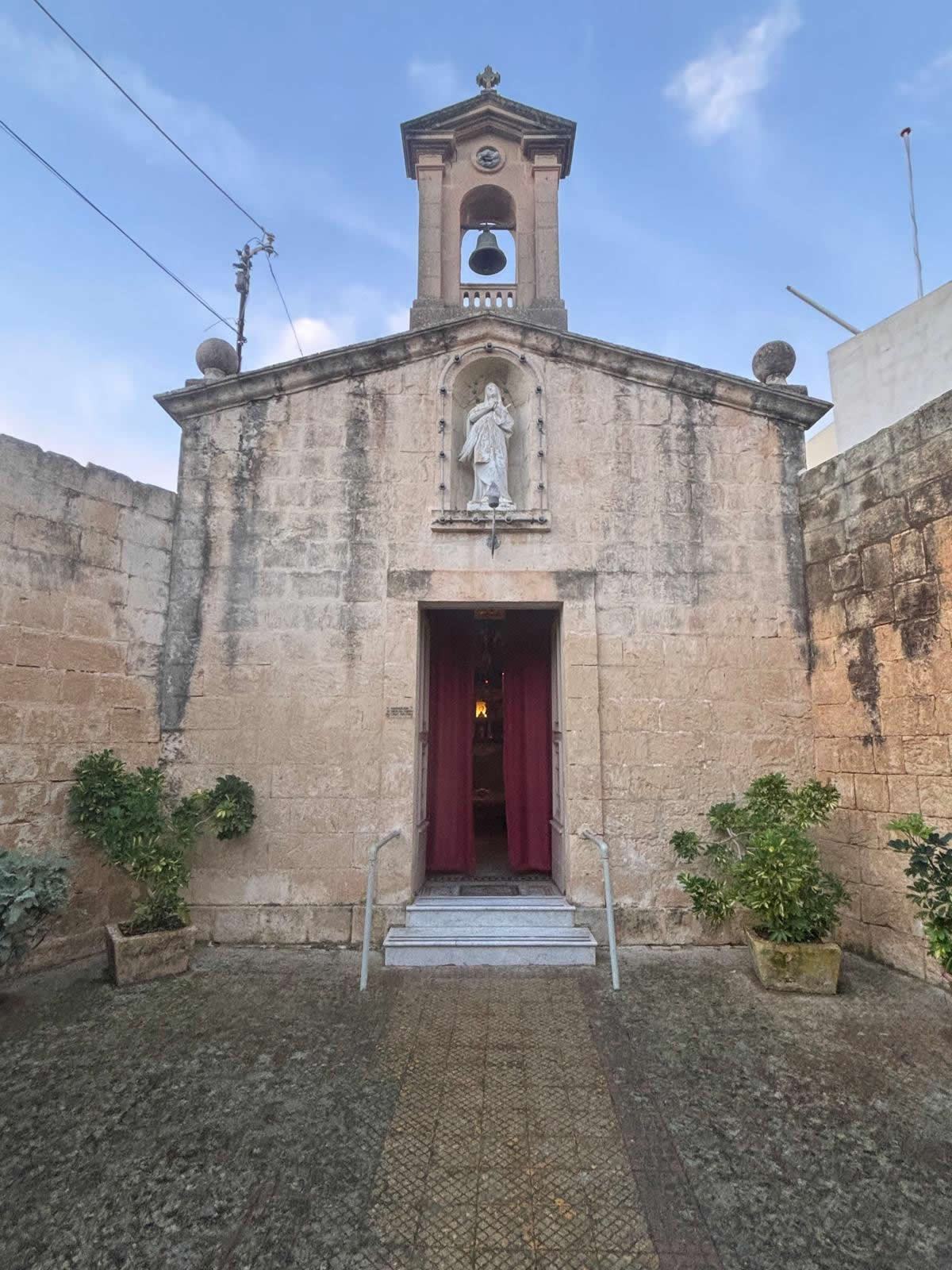
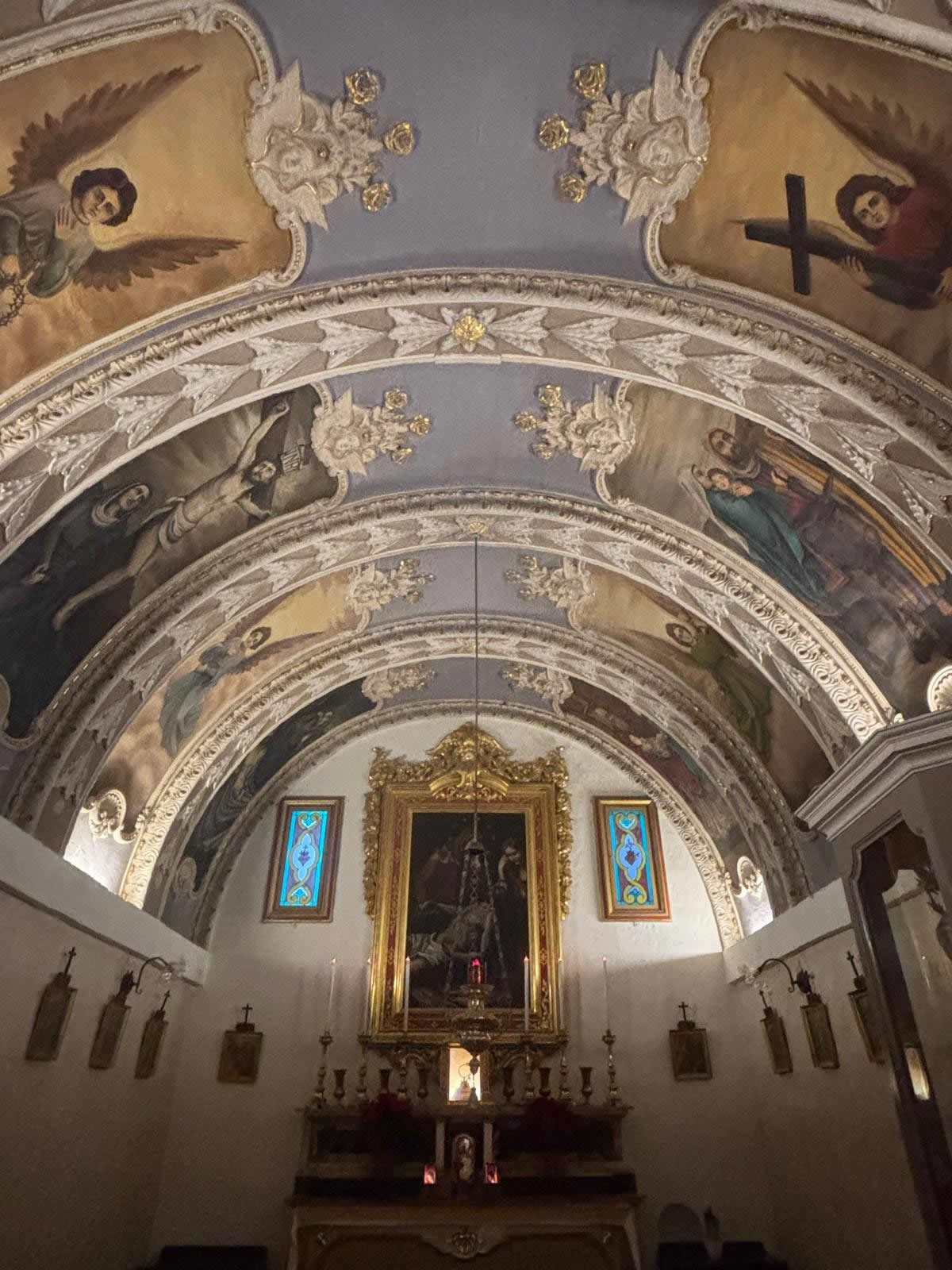
Kappella Madonna tad-Duluri is a historic Roman Catholic chapel in the heart of L-Imqabba. Known for being particularly well kept, it represents a typical Maltese story of continuity: an older countryside chapel serving early devotion, later rebuilding for a growing community, a change of dedication reflecting new devotional emphasis, and renewed local care through modern times.
When it was probably built
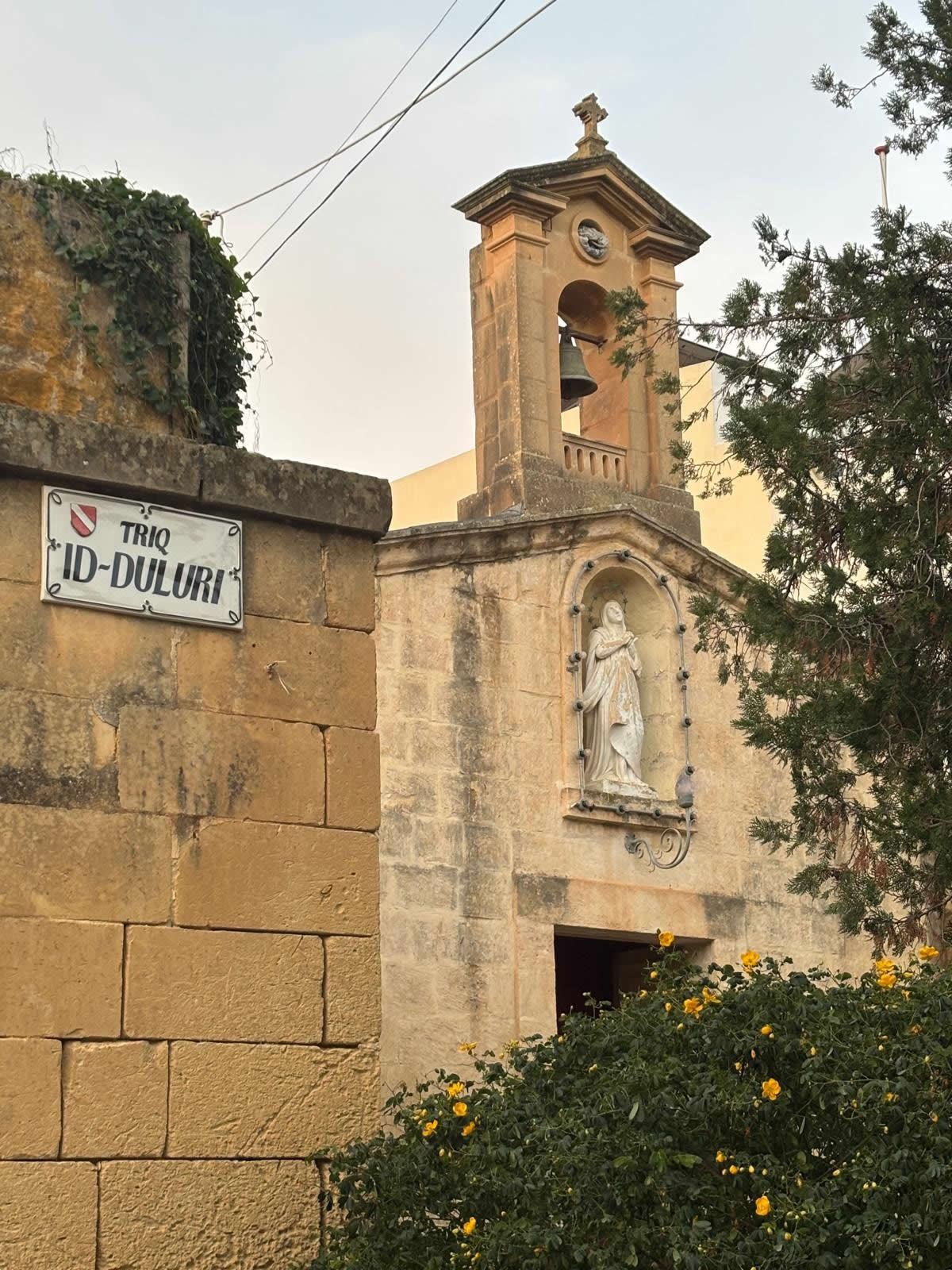
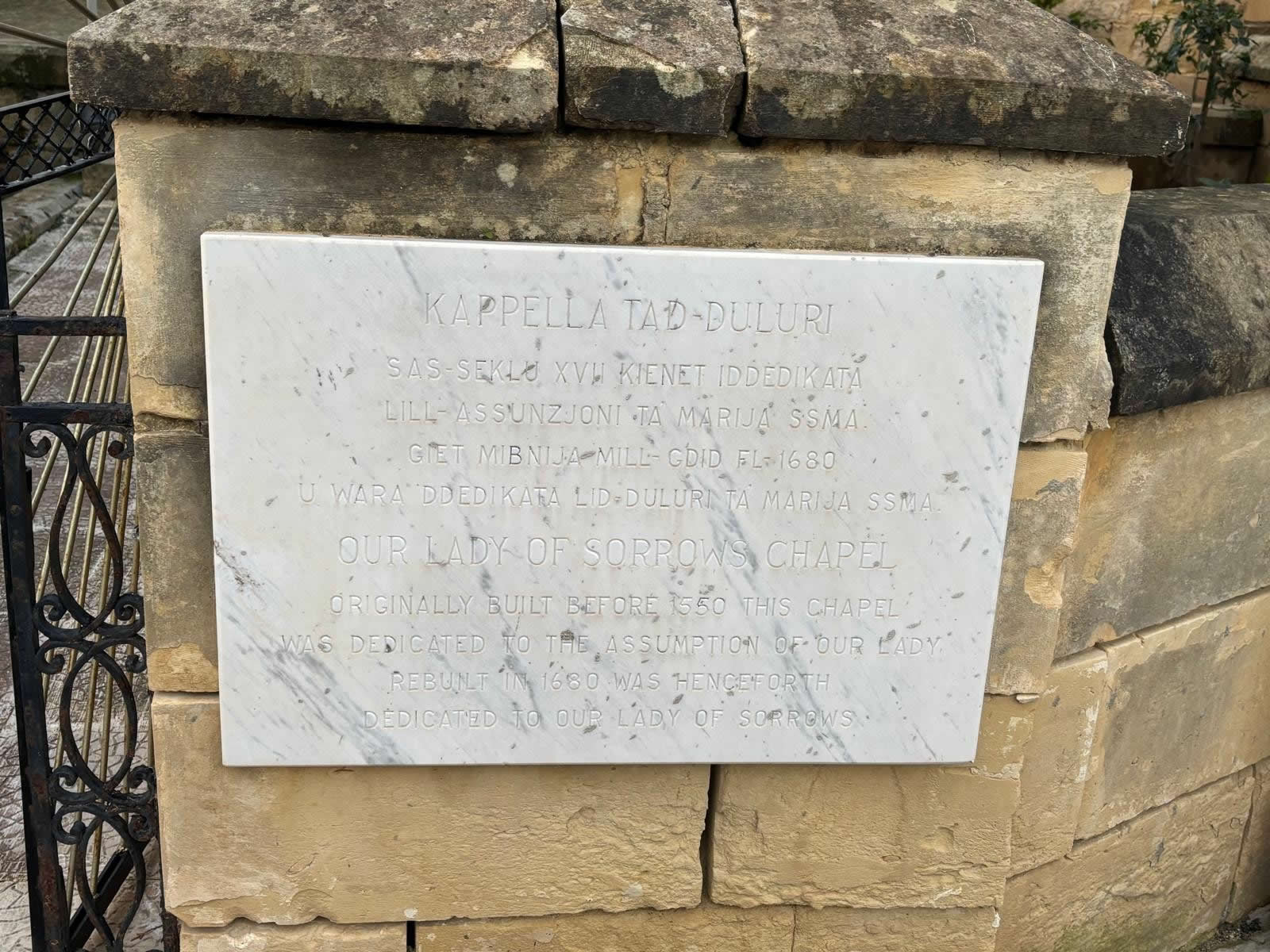
The chapel’s earliest origins are generally considered to pre-date the mid-16th century (often described as before c. 1550). In some historical summaries, the original building on this site is described as even earlier (sometimes “prior to 1500”), but the safest and most commonly repeated dating for “probable built” is that the first chapel existed before 1550.
In other words: the current chapel is not “medieval fabric preserved intact”; rather, the site is early, while the present building largely reflects the later rebuilding (1680) and subsequent repairs.
Early history: the older dedication and the cemetery
Before it became known as the chapel of Our Lady of Sorrows, the earlier chapel on this site was associated with a different Marian dedication: it was remembered as dedicated to the Assumption of Mary. Local tradition also connects the chapel’s forecourt with a former burial ground, reflecting how chapels often served as focal points for both worship and community life.
Historical church visitations in the late 16th and early 17th centuries frequently comment on the state of rural chapels in Malta—sometimes ordering repairs, boundary walls, or improved maintenance. Such records provide context for why many older chapels were later rebuilt rather than merely patched.
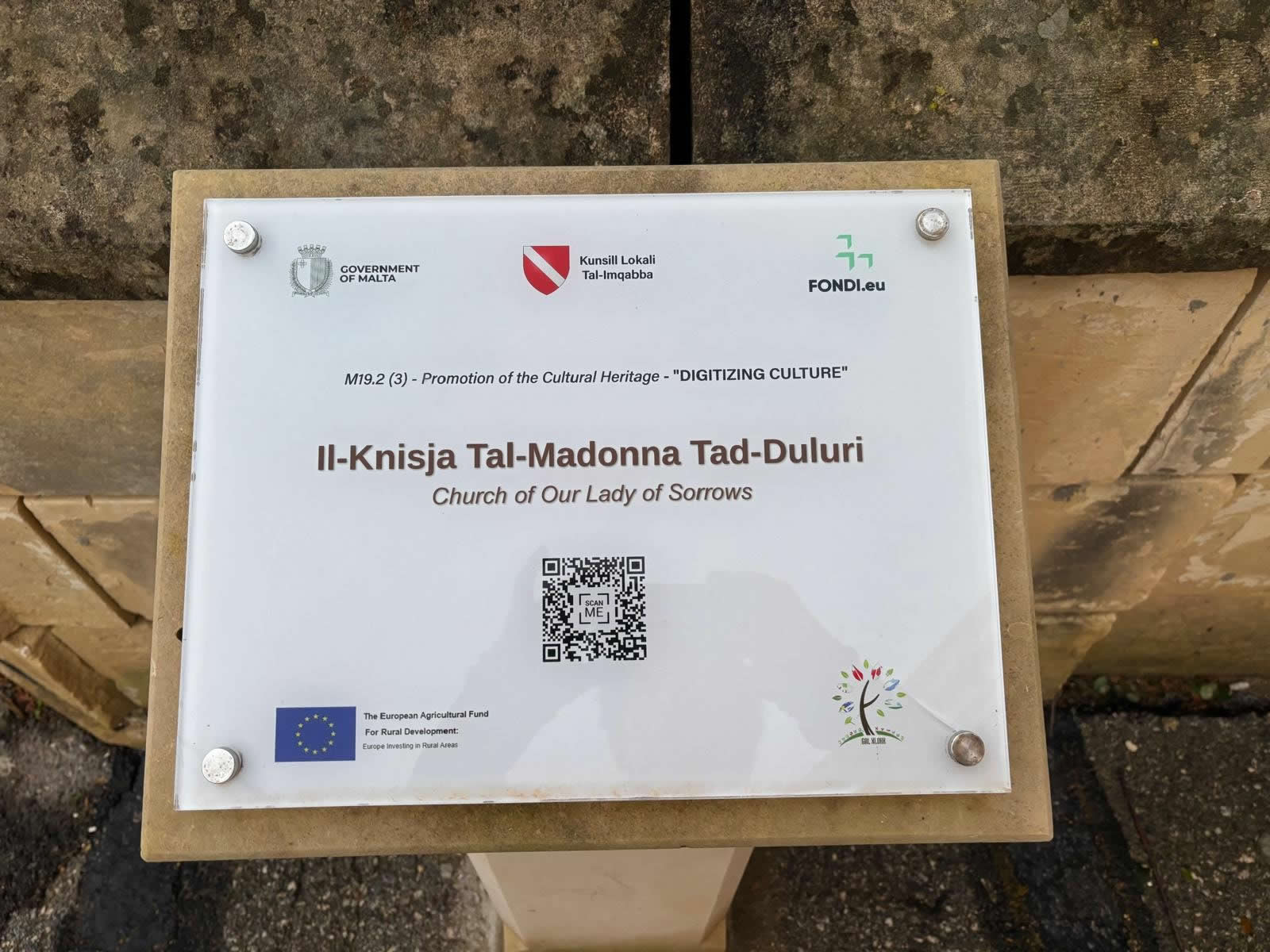
Rebuilding in 1680
By the late 1600s the earlier structure was considered insufficient for the faithful. The chapel was therefore rebuilt in 1680, a key milestone that shaped the building as it is generally recognised today.
Key dates (quick timeline)
- Before c. 1550 – Probable origin of the earlier chapel/site (traditionally even earlier).
- 1680 – Rebuilding of the chapel, creating the principal fabric of the present structure.
- 19th century – Revival/restoration phase and rededication to Our Lady of Sorrows (see below).
- 20th century – Wartime use and post-war repairs.
19th-century revival and rededication
Like many Maltese chapels, the building experienced changing fortunes. After periods when smaller chapels could fall out of regular use, renewed interest often came through a benefactor or caretaker who funded repairs and encouraged devotion. In the 19th century, the chapel is remembered for being restored and for consolidating its identity under the title Madonna tad-Duluri (Our Lady of Sorrows).
This rededication reflects a devotional pattern in Malta: older Marian sites frequently gained new titles (or renewed emphasis) as confraternities, parish missions, and popular piety evolved over time.
Wartime use and repairs
During the Second World War, many Maltese religious buildings served practical community needs in addition to worship. The chapel is remembered as having been used for non-liturgical purposes during wartime, and it also suffered damage. Post-war, repairs helped return the chapel to devotional use, including works associated with restoring external elements such as the belfry.
Architecture and features
Exterior character
The chapel is built in traditional Maltese limestone and presents a restrained devotional façade suited to its street setting. Its scale is intimate, typical of village chapels that served local neighbourhood worship rather than large parish congregations.
Interior focus
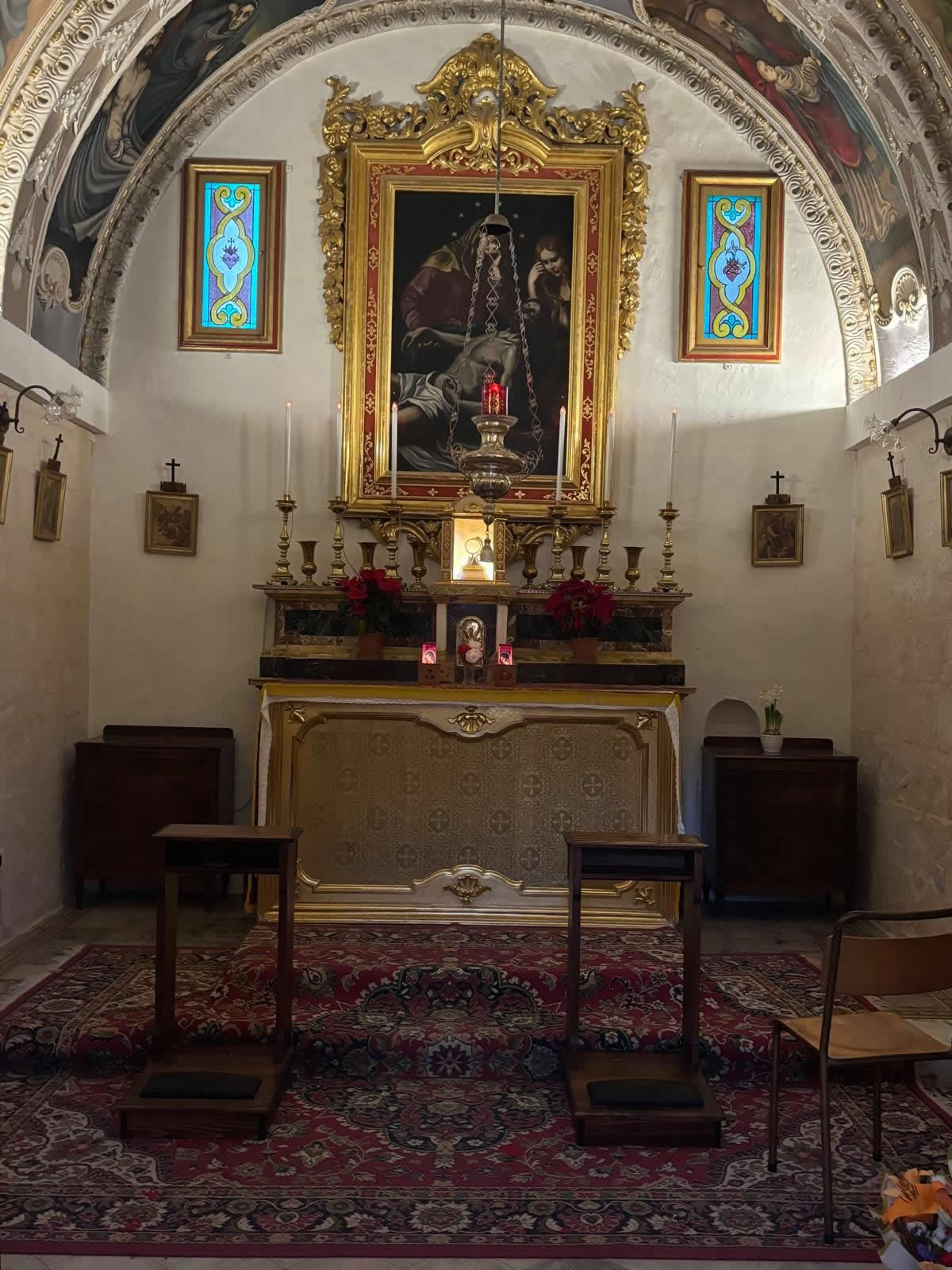
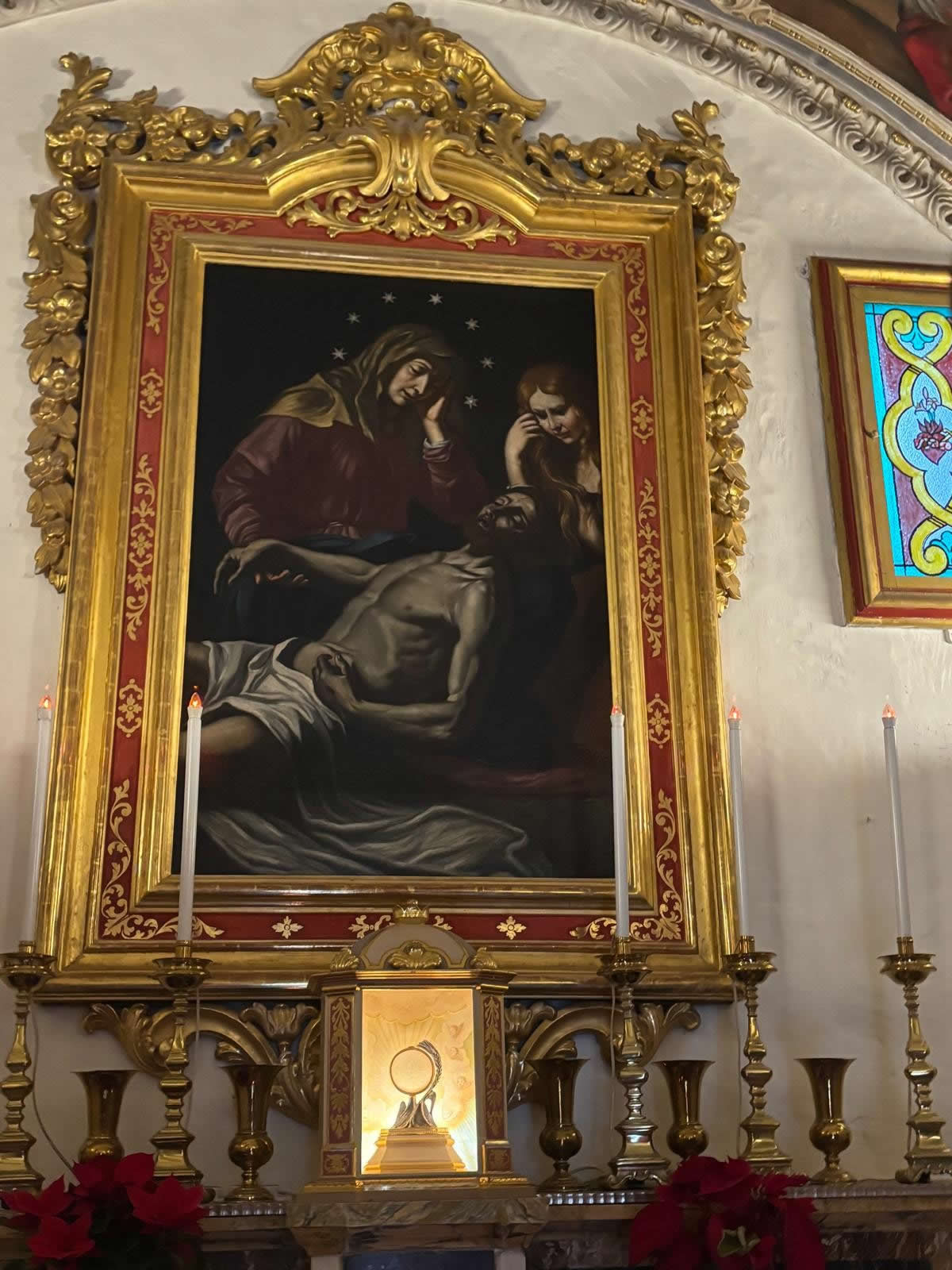
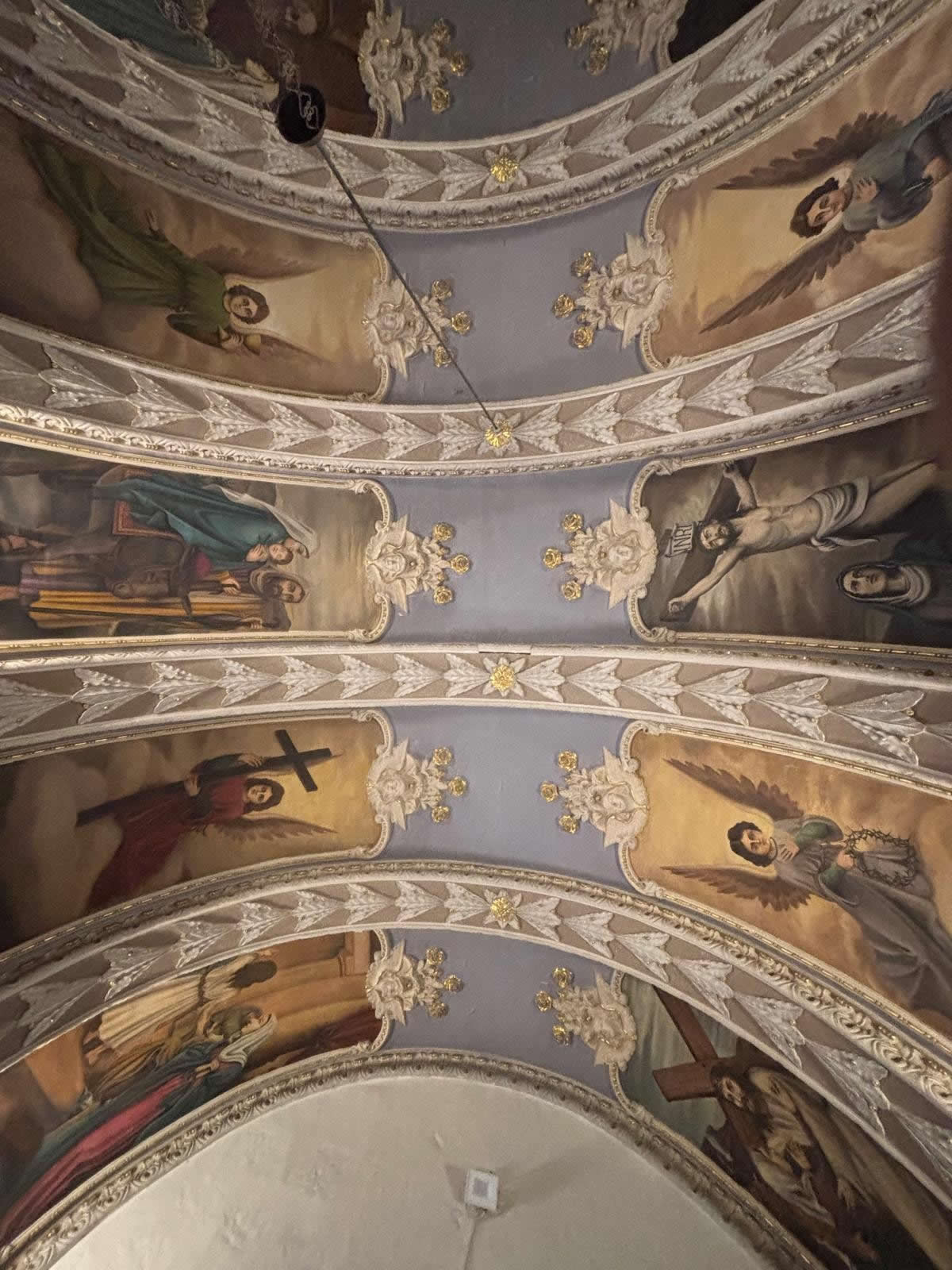
The interior is centred on a single devotional axis leading to the altar. The chapel’s identity is anchored in the Sorrows devotion—often represented through imagery of Mary in sorrow and contemplation, resonating with local prayer traditions.
If you want maximum SEO value, add a small “art inventory” section later (altarpiece, statues, ex-votos if present) with photos and descriptive alt text.
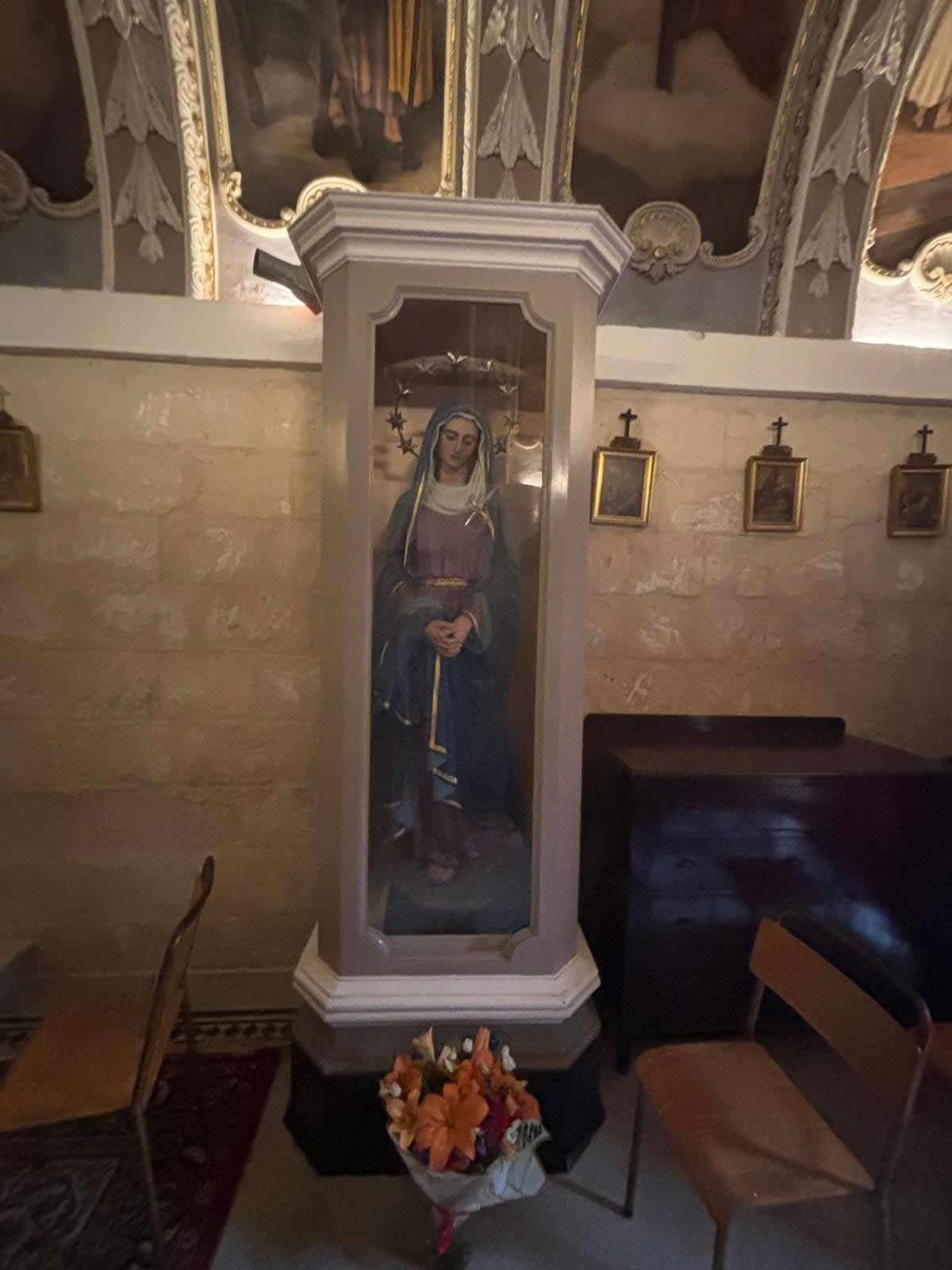
Use and devotion today
Kappella Madonna tad-Duluri remains a valued devotional site in L-Imqabba. While opening times can vary, it is generally associated with prayer visits and occasional liturgical celebrations depending on parish schedules and local traditions.
- Devotional visits: quiet prayer and Marian devotion.
- Occasional services: Mass or prayer gatherings (especially around Marian devotional periods).
- Heritage value: a tangible link between early chapel culture and later community rebuilding in the village.
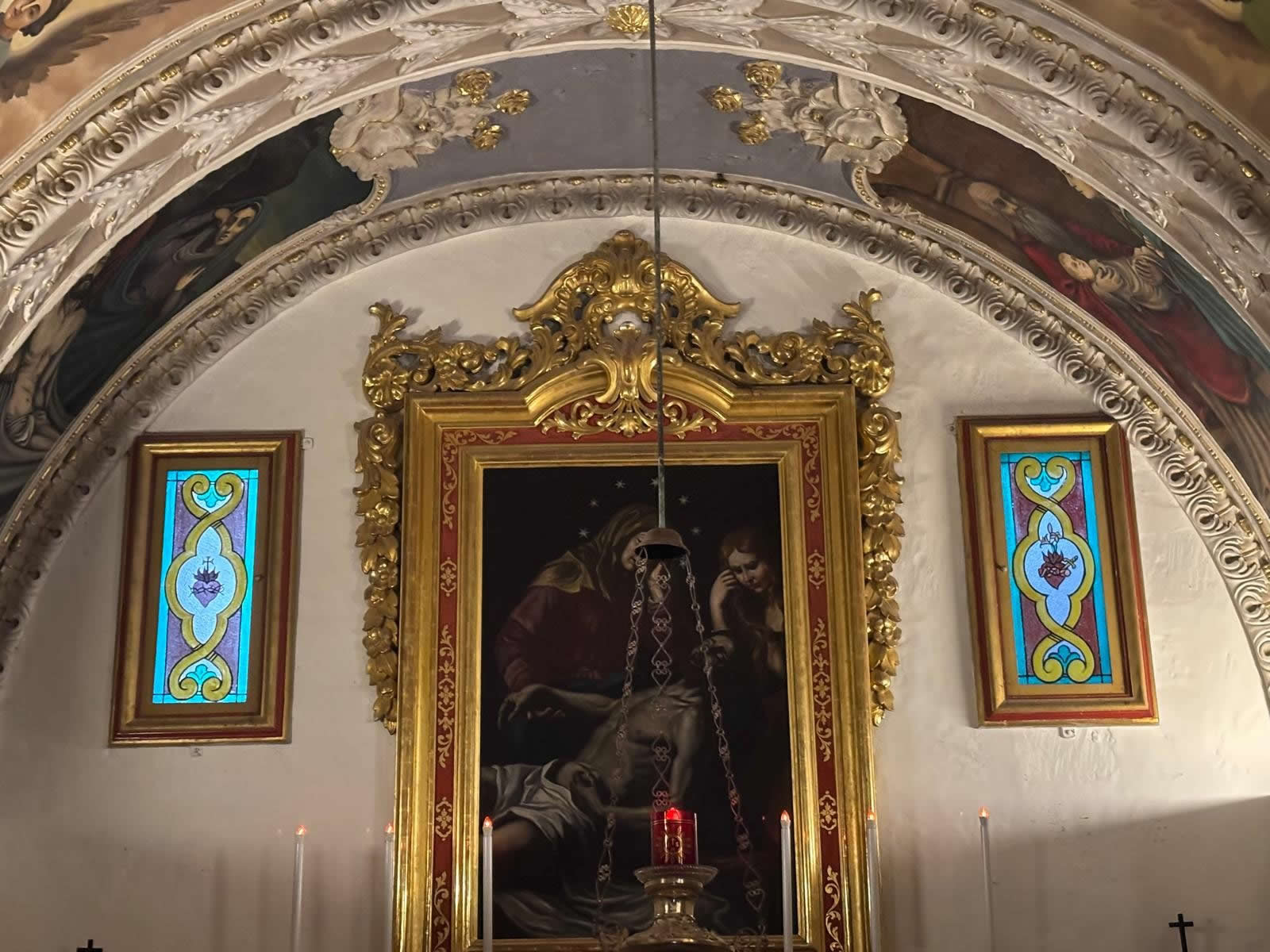
Visiting info & map
Location
Kappella Madonna tad-Duluri
Triq il-Parroċċa, L-Imqabba, Malta
Coordinates: 35.845575, 14.465868
Visitor tips
- Access is easy (village street location), but opening depends on parish activity.
- Dress respectfully if entering during services or prayer.
- Photography may be restricted indoors—follow any posted notices.
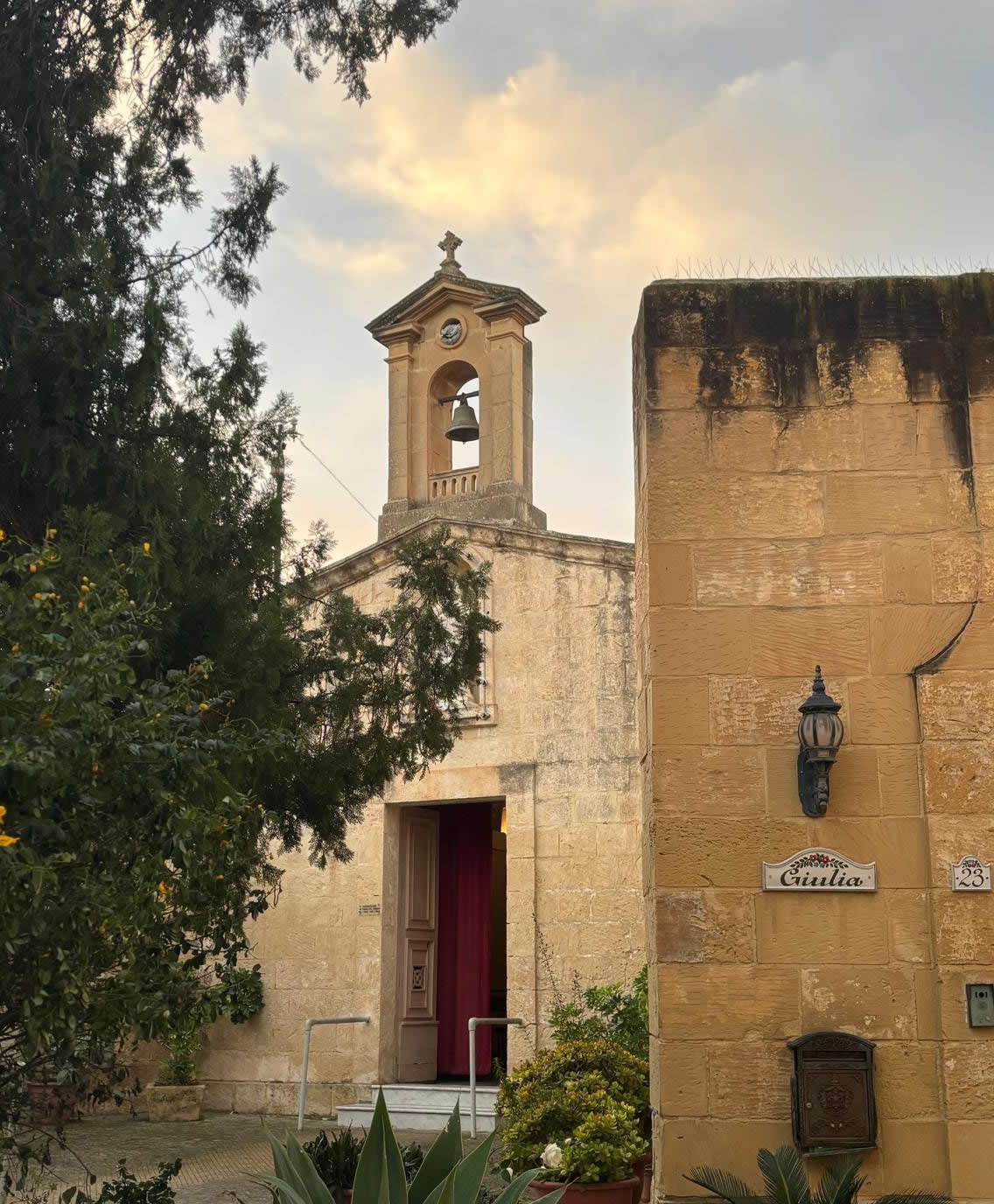
Explore more chapels on emalta.com
Browse the full directory here: emalta.com/chapels/