Introduction: San Pawl tat-Tarġa’s chapel in Naxxar preserves an old St Paul tradition, replacing an earlier church and completed in 1699 beside the iconic statue.
Location Map Coordinates 35.920007, 14.442342
- Dedication: St Paul (site popularly associated with the Shipwreck tradition and St Paul’s preaching).
- Earliest documentary reference: an older chapel recorded in the 1575 pastoral visitation.
- Present chapel: dated 1696 (inscribed date) and documented as completed in 1699.
- Major landmark: the stone Statue of St Paul on the parvis (created in 1770).
- Modern use: a functioning chapel used for Catholic services and (per diocesan listing) weddings.
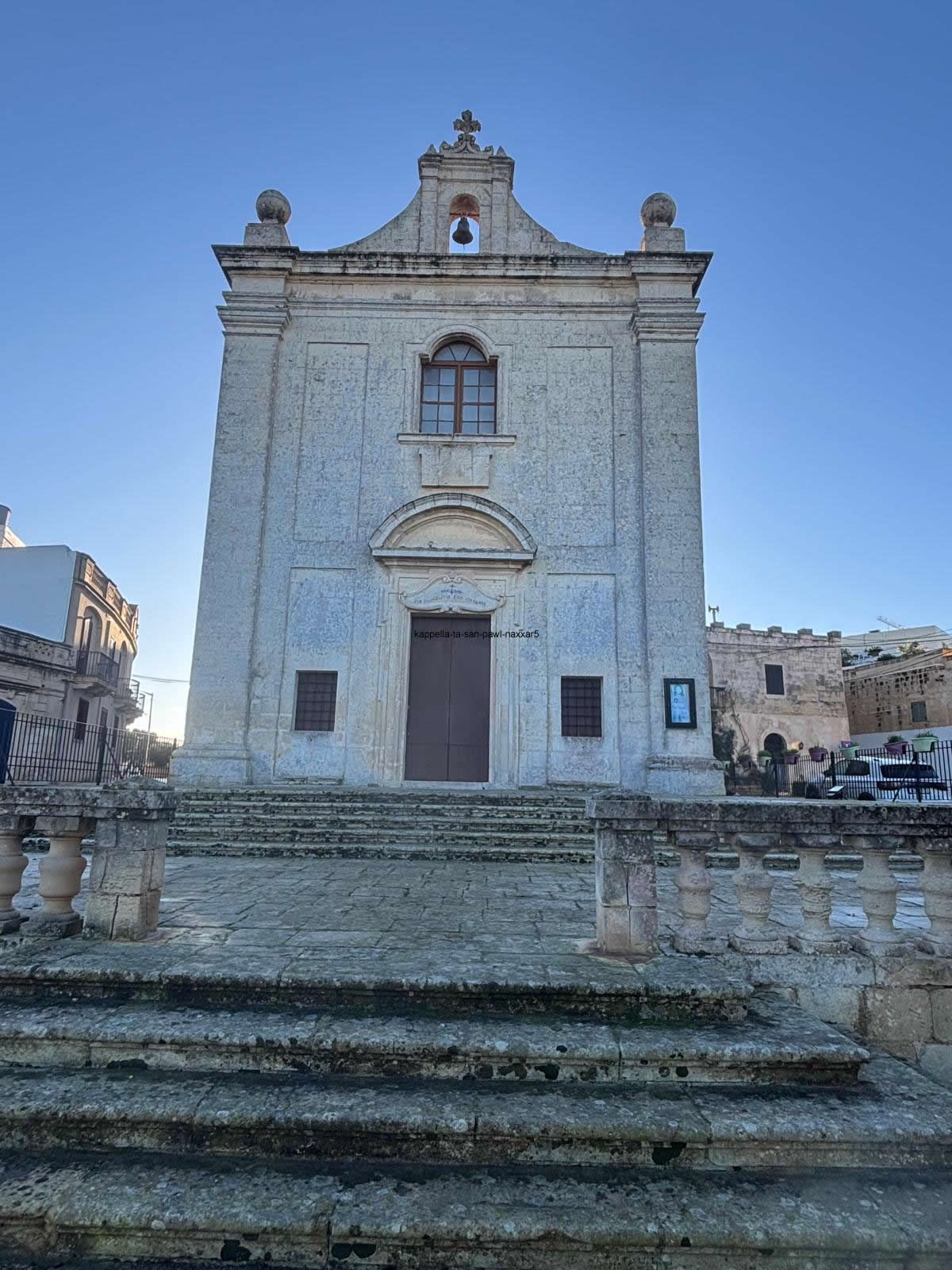
Overview
Kappella ta’ San Pawl stands in the hamlet of San Pawl tat-Tarġa on the outskirts of Naxxar. The site is closely tied to Maltese tradition connecting this ridge with St Paul’s mission after the shipwreck (60 AD), and it remains one of the most recognisable “St Paul” landmarks in the northern part of Malta.

Origins, early references and St Paul tradition
Tradition places St Paul preaching at or near this spot, and later devotion anchored that tradition in a small church/chapel here. A key point for historical writing is that an older chapel existed well before the present building: it is reported as being mentioned in the detailed 1575 pastoral visitation of Monsignor Pietro Dusina.
Modern summaries describe the current chapel as a late-17th-century replacement for an earlier structure that had been destroyed earlier in the 1600s, with the parvis and nearby marker/column used locally to commemorate the older site.
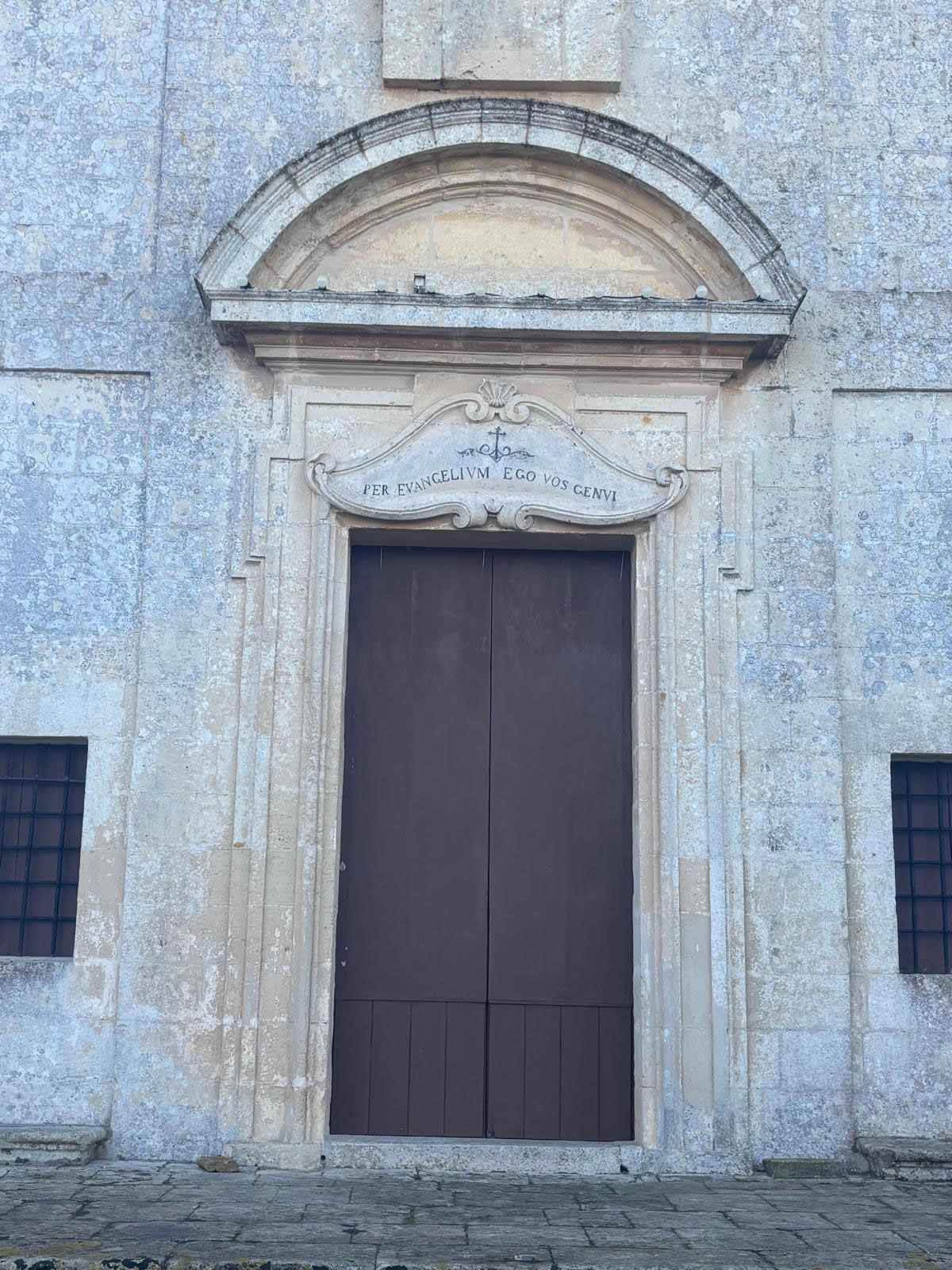
Construction of the present chapel (1696–1699)
Confirmed build date (inscribed): The diocesan parish listing states that the church standing today was built in 1696, based on a date on a side door.
Confirmed completion date (documented): A modern published account states that the chapel was completed in 1699, and links this completion to a pastoral visit record by Bishop Davide Cocco Palmieri.
The most accurate phrasing is: “Built in 1696 (inscribed date) and completed by 1699 (documented in a pastoral visit record).”

Architecture, layout and setting
The chapel is a compact late-17th-century Maltese church in limestone, designed for local devotion rather than a large congregation. Externally, it reads as a simple rectangular volume with a restrained façade and bell feature, standing prominently on the approach to Naxxar.
Its setting is part of its significance: San Pawl tat-Tarġa is a landmark hamlet on a ridge route between the Burmarrad/Salina approaches and Naxxar, which helps explain why the chapel became a visual symbol of the area and a focus of communal devotion.

The stone statue of St Paul (1770)
One of the chapel’s defining features is the stone statue of St Paul on the forecourt. Published accounts state that it was made in 1770 under the guidance of Don Ġwann Mifsud and funded by local people. The same account records an indulgence granted on 17 September 1770 for those praying before the statue, underlining its devotional importance in the late 18th century.
Restoration, repairs and conservation
Like many exposed limestone monuments, the chapel and statue require periodic maintenance. Public-facing notices and local reporting have described restoration activity focused on the statue of St Paul (including works announced by the local council).

Use, liturgy and visiting notes
The chapel remains a live Catholic site, used for services on selected occasions and community devotion, and it is also listed as a venue where weddings may be held.
- Access: treat as a place of worship; respect opening times, signage, and any private areas.
- What to photograph for emalta.com: façade and bell feature, side door date (1696), forecourt statue (1770), and wider setting views.
- Nearby interest: the San Pawl tat-Tarġa area is also known for historic landscape features and walking routes.
Confirmed timeline (build & modify)
- 1575: an earlier chapel at/near this locality is recorded in the pastoral visitation record (Dusina).
- Early 1600s: the older chapel is described as having been destroyed (later tradition/summary).
- 1696: the present chapel is built (inscribed date on side door).
- 1699: chapel completed (documented in a pastoral visit record according to published account).
- 1770: stone statue of St Paul placed on the parvis; indulgence associated with prayers before the statue is recorded in the same year.
- Modern era: ongoing maintenance; restoration works have been reported in relation to the statue.

More on emalta.com
Built: 1696 (inscribed) · Completed: 1699 (documented).
Modified: statue installed 1770; later conservation/repairs (including reported works to the statue).