A historic Marian chapel and pilgrimage site in the old heart of Qrendi, Malta — linked to the medieval hamlet of Ħal Lew
and rebuilt in the mid-17th century on an older sacred footprint.
Overview
The Kappella tal-Madonna tal-Ħniena (also called Santwarju tal-Madonna tal-Ħniena or
Tal-Ħniena) is one of Qrendi’s most important historic devotional sites.
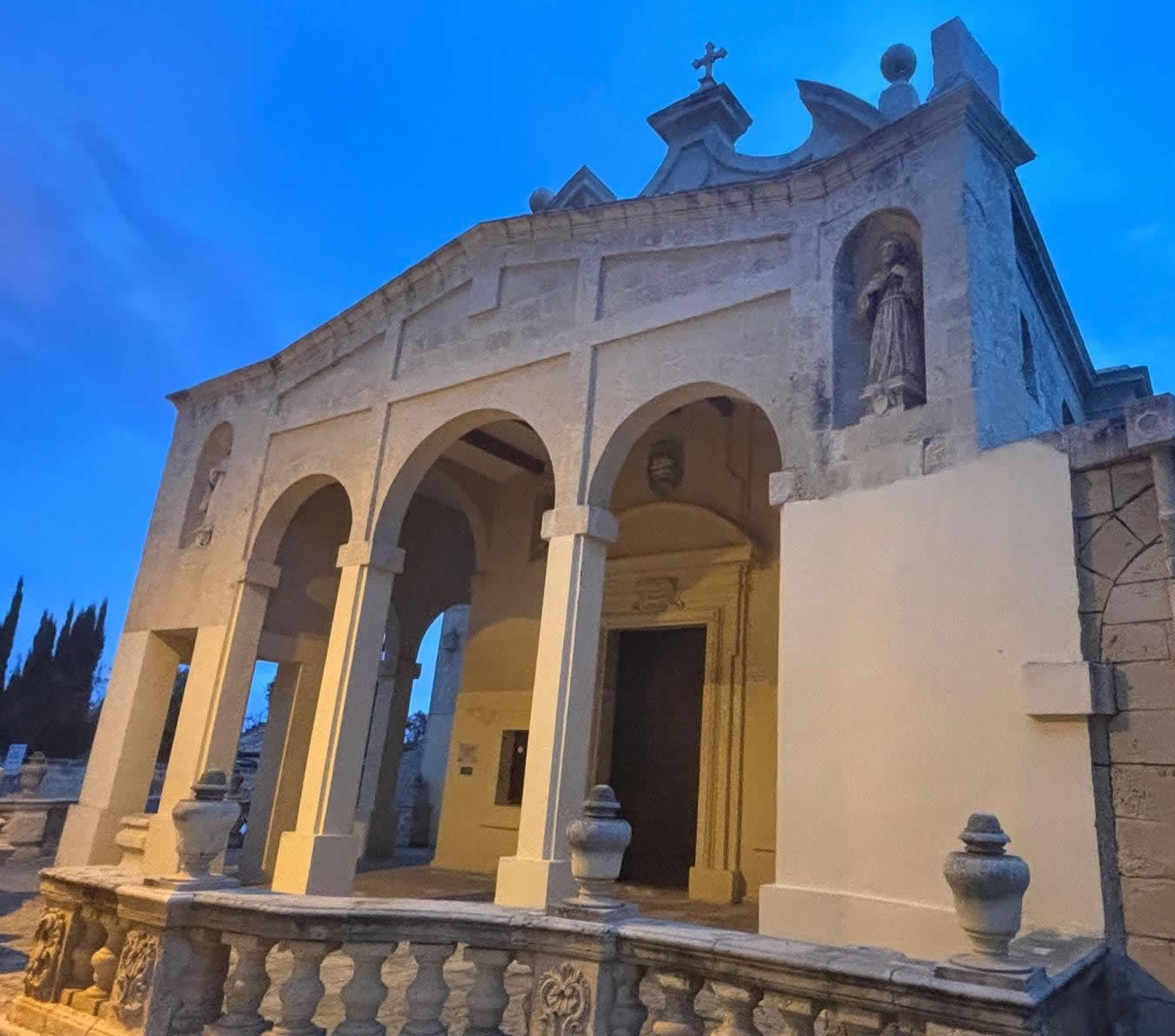
The sanctuary is closely associated with Marian pilgrimage in Malta and is noted for its baroque embellishment,
including a sculpted parvis and devotional artwork.
Key dates (at a glance)
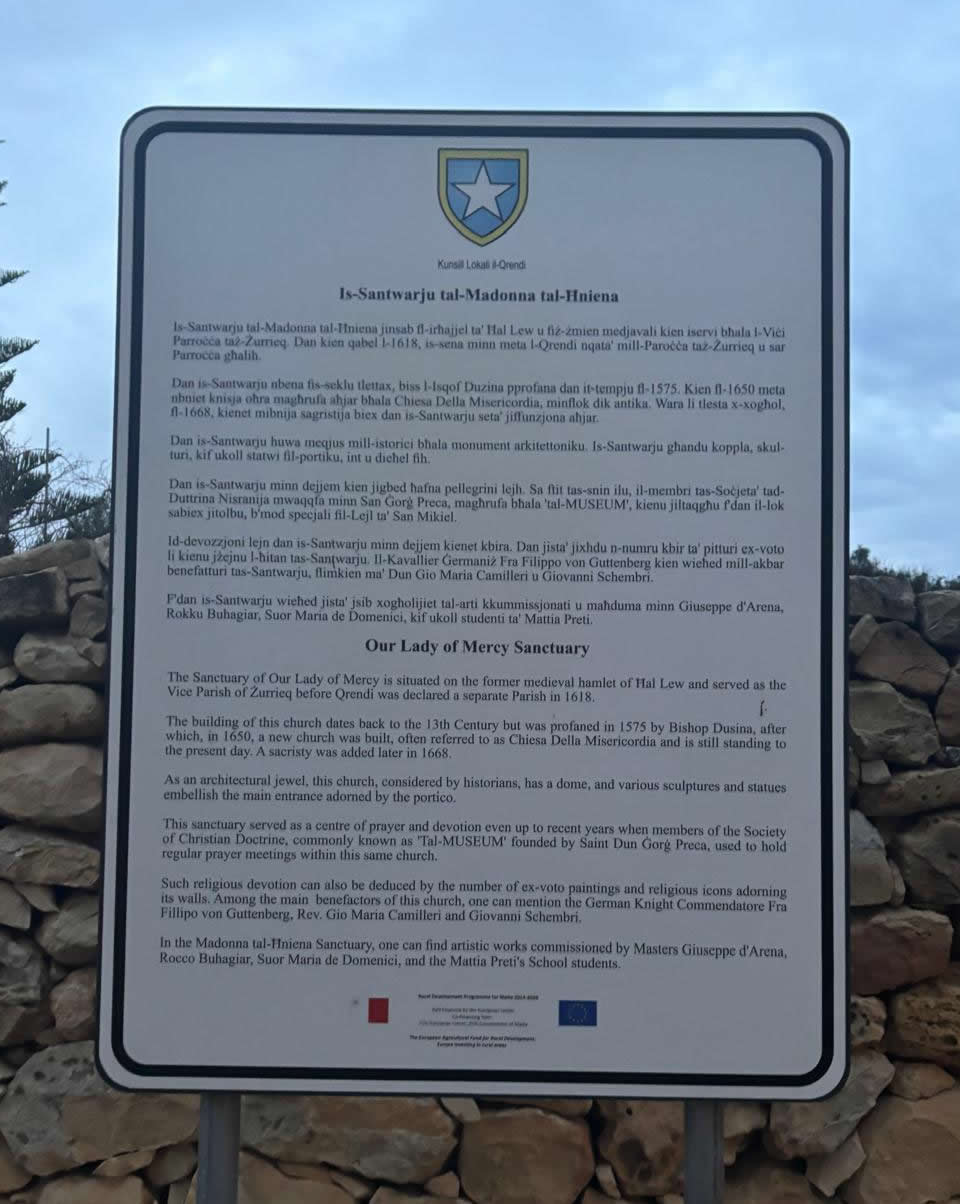
13th century: an earlier medieval church is believed to have existed on/near the site.
1575: Bishop/Inquisitor Pietro Dusina reported the church in poor condition and ordered deconsecration.
1650: the church was rebuilt (forming the core of the present sanctuary).
1668: the sacristy was added.
1695: Pope Innocent XII granted indulgences for pilgrims visiting the shrine.
Tradition and documentary references associate the site with the medieval hamlet of Ħal Lew,
historically linked with the wider parish territory of Żurrieq.
The earliest church presence is generally placed in the 13th century, indicating a long continuity of worship
and local devotion.
1575 deconsecration (Dusina’s visitation)
In 1575, ecclesiastical visitation records reported the church in poor condition and it was ordered to be
deconsecrated and closed. Despite this, Marian devotion endured, a continuity reflected in later pilgrimage practice
and devotional offerings.
Rebuilding in the 17th century
The present sanctuary’s main structure is associated with a rebuilding dated to 1650, with the
sacristy added in 1668. The later baroque character of the shrine, compared with many rural churches of similar scale,
is part of what makes Tal-Ħniena particularly distinctive.
Indulgences and pilgrimage tradition
The shrine’s role as a devotional destination is underlined by the grant of indulgences associated with
Pope Innocent XII (dated 1695 in commonly cited summaries).
A local pilgrimage tradition continues, connected to early September Marian celebrations.
Architecture and art
Baroque features
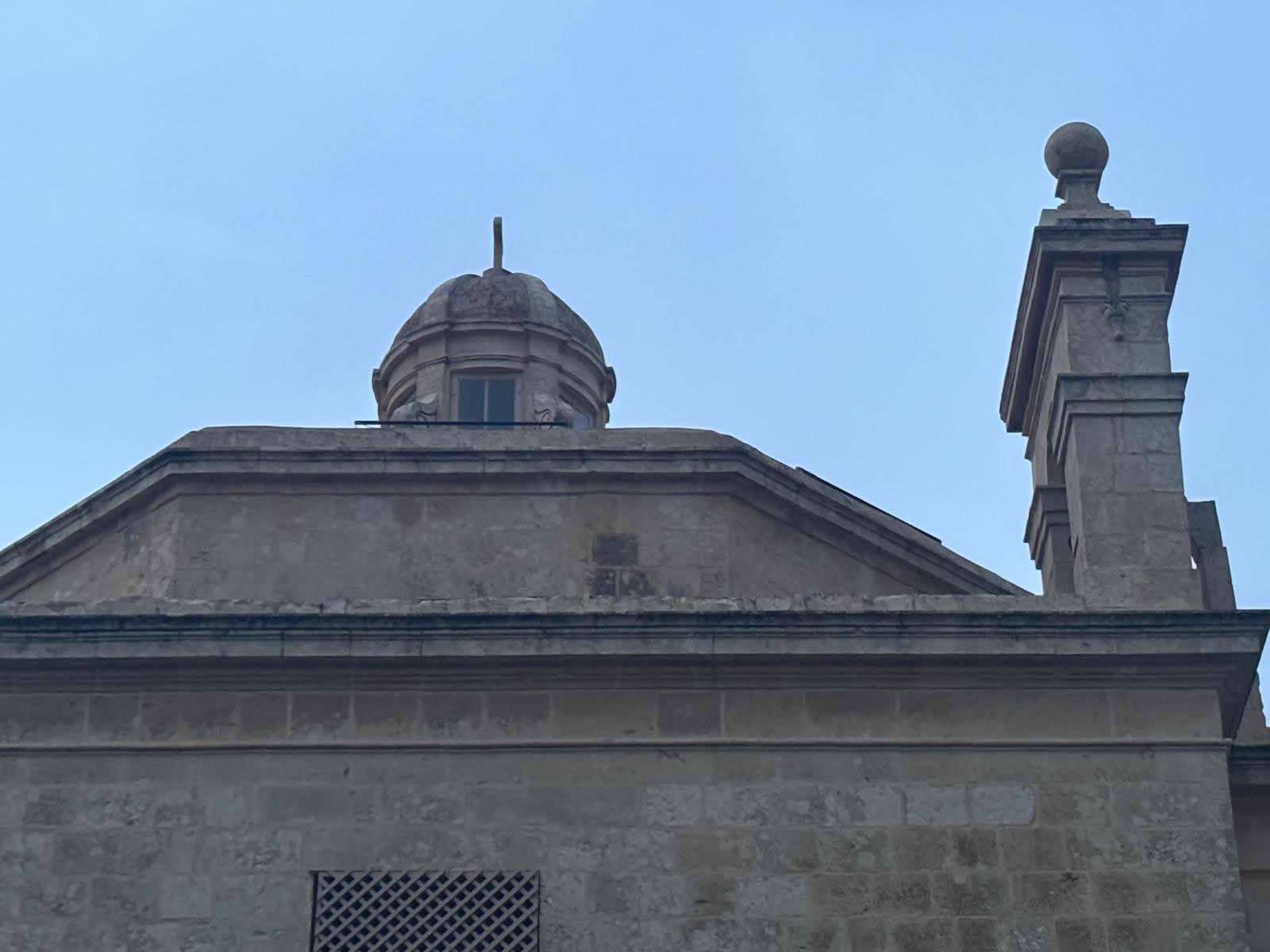
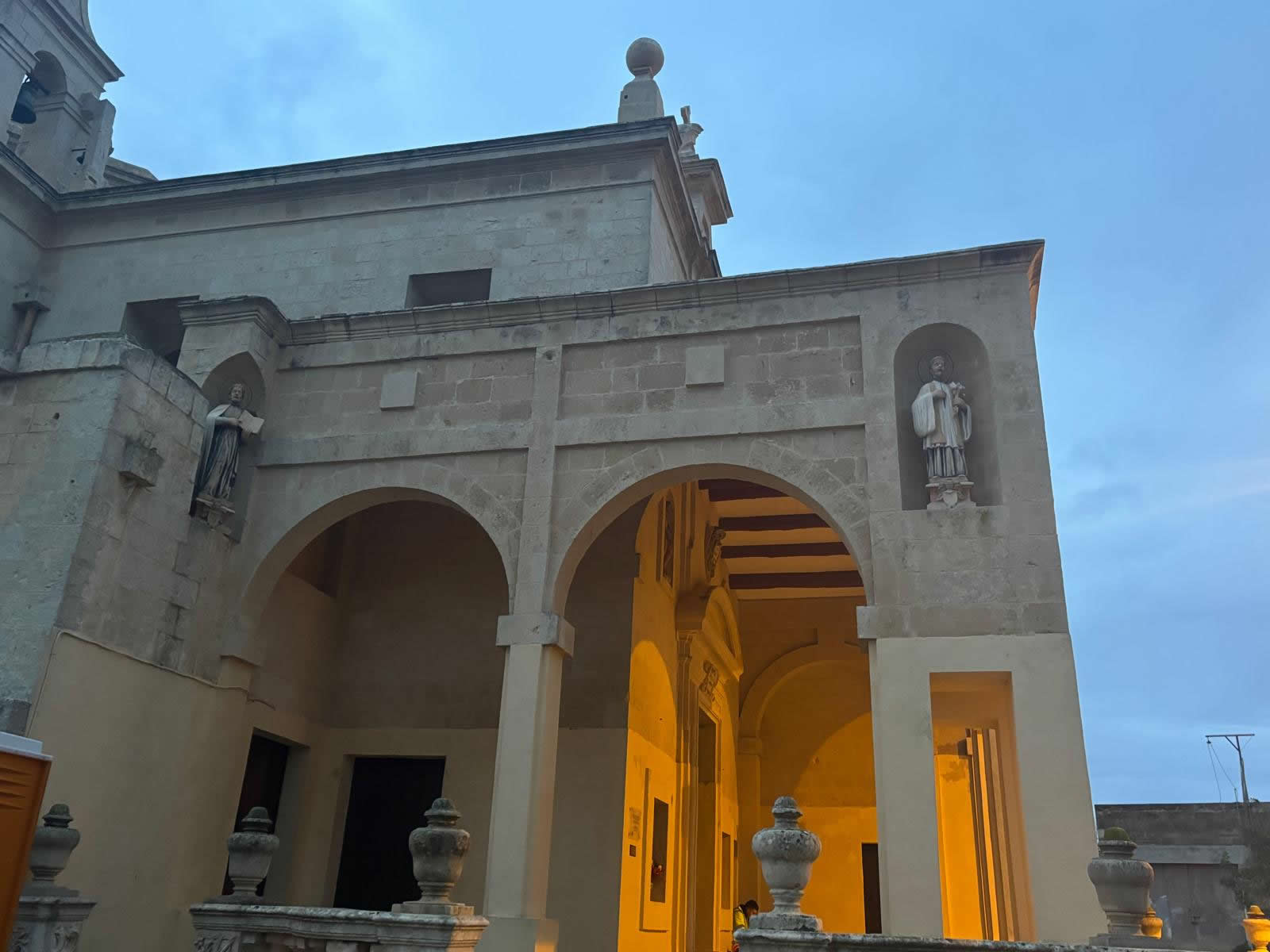
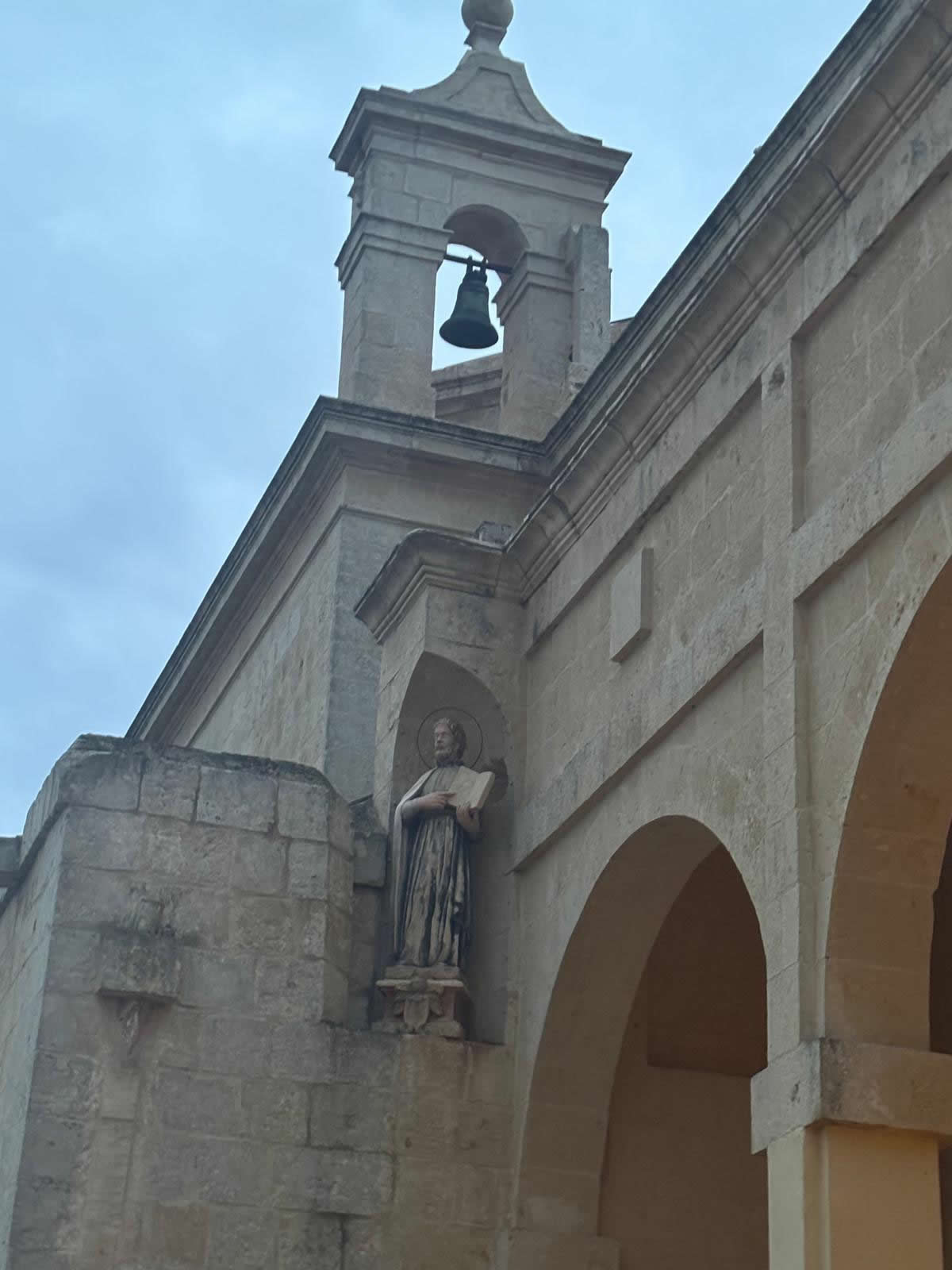
The church is remembered for its ornate baroque presentation, including a sculpted parvis/forecourt and exterior devotional
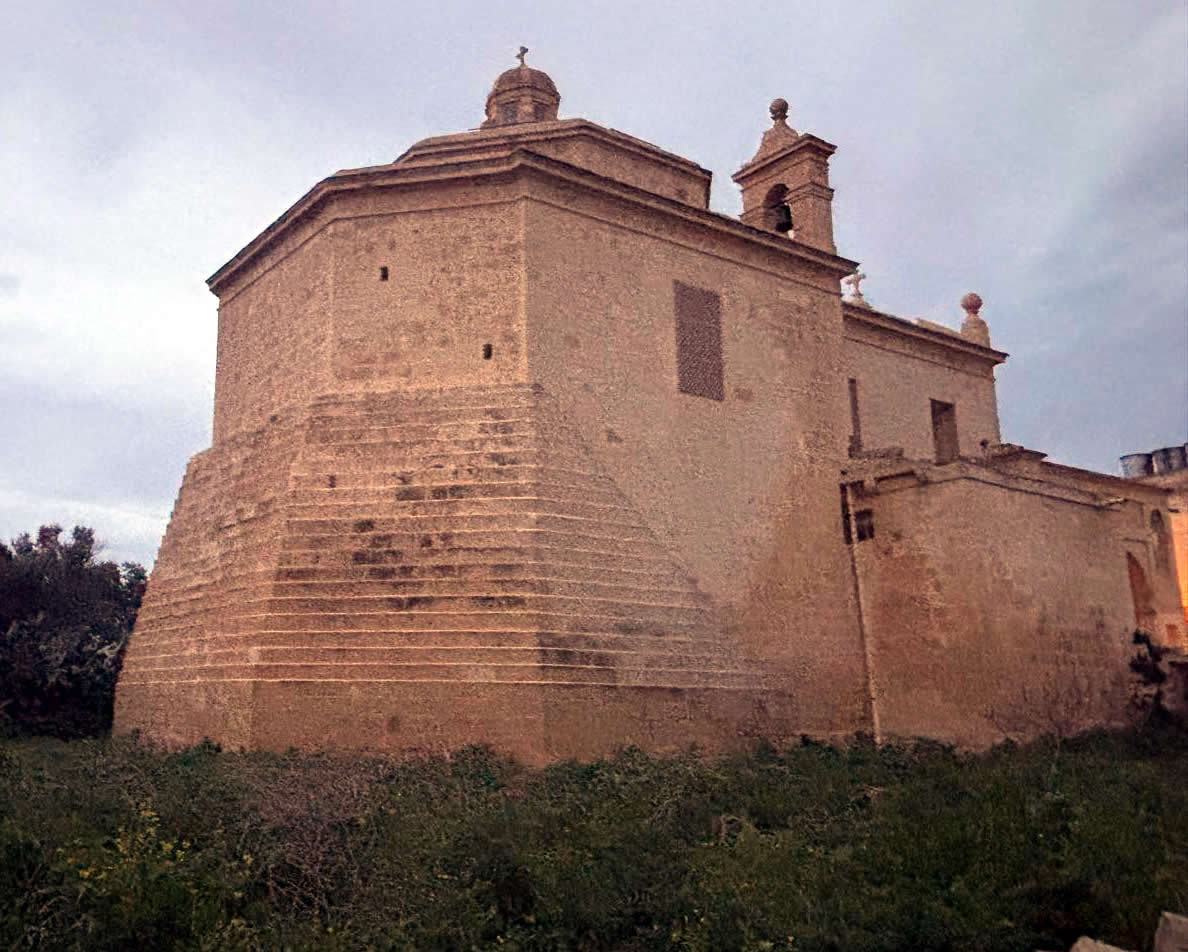
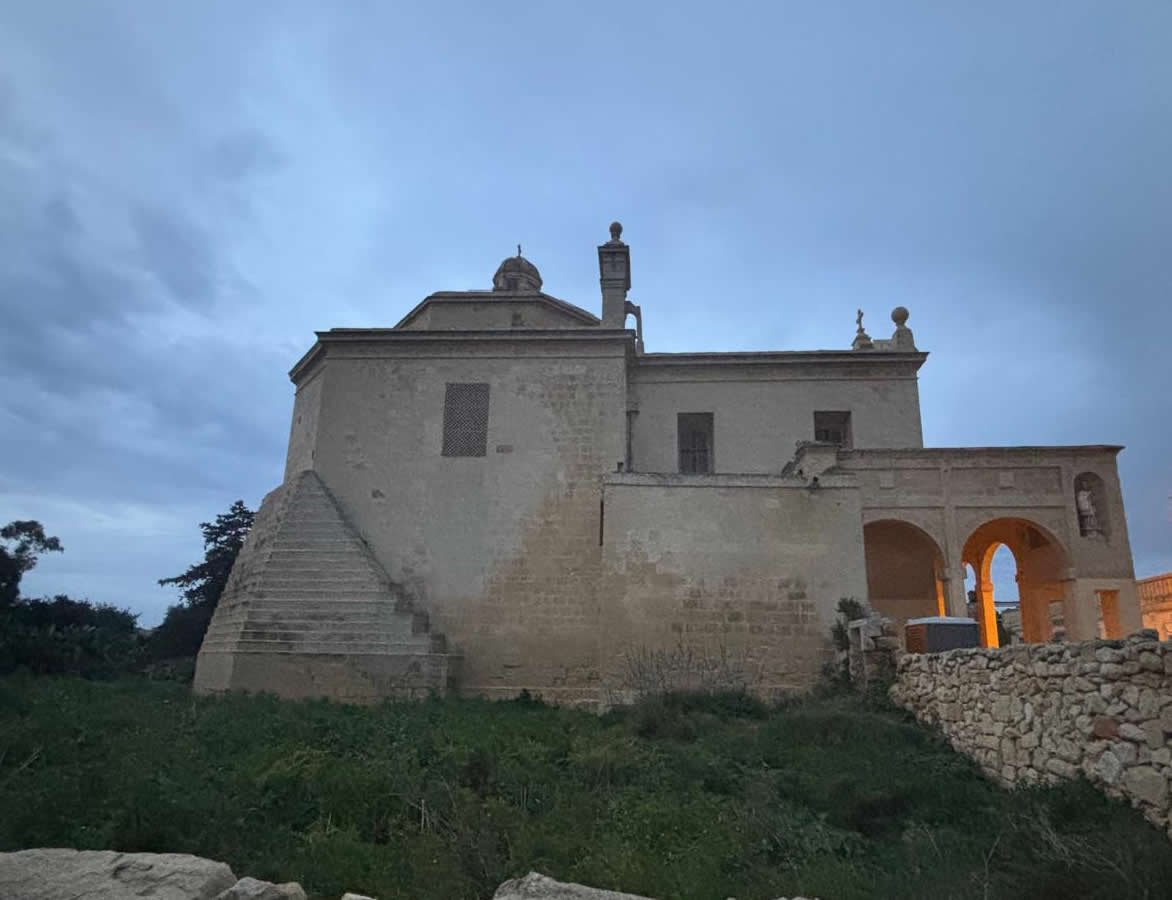
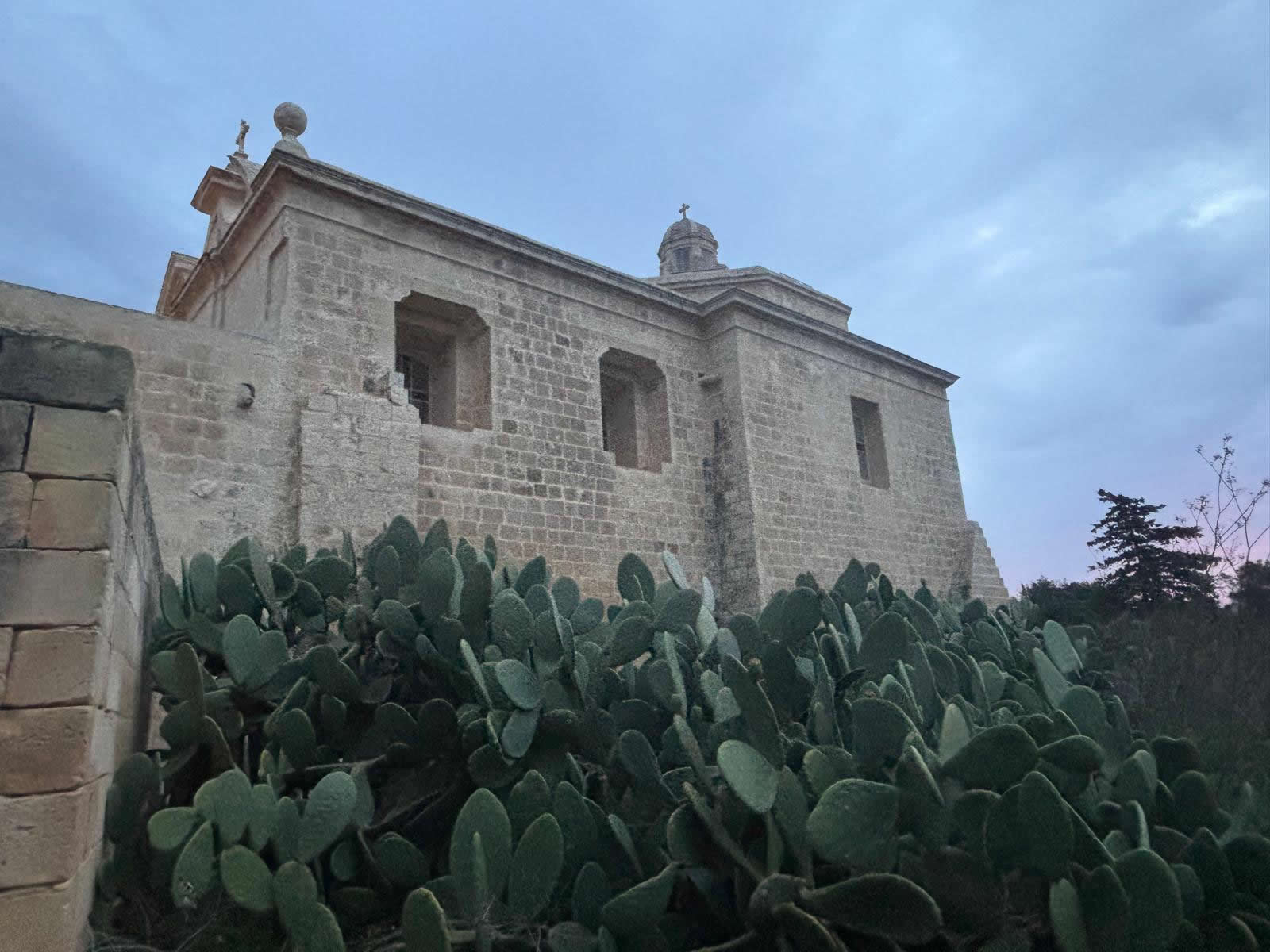
elements. Accounts of the sanctuary also highlight its nave and arch sequence, and a buttressed rear wall—features that speak to both
structure and setting.
Auxiliary saints and devotional imagery
A hallmark of Tal-Ħniena is the tradition of the auxiliary saints (often described as “helpers” invoked in times of trouble),
reflected in the sanctuary’s iconography. The titular painting is commonly attributed to Giuseppe d’Arena and depicts
Our Lady holding the infant Jesus, crowned by angels and accompanied by devotional figures.
Notable moral allegory
Visitors and commentators also point to an unusual allegorical artwork featuring a donkey burdened with baskets representing the
seven deadly sins—a memorable element within Maltese chapel art traditions.
Restoration and conservation
Conservation has been a major recent chapter in the sanctuary’s story. A restoration inauguration reported on
8 September 2022 noted that the works led to significant discoveries—among them,
evidence of earlier structural remains and the uncovering of original details on façade statuary that had been painted over.
These findings were documented in collaboration with heritage authorities.
Use, devotion, and visiting notes
How it is used today
Tal-Ħniena is primarily a place of Marian devotion and local pilgrimage, rather than a parish church with a daily liturgical schedule.
Access may vary depending on parish arrangements, feast-day activity, and restoration/maintenance periods.
Planning a visit
Location: Qrendi (old village area)
Map: use the coordinates above for precise navigation
Etiquette: modest dress and respectful photography practices are recommended inside churches/chapels