Location Map Coordinates 35.899758, 14.349407
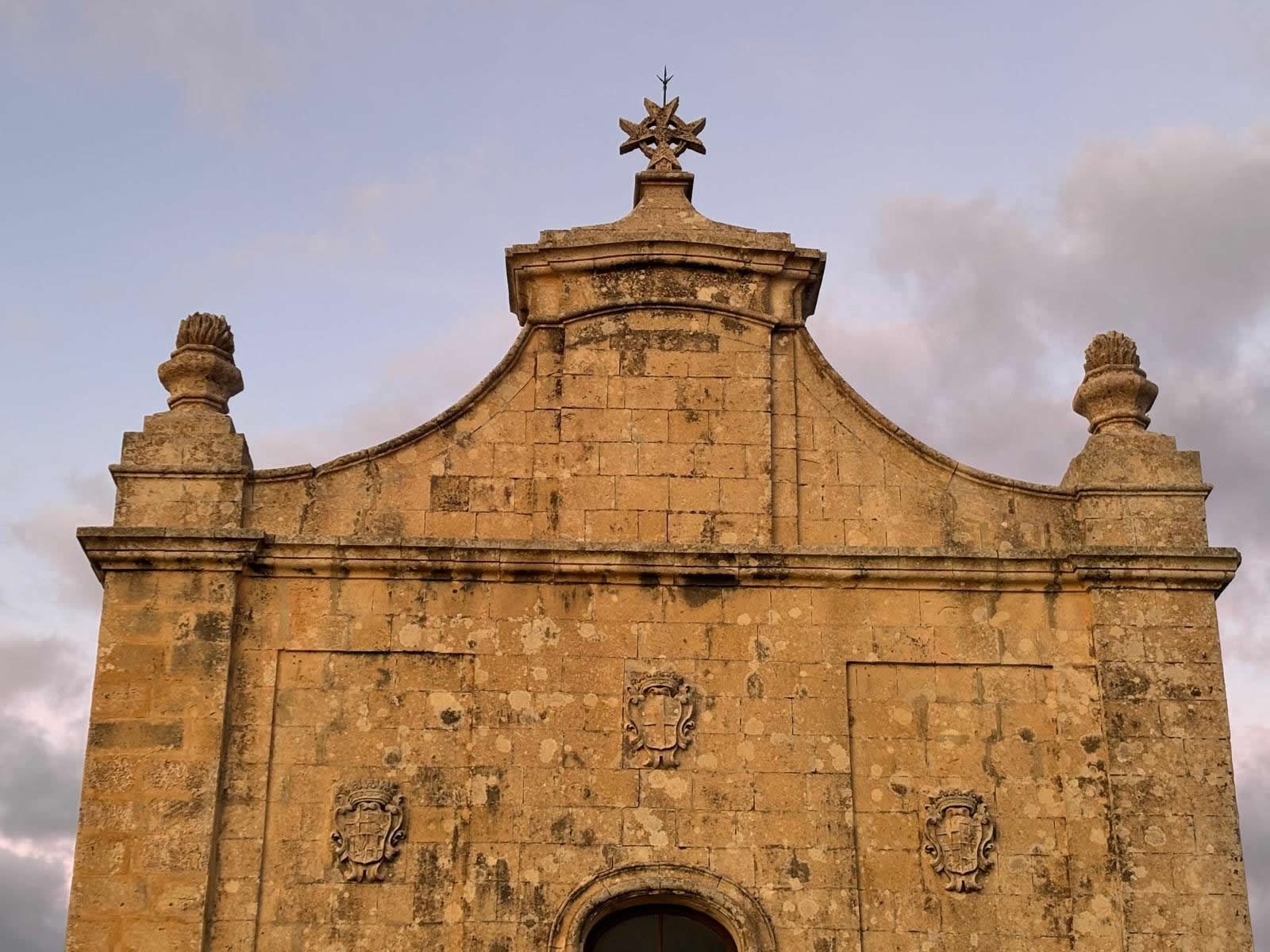
Also known as Kappella tal-Immakulata Kunċizzjoni — a wayside chapel founded in the 18th century in Gerżuma Valley.
Overview
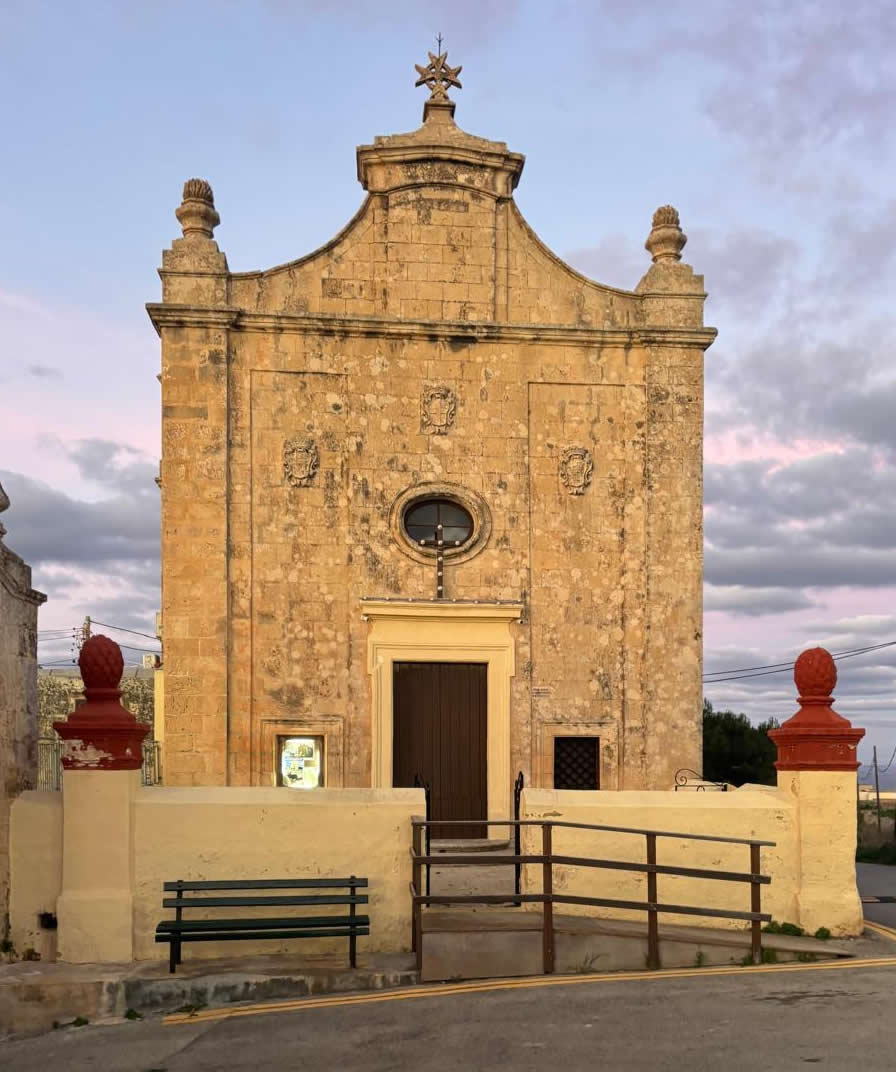
Kunċizzjoni Chapel is a small Roman Catholic wayside chapel in Wied Gerżuma (Gerżuma Valley) on the outskirts of Rabat. It is dedicated to the Immaculate Conception and is widely recorded as having been founded (built) in 1736, on the initiative of Grand Master António Manoel de Vilhena.
Beyond its rural setting, the chapel is also noted for historic markings and devotional traces: research-oriented heritage projects document graffiti inside the building, including ship graffiti and other symbols.
Full historical timeline
Early 18th century: why the chapel was built
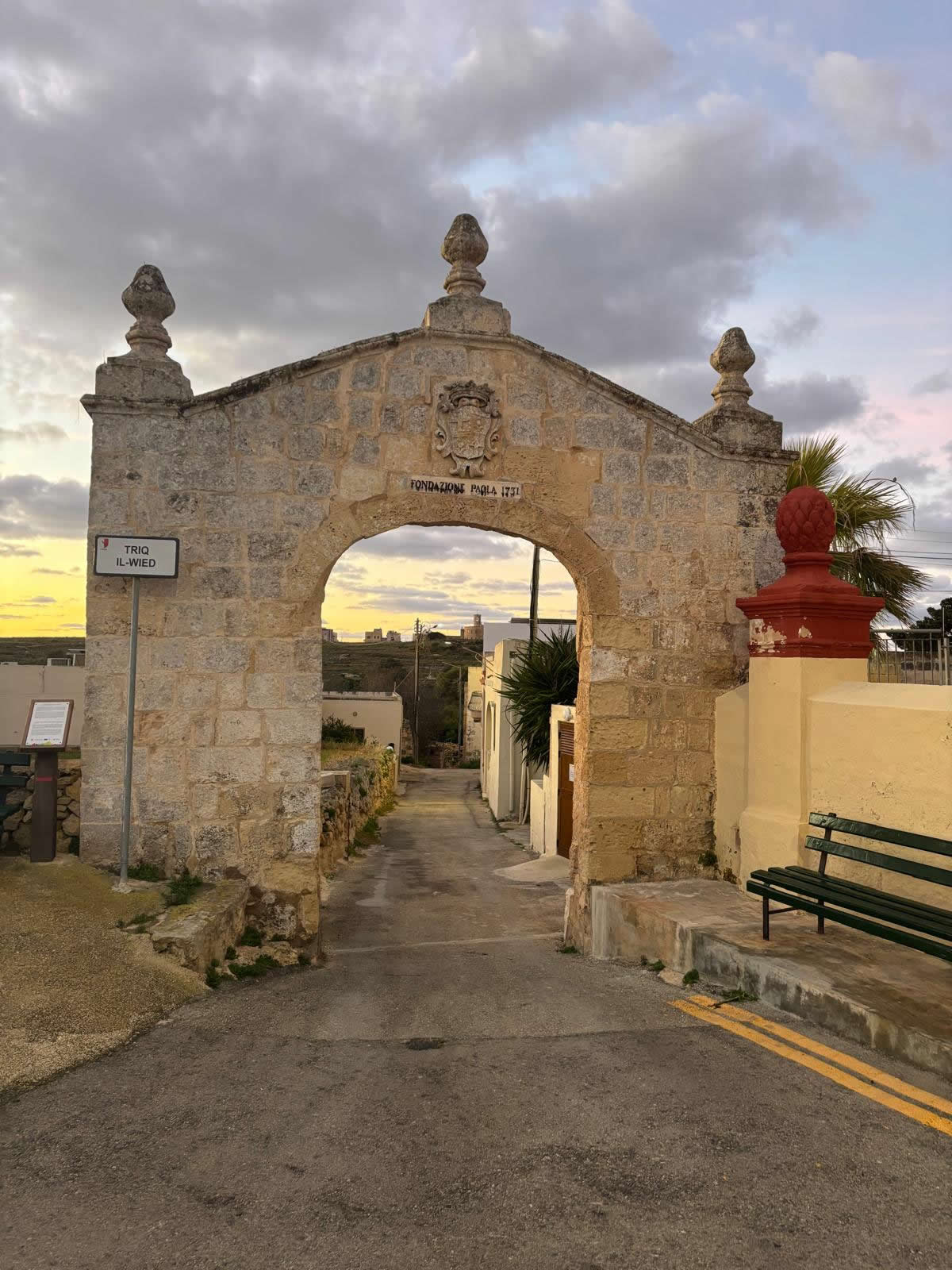
The chapel is associated with land historically connected to Fondazione Paola, a foundation linked to the Knights’ charitable activity and estate management. It is consistently described as being established in 1736 under Grand Master Vilhena.
1736: foundation and blessing
The chapel’s origin is recorded as 1736. A commonly repeated historical summary states that it was founded by Vilhena on lands owned by Fondazione Paola, and that it was blessed by Fra Giuseppe Ruggier, acting on behalf of the Order’s ecclesiastical authorities.
Knights-era landscape markers: the nearby arch and heraldry
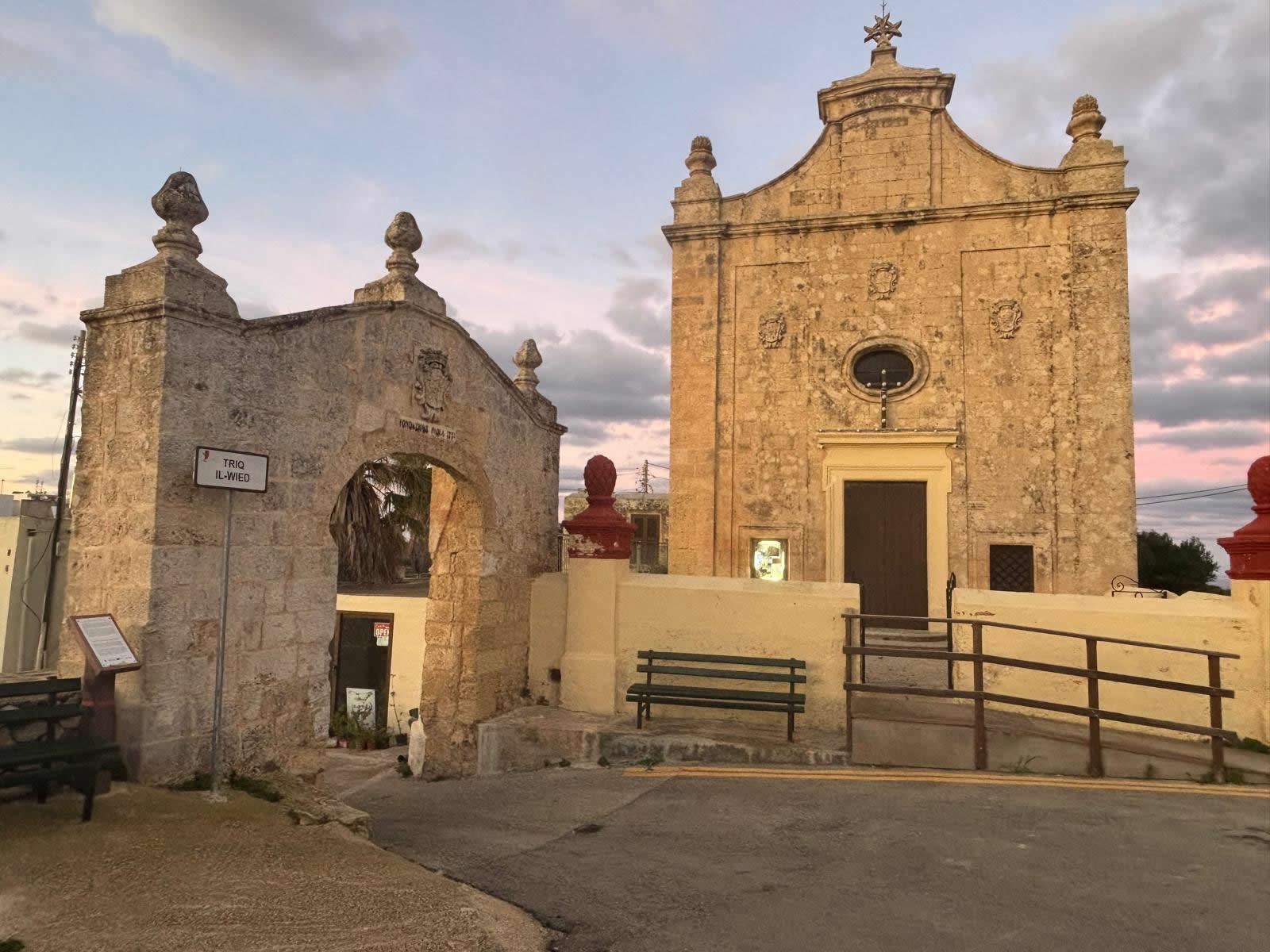
Site descriptions mention a nearby arch carrying the coat of arms associated with Grand Master Antoine de Paule, connected to the earlier foundation of Fondazione Paola.
1798 onwards: change of regime, continuity of place
After the expulsion of the Order from Malta in 1798, property that had belonged to the Order passed through subsequent governing authorities. A common reference summary notes that the chapel remains state property.
Modern era: heritage interest and documentation
In recent decades the chapel has drawn attention from both heritage enthusiasts and researchers. Specialist documentation confirms its 1736 construction under Vilhena and records multiple graffiti types present on site.
Build date confirmation: The most consistently reported foundation/build date is 1736. Some secondary compilations vary, but 1736 is the best-supported date across accessible references.
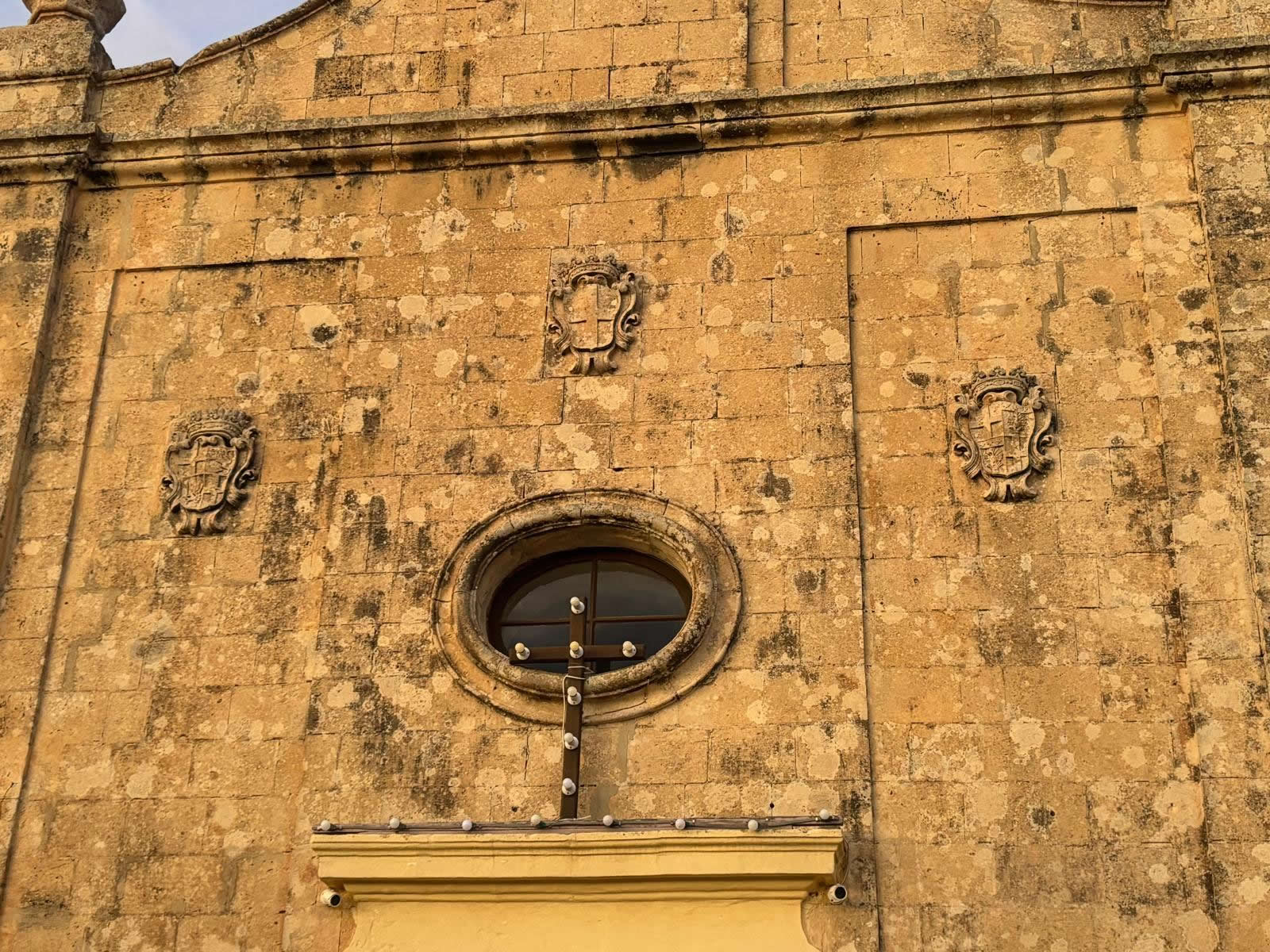
Construction context & features
Kunċizzjoni Chapel is a small wayside church with a simple liturgical layout. Standard summaries describe a single altar, traditionally topped by a painting that includes the Immaculate Conception alongside other saints.
Its rural position in Gerżuma Valley reflects a broader Maltese tradition of chapels acting as devotional landmarks for farmers, travellers, and local processions—especially in countryside routes linking villages and estates.
Restoration and conservation
Documented restoration works
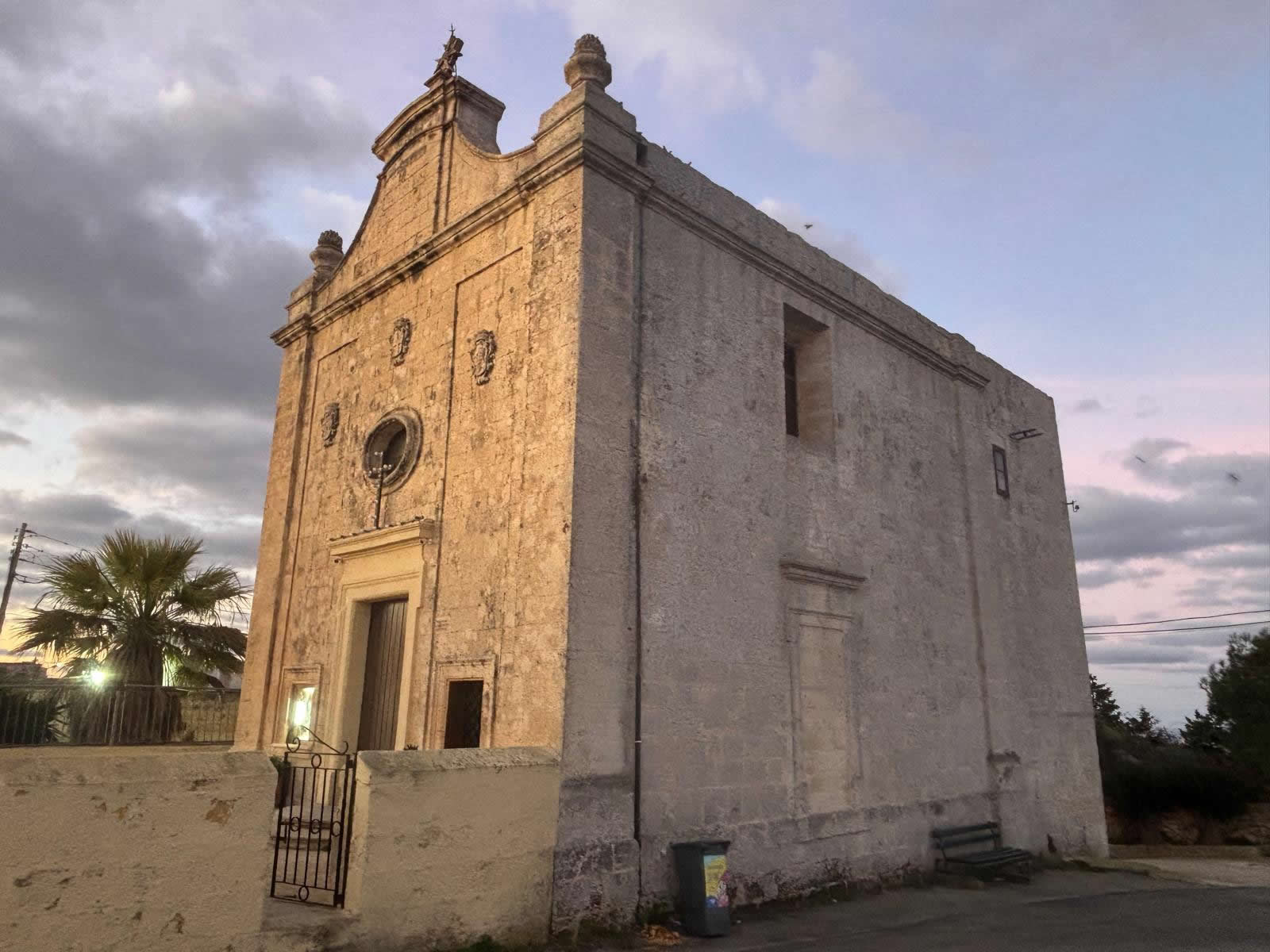
A recent restoration campaign is reported to have returned the chapel to a strong state of preservation. Works described in public reporting include repainting, interventions on the altar, restoration of a side door dating to the Knights’ period, and conservation of several paintings including the titular Immaculate Conception artwork.
Why restoration matters for rural chapels
Small valley chapels are exposed to weathering and humidity. Conservation typically focuses on stabilising masonry and finishes, protecting timber and metalwork, and preserving devotional artworks so that the chapel can continue to serve both worship and heritage value.
Religious use and visiting
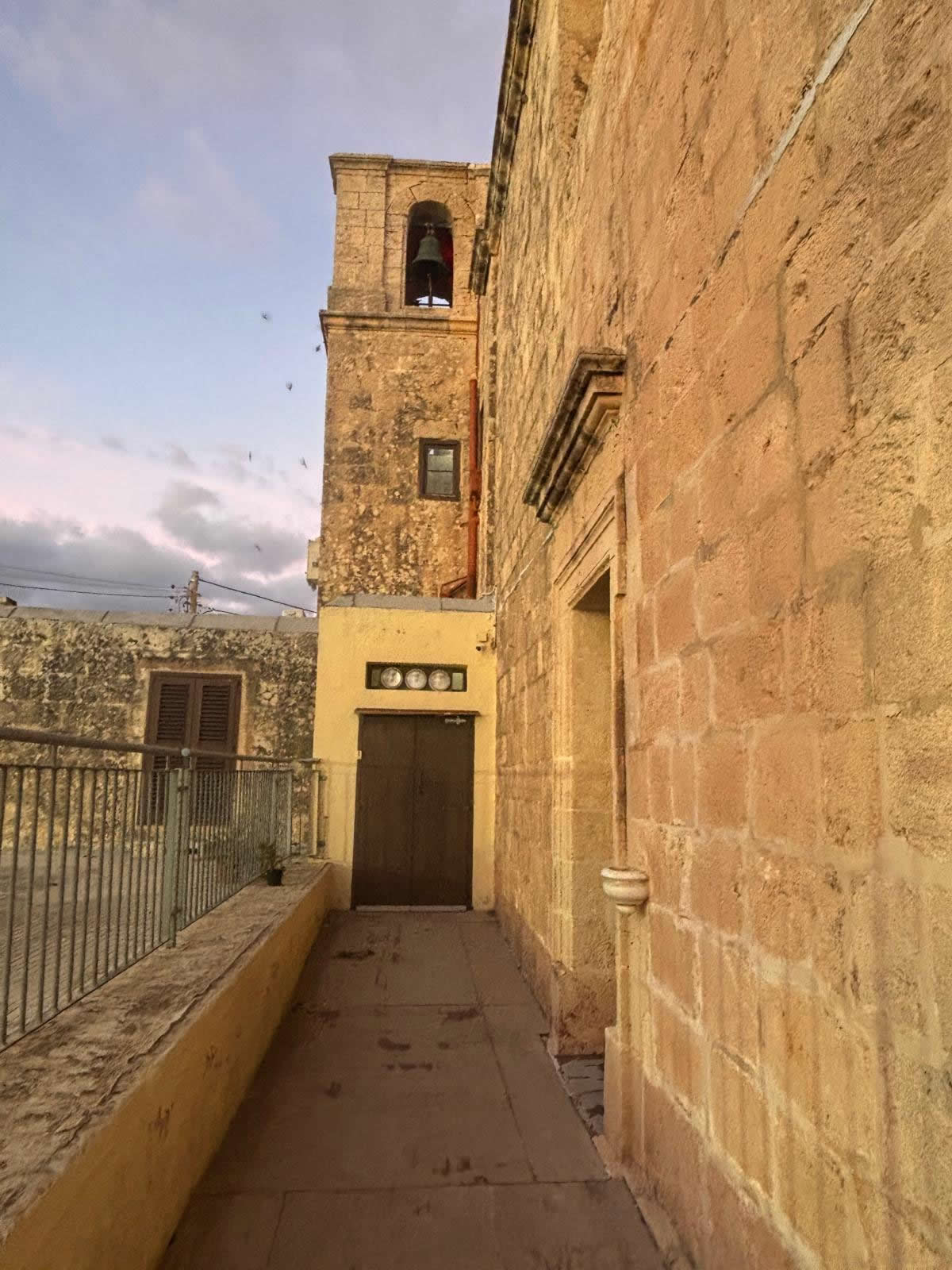
Kunċizzjoni Chapel remains a devotional site and is visited by walkers and residents exploring the countryside around Rabat. Where schedules are announced, services can be seasonal—so it is best to confirm access locally if you are planning a visit specifically to attend Mass.
Quick visitor tips
- Bring water & sun protection: the area is rural with limited facilities nearby.
- Respect the site: it is a place of worship; dress and behaviour should be appropriate.
- Check access: opening and services can vary seasonally or due to maintenance.
Location
Coordinates: 35.899758, 14.349407
What to see nearby
The chapel is often visited as part of countryside walks and viewpoints in the wider Rabat–Dingli–Mġarr rural belt. If you enjoy quiet heritage stops, consider pairing the chapel with nearby valleys, viewpoints (on clear days), and other small chapels in the area.
Sources
This page is based on publicly available summaries and heritage documentation describing the chapel’s foundation date (1736), dedication, and restoration works.